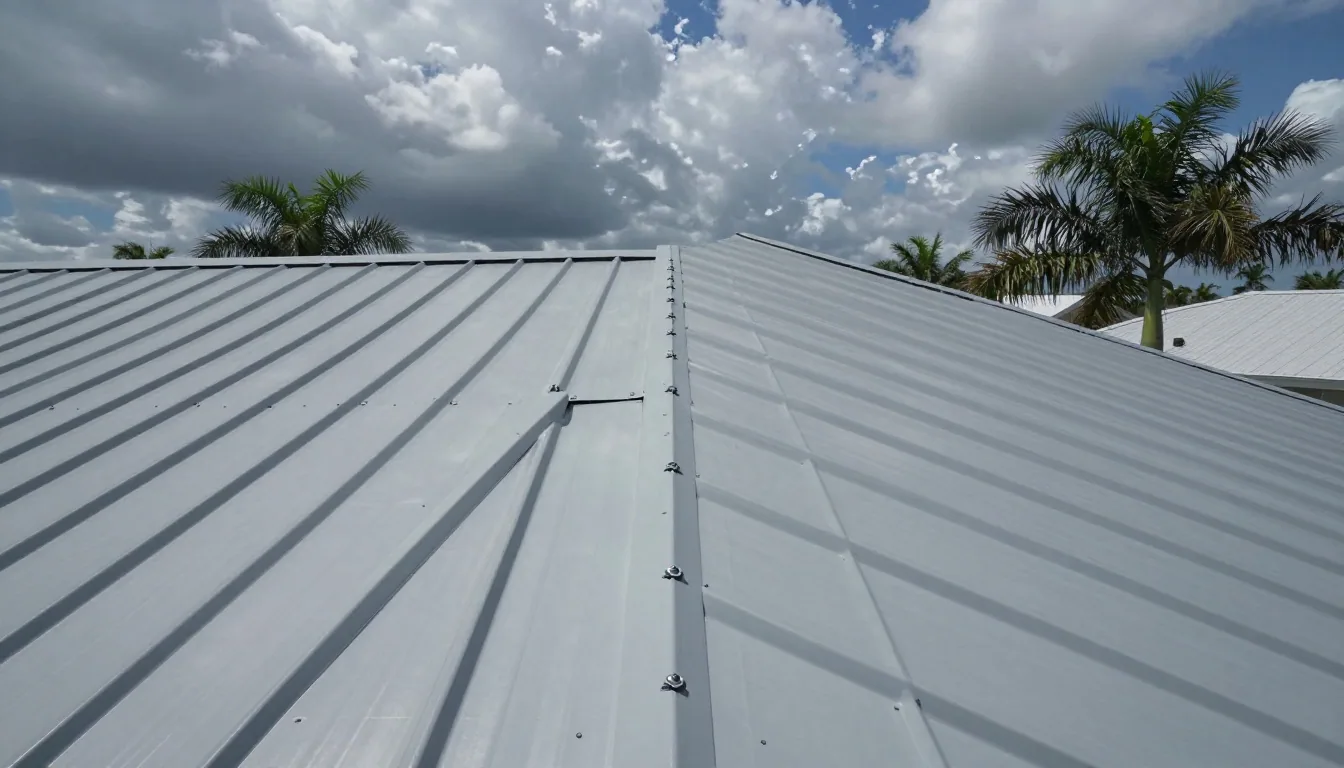
Commercial Roof Seam Failure Repair in Conroe, TX
Locate split, lifted, or leaking commercial roof seams in Conroe and repair the joint only after checking the membrane and attachment around it.
A seam that opens at the edge of a repair can admit water long before the split is visible from the ground. On a low-slope roof, the joint has to hold while the membrane expands, contracts, and moves at transitions. Conroe’s summer heat works the surface, and rain tests a seam that has lost bond or weld continuity. We locate the opening, identify the system, and inspect the material on both sides before choosing whether to weld, adhere, reinforce, or replace the affected section.
Find how far the joint has let go
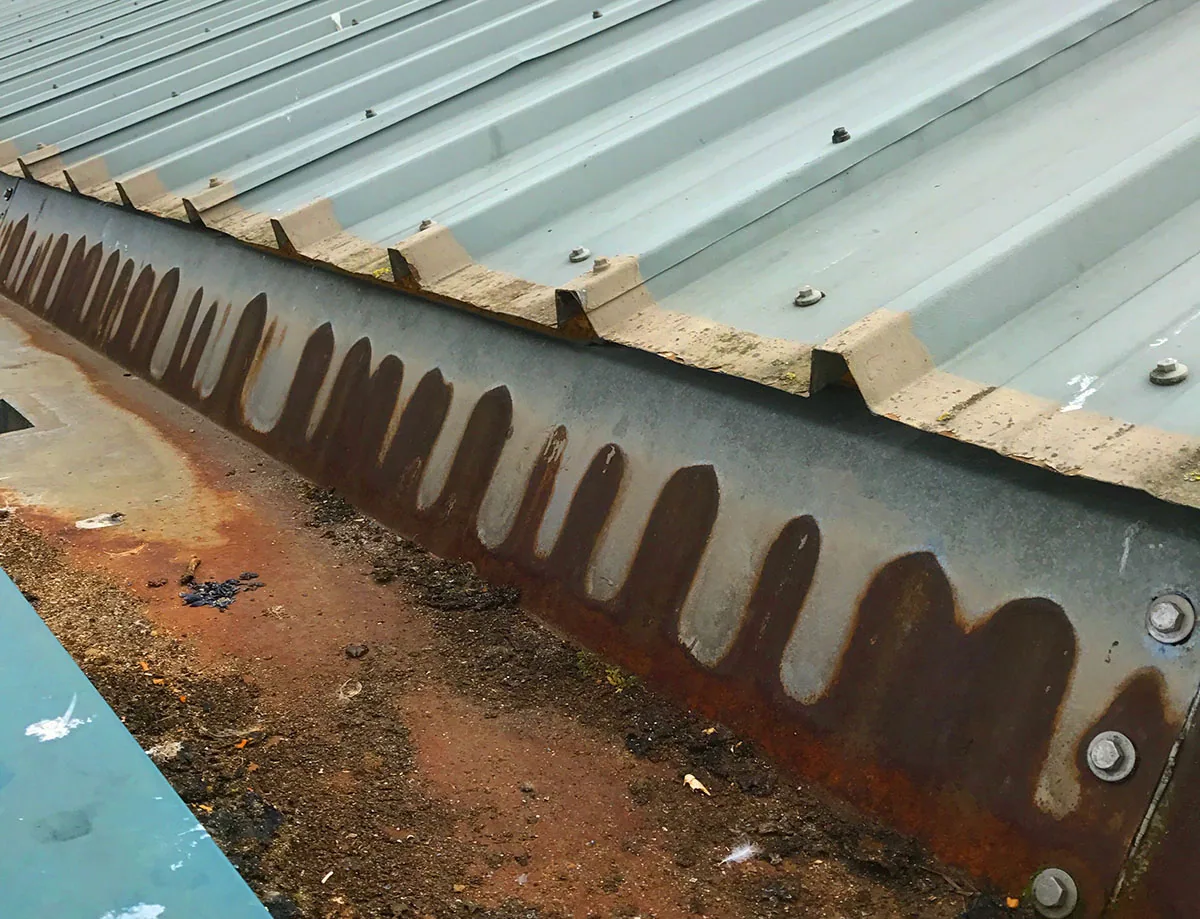
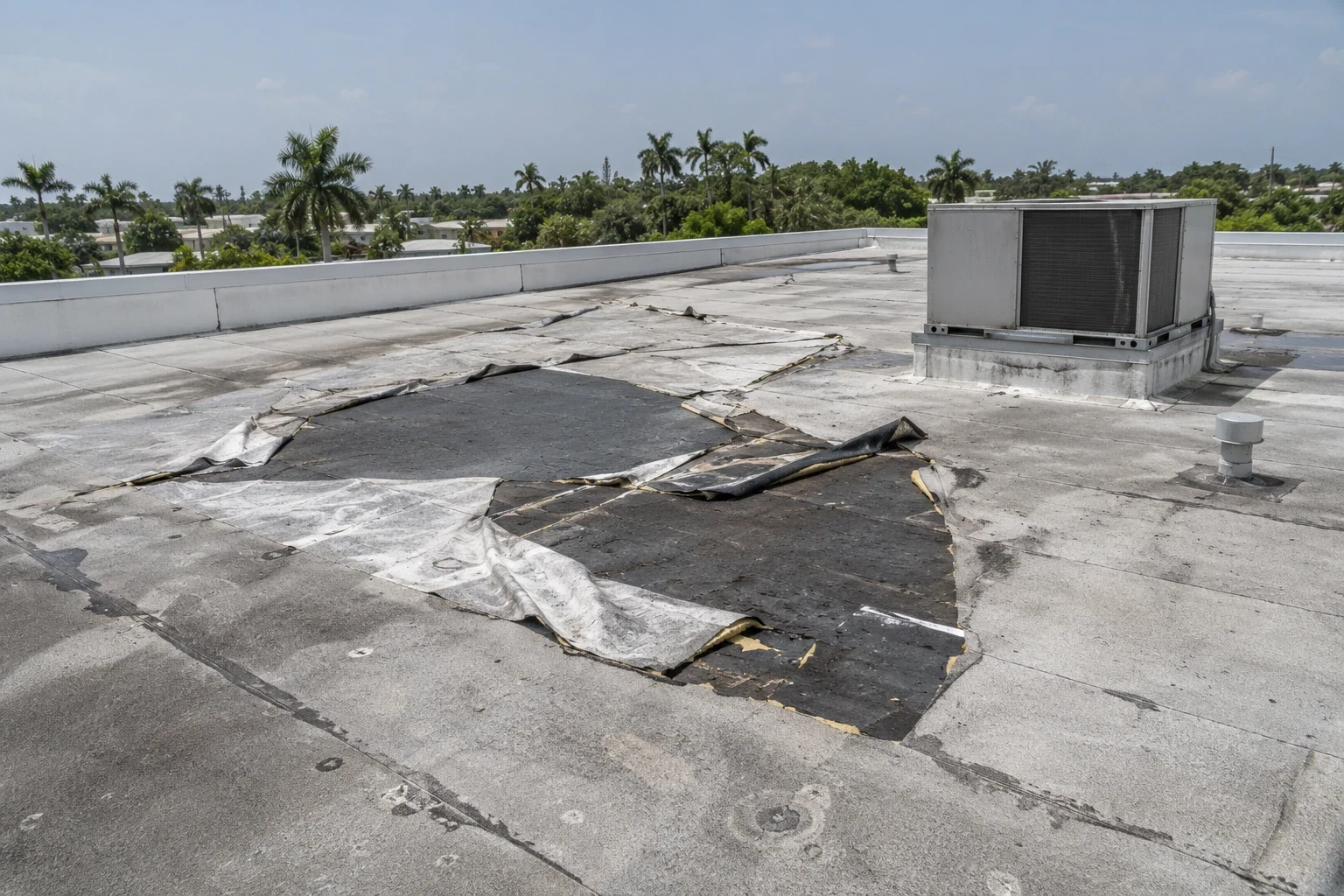
We inspect the seam through its full accessible length, not just the point where water was reported. A raised lap, fishmouth, open splice, contamination, brittle adhesive, or weak weld each points to a different repair method. A probe or controlled test can help identify whether the edge is bonded, but it should be used in a way that does not enlarge the defect. The roof map should mark the opening, nearby penetrations, and where the seam appears intact.
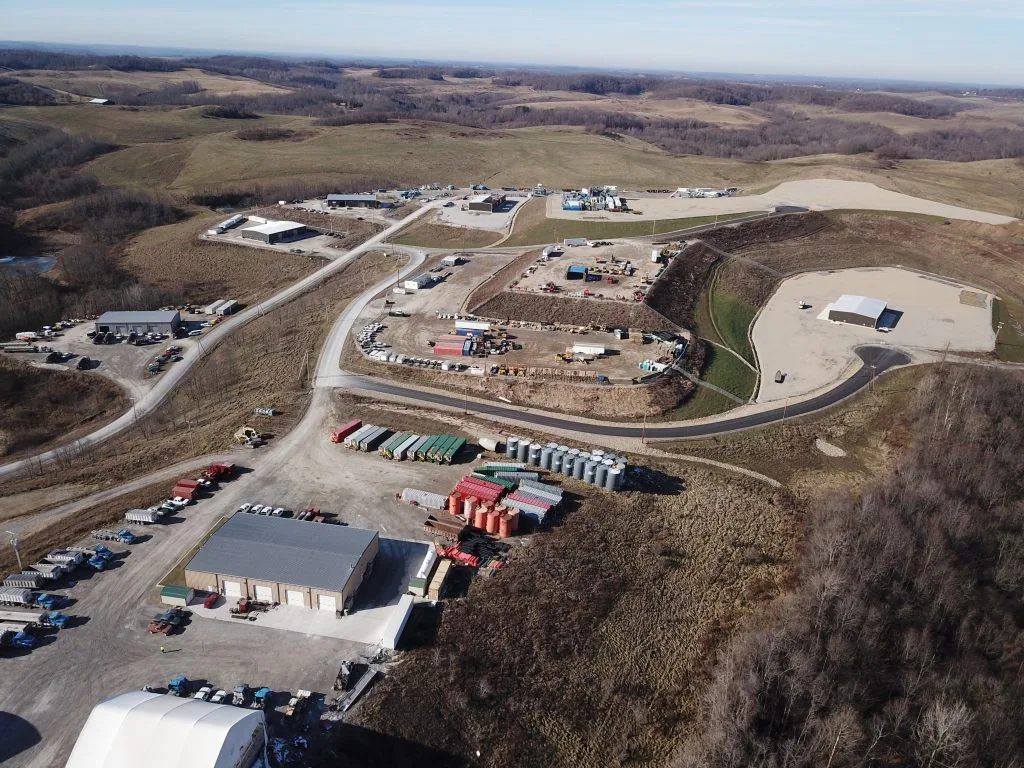
NorthStar Industrial Park lists warehouse and manufacturing spaces with grade-level loading, office areas, and crane-equipped bays. The combination of roof transitions and large equipment can make access and clearance important during inspection. A commercial roof inspection can record the seam condition and any obstructed portion. NorthStar Industrial Park is a regional industrial location; the specific membrane and seam type still need field confirmation at each building.
Trace the interior mark to a roof joint
A ceiling mark below a seam does not prove the water entered at that exact point. Water can travel along a deck, insulation joint, or structural member and drop where the path changes. We compare the interior report with the seam direction, roof slope, nearby drains, wall transitions, and previous patches. If several areas show moisture, the scope should separate the visible opening from any larger test area. That lets the owner approve investigation without committing to material replacement beyond what the inspection supports.
Conroe Park North sits on FM 3083 east of I-45 and contains manufacturing, freight, warehousing, and food-processing employers. An active facility can need a marked production lane or dock kept clear while the repair is open. An infrared moisture survey may help identify temperature patterns for confirmation when moisture extends beyond the seam. If the water instead tracks to a curb or wall, flashing repair addresses that separate joint. We record the evidence for each suspected entry point rather than stretching one seam repair to cover all symptoms.
Match the repair method to the membrane
Thermoplastic membranes may need cleaning and hot-air welding with a compatible patch; an adhered system may call for a different lap preparation and adhesive. Age, contamination, coating, temperature, and the condition of the sheet determine whether a reliable bond is possible. We confirm those details before estimating. If the seam sits on a moving transition, the repair has to accommodate the underlying joint rather than bridge it with a rigid bead.
A repair sample can be useful where the existing material is aged or coated. We prepare a small area, check that the patch bonds as intended, then extend work only after the method is suitable. TPO roofing uses welded seams; EPDM roofing relies on its system-specific adhesive and tape details. System labels are not interchangeable. When the sheet is too degraded or the seam pattern is failing across many areas, a wider restoration review may make more sense than repeated small patches.
Check movement at edges and equipment
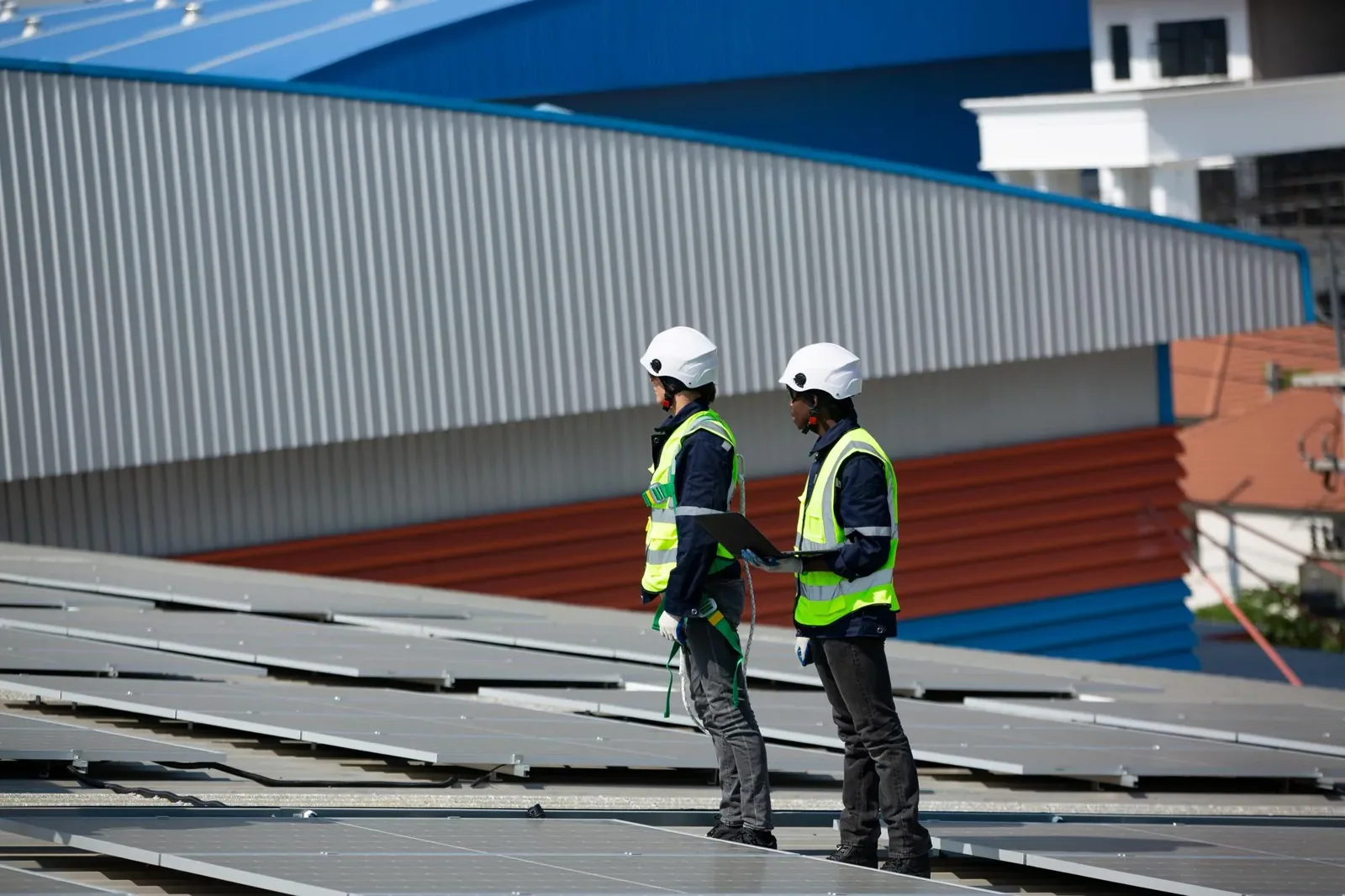
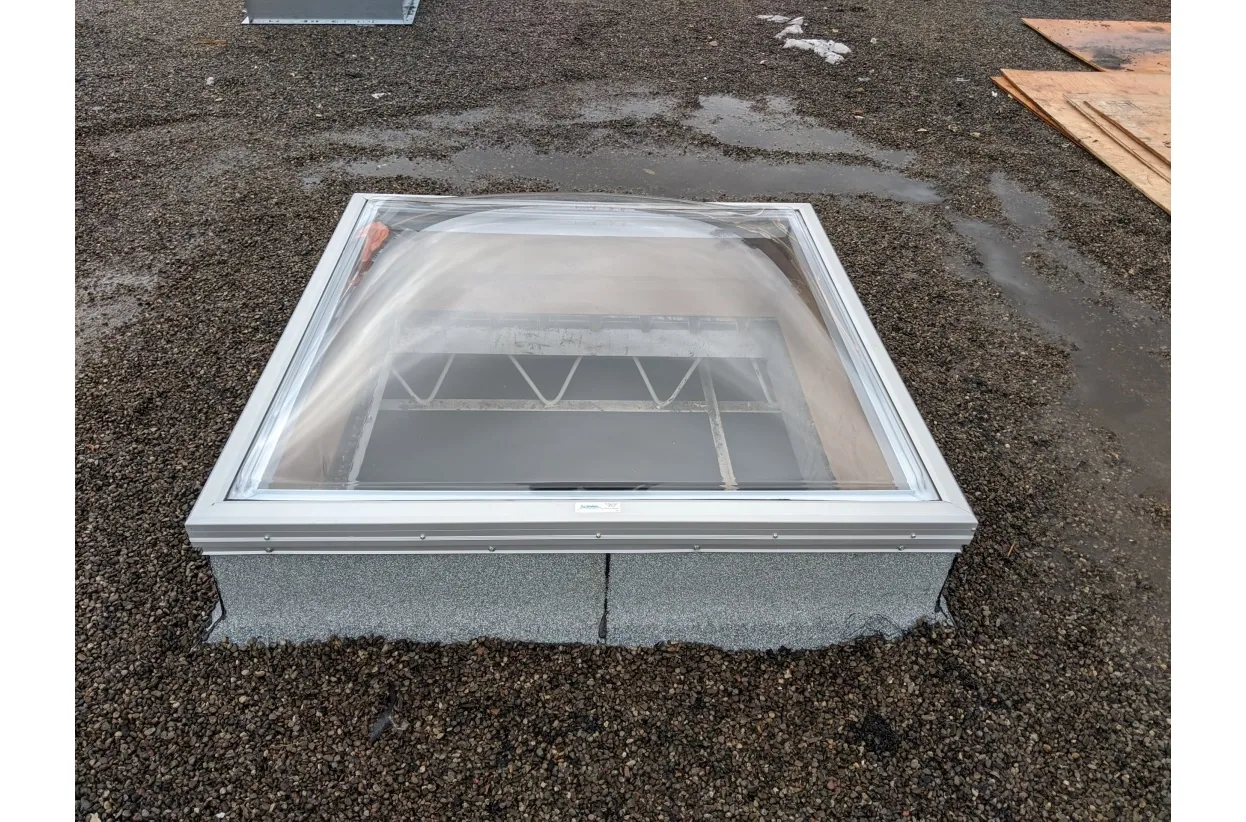
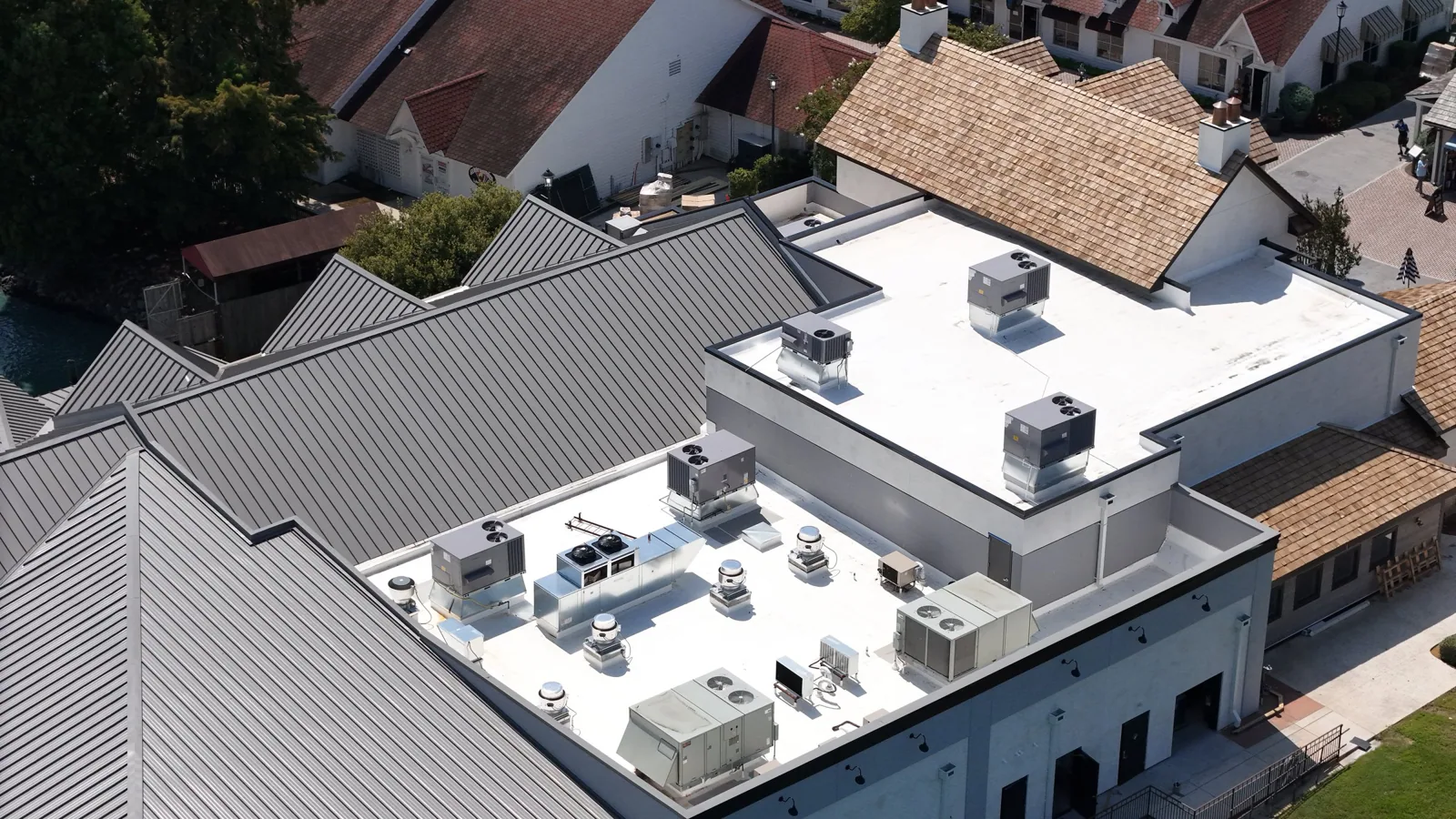
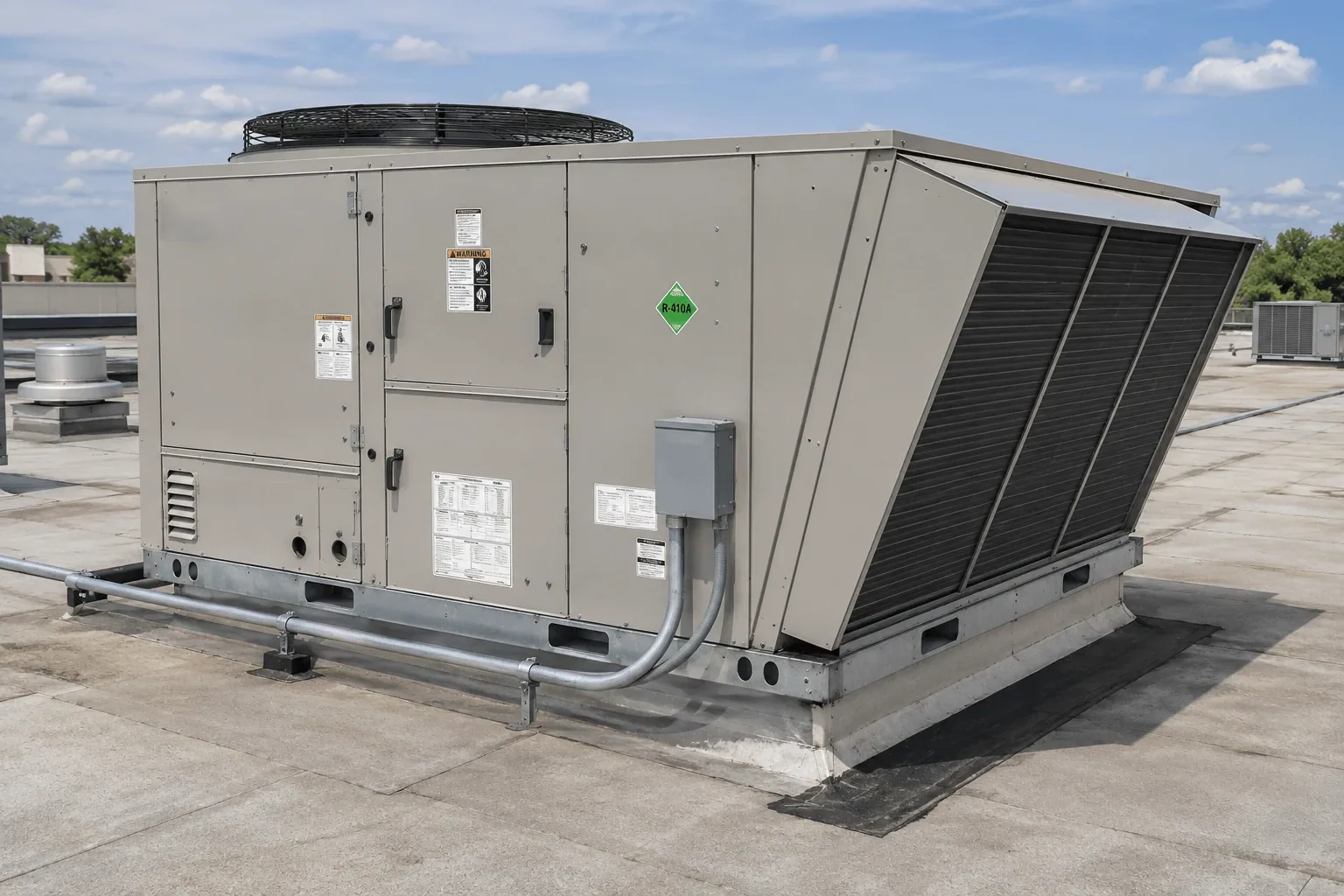
Seams near rooftop units, curbs, roof-to-wall conditions, and perimeter metal can move differently from the field. We inspect how the joint terminates and whether edge restraint, flashing, or nearby fasteners have shifted. If another trade replaced equipment or piping, the roof interface may need to be coordinated with that vendor. A leak that returns after a curb service call deserves a new inspection of the seam and flashing together; a surface bead alone may not address the movement.
Conroe’s regional severe-weather hazards include damaging wind and intense rainfall. After a storm report, we examine for new openings and displaced details while keeping older wear distinct from recent movement. Wind-related roof repair can address edge or attachment changes when the inspection finds them. Curb and support review can clarify which equipment interface is part of the roofing scope. The owner should know which trade will restore the joint if equipment work continues after the seam repair.
Keep the repair scope tied to sound material
A good patch needs sound membrane beyond the opening. We mark how far the seam damage runs, inspect the adjoining sheet, and determine whether water or contamination has reached the lap. If insulation below is wet, the work may need a controlled opening and replacement of affected material. If the membrane remains stable around a short split, a localized repair may be enough. We list both the confirmed correction and any unpriced area that needs owner approval.
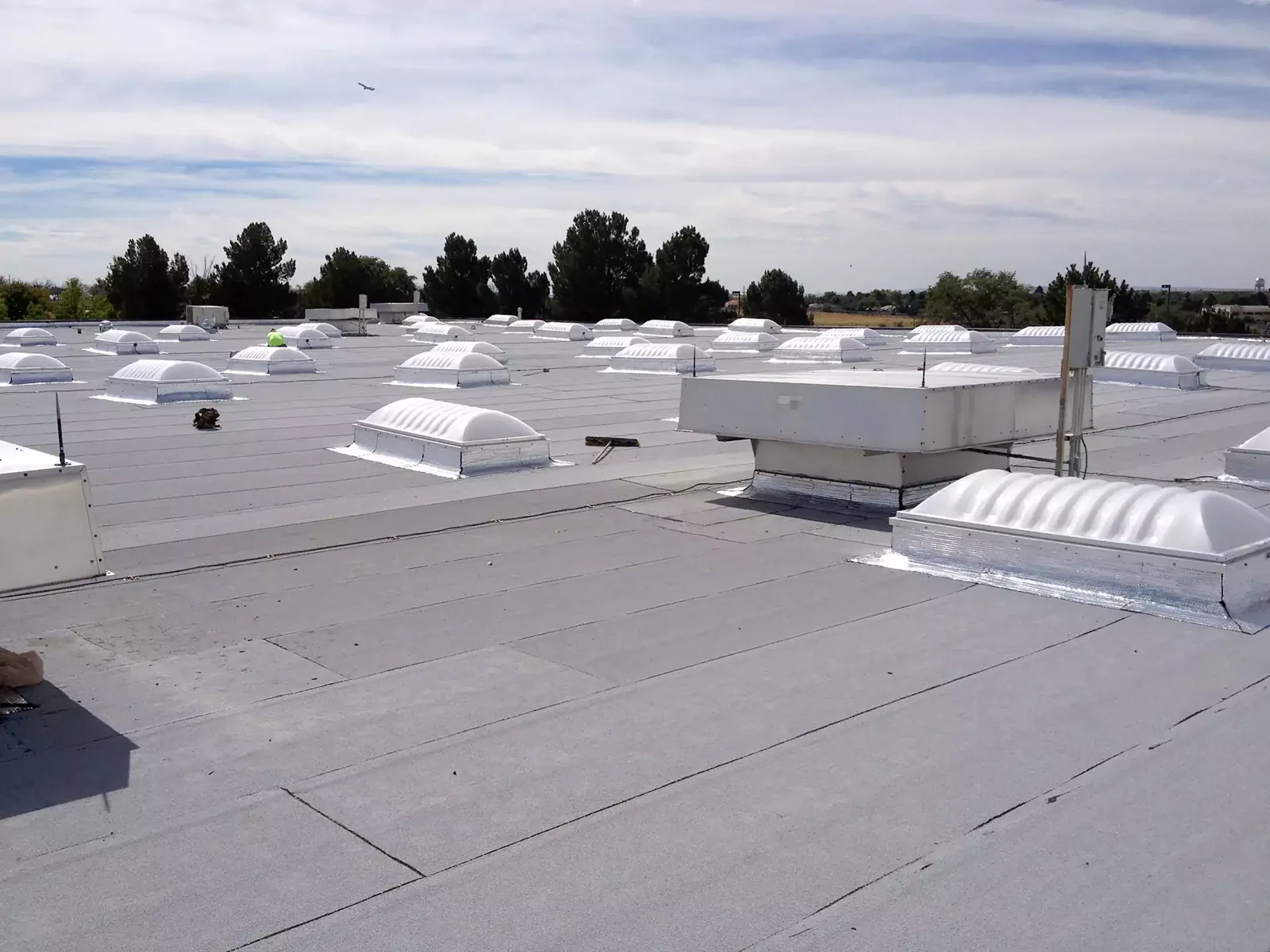
In a larger renewal, seam work should be coordinated with drain, edge, and penetration details so the completed system has continuous transitions. A replacement scope can identify seam treatment by roof section, along with tear-off assumptions and temporary dry-in. Ponding-water repair is relevant only where standing water is also present; a seam split by itself does not show a drainage failure. The estimate should describe the material, width, preparation, weather limits, and what the owner can expect to see at closeout.
Record the tested seam after repair
Closeout should include the seam location, repair method, material, photos, test results where performed, and any adjacent area not repaired. A detail shot shows the finished edge; a wider photo shows where it sits on the roof. If the method depends on clean, dry material or a specific temperature range, note that limit. When a return check is recommended, include its timing and the condition that should be observed.
For a recurring split, compare the new report with earlier photos to see whether the opening follows the same lap or has moved to a different transition. That difference matters for repair planning. A roof condition report can keep the location and evidence easy to retrieve. Send the membrane type if known, seam location, interior symptoms, prior repairs, and the access contact; we will inspect the joint and state whether the repair remains local or needs a wider review.
Commercial Roofing Questions
Can an open seam be patched from above?
Often, if the membrane on both sides is sound and the system accepts the repair method. We inspect the lap, surface, contamination, and adjoining details before setting the boundary.
Why does a seam leak away from the interior stain?
Water may travel along the deck or insulation before it appears indoors. We trace the symptom to the roof and compare the path with seams, curbs, drains, and wall transitions.
Do all roof membranes use the same seam repair?
No. Welded thermoplastic seams and adhered membrane laps need different preparation and compatible materials. We identify the system before choosing a patch.
When should the owner consider a larger repair?
Repeated openings, wet insulation, weak material beyond the lap, or failures across multiple roof sections may justify broader investigation. The report should show the evidence and options.
What should the seam-repair record show?
Location, repair method, materials, photos, and any test or follow-up. A wider image should locate the detail so a later inspector can compare it accurately. Keep the photograph tied to the roof-zone label used in the work order and proposal.
Related Roofing Work