Commercial TPO Roofing in Conroe, TX
Inspect, repair, or replace commercial TPO roofing in Conroe, TX. We check welds, attachment, insulation, drainage, and the roof boundary before work.
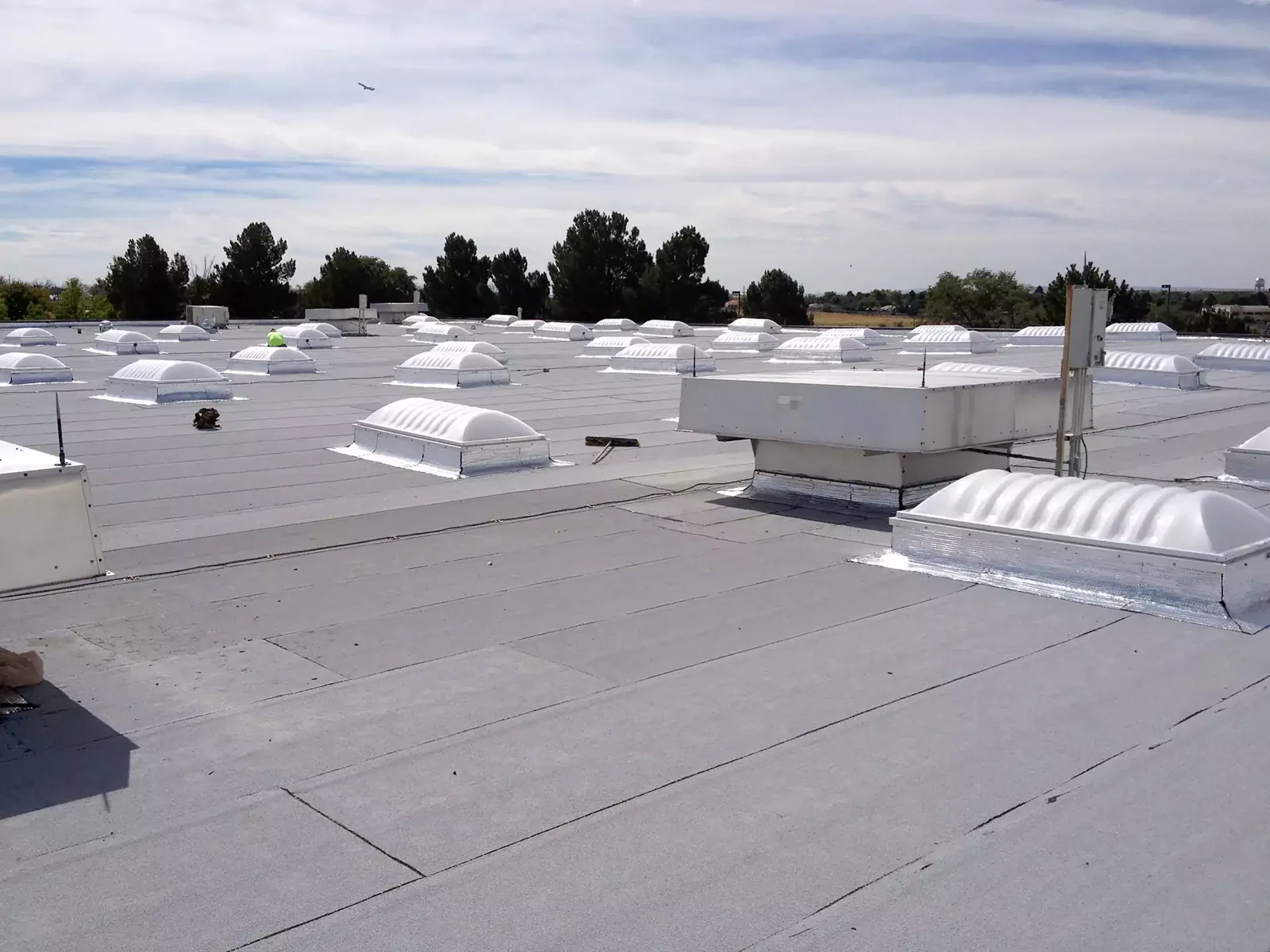
A TPO roof is only as dependable as its welds, perimeter attachment, and transitions. In Conroe, repeated summer heat moves the sheet and metal details, while heavy rain quickly tests seams and drains. We identify the membrane, attachment method, insulation, and repair history before deciding whether a weld repair, recover, or replacement fits. Conroe Park North's freight, manufacturing, food-processing, and warehouse operations make access and interior protection part of the roof plan. At Deison Technology Park, research, office, and manufacturing uses call for a building-specific scope. Neither district tells us which TPO assembly or condition is present on an individual roof.
Read the weld before choosing a patch
TPO field seams join thermoplastic sheets through heat and pressure. A seam can look closed while a short section has weak contact, contamination, or a gap at a corner. We examine the lap, probe accessible edges, and test the surface where the repair method requires it. The review includes field welds, patches, inside and outside corners, pipe boots, curbs, parapets, and the tie-in at older work. A repair should reach material that can accept a compatible weld; adding a strip over a dirty or unstable lap only moves the failure line. We record whether a defect is isolated or repeated across a roof section. A failed-seam repair starts with membrane identification and preparation, not a bead of sealant over the opening. If the roof has a coating or an older patch, confirm its effect on the weld area before heat is applied. When previous work cannot be identified, a small test can show whether the planned connection is sound. We also check for heat damage, shrinkage, wrinkles, and fastener movement around the seam, since an opening may reflect a wider attachment or movement issue rather than one defective weld.
Check how the sheet is held down
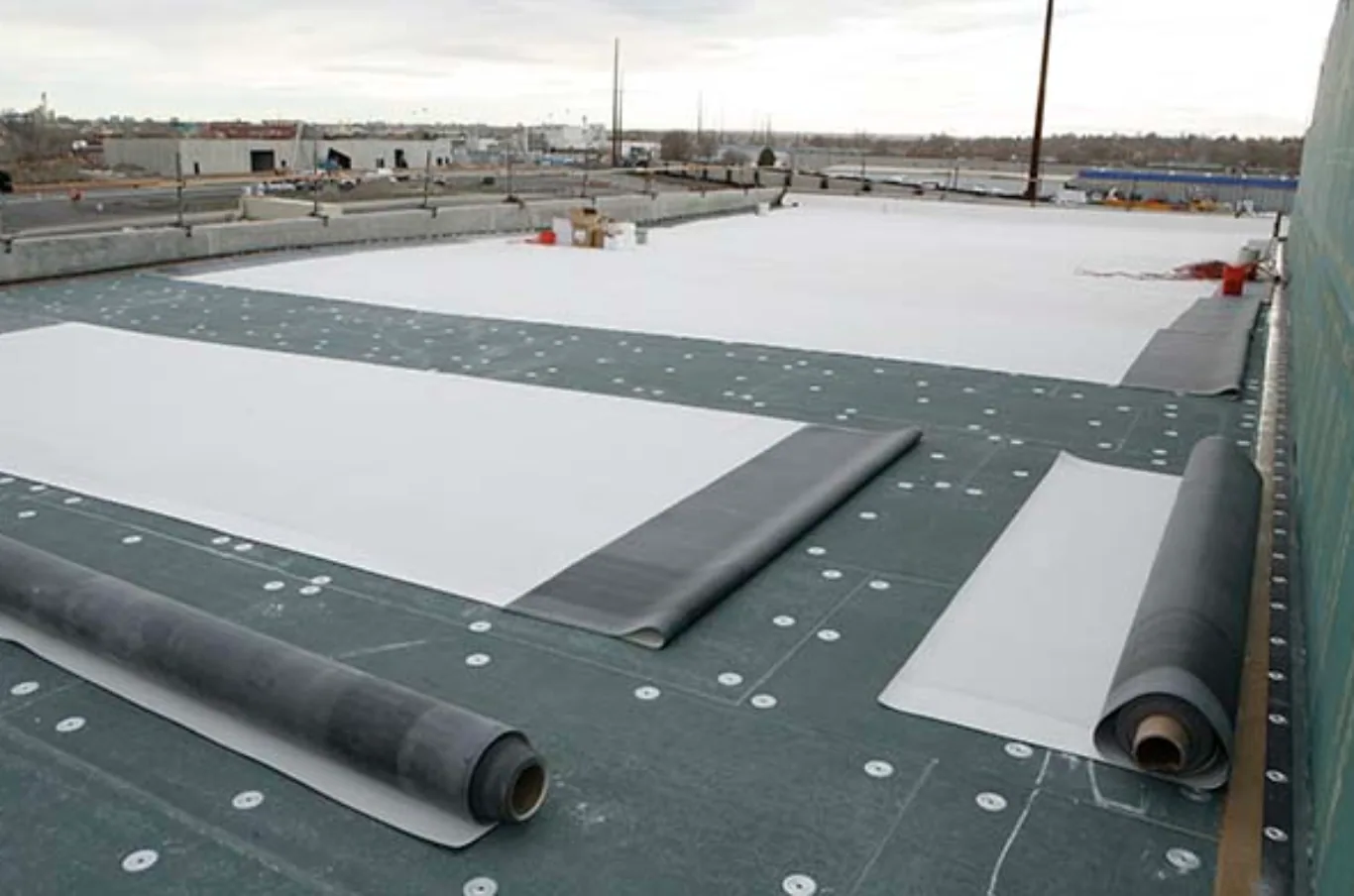
TPO may be mechanically attached, adhered, or installed as part of a ballasted assembly. Attachment determines how the sheet responds at corners, perimeters, and field areas, so we verify it before setting repair limits. A fastener line can be concealed beneath a seam or cover strip; the visible membrane alone may not show the pattern. We inspect accessible edges and details, look for pullout or flutter, and note any section where wind movement has opened a lap. A perimeter metal review can identify a loose termination or coping connection that needs work alongside the membrane. In the Southeast Texas hazard region, wind and intense rain can accompany severe storms, but a weather report does not prove a particular roof was affected. The October 1997 Conroe tornado record is a local reason to check attachments after a reported event, not a diagnosis. We document actual displacement and distinguish it from aging or previous repairs. If broad attachment loss or wet insulation appears, a local patch may not restore the full assembly. The proposal should explain which roof areas were assessed and how any concealed attachment or deck condition could change the scope. If an addition has a different membrane, record where it meets the TPO and which system owns the tie-in. An EPDM roof section or a PVC membrane area needs its own repair materials and transition check; a shared drain does not make the sheets interchangeable.
Follow drainage through the TPO field
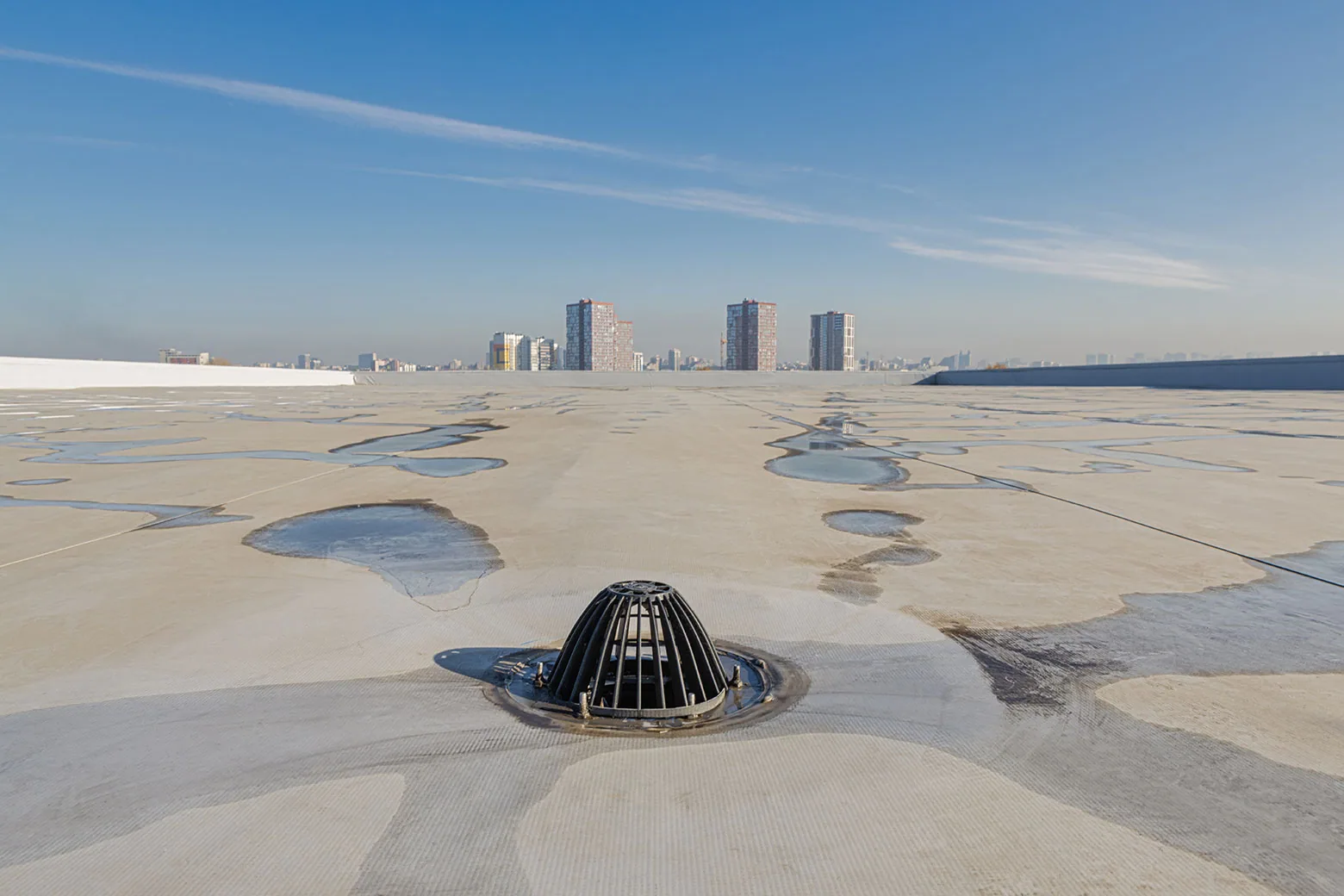
A thermoplastic membrane still depends on a clear route to drains and scuppers. We inspect low areas, strainers, overflow paths, crickets, and the membrane connection at each outlet. Water that remains after surrounding roof areas drain can reflect a blockage, a settled layer, or a deck condition; the pool alone does not identify which one. At a drain bowl, the sheet and clamp detail need a watertight transition that remains serviceable. At a scupper, check the membrane, metal, and wall opening together. If moisture may sit beneath the sheet, a targeted test can establish whether the repair boundary extends into insulation or deck. A drain and scupper inspection can be combined with TPO review without assuming drainage work will solve a seam defect. Conroe's local climate station at Lone Star Executive Airport records area conditions just north of the city, and nearby Houston Intercontinental normal highs approach 95 degrees in midsummer. Heat and humidity matter to installation and surface condition, while rain tests the water path. We plan work around a dry substrate and a secure daily tie-in. If the roof remains wet or a storm approaches, the open area stays small enough to close and protect before the crew leaves.
Compare repair, recover, and replacement
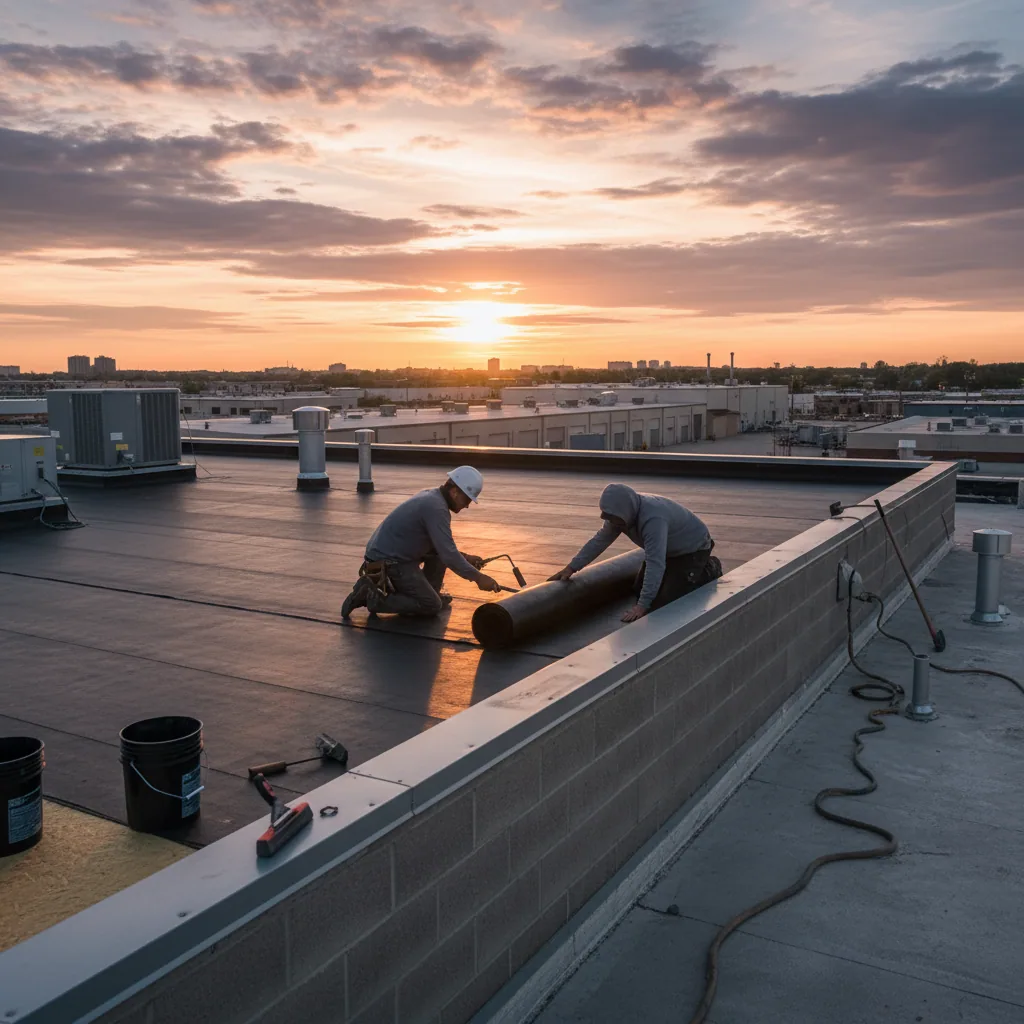
A single weld failure can be repaired when the surrounding sheet, attachment, and insulation remain sound. Repeated seam openings, widespread shrinkage, wet cover board, or loose perimeter details can move the decision toward a larger project. We map confirmed defects and identify suspect zones that need testing. A recover assessment considers existing layers, moisture, attachment, drainage, height, and code requirements before another membrane is added. Tear-off exposes concealed conditions but requires protection, debris handling, and more interior coordination. The written scope names the roof section, tie-in, repairs, materials, and allowances that remain contingent on opening. A replacement scope should also include drains, curbs, edges, and equipment transitions, not only the TPO field. For a Conroe Park North facility, staging and loading may affect material delivery and lift access. The site contact confirms those rules. The estimate should state how a concealed wet area is measured and approved, keeping the initial boundary distinct from added work. That lets an owner compare a focused repair with planned renewal on evidence instead of a membrane label.
Keep a useful TPO service history
After repair or installation, record the membrane type, weld method, attachment observed, roof zones reached, and any area left for later testing. Photos should show both the seam detail and its position on the roof. Maintenance checks can revisit drains, penetrations, edge metal, equipment paths, and prior patches after storms or mechanical work. If a service contractor moves equipment or adds a conduit, inspect the new penetration and note whether flashing was restored. A roof condition report can preserve test locations and repair limits for the next decision. A warehouse roof may have high service traffic around units, while a research or office building may place tighter limits on access. The record follows each property rather than transferring conditions across a campus. If the membrane remains under observation, identify what should trigger a return visit and when the same weld should be checked again. That makes routine service useful before the next hard rain exposes a detail that had already begun to move.
Commercial Roofing Questions
How can you tell whether a TPO seam needs repair?
We examine the lap, probe accessible edges, and check the surrounding sheet and attachment. A short opening can be tested before the repair material and weld method are selected.
Can you install new TPO over the existing roof?
A recover depends on moisture, attachment, existing layers, drainage, height, and applicable code. We document those conditions before recommending another membrane layer.
Will a TPO patch correct ponding water?
A patch can close a seam or puncture, but it will not correct a blocked outlet or low deck area. We inspect the drainage path and scope that correction separately.
What should we do after wind or hail is reported?
Arrange a property-specific review of seams, edges, penetrations, and drains. We record observed changes and keep regional weather information separate from confirmed roof conditions.
What information belongs in TPO repair closeout?
Keep the roof zone, material and weld method, photos, repair limit, and any test result together. Note concealed areas that were not opened and the next review point.
Related Roofing Work