Commercial Roofing in Deison Technology Park, Conroe, TX
Commercial roofing for Deison Technology Park in Conroe. We inspect seams, penetrations, drains, and access needs around research and office operations.
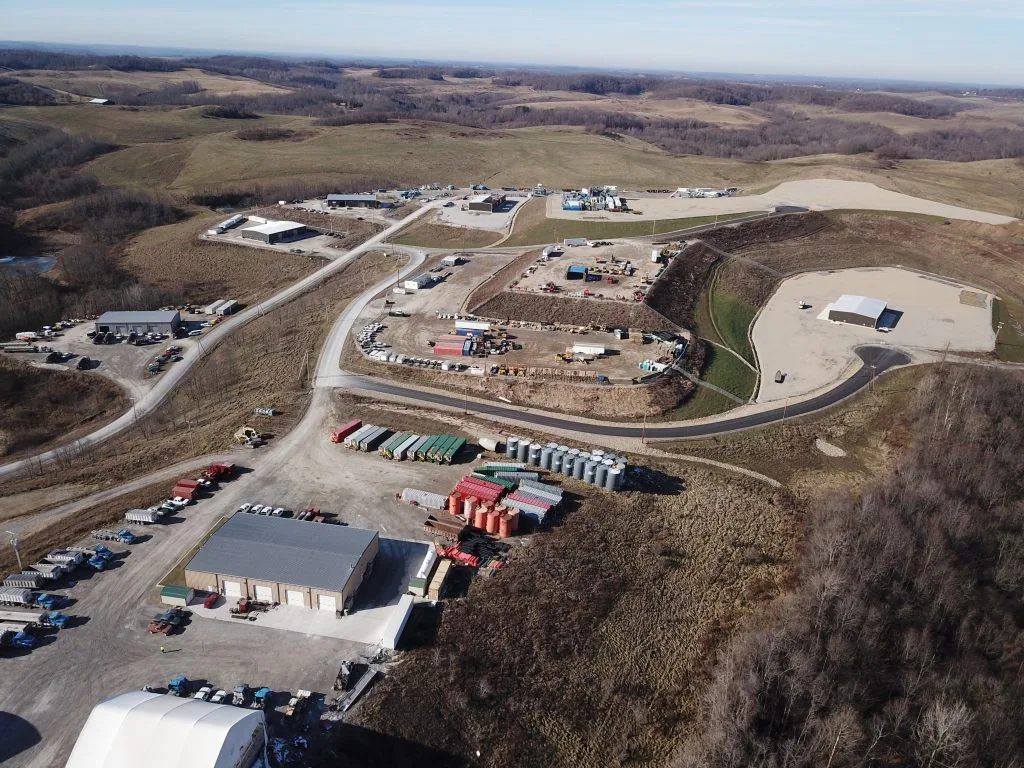
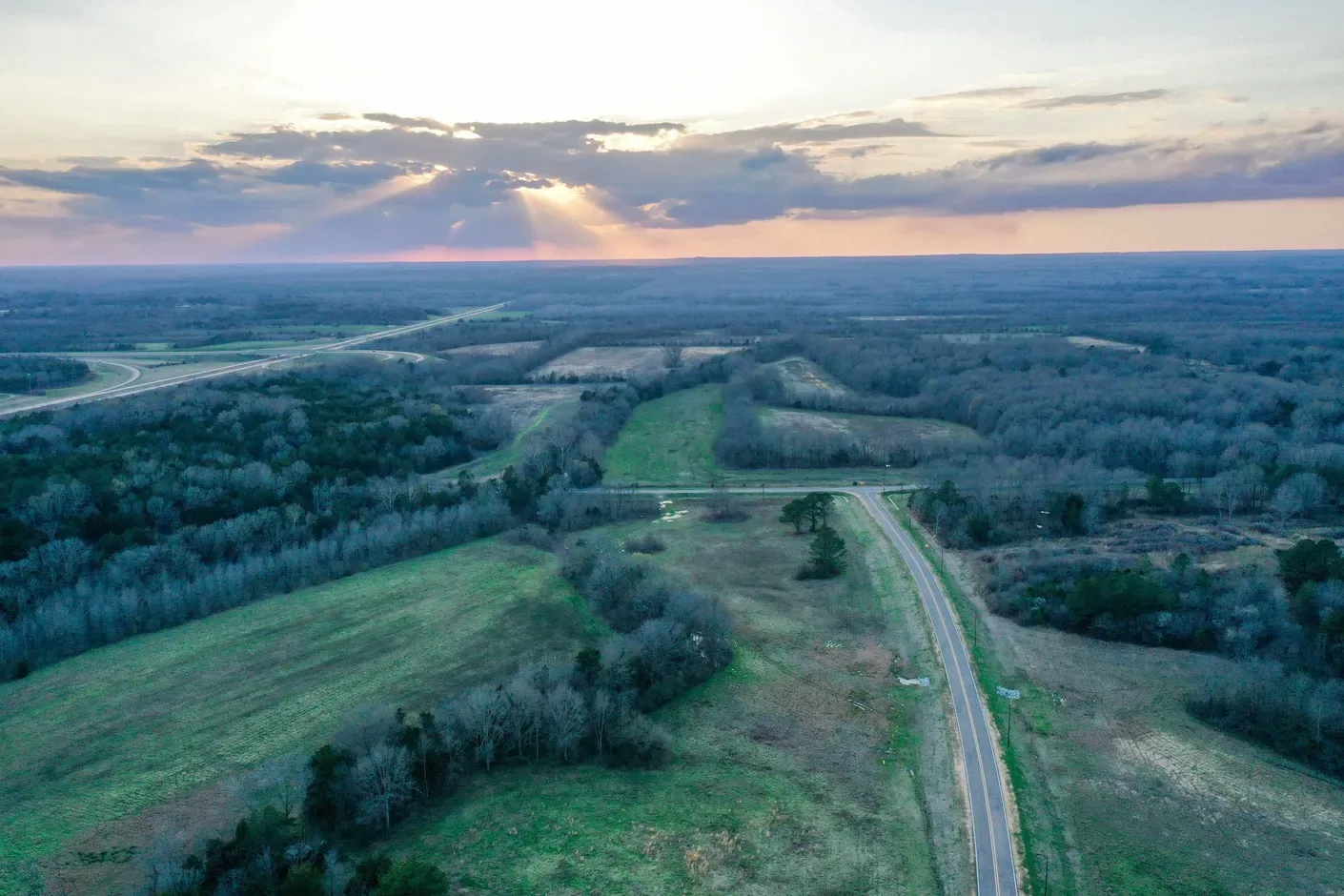
Research equipment and office schedules can make a roof access window as important as the repair itself. Deison Technology Park covers 248 acres off FM 1484, roughly four miles east of I-45, and is planned for corporate, research, and office uses. Existing infrastructure and trails support the business park, while VGXI built a 240,000-square-foot headquarters and manufacturing facility for plasmid DNA production. We plan commercial roof inspections around the building's operating limits, then trace water through seams, drains, curbs, and wall details. Conroe's hot season and heavy rain test those connections repeatedly. The system and condition still need to be confirmed at each property.
Protect the Work Window
A work plan starts with the people who control access. We confirm roof entry, equipment shutdown needs, loading points, interior areas to protect, and times when noise or vibration could disrupt a scheduled operation. Research and office functions can have different constraints in the same district. A site contact sets those limits before materials reach the roof. We sequence repair by roof area and leave an agreed route open for building staff.
We open only an area that can be secured before the crew leaves. If a test exposes wet insulation or a damaged deck, we photograph and map the condition before asking to extend the scope. This keeps a repair boundary distinct from concealed work discovered after opening. A Conroe Park North work plan addresses freight and industrial staging in a different setting, while commercial roofing in Downtown Conroe involves another access context. This building's own operating hours still determine the sequence.
Trace the Leak to Its Entry
Water can travel along insulation or a deck before it reaches a ceiling. We inspect the reported area and nearby seams, curb corners, penetrations, and wall transitions, then follow the drainage path toward drains and scuppers. We look for open flashing, punctures, loose metal, and wet material. A stain alone does not identify which detail failed. If the surrounding membrane is dry and stable, a focused repair may fit. If similar openings appear along a seam line, the inspection extends to the attachment and adjacent roof section.
A commercial roof inspection can document what was observed and what remains concealed. Photo locations matter: a close view of a flashing edge needs a roof reference and a nearby landmark so a later visit can find it. We also compare the reported leak time with the weather and building schedule. A ceiling mark that dries before the next visit may still correspond to a roof detail that needs attention. Recording the sequence helps separate an intermittent entry from condensation or a plumbing issue without guessing from one photograph. When a drain connection or scupper is part of the leak path, drain and scupper work can be included without assuming that clearing the outlet corrects a membrane failure.
Heat and Rain on a Research Roof
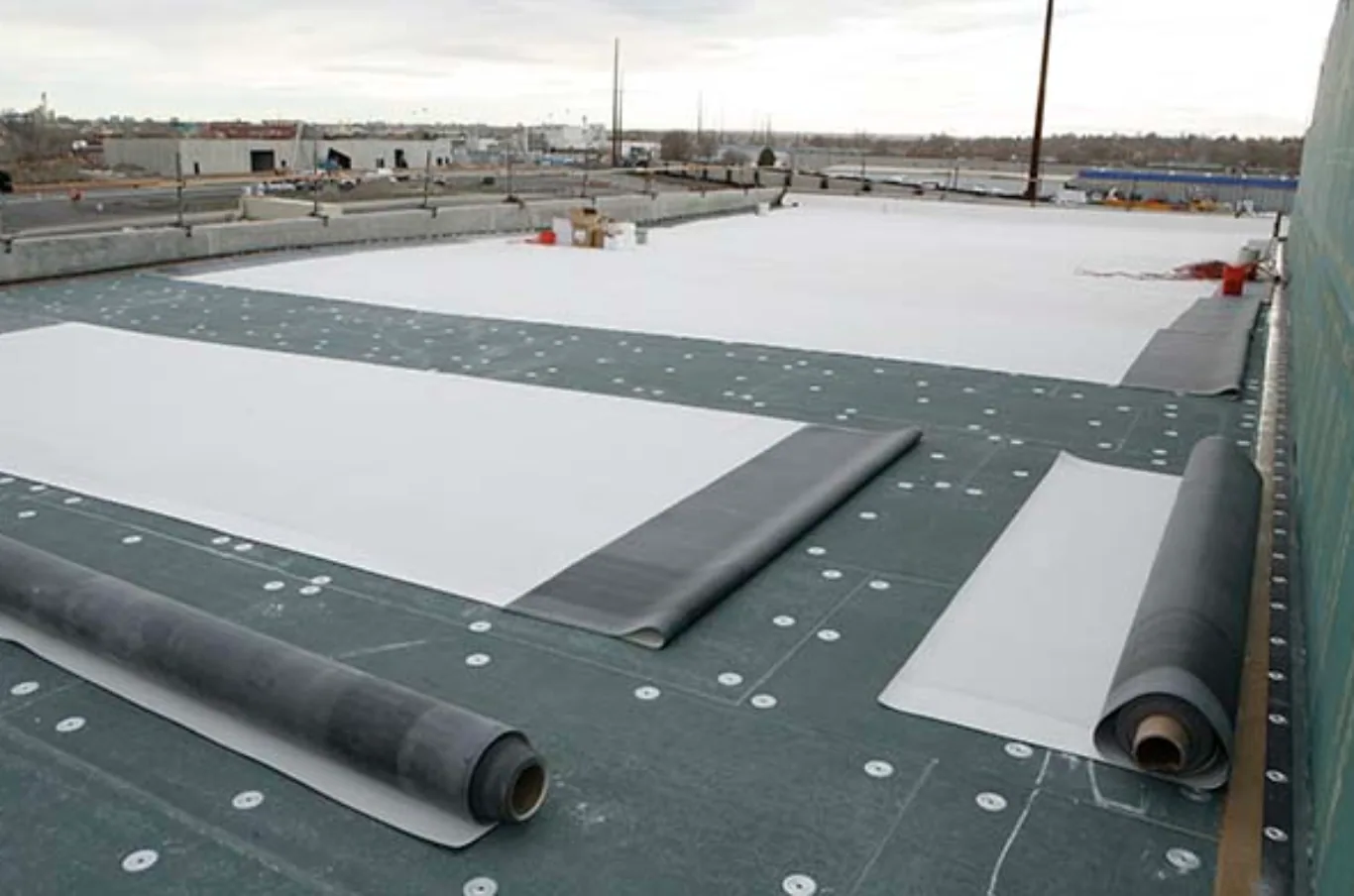
Houston-area July and August daily highs average close to 95 degrees, indicating a sustained summer heat load for Conroe roofs. Conroe's heat expands exposed membrane and metal through the day, then contraction puts movement back into seams and transitions. We check weld edges, fasteners, curb flashing, and perimeter metal for openings or repeated movement. Those signs matter at any low-slope commercial roof, but the repair material depends on the system actually installed. A TPO review checks heat-welded seams; another membrane needs its own preparation and flashing detail.
Rain tests how quickly water leaves the roof. We inspect strainers, low areas, scuppers, and overflow routes, then note where water remains after nearby sections clear. Blockage, deck deflection, and settled insulation call for different corrections. Lone Star Executive Airport, on Conroe's northern side, hosts the local weather observing station. An F0 tornado crossed Conroe in 1997. Weather history informs inspection timing, while observed damage sets the scope.
Select the Repair Boundary
A single puncture, loose flashing edge, or isolated seam opening may be repaired if the material around it remains sound. Repeated leak calls, wet insulation, delamination, or movement across several seams can shift the decision toward a larger section. We map confirmed defects and identify places where testing is needed before removal. The written scope names the roof area, repair method, transition, and conditions that could change the amount of work.
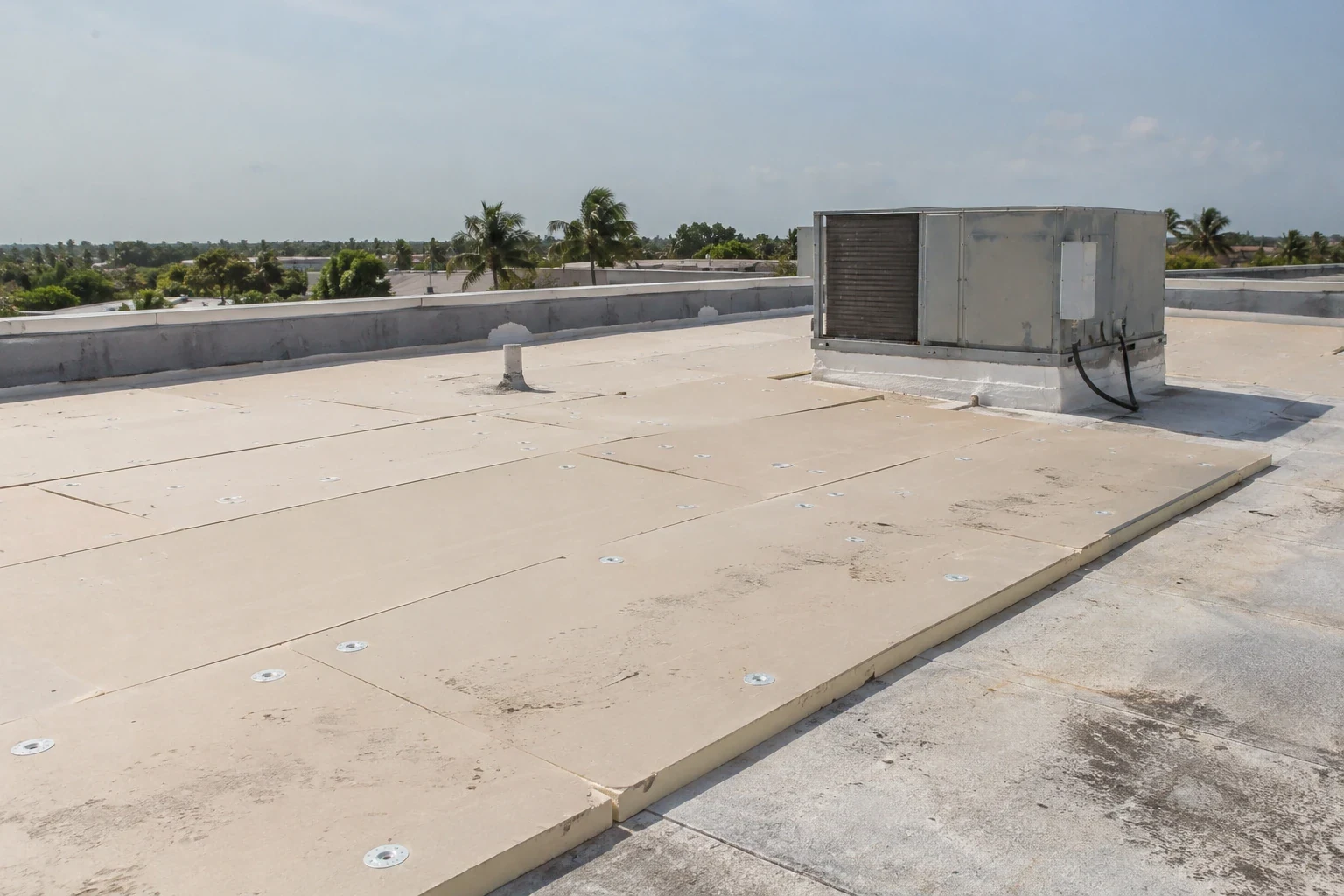
We consider a recover only if moisture checks, fastening, roof height, drainage, deck support, and code allow a stable new assembly. Adding a membrane over an unknown wet area can trap a problem. Tear-off exposes concealed layers and may require more interior protection and debris handling. A replacement proposal should include drains, edges, curbs, and daily dry-in, not just the field membrane. If the concern is an active leak, leak repair can protect the interior while the longer-term decision is prepared.
Match the System to the Building
We compare repair and replacement materials with the deck, slope, drainage, existing layers, and rooftop equipment. TPO, PVC, EPDM, modified bitumen, metal, and coatings each need different attachment and transition details. A system name does not tell us whether the current assembly is dry or stable. We record visible materials and, where conditions support it, test concealed layers before recommending a recover.
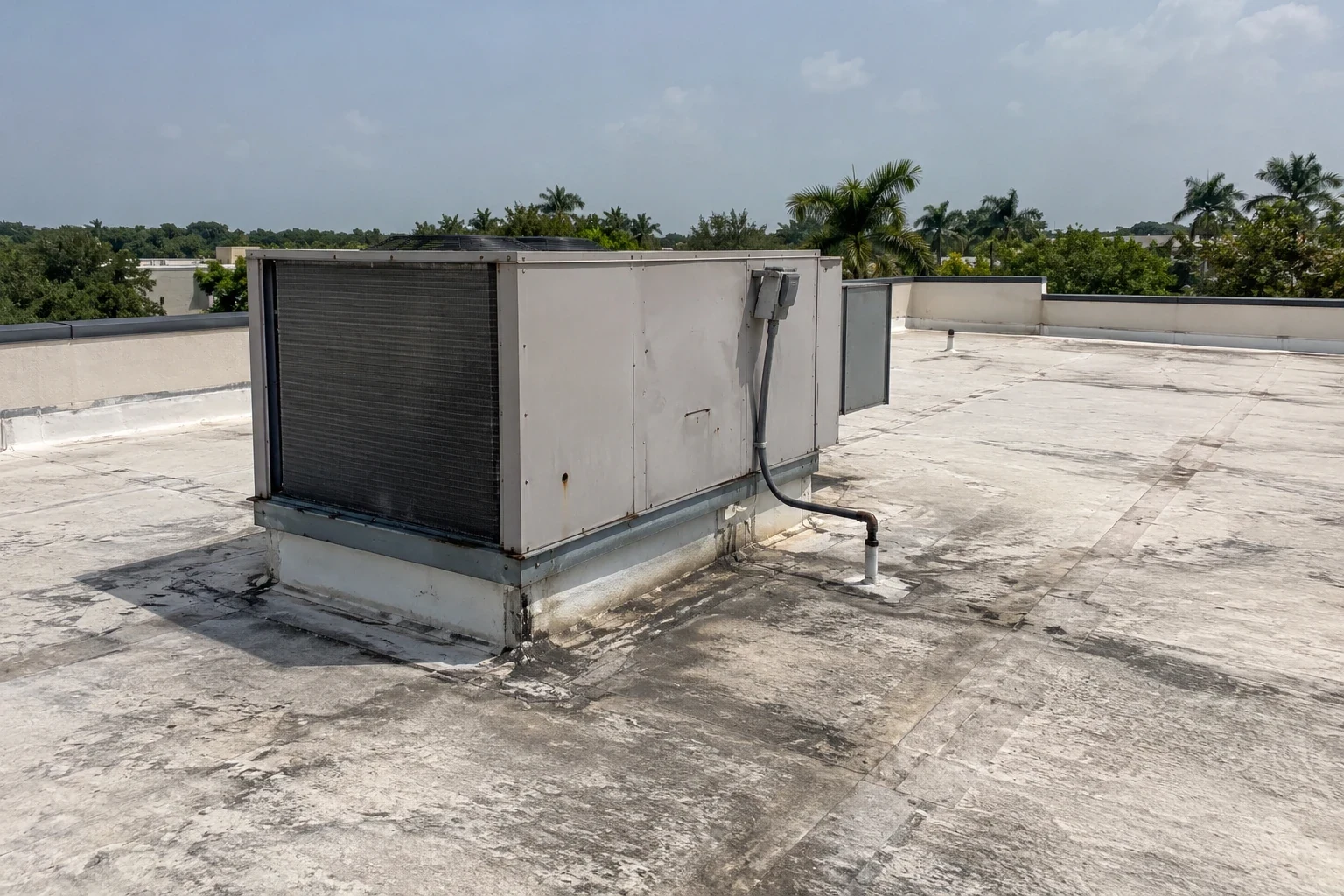
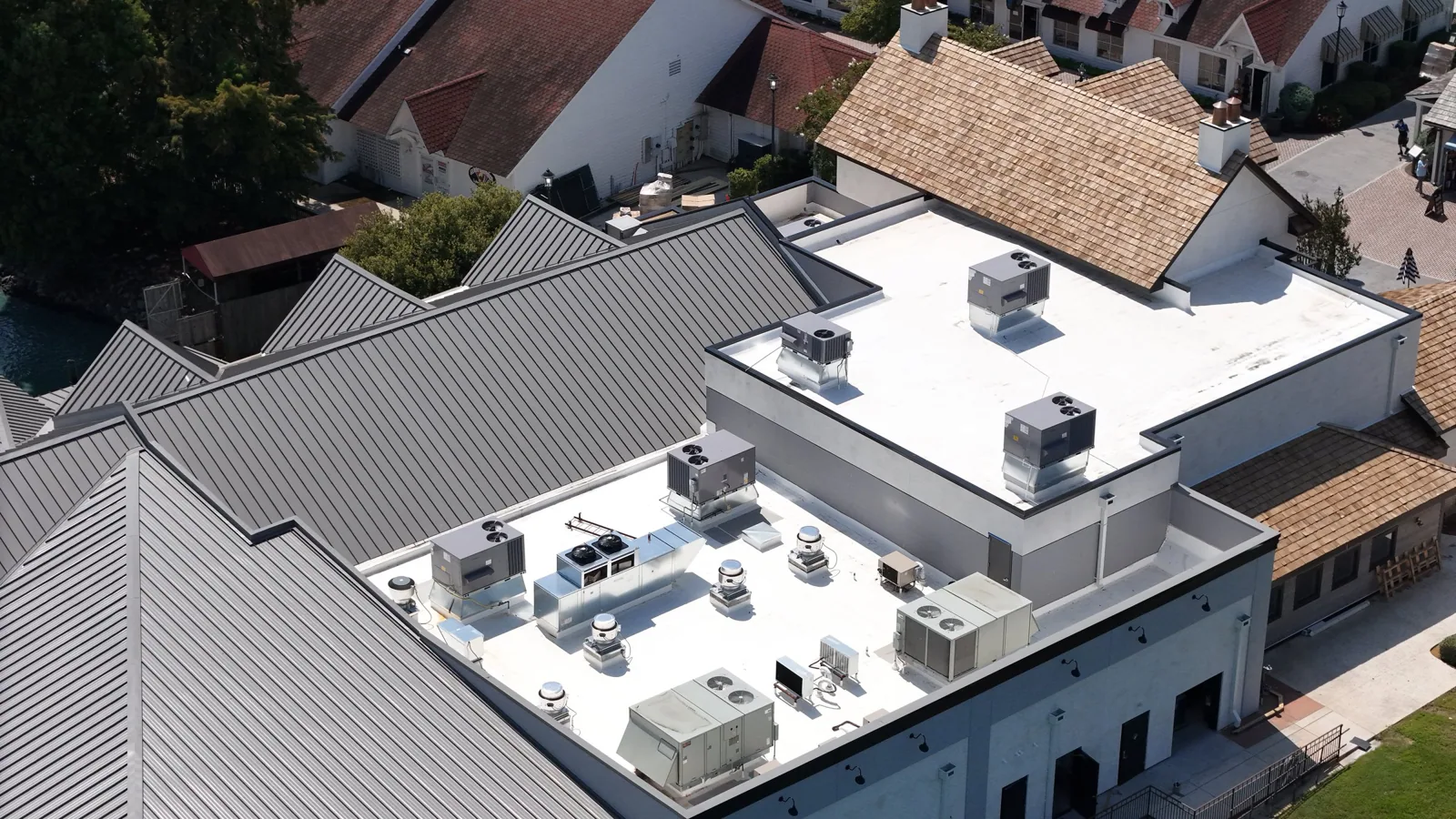
Research and manufacturing uses can place equipment and service routes on the roof, but the actual mechanical layout needs a walk. We check curbs, support legs, conduit, and flashing for movement or water entry. Where an existing EPDM roof section meets another membrane, we mark the transition and keep materials compatible. A cover board assessment can determine whether the surface repair has firm support or needs work below the membrane.
Keep Findings Tied to Each Roof Area
After an inspection, the property manager should know which roof area was reached, which detail was repaired, and what condition remains for follow-up. We record the membrane where identified, the repair method, photos, test locations, and areas left unopened. That is useful when the same roof has several additions or a later service call follows a different water path.
A roof condition report can keep these details with the roof map and maintenance history. The access window matters too. If the first visit had to avoid a research operation or scheduled equipment work, note the limitation so the next inspection can plan for it. The goal is a clear repair boundary and a practical return point, not a generic condition label for the whole business park.
Commercial Roofing Questions
How do you coordinate roof work around research operations?
We ask the site contact to identify access hours, equipment restrictions, sensitive interiors, and loading routes. We then set a roof section and daily closeout that fits the approved window.
Does the VGXI facility tell you which roof system is at another Deison building?
No. Its stated use and size provide context for the park, but each property's membrane, deck, and condition require a separate inspection.
What do you inspect when a leak appears inside an office or lab?
We trace from the reported interior area to roof seams, curbs, penetrations, and drains. Water may travel before appearing indoors, so the visible ceiling mark is only a starting location.
Can the repair stay limited to one roof area?
It can when nearby membrane, insulation, and attachment remain sound. We map the defect and check for repeated movement before confirming that a local patch is appropriate.
What information should the property manager retain?
Keep roof-zone photos, material identification, repair method, access limits, and any area not opened. Those details help a later visit return to the same condition.
Related Roofing Work