Commercial Roof Drain and Scupper Repair in Conroe, TX
Correct commercial roof drainage in Conroe with drain, scupper, overflow, cricket, and low-area inspection matched to the actual roof assembly.
A drain that clears slowly can leave a roof section carrying water long after the rain has stopped. In Conroe, heavy downpours test the full route from slope to drain, scupper, overflow, and discharge point. We follow that route, check where water pauses, and identify whether the cause is debris, an outlet set too high, a failed connection, or a low area. On properties near Conroe Park North or along the FM 3083 Industrial Corridor, the repair plan also accounts for equipment access and staging at the specific building.
Trace water from the field to the outlet
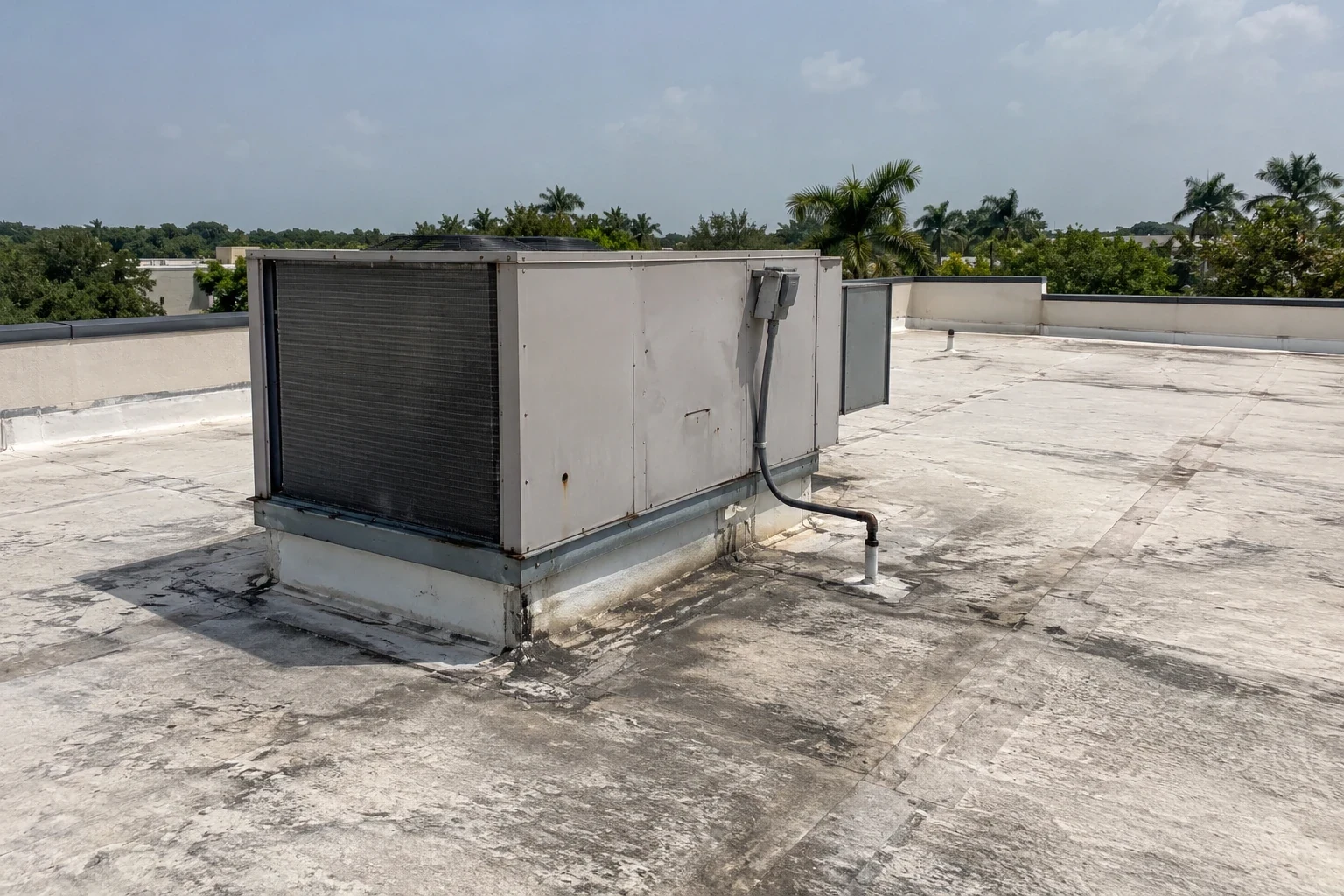
We begin at the area where water remains and follow the surface toward the nearest drain or scupper. The inspection checks membrane slope, drain bowls, strainers, clamping rings, scupper throats, downspouts, conductor heads, and visible discharge. A clear basket does not prove the pipe below is open, and a clean outlet does not correct a depression that holds water beside it. We note the outlet type and the roof section it serves before recommending cleaning, repair, or a change to the drainage design.
Some outlets connect to internal piping, while others discharge through a wall opening or leader. We inspect the visible connection and look for separation, corrosion, missing strainers, or membrane that pulls away from the bowl. A roof visit cannot confirm the condition of concealed piping without access to it, so the record identifies whether a plumbing review is still needed. Around scuppers, measure whether the opening sits at the intended flow level and check the membrane termination and metal edge. That keeps a blocked outlet from being confused with a slope problem.
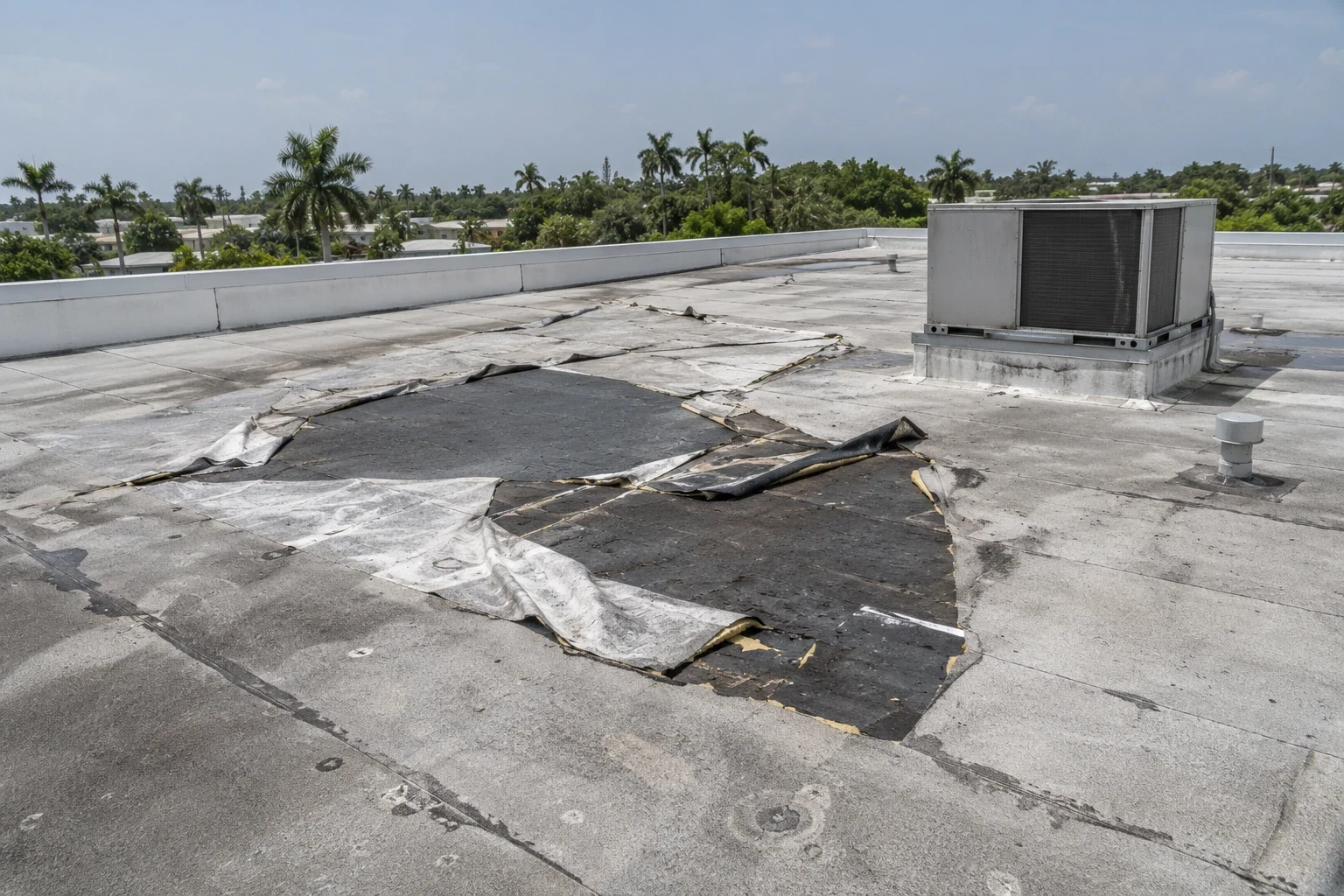
Interior reports help locate a concern, but they do not establish the roof entry. Water may travel along insulation or deck before appearing below. We compare the ceiling symptom with the roof layout, drains, curb details, and prior repairs. A roof inspection can document the overall field and identify whether moisture testing is needed. Where an outlet connection has separated, roof repair should restore the membrane around the drain instead of sealing only the visible interior leak.
Separate blockage from a slope problem
Debris at a strainer may be the whole obstruction, or it may be one sign of a maintenance pattern that needs repeated attention. We record what is removed and whether water clears afterward. If it remains, measure the low area, check the outlet height, and confirm whether the designed flow path is blocked by a curb, equipment support, or later roof work. The correction may involve resetting a drain, clearing a leader, repairing a membrane tie-in, or revising the slope. The actual conditions decide which task belongs in the estimate.
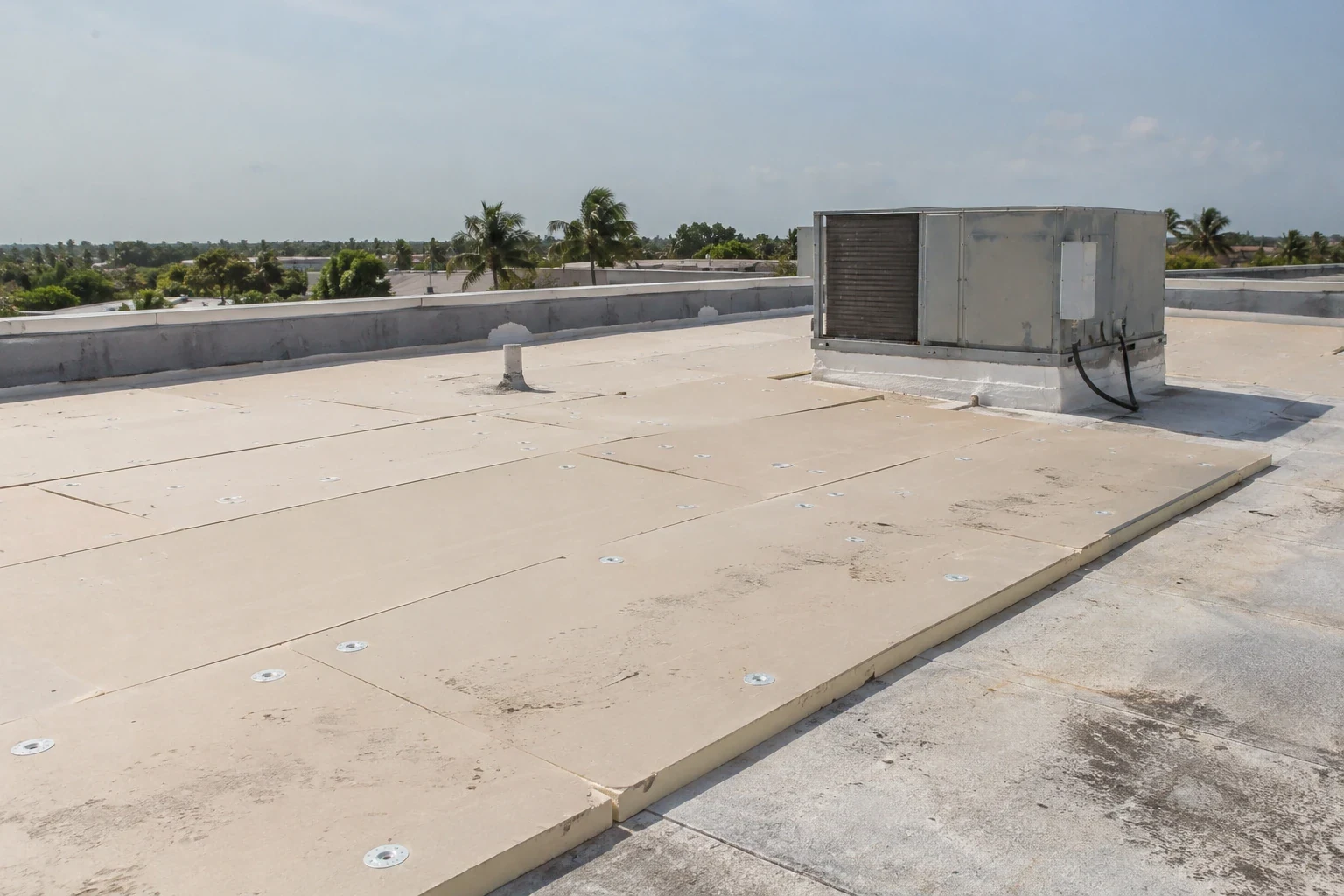
A cricket redirects water around a raised detail or toward an outlet; it does not replace an undersized or obstructed drain. We inspect its shape, surface, and connection to the surrounding membrane, then check the path beyond the cricket. If water crosses a seam before reaching the drain, the seam and drainage detail may need separate repairs. A tapered insulation and cover-board scope can correct some low areas when the assembly and elevations allow it. The proposal should show the intended flow direction and the work limits clearly.
Plan for Conroe rain without assuming roof damage
During Hurricane Harvey, record pool elevations were observed on Lake Conroe, followed by a release associated with downstream flooding in Montgomery County. That history underscores how water conditions matter across the area, but it does not identify a drainage defect at any commercial building. For a roof assessment, we document what the outlet and surrounding surface do during or after rain. The answer depends on the property, its roof geometry, and the route available to discharge water.
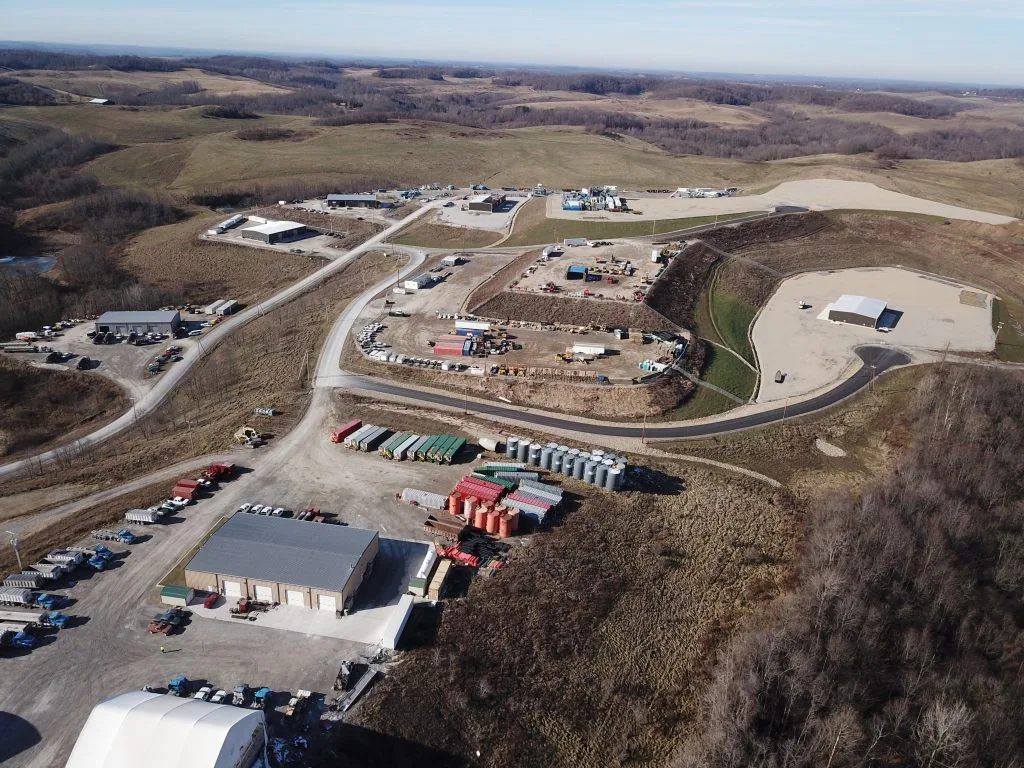
Conroe Park North sits near FM 3083 and I-45 and includes freight, warehousing, manufacturing, and distribution uses. If a drain repair requires a lift, material drop, or temporary area closure, we confirm the working route with the site contact before mobilization. The mix of office, retail, and medical uses at The Woodlands Waterway District can create different access windows, while the water-path check remains the same: roof field, outlet, overflow, and discharge. A condition report can retain the flow observations and photo locations for the next service visit.
Keep secondary drainage available
Overflow scuppers or secondary drains provide another route when primary drainage cannot keep pace or becomes obstructed. We check that each opening is visible, clear, and connected to a safe discharge point. Screens, parapet work, signage, conduit, or stored material can restrict an overflow path. A sealant repair at the primary drain does not restore a blocked secondary outlet. The roof plan should identify both routes and show where water will go if the primary system is compromised.
Work near an occupied building must protect the interior while drainage components are open. We coordinate temporary closure, removal of debris, replacement of damaged parts, and a weather-tight stopping point before starting. If water has reached insulation, testing may be needed before the drain repair is closed. When the work involves a broad low section, a replacement scope may be compared with localized correction, using the same roof boundary and drainage assumptions. Any temporary measure should state what it protects and when the permanent work will follow.
Verify the flow after repair
Closeout records which drain, scupper, cricket, or overflow was serviced; what material was replaced; and where the membrane tie-in ends. We photograph the outlet and surrounding field and note whether water was observed clearing during the visit. If the roof was dry, that limitation remains clear; the next rainfall can provide a useful check. The manager should also know whether debris removal, pipe cleaning, or follow-up testing remains outside the completed repair.
At a multi-section roof, mark which drain serves each area before moving debris or opening a connection. A roof may have primary and overflow outlets at different heights, and water should not be directed toward a doorway, wall joint, or equipment base during a test. If cleaning exposes a damaged clamping ring or loose leader, photograph it before temporary protection is installed. The property manager can then approve a precise repair instead of a broad allowance for an entire drainage system.
Maintenance should revisit the same outlet and compare it with the previous map. Repeated debris may call for a better service interval; a persistent pool may require height or slope review. A planned portfolio maintenance can check the basket, overflow, nearby seams, and water marks after the next rain. If leakage continues, connect the interior report with the same roof-zone record rather than assuming the repair failed at its original boundary. That sequence keeps drainage upkeep distinct from an unverified roof replacement need.
Commercial Roofing Questions
Why does water remain after the drain is cleared?
A low area, high outlet, blocked line, or roof detail can still interrupt flow. We inspect the path beyond the basket and identify what is holding the water.
What does a roof cricket do?
It redirects water around a raised detail or toward an outlet. Its surface and tie-in need inspection, and it cannot compensate for an obstructed drain.
Should overflow scuppers be checked during a drain repair?
Yes. Secondary outlets should be visible and clear so water has another path if the primary drain backs up.
Can a drain be repaired without replacing the roof?
A localized outlet or membrane connection may be repaired when the surrounding assembly is sound. Widespread wet material or slope problems can require a broader scope.
How can we confirm that water drains after the work?
We document the outlet and flow direction, then compare the area after rainfall. The closeout states if the roof was dry during the repair visit.
Related Roofing Work