Commercial Roofing for Logistics and 3PL Operators in Conroe, TX
Keep Conroe distribution operations moving with roof repair scopes coordinated around dock schedules, inventory protection, drainage, and access routes.
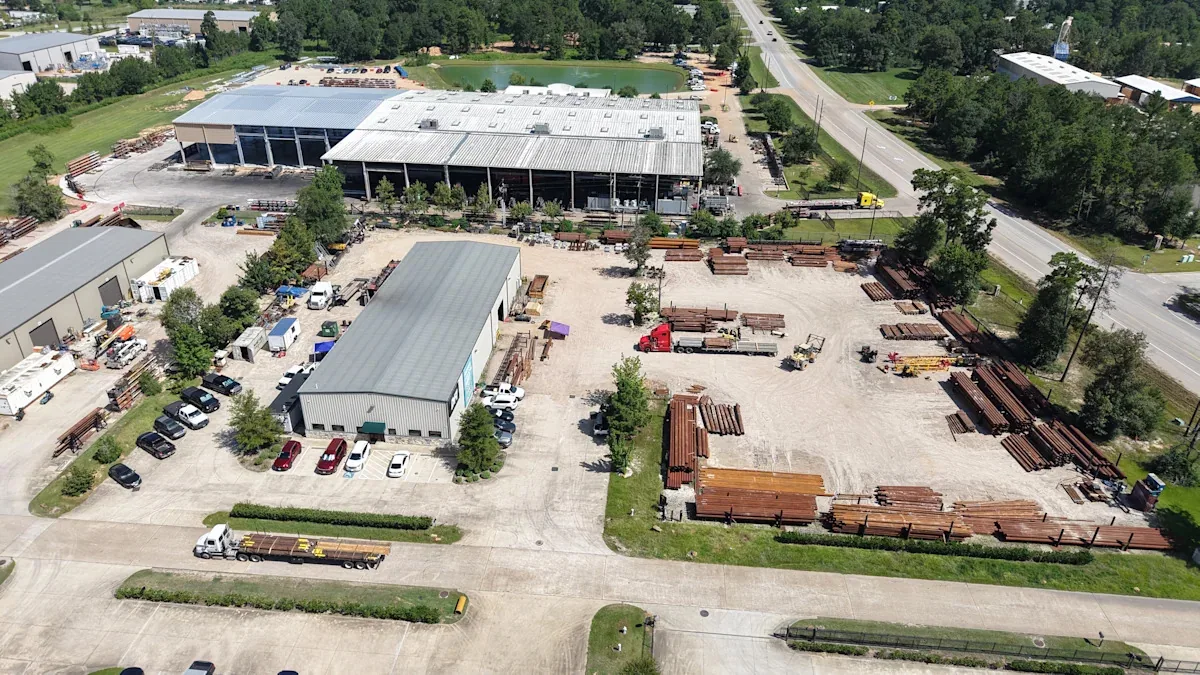
Water over a staging lane can slow outbound loads even if the opening is limited to one roof detail. A logistics operator needs to know which dock, pick area, or inventory zone is affected, when the leak began, and who can authorize a roof access window. Conroe Park North brings freight, warehousing, and distribution activity to the FM 3083 corridor, while I-45 and Loop 336 connect the market to regional routes. A dispatch plan can use those corridors to sequence roof visits and material deliveries; the property walk still determines dock access, staging, and the affected roof area.
Coordinate inspection with dock and yard flow
Before the crew arrives, the site lead should identify gate procedures, inbound and outbound peaks, trailer staging, pedestrian routes, and the lanes that cannot be blocked. A lift or material delivery may compete with truck circulation, so confirm where it can be positioned and how long a route could be restricted. The roofing contractor needs one operations contact who can approve a change when dock activity differs from the plan.
A 3PL operator may serve several clients with different cutoff times, carrier windows, and receiving rules from the same facility. The site lead can choose one operations contact to collect those constraints and give the roofer a usable window. If work changes a lane, the update should state the start and expected return time so dispatch can adjust a route or appointment. The roofing crew needs the approved site instruction, not separate last-minute directions from drivers or tenants. Dispatch can share revised dock timing with carriers through its normal channel.
A leak in a cross-dock bay may require a faster access window than a stain in an office. The scope should name the roof section and the corresponding floor area, then state when each zone is returned to use. Phased work inside an active distribution facility can limit the work footprint and show the daily closeout. When inventory or a shipping lane sits below the repair, operations determines whether goods need to move before roofing begins.
Protect inventory and pick paths from roof water
The site manager can identify racks, high-value goods, packaging, conveyors, and electrical equipment near the reported leak. The roofing team should not handle customer inventory; facility staff control movement and protection below. A report should record the aisle or dock position and whether water is still entering. If a temporary measure is used, log its location and limits so the next shift knows which area remains under review.
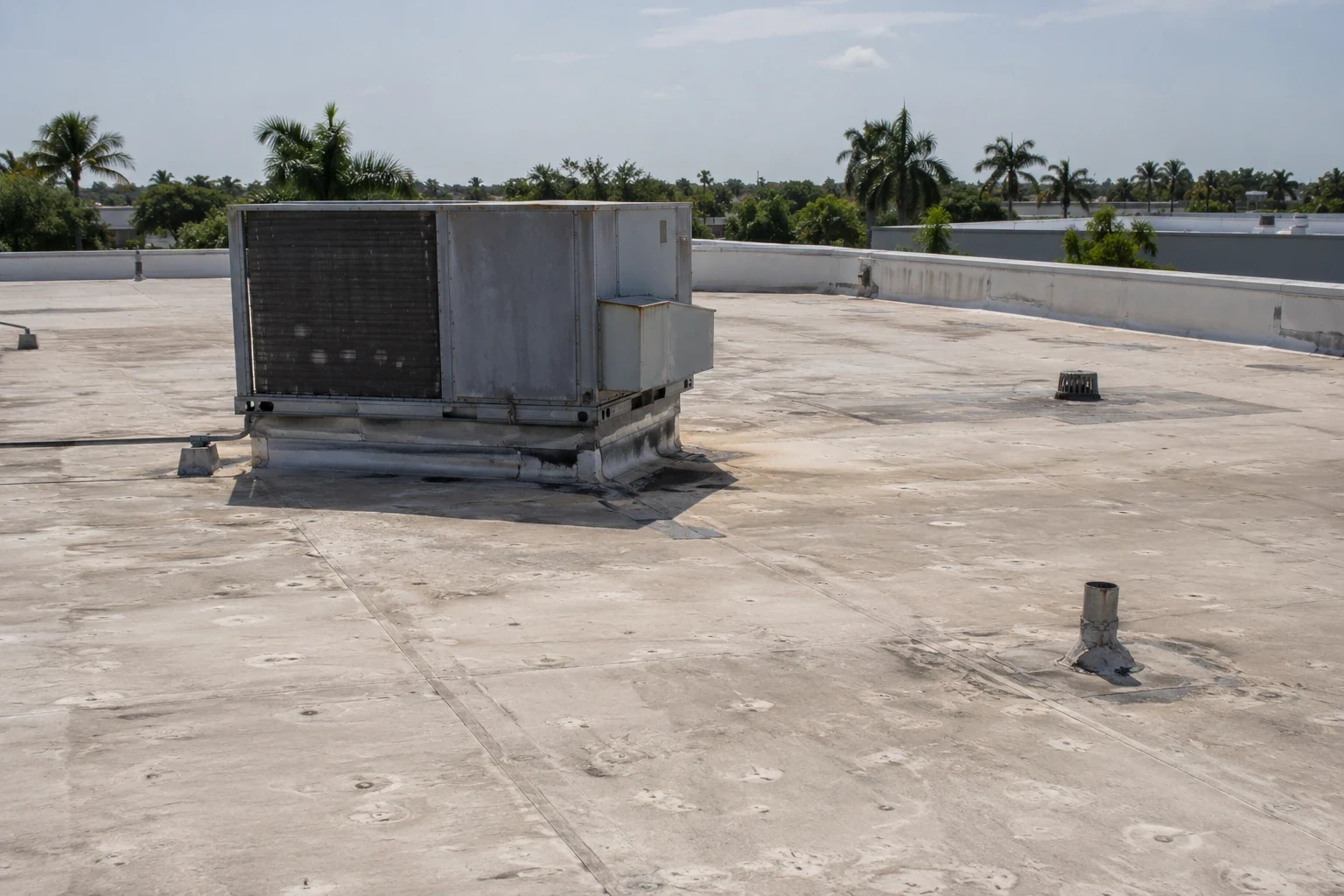
Water may travel across a roof deck before it reaches a rack or pick lane. We compare the interior report with accessible seams, curbs, drains, and wall transitions, then map the inspected area. A commercial roof inspection can broaden the review if more than one bay shows symptoms. Manufacturing facilities may share yard space or transport access with a distribution operation, but process equipment and order flow are distinct; each building needs its own roof and access record.
Check drainage where large roof areas meet dock walls
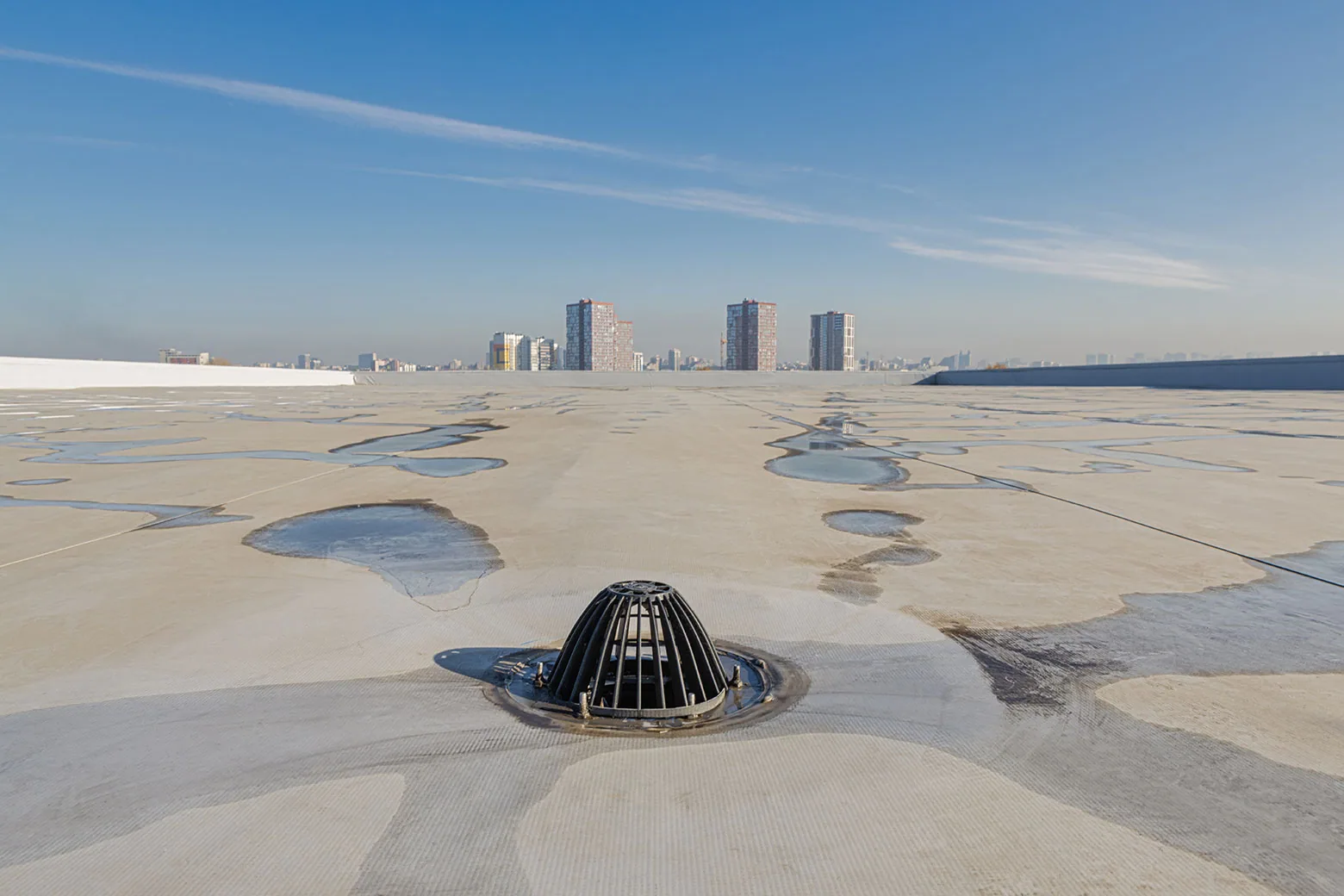
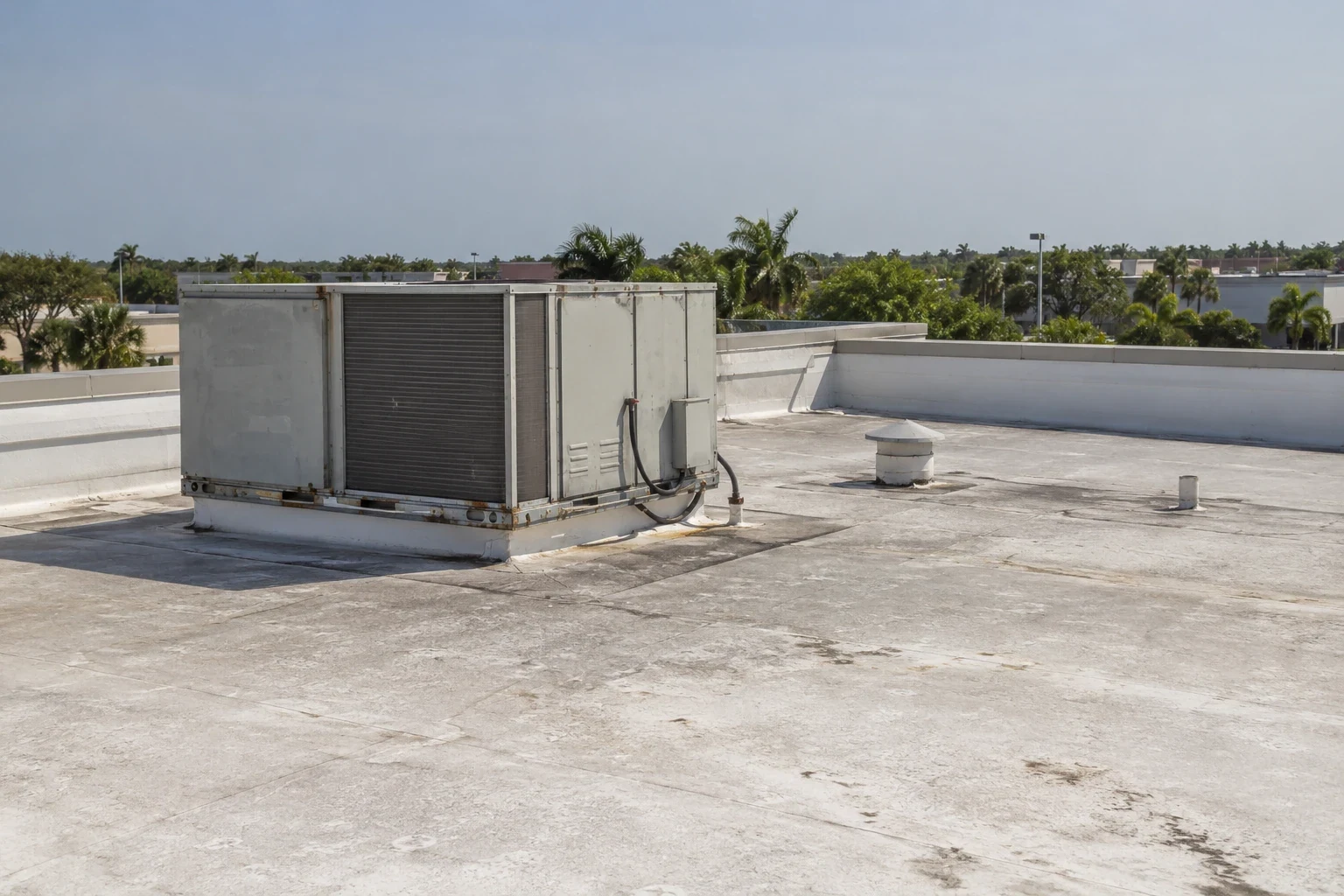
Distribution roofs can carry water across a broad section before it reaches an internal drain, scupper, or edge outlet. We inspect accessible strainers, overflow routes, low areas, and visible discharge for debris or damage. A blocked outlet is not the same finding as failed membrane or poor slope. The report should say what was observed, whether clearing occurred, and which outlet or zone remains a follow-up.
Conroe Park North's documented industrial mix includes freight, warehousing, food processing, and manufacturing. The area context can help operations plan vehicle access, but the roof path is determined at the property. Drain and scupper service can document the outlet route and identify whether another roof section feeds it. If work could affect a dock canopy or truck approach, the site lead can set an off-peak window before the repair is priced.
Set a weather window that protects shipment timing
Summer roof heat can narrow a safe exposure window, and intense Southeast Texas rain can interrupt a repair before the membrane is closed. Set the open-area limit and the temporary-cover check before removing material, then name who tells the shift lead if conditions pause the work. Before material comes off, define the open-area limit, temporary cover, and contact who will receive a status if the schedule changes. A shift supervisor should know whether a lane remains restricted after a weather pause.
Hurricane Harvey brought Lake Conroe to record pool elevations; a controlled release then added to downstream flooding in Montgomery County. For warehouse continuity, that basin history belongs in the site's broader weather-response planning. A roof visit after a new report still starts with the named building, dock area, and visible evidence of displaced edge details, punctures, flashing damage, or interior water. Storm-damage roof repair should document current conditions and temporary protection separately from the permanent work estimate.
Compare a targeted repair with distribution-site renewal
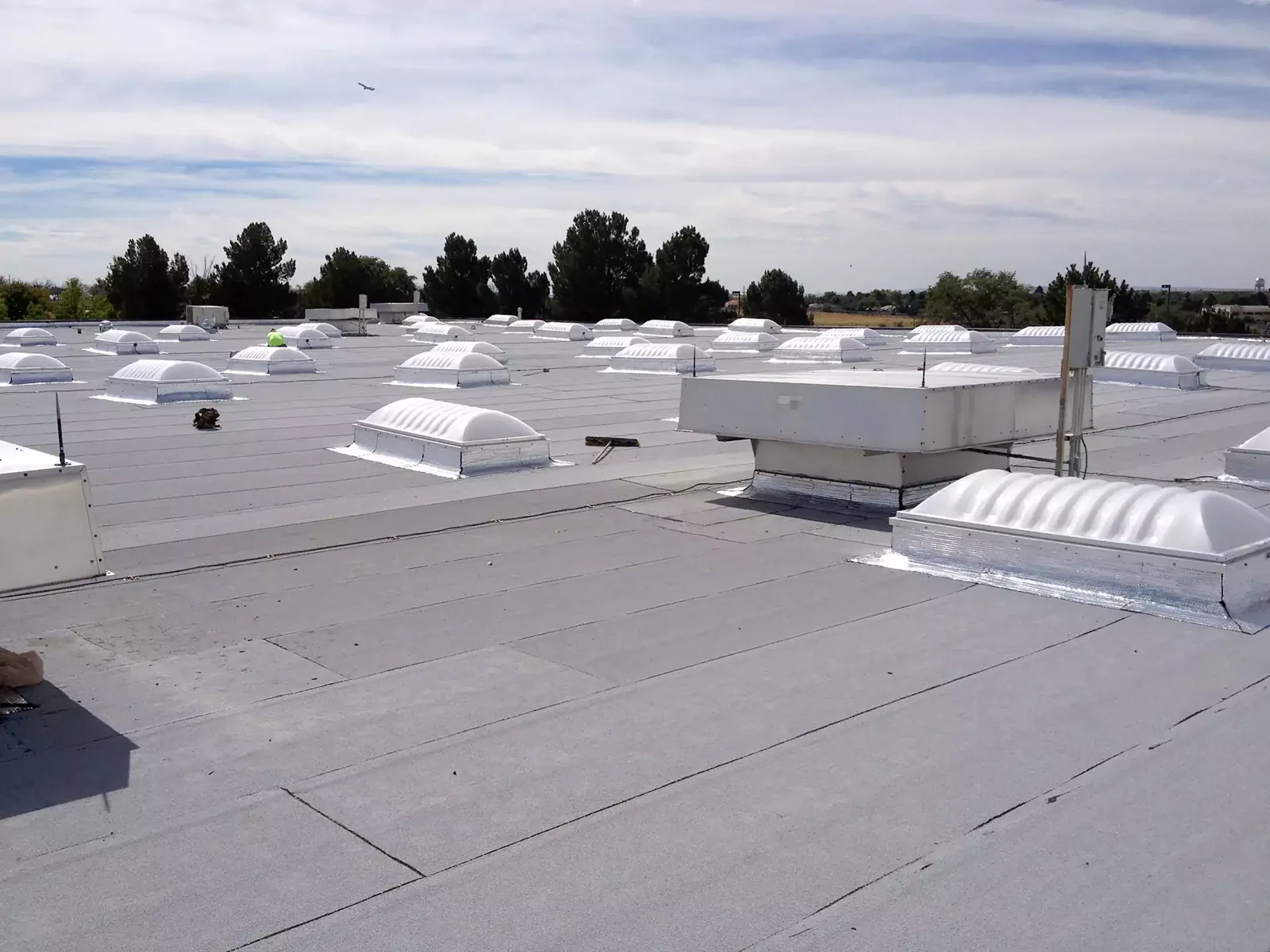
A single opening at a seam or curb may be repaired if the surrounding assembly remains stable. Multiple reports in separate bays, widespread wet insulation, or deteriorated edge details can justify a broader assessment. Any recover option depends on existing layers, moisture, attachment, structure, drainage, and applicable requirements. Removal gives access to concealed material but requires debris movement and dry-in coordination that can affect dock staging.
The proposal should name the building, roof zone, dock or yard constraint, equipment clearance, staging plan, weather limit, and approval route for concealed conditions. A replacement scope can separate work by section and state the daily closure point. General contractors may coordinate roofing within a larger warehouse or industrial project, with the 3PL operator defining operational windows and inventory restrictions.
Carry roof findings into the next operating shift
At closeout, record which building and roof section were inspected, what was repaired, materials installed, dated photos, and any open follow-up. Identify the dock, aisle, or staging lane affected and whether normal use can resume. If a drain contractor, equipment vendor, or facility engineer has another task, name the contact and separate that referral from completed roofing work.
The Conroe I-45 and Loop 336 corridor is part of the regional road network, and Conroe Park North is an industrial employment area on FM 3083. Both support the local logistics setting without specifying traffic or roof conditions at one property. The regional Conroe commercial corridor is one service area for roofing work. Operations can use a roof-zone note at shift handoff so the next supervisor knows whether a temporary cover, access restriction, or return inspection remains.
Commercial Roofing Questions
Can roof repairs happen during active loading?
They can when the site approves truck lanes, staging, access, and the work area. The schedule should identify the dock or lane affected and how it will be returned to operation.
Who moves inventory under a roof leak?
Facility personnel manage inventory and decide whether goods move. The roofer needs a clear work boundary and can coordinate protection without handling customer property.
What helps locate a leak over a warehouse bay?
Record the bay, aisle, time, whether water continues, and nearby equipment. Inspection then compares the report with seams, curbs, drains, and transitions on the accessible roof.
How do you handle a weather delay?
The plan limits exposed material and specifies temporary protection, a status contact, and the next inspection point. Operations receives an update if a lane or roof access route remains affected.
When should a logistics operator consider full renewal?
Repeated leaks in separate bays, broad moisture, or several deteriorated roof details may justify a larger review. The scope should compare costs and operational impacts by roof zone.
Related Roofing Work