Commercial Roofing for Manufacturers in Conroe, TX
Keep Conroe manufacturing operations protected with roof inspections planned around production, equipment access, drainage, and repair boundaries.
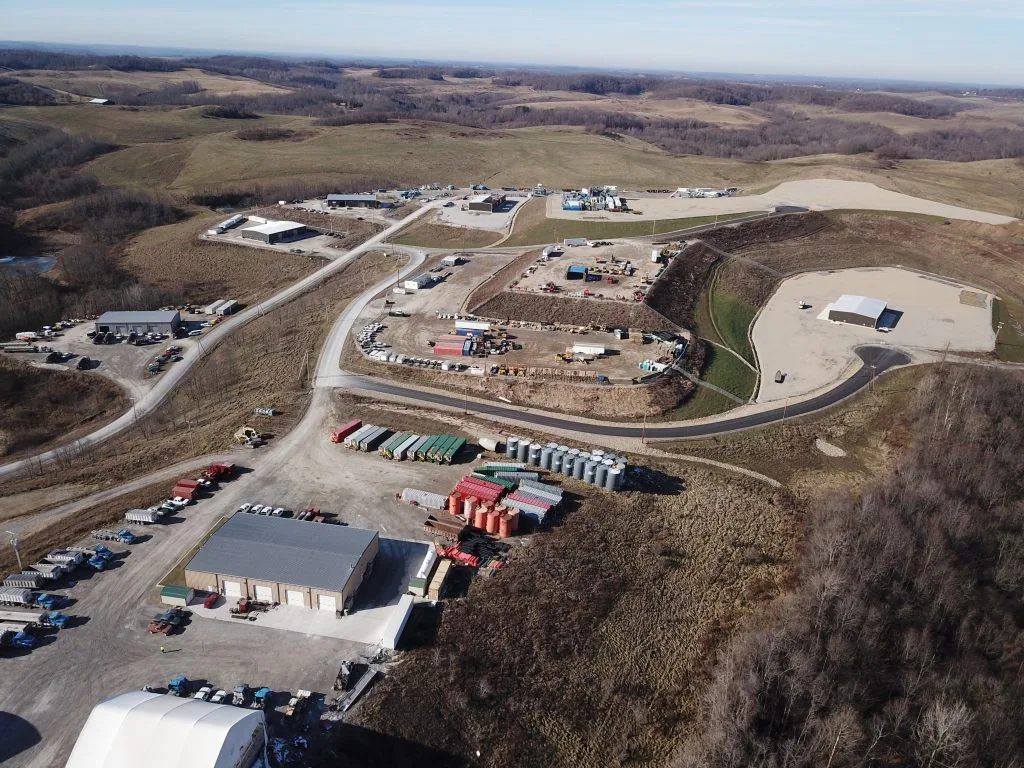
A roof leak above production can place equipment, material, and scheduled output at risk before maintenance identifies the entry point. A manufacturer needs a repair plan that respects process hours, service clearances, and the people authorized to approve a shutdown or roof opening. Conroe Park North spans 1,655 acres and supports manufacturing, machining, medical-device production, food processing, and related employers. Deison Technology Park includes VGXI's life-sciences manufacturing facility, a verified example of specialized production in the city. Those facts describe the local industrial base, not a particular facility's roof or production process. We inspect the building in front of us and coordinate with its operations lead.
Fit roof access around the production schedule
The facility contact should identify shifts, deliveries, clean or controlled areas, equipment that cannot be interrupted, and any route reserved for material handling. We confirm crew entry, escorts, staging, lift placement, and whether the work will create noise or dust near an active process. A roofing visit should not require an operator to move equipment or change a line without a separate approval.
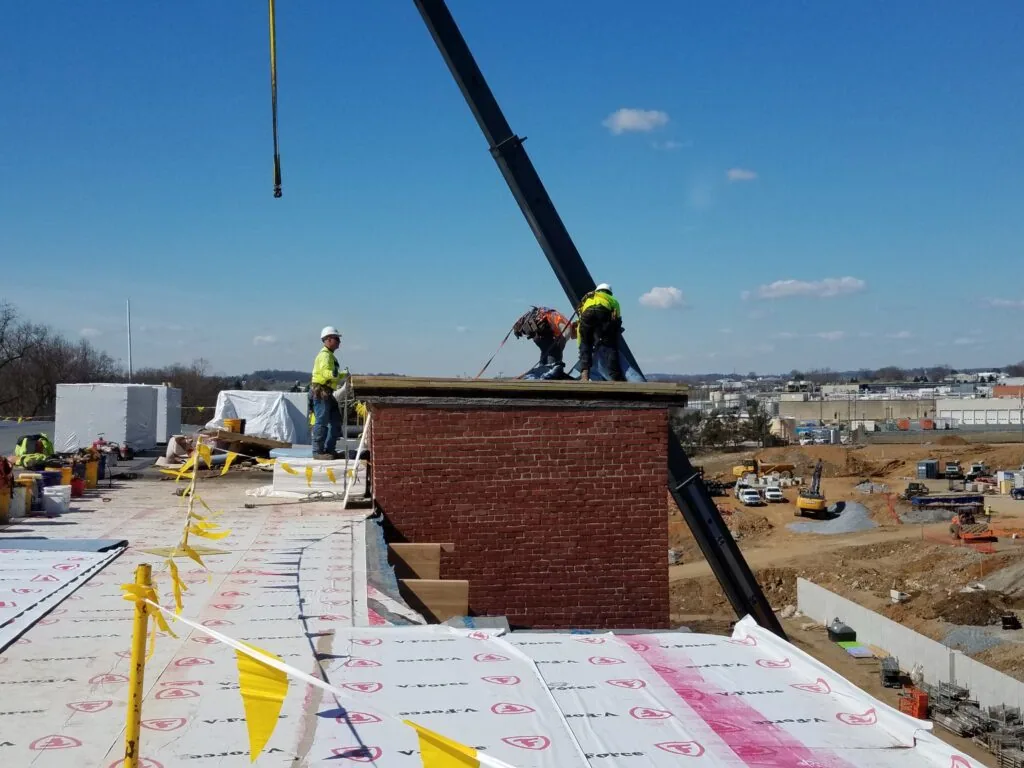
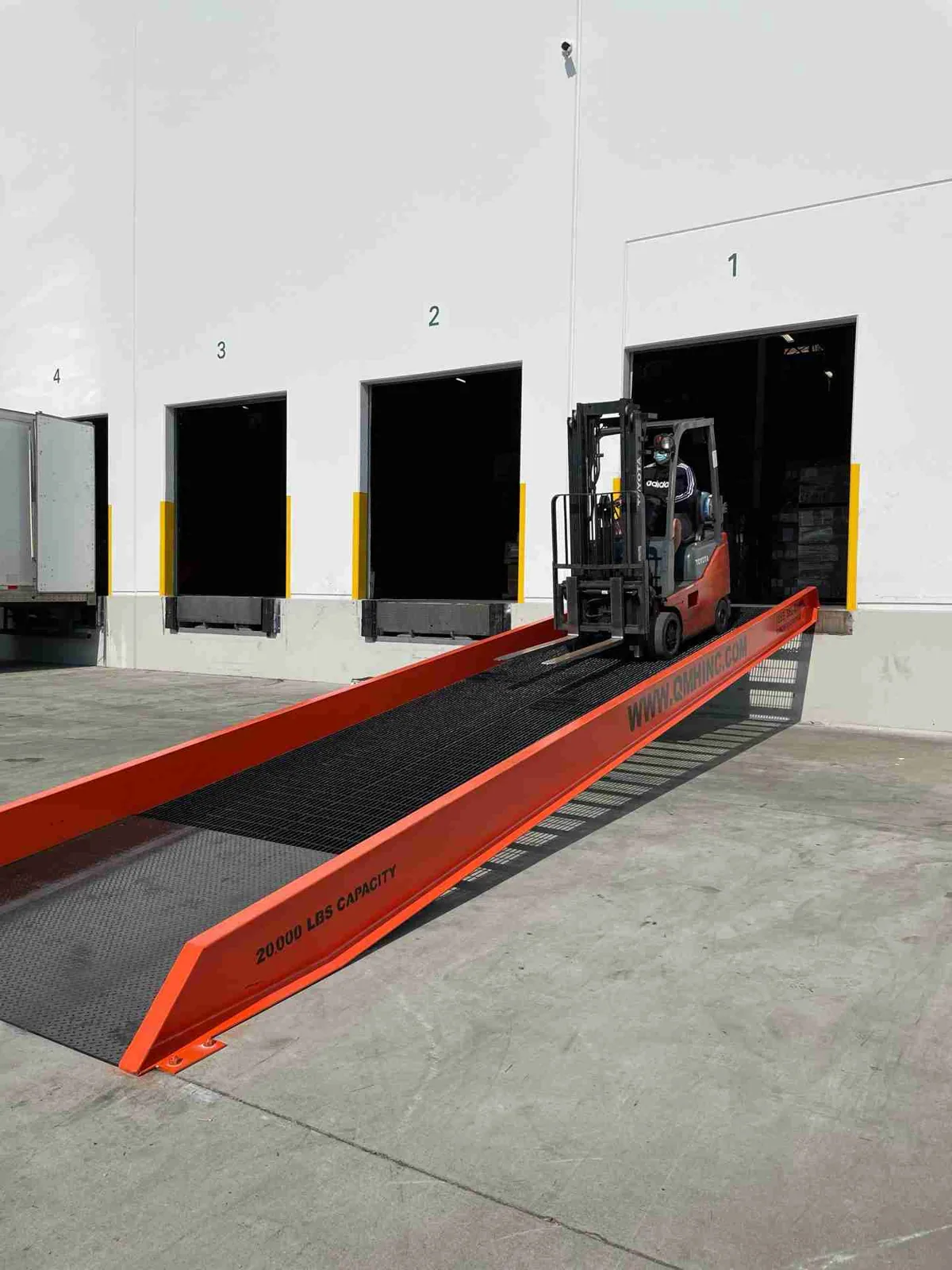
Manufacturing plants can have several additions, service corridors, and roof levels. The work plan names each active zone, how it is closed at the end of the shift, and who receives the status. Phased roofing for an active facility can keep the open area defined while the plant continues operating. Logistics and 3PL operators may share dock routes or yard space with manufacturers, so the property contact should identify the access lanes before the roofing crew arrives.
Coordinate roof details with maintenance and process teams
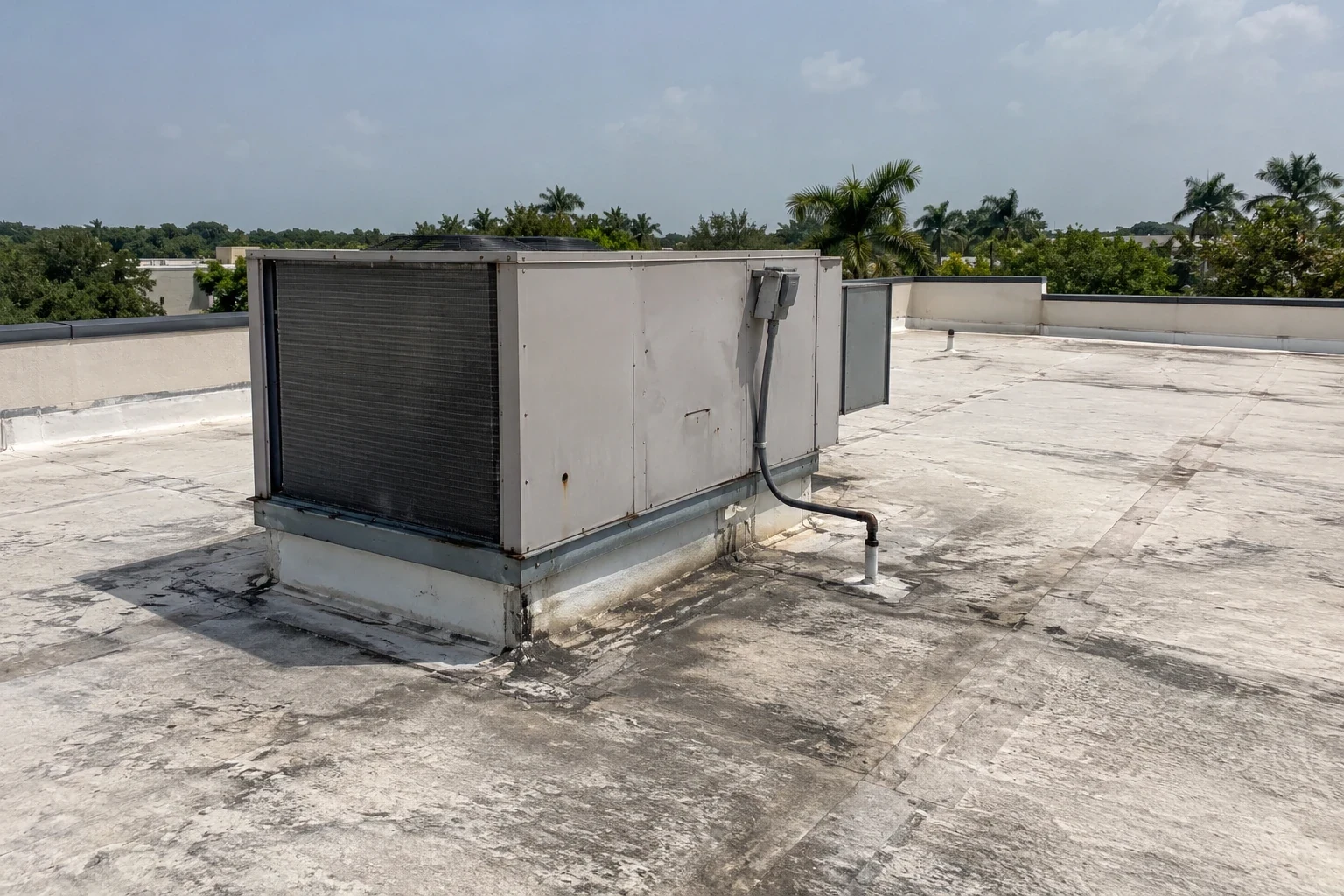
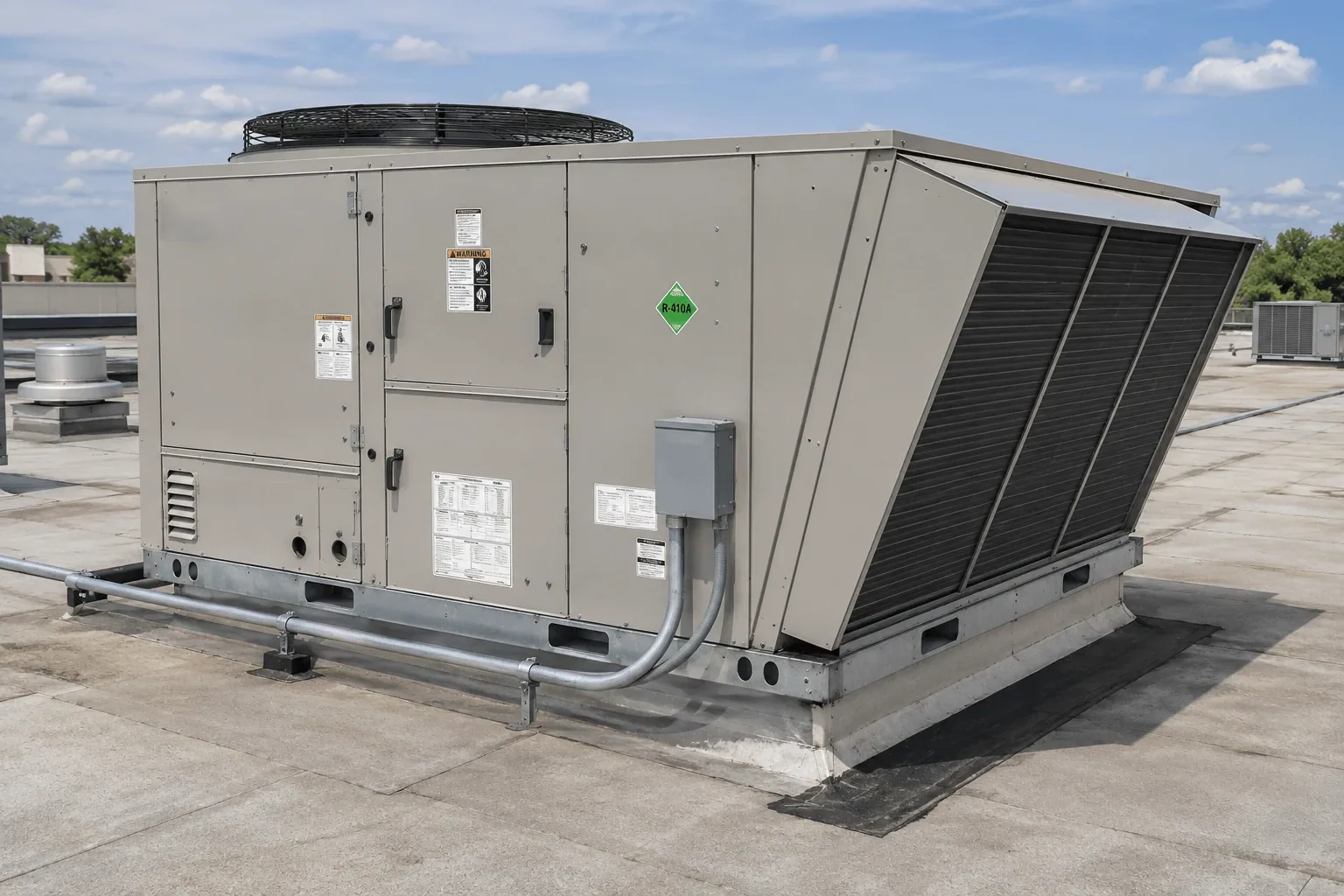
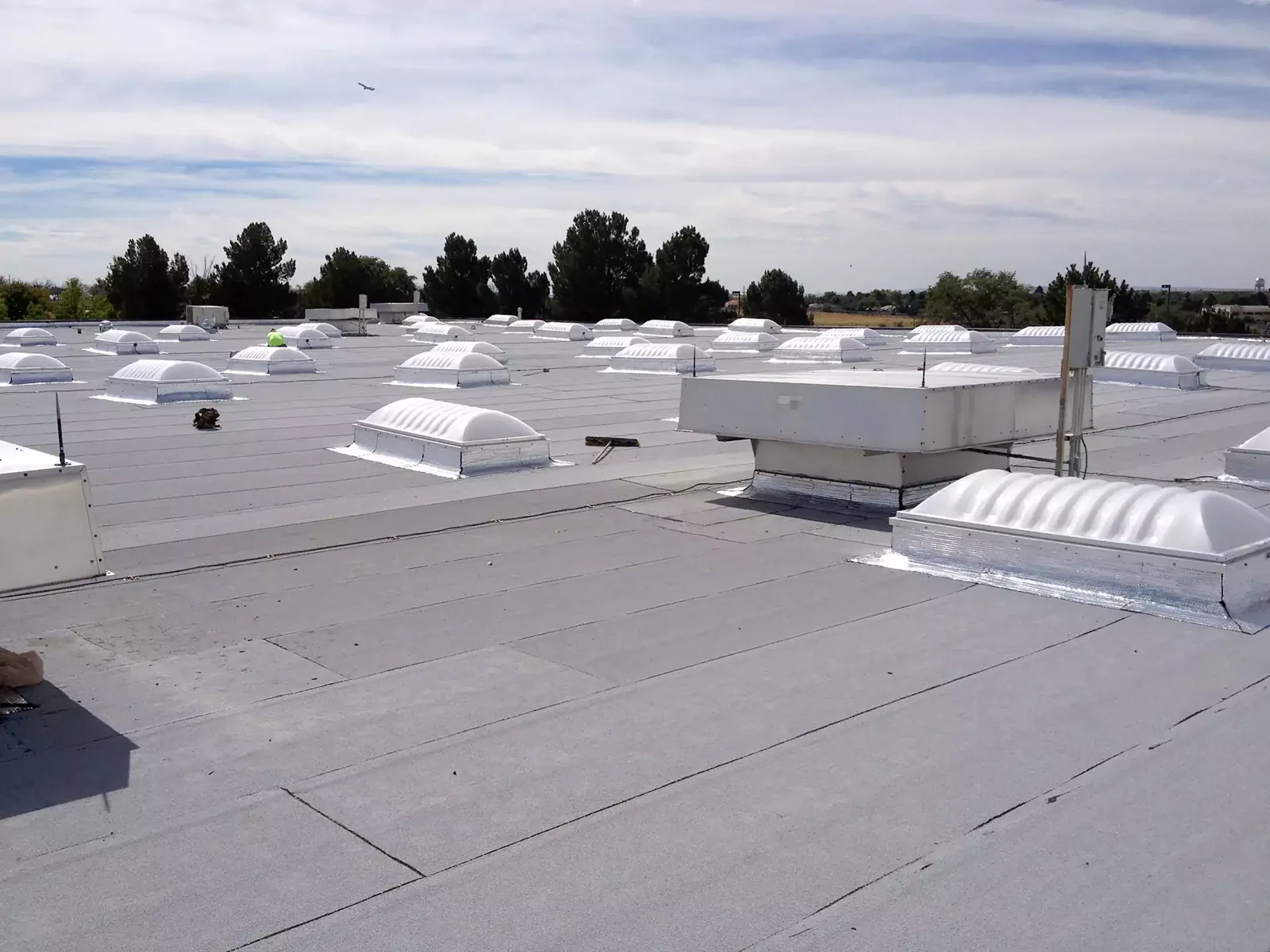
Factories may have exhaust, ventilation, dust collection, cooling, process piping, communications, or other systems at roof level. The facility engineer or equipment vendor identifies what each unit serves and what clearance or shutdown rule applies. We examine the roof curb, support, penetration, and visible flashing without changing the equipment. If a leak is reported near a process exhaust, nearby seams and drainage still need review before the source is assigned.
A commercial roof inspection can map accessible details and describe any area that remains behind equipment or a restricted zone. Equipment curb and support review can clarify which roof interfaces belong in a repair estimate. The maintenance lead can provide drawings, service history, and the person authorized to accept an equipment-related work boundary.
Trace roof water without disrupting a line
Water may travel along a deck or support before it appears over a work cell or material aisle. The report should identify the production zone, time noticed, whether water continues, and any process equipment nearby. We compare it with seams, drains, wall transitions, penetrations, and past repairs. Photos tied to a building map help operations staff determine which area was reviewed and whether a follow-up inspection needs a production window.
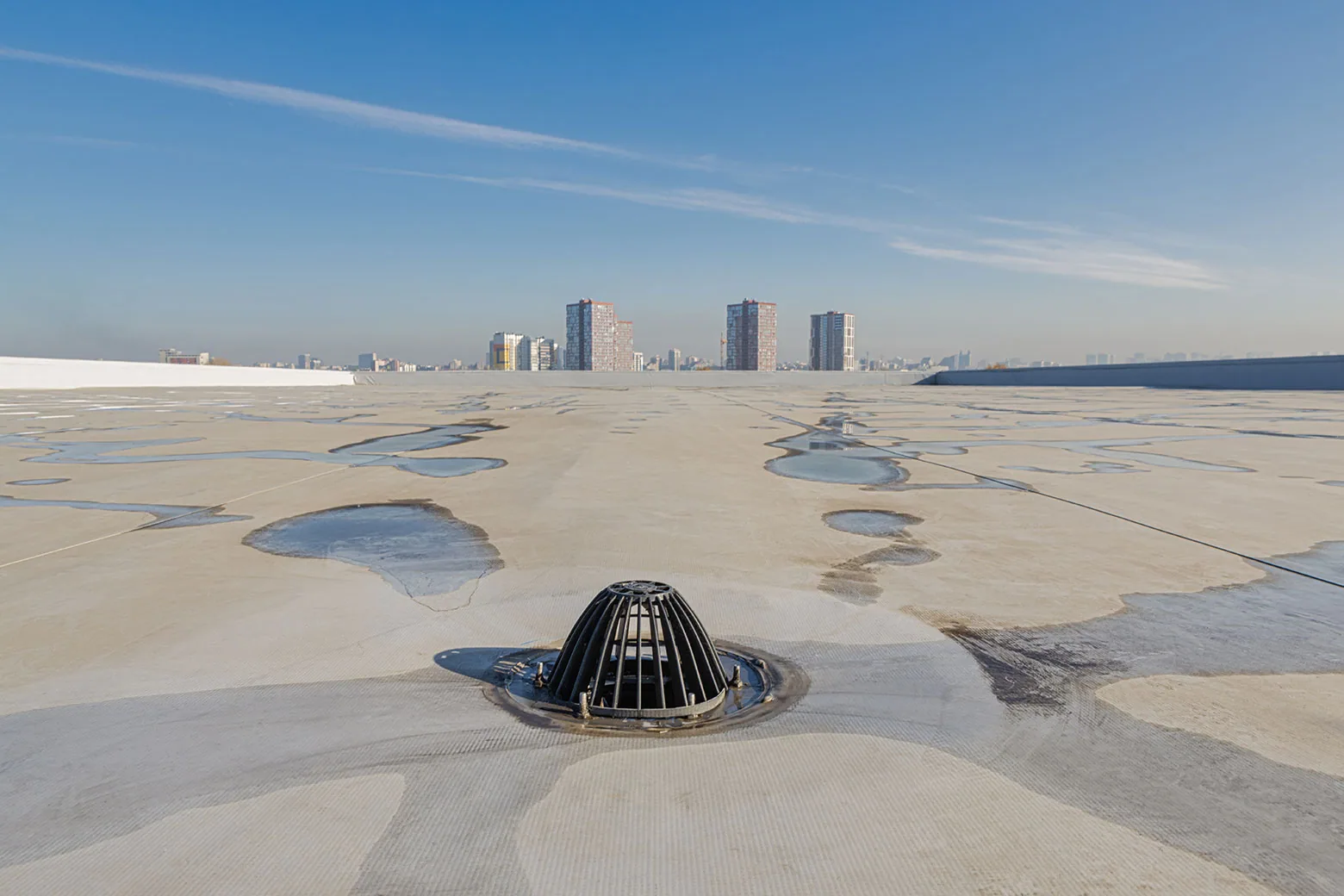
Conroe Park North includes employers in food processing, machining, freight, packaging, and medical-device production. That range reinforces why a manufacturer should identify its own process and sanitation or access requirements before roof work. Drain and scupper inspection can document visible blockages or damaged outlets. If moisture extends beyond the reported point, a moisture survey may help identify areas requiring confirmation, but any test should be interpreted with the plant's roof assembly.
Set a weather hold point for the open roof area
Conroe's heat and heavy rain can change the time available to expose material. Heat on a Conroe roof can shorten the period crews can safely leave an assembly open, while sudden rainfall makes the dry-in plan time-sensitive. Before production access is restricted, set the maximum exposed section, the temporary protection check, and the operations contact who receives a delay notice. Production teams need that update if access or staging shifts.
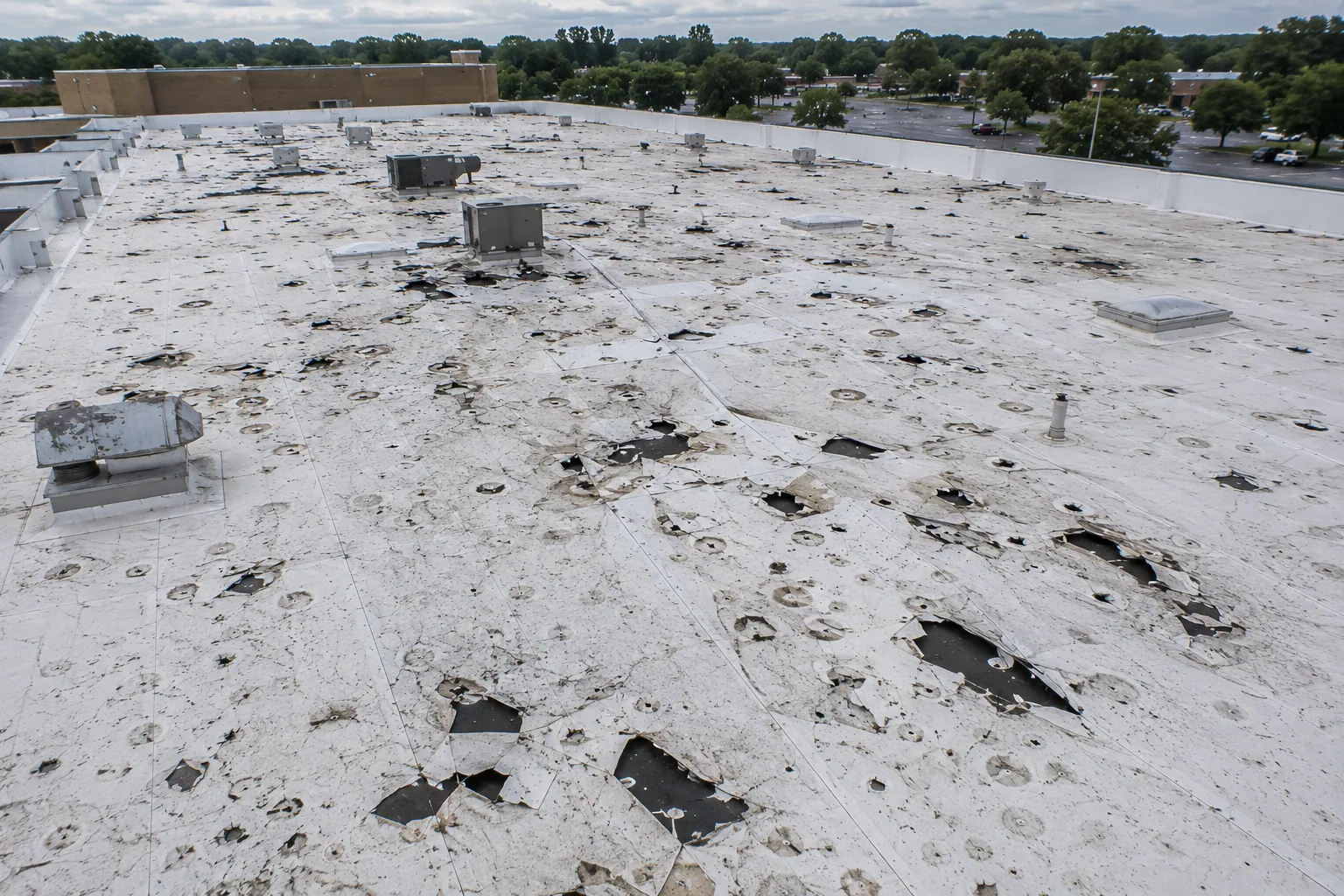
After a severe-weather report, inspection should stay tied to the plant and roof zone in question. The crew checks for punctures, shifted edges, damaged flashing, and new water, then states what it could reach. A regional event does not establish damage at a facility. If temporary protection is installed, log the area and its limits separately from the permanent repair. Operations can then decide whether a line or material path needs an interim adjustment while roofing work is paused.
Compare options against downtime and roof evidence
A localized seam or flashing repair may resolve a defined problem if the surrounding roof remains stable. Repeated reports, wet insulation across multiple bays, or deteriorated edges can support a broader review. Recover work should be considered only after checking the existing build-up, moisture, attachment, structure, drainage, and applicable requirements. Removal exposes hidden materials but requires debris routes, dry-in, and potentially more production coordination. The estimate should identify the evidence behind each option.
A scope should name roof sections, equipment clearances, access hours, staging, line or dock impacts, exclusions, and the process for approving concealed-condition work. A replacement proposal can sequence work by bay or addition. Flex-industrial roofing covers mixed office and light-industrial spaces; a manufacturing plan must also account for the process and maintenance teams that control equipment.
Keep work records attached to each production building
Closeout should identify the plant, roof zone, reported area, work performed, material installed, photographs, and unresolved findings. Note any room or process that remained inaccessible and whether another trade must inspect a curb, exhaust, or structural component. That allows plant maintenance to compare a later service call with the roof area actually repaired. Where a vendor return is scheduled, list the target date and point of contact so the task does not disappear between operating shifts.
If the plant leases its building, the report can identify which items belong to the facility owner and which maintenance tasks remain with the manufacturer. A roof leak can cross that boundary, so record the observed roof condition separately from interior cleanup or process adjustments. The plant contact can then route each follow-up to the proper team without treating a referral as completed work. This distinction is useful when several production buildings share one operations group.
At Deison Technology Park, VGXI built a 240,000-square-foot headquarters and manufacturing facility; Conroe Park North's industrial employers sit on a network of four-lane concrete streets with city water and sewer. For a plant visit, confirm the receiving gate, roof hatch, active process zones, and vendor escort before scheduling. Name a backup escort and staging contact in case the first operations lead becomes unavailable during the work window. Deison Technology Park is one of the regional commercial areas where roofing visits can be arranged. General contractors can coordinate roof scope with other construction trades, with the manufacturer retaining its process-access requirements.
Commercial Roofing Questions
Can roofing work proceed while production continues?
It can when the manufacturer approves the access route, work hours, equipment clearances, and daily closeout. The project should identify any line, dock, or process area that could be affected.
Who can approve an equipment shutdown?
The facility engineer or equipment owner determines whether shutdown is allowed. Roofing crews coordinate the curb or penetration work and do not change process equipment independently.
What helps locate a leak above a production area?
Name the building, production zone, time noticed, whether water is active, and nearby equipment. Roof maps and earlier service records can guide the inspection without requiring operators to diagnose the source.
How should a manufacturer compare repair and replacement?
Compare the inspected roof sections, observed moisture, equipment interfaces, work access, exclusions, and production schedule. Each option should state the assumptions and concealed-condition approval path.
What should the roofing closeout include?
Keep the building and roof zone, work completed, material, dated photos, access limits, and follow-up items together. Separate a referral to another trade from completed roofing work.
Related Roofing Work