Infrared Commercial Roof Moisture Survey in Conroe, TX
Locate possible trapped roof moisture in Conroe with infrared imaging, targeted verification, and a mapped scope for repair or replacement decisions.
A dark ceiling stain gives no reliable map of how far moisture has traveled inside a roof. Infrared imaging can help identify roof areas that release heat differently from surrounding surfaces, giving us a set of locations to investigate. It is a screening method, not a moisture verdict. We compare the image with the roof assembly, weather conditions, interior reports, and direct verification before recommending removal. On broad low-slope roofs in Conroe Park North or mixed commercial properties around Research Forest, a mapped survey can help focus the next inspection rather than treating every roof bay as equally suspect.
Read the Pattern, Then Verify
Infrared cameras measure surface temperature patterns. A warm or cool area can indicate a difference in how the roof stores or releases heat, but several factors can create a similar image: shade, surface color, insulation type, repairs, mechanical exhaust, moisture, or a change in the deck. We capture the roof under suitable conditions and compare suspect areas with known dry sections. The pattern gives us a question to test, not a repair instruction by itself.
We note the roof section, boundary, and image conditions, then select representative locations for verification. A core opening or other approved test can show whether the insulation is wet and how the assembly is built. Interior staining and maintenance history help interpret the result, but the source of a leak must still be located. Our roof condition report connects the survey findings with locations a building team can find again.
Plan the Survey Conditions
The roof surface must have a useful temperature contrast for infrared survey work. Weather before and during the survey matters, as do cloud cover, wind, surface material, and solar exposure. We review conditions and schedule the capture when the images are more likely to show a meaningful pattern. If the building's system, membrane color, or insulation arrangement makes interpretation unreliable, we explain that before the owner pays for a survey that cannot answer the question.
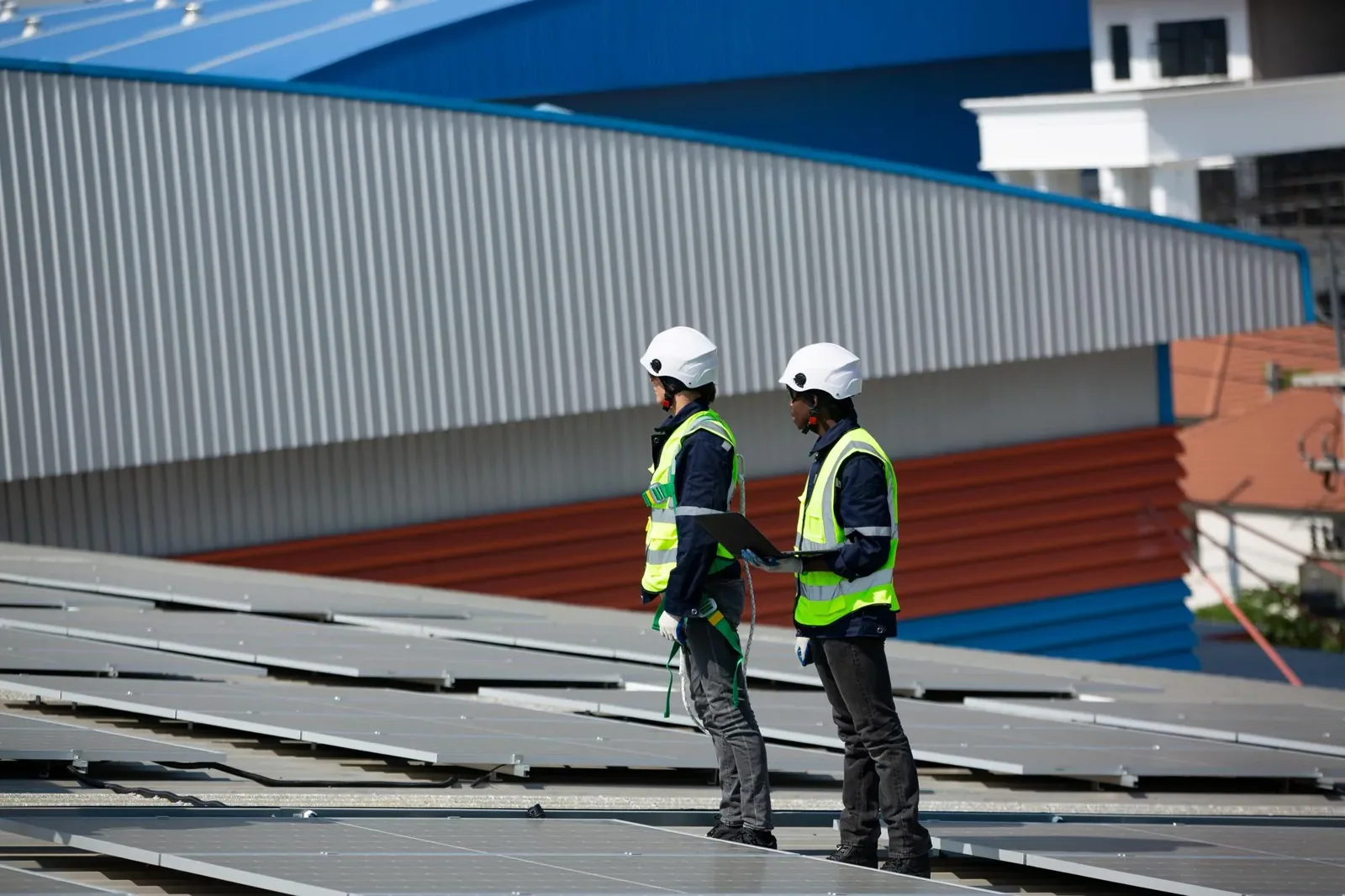
We also decide whether imaging will be performed from the roof or by drone. A drone can cover a broad roof quickly, while a ground-based or hands-on approach may give better views of small details. Rooftop equipment, shadows, and parapets can hide surfaces from certain angles. The survey plan includes safe access, launch locations if aerial capture is used, and any zones that cannot be imaged. For hard-to-reach roofs, drone inspection can provide the visual map around the infrared findings.
Heat and Rain in Conroe
Conroe's long hot season puts temperature behavior into the roof discussion. Midsummer daily highs at Houston Intercontinental average about 95 degrees. That regional heat cycle affects safe survey timing and roof-surface readings. A hot roof surface can store heat and release it after sunset; survey timing must account for that cycle. Heavy rain can also change the moisture pattern or leave surface water that complicates interpretation, so we review recent conditions before capture.
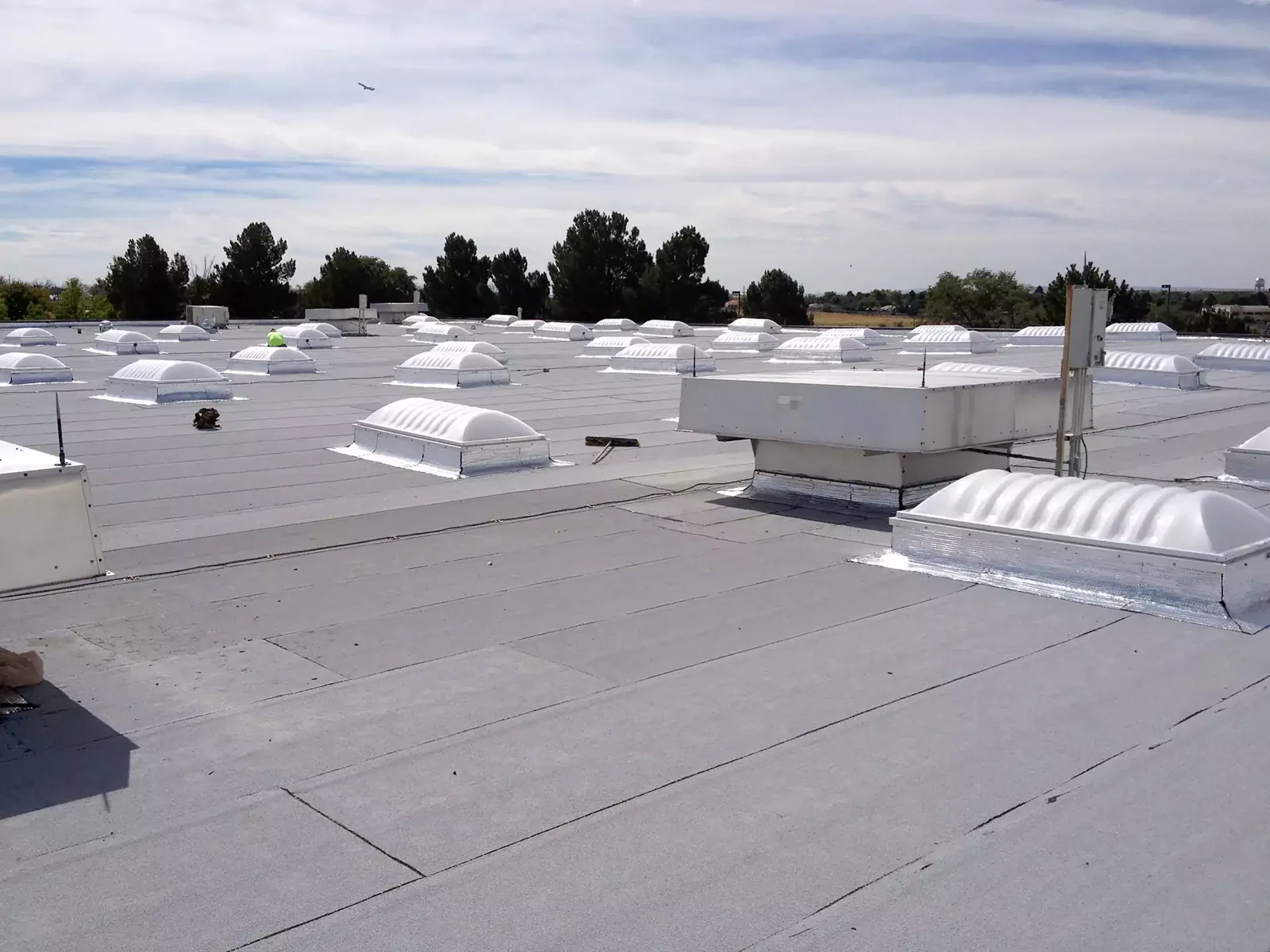
The roof's drainage layout matters when moisture is suspected. We look at drains, scuppers, low areas, and transitions where water may remain or enter. The Conroe Park North industrial area connects to I-45 by FM 3083, and the area's manufacturing, freight, and warehouse uses make roof access and operating windows a practical part of survey coordination. We do not infer roof type from an employer or park listing. The inspection verifies the actual assembly and the moisture pattern at the property.
From Survey to Scope
After imaging, we separate likely wet areas from locations that need more information. If verification shows wet insulation, the repair boundary is based on the material condition and the assembly around it. Limited wet areas may support selective removal and repair. More extensive moisture can change the replacement discussion, especially when it appears with seam failure, repeated leaks, or weak attachment. If no moisture is confirmed, the owner avoids paying to replace sound material based only on an image.
We mark confirmed and unconfirmed areas differently on the roof plan. That distinction matters for estimates, tenant notices, and later work. A moisture survey may support a repair, a replacement specification, or a decision to monitor a roof section. When an overlay is being considered, recover planning needs the verified moisture map because existing wet layers cannot simply be covered. A replacement scope can then show which sections must be removed and why.
Work Around Building Operations
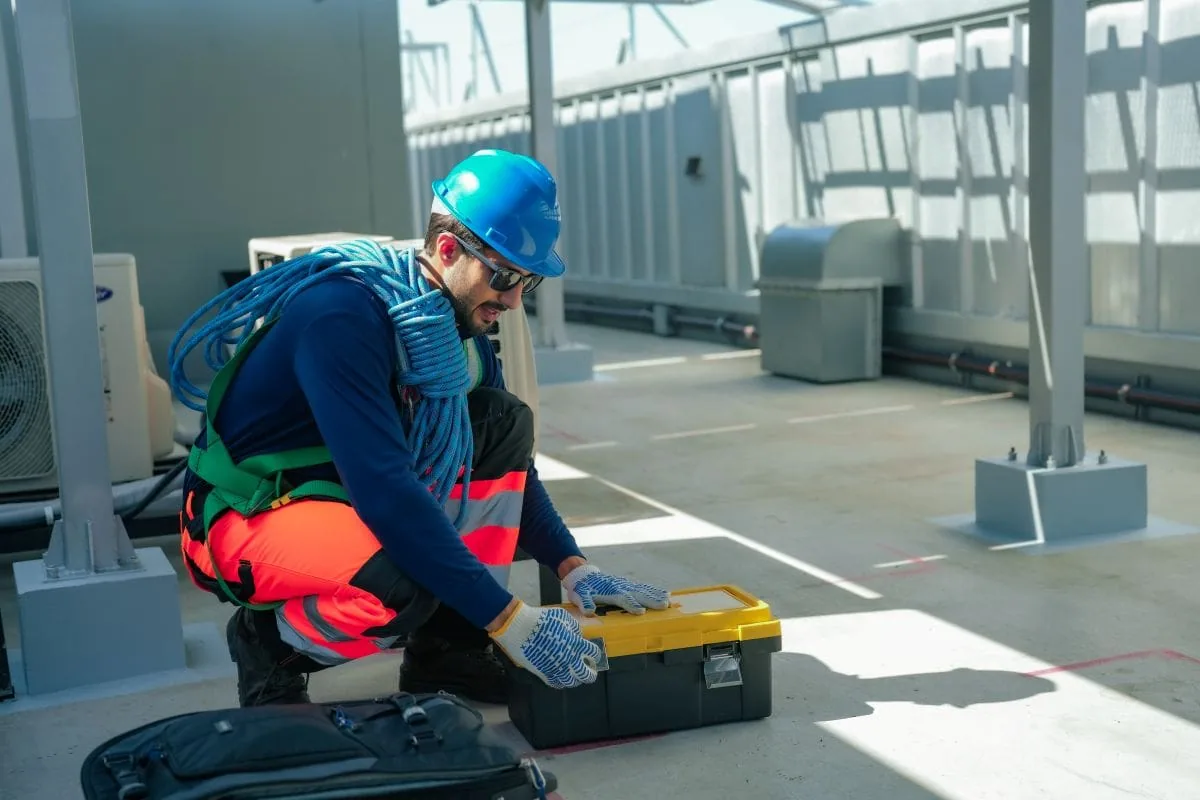
Survey work can be coordinated while the building remains active, but the route and timing should respect operations. We confirm roof access, escort needs, equipment zones, security requirements, and rooms where staff report leaks. If imaging uses an aircraft, we establish a safe area away from pedestrians, vehicles, and loading operations. If the crew needs to take a core sample, the manager approves the location and interior protection before an opening is made.
We close each test location with a compatible repair and record what was sampled. Any interior area that remains wet may need drying or restoration outside the roofing scope. The manager receives a clear update about areas surveyed, test locations, confirmed findings, and limits that remain. If weather shifts during a capture, we document which sections still need a return visit instead of treating partial coverage as a complete survey.
What the Survey Costs Depend On
Cost depends on roof area, number of buildings, roof material, access, weather window, amount of image processing, and how many verification openings are authorized. A simple roof with clear access differs from a multi-level building with dense equipment and limited flight paths. Core cuts add labor and require careful repair afterward. We define the capture and verification scope separately so the owner can decide whether to proceed with one survey area or a broader mapping effort.
The useful measure is not the number of thermal images. It is whether the survey reduces uncertainty about a repair or replacement boundary. If it does not, a targeted hands-on inspection may be the better investment. We explain expected limits before work starts and present the findings in terms of actions: test this location, remove material here, repair that detail, or monitor the section during the next roof visit.
Commercial Roofing Questions
Does infrared prove that roof insulation is wet?
No. It identifies temperature patterns that may correspond to moisture, but shade, materials, equipment, and recent weather can create similar differences. We verify suspect areas with an approved core opening or another suitable test before recommending material removal.
What conditions make a survey more useful?
A clear temperature contrast, suitable surface conditions, and good access improve interpretation. Recent rain, strong wind, cloud cover, roof color, and equipment shadows can affect the image. We review those conditions before scheduling and disclose areas that cannot be read reliably.
Do you repair each spot that appears abnormal?
Only confirmed conditions belong in the repair scope. We mark image patterns separately from verified moisture and use test openings or other checks to establish the boundary. That keeps the estimate from treating a temperature variation as a roof failure.
Can infrared be used on every roof system?
The method depends on surface and assembly characteristics. Some roofs produce patterns that are hard to interpret, and some conditions make a survey unhelpful. We review the roof type and survey timing first, then recommend another inspection method if it will answer the question better.
How are core openings handled?
We agree on the location before sampling, protect the space below, inspect the layers, and repair the opening with materials suited to the roof. The report records the location and what the sample showed so later work can use the same evidence.
Related Roofing Work