Commercial Roof Condition Reports in Conroe, TX
Get a Conroe commercial roof report with mapped observations, dated photos, tested areas, access limits, and repair actions tied to each section.
A useful roof report answers a property question: where is water entering, what condition needs repair, or which area should be inspected next? It should connect a finding to a roof location, photo, and decision rather than leave the reader with an unmarked image set. We inspect accessible surfaces, note the limits of the visit, and explain what the visible evidence supports. In Conroe, local building settings range from industrial employers along FM 3083 to offices and civic uses in Downtown Conroe, so every report begins with the building under review.
Define the inspection question and the area reached
Before walking the roof, confirm the reported leak, maintenance concern, transaction need, or planned repair. Identify the building, access point, roof map, interior symptom, and any area that must remain clear. The report should state the date, weather conditions, inspection method, and sections accessed. If equipment, safety, or a tenant restriction blocks part of the roof, mark that boundary. Unreached areas are not clean findings; they remain outside the inspection result.
Conroe Park North contains manufacturing, freight, food-processing, warehousing, medical-device, and other uses. An inspection at an operating site may need a production window or a route clear of loading. A commercial roof inspection can establish the field observations for the report. Conroe Park North is a broad industrial district where access planning can matter, but the scope follows the facility and roof section named by its owner.
Pair each photograph with a roof-zone reference
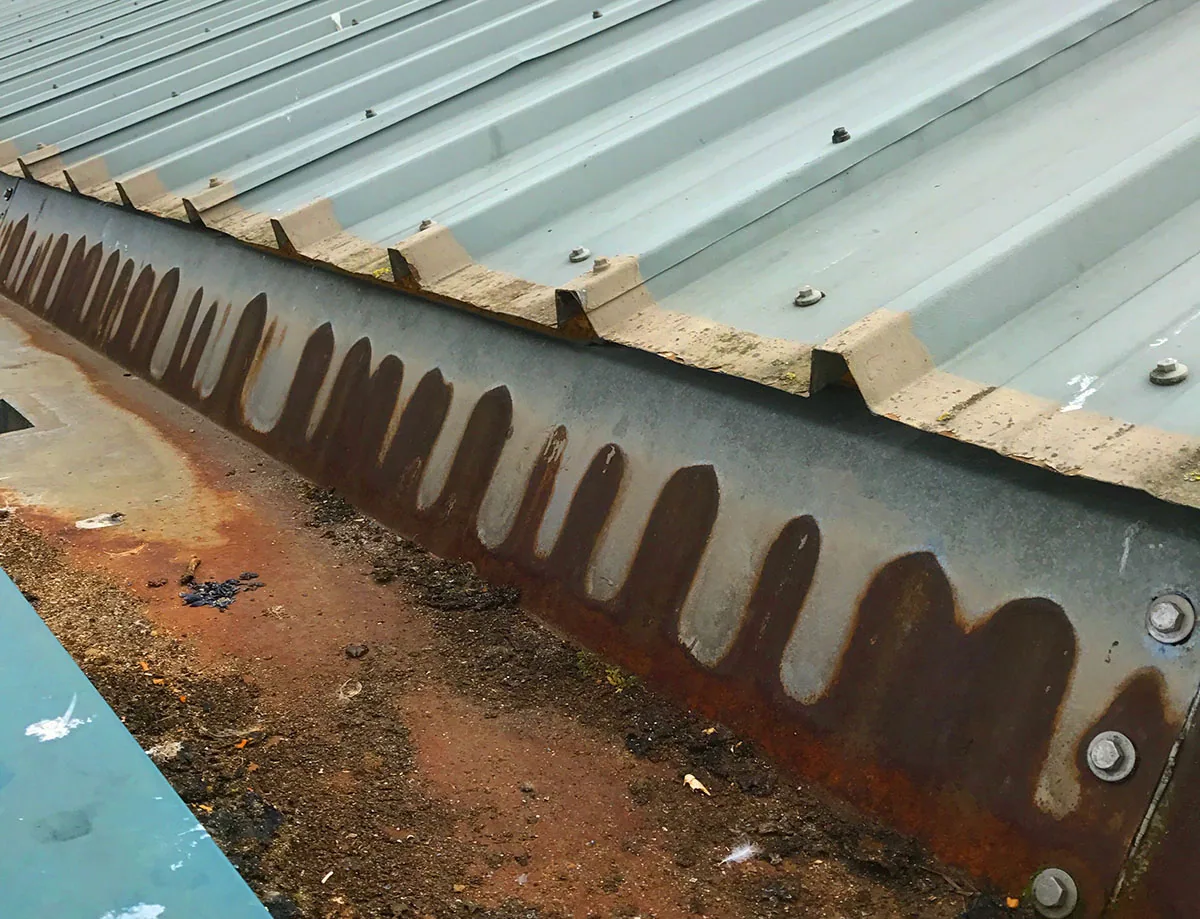
A close photo shows the seam, drain, flashing, or membrane condition. A context photo shows where that detail sits relative to a roof edge, curb, or marked zone. Captions should include the roof section and direction of view. When a drawing is available, use consistent labels on the image and plan. A report can then support a service call, a second inspection, or an owner review without requiring the reader to guess where each image was taken.
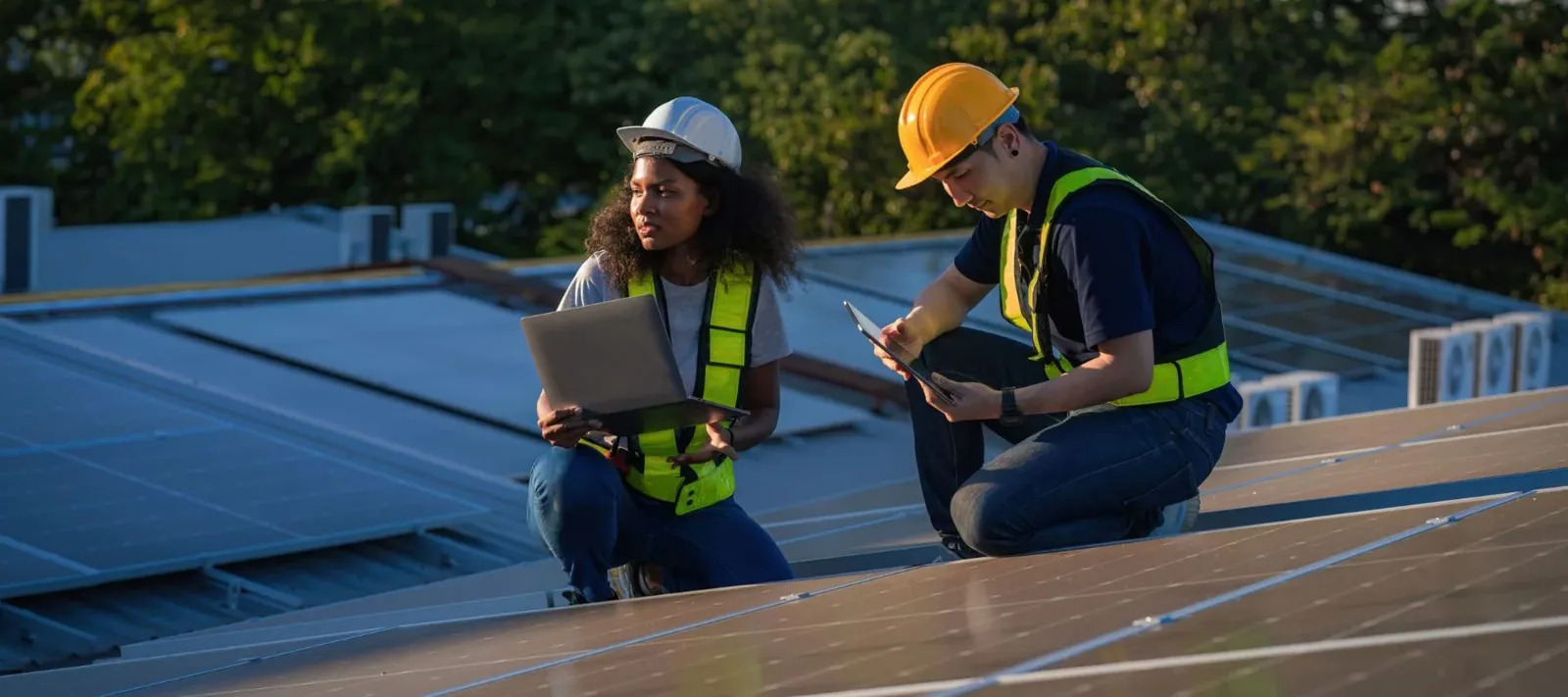
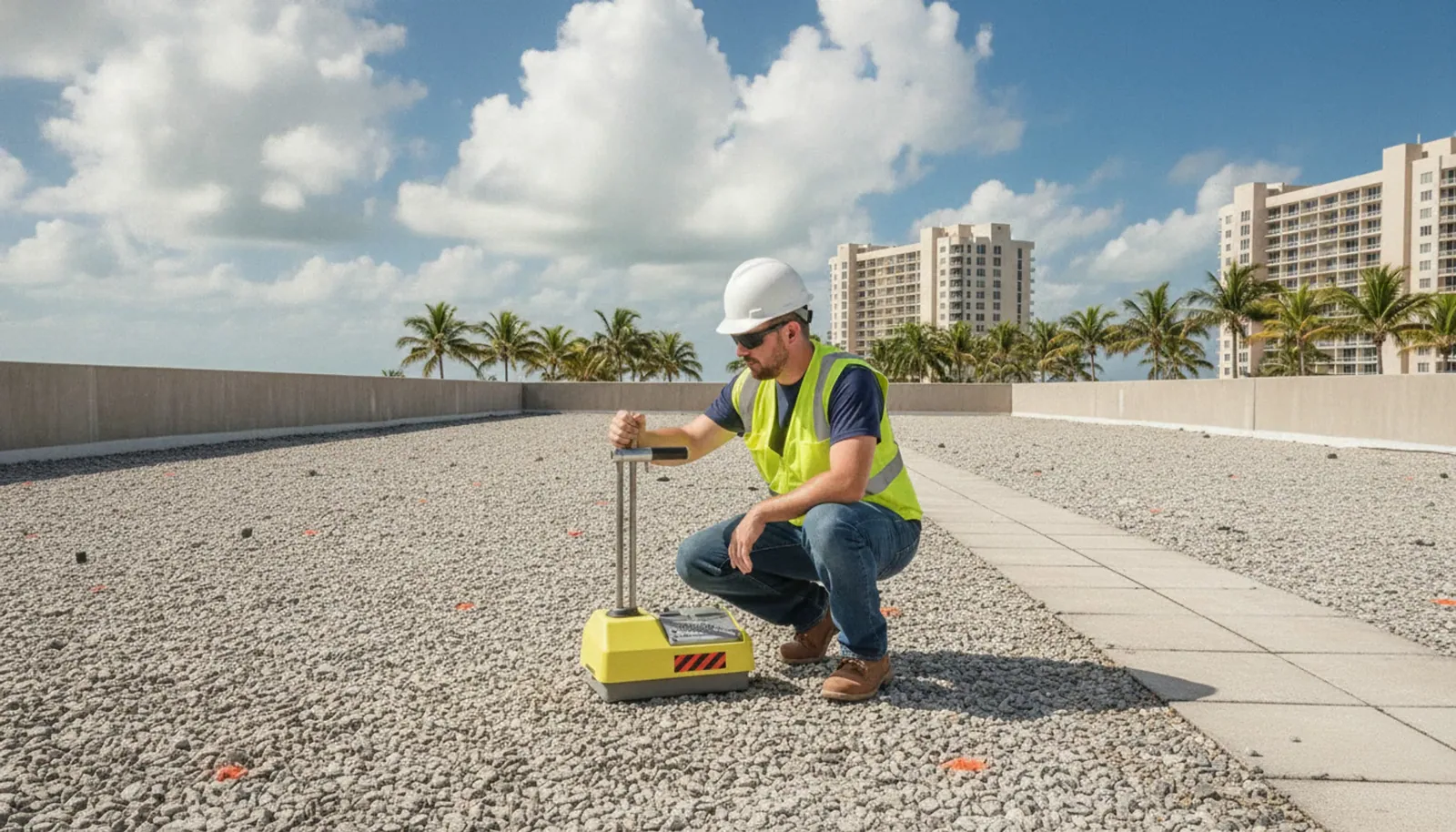
Document the visible condition before a repair starts, then add after-work images to the same location record. If water is active, show any temporary measure and identify what it covers. A drone inspection can add a broad visual pass for a large or restricted roof, while hands-on access remains necessary where surface condition or adhesion must be tested. An infrared survey can identify temperature differences for further evaluation; the report should state the interpretation limit and any confirming test.
Separate observation, interpretation, and recommendation
“Open lap at the north curb” is an observation. “Possible water entry at the termination” is an interpretation. “Prepare and replace the flashing at this roof zone” is a recommendation. Keeping those statements distinct helps a manager compare the report with a new leak call or an estimate. If wet insulation is suspected but not confirmed, say what test or opening would answer the question. Do not describe concealed material as damaged unless the inspection reached it.
Deison Technology Park sits off FM 1484, covers 248 acres, and is planned for corporate campuses, research, and office use. A transaction report at a technical property should record equipment and access details while identifying the actual roof assembly and visible conditions. Roof asset management can use the report's mapped condition fields for follow-up. A due-diligence survey can apply the same evidence discipline when a transaction requires a roof review.
Explain why a priority was assigned
A condition rating is useful when the reason is visible. We can distinguish active water entry, a repair that has held, a deteriorated edge, standing water, suspected moisture, and a routine maintenance item. If a priority scale is used, state which condition or operational consequence led to it. A high rating should point to a prompt action and responsible contact; a lower rating should still have a review date when the roof may change.
Downtown Conroe's plan organizes commercial redevelopment alongside housing and civic uses, while NorthStar Industrial Park includes manufacturing, warehouse, and flex-office inventory. Those contexts may shape who needs the report and when access is available. Downtown Conroe is a broad service location, but its district boundary does not set a roof rating. For an ownership group, the written rationale allows the next manager to understand what is urgent, what is planned, and what remains untested. Include the inspector name, visit date, roof plan version, and any photo numbering method. If another team uses a different label for the same building, retain both identifiers in the report header so estimates and work orders can be matched without changing the roof-zone reference.
Turn findings into work that can be approved
Each recommended action should name the roof zone, work method, materials, access, temporary protection, and condition that could change the scope. Separate a repair from a test opening or a visit by another trade. If the report identifies a blocked drain, state whether clearing was completed or only recommended. If a membrane is punctured, identify the surrounding material and any moisture question that needs resolution. This lets the owner authorize a specific step instead of approving a general statement.
Cost and timing can depend on staging, weather, equipment access, wet material, and work around occupied areas. Drain service can be listed as a distinct action from membrane work. A replacement estimate should identify its roof sections and assumptions when inspection suggests a broader project. The report itself should not make a coverage decision or claim a repair is complete before its closeout has been recorded.
Keep the report current after the work
Once an owner approves work, attach the completed scope, materials, photographs, and any unresolved condition to the same roof-zone reference. Mark which recommendation is complete and which remains open. Preserve the original inspection date when adding follow-up work so the condition history remains chronological for later review. A later inspection should compare the repaired point and neighboring details with the earlier record. If the property has changed tenants or managers, retain the report under the building identifier and update the access contact. Add the approval record and work-order reference when repair is authorized.
A report can support maintenance, budgeting, warranty review, and transaction planning, but each use may need a different level of inspection. Warranty management can keep required documents and maintenance records with the roof. Send the property, inspection question, available roof plan, interior symptom, and decision deadline. We will inspect the sections available, identify what the evidence supports, and provide a report that gives ownership a clear next action.
Commercial Roofing Questions
What makes a roof report useful to a property owner?
It connects each finding to a roof zone, photo, date, and recommended action. It also identifies what could not be reached or tested so the reader knows the inspection boundary.
Can the report confirm wet insulation without opening the roof?
Not always. A survey can indicate areas for further review, but testing or a controlled opening may be needed to establish what is below the membrane.
Will you rate the roof condition?
We can assign a priority when the evidence and criteria are clear. The report should explain the finding behind the rating and what action or review date follows.
Can an inspection report help with a purchase or refinance?
Yes, when the scope is set for the transaction question and the report states what areas were accessible, tested, or left unresolved.
How should repairs be added to an existing report?
Attach the approved scope, completion date, materials, and after-work photos to the same roof-zone label. Keep referrals and unfinished tasks marked separately.
Related Roofing Work