Ponding Water Roof Repair in Conroe, TX
Find why water remains on a Conroe commercial roof, inspect drains and low areas, and choose a repair based on moisture and drainage evidence.
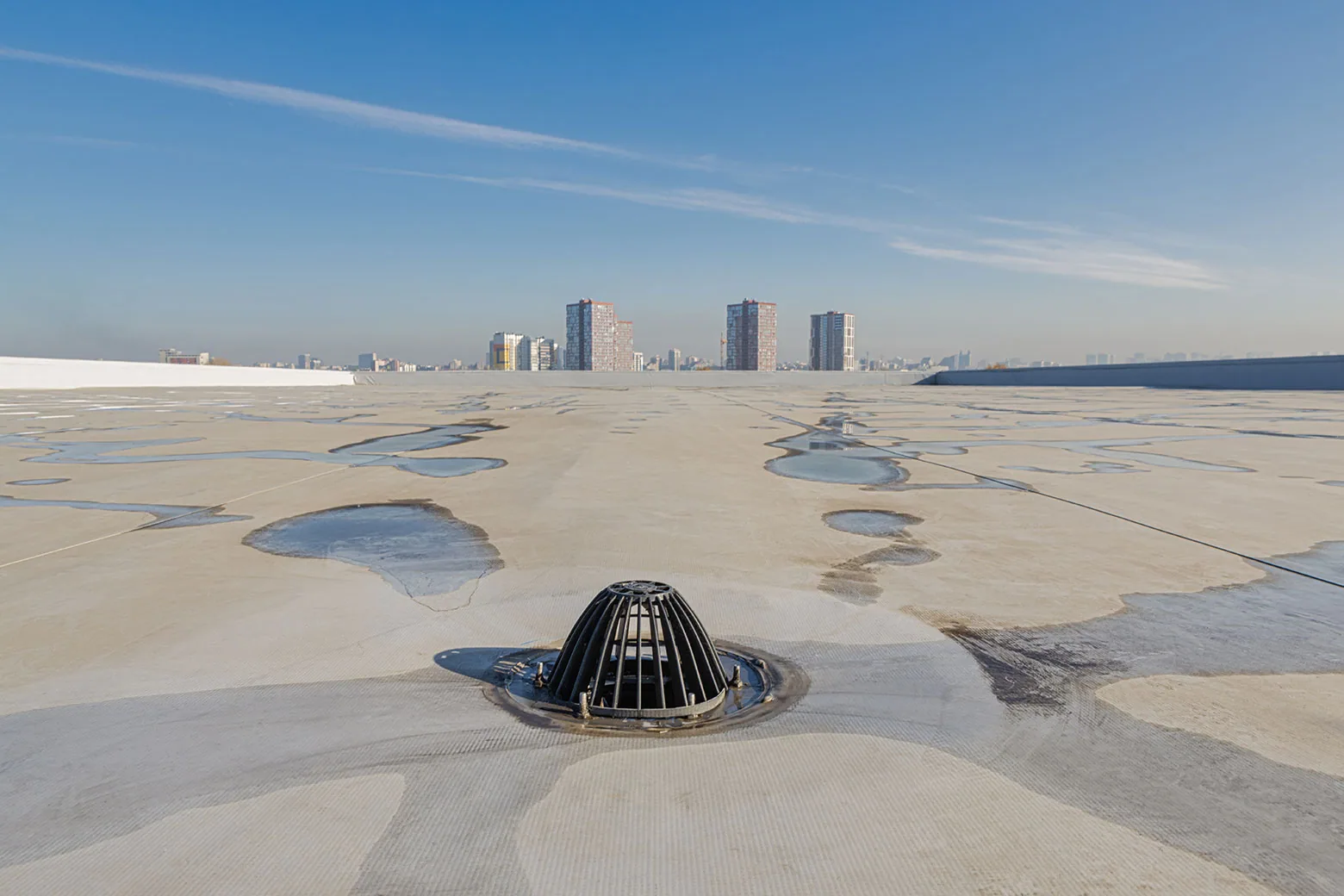
A shallow pool that remains after other roof areas have dried can point to a drain issue, a low deck, compressed insulation, or movement in the roof assembly. The important question is what keeps water there and whether the material below it is wet. Conroe’s heavy-rain exposure can load a drainage path quickly; a slow outlet may leave water standing after the shower passes. We measure and map the area, inspect the nearest drains and overflows, and check for membrane or seam conditions before recommending corrective work.
Measure the standing area before changing slope
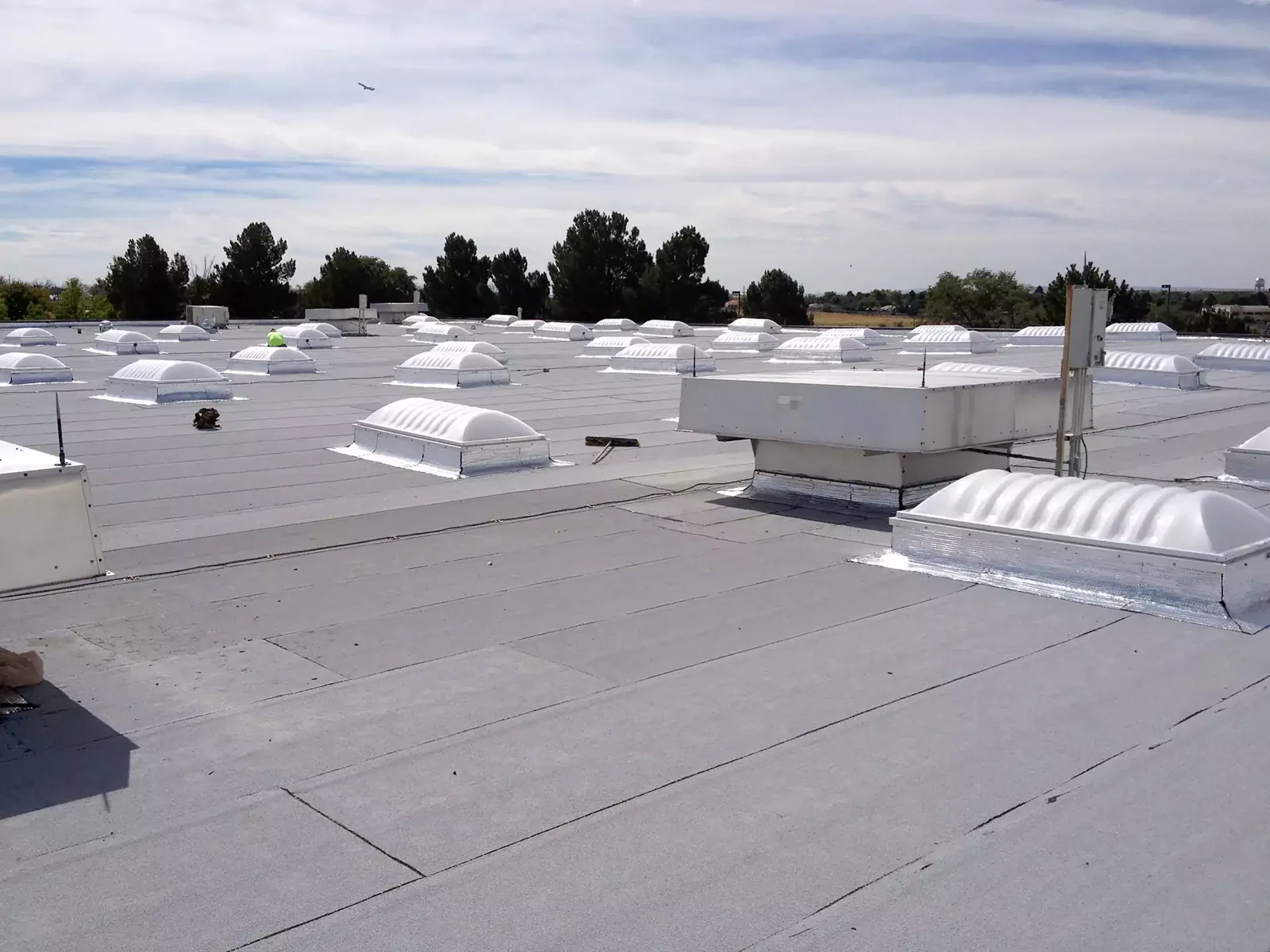
We note the pool boundary, approximate depth, outlet distance, and any visible line where water stops moving. A repeatable map helps determine whether the same low spot returns after each storm or whether debris caused a temporary obstruction. The roof walk also checks surface wrinkles, displaced insulation, open seams, scuppers, drain bowls, overflow paths, and nearby penetrations. If the roof is not safe to traverse, the inspection plan should state what was viewed remotely and what still needs direct access. Repeat photos from the same marked vantage point help show whether a later storm changes the pool boundary.
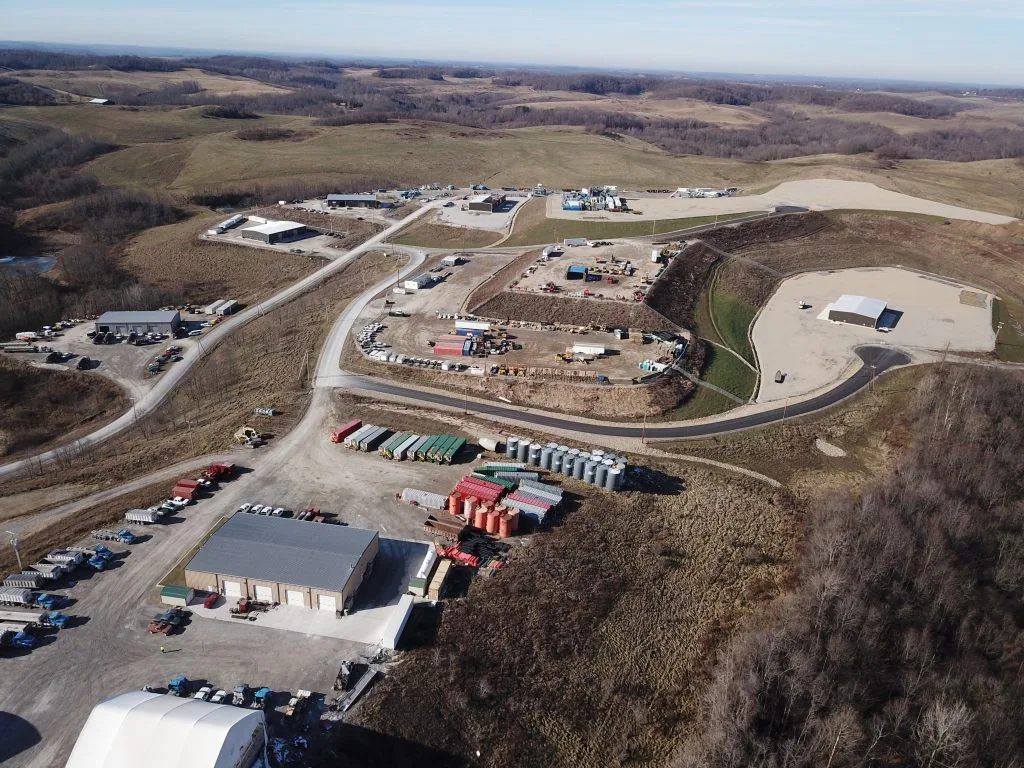
Conroe Park North occupies a broad industrial area on FM 3083 with manufacturing, freight, warehousing, and food-processing activity. On a working site, a standing-water report may also affect a loading lane, service access, or equipment clearance below. A commercial roof inspection can document the pool and surrounding roof zone. The FM 3083 industrial corridor is one regional area where drainage and access needs can be coordinated across commercial properties.
Check the outlet and overflow route as a system
A clear drain bowl is only one part of the route. We follow the roof surface toward the drain, inspect the strainer and connection area that can be reached, and check whether an overflow scupper sits lower than the surrounding wall opening. Debris, a distorted bowl, blocked piping, or a membrane wrinkle can each slow water. A repair should identify which component is responsible and whether a plumber or another trade needs to evaluate a concealed connection.
Conroe’s severe-weather pattern includes intense rainfall, which makes the overflow path important when a primary drain cannot keep up. We do not infer a blocked pipe from water visible on the membrane. Drain and scupper service can document the accessible outlet, while flashing repair may be relevant if water collects at a wall or curb transition. The owner should keep the drain location open after repair so future inspections can compare flow and surface conditions.
Look below the pool before adding material
Water that remains for a long interval can expose a weak seam, accelerate deterioration, or add weight where insulation has compressed. We check whether the membrane is sound, whether the surface has lost slope, and whether any interior symptom aligns with the pond. If moisture is suspected below the membrane, a test area or survey may help confirm the extent. Do not place a new layer over wet material simply to raise the low spot; the trapped condition can undermine the repair.
Conroe summers bring high surface temperatures, while rain can arrive before a roof is closed. The timing of a correction should include dry-in limits and a way to keep water moving during construction. An infrared survey can identify temperature differences that merit confirmation by other methods. If the assembly is a single-ply membrane, TPO repair uses compatible seam and flashing details; the system at the property must be identified before materials are selected.
Match the correction to what caused the low point
When debris is the only issue, cleaning and outlet inspection may restore the existing route. A displaced strainer, damaged scupper, or open flashing detail calls for a localized repair. If ponding follows a depressed deck or compressed insulation, the work may require removal, substrate correction, tapered insulation, or a redesign of the drainage path. Each choice has different cost, access, and structural implications. We show the measured area and the reason for the proposed correction rather than treating all ponding as a coating problem.
A coating can protect a compatible, dry surface, but it does not move water to a drain or correct a structural low point. A coating restoration should be considered only after the assembly and moisture condition are known. Seam repair addresses a separate entry path if the membrane joint has opened. For a wider roof decision, compare affected sections with a replacement scope that lists drainage work, substrate assumptions, and tie-ins separately.
Protect the occupied area while drainage work proceeds
A drain correction can require opening membrane, removing wet insulation, or routing debris across an active site. The property contact should identify the route, equipment or storage below, and hours when access is least disruptive. If a roof area must stay open, define a daily closeout point and the person who checks temporary protection before weather changes. We record any area that cannot be reached because of equipment or safety limits instead of treating it as inspected.
Harvey-era pool levels at Lake Conroe rose to a record, after which controlled water releases increased downstream flooding in Montgomery County. For a property manager, that history belongs in site-level water planning; the roof visit still traces the actual outlet, low point, and membrane at the building. Plan for a dry-in check before departure. Property managers can coordinate access and notify occupants, while logistics operators may need a clear truck route if materials or equipment are staged near a dock.
Verify water movement after the corrective work
Closeout should show the repaired drainage detail, corrected roof section, material used, and any remaining surface limitation. After a suitable rain, the property can compare the observed water path with the original map. A dry-weather hose test may be appropriate only when the assembly and drainage arrangement support it. If water remains because of a structural depression or an inaccessible pipe, list that condition and the next evaluation rather than calling the issue resolved.
For an asset with recurring ponding reports, dated maps help separate a persistent low point from a one-time obstruction. A roof condition report can retain measurements, photos, and repair boundaries for future review. Send the roof plan if available, the time water was observed, drain locations, and any interior impact. We will inspect the area, trace the route, and give the owner a repair choice based on the surface and assembly evidence.
Commercial Roofing Questions
How long can water remain on a commercial roof?
The observation matters more than a single time threshold. We map the area after rainfall, check whether the outlet is clear, and look for low points or moisture that may affect the assembly.
Can a coating eliminate ponding?
A coating can protect a compatible dry surface, but it does not correct a depressed deck or move water to an outlet. The cause must be identified before choosing that treatment.
Should the drain be inspected if water is standing nearby?
Yes. We check the accessible strainer, bowl, overflow route, and surrounding membrane, then note if a plumbing inspection is needed for concealed piping.
Could standing water mean wet insulation?
It can, but the roof surface alone does not confirm what is below. We identify suspect areas and recommend a test or survey when the condition calls for confirmation.
How do you confirm the repair worked?
The closeout records the corrected detail and remaining limitations. A later rain can show whether water now moves along the intended route; unresolved structural or pipe questions stay open.
Related Roofing Work