Property Types We Roof
Conroe, Texas
Property Types We Roof in Conroe, TX
Review commercial roofing by property type in Conroe, TX. Compare inspection priorities for industrial, office, healthcare, retail, and public buildings.
The interior use changes what a roof failure can interrupt. A warehouse may need clear loading access, while a medical office may need extra protection below the work zone. Neither use tells us the roof material or condition. We inspect the building, map the affected area, and coordinate the roof plan with the people responsible for the space.
Conroe’s employment base includes freight, manufacturing, food processing, medical devices, higher education, and professional services. Those documented uses make it useful to review roofing by property type while keeping the recommendation tied to the individual roof.
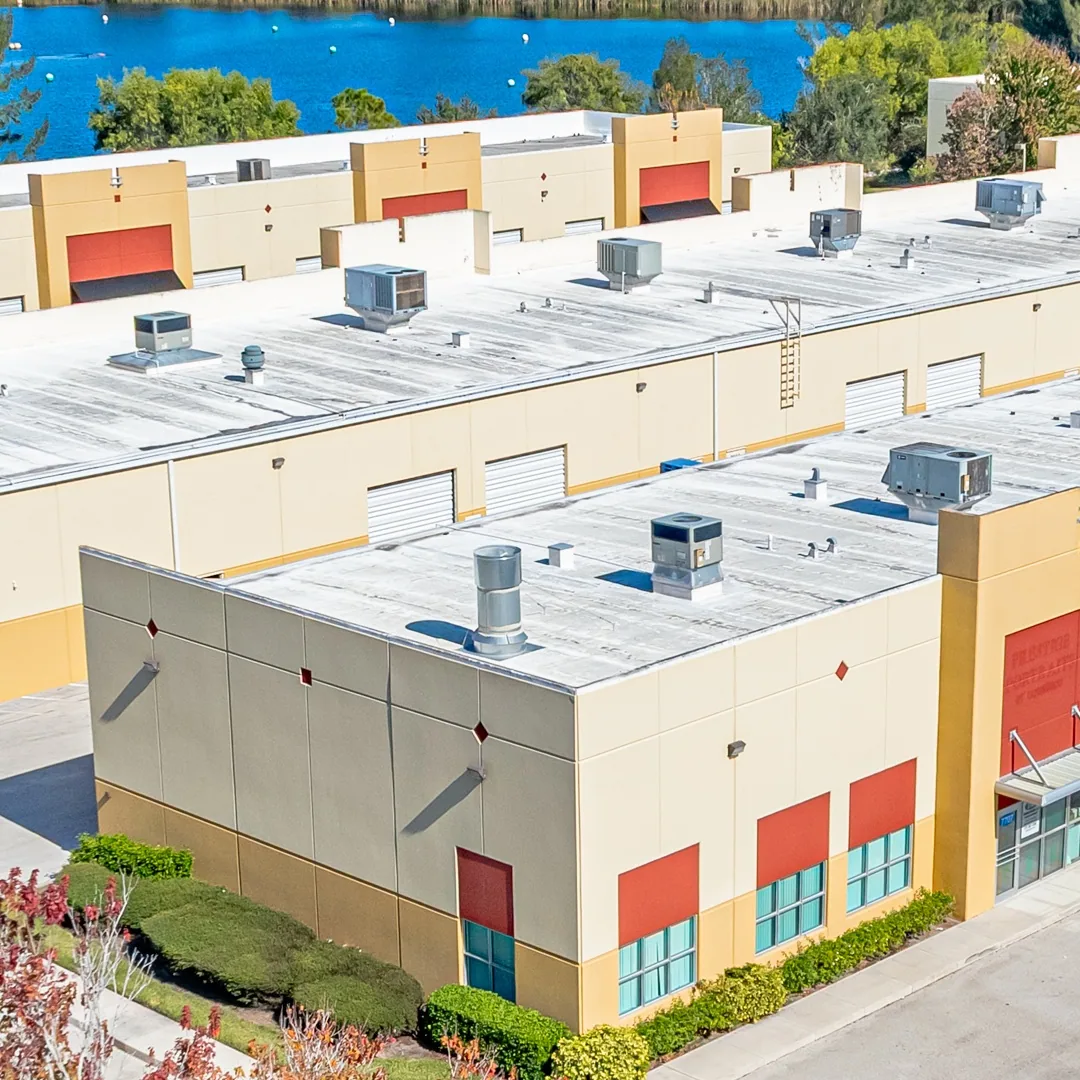
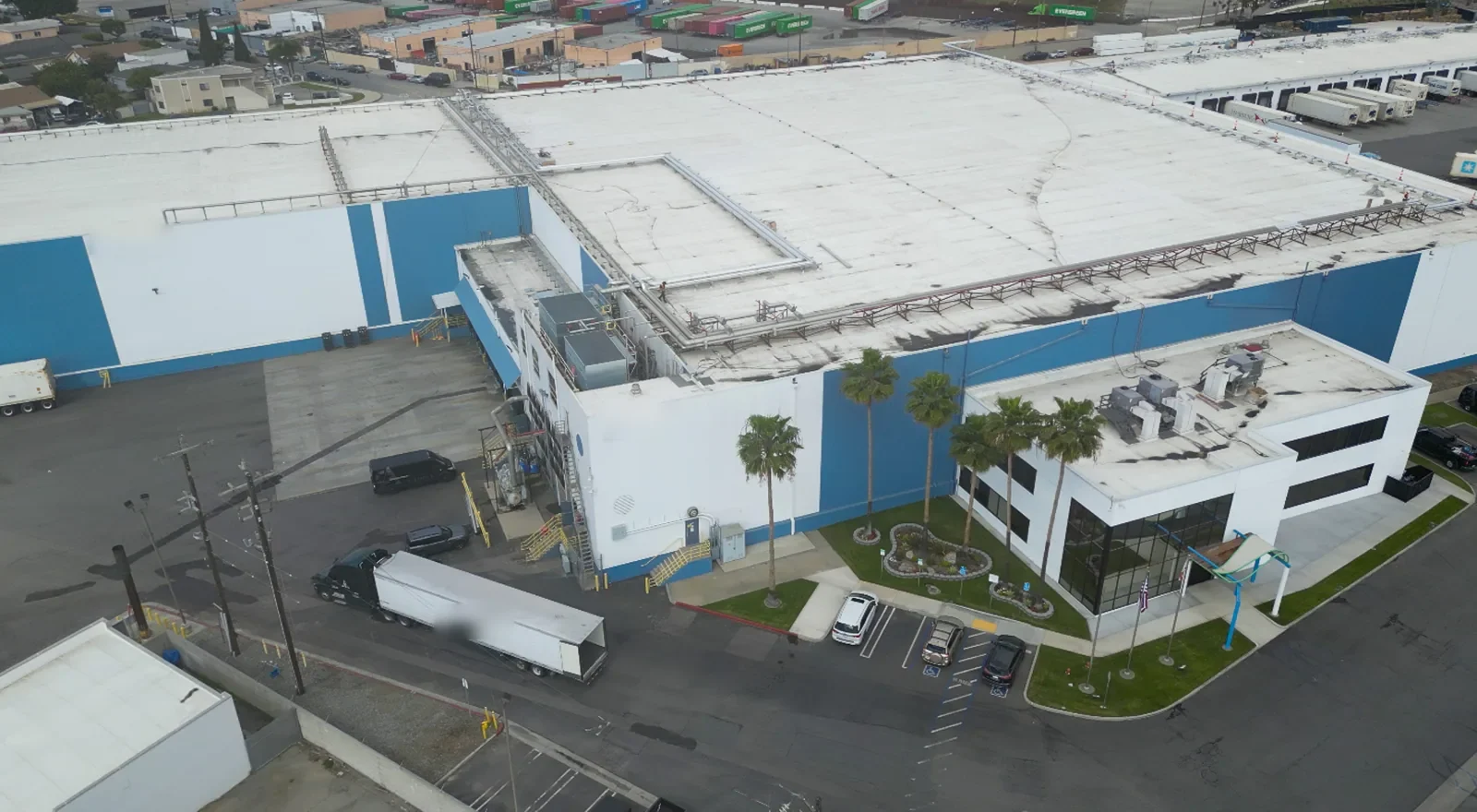
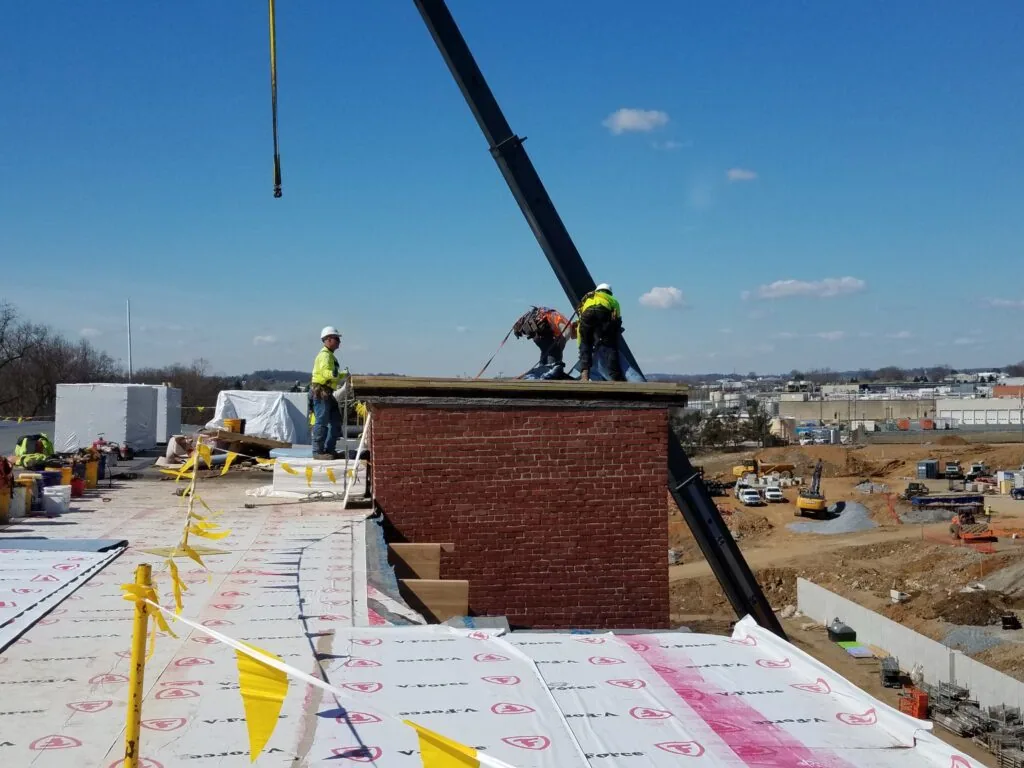
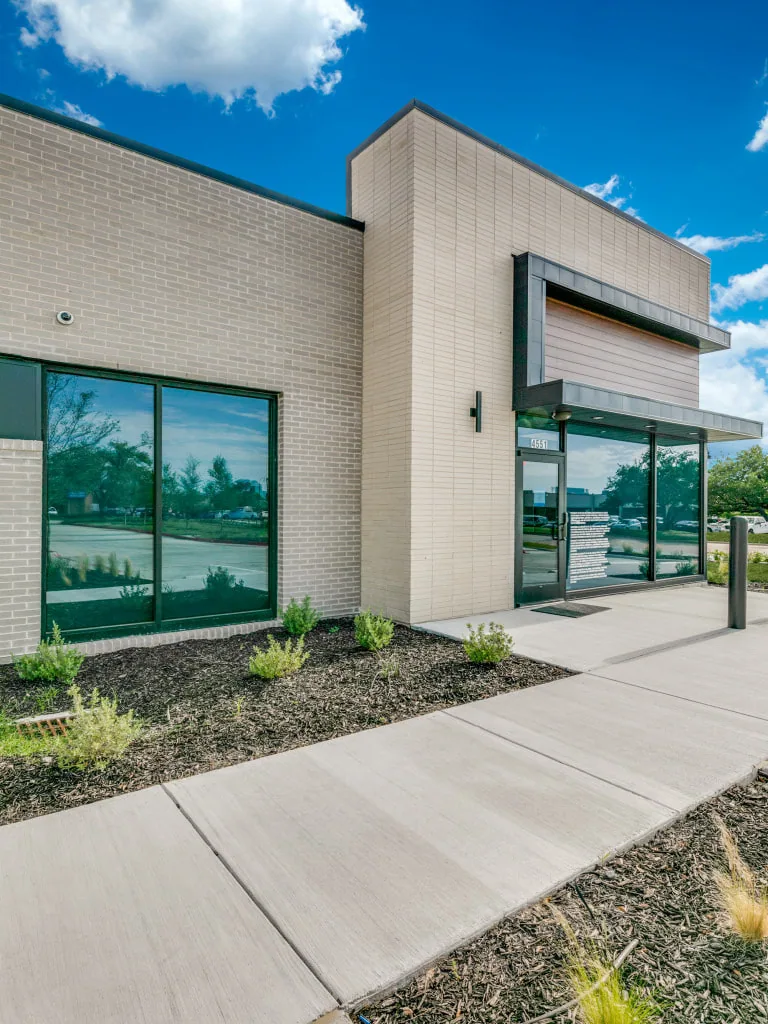
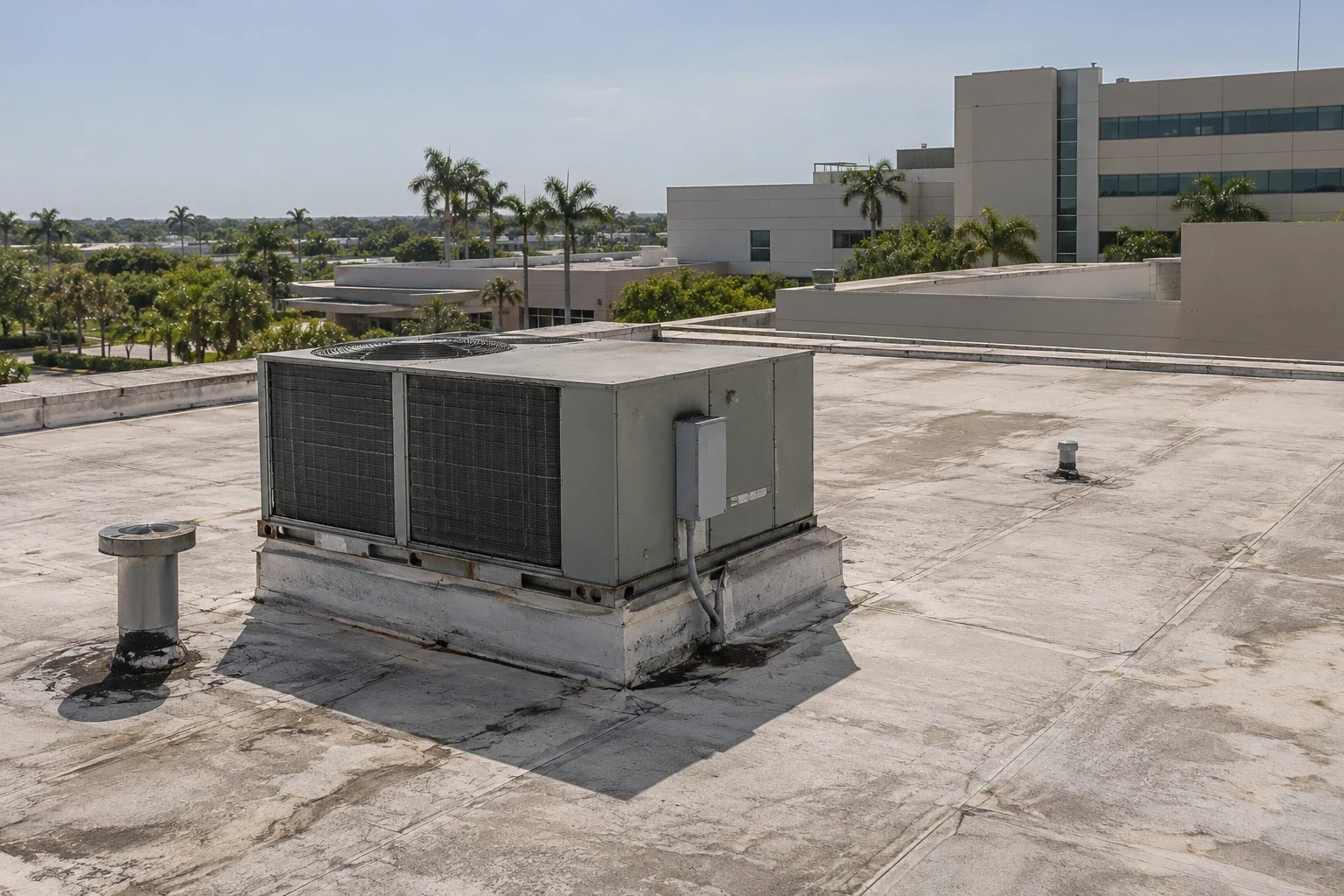
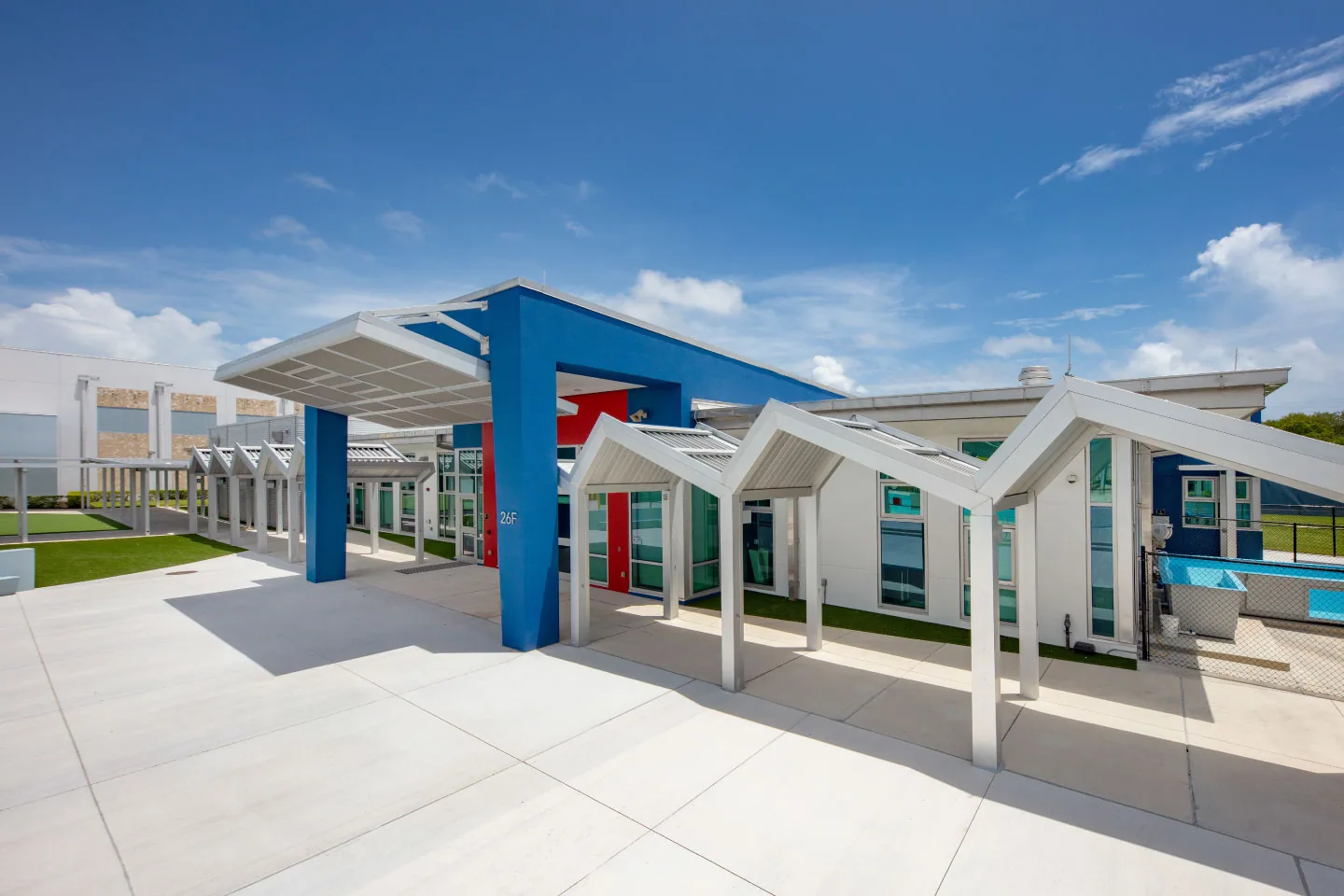
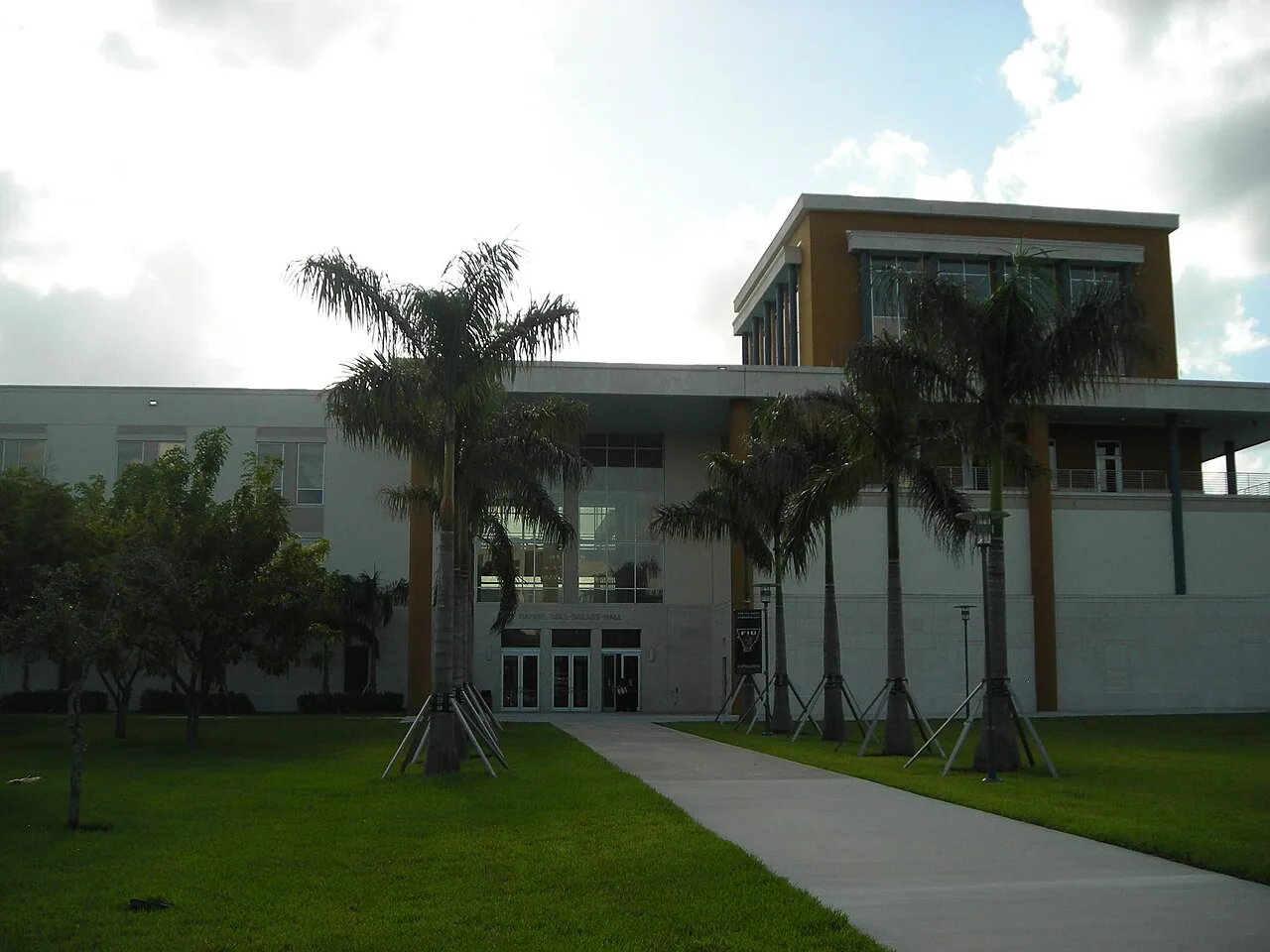
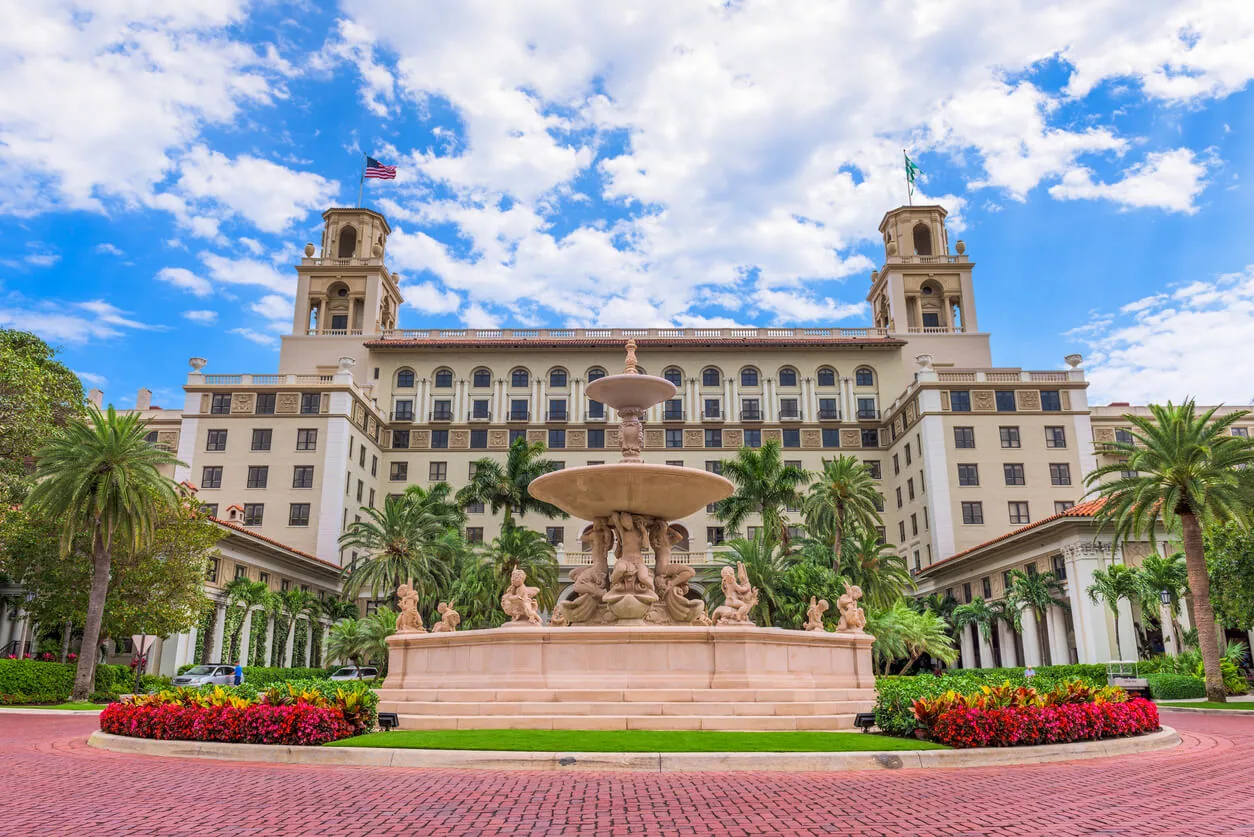
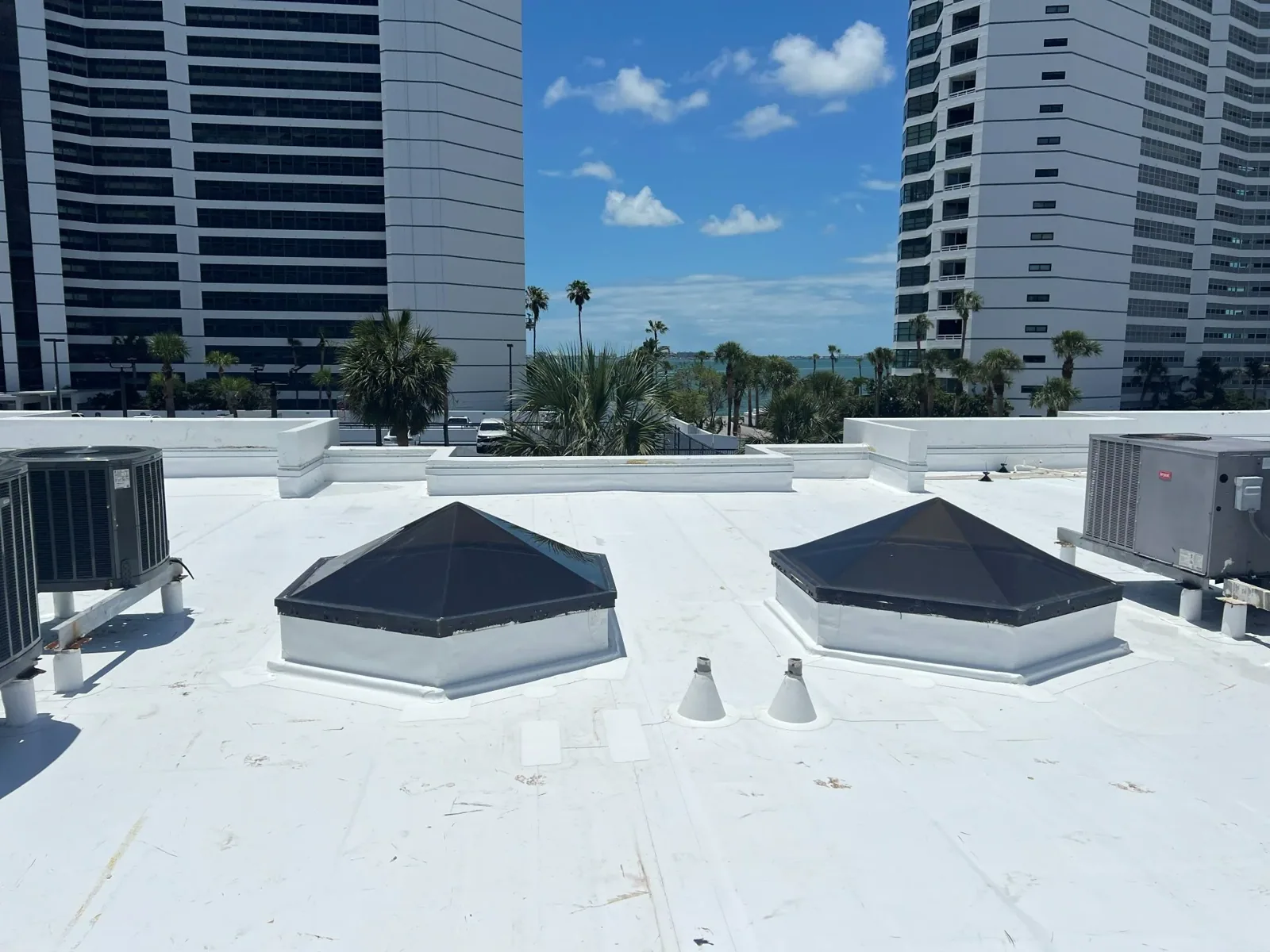
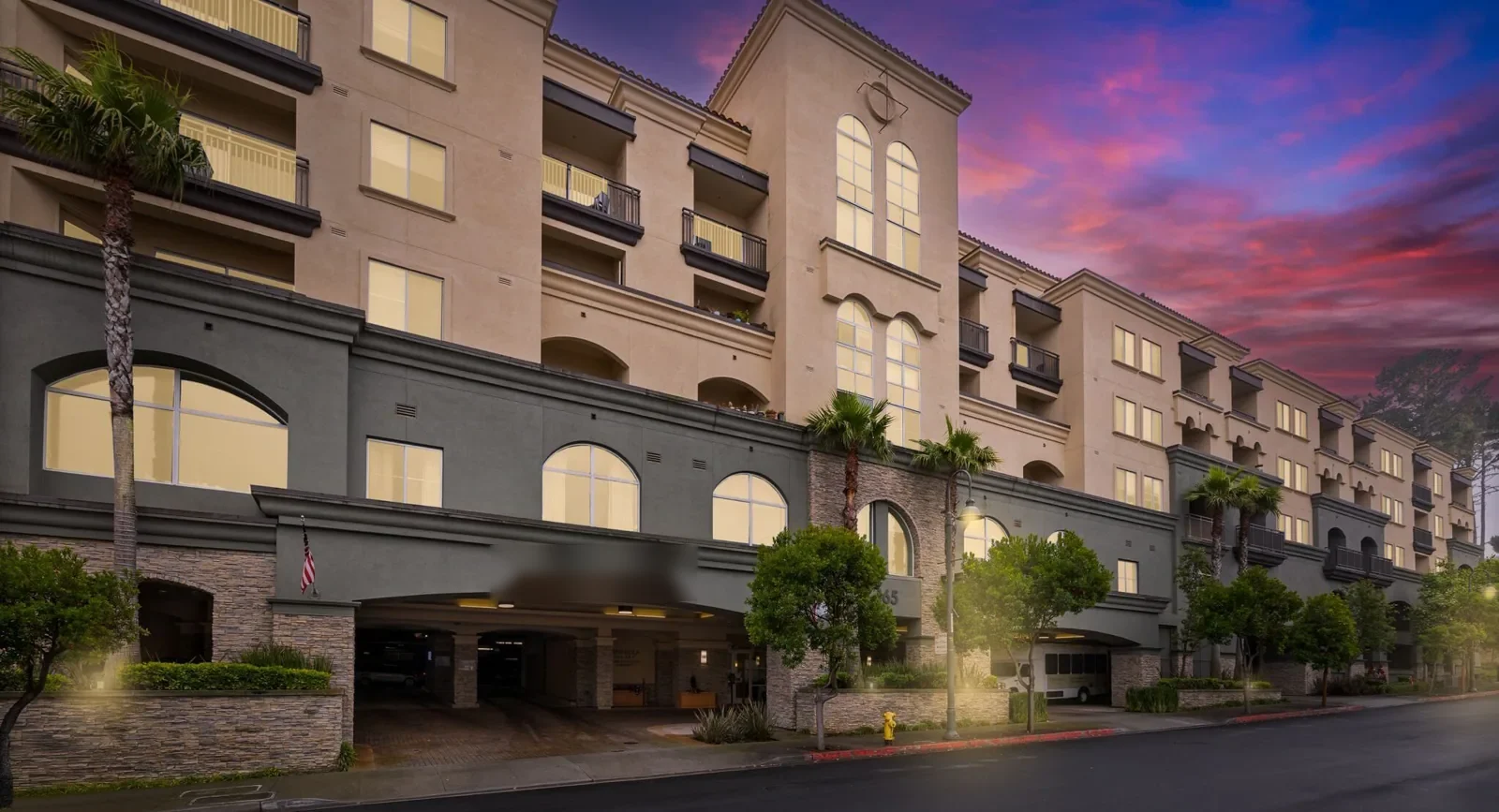
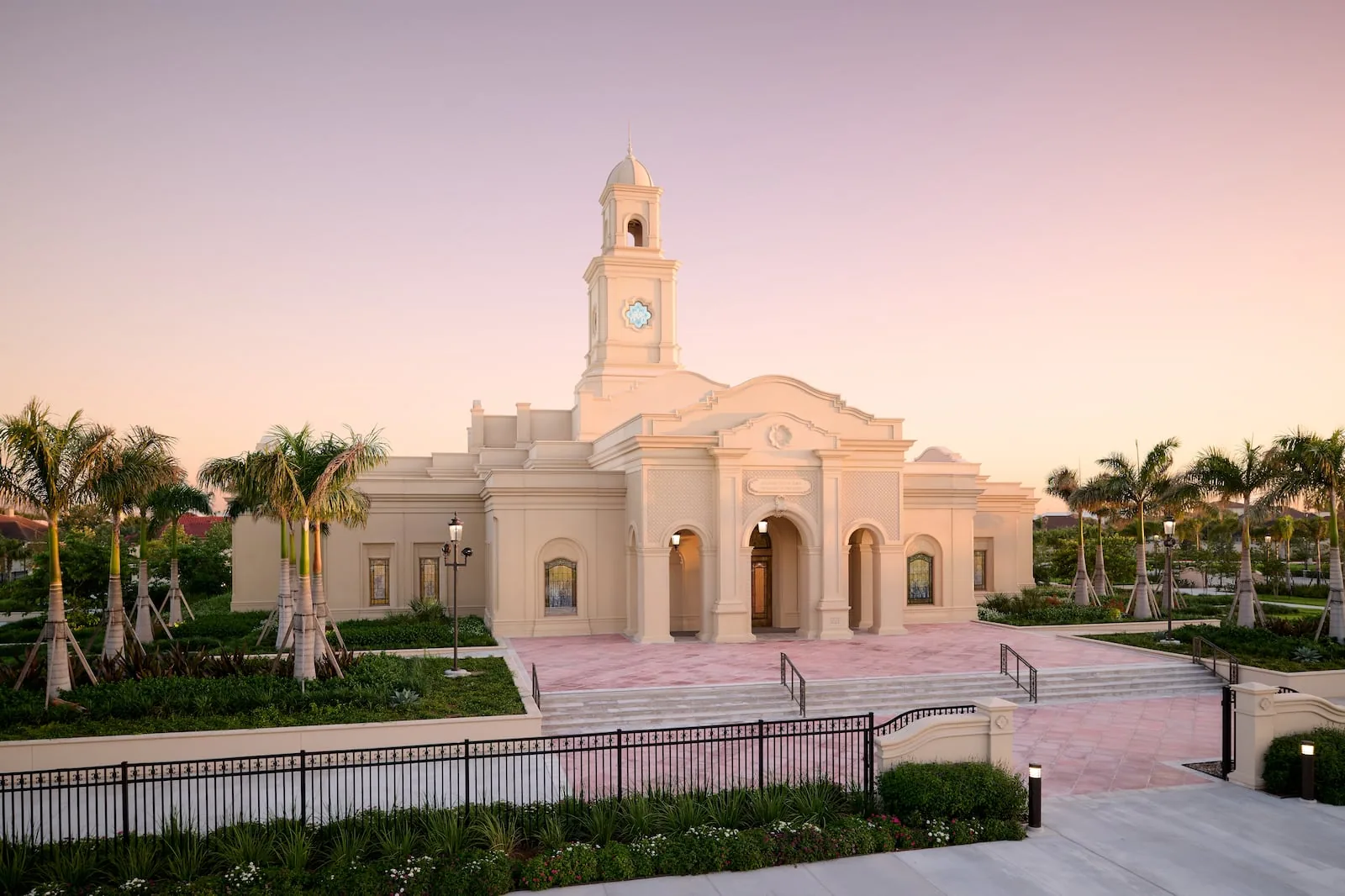
Industrial and Storage Buildings
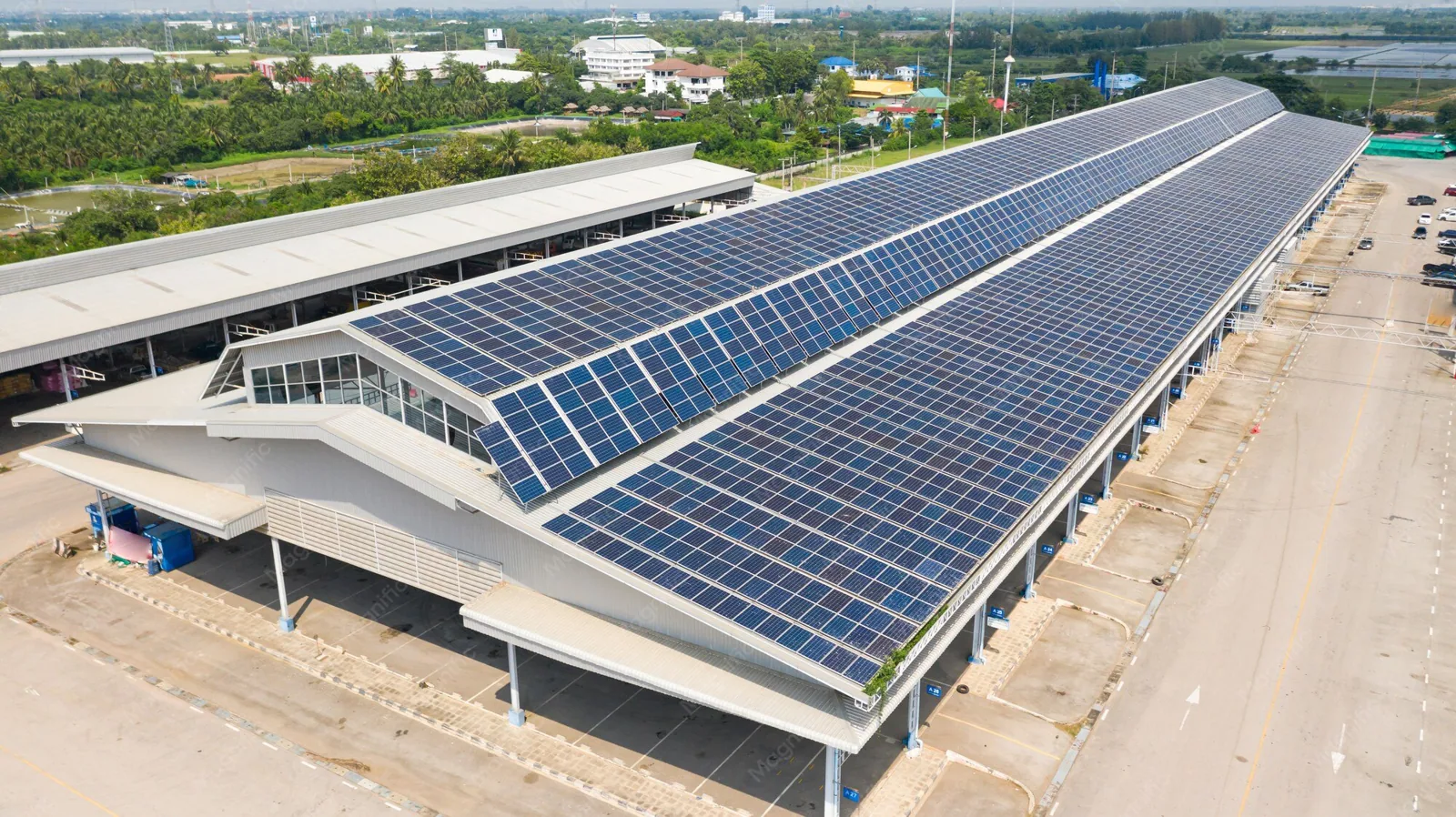
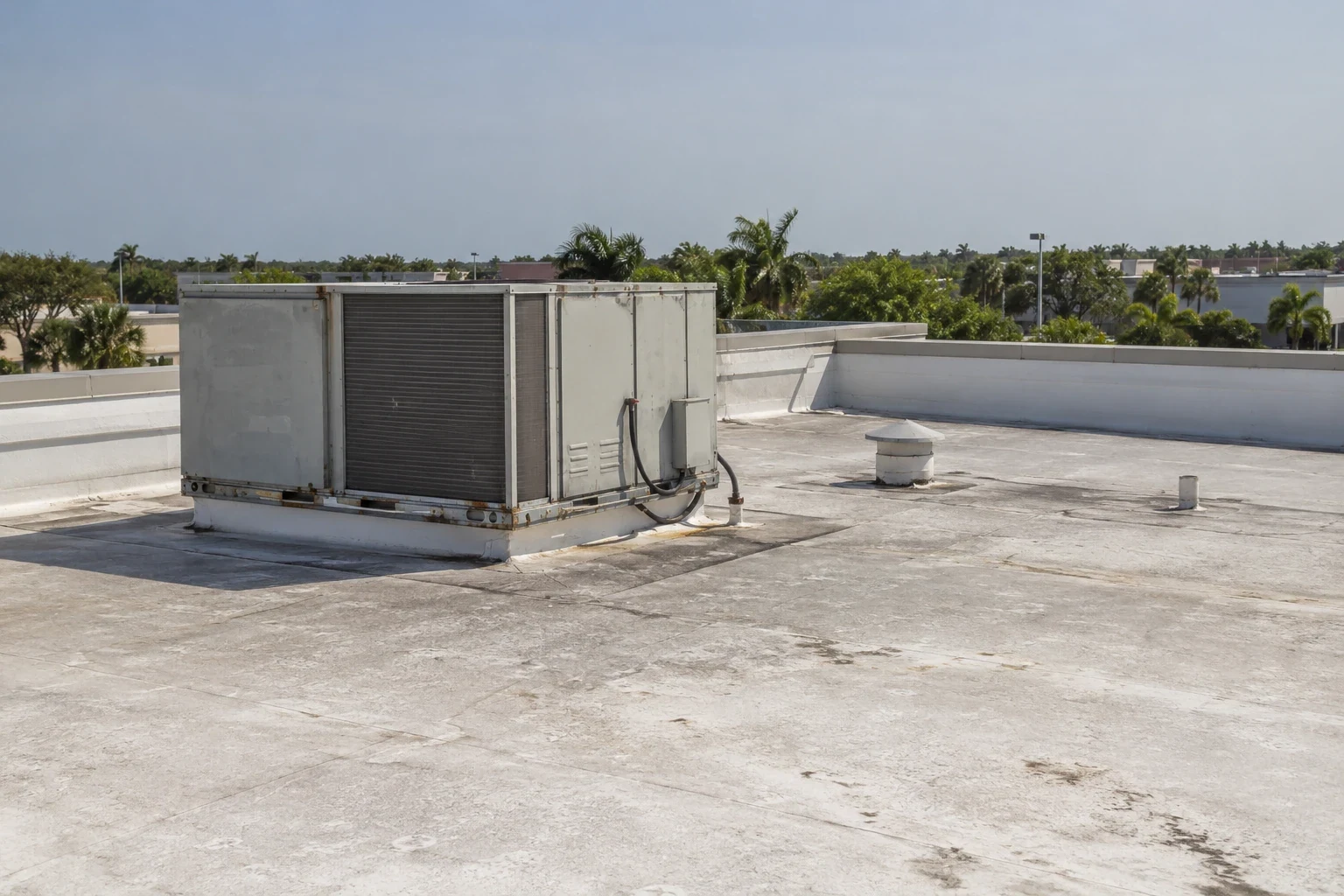
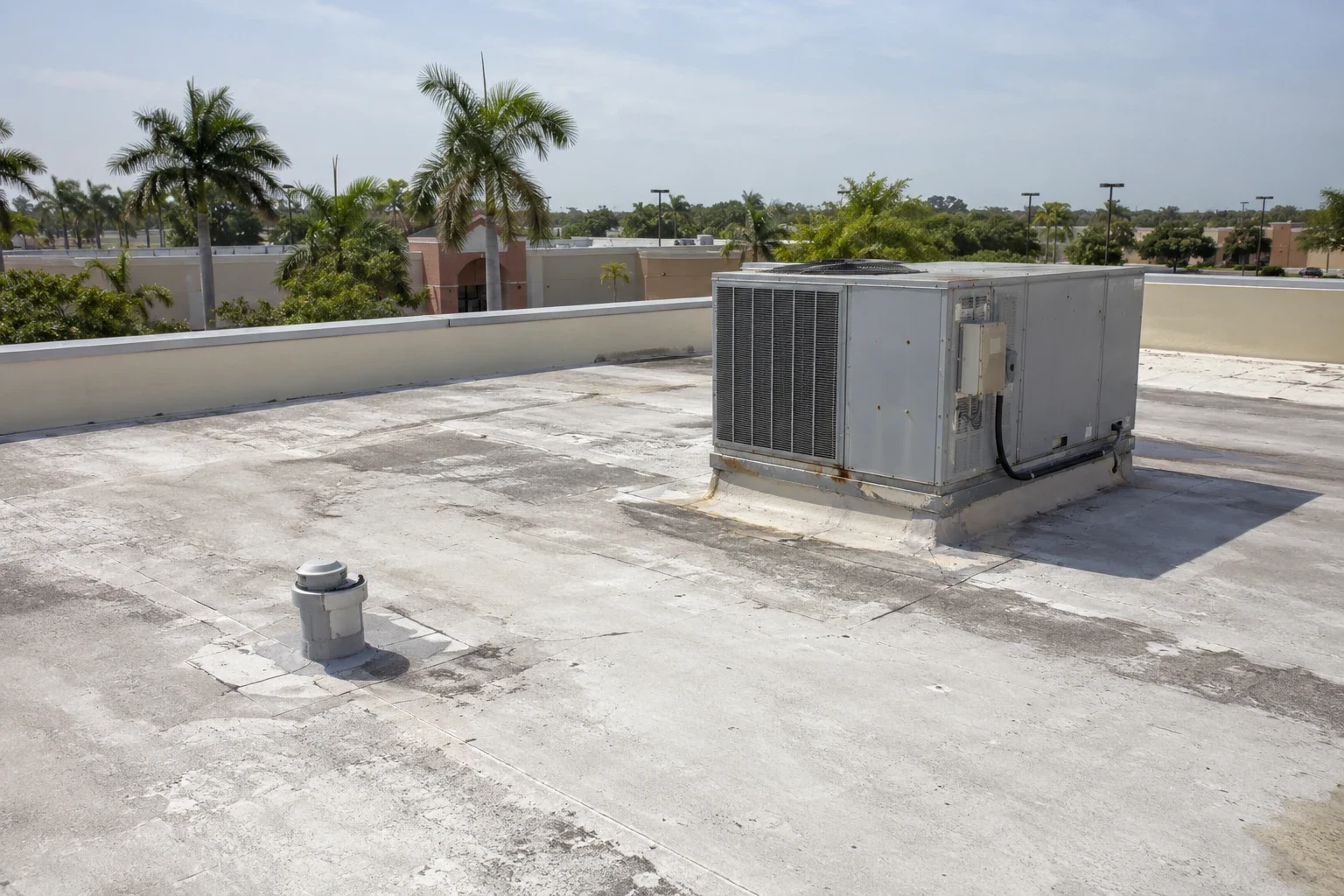
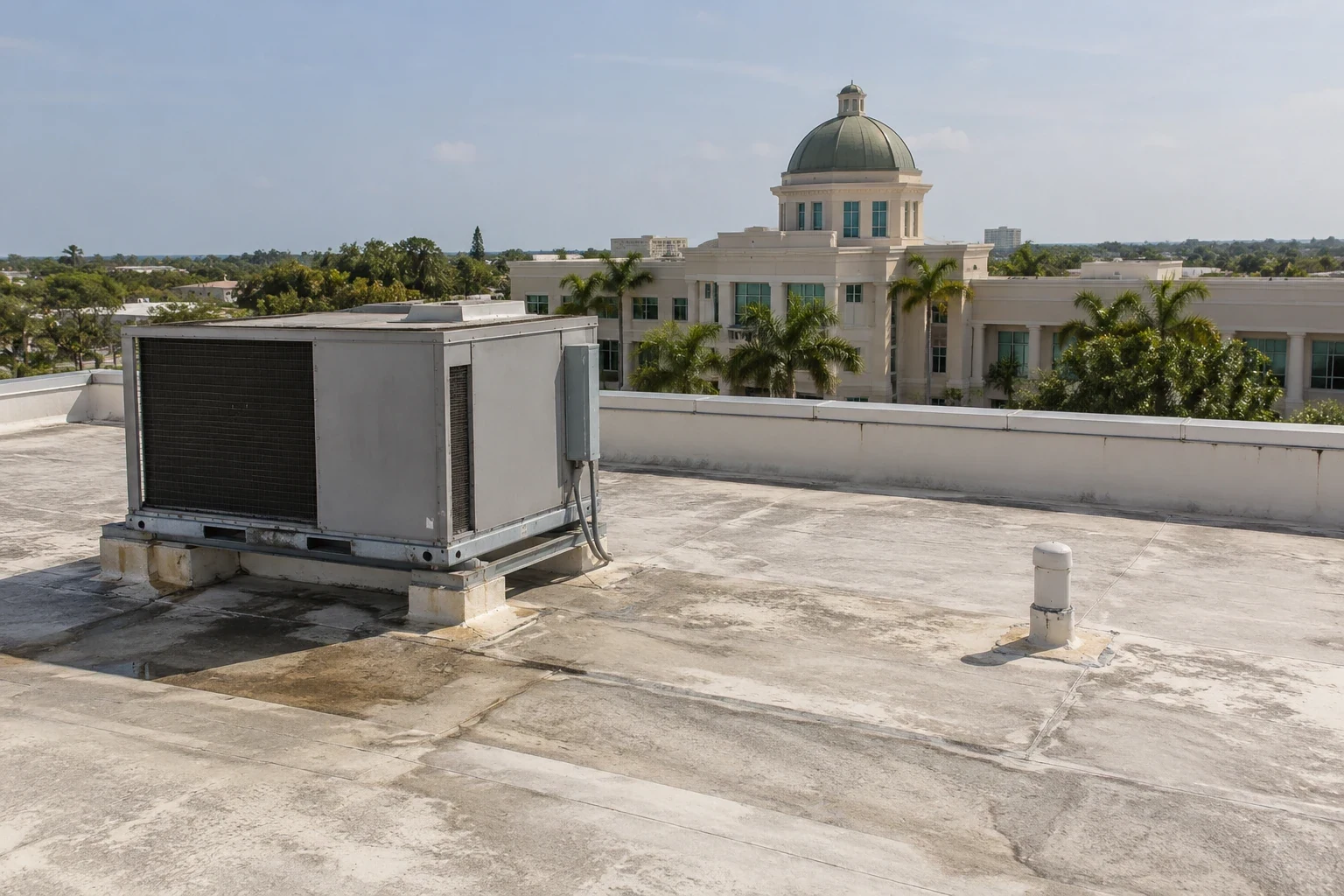
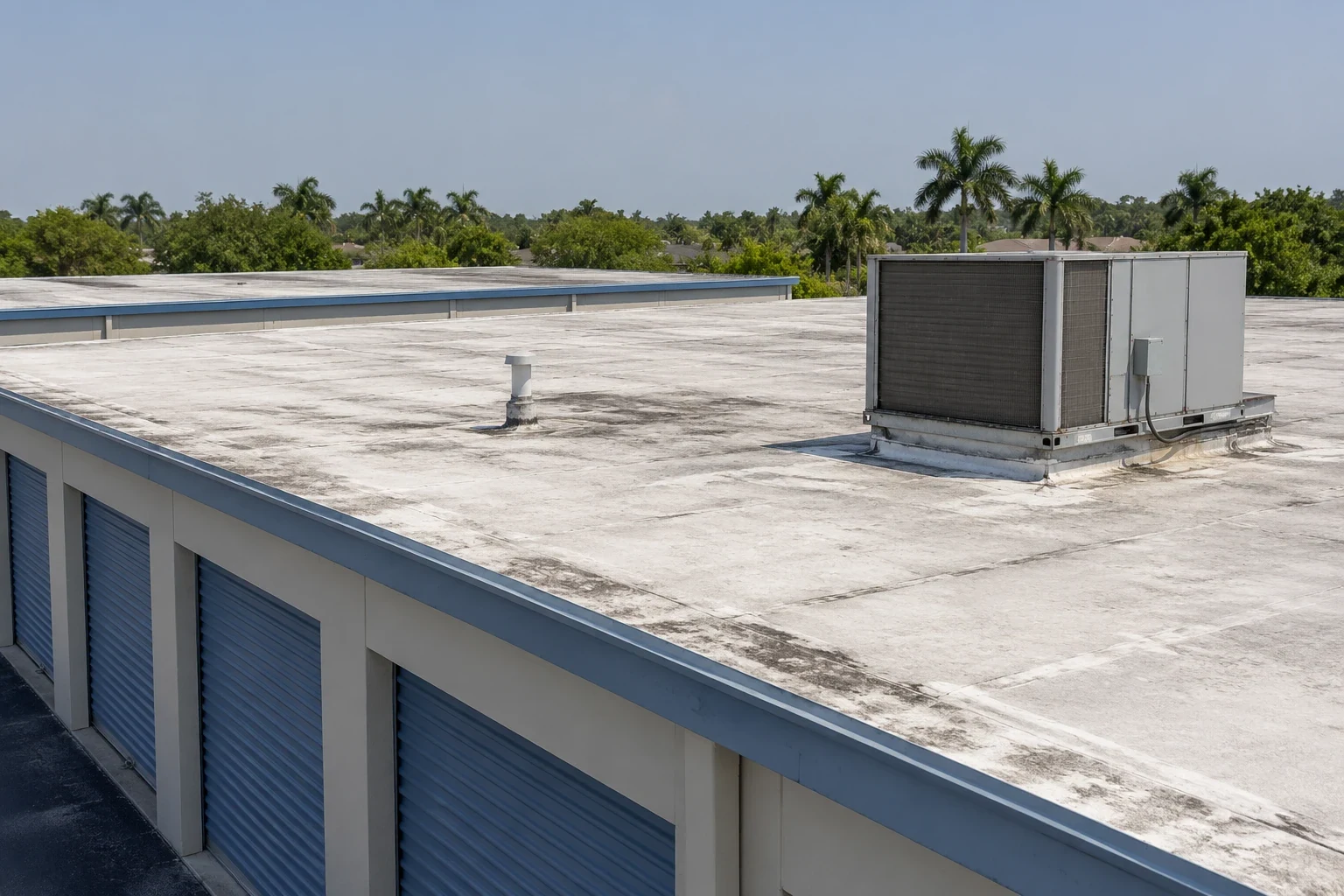
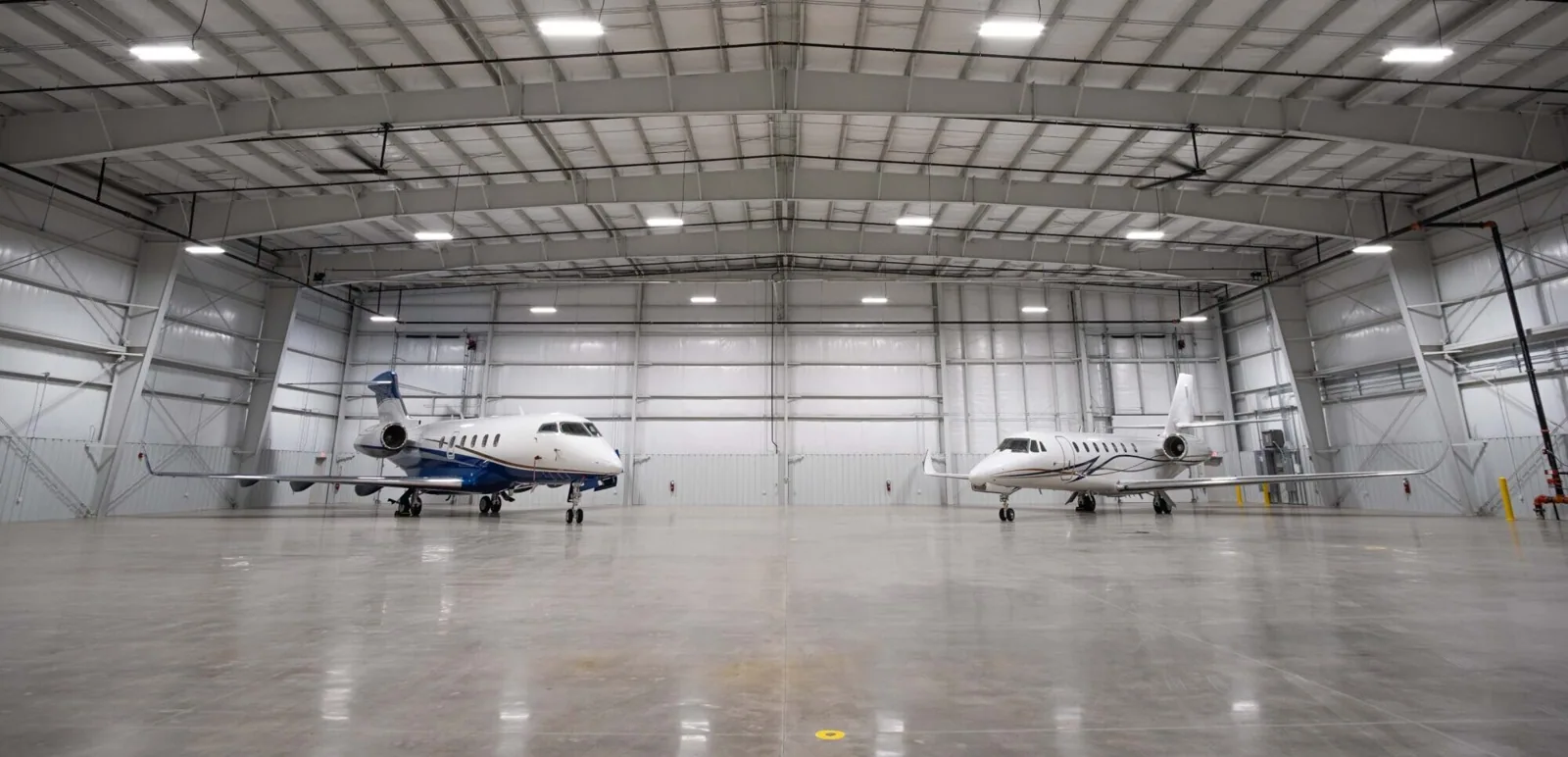
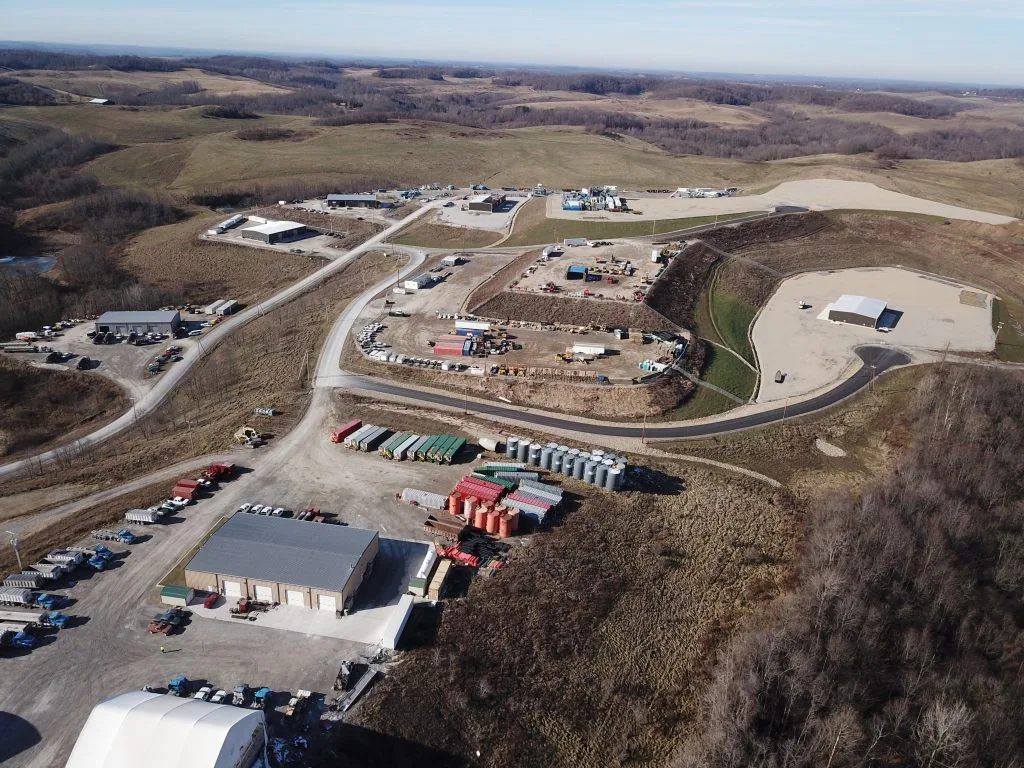
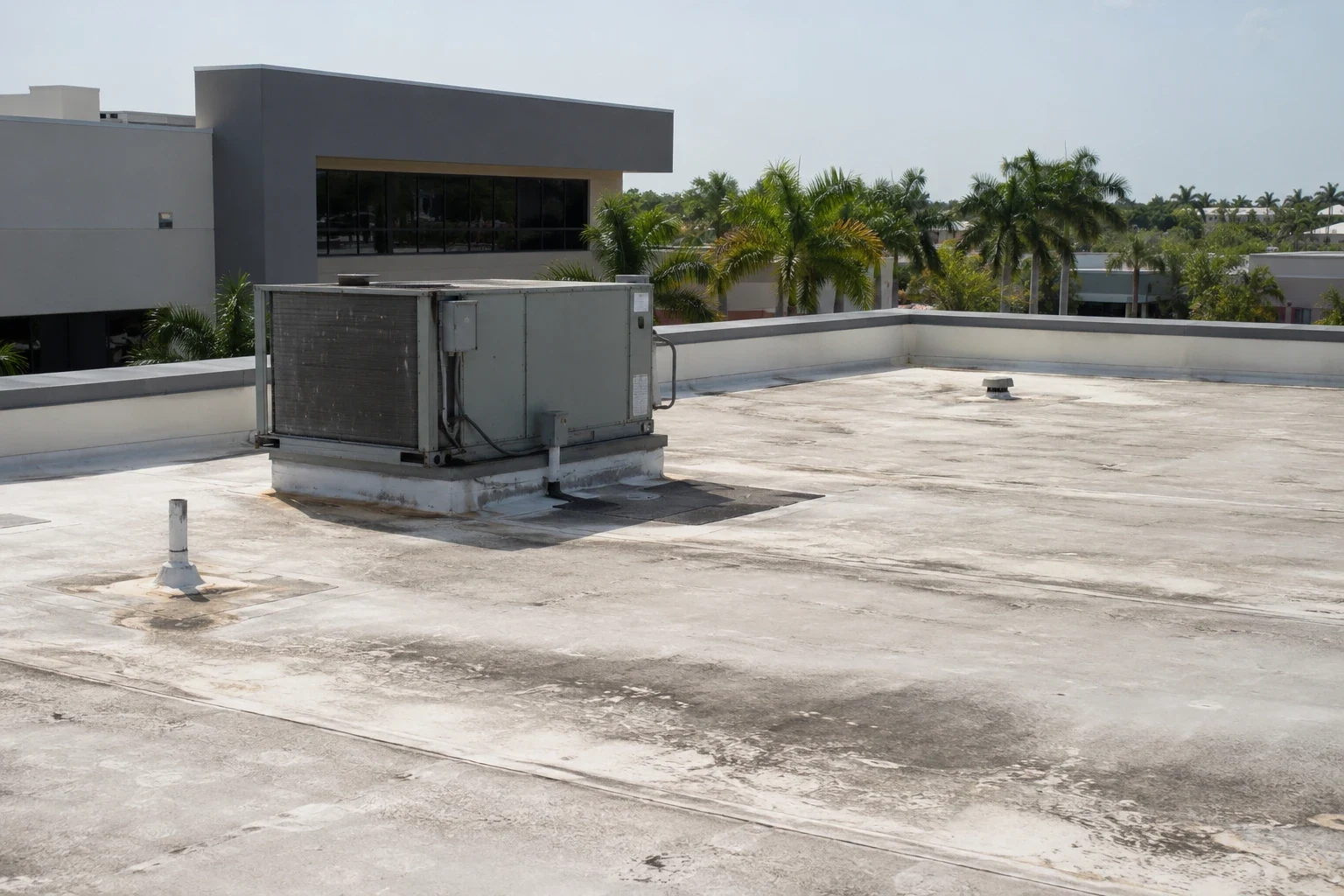
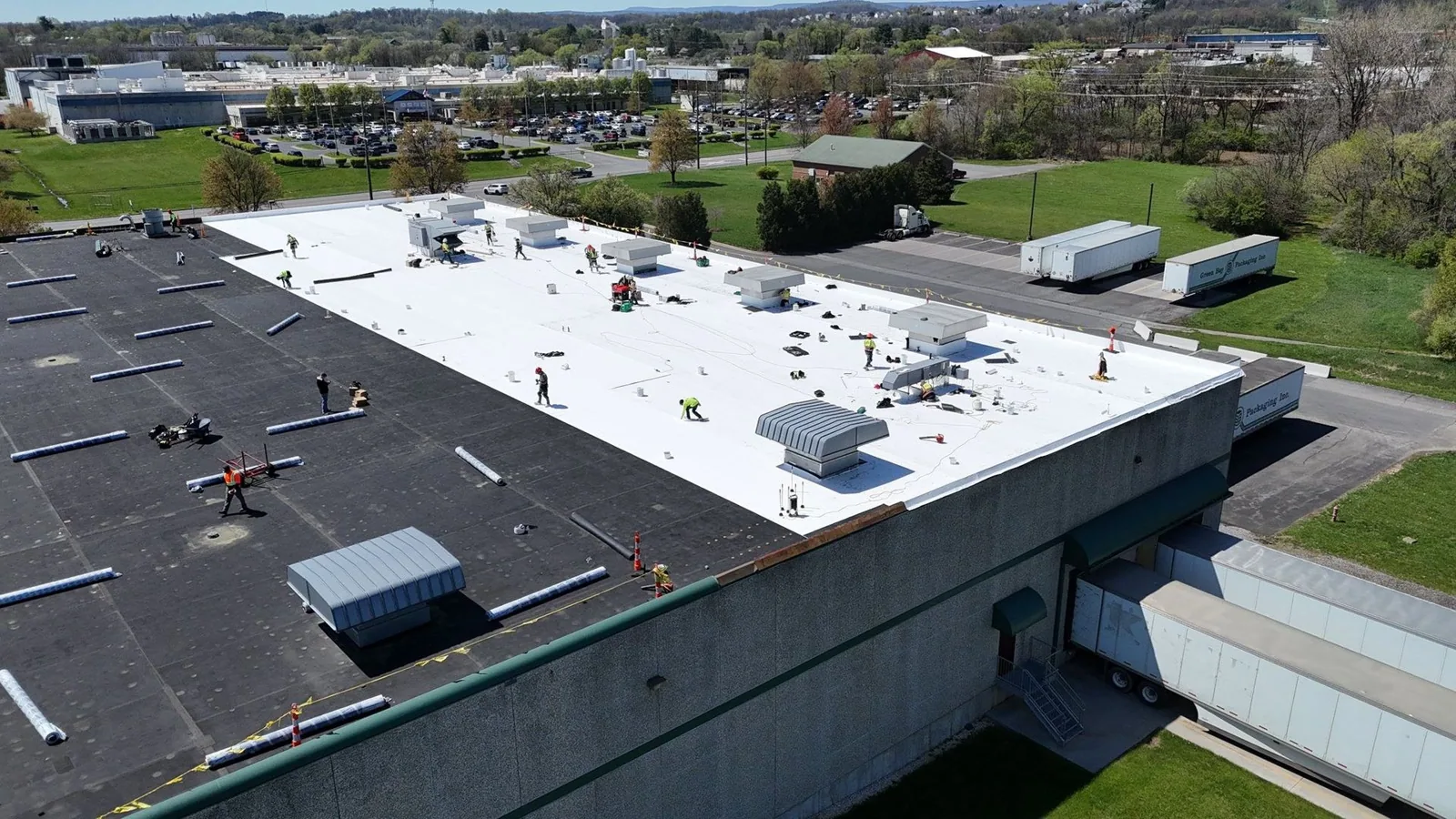
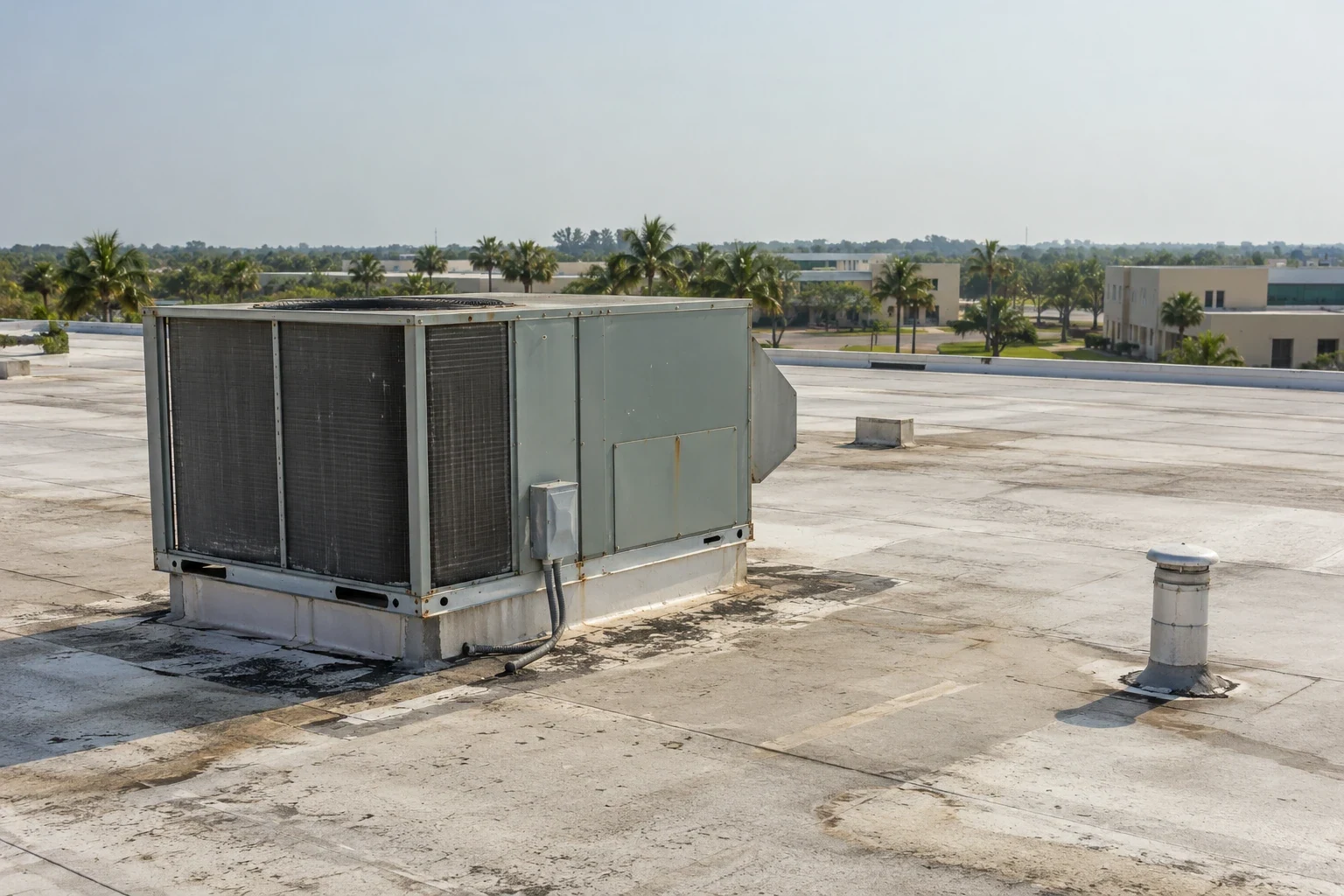
Rooftop equipment, penetrations, drains, and long seams can deserve close review where the roof covers active operations. See warehouse roofing, distribution center roofing, manufacturing plant roofing, and cold-storage roofing. Each service begins with identifying the assembly and the access or shutdown constraints at that property.
A facility’s category is not evidence of membrane type, roof size, or existing moisture. We verify those details and explain whether the issue is limited to a curb, seam, drain, or wider roof area.
Offices, Healthcare, and Public Use
Occupied spaces below a roof can shape the work window and protection plan. Office-building roofing, medical office roofing, hospital roofing, and school roofing address those operating considerations. We confirm which rooms, entrances, or equipment require coordination instead of inferring needs from a category.
Conroe Park North and Deison Technology Park illustrate the market’s mix of industrial and life-science employment. A roof above any one employer still needs its own assessment, with findings recorded by roof zone and repair detail.
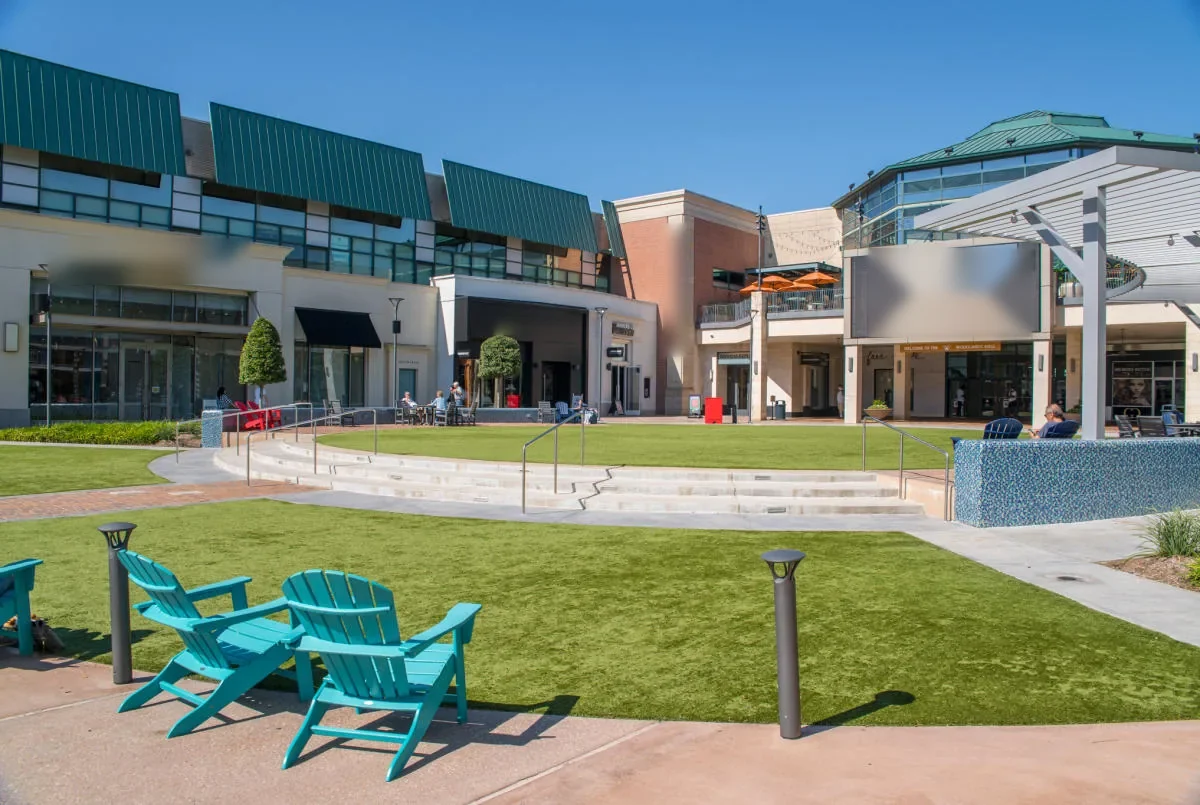
Retail, Dining, and Community Properties
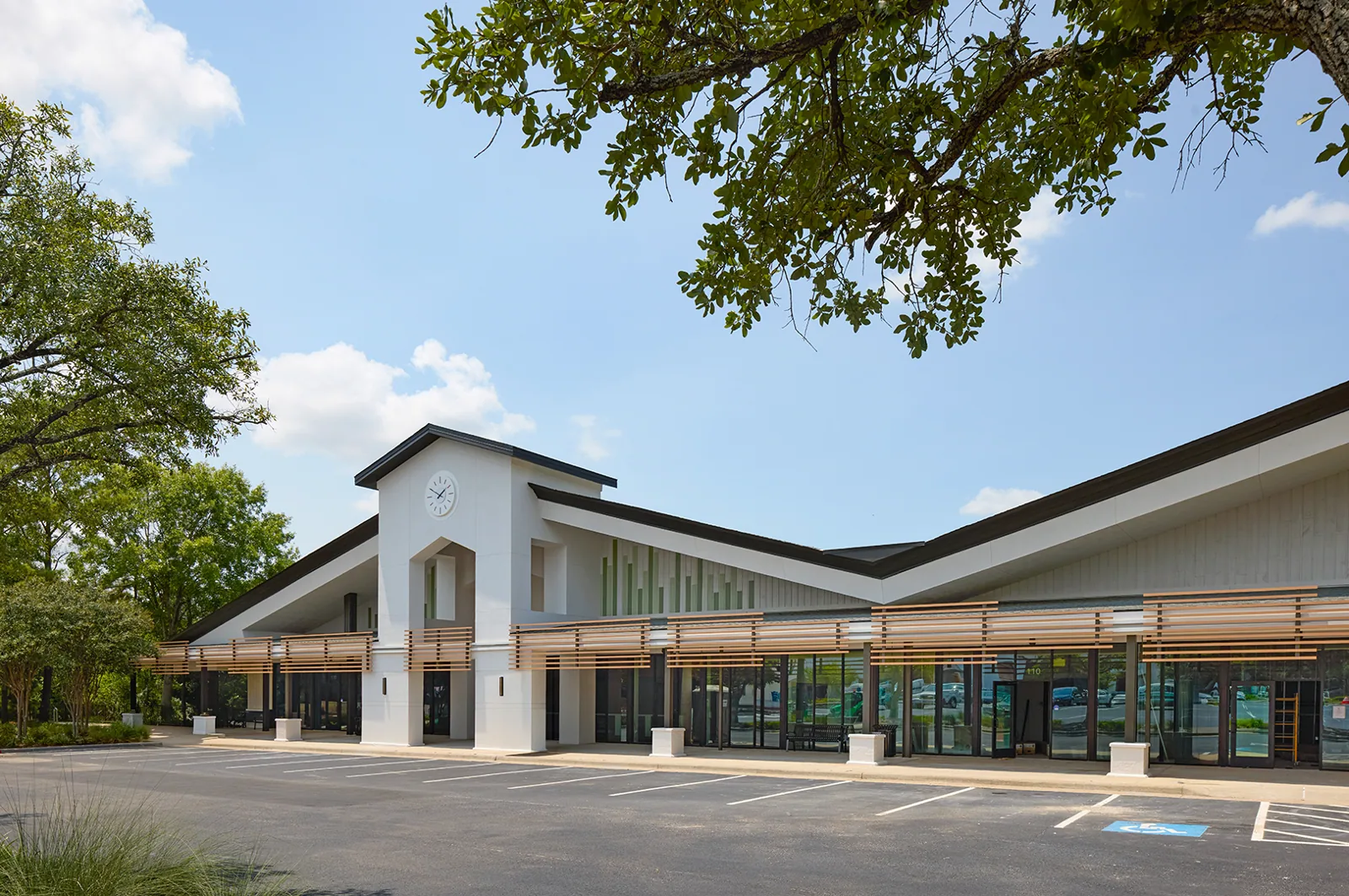
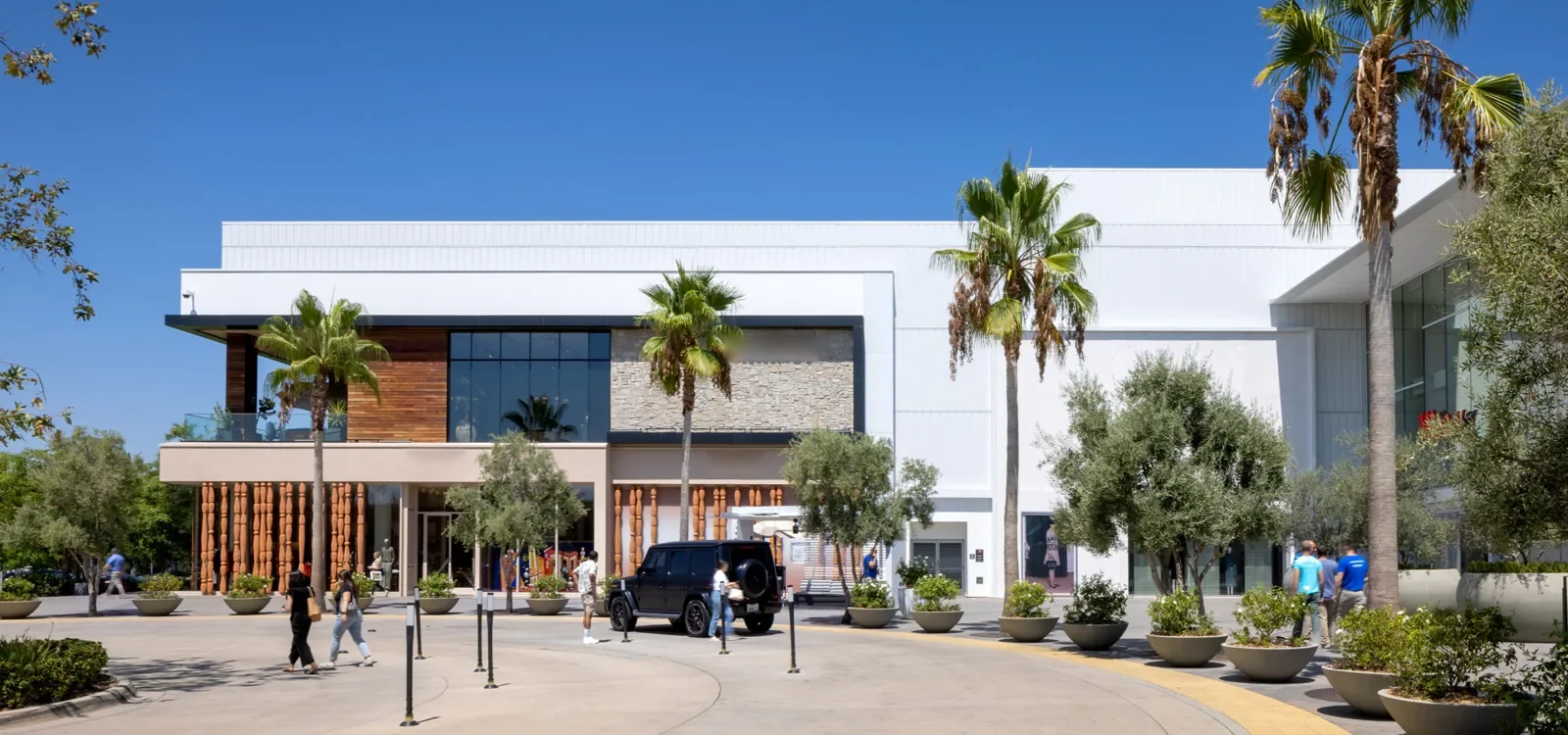
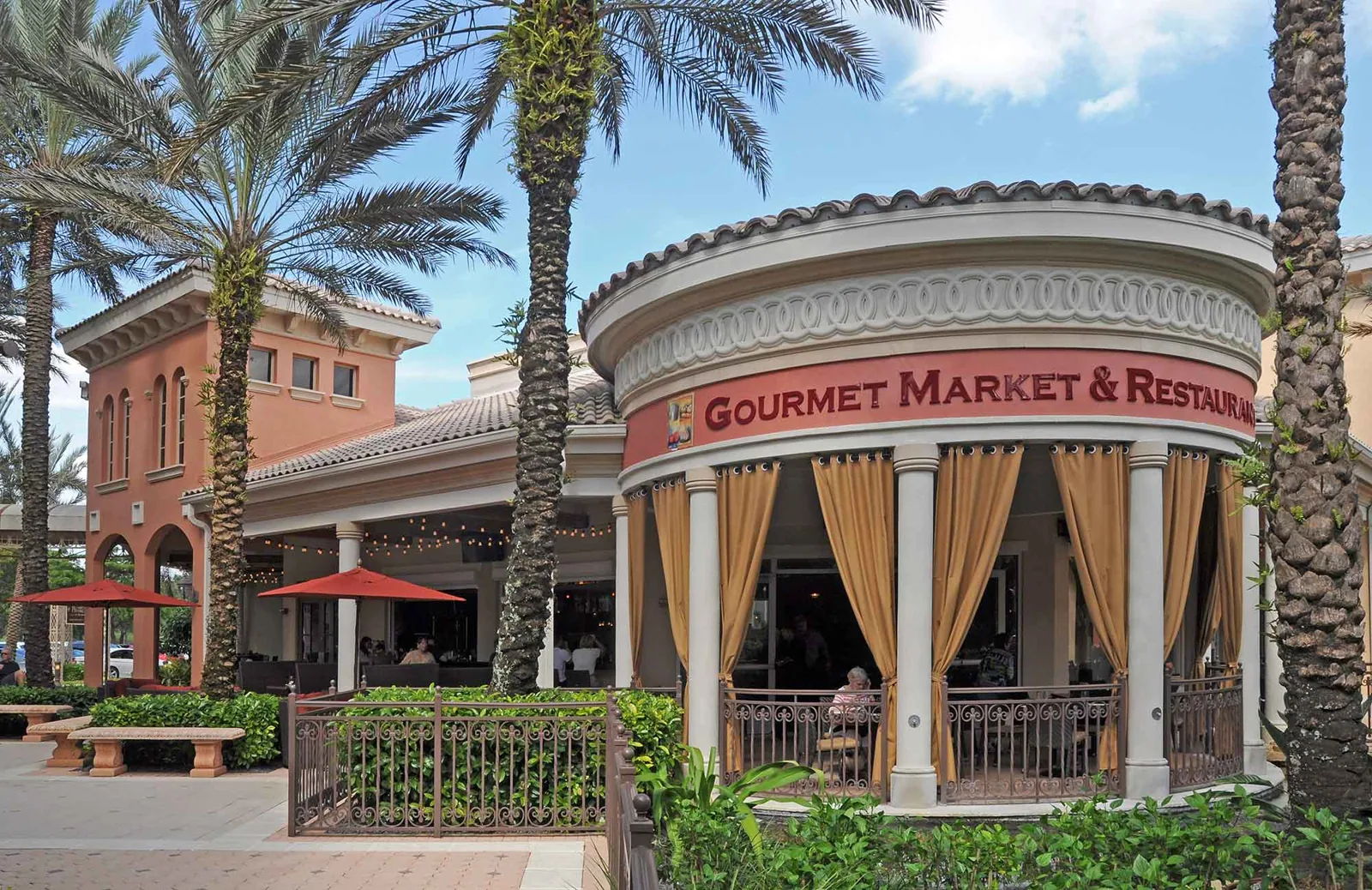
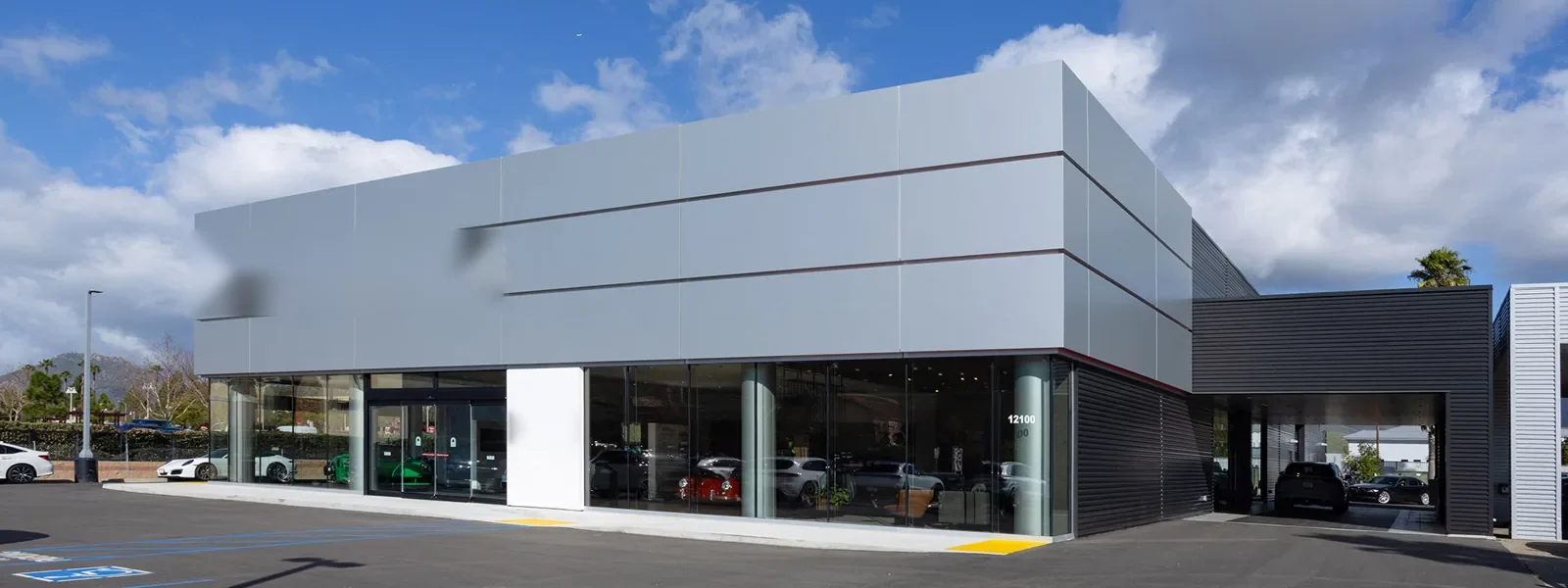
Customer access, deliveries, and trading hours can affect staging and closeout. The plan should show where barriers go, which entrances remain available, and how a roof section will be secured each day. A shopping-center roof review can help owners organize those questions before work begins. It does not replace measurements or a condition walk at the building.
Heat adds movement at membrane seams and metal transitions; intense rain tests drains and overflow paths. We check those details alongside the operating schedule before proposing repair or renewal.
Start with the Building, Not the Label
For a property-type assessment, share the building, leak history, roof access, and operating limits. We will verify the assembly and describe what can be repaired, what needs testing, and what broader work the condition supports.
Commercial Roofing Questions
Does a property type tell you what roof system is installed?
No. Building use does not establish the membrane, panels, attachment, or concealed layers. We identify those conditions at the property before choosing materials or setting a repair boundary.
Can roofing work continue while a facility is occupied?
Often it can, with an access plan, interior protection, and daily dry-in sequence suited to the site. We confirm those constraints with the property contact before work begins.
Which buildings need a roof inspection?
Any commercial property with active leaks, recurring repairs, planned capital work, or uncertain condition can benefit from an inspection. The scope depends on access and what the roof reveals.
What should a property manager compare in proposals?
Compare the repair boundary, material compatibility, drainage and edge work, concealed-condition allowances, access sequence, and closeout. Those details show what the quoted work actually covers.