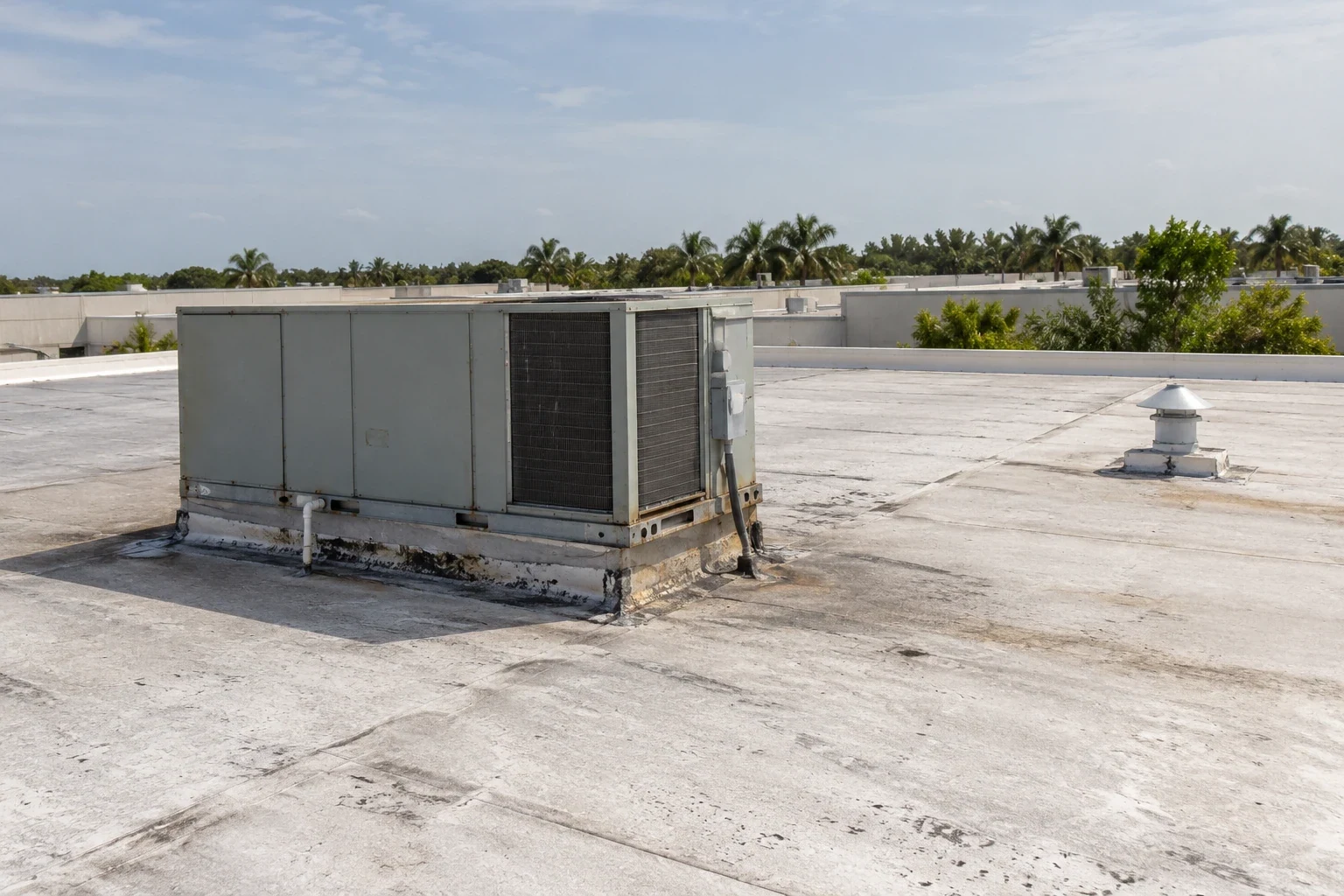
Church Roofing in Conroe, TX
Plan church roof repairs in Conroe around worship and event schedules, safe access, drainage, and clear choices for repair or renewal.
A leak in a sanctuary may be noticed during setup, a service, or a community event, when moving people and equipment quickly is difficult. The roof inspection needs to locate the affected room, identify the authorized building contact, and avoid disrupting an active gathering. Churches can include sanctuaries, classrooms, offices, kitchens, and fellowship rooms, each with different use hours and roof geometry. Downtown Conroe's defined district includes commercial redevelopment, housing, and civic uses; Historic Downtown Montgomery is a nearby area with locally owned shops, restaurants, and community events. These facts offer local context for scheduling and access. They do not tell us which roof system or property layout a church has.
Work around worship, classes, and community events
The church contact can list services, rehearsals, classes, childcare, food programs, and scheduled rentals before a roof visit. We confirm which entrances remain open, where volunteers park, and whether deliveries or event setup will use a service lane. If an area must stay quiet, the work sequence can separate louder removal from inspection or detail work when practical. The congregation or property manager controls room closures and event changes; the roofer defines the work area and communicates conditions.
Some repairs can be completed above a smaller room without affecting the sanctuary. A broader replacement may cross several occupied areas and require more notice. Phased roofing in an occupied building can break the work into roof zones, showing what is open each day and when temporary protection is checked. Before a planned gathering, the church can identify whether a lift, barricade, or material drop needs to be removed from the parking or entry route.
Identify the assembly before choosing a repair
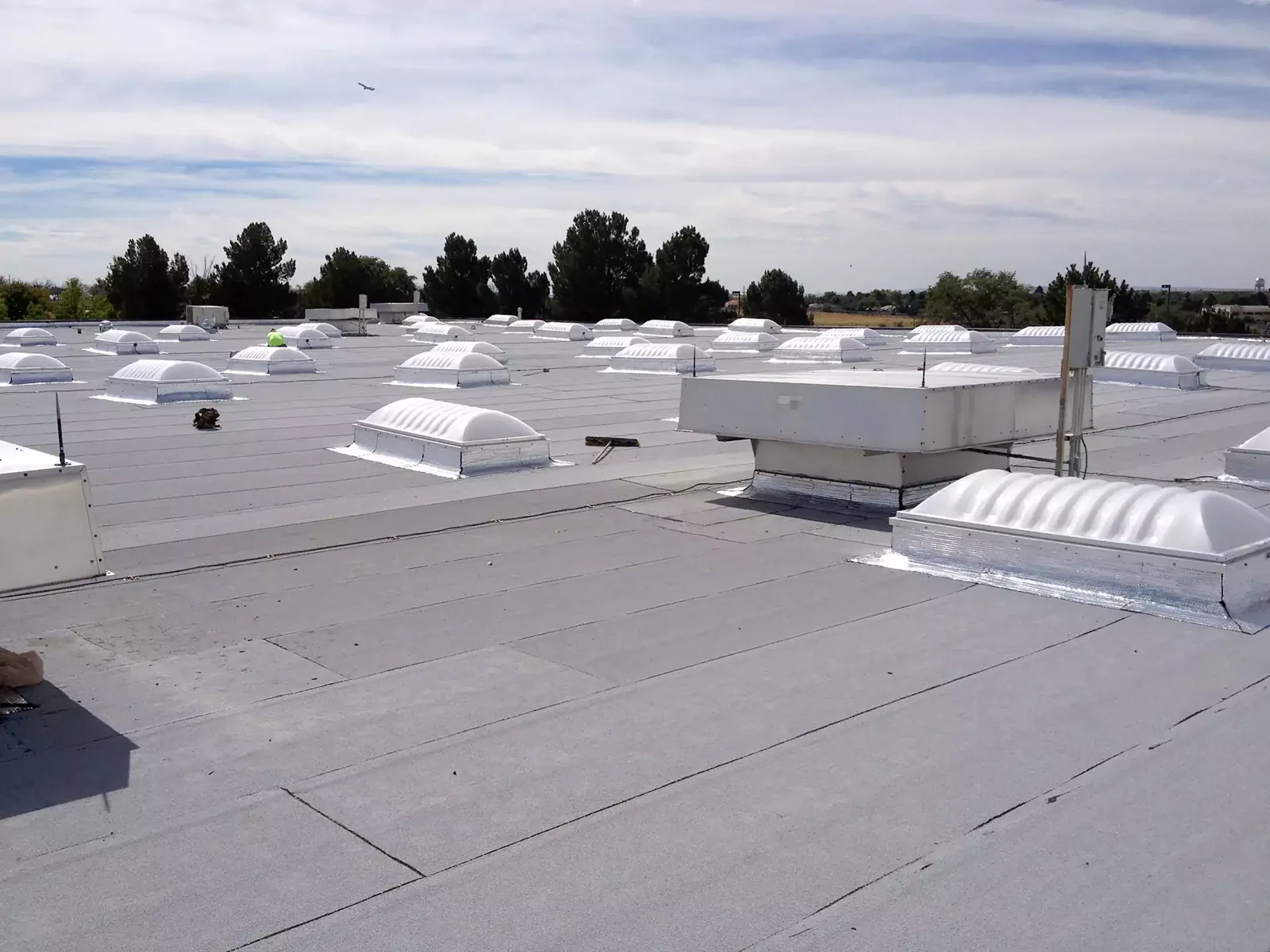
Church buildings can have low-slope roofs over classrooms and offices, steeper sections over a sanctuary, or additions built at different times. We inspect visible materials, seams, flashing, valleys, penetrations, and edges, then note how one section meets another. The roof's shape does not determine its condition. If an interior leak is reported, we compare the room and timing with accessible roof details rather than assume that the nearest edge is responsible.
A commercial roof inspection can document visible conditions and note inaccessible areas. If the building has multiple layers or a history of recurring leaks, the inspection should say whether the next step requires opening a section or bringing in another trade. A maintenance volunteer should not climb onto a roof or enter a ceiling cavity to look for the source. Photographs and a simple roof-zone plan help the trustee or property lead compare repair estimates with the same facts.
Check transitions where roofs meet
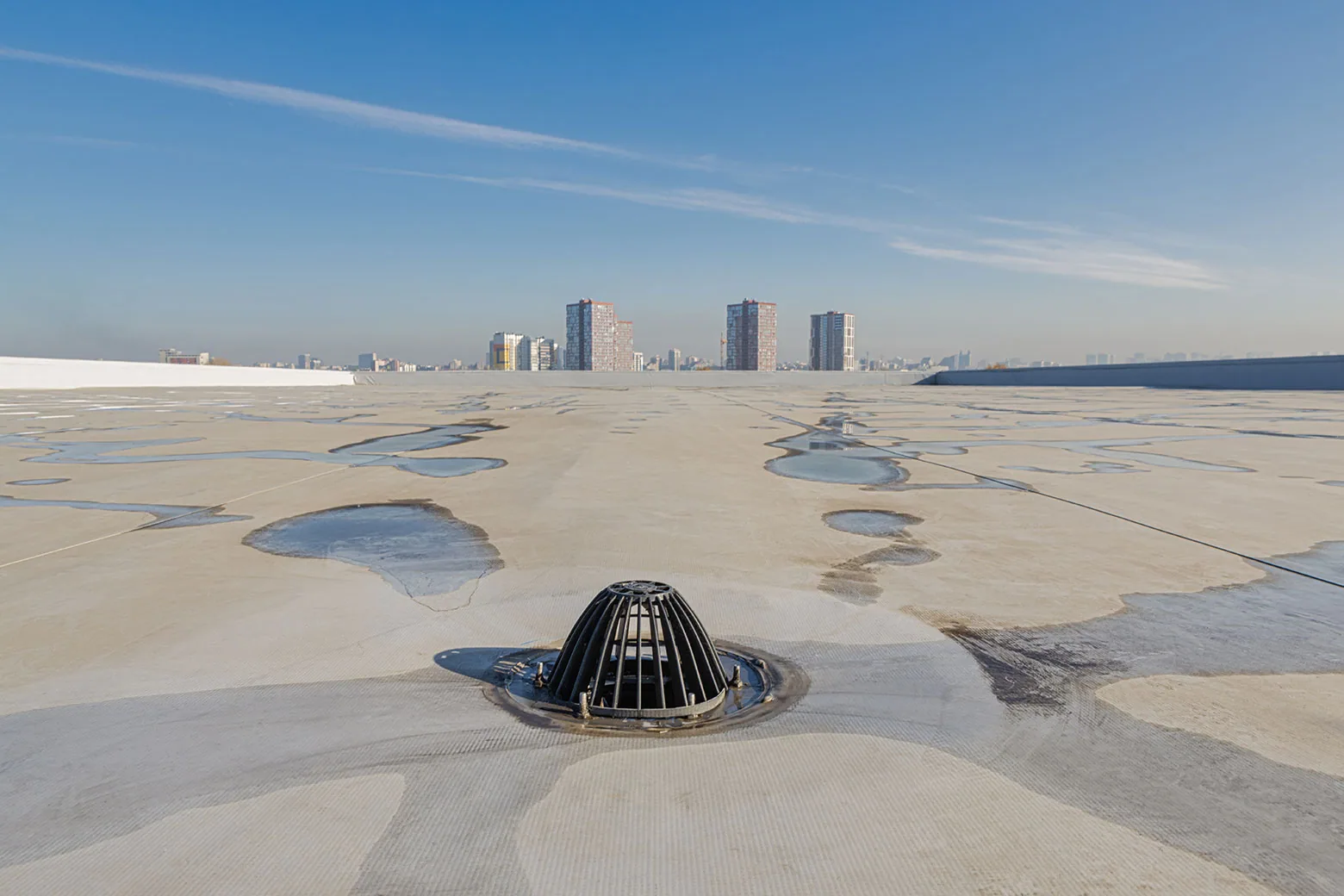
Water may enter where an older sanctuary roof joins a classroom addition, at a wall transition, around a vent, or at a drain. We examine visible flashing, seams, scuppers, and low areas close to the report and follow the likely water path. A blocked outlet may be straightforward to clear, while recurring ponding can involve slope or a damaged membrane. The scope should describe what the inspection found and keep a temporary measure separate from a permanent repair.
Heavy rain can test the whole route from the roof to discharge. Drain and scupper service can identify visible restrictions and damaged components. In Conroe, the observing station at Lone Star Executive Airport supplies local climate records; hot roof surfaces and sudden rain can affect a work window. We agree on how much area can be opened and how it will be made weather-tight before the crew leaves. If a leak is active, the building contact can use church safety procedures to protect people below while the source is assessed.
Review roof changes after severe weather
After a weather notice, the church should record new interior water, fallen debris, damaged ceilings, and any room that needs to be kept clear. We inspect the affected roof section for lifted edge metal, punctures, damaged flashing, and loose components, then compare the conditions with older photographs or maintenance notes when available. Conroe has a documented October 1997 tornado outbreak that included an F0 tornado over the city and another near Cut and Shoot along Highway 105. That regional history is not proof of damage to a church today.
If temporary protection is needed, the church contact should receive the covered area, limits, and next inspection step. Storm-damage roof repair should define the permanent work from the observed condition and account for scheduled gatherings. The contractor can report whether a repair was completed, remains temporary, or needs another trade. Those distinctions help leaders communicate with staff and the congregation without overstating what was found.
Compare cost and disruption by roof section
A local opening or failed flashing detail can be repaired when nearby material remains stable. If water returns at several locations, the roof has broad wet areas, or adjoining sections have deteriorated, a wider evaluation may be needed. Adding a new roof layer is appropriate only after reviewing the existing assembly, moisture, attachment, structure, drainage, and applicable requirements. Removing existing materials allows closer inspection but creates debris handling and dry-in needs. Each choice should show the condition addressed, the area included, and the effect on building access.
A bid should list roof sections, penetrations, drains, edges, event constraints, protection, exclusions, and the process for approving hidden conditions. A replacement scope can help the church compare a larger project with repeated repairs. A school has district calendar controls; school roofing covers that setting. For a college with more campus buildings, college and university roofing has separate access demands; a congregation sets its own service and community-use schedule.
Keep the roof history accessible to future leaders
Church facilities responsibilities can move between staff, trustees, and volunteers. A closeout should show the roof area inspected, the reported room, the repair performed, materials, dated photographs, and any item awaiting follow-up. If a contractor could not access a section or did not open the membrane, that limit belongs in the record. Future leaders can use the report to compare a new leak with the previous work instead of assuming that one repair covered the full building.
Downtown Conroe's planning area runs between I-45 and 10th Street and Dallas Street and Avenue G; it combines business activity with civic and residential uses. Historic Downtown Montgomery is another distinct community setting about 15 miles west of Conroe. Historic Downtown Montgomery is a broader area where commercial roofing work can be scheduled. A congregation's own building history and roof inspection remain the basis for the next maintenance or renewal decision.
Commercial Roofing Questions
Can roof work happen during worship services?
It can when church leadership approves the work hours, access path, noise limits, and room or parking controls. The schedule should identify service and event times before a crew begins.
What should the building contact report about a leak?
Share the room, time noticed, whether water continues, and any room or equipment affected. Follow the congregation's safety procedure and keep people away from active water or roof access.
Can a church roof be repaired in sections?
Yes, if the assembly and condition support separate work zones. The scope should describe how roof sections connect, how each opening is protected, and which areas remain for another phase.
Does a stain below a roof joint mean that joint failed?
Not necessarily. Water can travel along a deck or transition before it appears inside. Inspection findings should connect the reported room with the likely entry detail.
What should trustees review in a roof proposal?
Review the inspection evidence, repair boundary, included sections, exclusions, access and event controls, weather protection, and process for authorizing concealed-condition work.
Related Roofing Work