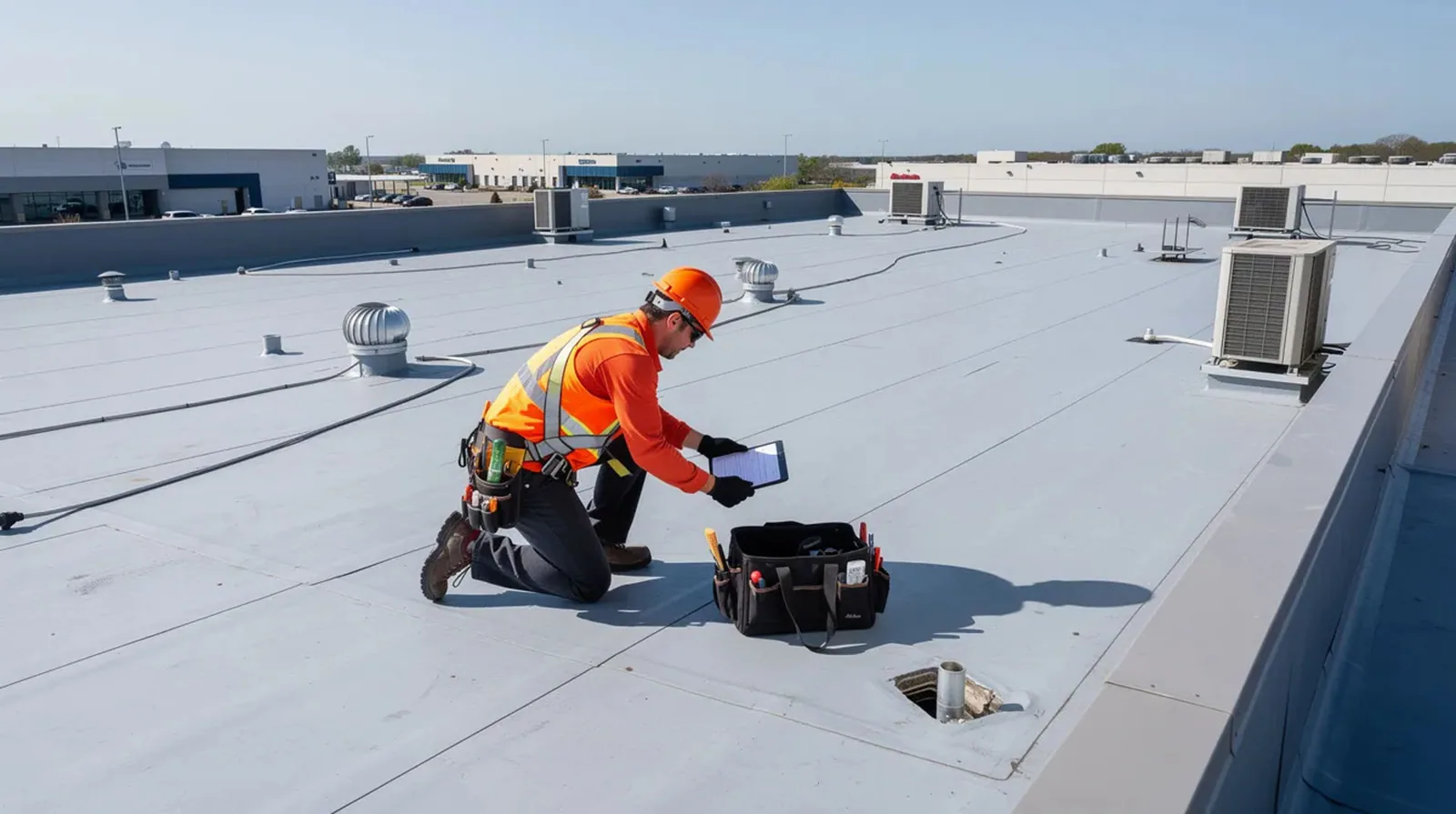
Roof Damage Repair
Conroe, Texas
Roof Damage Repair in Conroe, TX
Explore commercial roof damage repair in Conroe, TX, including wind, hail, leaks, ponding, flashing, seam, and storm-related service.
After wind, hail, or a hard rain, the roof may show several kinds of damage at once. A loose edge, punctured membrane, blocked drain, and wet interior each need a different inspection. Conroe has a documented October 1997 tornado history, and Hurricane Harvey brought record pool elevations on Lake Conroe with downstream flooding in Montgomery County. Those events inform regional readiness, but do not prove what happened at a particular building. We inspect the roof and document the observed condition before setting repairs.
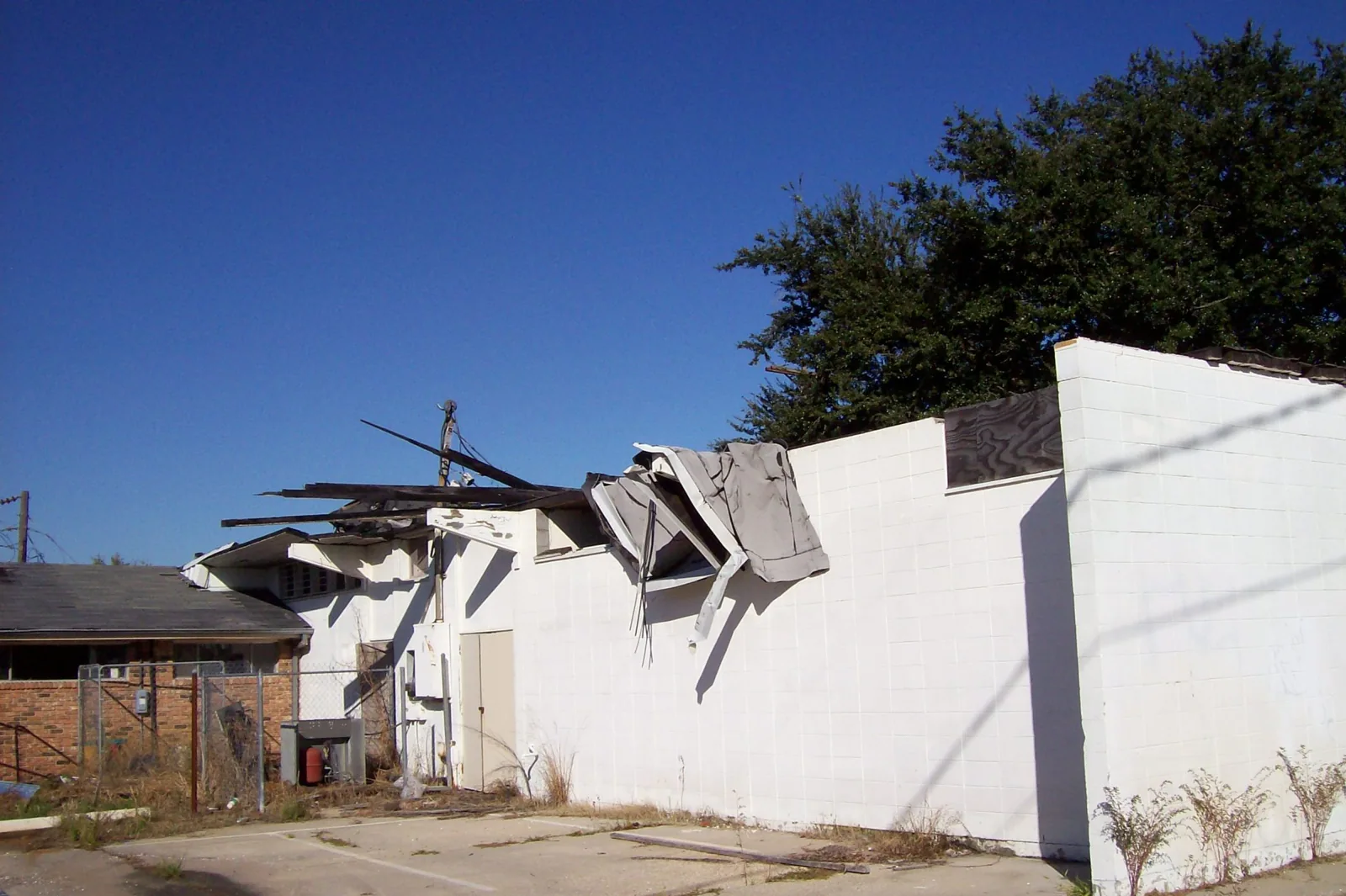
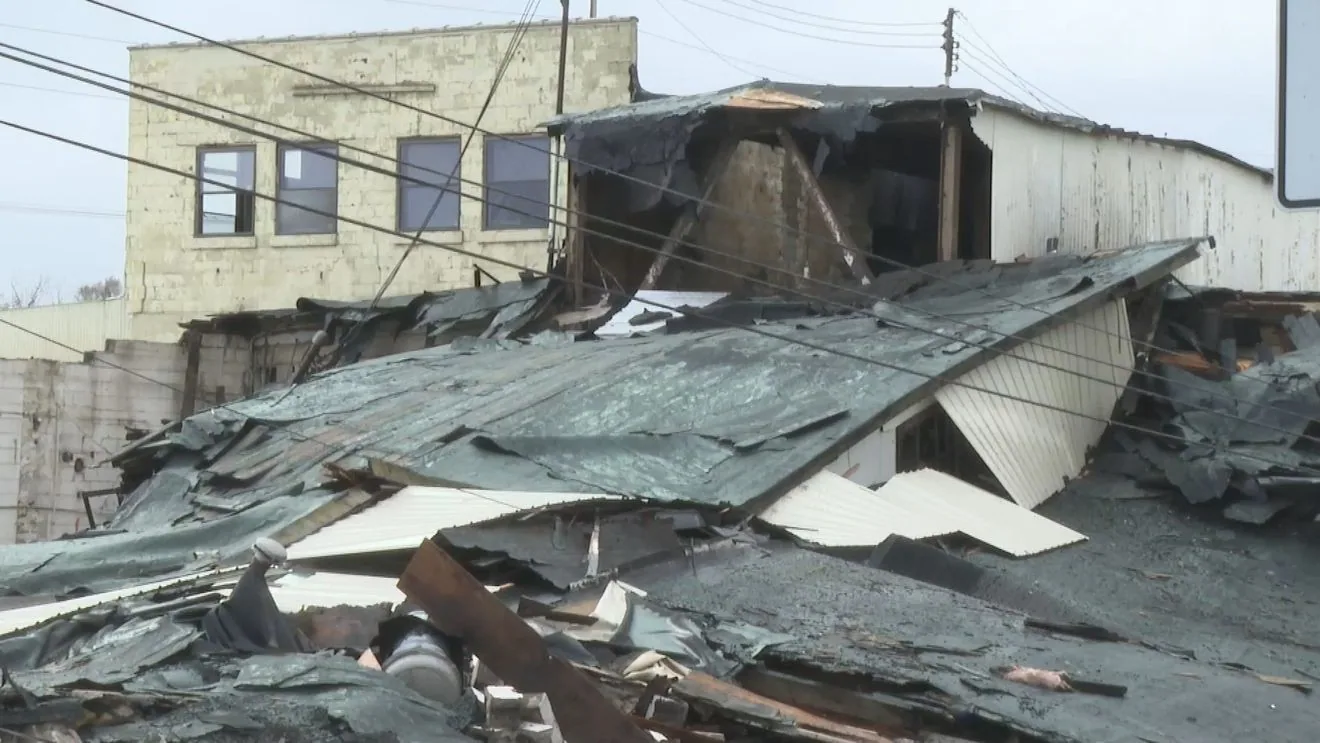
Wind, Hail, and Severe Weather
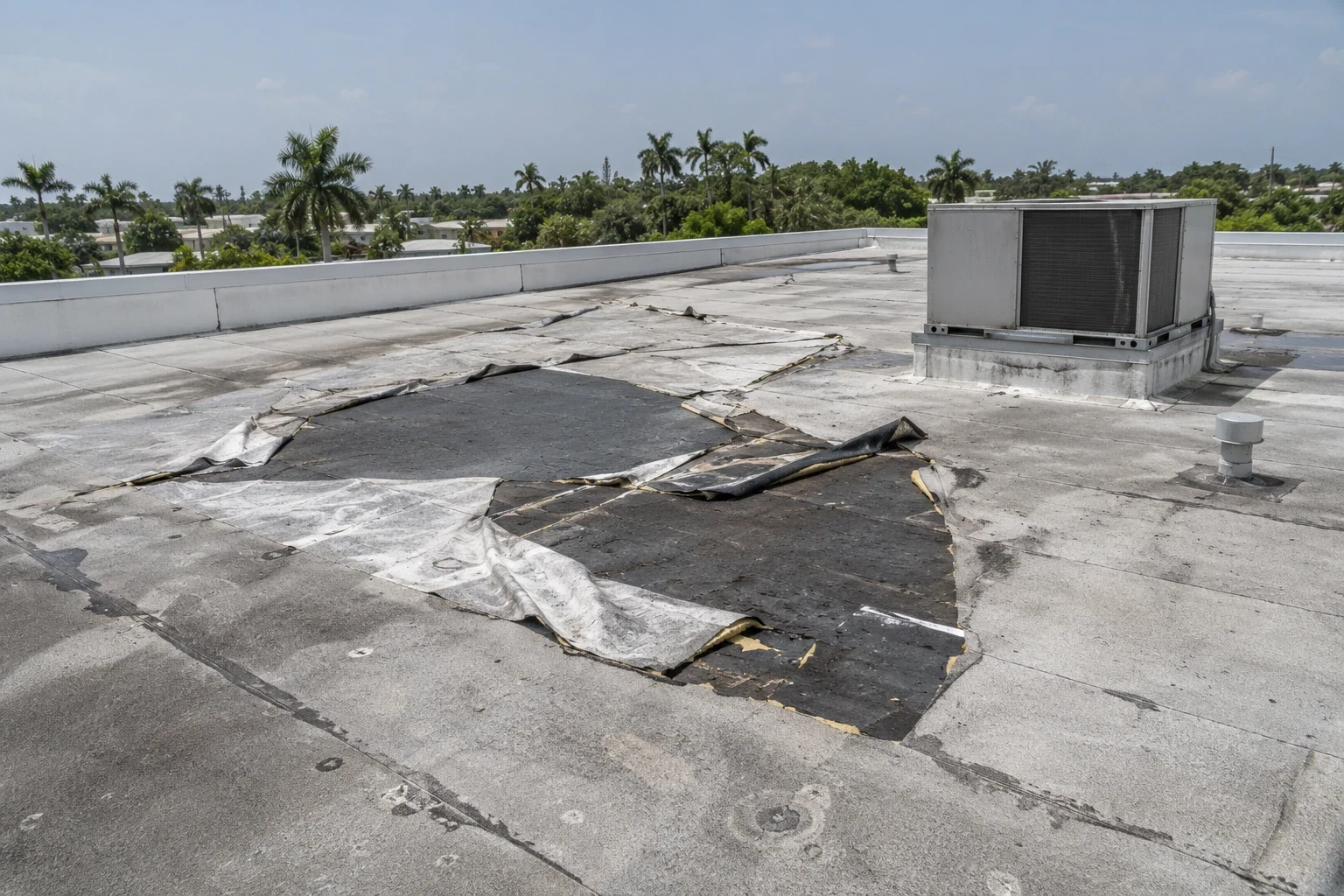
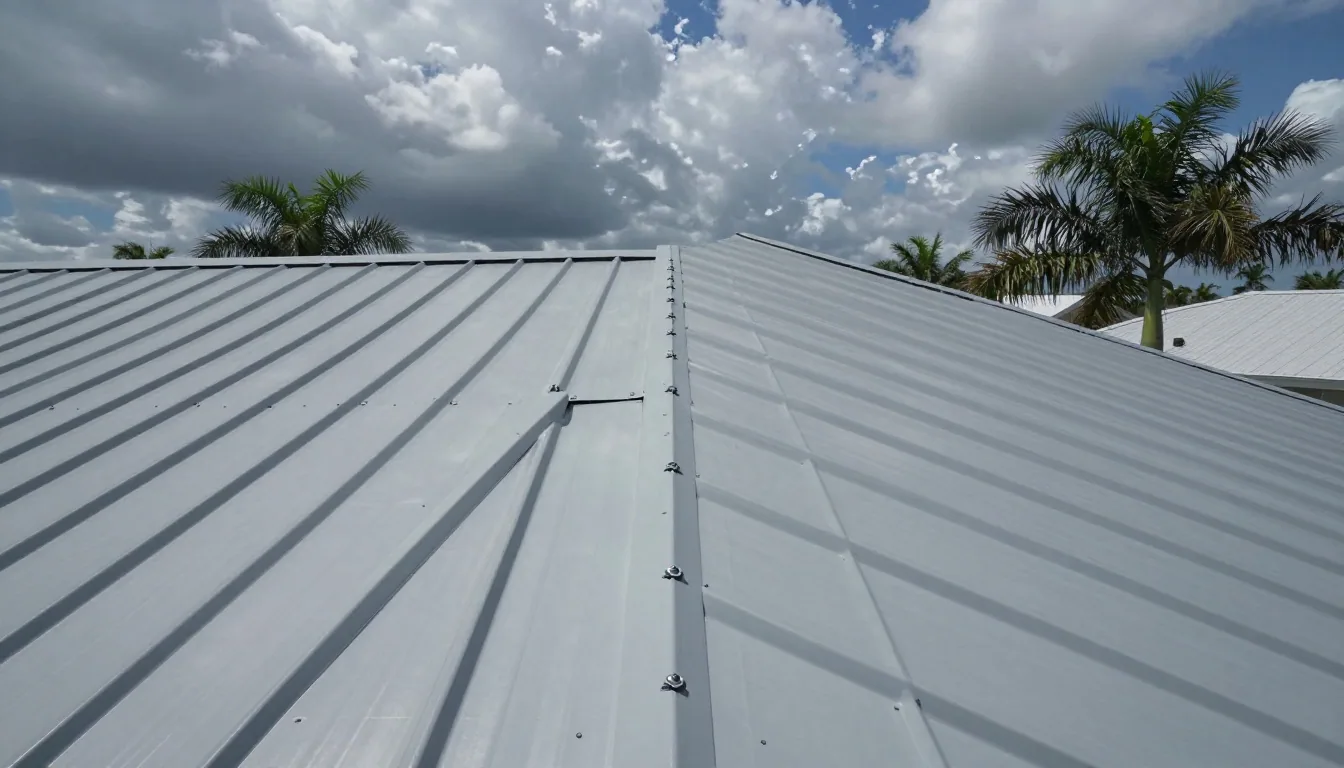
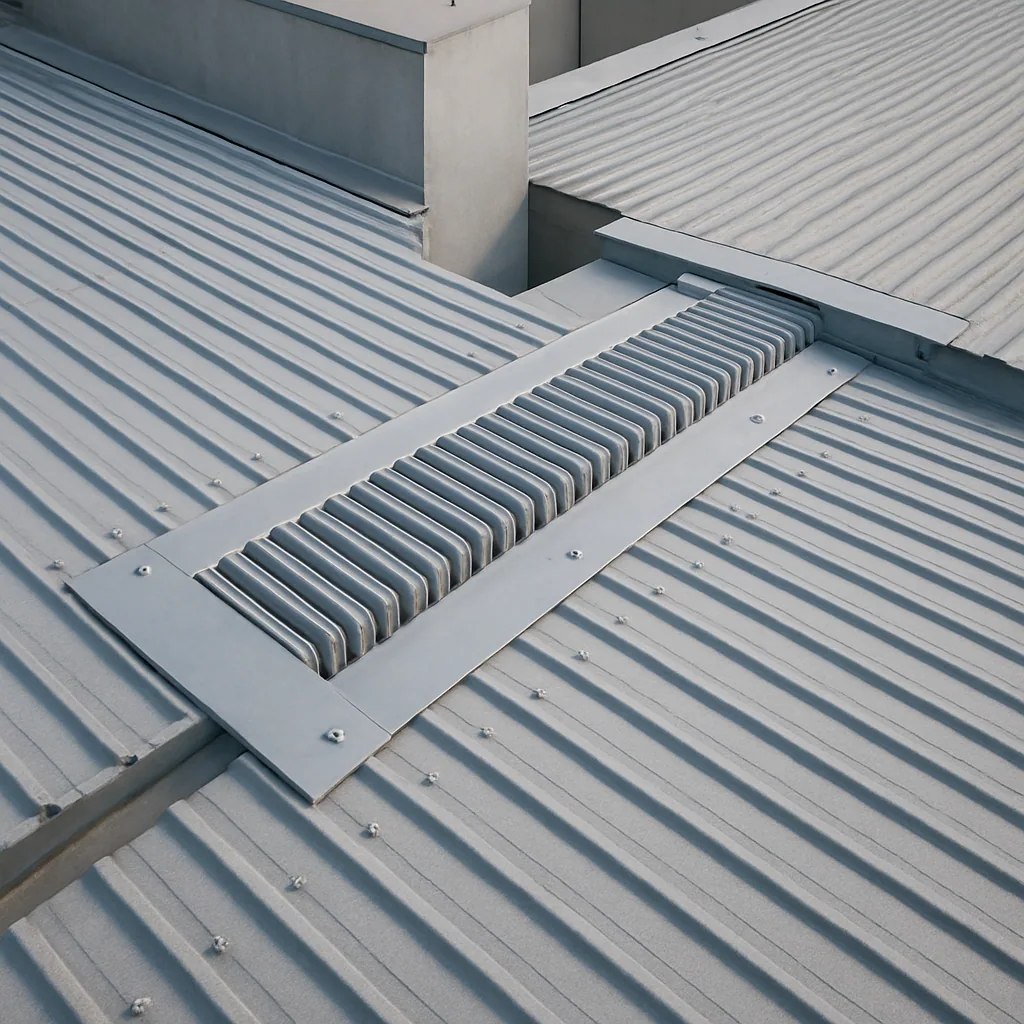
Wind pressure can affect perimeter details and loose flashing. Wind-damage roof repair checks edges, fasteners, and transitions. Hail-damage assessment looks for impact evidence appropriate to the material. For larger events, tornado-related roof repair and hurricane roof damage service begin with safe access and a documented inspection.
The Conroe climate record includes an F0 tornado over the city on October 23, 1997 and a 57 mph southerly wind recorded at the airport during that storm. Regional history is useful for planning; a site inspection establishes whether a specific roof sustained damage.
Leaks, Ponding, and Penetrations
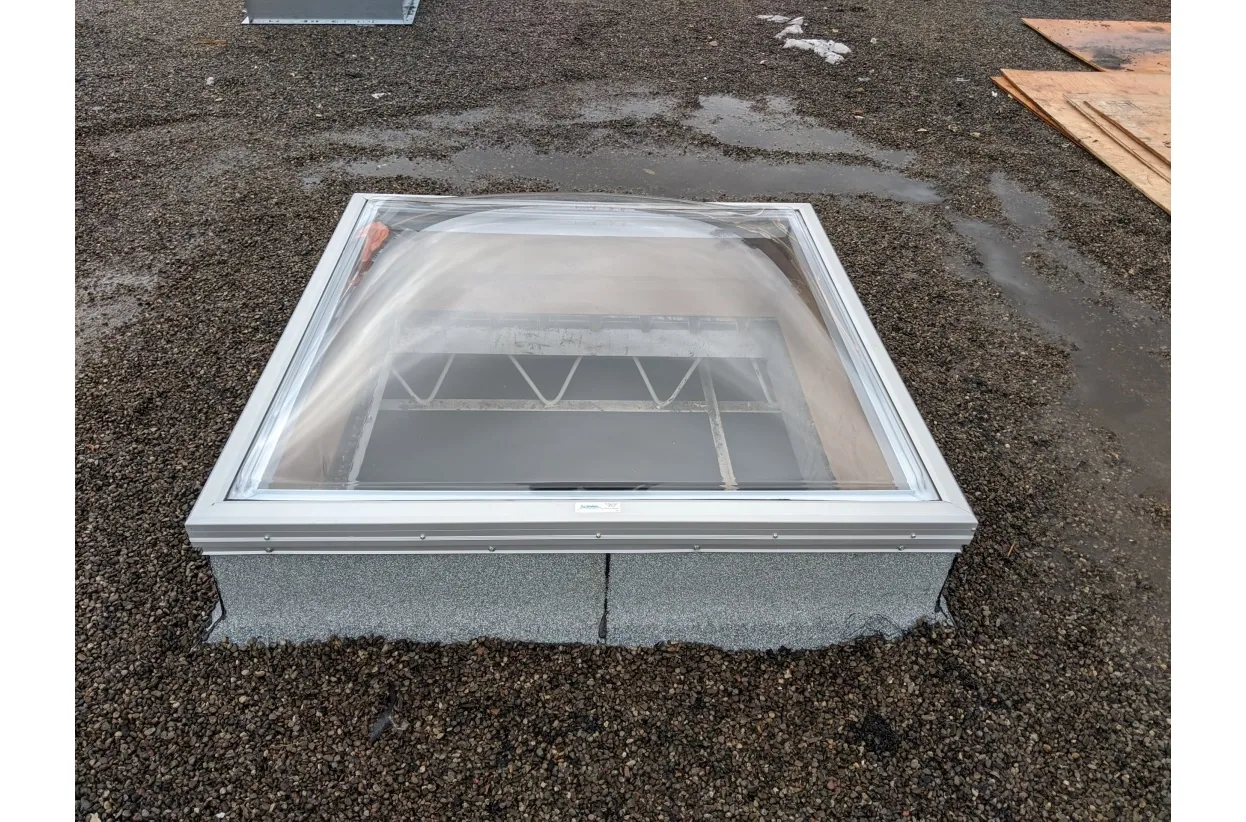
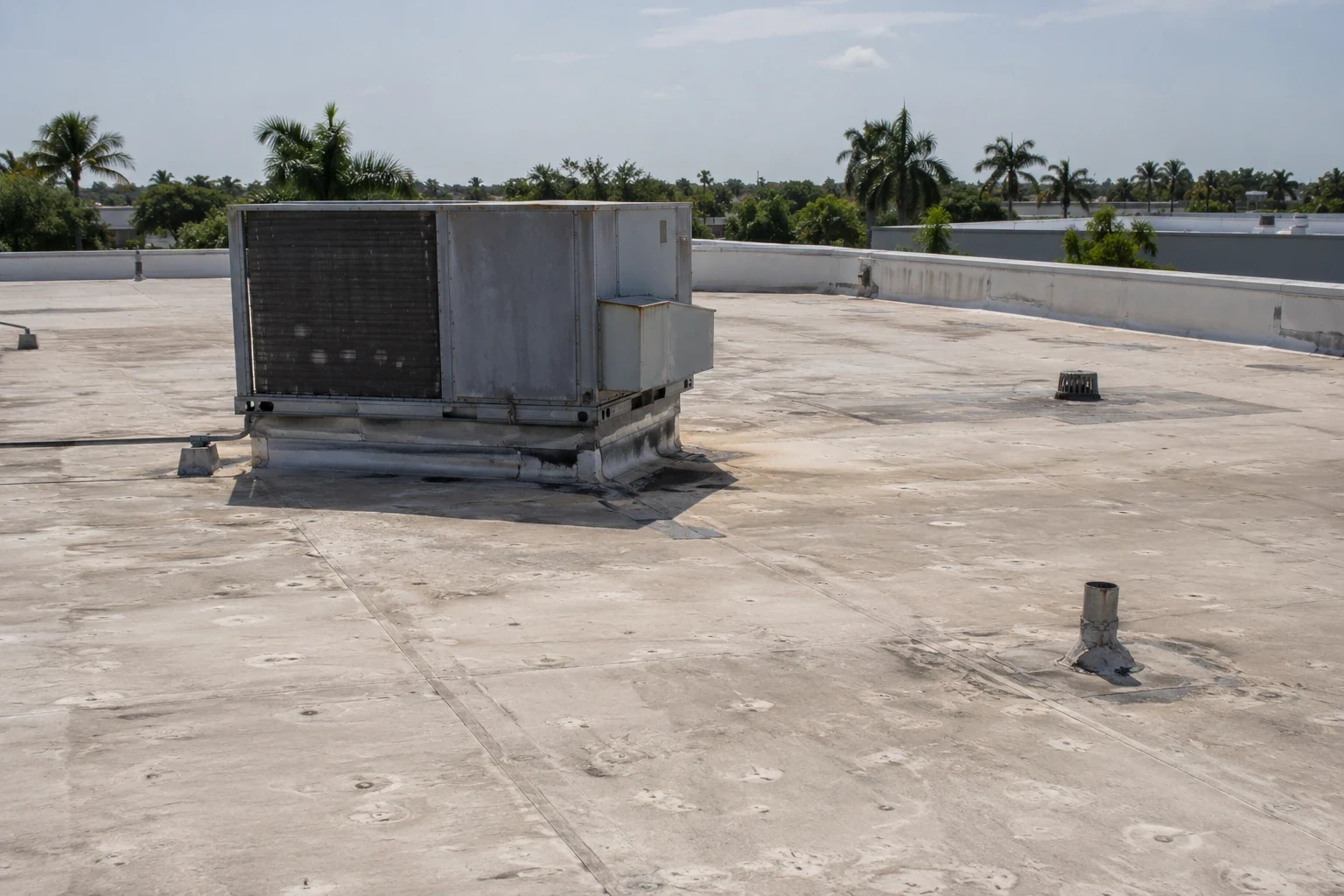
Interior water may travel from a seam, curb, wall, or outlet before it appears in a room. Ponding-water repair evaluates drainage and low areas, while flashing failure repair focuses on transitions and penetrations. We also review seam failures and membrane punctures before selecting compatible materials.
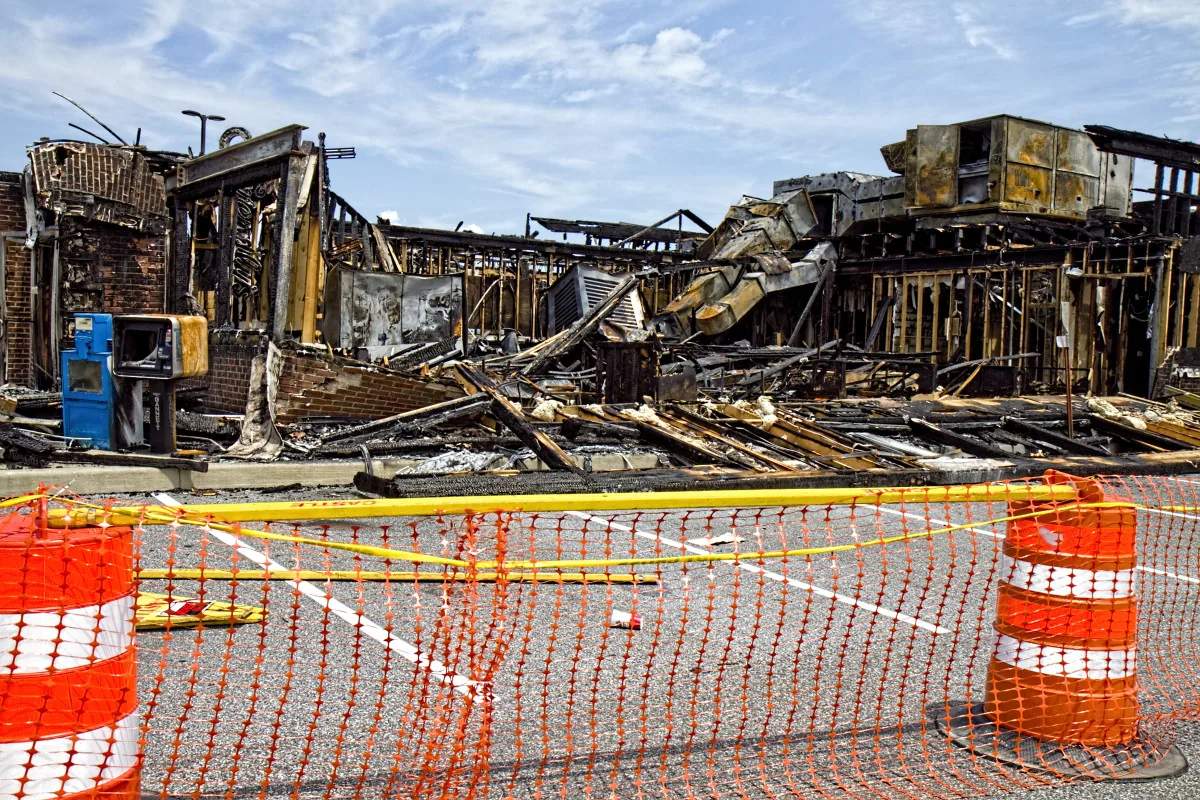
Water from a fire response or sustained heat exposure can present separate roof conditions. See fire-damage roof repair and heat and UV damage service for inspection priorities. The repair boundary follows what is visible or confirmed, not a general storm label.
Document the Damage Before Repair
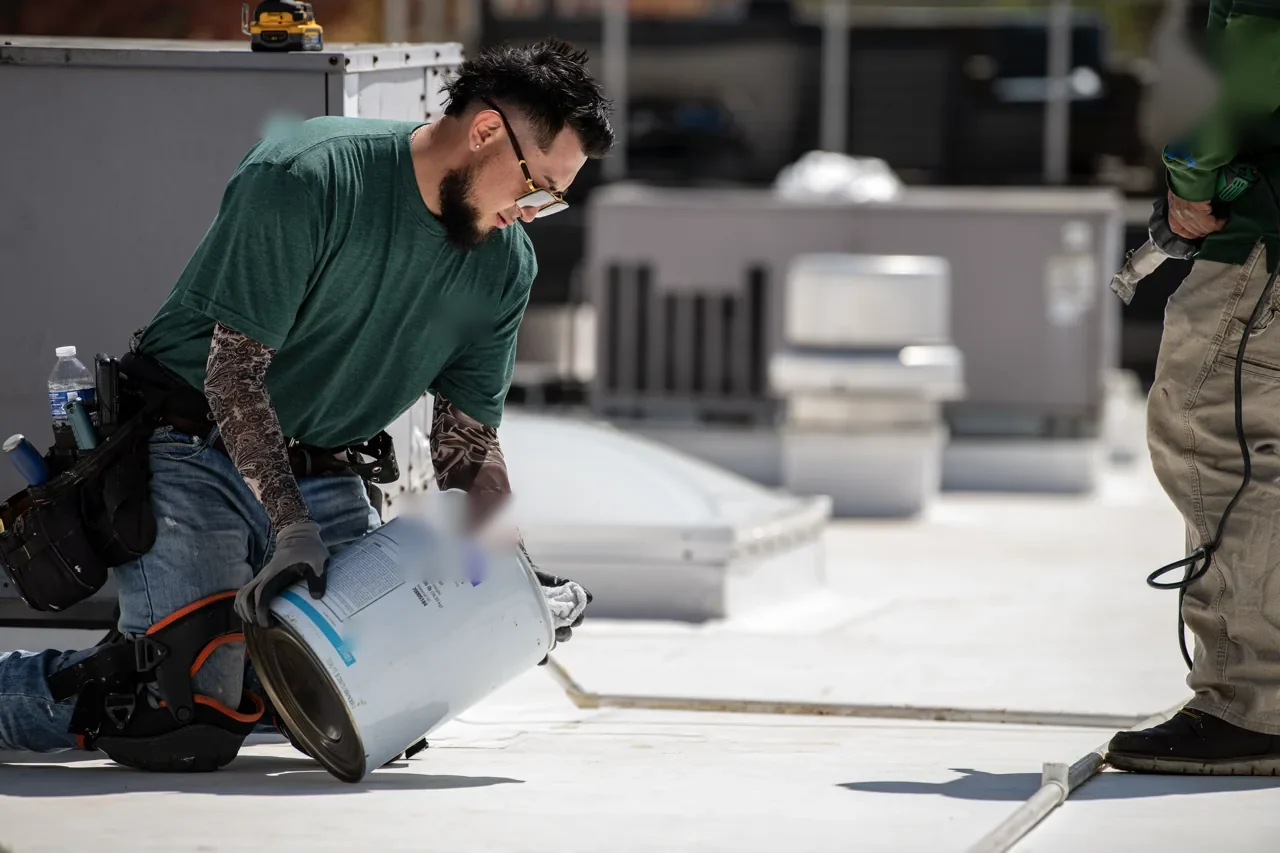
We note the date reported, affected interior areas, roof section, material, and photographs. Then we check adjacent seams, edges, flashing, and drainage for related damage. If moisture may be concealed, testing or a controlled opening can help establish how far the repair needs to go. Temporary protection is separate from permanent correction and should be recorded that way.
Conroe Park North’s industrial and freight activity makes roof access and operating schedules important on some sites. We confirm those details with the property contact rather than infer them from a market name. A clear inspection lets the owner plan repair, test, or replacement with the condition in view.
Use the Inspection to Set Scope
Share the event or leak report, affected area, access constraints, and any temporary protection already in place. We will inspect the roof and outline confirmed damage, remaining uncertainty, and the next repair step.
Commercial Roofing Questions
Does a Conroe storm record prove my building has roof damage?
No. Regional storm history provides context, but only an inspection can document damage at a specific property. We record what is visible and identify testing needed for concealed conditions.
Should emergency protection wait until a full inspection?
If water is entering, safe temporary protection can reduce exposure while the roof is made accessible for assessment. The permanent repair scope follows once the assembly and damage can be checked.
Can hail damage look different on different roof materials?
Yes. Impact evidence depends on the surface and underlying assembly. We inspect material-specific signs and avoid treating one visual pattern as proof across every system.
What belongs in a storm-damage record?
Include the reported event, date, interior location, roof-zone photos, observed details, temporary work, and what remains untested. That gives later repair decisions a traceable basis.