Commercial Roof Heat and UV Damage Repair in Conroe, TX
Address heat and UV wear on Conroe commercial roofs by checking seams, coatings, insulation, and drainage before choosing repair or renewal.
A membrane that has spent repeated summers under direct sun may lose flexibility, develop surface checking, or pull at seams and penetrations. In Conroe, roof work also has to fit high surface temperatures and periods of heavy rain. We inspect the exposed sheet, edge details, coating, and surrounding transitions to determine whether the condition is limited to the surface or has reached the assembly below. The recommendation should separate normal weathering from a defect that lets water pass.
Read the surface before choosing a coating
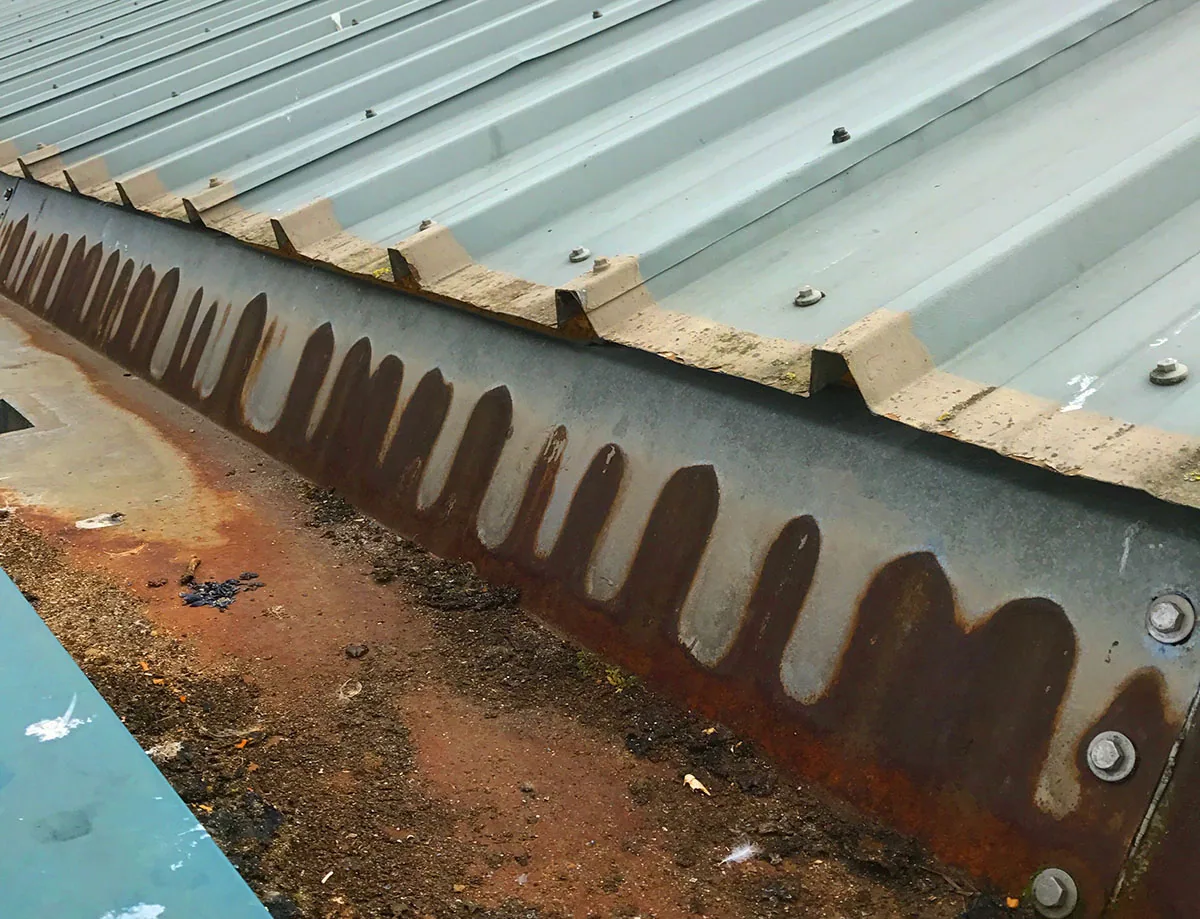
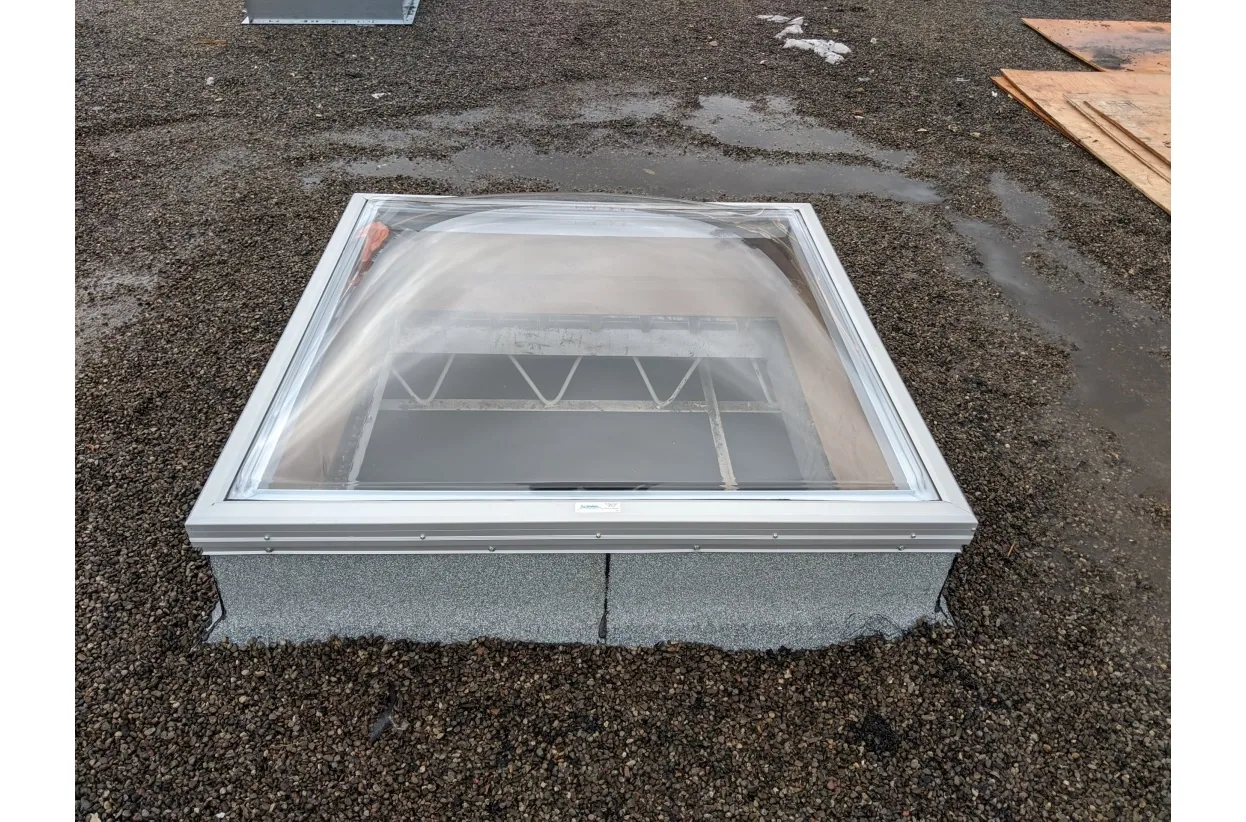
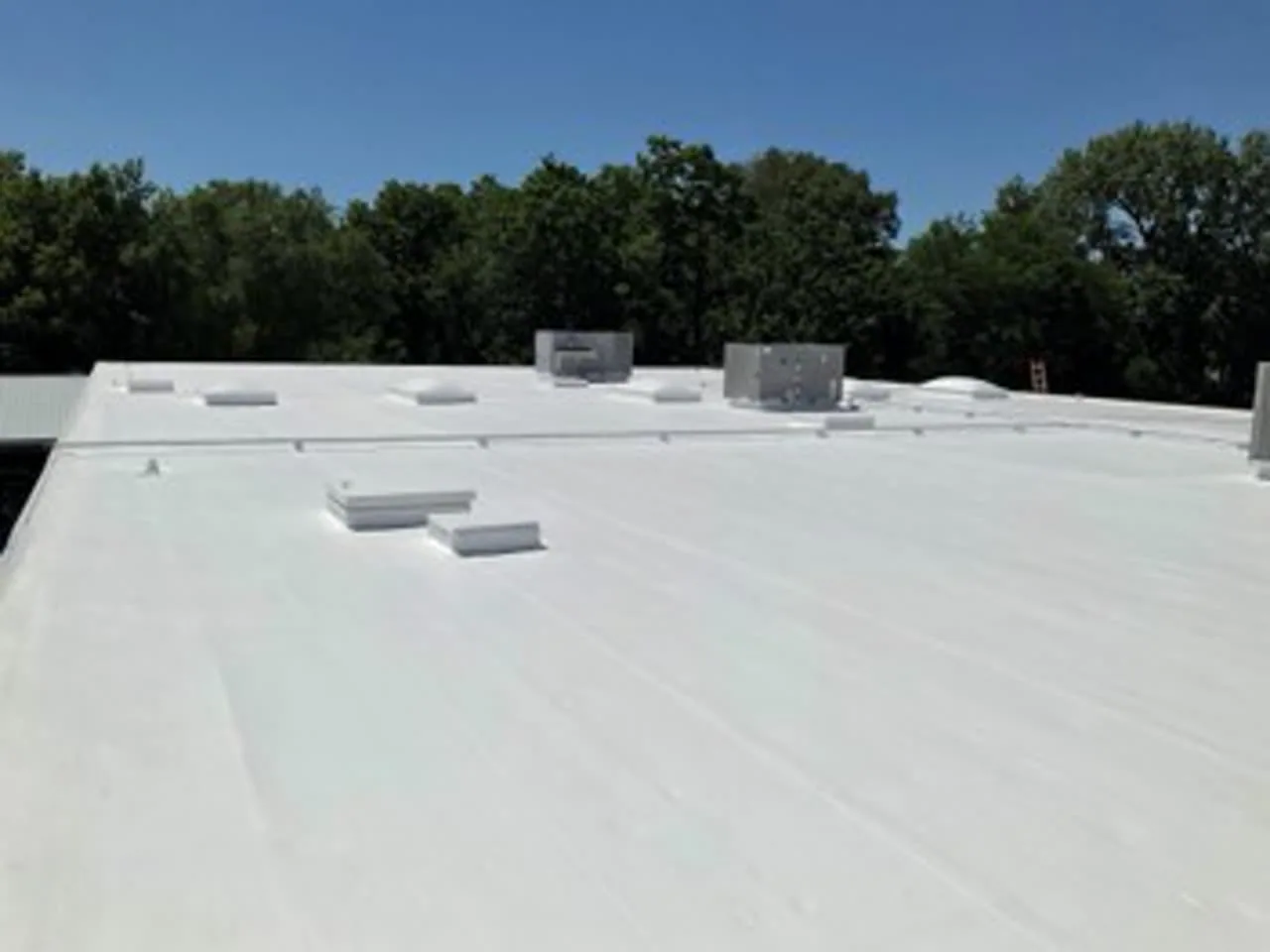
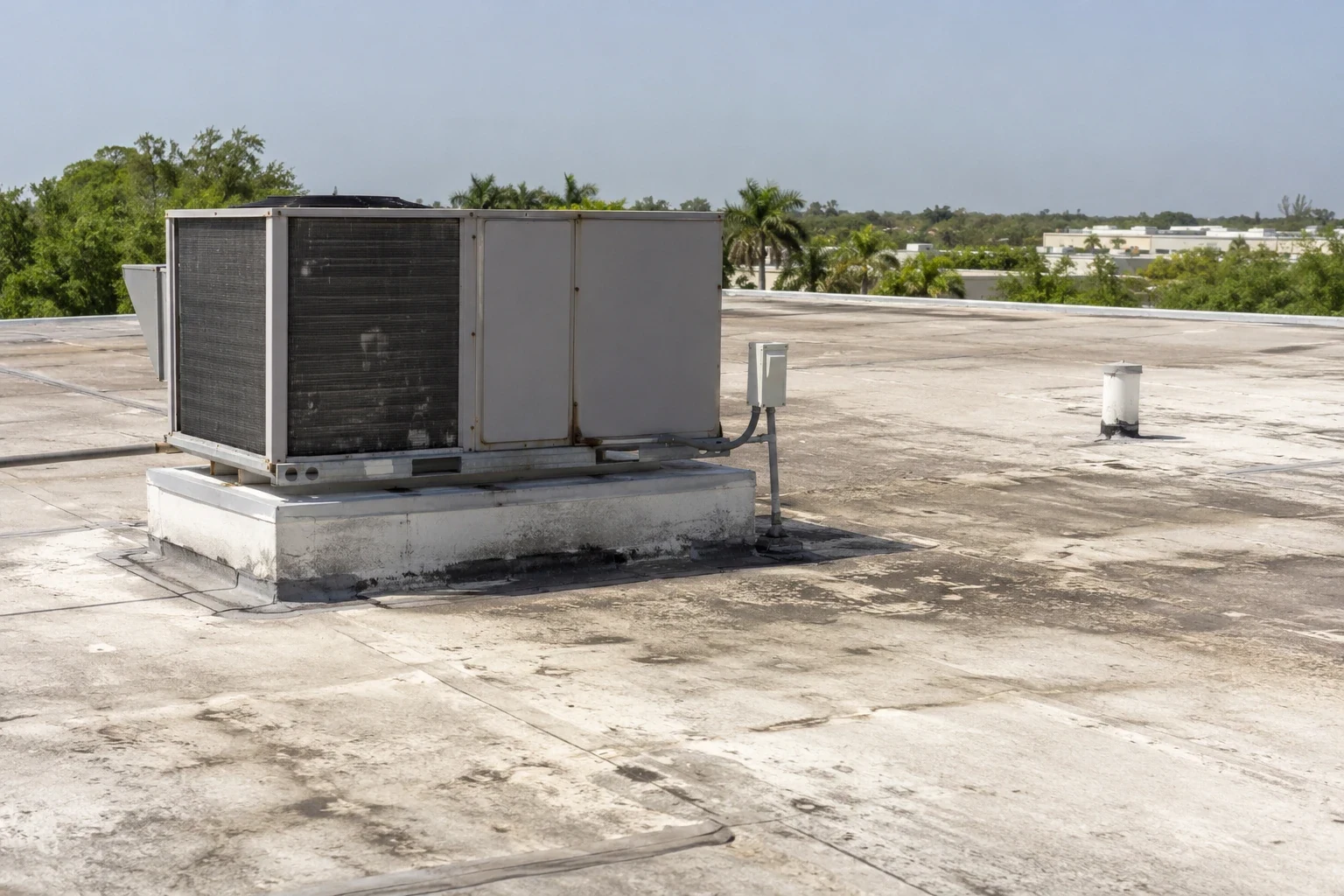
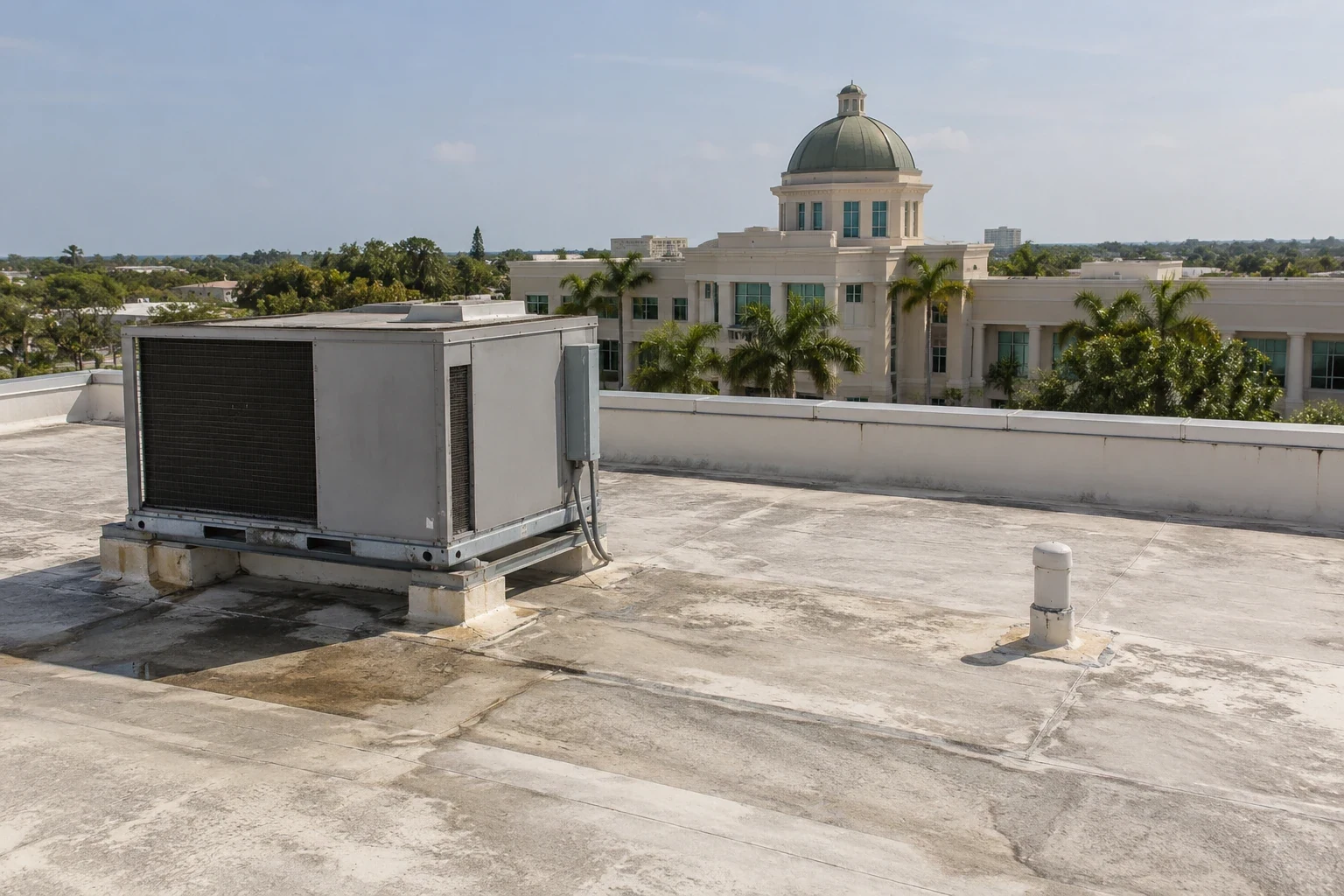
Heat and ultraviolet exposure do not affect every material in the same way. We check for chalking, cracking, brittleness, blisters, open laps, failed fastener seals, and areas where a coating has thinned or separated. A uniform color change may be cosmetic; a crack that reaches the reinforcing scrim or a seam that can be lifted needs a closer look. Photos should capture both broad roof condition and details at edges, curbs, and penetrations so the repair scope has a defensible boundary.
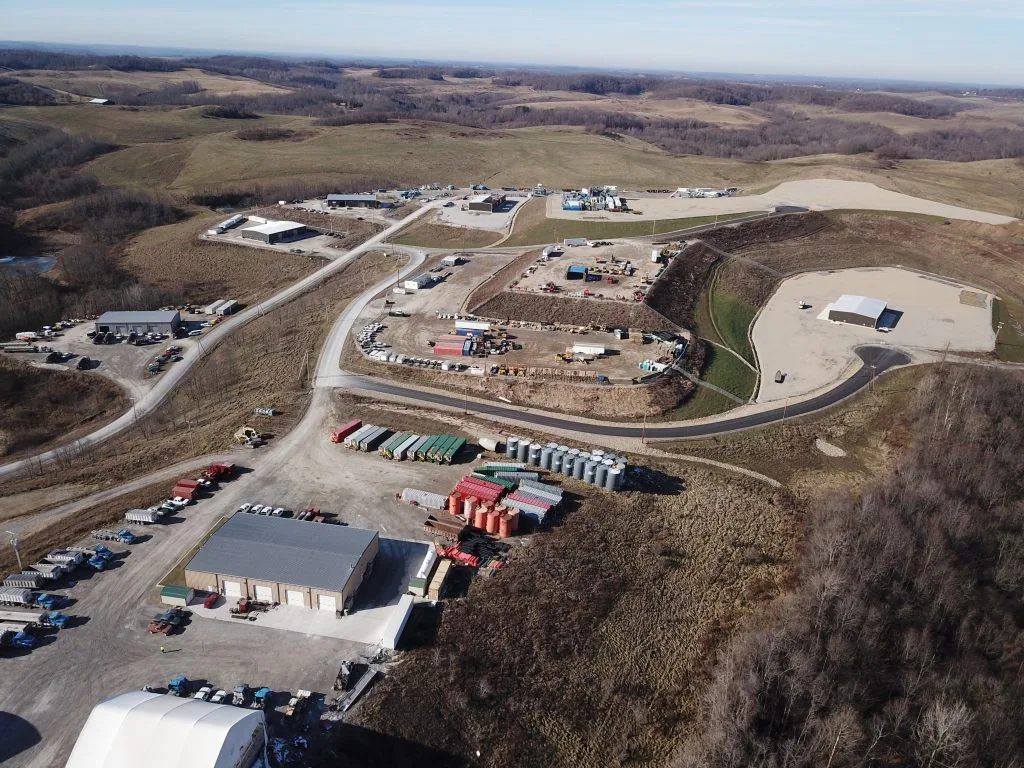
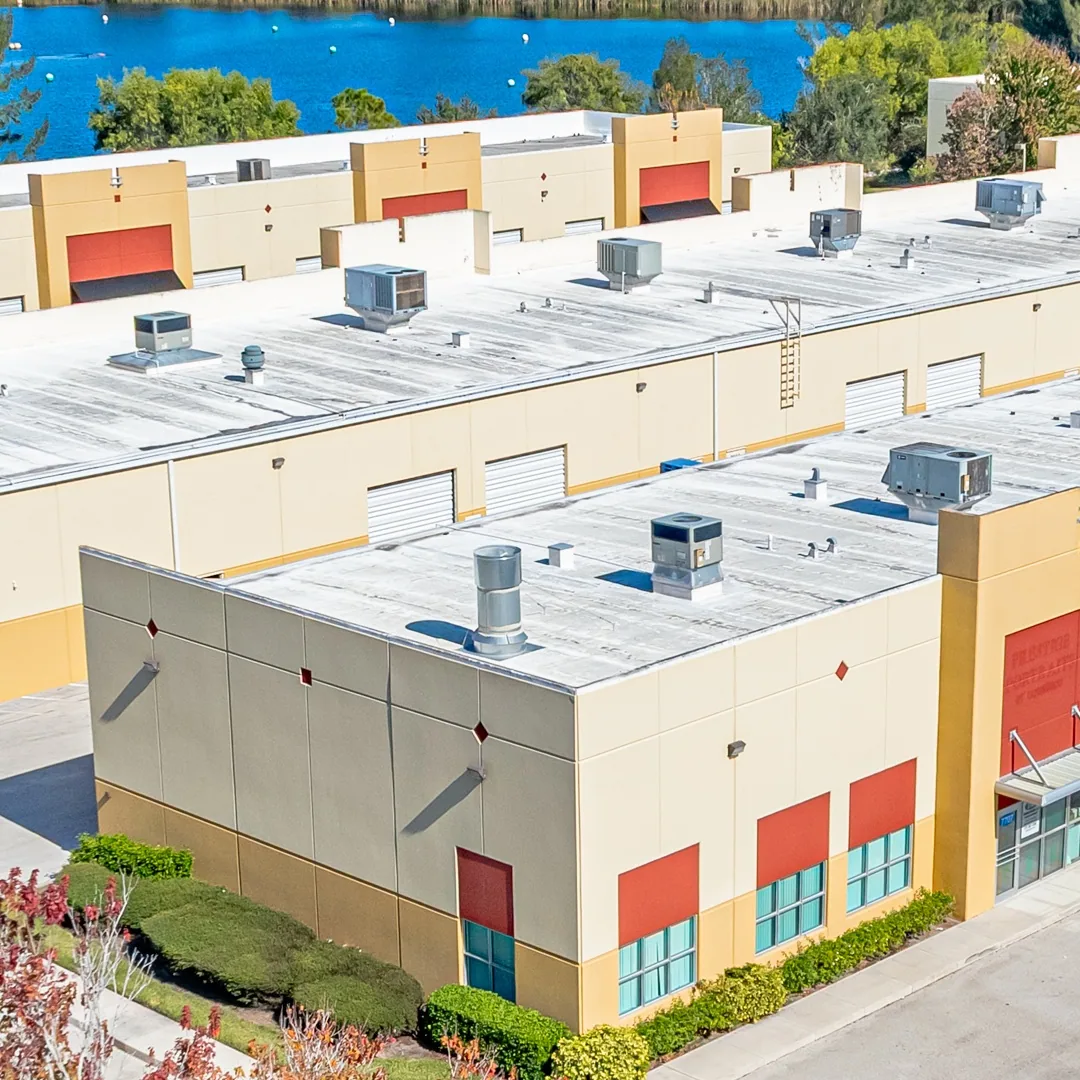
Conroe Park North contains manufacturing, food processing, freight, warehousing, and other employers, while NorthStar Industrial Park lists manufacturing and flex-office building uses. Those districts include commercial roof settings where equipment, stored goods, and scheduled operations can shape the access plan. A commercial roof inspection can document surface condition and exposed details. NorthStar Industrial Park is a broad business location; material, roof age, and current condition must be confirmed at the property.
Check seams and terminations for movement
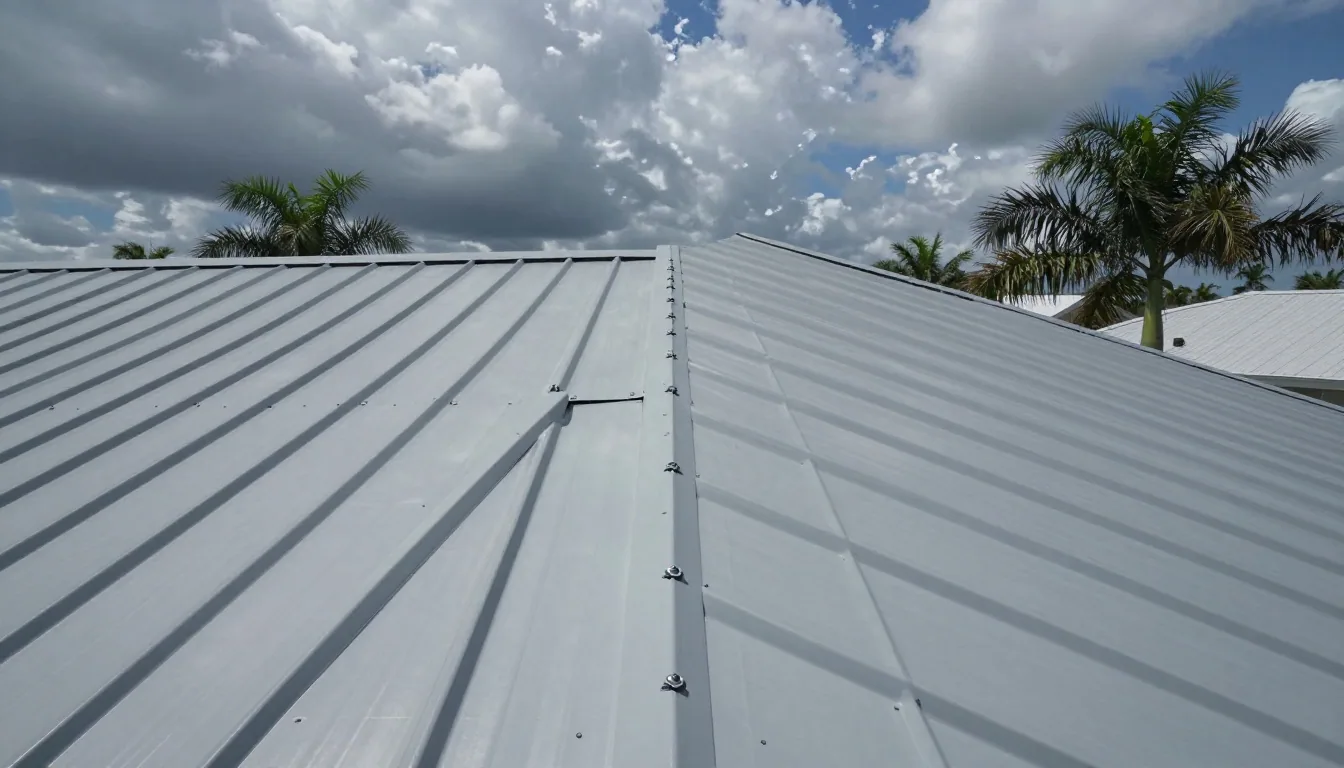
Repeated warming and cooling can make a membrane expand and contract. The movement is most important where sheets meet, where the roof terminates, and where a penetration interrupts the field. We inspect whether an open lap is still bondable, whether a termination remains secure, and whether the flashing material has hardened or split. A patch that bridges a moving joint without accommodating it may separate again. The estimate should state how the detail will be prepared and what nearby section will be checked.
At Conroe properties, heat is one part of the service window; a summer shower can also interrupt preparation or cure time. A crew needs a clean, dry surface and enough time to close the work before rain. Seam repair addresses an open lap when the surrounding membrane remains sound. Flashing repair may be required at a curb or wall transition, where the movement and materials differ from a field seam.
Look below the weathered sheet
Surface wear can coexist with wet insulation, compressed cover board, or a deck condition that changes the repair. We compare roof observations with interior reports and check for soft areas, ponding, or evidence that water is traveling below the membrane. If moisture is suspected, a survey or test opening can help define the area; a roof surface image alone does not confirm what is inside. Record where testing occurred and what layers were exposed before deciding whether to patch or recover.
Conroe’s Deison Technology Park spans a large employment area off FM 1484 and includes corporate, research, and manufacturing uses. A facility contact can identify equipment access and process restrictions that affect inspection. An infrared moisture survey may reveal temperature patterns worth checking by another method. Coating restoration makes sense only when the substrate and moisture condition support it; coating over wet or unstable material can conceal the repair boundary rather than correct it.
Select repair from the remaining material strength
A localized seam or flashing repair can work when the adjacent sheet remains flexible enough to accept a compatible detail. A coating may restore protection on a prepared and sound surface, but it cannot rebuild degraded insulation or close a movement joint by itself. If brittleness, cracking, or adhesion loss appears across several roof areas, compare broader restoration or replacement. We describe what must be removed, what remains, and how the choice affects access and dry-in time.
Spray-applied or liquid systems also depend on surface preparation, weather limits, and compatibility with the existing assembly. Silicone coating systems and acrylic coatings have different properties and are not interchangeable. For a property that already has recurring leaks, planned maintenance can track seams and penetrations before each season. The project decision should follow inspection evidence, not surface color alone. Where the membrane remains stable, a trial area can confirm whether cleaning and preparation produce acceptable adhesion before a larger coating scope is priced. Record that test location and the material condition; do not treat a small successful sample as proof that every roof section is ready for the same treatment.
Plan preparation around heat and rain
Heat affects worker conditions, material handling, adhesive tack, and how long the work area can remain open. The roof plan should name the section size, access time, shade or staging constraints, weather hold point, and end-of-shift closure. A delay can affect curing, adhesion, and whether the next roof area can be opened. We keep a daily update tied to the property contact so an occupied operation knows whether its service route or rooftop equipment access changed.
Conroe Park North sits along FM 3083 roughly two miles east of I-45, and NorthStar Industrial Park connects to I-45 through Loop 336 and FM 3083. Those routes can support crew and material planning across the industrial market, but the site walk still confirms gates, lift placement, and roof hatch access. Occupied-building work can divide a large scope into sections with clear daily closeout. The owner should know which part of the roof is under repair and when it will be available to other vendors.
Keep a season-to-season condition record
Closeout should identify the roof system, sections repaired, surface preparation, materials, photos, weather limits, and any area left for later work. A condition record can show whether the same seam or coating boundary changes over time. If the roof remains serviceable but needs monitoring, set a follow-up date and name what the next inspection should compare. If deterioration has spread, document the affected extent before preparing a renewal scope.
Conroe’s industrial areas serve varied employers, but a facility's use does not reveal its roof construction. Manufacturing-plant roofing can help frame production access needs, while property managers can coordinate tenant and owner decisions. Send the roof type if known, the surface concern, recent leak reports, and access constraints. We will inspect the exposed material and determine whether the next step is a focused repair, a moisture check, coating evaluation, or broader roof planning.
Commercial Roofing Questions
Can a roof coating reverse heat damage?
It may restore protection on a compatible, dry surface after preparation. It will not correct failed seams, wet insulation, or a structural low point, so those conditions need separate review.
What are signs that heat has affected a commercial membrane?
Cracking, brittleness, open seams, surface checking, or separation at edges and penetrations deserve inspection. Color change alone does not establish a leak or require coating.
Does a hot roof need to be repaired in the morning?
The material, surface temperature, installation limits, and weather determine the work window. We plan the section size and closure point around the system and safe access.
How can an owner tell whether insulation is wet?
A surface review can identify suspect areas, but testing or a controlled opening may be needed to confirm moisture below the membrane. The report should map the tested location.
When does heat-related wear justify roof replacement?
Widespread brittle material, recurring seam or flashing failure, moisture, or a poor repair boundary can support a broader renewal review. We show the observed extent and options.
Related Roofing Work