Commercial Roofing in Conroe Park North, Conroe, TX
Commercial roof repairs, inspections, and replacement planning for Conroe Park North. We coordinate work around freight access and operating buildings.
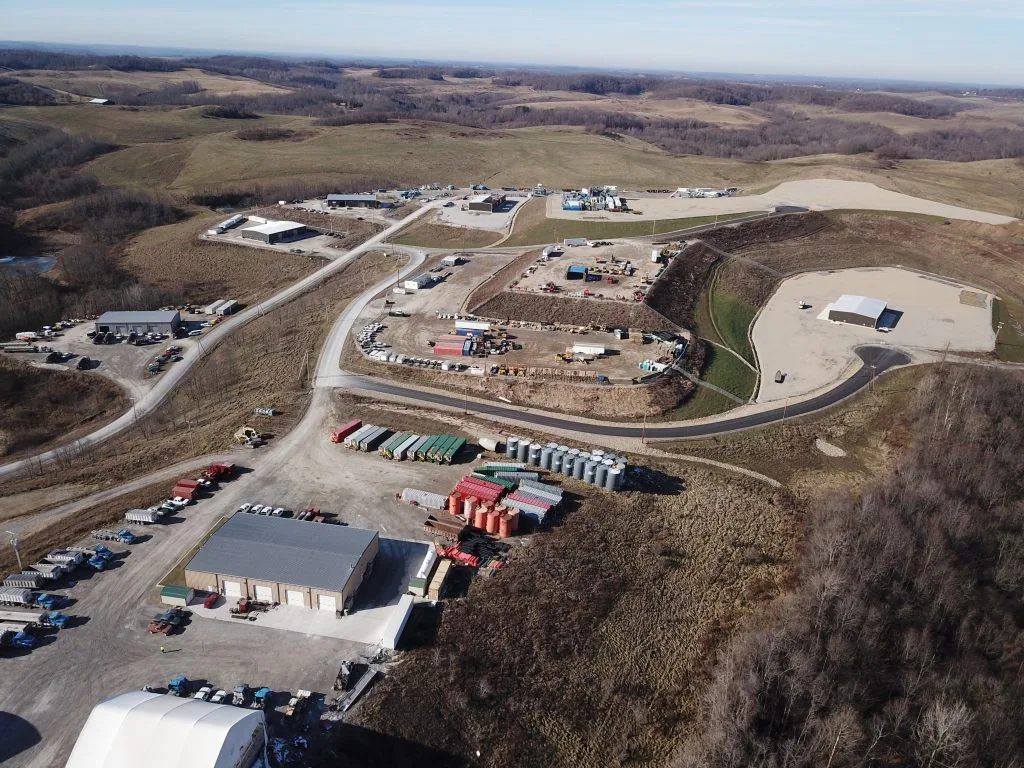
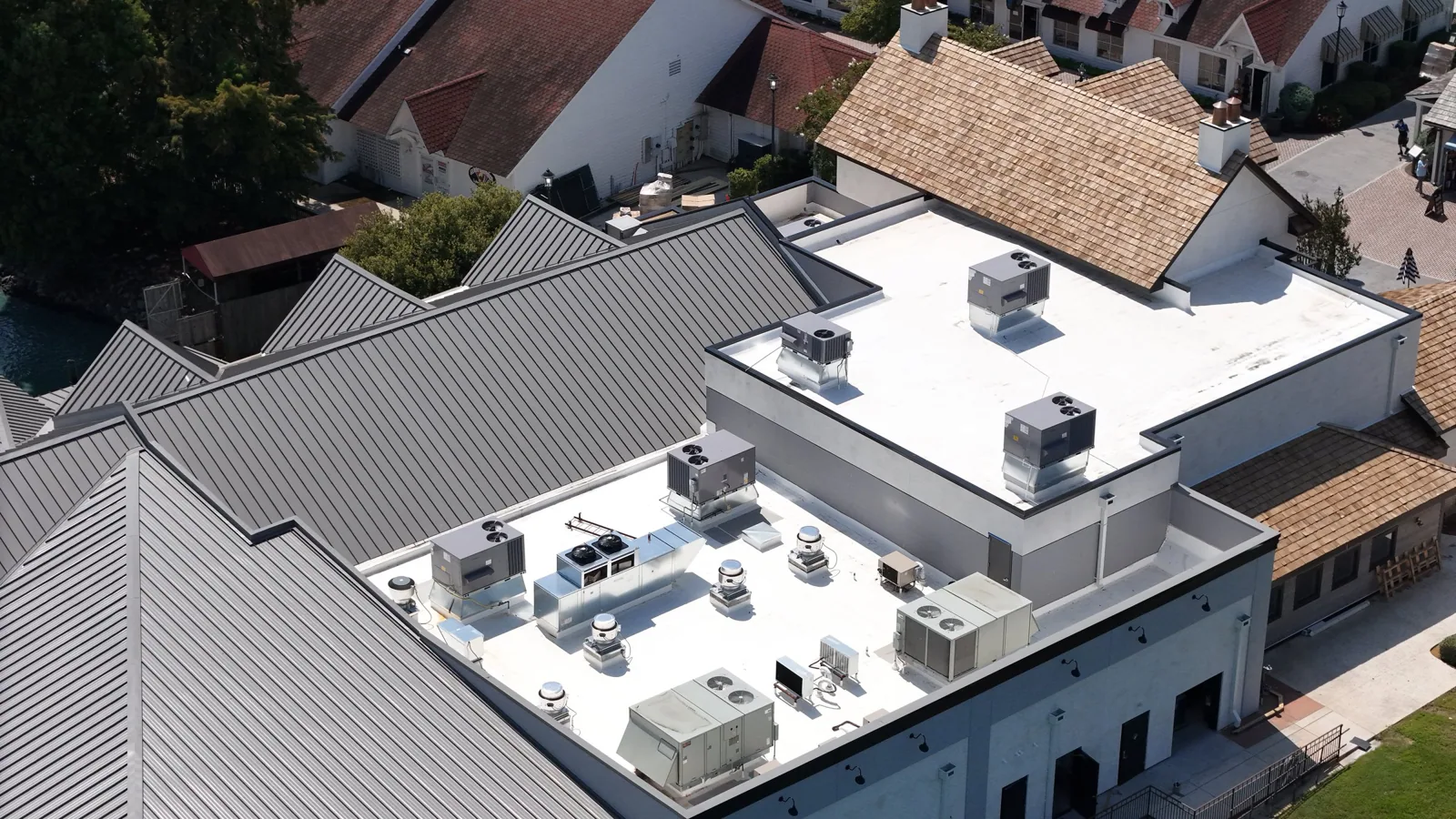
A freight schedule can make roof access a daytime constraint, not a footnote. Conroe Park North spans 1,655 acres along FM 3083, about two miles east of I-45, with four-lane concrete streets and city water and sewer. Its companies work across freight, manufacturing, warehousing, food processing, medical devices, and other fields. We plan commercial roof work around material delivery, loading routes, and interior operations while inspecting the actual membrane, flashing, drains, and attachment. Conroe's long hot season and heavy rain put different demands on the same roof. We start with the reported leak or concern, trace its path, and leave the owner with a repair boundary that fits the building.
Roof Work Around Freight and Production
A park with varied industrial operations does not have one standard roof plan. The property contact identifies active loading areas, equipment routes, interior spaces that need protection, and the hours when a lift or removal work can happen. We confirm those details before staging membrane, insulation, or tear-off debris. A warehouse with steady truck movement may need a different delivery sequence than a production area with controlled access. The local use mix helps frame those questions; the field inspection establishes the roof construction.
We break larger work into sections that can be opened, repaired, and secured before the crew leaves. Daily closeout identifies the area completed, any temporary tie-in, and what will happen next shift. That matters during rain season, when a forecast change can narrow the work window. If access is limited, a NorthStar Industrial Park roof plan offers a separate comparison for a nearby industrial setting, but the sequence at this building still follows its own routes and operating limits.
Trace the Water Before Choosing Work
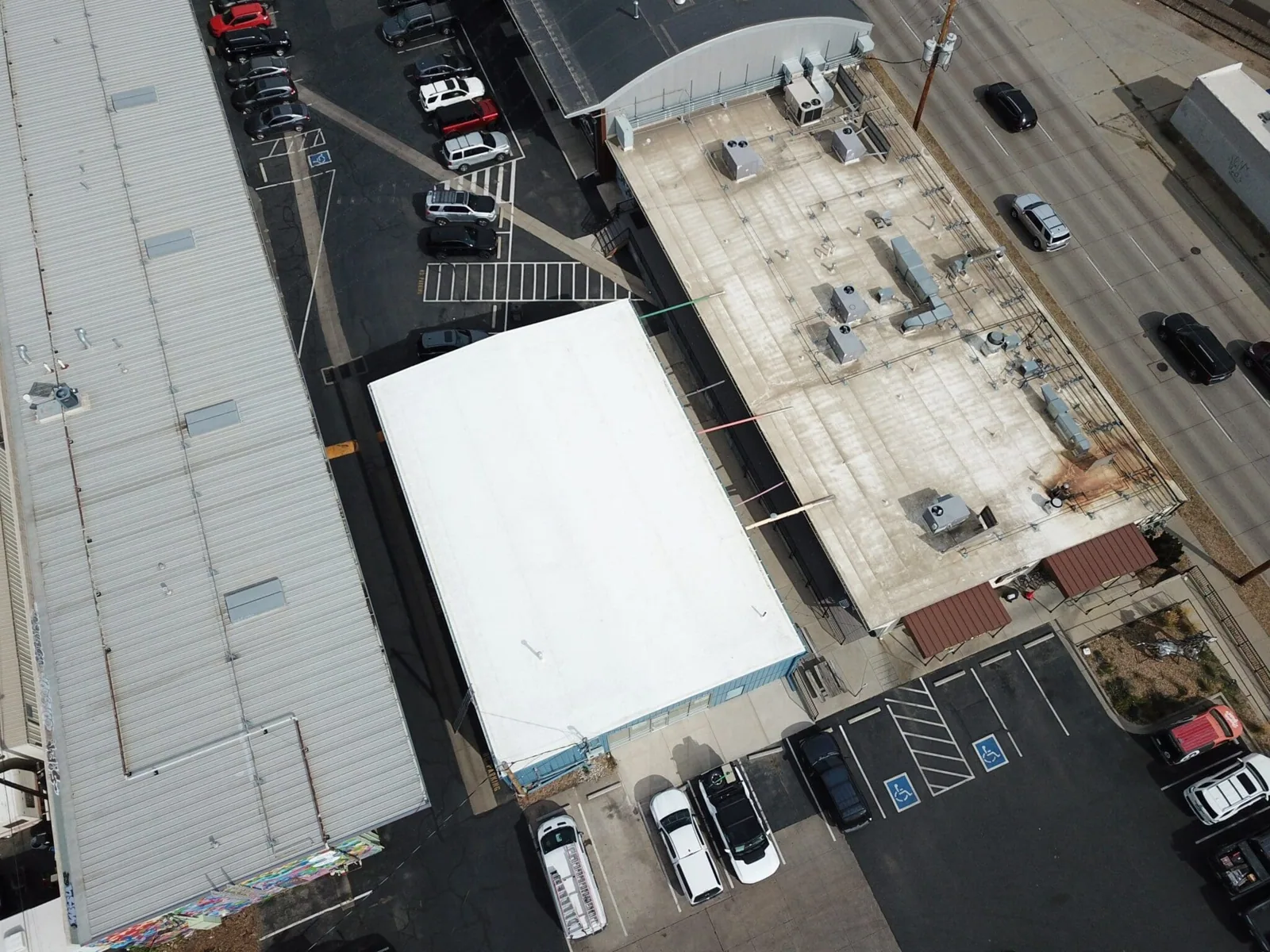
A ceiling mark may sit several bays away from the opening in the roof. We look across the reported area and follow the drainage path toward low points, drains, scuppers, curbs, and wall transitions. The inspection checks membrane laps, flashing edges, loose metal, penetrations, and signs of wet insulation. If the surface is stable and the damage is isolated, a local repair may fit. If the same failure repeats across a seam or attachment line, we inspect a wider section before setting a boundary. A commercial roof inspection puts those findings into a scope the property manager can review.
Among the park's listed activity, Five Below's distribution facility measures 858,000 square feet. Buske Logistics is listed at 145,200 square feet. Those building uses make delivery activity a practical coordination point, but square footage does not tell us roof area or roof condition. We check the actual deck, assembly, access, and interior exposure. A nearby Conroe I-45 and Loop 336 corridor building can present a different roof history even when freight access shapes both sites.
Conroe Heat and Sudden Rain
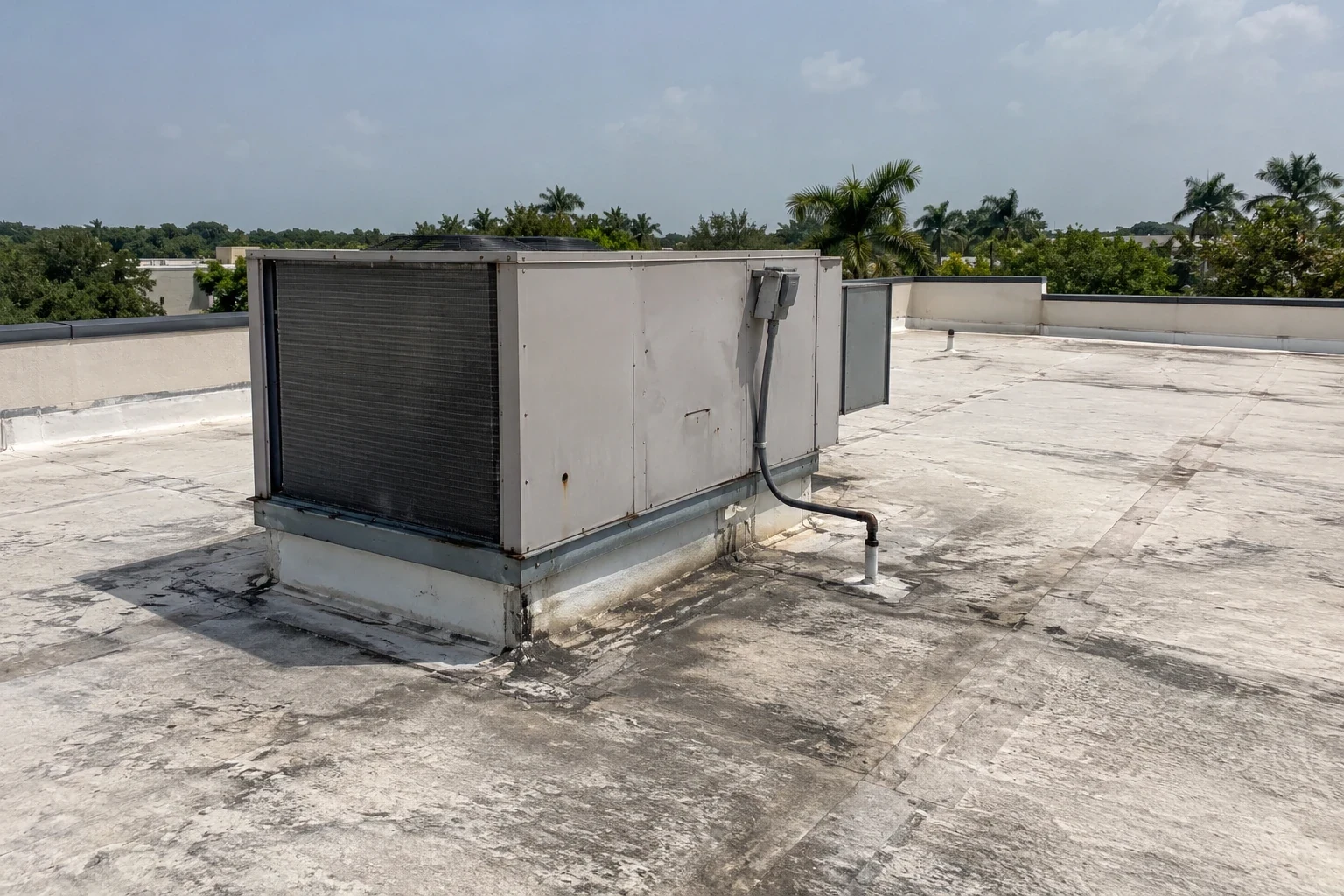
Houston-area normals place Conroe's midsummer average highs close to 95 degrees, keeping roof surfaces under sustained seasonal heat. Heat expands membrane and metal; cooler periods pull them back. The movement shows at seams, corners, rooftop curbs, and perimeter fasteners. We look for openings, wrinkles, pulled flashing, and repairs that no longer bond to sound material. That inspection is more useful than choosing a membrane by color or assuming an industrial roof uses one system.
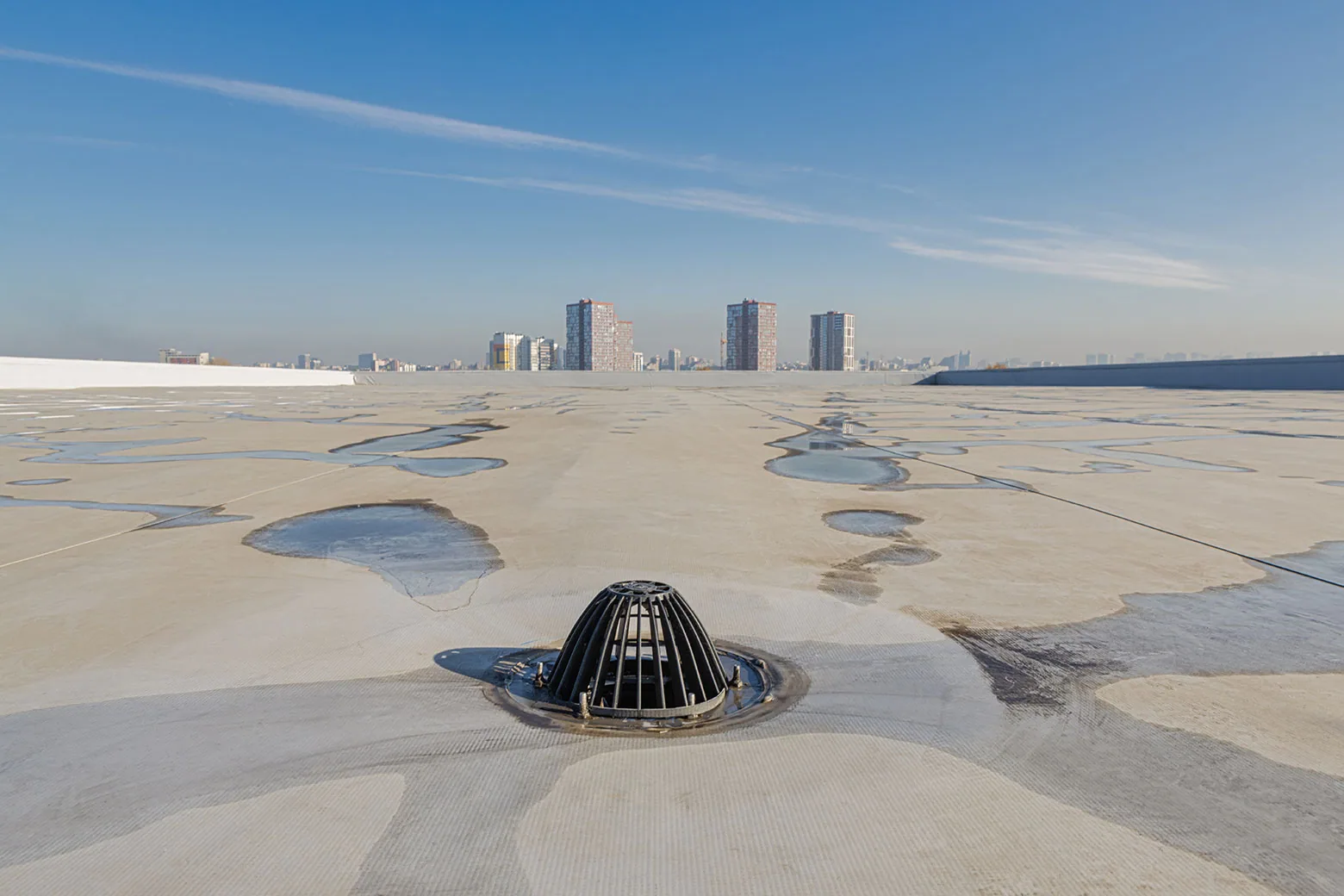
Rain tests drainage at once. We check drain bowls, strainers, scuppers, overflow routes, and any low area that remains wet after nearby sections clear. A blocked outlet, settled insulation, and deck deflection call for different work. Conroe's climate observing station at Lone Star Executive Airport sits just north of the city; we use the market's weather pattern to plan the work window, while roof decisions follow observed conditions. A drain and scupper review can be scoped with the membrane repair when both conditions are present.
Separate Repair from Renewal
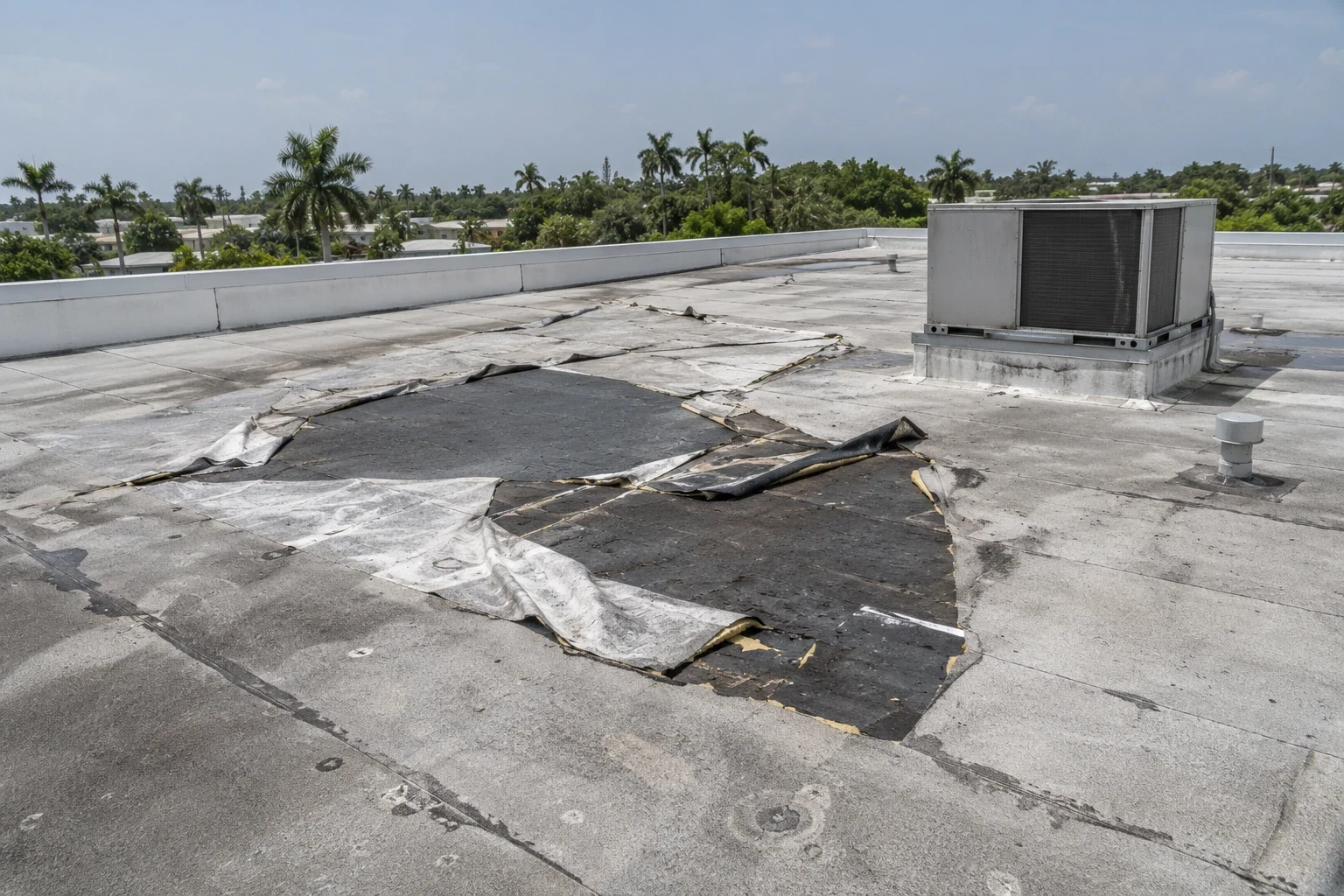
A puncture or single open lap may be repaired when nearby membrane remains sound, the attachment holds, and insulation is dry. Repeated leaks, wet board, widespread seam separation, or deteriorated perimeter details can justify broader work. We map confirmed defects and note areas that need testing. The proposal explains the repair limit and identifies what remains concealed, so the owner can compare an immediate repair with planned replacement without treating every roof section as equally worn.
A second layer is reasonable only when moisture checks, fastening, deck support, outlet height, and applicable rules leave a stable assembly. Tear-off exposes concealed material but changes debris handling and access requirements. A TPO system evaluation may be one option after the deck and assembly are understood; product selection comes after condition, drainage, and operating needs. For wind-related movement, a wind damage inspection should distinguish actual displacement from normal wear.
Make the Closeout Useful
After service, the property manager should have the roof section reached, the material and detail repaired, photos with a location reference, and any condition left for follow-up. A note that says only “roof repair” will not help the next inspection find a curb, drain, or seam. We label the repair boundary, list any test that was performed, and state what was not opened. A roof condition report can connect that work to maintenance and capital planning.
Conroe Park North has more than 40 companies and over 3,000 employees across its industrial and distribution base. Different operators can have different access rules, so record the route and work window along with the roof finding. If future work touches a separate building in the park, its membrane and conditions need a fresh review. The best record makes the next decision about this roof section easier to compare with the inspection already completed.
Plan the Next Work Window
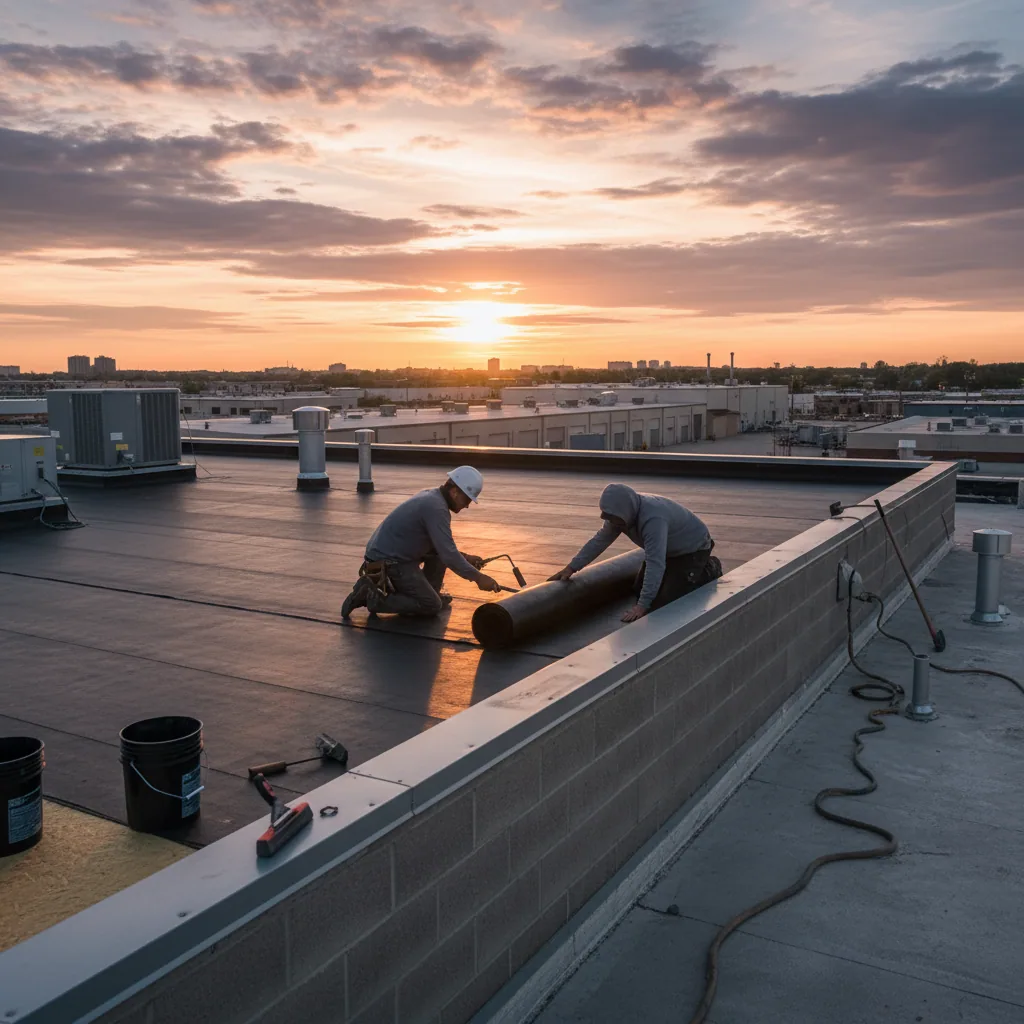
Material, crew, and access timing all affect a commercial roofing scope. A replacement needs a safe path for deliveries, room for debris handling, a weather window, and a dry-in sequence that protects the occupied space. A repair may need less staging but still require a controlled roof access point and a closeout before rain. We coordinate those needs with the site contact rather than interrupting a loading or production route without a plan.
Conroe's heat and intense rainfall also affect how long a roof can remain open. We keep the active area sized to the work that can be completed and secured. If an unexpected layer or wet insulation changes the scope, we document the finding and pause for direction before expanding removal. That gives the owner a specific condition, a measured next step, and a clear distinction between the original repair and concealed work discovered during the job.
Commercial Roofing Questions
How do you schedule roofing around Conroe Park North loading activity?
We confirm delivery routes, lift placement, loading periods, roof access, and interior protection with the site contact. The work area and material arrival are timed to the building's operating limits.
Does a warehouse's size tell you how much roof needs replacement?
No. Building floor area does not establish roof area or condition. We inspect the actual assembly, map defects by section, and identify where testing is needed before defining the replacement boundary.
What should happen after a heavy Conroe rain?
We check drains, overflow routes, seams, penetrations, and interior reports. A storm or leak call does not identify the roof defect by itself; the inspection traces water to the condition that needs work.
Can repair work be done while production continues?
Often a section can be isolated and closed within a planned access window. We coordinate staging, noise, interior protection, and daily dry-in with the facility contact before work begins.
What details should a park property manager keep after a repair?
Keep the roof location, material, repair method, photos, and any area left for testing. That record helps the next inspection return to the same drain, seam, curb, or edge detail.
Related Roofing Work