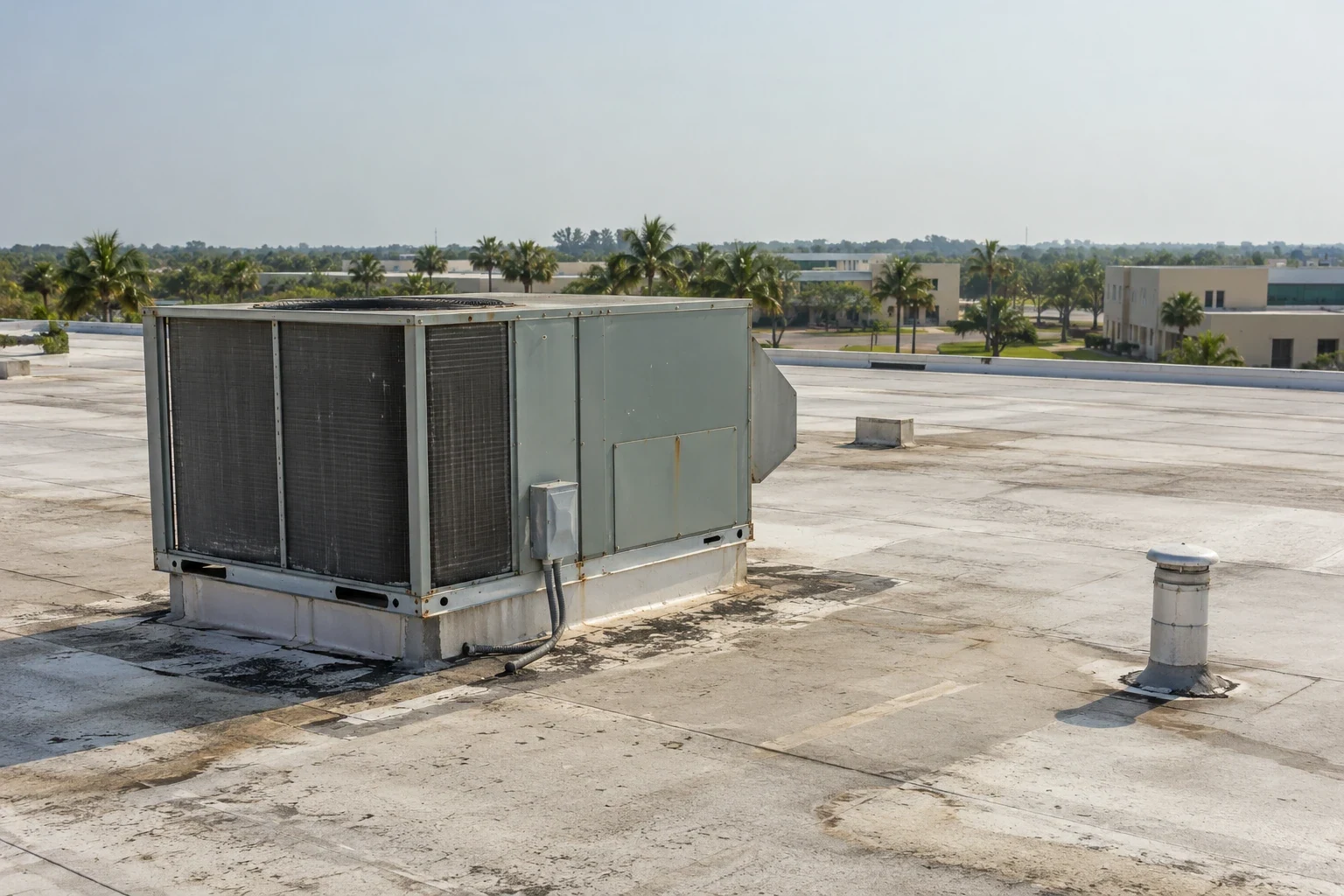
Commercial Drone Roof Inspection in Conroe, TX
Use drone roof inspection in Conroe to map broad roof areas, document inaccessible edges, and direct hands-on checks to details that need closer review.
An aerial image can reveal a pattern, but it cannot tell you whether the membrane is bonded or the insulation is wet. Drone imaging helps us cover broad roof areas, record perimeter conditions, and locate details that deserve a closer look. We pair the flight with a roof plan, interior leak history, and hands-on review where safe access is possible. That combination is useful across large warehouse and flex-office properties at NorthStar Industrial Park and the multi-tenant industrial buildings in Conroe Park North, where an aerial view can help organize the inspection route without pretending that a photograph answers every roof question.
What the Camera Can Show
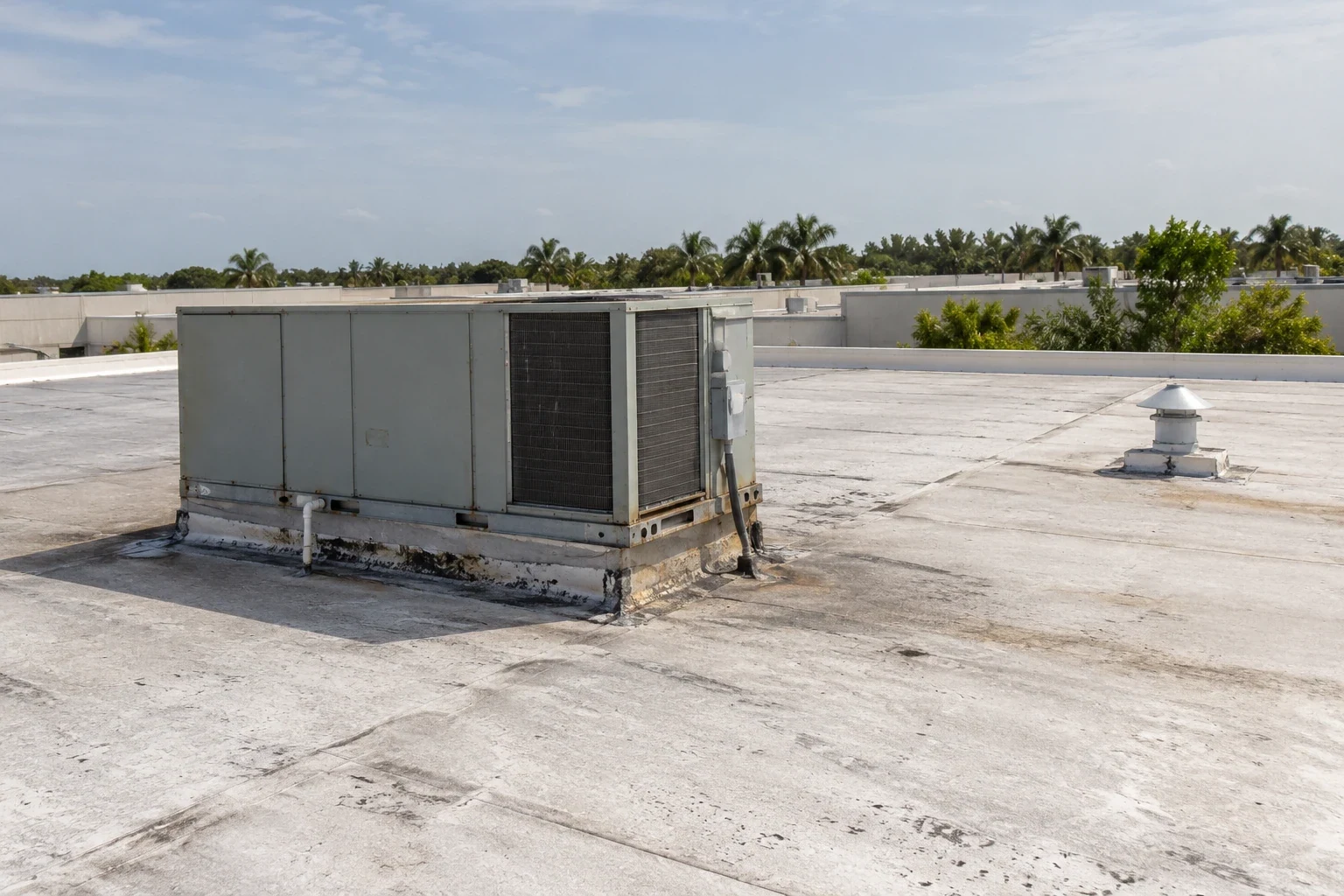
A drone can capture the layout of roof sections, drainage paths, rooftop equipment, parapets, and perimeter metal. Overlapping images help locate a seam, ponding area, open curb, or displaced object relative to the roof plan. We can also document conditions that are difficult to view from a ladder, provided the flight and site conditions allow safe, useful images. The resulting record gives the manager a visual overview and helps direct any additional inspection.
Image quality depends on altitude, light, wind, obstructions, and the detail being examined. A broad image may show water staining or an area of debris but not confirm a pinhole leak, seam bond, or hidden moisture. We label what the image supports and distinguish visible evidence from conditions that require direct testing. When a roof concern is specific, a hands-on inspection checks the material and detail up close.
Aerial Survey or Roof Walk
The aerial survey is most useful when the first question is about layout, coverage, or locating broad patterns. A hands-on walk is needed to probe a flashing edge, check a seam, inspect a fastener, or assess whether a membrane has separated. We choose the method around the question, not because one tool is newer. For a large roof, the drone can make the walk more efficient by showing where to focus; for a small known leak, direct inspection may be the faster route.
We establish the roof boundaries and safe launch area, then determine which elevations and sight lines are needed. A flight plan avoids occupied outdoor areas and coordinates with building operations. The crew reviews imagery as it is captured and notes any view blocked by HVAC equipment, trees, glare, or roof geometry. We do not infer the condition of a hidden surface from an angle that cannot show it.
Conroe Roof Layouts
Conroe's commercial building stock ranges from manufacturing and freight facilities to offices, retail, and medical uses. Conroe Park North alone includes distribution, machining, food processing, warehousing, and manufacturing activity. The range matters because a drone survey over a clear warehouse field differs from a roof with dense equipment, screens, rooftop walks, and multiple tenant sections. We organize imagery around building use and access needs, then identify which areas require closer work.
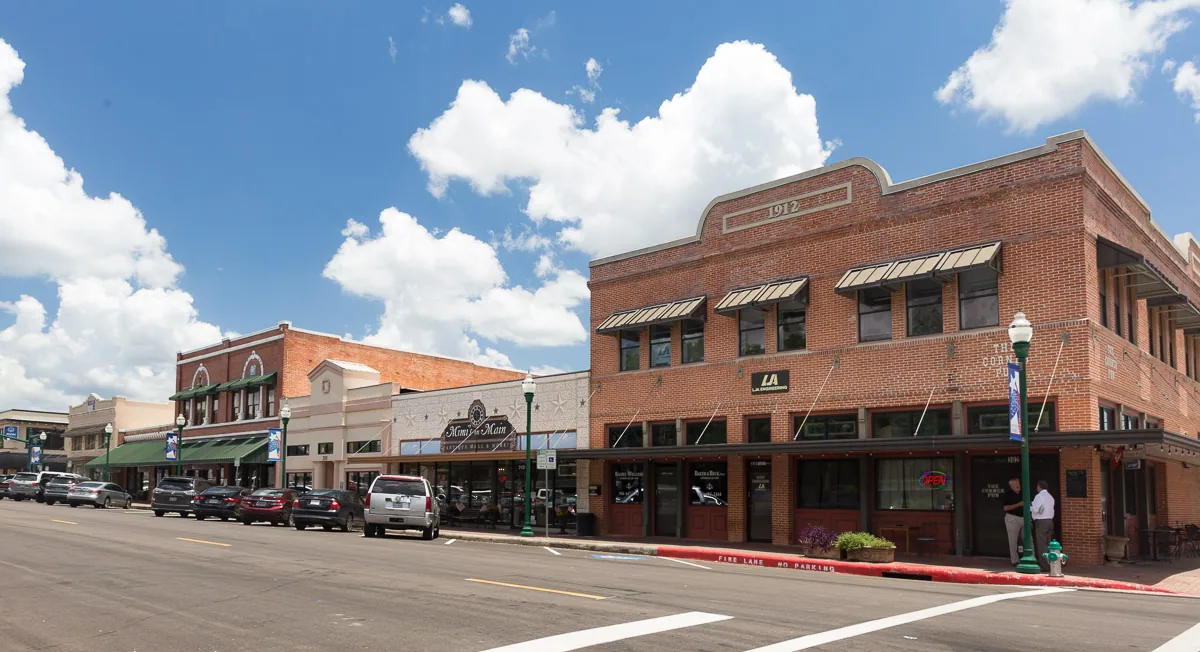
The city airport sits just north of Conroe and serves private and corporate aviation, while industrial sites near the FM 3083 corridor connect to I-45. These local logistics facts help shape access and scheduling, not a claim about any particular roof. We coordinate with the property contact about vehicle lanes, receiving hours, roof access, and areas where aerial work could interrupt normal activity. The same care applies to business districts near Downtown Conroe, where streets and occupied outdoor spaces can affect where a safe flight can occur.
Flight and Site Coordination
Before the flight, we confirm the property boundary, site contact, active operations, and any airspace or local restrictions that affect the planned work. The manager tells us about loading schedules, customer areas, sensitive operations, and roof sections that cannot be approached. We establish a safe launch zone and keep people clear of the area during takeoff and landing. If weather or visibility makes the images unreliable, we reschedule rather than deliver a weak record.
During capture, a ground observer watches the aircraft and the surrounding site. We avoid flying over people and coordinate around vehicles or work that could change the approved path. The deliverable notes the area imaged, the date, the views obtained, and any portions that were not visible. If the roof is too complex for aerial coverage alone, we state where a roof walk, lift, or interior review is still required.
Imagery Into a Roof Decision
We organize images by building and roof section, then connect important views to the maintenance question. A manager looking at an edge concern receives close views of the perimeter and transitions; a drainage review includes slope direction, drains, scuppers, and visible ponding where the camera angle can show it. The record can support a work order, capital discussion, or comparison with a later flight. A repeat image is most useful when it returns to the same roof section and uses a similar viewing angle. That makes visible change easier to separate from differences caused by sunlight, shadow, or camera position.
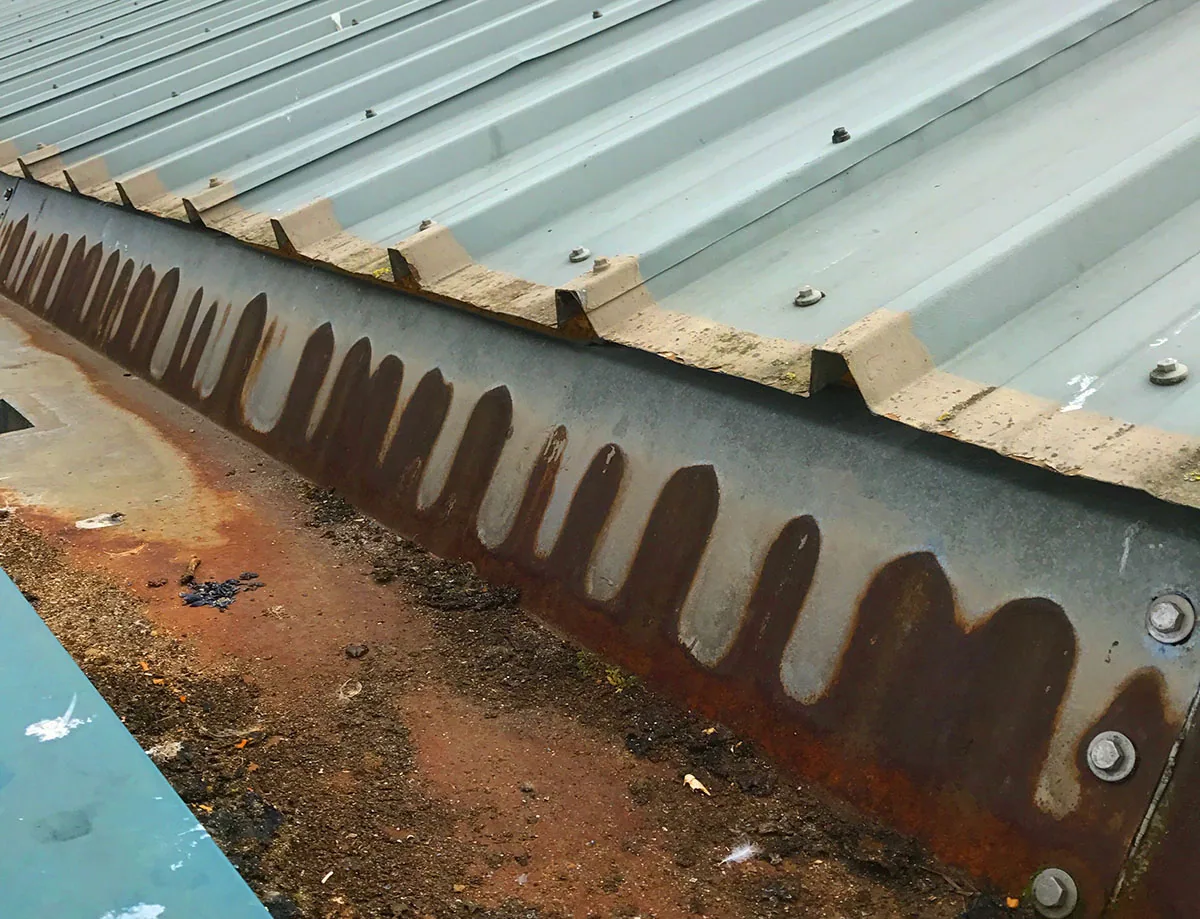
When the images identify a likely defect, we recommend the next inspection or repair step. Moisture below the membrane requires a different tool, such as infrared moisture testing or an approved core opening. A visible edge defect may need metal and coping work. The final recommendation remains tied to what was actually seen, with limits clearly stated so the owner does not mistake a roof image for a complete condition assessment.
When Drone Work Fits
Price depends on roof area, number of buildings, flight access, requested image detail, site coordination, and the format of the final record. A multi-building survey takes more capture and sorting than a single roof overview. Complex equipment, blocked sight lines, and multiple roof elevations may also require additional passes or a hands-on inspection. We define the deliverable before scheduling so the owner knows whether the work is a broad condition overview, targeted documentation, or a pre-project survey.
If a building has active leaks, begin with the leak history and interior locations rather than requesting aerial coverage without a question. We can determine whether drone views will help locate the relevant roof sections or whether direct access is more useful. For a documented system-wide review, our condition reports combine visual evidence with a clear repair and maintenance list.
Commercial Roofing Questions
Can a drone confirm that insulation is dry?
No. The camera records visible surfaces and patterns, not concealed insulation condition. If the images or interior reports suggest moisture, we recommend readings, infrared work in suitable conditions, or a selective opening to confirm the assembly.
What roof types benefit from aerial inspection?
Large, multi-section roofs often gain the most from a visual map, especially when access is limited or the owner needs an overview before selecting inspection points. The exact benefit depends on roof geometry, equipment density, and the question the images must answer.
Can drone images replace a hands-on roof inspection?
Aerial views help with coverage and location, but they do not test seams, probe flashing, or verify material attachment. We pair images with a roof walk when the decision depends on physical condition.
What happens if weather interrupts the flight?
We pause when wind, rain, visibility, or site activity makes the flight unsafe or the images unreliable. The manager receives an update and we reschedule the capture for conditions that can produce a usable record.
Will we receive images that help locate future repairs?
Yes. We label views by roof section and connect notable conditions to a plan or clear location reference. The record can guide a hands-on follow-up and help the next inspection compare the same area.
Related Roofing Work