Commercial Roof Edge Metal, Coping, and Gutter Repair in Conroe, TX
Repair commercial roof edge metal, coping, gutters, and downspouts in Conroe with attachment checks, water-path review, and a clear work limit.
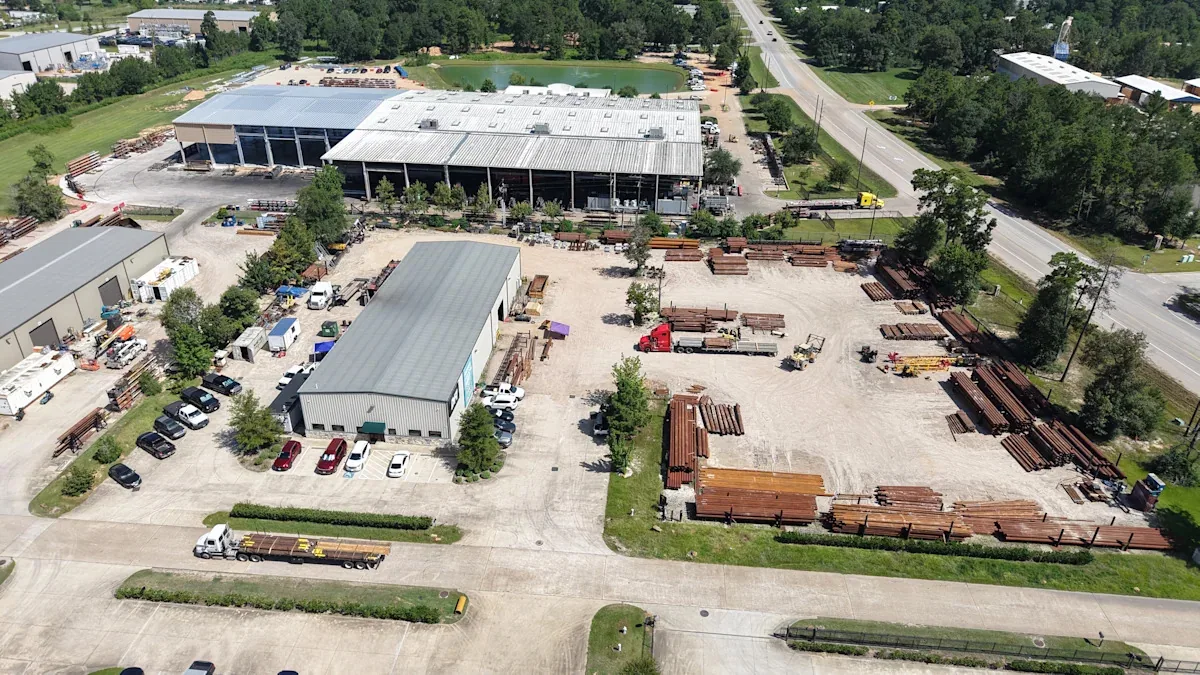
A rust line below coping or a loose gutter bracket can mark a perimeter detail that no longer carries water away cleanly. Conroe's heat and storm exposure make that edge worth checking, but the repair starts with the roof assembly and the actual attachment. We inspect coping, fascia, drip edge, gutters, downspouts, and membrane terminations as connected parts. At NorthStar Industrial Park or along the Conroe I-45 and Loop 336 corridor, the building's roof line, equipment, and access determine how the work can be staged.
Follow the roof edge as one assembly
The perimeter includes more than visible sheet metal. We inspect the membrane termination, cleat or fastener attachment, coping joints, fascia, drip edge, wall substrate, and any transition to gutters or downspouts. Loose metal can admit wind-driven rain behind the edge; a split lap or failed seal can direct water into the wall or roof assembly. Photos show the detail and adjacent surface so the repair limit does not stop at the first visible gap.
Fastener spacing, cleat engagement, and substrate condition affect whether the edge can resist movement. We check the metal length, joint location, and how the termination is held down before choosing a patch or replacement segment. If the supporting wood or deck is deteriorated, new coping can sit over a weak attachment and move again. When interior access is available, we compare staining or moisture reports at the wall with the roof-side joint. That check helps separate a cap problem from water entering through the wall assembly.
At parapets, coping needs secure joints and a compatible connection to the roof membrane. At eaves, edge metal directs runoff into a gutter rather than behind the fascia. If the metal is sound but the membrane termination has failed, replacing the cap alone leaves the water path. A flashing repair can restore a confirmed wall or transition detail, while a standing-seam metal roofing addresses panel edges and closures on metal assemblies. The roof system determines the connection that should be rebuilt.
Trace runoff through gutters and leaders
We check gutter slope, hangers, seams, outlets, downspout connections, elbows, and discharge points. Water marks on siding or a stained soffit can show where runoff has escaped, but the inspection verifies whether the source is a separated gutter joint, overflow, blocked leader, or roof-edge opening. Debris removal may restore flow; a sagging run or failed outlet needs a repair that holds its alignment. The work plan should state where water will discharge after the repair.
At the outlet, check that the gutter drains freely into a connected downspout and that each elbow remains secure. A separated joint can discharge water behind the fascia even when the visible gutter edge looks intact. If water reaches a covered walkway, canopy, or adjacent roof, identify the discharge route before moving the outlet. The repair should not transfer runoff to a different building component that was not part of the original path.
A gutter can be clear and still spill if its capacity, pitch, or downspout path is compromised. We check the transitions between roof and gutter, then look for water bypassing behind the fascia or collecting beside an entry. A drainage and scupper assessment can address related roof outlets when the building has both internal drains and perimeter gutters. If runoff is being redirected, confirm that it will not discharge onto a walkway, loading route, foundation, or another roof section.
Account for heat movement and storm exposure
Summer highs near Conroe run hot; the nearby Houston Intercontinental climate record averages July and August highs close to 95 degrees. Metal expands in heat and contracts as it cools, which makes secure joints, laps, and fasteners important at long roof edges. Wind and heavy rain add another load to coping and gutter attachments. We inspect what moved or separated instead of assigning a failure to a regional weather event without evidence at the building.
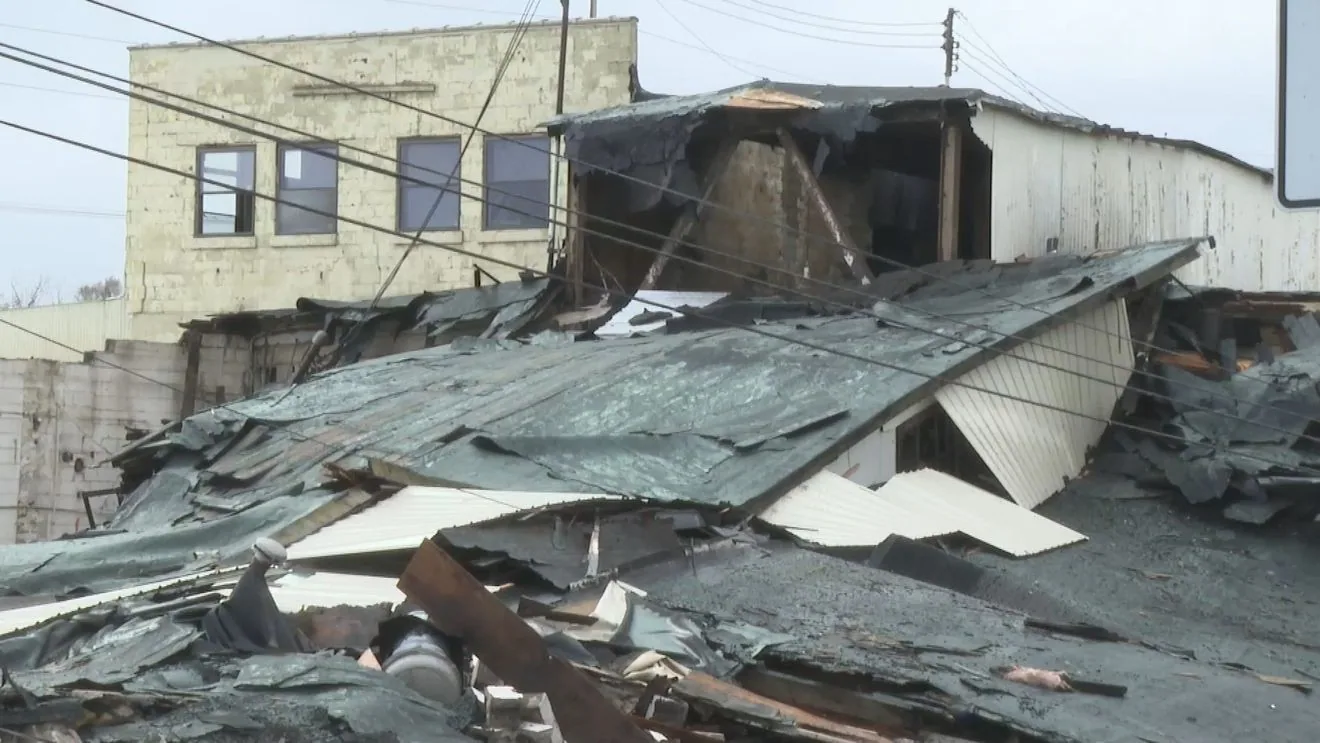
The 1997 tornado record includes a path over Conroe and another along Highway 105 near Cut and Shoot. That history is regional context, not a condition report for an individual property. After a reported storm, we photograph the actual edge, note displaced metal or open seams, and compare the finding with prior maintenance. A wind-related roof inspection can examine attachment and surrounding details; a storm repair scope can separate temporary protection from permanent work.
Repair the failed component without hiding the cause
A loose bracket, short gutter section, or isolated coping joint may be repaired when surrounding metal, substrate, and roof termination remain sound. Corrosion through a run, repeated fastener pullout, damaged wood or deck, or widespread water behind the fascia can require a broader boundary. We identify which component failed, what remains in place, and whether opening the assembly could change the estimate. A surface bead is not a substitute for reattaching loose metal or rebuilding a failed membrane transition.
Replacement metal should match the edge geometry and provide a positive connection to the roof termination. A longer run may need joints placed so movement does not pull a seam open, while corners and changes in wall height require separate measurements. We check whether the old metal can be removed without damaging adjacent membrane and whether existing fastener holes remain usable. If not, the attachment surface needs repair before the new trim goes in. Those details influence material quantity, labor access, and how much of the perimeter can be completed in one work window.
Work may require removal of a gutter section, temporary water control, and a new tie-in at the roof edge. We coordinate lifts, pedestrian routes, loading access, and any work above occupied space. A commercial roof repair can handle a localized defect; a replacement scope should include edge metal, coping, and drainage details if a larger roof section is renewed. The proposal names material, attachment method, work limits, and how runoff will move when the repair is finished.
Document the perimeter for future service
Closeout records the roof edge or gutter run repaired, metal type, attachment, seal or weld details, photos, and any area left for further review. Mark downspout discharge points and note whether a drain or overflow was also inspected. If the substrate could not be opened, the report should not imply that hidden material is sound. The next service visit can compare the repaired joint and bracket against the dated image and check for new movement or corrosion.
Building managers should record roof access after mechanical or sign work near the perimeter. New conduit, supports, wall panels, or façade work can disturb coping or flashing. A roof condition report can keep those details with the roof map; a routine maintenance visit can check attachment, gutter flow, and discharge after heavy rain. If a repair is temporary, give it a follow-up date and keep its limits visible until permanent work is completed.
Commercial Roofing Questions
Can loose coping be repaired without replacing the roof?
Often, when the roof termination, substrate, and nearby metal remain sound. We inspect the full transition before setting the repair boundary.
Why does a gutter overflow when it looks clean?
Poor slope, a restricted downspout, a failed outlet, or runoff volume can still cause spillover. We trace the entire route to its discharge point.
Will sealant stop water behind the fascia?
Only if the opening is a compatible joint designed for sealant. Loose attachment, failed membrane termination, or damaged substrate needs a corresponding repair.
How does summer heat affect roof edge metal?
Metal movement puts stress on joints and fasteners. We check the attachment and laps, then specify a detail that allows the intended movement.
What should the repair closeout show?
It should identify the run or edge, material, attachment, photos, discharge path, and any testing or follow-up that remains.
Related Roofing Work