Commercial Roofing for School Districts in Conroe, TX
Help Conroe school districts track roof conditions, schedule campus work around students, and compare repairs with district capital needs.
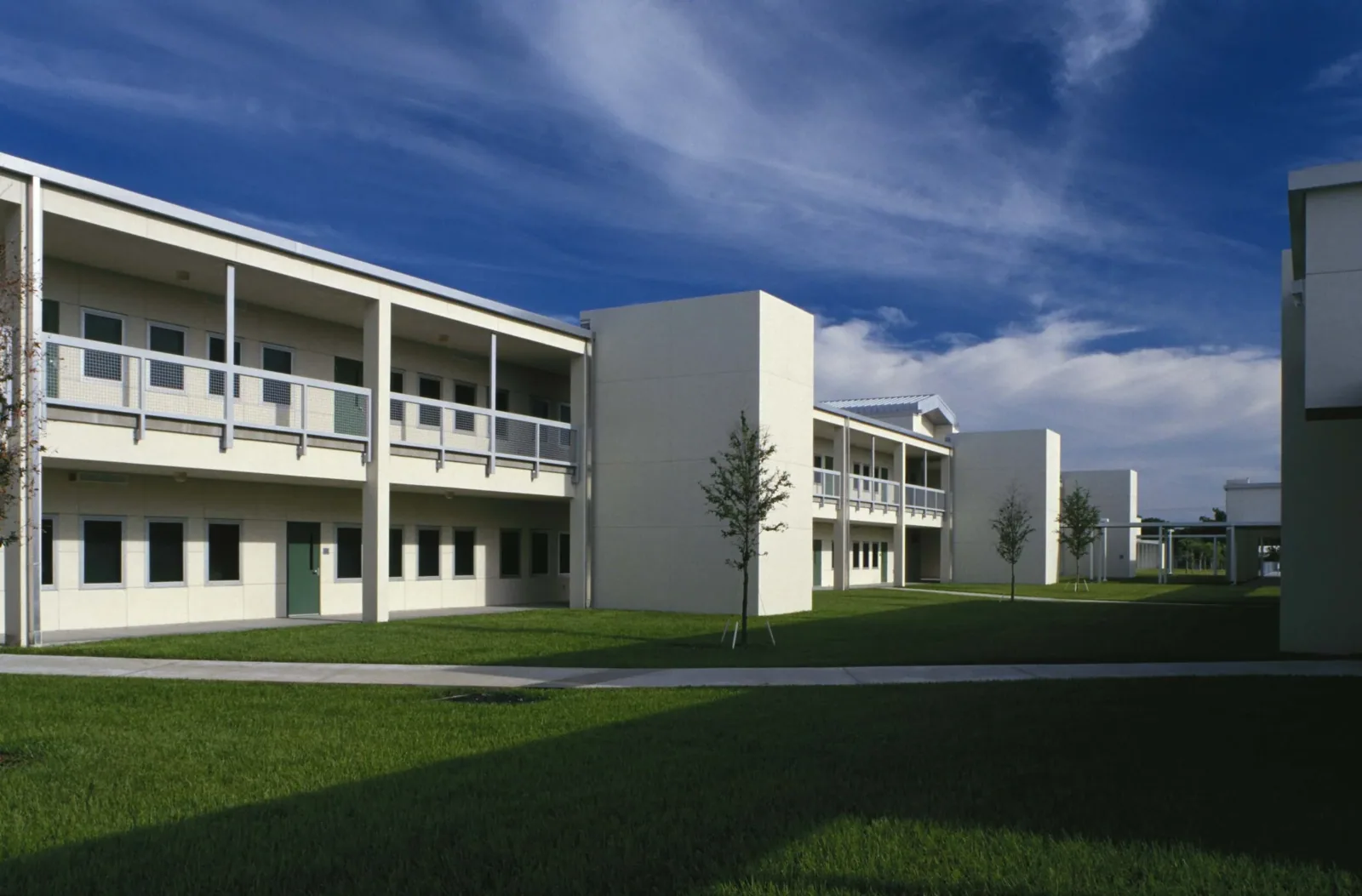
A district roof program has to balance urgent classroom leaks with scheduled work across campuses. The maintenance team needs to know which building, wing, and roof section was inspected, while school leaders protect student routes and instructional time. Conroe Park North's industrial employment area and Downtown Conroe's commercial and civic plan show the range of property settings around the district; neither fact establishes a roof condition at a school. We inspect each campus and tie recommendations to its own building record, access plan, and calendar.
Build a roof inventory campus by campus
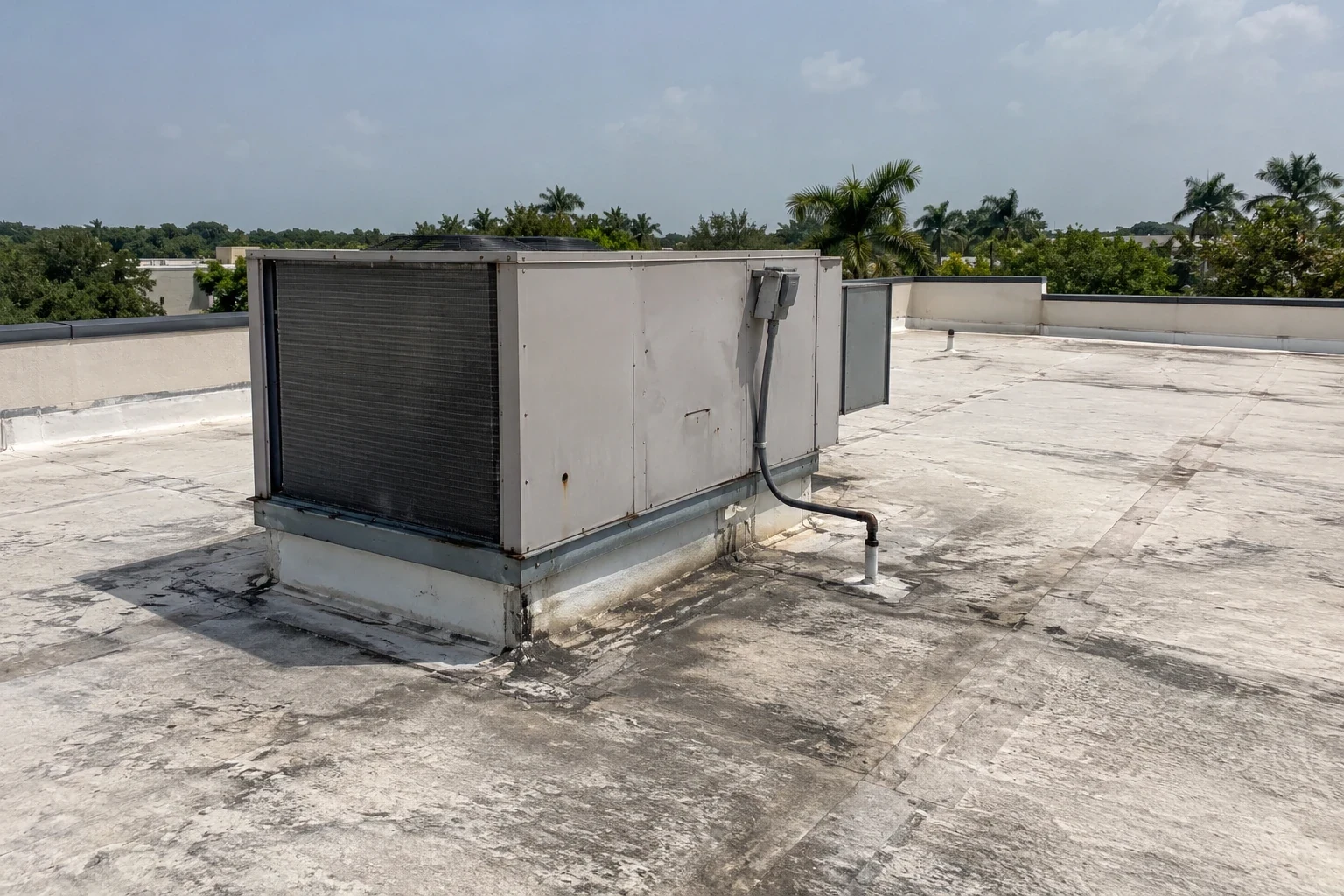
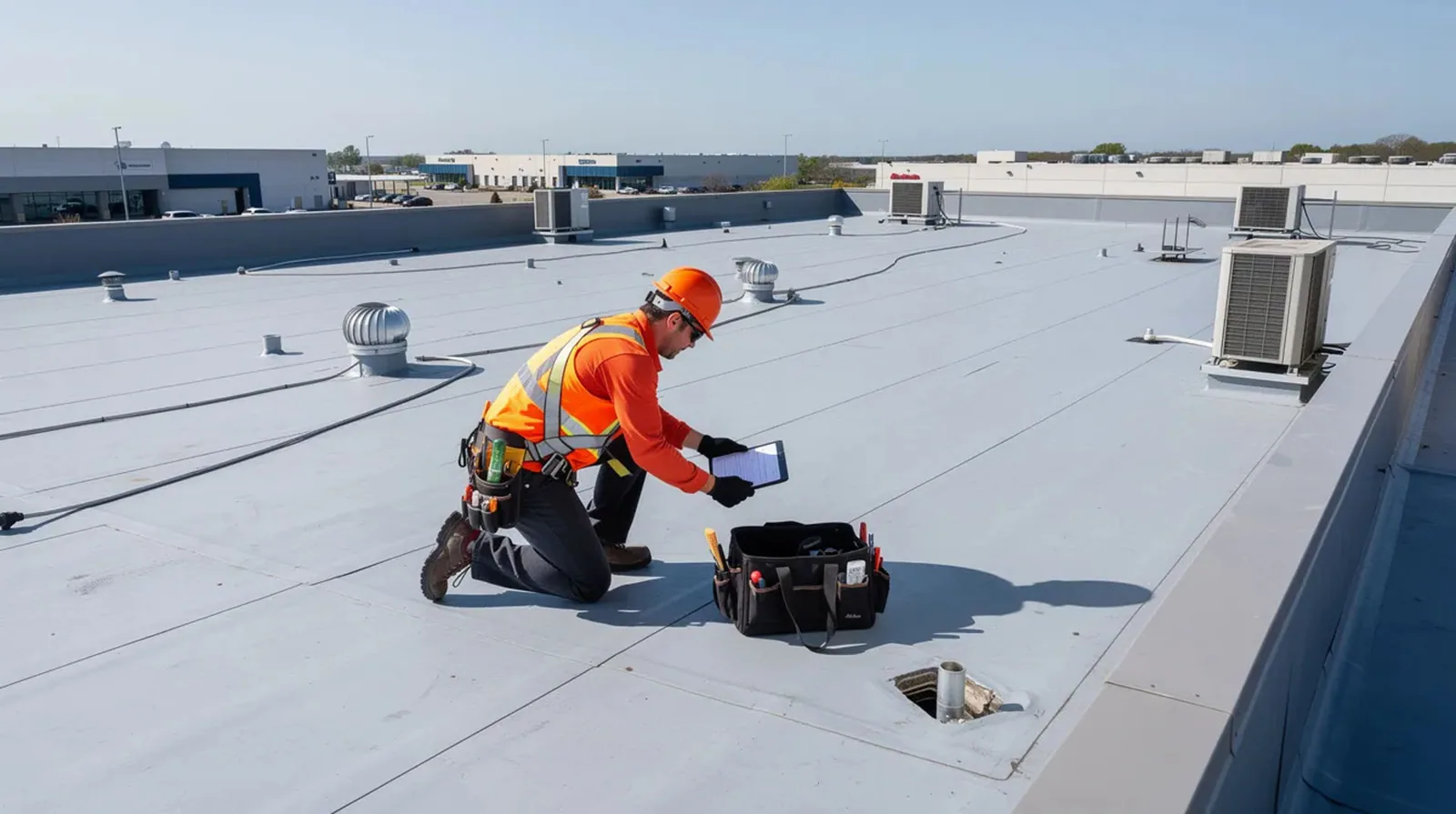
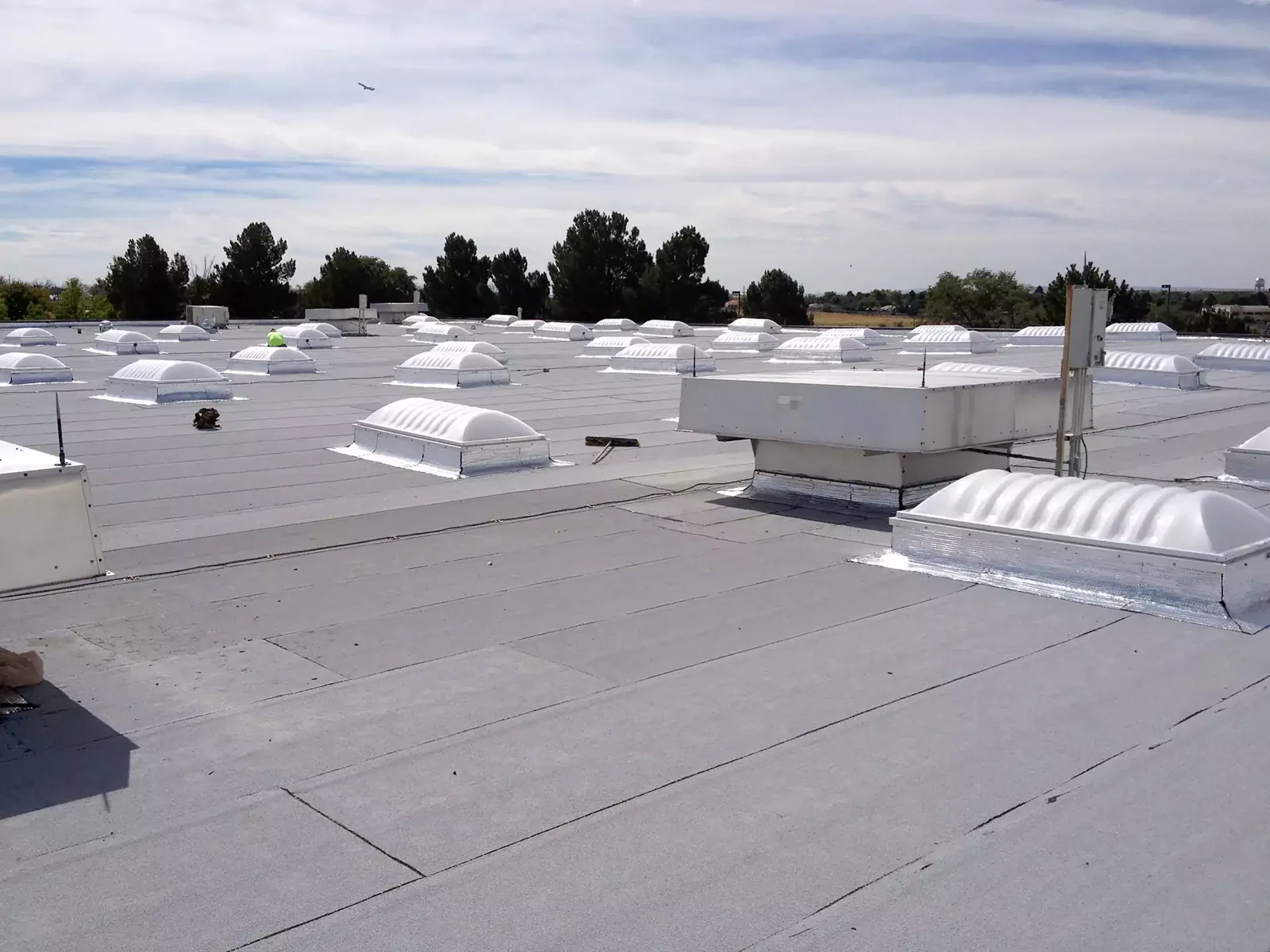
Start with the district's campus list, building names, approximate roof sections, available plans, and prior repair records. A name alone may cover several wings or additions. We can map accessible areas and record the visible assembly, drains, penetrations, edges, and recent repairs. If a roof plan is missing, the inspection can identify what was reached and which section needs better documentation before the next scope.
One campus should not stand in for another. An elementary classroom, district office, gym, and maintenance building can have different roof details and access routes. A commercial roof inspection can establish a consistent condition record, with findings stored against each campus rather than a system-wide average. Property-management teams may handle leased district buildings or shared sites; the district facilities lead still confirms school access and operational limits.
Set work boundaries that protect students
Before the crew arrives, the campus contact identifies bus circulation, student arrival and dismissal, athletic use, visitor parking, accessible entries, and any door that must remain open. The scope should show where ladders, lifts, and materials will be placed and how a barrier avoids crossing a student route. A roofing contractor should use the designated check-in and escort procedure rather than enter a classroom to reach the roof.
If a project runs while school is in session, the daily work area and any temporary route need a clear notice. Summer break can help, but camps, maintenance, food service, and athletics may continue. Phased roofing in an occupied school can divide work by wing and state when the area is secured. The district controls room or campus closures, while the roofing lead reports weather protection and progress by roof section.
Separate emergency response from planned capital work
An active leak may require a prompt repair, while a broad condition concern belongs in a capital discussion. Keep the temporary measure, permanent repair, and future renewal estimate in separate lines. A report should identify the roof area, evidence, access limit, and the basis for the recommendation. That helps a district compare emergency spending with planned work without assuming that every stain requires a full replacement.
A rolling district list can show the campus, roof area, condition date, urgent work, and next decision deadline. That record gives finance staff a way to distinguish an emergency repair from a project that can wait for a summer bid window. When several schools compete for capital, compare the evidence and scope boundaries on the same basis: known leaks, repeat repairs, moisture indications, and access constraints. A condition score should explain its evidence rather than hide it behind one number. The facilities office can also mark whether a roof has a current warranty file or missing closeout records before setting a replacement target. This keeps the annual plan tied to building conditions and reduces confusion when leadership, procurement, or campus contacts change.
Conroe Park North contains more than 40 companies across manufacturing, freight, food processing, warehousing, and other industries. That local economic range underscores why a school district needs its own campus inventory rather than a generic building assumption. A replacement scope can name each roof and the time needed for protection, staging, and closeout. The district can align the project with available capital funds and campus schedules after the inspected conditions are documented.
Use the academic calendar with a weather plan
School breaks create useful work windows, but not every building is empty during summer. The facilities office can list camps, events, meal service, construction, and maintenance activity before a roofing schedule is set. Conroe's local weather record comes from Lone Star Executive Airport; heat and sudden rainfall can affect how much material can be opened safely. The contractor should define the exposed area and how it will be closed if a storm changes the work window.
A schedule should identify the daily start, any noisy task, the roof zone, and what staff can use after closeout. If rain or heat forces a shift, the district contact needs the revised area and route. The record should distinguish a complete repair from a temporary protective measure. That allows a principal or facilities manager to communicate what is available to teachers and families without offering a roofing diagnosis.
Compare proposals on the same campus scope
District bids are hard to compare when one includes drains, flashing, and edge details while another covers only the field membrane. Review roof area, preparation, materials, penetrations, drainage, staging, student protection, exclusions, and the approval path for concealed conditions. A bid should also state how a delay changes daily protection and who accepts the completed section.
For a larger program, public-agency roofing coordination addresses documented scope and approval steps. Drain and scupper service can be included when the campus has a reported outlet issue. The district should choose one approved scope and retain the same roof map for construction and closeout. If a contractor must open materials, define how the district representative is notified before the work expands. Before bid release, name the site contact who can arrange roof access during a school day and for each planned visit.
Keep a record ready for the next facilities cycle
Closeout should list campus, building, roof section, work completed, materials, photographs, weather or access limits, and follow-up items. Note where an area was inaccessible or not opened. A maintenance lead can use the record to compare a future leak with the repair rather than starting with an undocumented assumption. Keep building-level files available to finance and campus staff who review annual plans.
Downtown Conroe's redevelopment map spans five districts from I-45 to 10th Street, while the industrial employers at Conroe Park North cluster along FM 3083. A school district should keep its own campus inventory and roof map so regional development patterns never substitute for a building-level inspection. Downtown Conroe is one broader commercial service area. A district can use a recurring inspection cycle to update the roof inventory, but each finding should remain tied to the school or facility inspected.
Commercial Roofing Questions
Can roofing continue while students are on campus?
It can when district and campus staff approve the access route, work zone, hours, barrier, and daily closeout. The sequence should identify which area is active and what remains available.
What should a district include in its roof inventory?
Keep building and roof-zone names, plans, system observations, prior work, access limits, photos, and open follow-up items. Separate the record for each campus and addition.
How should emergency leak repairs be tracked?
Record the affected room and roof section, temporary protection, permanent repair, and any area left untested. Do not treat a temporary measure as a full roof assessment.
Can summer be used for a school reroof?
It may provide more access, but camps, meal service, athletics, and maintenance can continue. The schedule should be confirmed with each campus and include a weather closeout plan.
What makes district bids comparable?
Compare the same roofs, materials, details, staging, campus controls, exclusions, and approval process for hidden conditions. The bid should state how completed sections are accepted.
Related Roofing Work