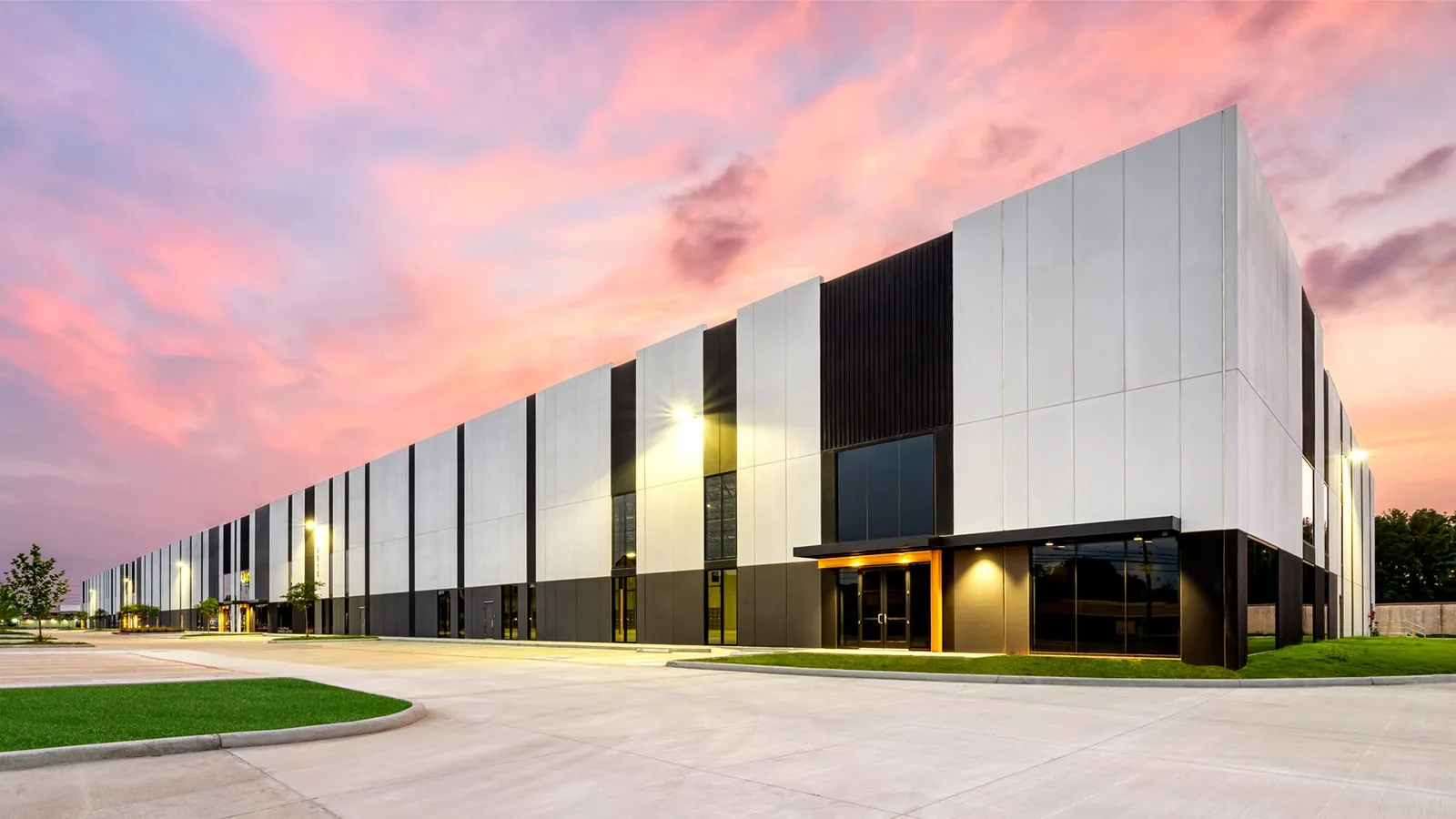
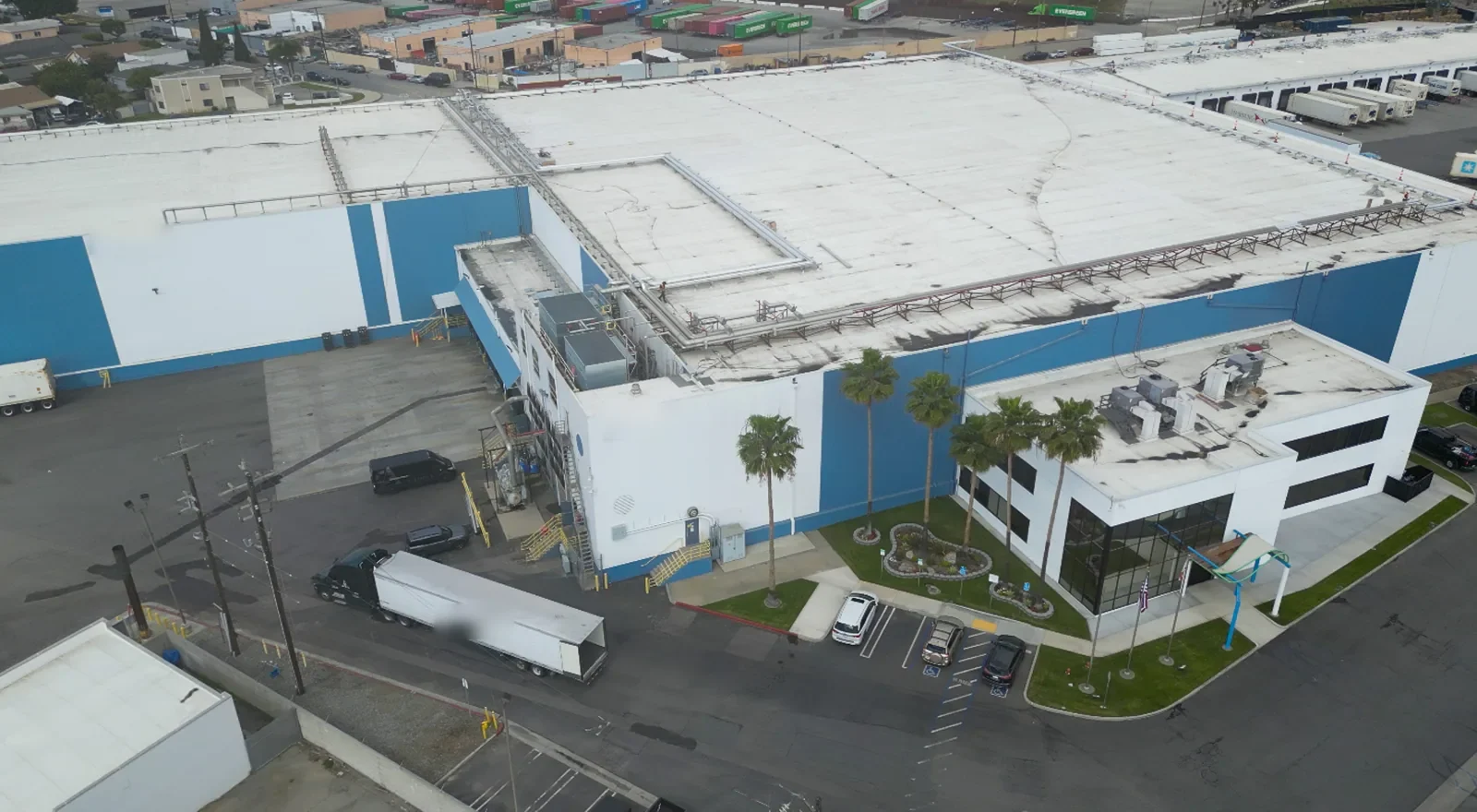
Manufacturing Plant Roofing in Conroe, TX
Plan manufacturing plant roof repairs in Conroe, TX. We review process equipment, exhausts, penetrations, drainage, and production windows before work.
A roof repair above an active production line has to account for the process below it. Water, dust, open roof sections, and equipment access can affect a shift even when the defect is small. Conroe Park North brings machining, medical-device production, food processing, packaging, and freight into one industrial area. Deison Technology Park adds research and life-sciences manufacturing context. We use those area facts to plan questions for the site contact, then inspect the building rather than infer its roof from its industry.
Set work boundaries around production
Before mobilizing, confirm which lines can pause, where overhead protection is needed, and whether production materials or sensitive equipment sit below the repair zone. Some work may be scheduled between process runs; other areas need a controlled shutdown or a temporary enclosure. The facilities contact defines those limits and identifies who can release a roof zone for opening. We agree on a daily stopping point so the building can resume normal use with the roof weather-tight.
Conroe Park North has more than 40 businesses and over 3,000 employees across manufacturing, freight, food processing, warehousing, and other sectors. That district-level mix explains why production schedules and access rules can vary from one property to another. The site manager confirms the real operating conditions. An occupied-building work sequence can tie each roof section to a process window and identify how the interior will be protected if concealed damage expands the repair.
Inspect exhausts, curbs, and service connections
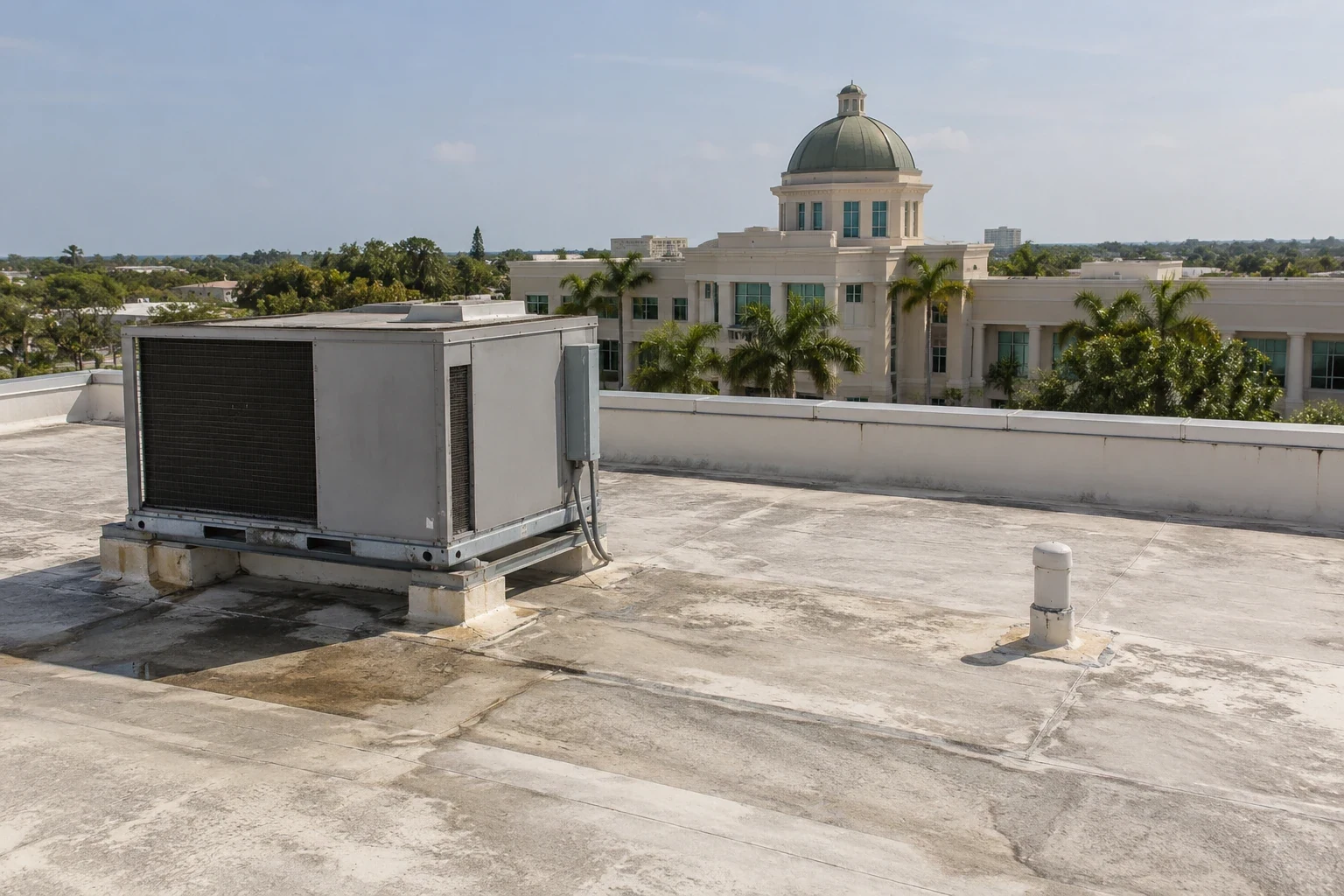
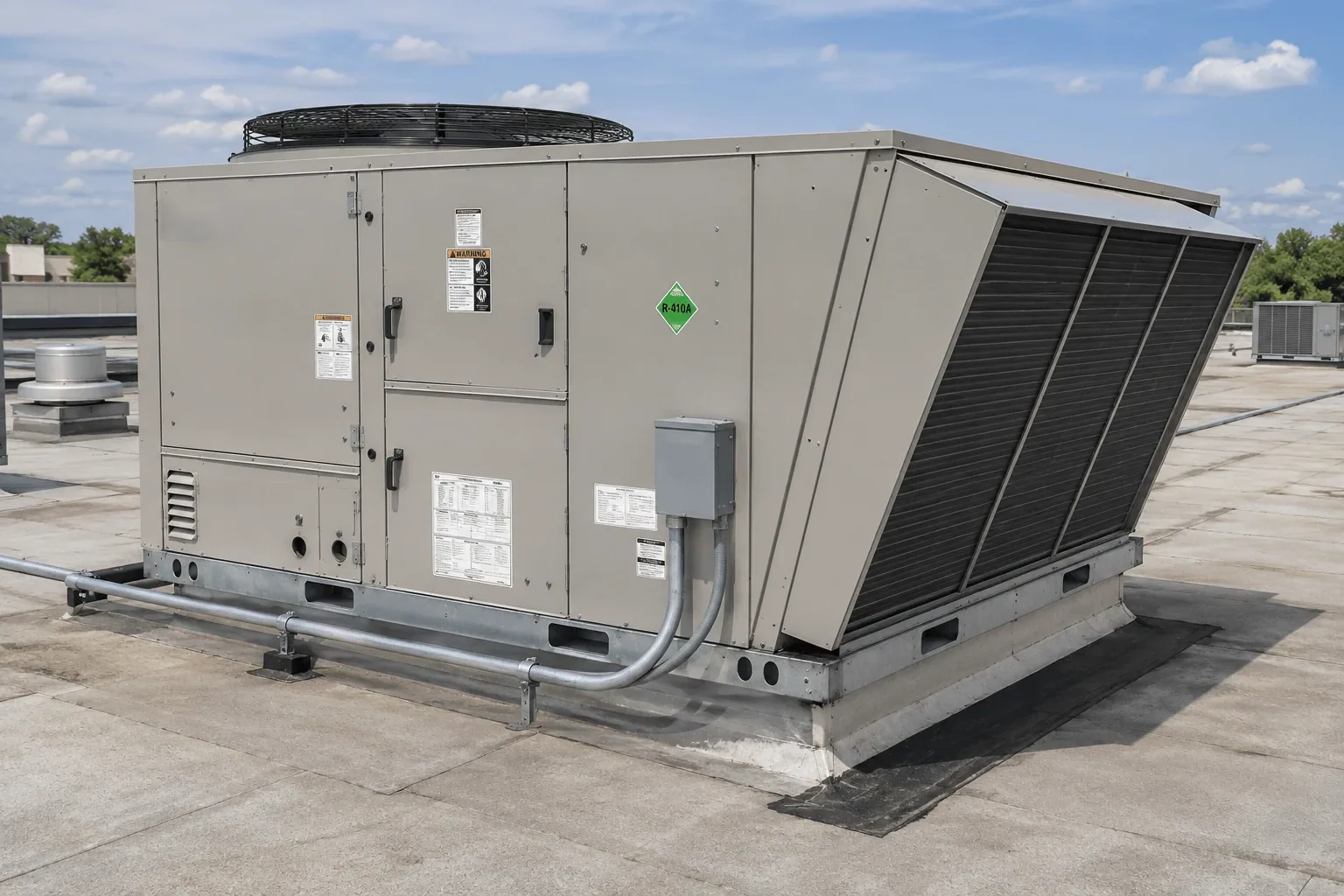
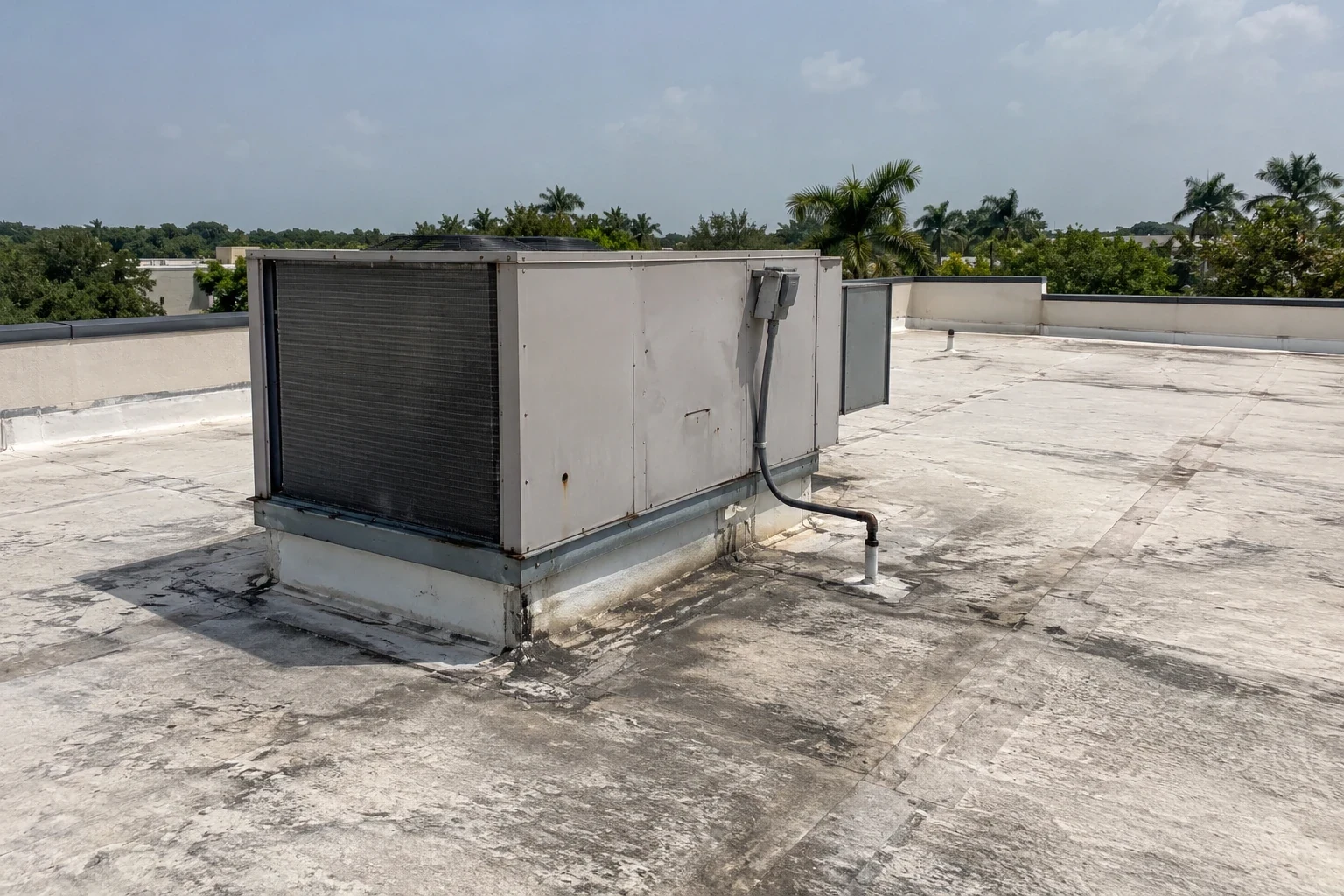
Manufacturing roofs can carry exhaust stacks, make-up air units, process vents, cable trays, and equipment supports. The roof detail around each opening must match the actual equipment and allow for vibration, heat, and service access where applicable. We inspect curb corners, flashing, fasteners, abandoned supports, and nearby membrane. A vendor move or new conduit can leave an unsealed penetration even when the primary roof field remains sound.
Confirm equipment ownership and service responsibility before work starts. A roofing crew should know whether a shutdown, temporary disconnect, or vendor escort is needed. A curb and equipment-support review can address the roof interface without changing process equipment. Map roof routes used by maintenance staff so ladders, walk pads, and access hatches remain clear. Any temporary cover placed near an exhaust or hot process discharge needs to be suitable for the actual conditions and removed when the detail is permanently restored.
Identify the roof and substrate at each phase
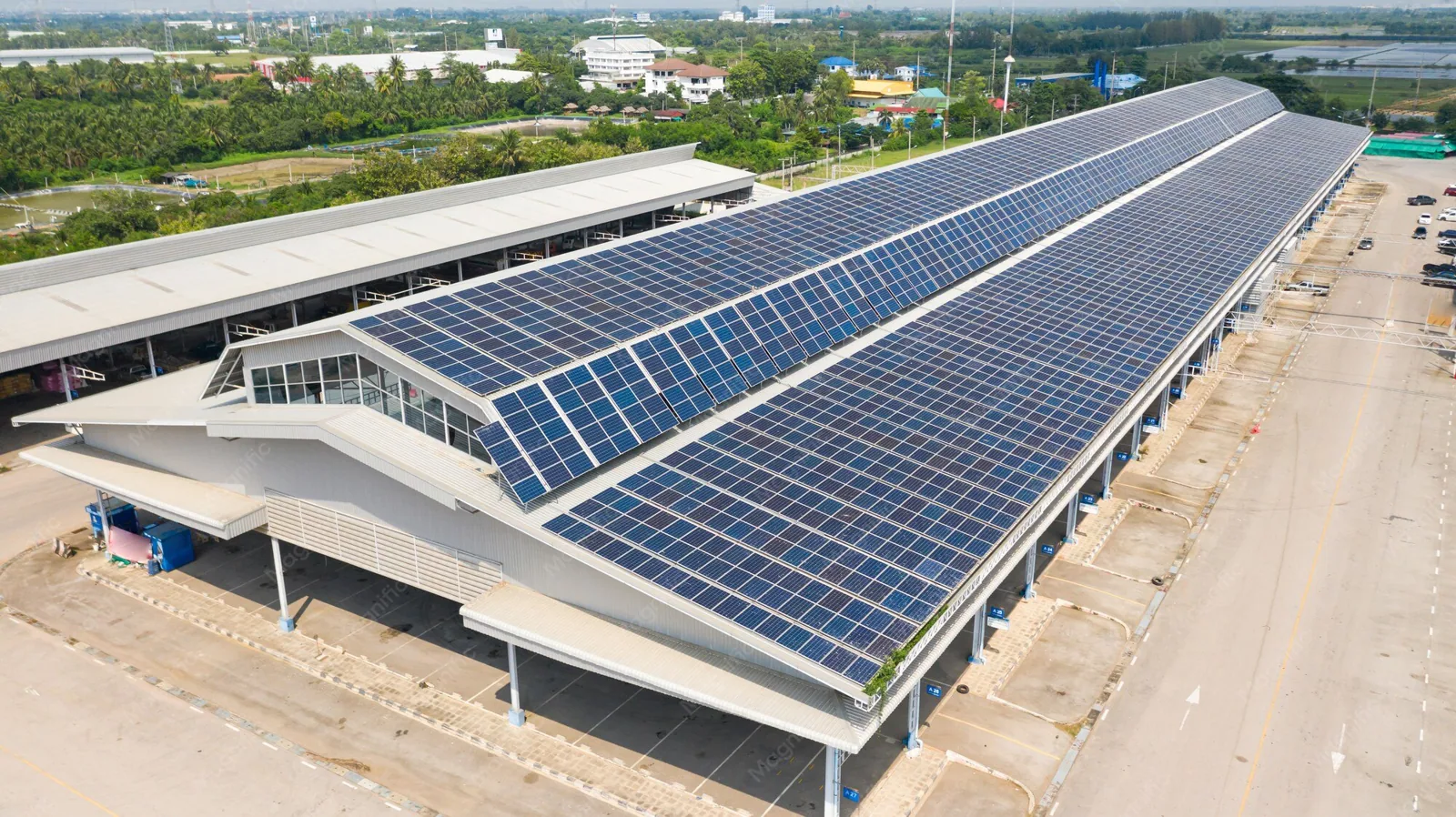
A plant may have multiple additions, so the main field and the newer production wing may not share the same membrane or deck. We inspect seams, panel profiles, attachment, surfacing, coating, and prior patches by zone. A roof system label in an old file helps, but the visible assembly and test findings control the repair material. Do not extend a sample opening's result across a separate addition without a reason to do so.
Moisture can travel below insulation and show up inside away from the entry point. If wet material would change the removal limit, use a targeted test or controlled opening and record where it was performed. We distinguish confirmed wet areas from locations that remain inaccessible. A commercial roof inspection can map seams, penetrations, drainage, and visible substrate changes. A warehouse roof plan may share equipment and staging issues, while a data-center roofing assessment focuses on continuity and service access around critical systems. The roof itself sets the correct scope.
Account for Conroe heat and storm interruption
Conroe's climate station at Lone Star Executive Airport records local monthly conditions. Regional July and August average highs at Houston Intercontinental are about 94.5 and 94.9 degrees. Roof surface conditions can differ, so we plan safe access and material work around readings at the building and the selected product's limits. Humidity and sudden rainfall also affect cleaning, adhesion, and the time an opening can remain exposed.
The October 23, 1997 storm outbreak included an F0 tornado over Conroe and another tornado along Highway 105 near Cut and Shoot; the airport station recorded a 57 mph southerly wind during the first storm. Those facts describe a regional event, not damage at a particular plant. If a facility reports storm effects, inspect the actual panels, edges, seams, exhaust flashings, and drains. The drainage path matters when intense rain reaches the roof. A Conroe Park North site visit still starts with the specific building, roof zone, and operating schedule.
Control dust, debris, and interior exposure
Removal can release dust, insulation fibers, fasteners, or fragments of old membrane. The job plan should identify how debris is captured, where it can be lowered, and how the interior production area is protected. If a roof opening sits above a clean or controlled room, confirm the facility's entry and housekeeping requirements before the first cut. We set a contained work zone, then check the weather-tight surface before the crew leaves. Give the facility contact a short end-of-shift summary naming the work area, barriers still in place, and the roof condition above the process zone. Confirm when the area can return to normal use and who will receive any follow-up report.
Manufacturing sites may also have forklifts, cranes, or overhead equipment below roof work. Coordinate any overhead restriction with the supervisor and confirm who signals that equipment can return to service. If another trade has a duct, line, or machine change underway, agree who owns the final flashing interface. A written handoff prevents a roof penetration from being left between trades. When an unexpected layer or damaged deck changes the opening, pause, protect the area, and obtain approval for the revised boundary before continuing.
Compare a local repair with plant-wide renewal
A single failed curb or seam can support a focused repair when nearby material remains stable. Repeated leaks, widespread moisture, loose attachment, or deck deterioration can require selective removal or a larger replacement. We identify how much of the roof was inspected, where testing occurred, and what remains hidden. A recover option needs a dry, attached assembly and correct transitions at drains, edges, and equipment. Replacement needs a sequence that keeps production areas protected while the roof is open.
Project timing and cost depend on process windows, equipment access, roof height, testing, removal, interior containment, and weather protection. The replacement scope should show work zones and tie-ins; a repair proposal should say what conditions would require more removal. NorthStar Industrial Park's listed building inventory includes manufacturing and assembly space as well as warehouse and office areas, but those descriptions do not identify a particular roof's condition. Use property-specific photos and records for capital planning. Closeout captures materials installed, zones restored, testing limits, and any follow-up task that can be scheduled around the next production window.
Commercial Roofing Questions
Can roofing work continue while a production line runs?
Sometimes. The site contact identifies process limits, overhead protection, equipment access, and safe work windows. The roof sequence then defines which zones can remain active.
What happens if roof removal reveals a different assembly?
We protect the opening, document the new layers, and confirm the revised work boundary with the authorized facility contact before expanding removal.
Do equipment vendors need to be involved?
When a unit, vent, conduit, or support needs movement or shutdown, we coordinate the roof interface with the vendor responsible for that equipment.
How do you manage roof leaks above controlled areas?
We map the affected room and roof zone, agree on containment requirements, and define temporary protection before removing material over sensitive operations.
When is plant roof replacement more practical than repair?
Broad moisture, repeated detail failures, weak attachment, or deck damage can make renewal worth comparing. We identify confirmed conditions and unresolved testing first.
Related Roofing Work