24/7 Commercial Emergency Roof Repair in Conroe, TX
Get 24/7 commercial roof emergency response in Conroe for active leaks, wind damage, and storm openings, with safe temporary protection and repair planning.
Water is entering now, so the first job is to protect people and the building. We take emergency commercial roofing calls around the clock, including nights, weekends, and holidays. The response starts with the conditions on site: where water is entering, whether anyone faces an electrical or structural hazard, and what roof access is safe. In Conroe, intense rain and severe wind can turn a small opening into an interior disruption quickly. We coordinate with the site contact, stabilize the affected area, and set a path to permanent repair. A leak above offices in Downtown Conroe needs a different below-roof protection plan than a damaged loading bay along the I-45 and Loop 336 corridor.
Protect People First
Before anyone goes onto the roof, we confirm whether there are downed lines, standing water near electrical equipment, fire damage, unstable ceiling materials, or active severe weather. Building staff should keep people away from wet electrical systems and any area where ceiling materials may fall. Do not send an employee onto a wet roof to locate the opening. Metal panels, membrane, ladders, and access paths become more dangerous in wind and rain.
We ask the caller for the building address, roof access point, water entry location, affected equipment or operations, and a site contact who can coordinate entry. If the leak is above a critical room or production area, move contents only when it is safe and keep a clear route for responders. Those details help us prepare the right equipment and decide whether a roof visit can proceed safely or must wait for the weather to pass.
First Response Steps
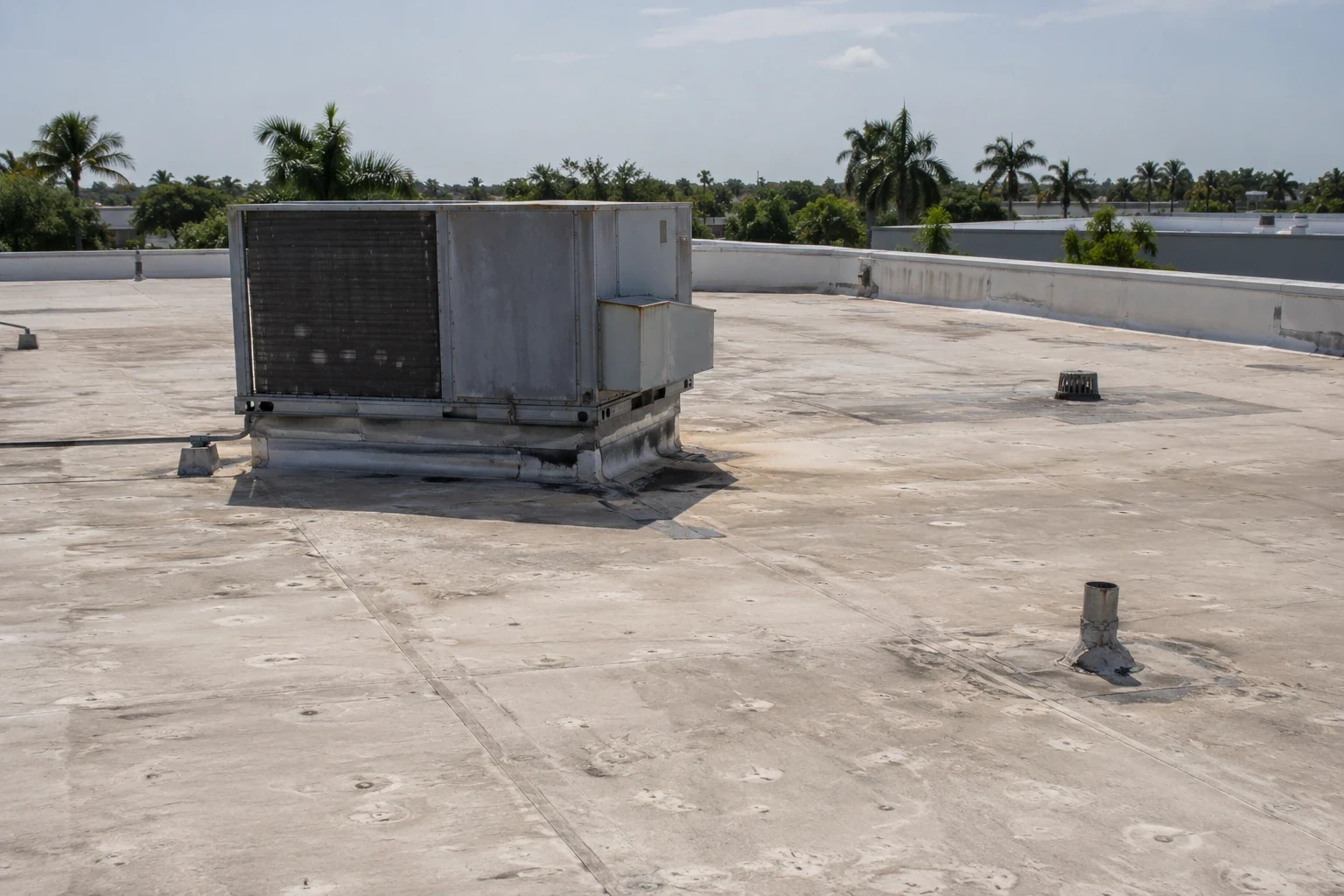
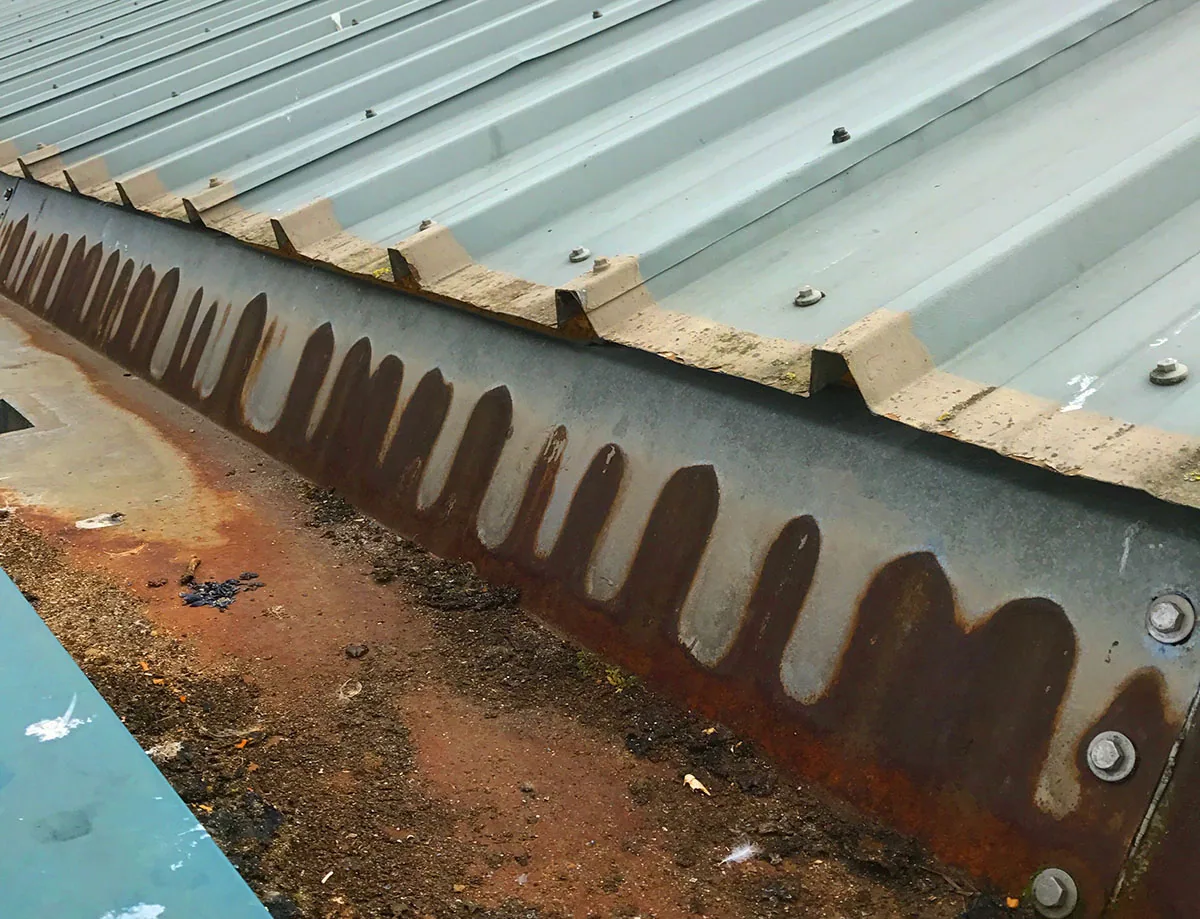
Once site conditions allow access, the crew looks for the opening and the path water is taking. We inspect seams, edge metal, rooftop equipment curbs, skylights, drains, and nearby wall transitions. A visible ceiling drip can be far from the roof defect, so the interior report and roof layout are compared before temporary protection is placed. We document the affected area and distinguish new storm damage from an older defect when the evidence supports that difference.
If water continues to enter, we use a temporary dry-in or tarp suited to the roof and conditions, then secure it for the forecast and wind exposure. The method has to avoid trapping water, blocking drainage, or creating a loose edge that becomes another hazard. We explain what is protected, what remains exposed, and how long the temporary measure should be monitored. The next step is a permanent repair scope once the surface and materials can be handled safely.
Conroe Storm Conditions
Conroe's weather history shows why a storm call needs a disciplined roof check. On October 23, 1997, an F0 tornado crossed Conroe and another passed near Cut and Shoot; southerly winds at the airport reached 57 mph. Hurricane Harvey also drove Lake Conroe to record pool elevations and a record release that contributed to downstream flooding in Montgomery County. These are regional conditions, not proof of damage at a specific building; the crew still verifies the roof and the interior.
After wind, we inspect metal edges, membrane terminations, curbs, and any corner or perimeter area that may have lifted. After heavy rain, we check drain bowls, scuppers, overflow openings, and low transitions for restrictions or backup. If hail is reported, we look for direct evidence on roofing and rooftop equipment rather than treating the report as a claim conclusion. For follow-up work, storm damage repair provides the broader inspection and permanent repair path.
Working While the Building Is Open
Emergency protection often happens while staff, tenants, or customers remain in the building. We coordinate a work zone below and a controlled path above, then keep doors, loading lanes, and fire access clear. If a room needs to be closed, the site contact chooses the boundary and communicates with occupants. We keep the repair area contained and avoid moving materials across active operations without a plan.
On the roof, we limit exposure to the area that can be protected before conditions change. If another storm cell approaches, the crew secures the temporary work and leaves the roof in a stable condition. The site contact receives a direct update about the roof area protected, the condition still exposed, and any action needed indoors. That communication is part of the response; it prevents a temporary measure from being mistaken for a completed repair.
Temporary Protection to Permanent Work
A tarp or dry-in buys time. It does not restore a damaged membrane, rebuild a curb, correct a failed seam, or replace wet insulation. We schedule a closer inspection after the emergency phase, confirm material compatibility, and set the permanent repair boundary. If water entered more than one roof section, readings or selective openings can help establish whether insulation or deck materials need attention before they are covered.
We prepare the repair scope with the actual roof system, affected detail, and weather window in mind. That may mean replacing a membrane patch, rebuilding flashing, resetting drain components, or opening a limited section to remove damaged material. If the roof requires broader attention, we explain the difference between another localized repair and replacement. The manager receives photographs and a written record to coordinate interior restoration and insurance documentation.
What Affects an Emergency Call
Emergency cost depends on response timing, weather, roof access, height, temporary materials, the size of the protected area, and whether the crew can work safely on arrival. Permanent repairs are priced after the roof can be inspected and the affected materials are known. We identify the charge for temporary protection separately from the follow-up repair so the owner can see what the immediate response accomplished.
Keep the roof and interior evidence available. Photos taken from a safe location, the time the leak began, and any weather or building-system changes can help reconstruct the event. We document the roof findings as well. If the event appears to involve wind, hail, or hurricane-related conditions, our claim assistance can organize repair documentation without promising an insurer's decision.
Leave the Site Stable
Before leaving, we confirm that temporary protection is secured, drainage remains open, and the site contact understands what remains to be done. The crew records the conditions found, the location protected, and any known limitation. If weather prevents permanent work, we set the next inspection or repair step rather than implying the emergency scope has solved a problem it could only contain.
After conditions clear, a roof inspection checks the protected area and adjacent details. We can coordinate a permanent leak repair once the source is visible. We compare the new damage with the existing roof condition, then write the permanent repair scope. The manager can use that record to coordinate tenant updates, interior drying, equipment checks, and any claim file. The goal is a safe building tonight and a clear roof repair plan next.
Commercial Roofing Questions
How do we get emergency roof help after hours?
Call any time. We answer commercial emergency calls around the clock and gather the leak location, building access details, site hazards, and contact information. The crew then confirms a safe response plan for the weather and roof conditions.
What should staff do before the roofing crew arrives?
Keep people away from wet electrical equipment and unstable ceiling areas. Move contents only when the route is safe, contain water if practical, and tell the site contact where the leak is active. Do not send staff onto a wet roof.
Will a tarp fix the roof permanently?
A tarp or dry-in protects the building temporarily when conditions prevent a permanent repair. We explain what area it covers, how it is secured, and what remains exposed. A follow-up inspection identifies the repair needed to restore the roof assembly.
Can the crew work during heavy rain or high wind?
Safe access controls that decision. We may protect an interior area or wait until conditions allow roof work. A responder does not climb onto an unsafe wet or wind-exposed roof simply to meet a target time.
What records should we keep after storm damage?
Record when the water entered, the rooms or operations affected, and photographs taken from safe locations. We document roof observations, temporary protection, and the permanent repair scope so the property file shows what was found and corrected.
Related Roofing Work