Commercial Roof Recover in Conroe, TX
Evaluate a commercial roof recover in Conroe by checking moisture, existing layers, drainage, attachment, and the limits of an overlay scope.
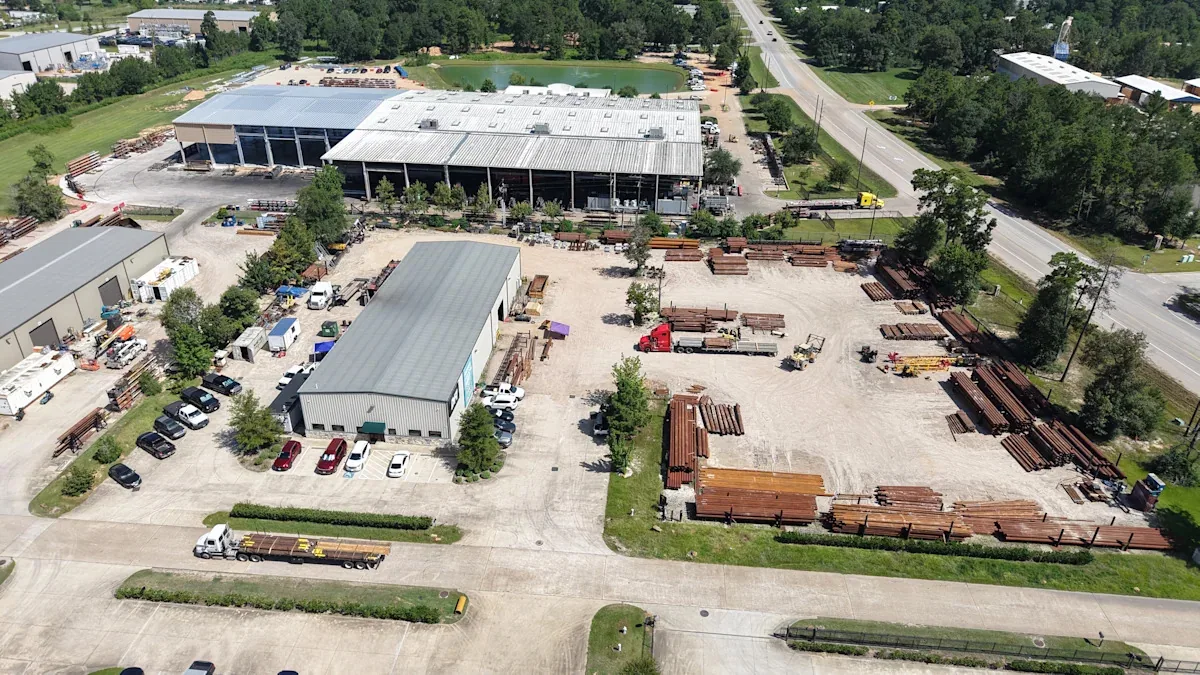
A recover can save tear-off work, but only when the roof below it is dry enough and stable enough to remain. The first question is not which membrane goes on top. It is what the existing assembly will do after another layer changes its weight, drainage, attachment, and heat behavior. We inspect the current membrane, take moisture readings, review repair history, and identify any layer that cannot be left in place. That is especially important on large employment roofs in Conroe Park North and commercial buildings at Valley Ranch Town Center, where a premature overlay can complicate the next repair and disrupt active tenants.
What the Existing Roof Shows
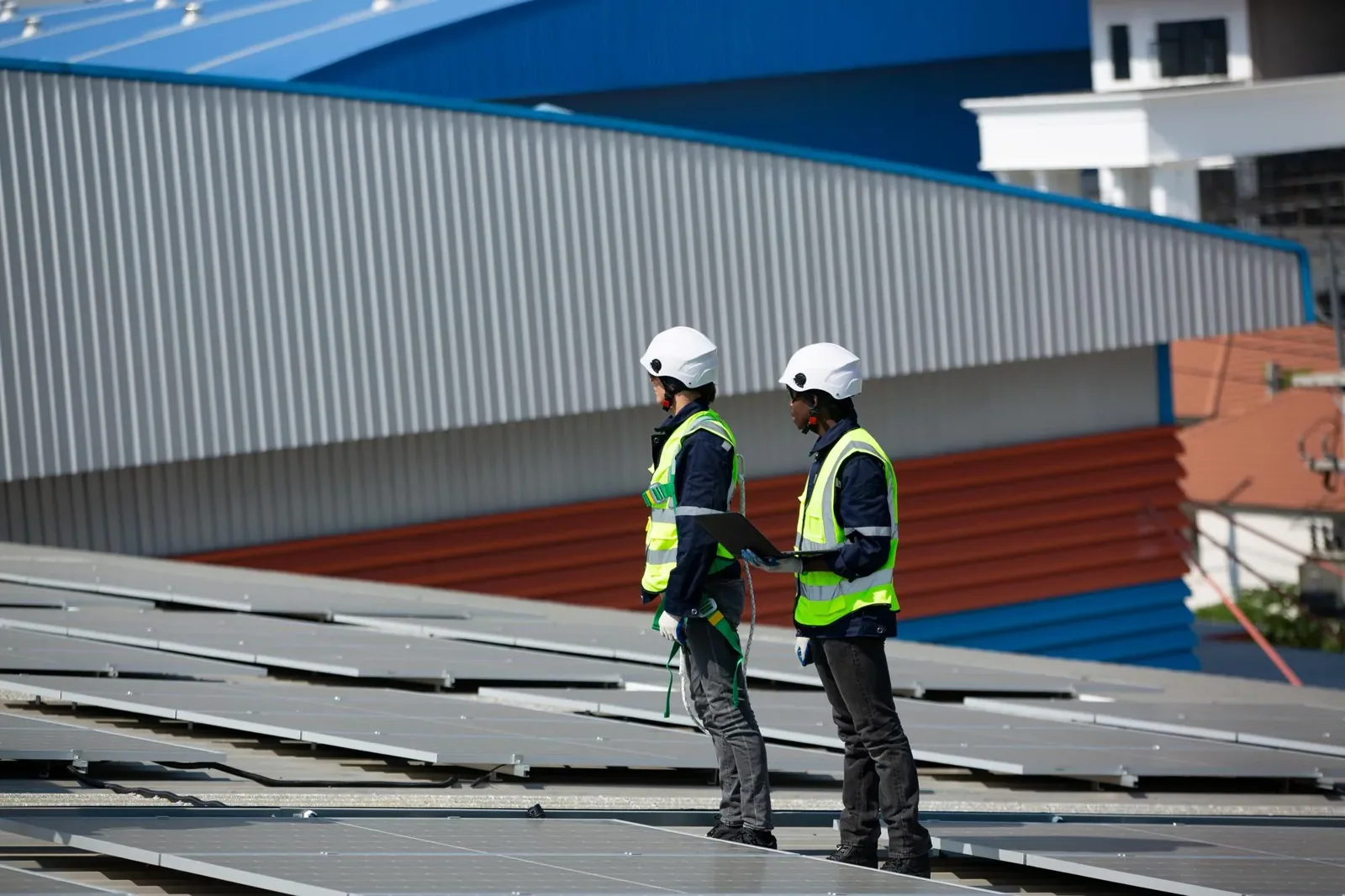
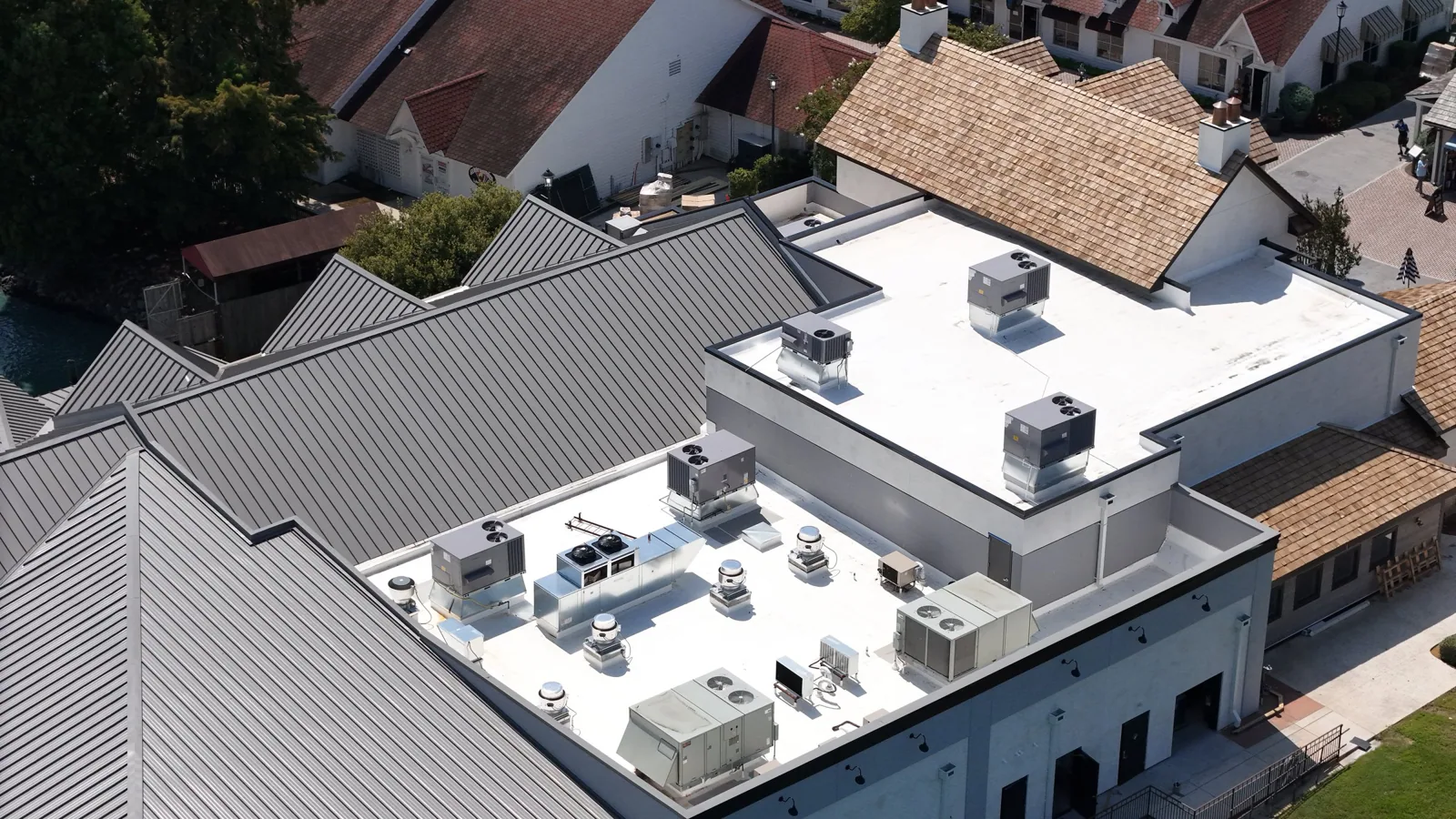
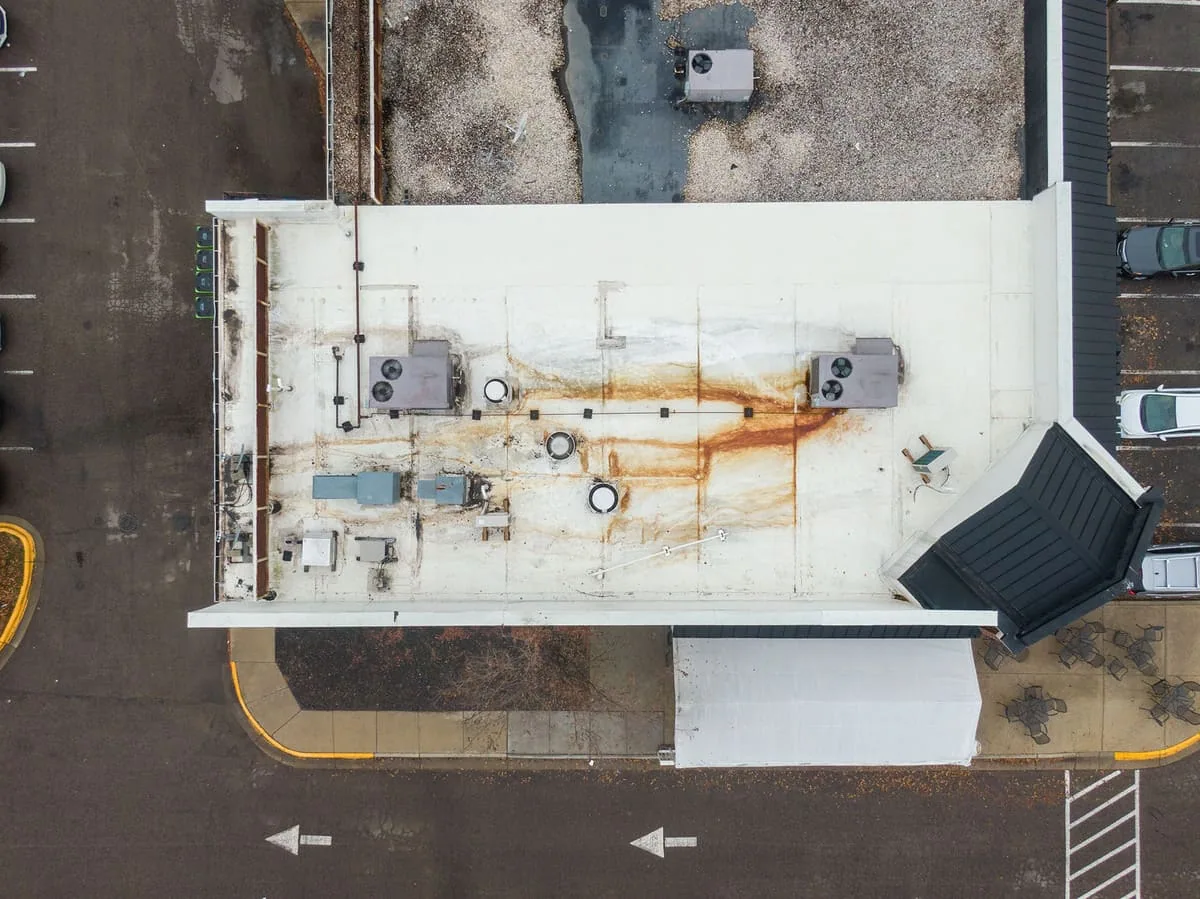
We begin with a roof map. Seams, fasteners, patches, blisters, drains, curbs, wall transitions, and open edges each get a location and condition. Moisture readings help identify areas that need closer review. If the readings conflict with the surface evidence, we may recommend a core cut at a representative location, with the owner's approval, to confirm what the layers contain. A dry-looking membrane does not prove that the insulation underneath is sound.
We also look for evidence that water has traveled beyond the visible leak. Staining around a curb, soft cover board, corrosion at a deck edge, or recurring wet insulation can affect whether a recover remains viable. The inspection is not a pass-or-fail glance. It defines which sections can stay, which need removal, and where uncertainty still needs a test. A written roof condition report lets the manager see those distinctions before the scope is priced.
Moisture Sets the Boundary
Moisture is the limit that an overlay cannot negotiate away. New membrane over wet insulation can trap water, hide deterioration, and leave the deck vulnerable. The added layer may also make future diagnosis harder because the original seam, leak path, and repair history disappear under the new work. We mark suspected wet areas, compare readings with interior evidence, and separate confirmed removal from optional investigation.
If wet material is limited, a partial tear-off and recover may be possible. If it appears across the roof, a full removal can be more dependable than covering a condition that will continue to spread. The same principle applies to saturated cover board or loose existing membrane: the overlay must have a stable substrate. Our infrared moisture survey can help prioritize where to investigate, while selective cores confirm construction where needed. Neither method replaces a sound opening-up and repair decision.
Layer and Attachment Review
Before approving a recover, we identify the existing roof system and number of layers as accurately as the inspection allows. The deck type, current attachment, membrane condition, and proposed recover system all matter. A new assembly must resist wind forces and stay secure at perimeters, corners, curbs, and transitions. The design team may need to check structural capacity for added dead load and confirm that the existing deck can accept the proposed fasteners or adhesive.
Compatibility matters too. Some materials need a separation layer; some existing surfaces need preparation; some assemblies are poor candidates for direct attachment. The approved details should show how seams, drains, edge metal, and penetrations will connect. We compare TPO roofing, other single-ply systems, and coating options only after the substrate and attachment conditions are clear. A recover is not a shortcut around specification. It changes which surfaces and details must work together.
Heat, Rain, and Drainage
Conroe's heat makes movement part of the recover check. Membranes and metal details expand when their surfaces heat up and contract as they cool. A weak seam or brittle flashing can move again under a new layer if the underlying defect is left untouched. The regional normal high at Houston Intercontinental is close to 95 degrees in July and August. That is a nearby climate indicator, not a reading from a specific building, but it reinforces why attachment, seams, and work timing deserve attention.
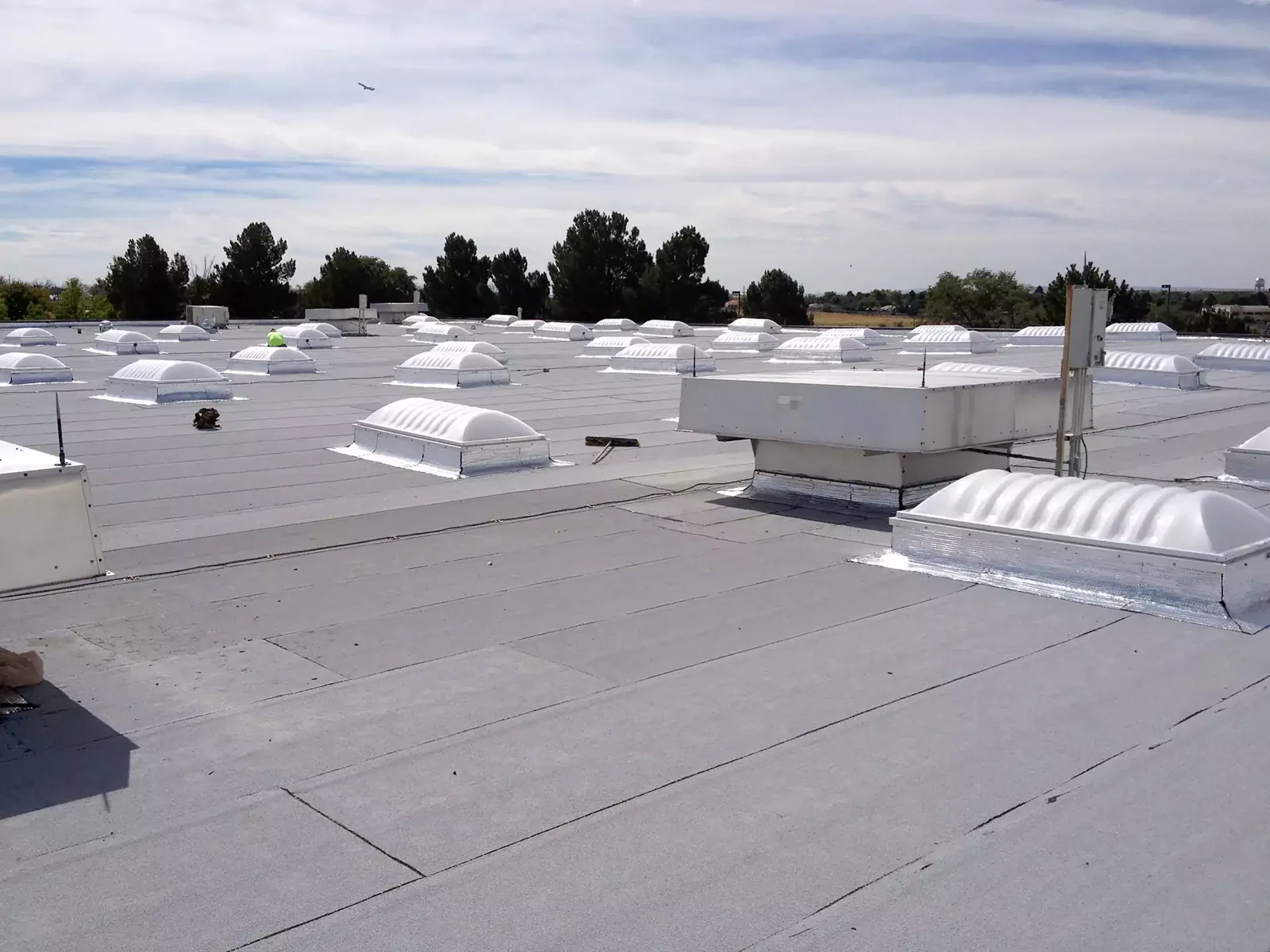
Rain exposes drainage defects. Before an overlay, we check drain height, overflow paths, scuppers, and existing low spots. A new layer that raises the finished surface can leave a drain too low or create a new water pocket unless the details account for the change. The roof should drain as a complete assembly after the recover. Around the I-45 and Loop 336 corridor, staging and delivery routes also need to be planned so that the work sequence does not interfere with commercial traffic below.
Recover or Remove
The recover scope should state what stays, what is removed, and how the boundary will be confirmed. If a test cut reveals wet insulation or an unstable deck where the plan assumed dry material, work pauses in that section. We show the finding, measure its extent, and price the correction before proceeding. That protects the owner from an open-ended tear-off allowance and prevents the crew from covering an assembly that does not meet the specification.
A full replacement may be the better choice when the roof has multiple incompatible layers, widespread moisture, weak attachment, repeated leaks, or details that cannot be rebuilt at the new height. If defects are isolated, targeted removal and recover can preserve serviceable portions. We compare both options in plain terms: affected area, added load, drainage changes, tie-ins, disruption, and future access. For a deeper explanation of those choices, see commercial roof replacement and the system-specific scope in the proposal.
An Overlay Without Guesswork
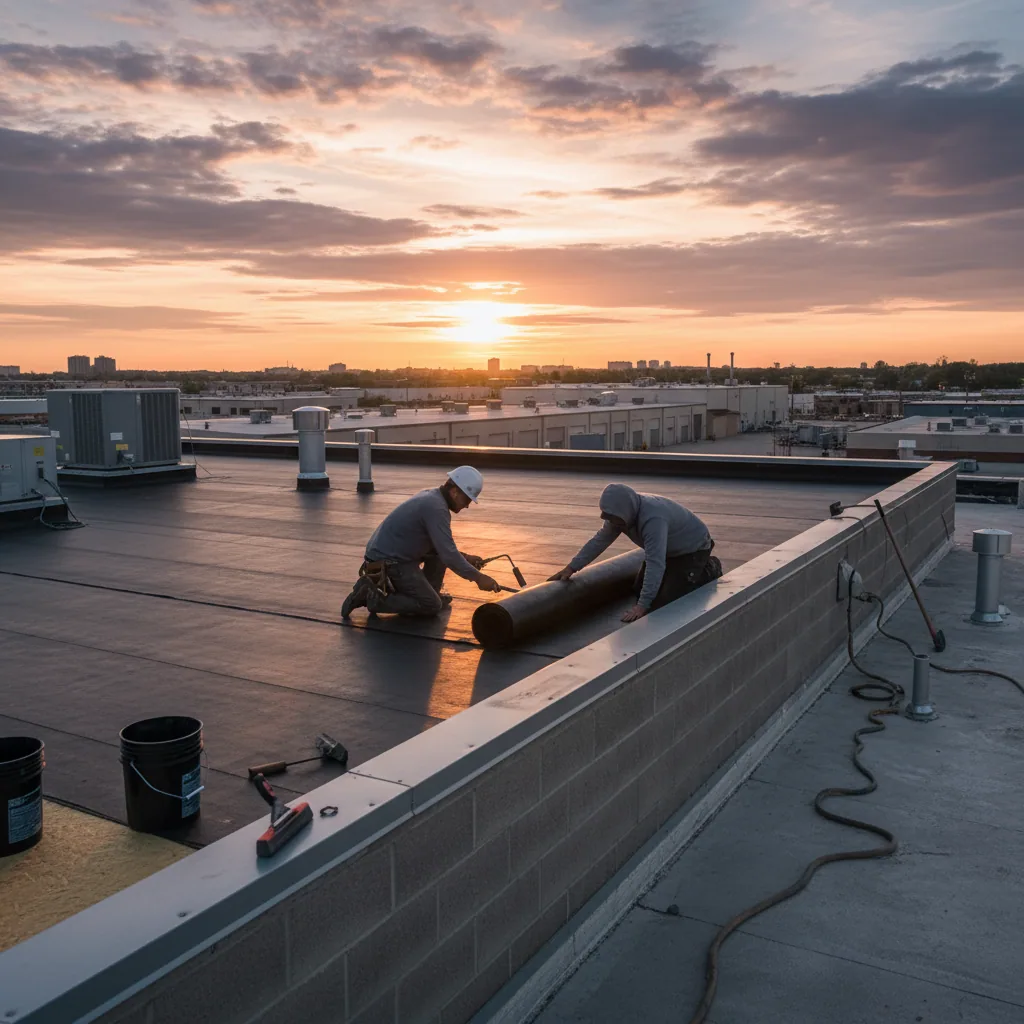
Recover work can reduce tear-off debris, but it still needs an orderly schedule. The manager identifies occupied zones, active loading areas, sensitive rooms, and the hours when access must remain open. We plan material staging, roof access, protection at entrances, daily work limits, and a way to keep drains clear as debris is handled. Each section needs a dependable tie-in before the crew moves to the next area.
We coordinate inspections and approvals before covering the existing roof. That includes confirming the final substrate, checking attachment patterns, reviewing flashing and edge details, and recording any approved deviations. During the project, the manager should receive direct notice when opening a roof section reveals a condition that changes the recover boundary. We finish with a clear account of the materials installed, the sections covered, and the maintenance items that remain. The roof's future serviceability is part of the decision, not an afterthought.
Commercial Roofing Questions
How can we know whether the insulation is dry enough to cover?
Readings and selective openings answer different parts of that question. We map likely wet areas, compare them with interior evidence, and use an approved core cut when the result needs confirmation. Wet materials are removed or otherwise addressed before new membrane covers the assembly.
Does a recover always cost less than a tear-off?
The existing roof determines the comparison. A recover can reduce removal and disposal, but wet insulation, poor attachment, drainage changes, or additional structural review can narrow that advantage. We price both scopes against the same roof map so the owner can compare what stays and what must be rebuilt.
Can we add a second roof layer over the existing membrane?
Layer count, deck capacity, moisture, and code conditions set the limit. We identify existing layers and review the proposed assembly before recommending an overlay. If the current roof already contains multiple layers or the attachment cannot be verified, removal may be the cleaner path.
Will a new membrane correct ponding?
A higher finished roof can change the relationship between the surface and its drains. We check existing slopes, drain bowls, overflow routes, and low areas before setting the recover elevation. Correcting slope or replacing a drain belongs in the plan if the roof cannot move water reliably.
What happens if a test cut finds water after work begins?
We stop covering that section, document the condition, and define the repair needed to reach a sound substrate. The manager receives the location, quantity, and proposed scope change for approval. The crew resumes only after the boundary and tie-in are clear.
Related Roofing Work