Industries We Serve
Conroe, Texas
Industries We Serve in Conroe, TX
See commercial roofing considerations by industry in Conroe, TX, from portfolio planning and facility access to inspections, repairs, and replacement.
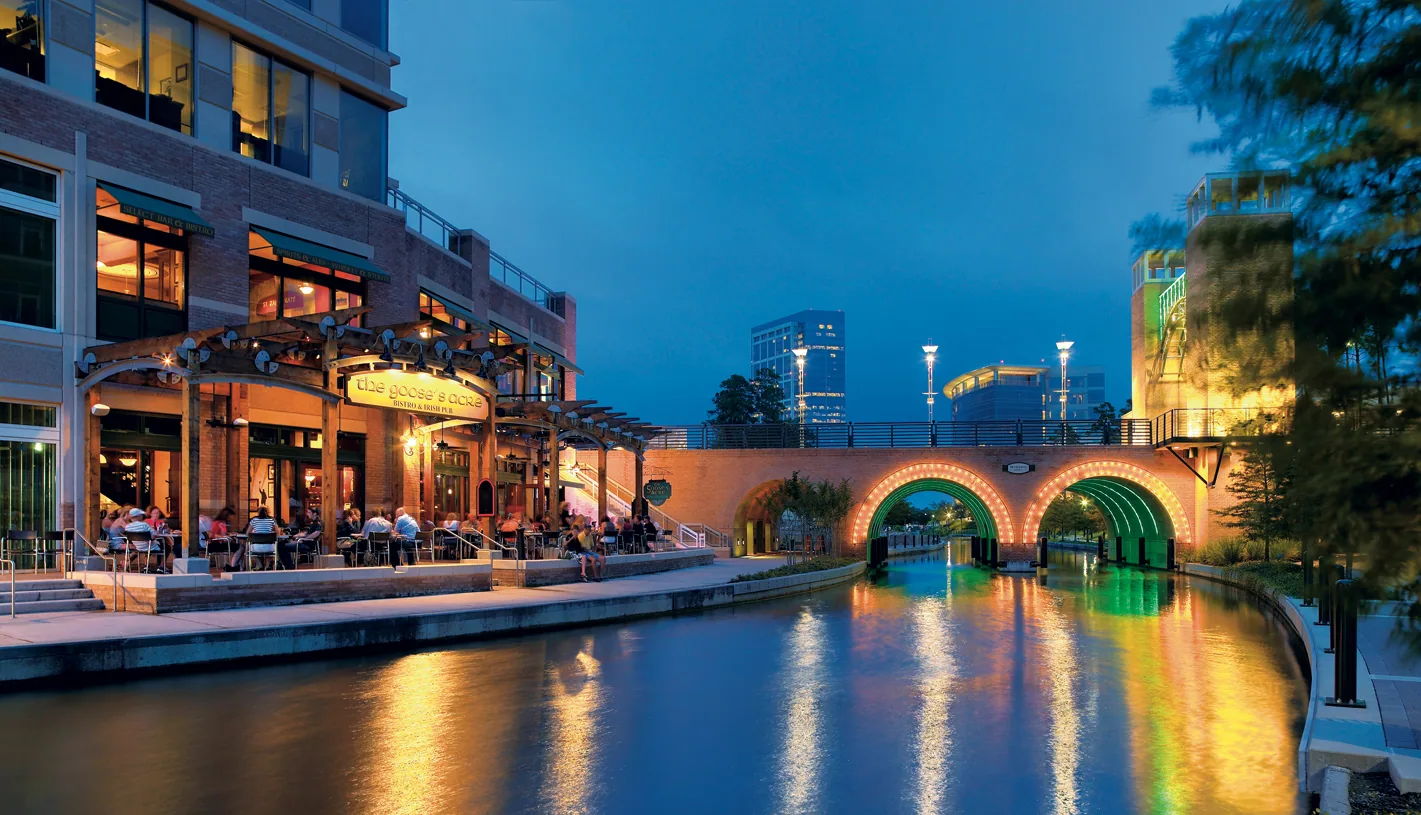
A roof failure costs more than a repair when it interrupts the work below. The right sequence depends on who uses the building, how the site operates, and which areas can be isolated. Conroe’s documented employment mix spans logistics, food processing, medical-device manufacturing, machining, packaging, higher education, tourism, and professional services. We start with those operating needs, then verify the roof condition instead of assigning a system from the industry label.
Owners with More Than One Facility
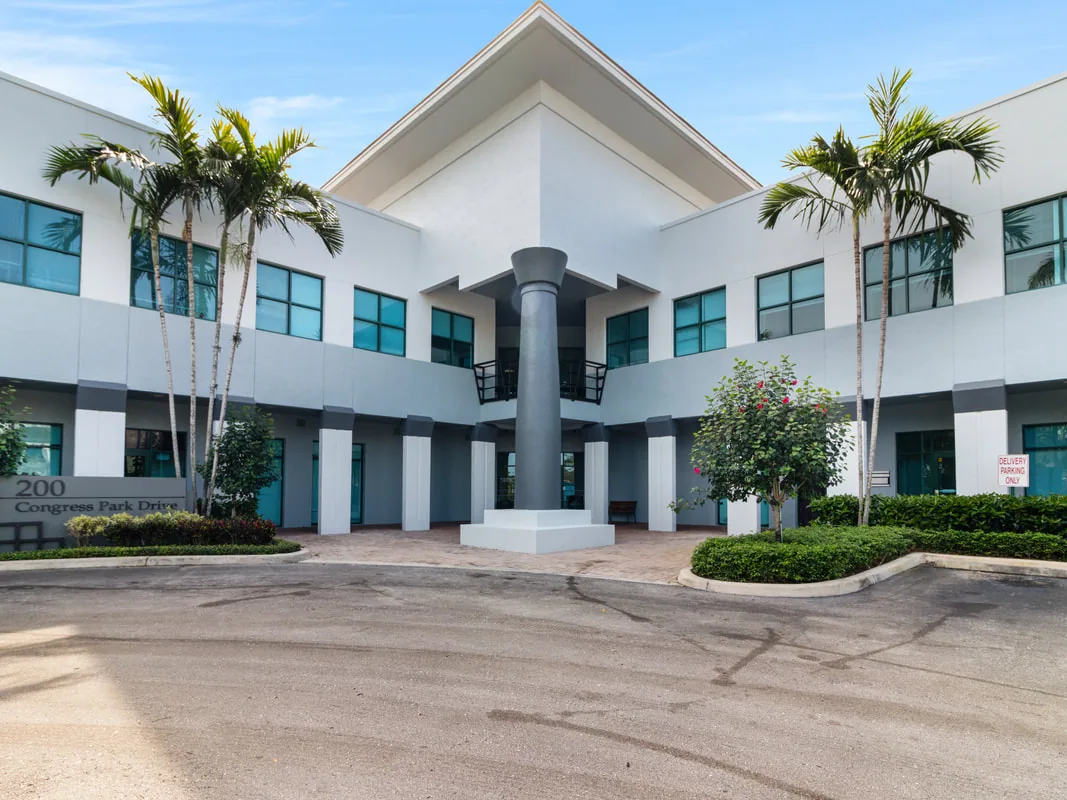
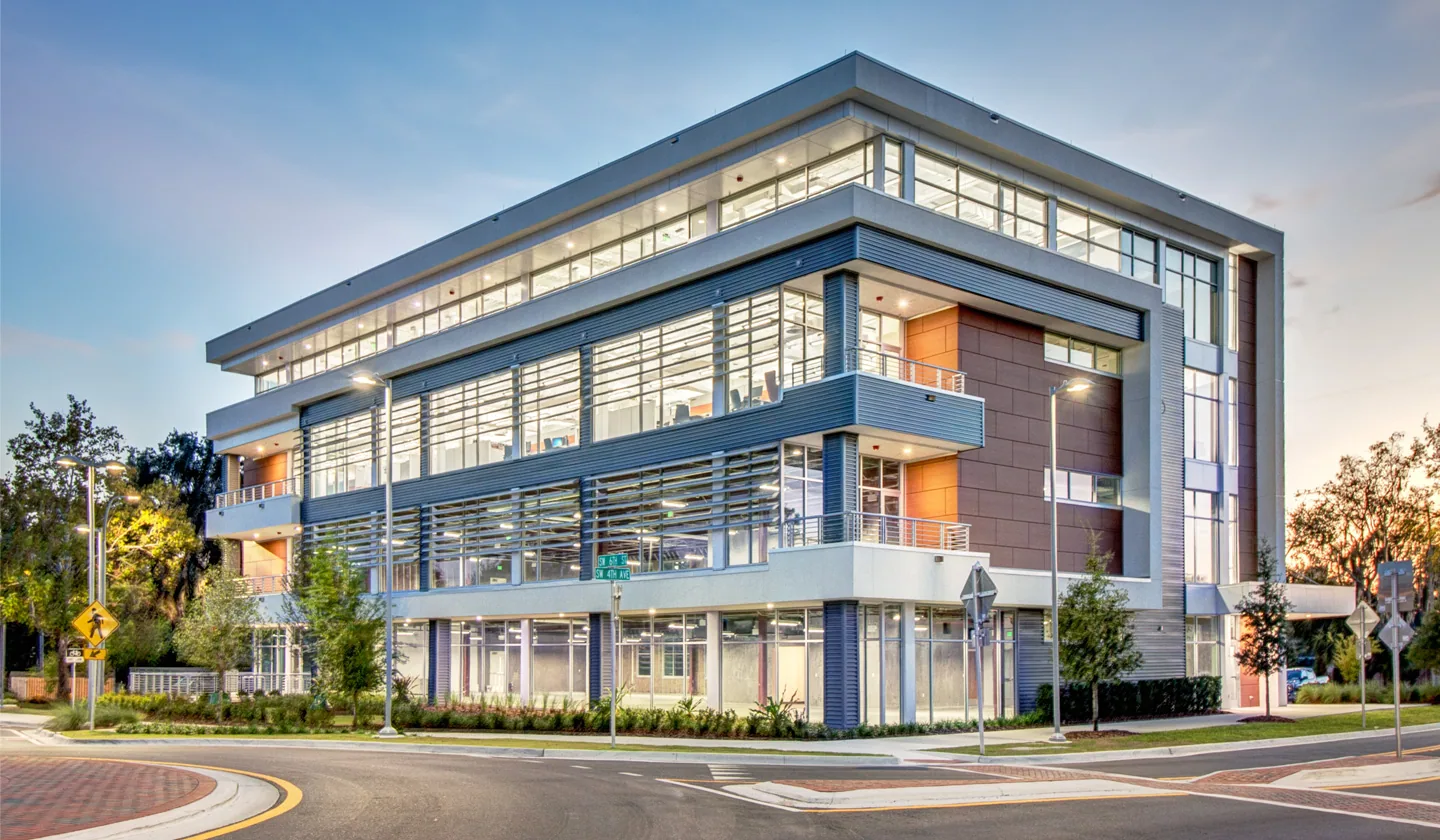
Property managers and investors need a comparable picture across roofs, but each inspection must remain tied to the building visited. Property management companies can coordinate access and records. Real estate investors and REITs can use a condition summary to separate urgent work from longer-range capital items. For portfolios with sites in several markets, general contractors may also need clear scopes and trade coordination.
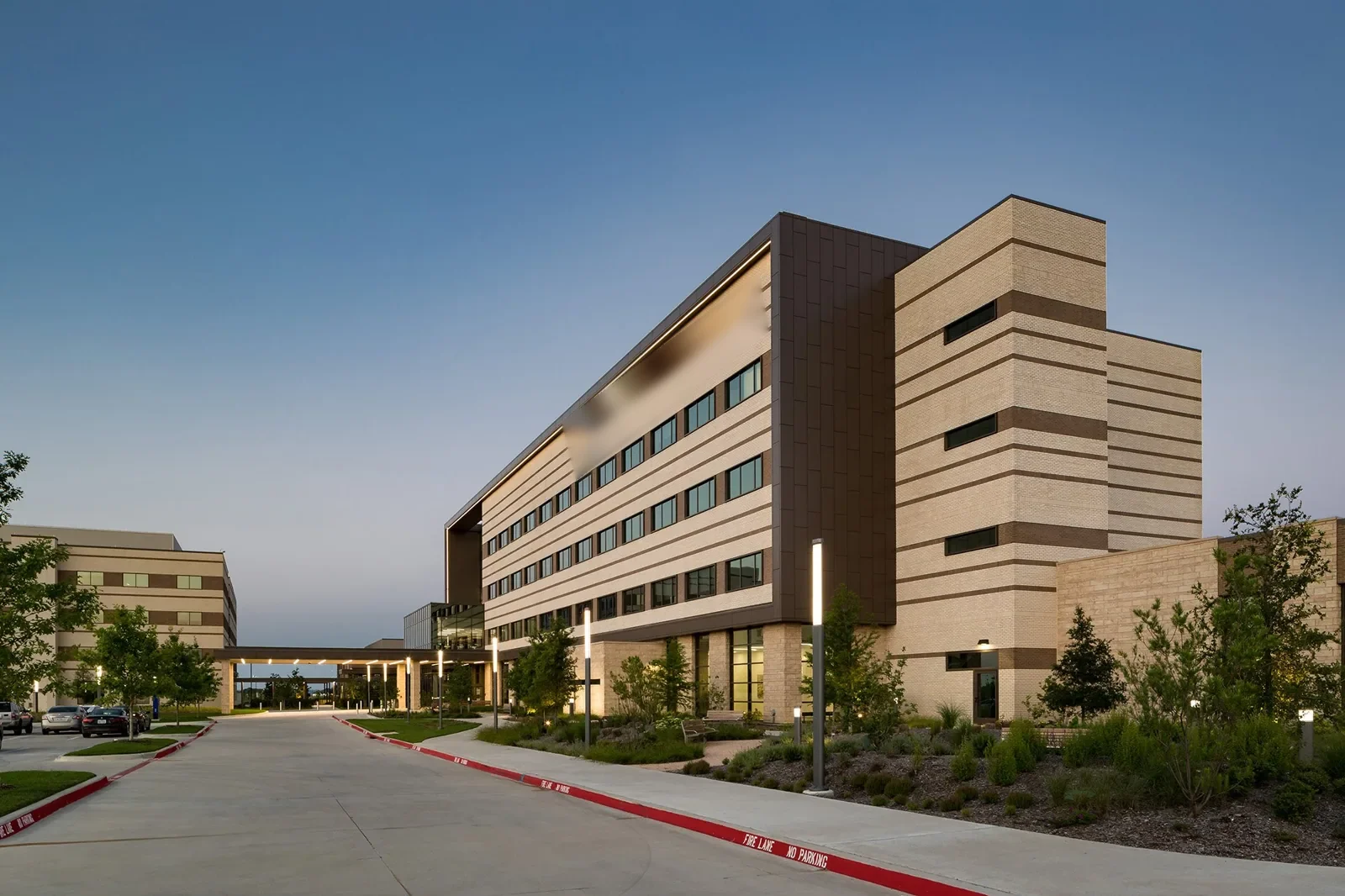
Conroe Park North spans industrial and freight uses, while Deison Technology Park includes life-science employment. Those local examples support the market’s range; they do not prove that buildings share the same roof details or operating calendar.
Keep Production and Service Routes Moving
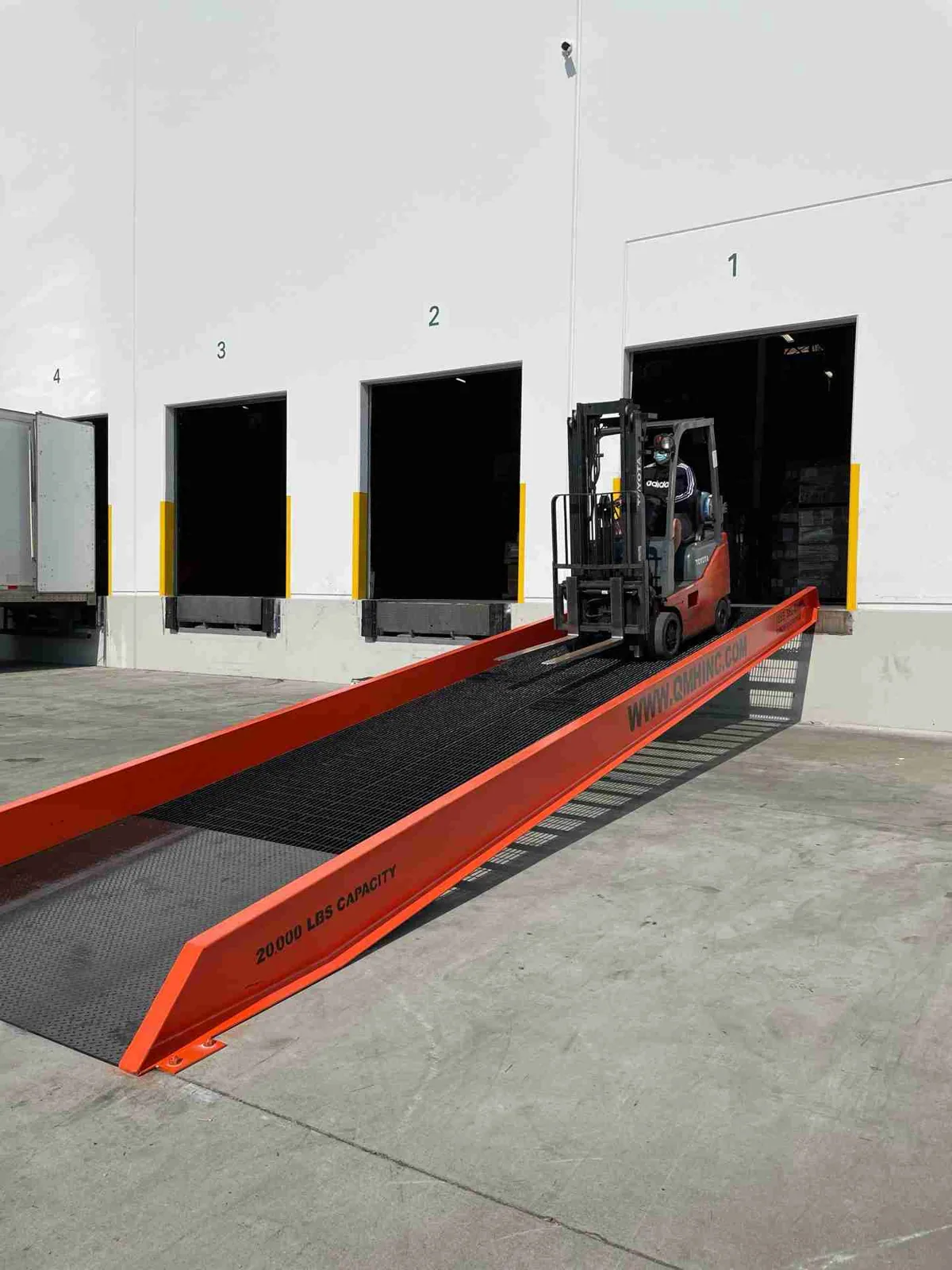
A repair at a manufacturer or distribution operation may need to respect truck paths, equipment downtime, clean areas, or receiving windows. Manufacturers and logistics and 3PL operators can plan with the property contact around those restrictions. We confirm where materials may be staged and how the roof can be closed before the next shift.
Other operators have different constraints. Healthcare systems and school districts may require notice, interior protection, or limited noise periods. We ask what applies to the site rather than assuming requirements from the industry category.
Coordinate Claims, Tenants, and Public Work
After a storm, the owner may need to protect the interior, document visible damage, and separate roof findings from assumptions. Insurance restoration work starts with a condition record and a defined repair boundary. Public owners and public agencies may also need scopes that fit procurement and approval steps. For a retail or hospitality property, retail and restaurant chains can coordinate site-specific access while keeping brand-wide records consistent.
Build the Plan from the Roof Walk
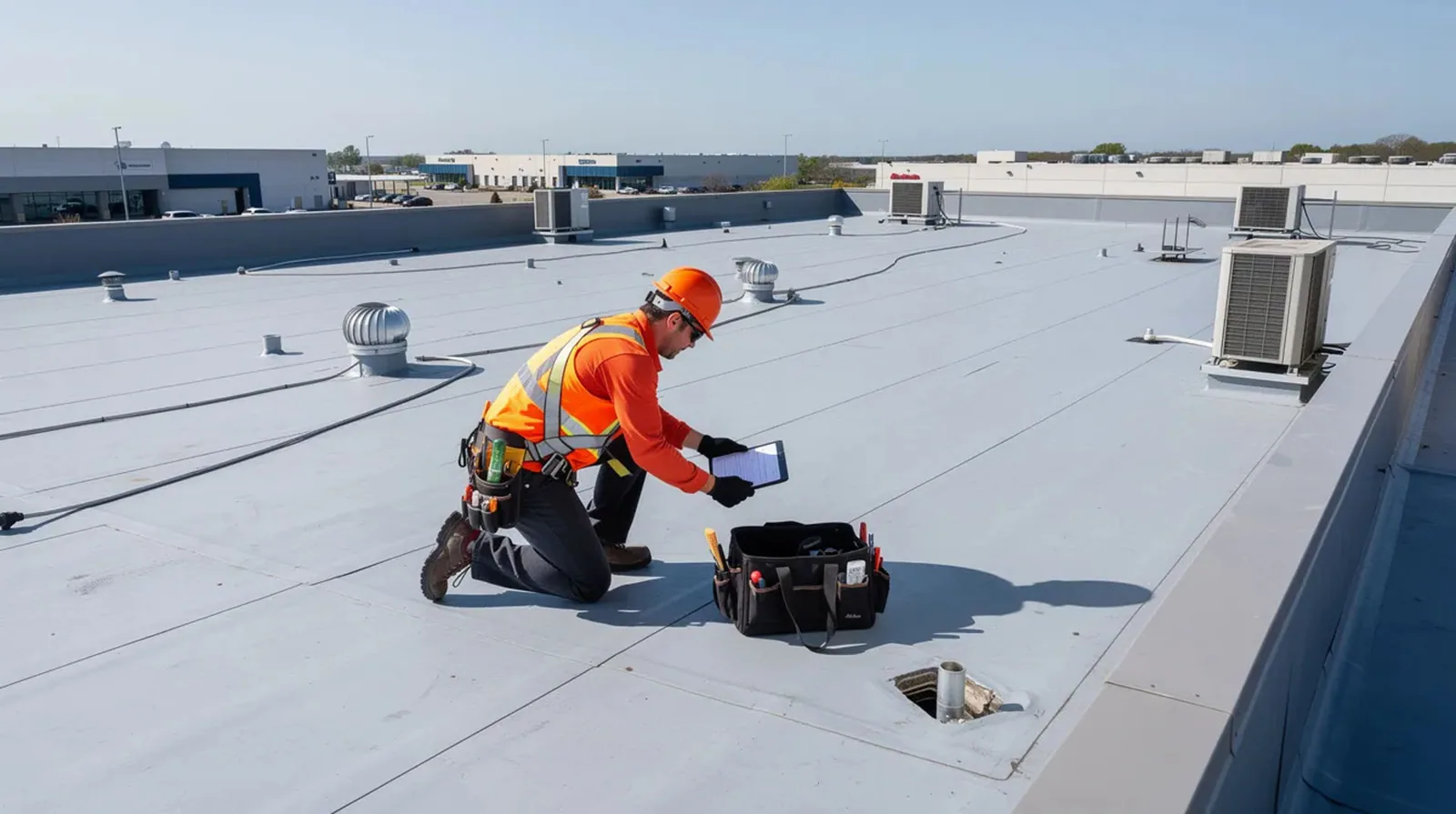
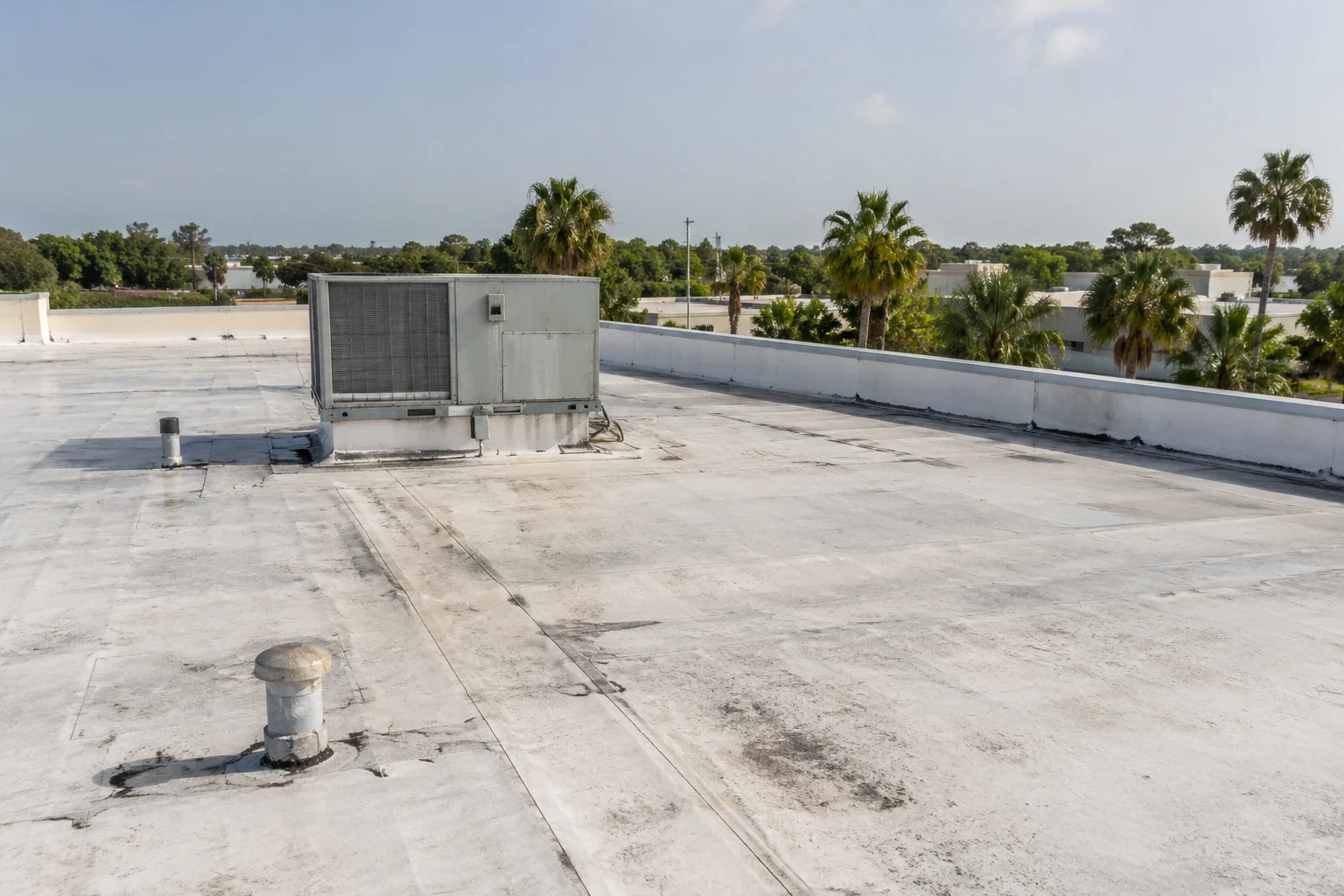
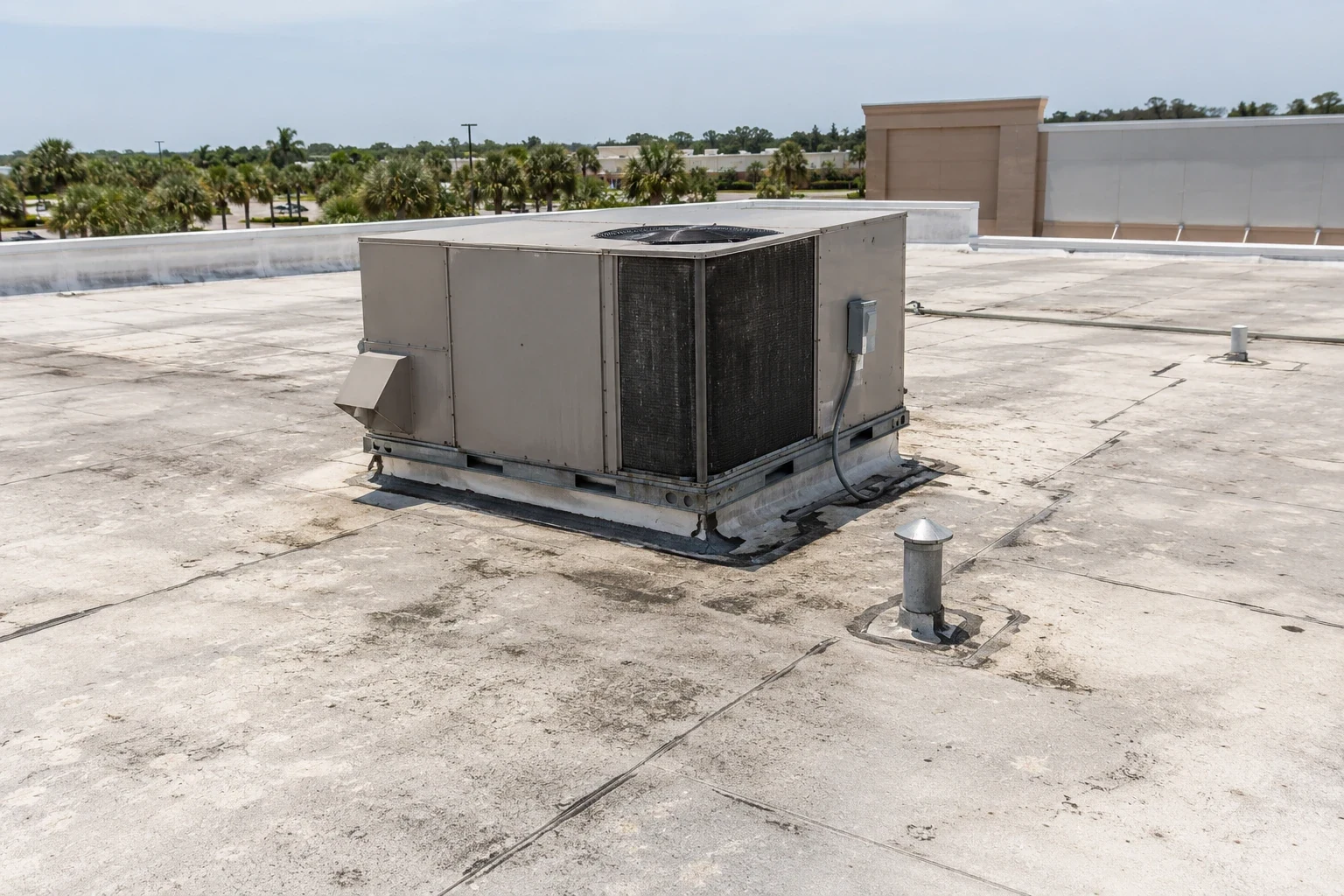
We record the assembly, drainage, penetrations, edges, visible moisture, and access limits. The result is a scope grounded in observed conditions, with testing noted where concealed layers remain uncertain. Share the building, business schedule, and affected area to choose the right inspection or repair next step.
Commercial Roofing Questions
Can one inspection standard work across an entire portfolio?
A shared reporting format can help compare sites, but the findings remain specific to each roof. Assembly, access, moisture, and repair boundaries need to be verified building by building.
How can a facility reduce disruption during reroofing?
Start with work hours, equipment limits, loading routes, sensitive interiors, and daily closeout. We use those constraints to sequence roof zones when safe tie-ins allow phased work.
What should an owner document after a severe-weather event?
Record the date, affected interior areas, visible roof details, temporary protection, and photographs tied to locations. An inspection can then separate observed damage from conditions that need testing.
Do industry pages assume what roof system a facility uses?
No. Industry context helps identify operating questions, but roof material and condition come from inspection. We verify the system before proposing compatible repairs.