Commercial Roofing for General Contractors in Conroe, TX
Coordinate commercial roofing scopes in Conroe with clear interfaces, roof access, weather windows, closeout records, and building-specific repair limits.
A roofing scope can become the schedule hinge when a general contractor is sequencing mechanical work, interior closeout, and envelope repairs. The roof detail must be clear enough for each trade to work without assuming the next contractor will solve an unmarked condition. Conroe Park North sits along FM 3083 about two miles east of I-45 and includes manufacturing, freight, warehousing, food processing, and other employers. That mix brings varied roof penetrations and access needs, but the building walk, drawings, and field conditions set the actual scope.
Mark the roofing limits before trades overlap
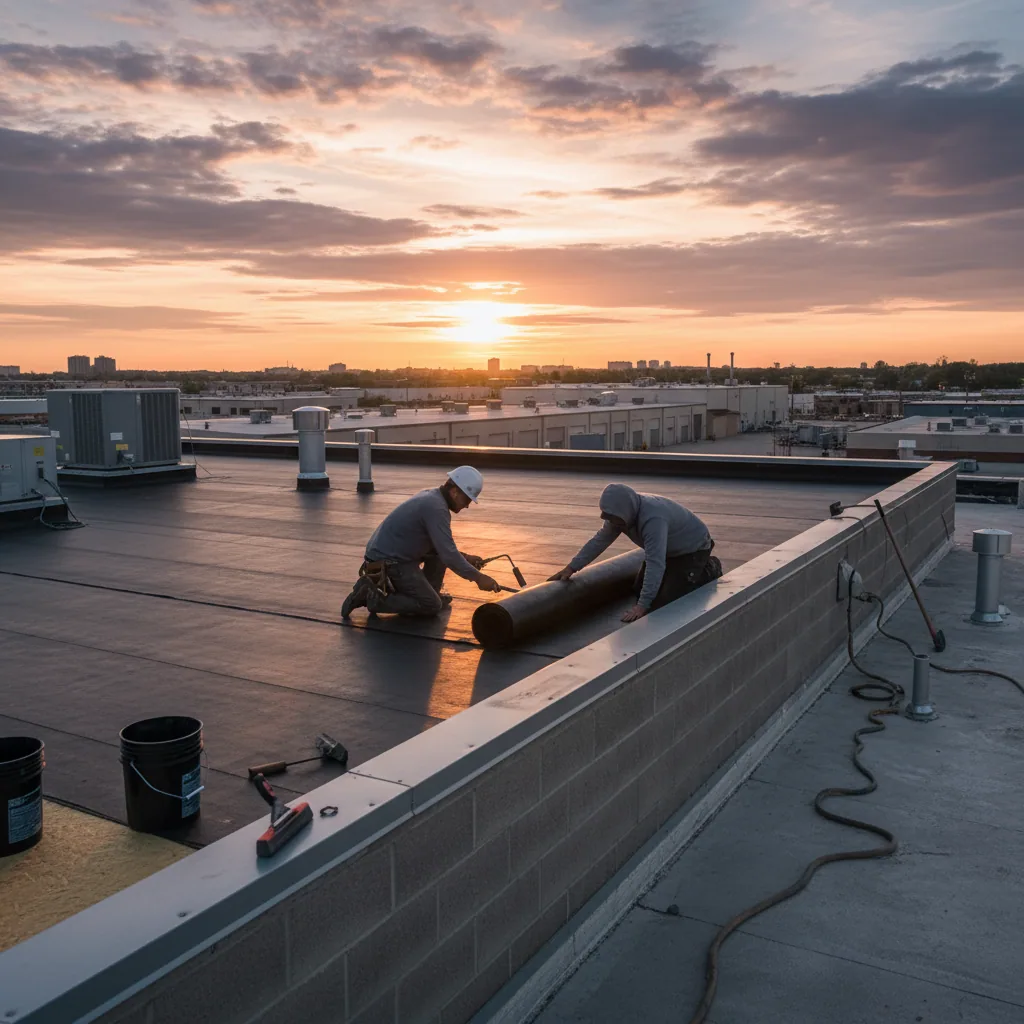
Start with the roof zone, assembly, transition, and responsible trade. A roofer may own the membrane and flashing while an HVAC contractor owns the unit, curb modification, or controls. The bid documents should show where those responsibilities meet, who provides temporary protection, and who restores the roof after another trade opens it. We compare the drawings with accessible conditions and note any conflict before the work sequence makes it expensive to resolve.
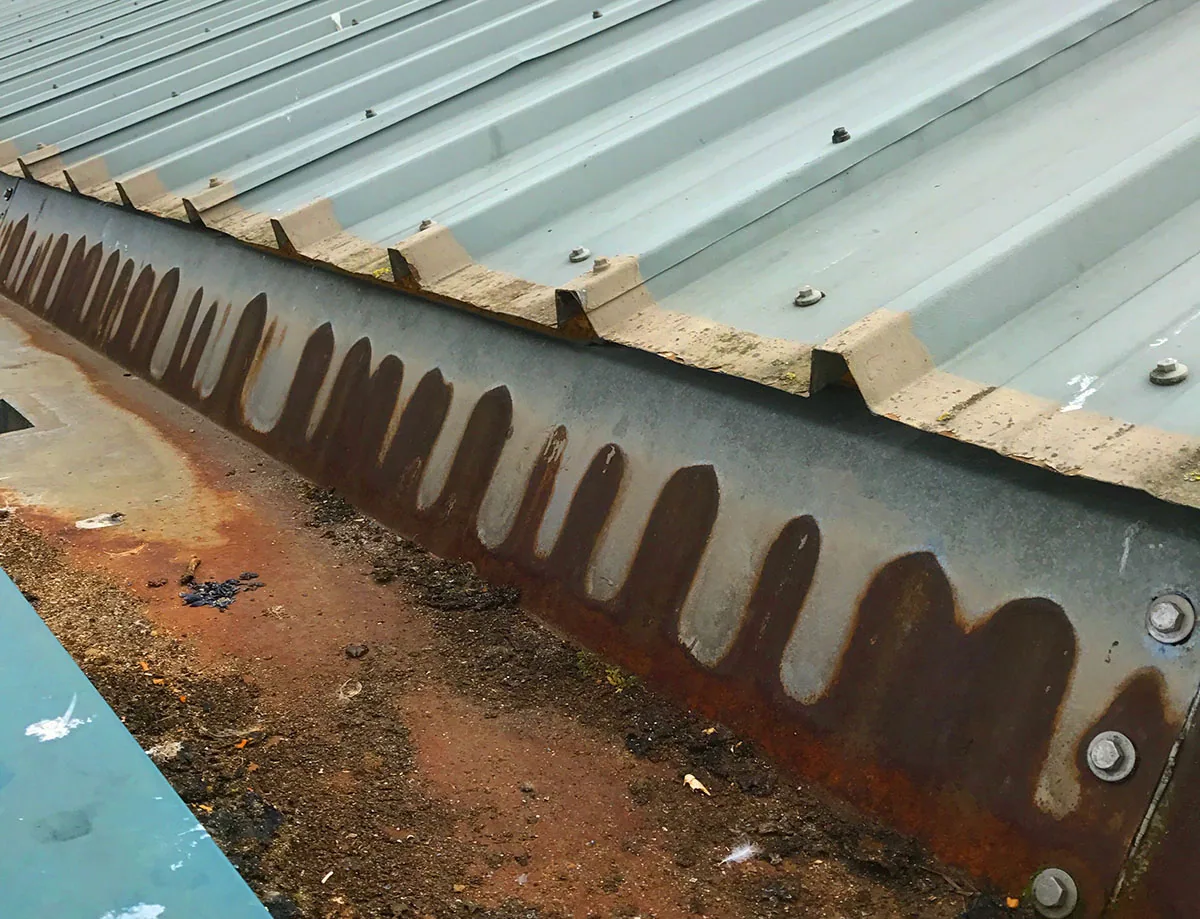
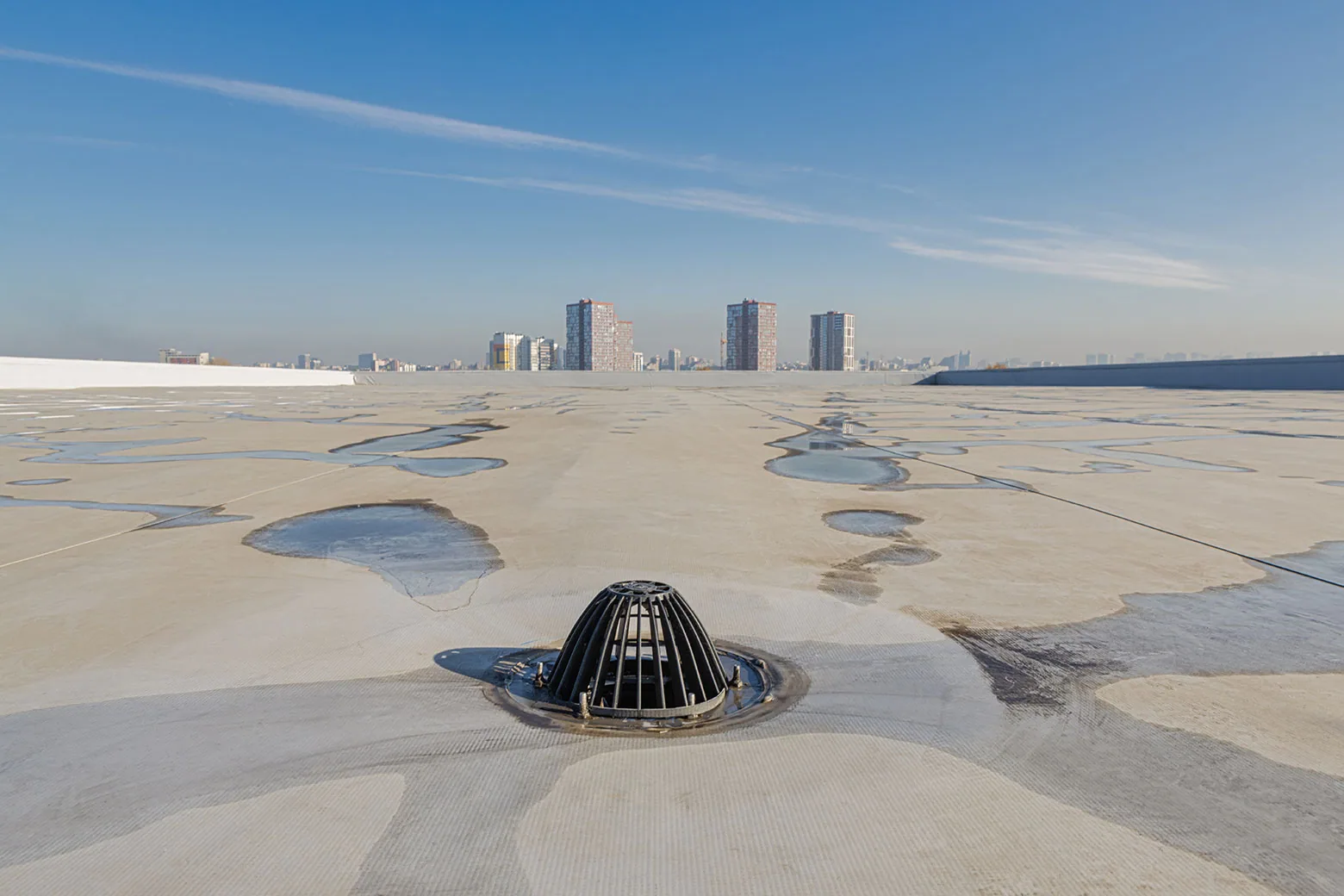
A preconstruction roof inspection can record seams, drains, edge metal, existing patches, and penetrations before mobilization. A photo keyed to a roof plan is more useful than a general note that the area is deteriorated. Property managers can help confirm occupied-space limits and access authority when the project is in an operating building. The contractor retains one current scope register so a field question does not turn into competing verbal directions.
Let rain and heat set practical work windows
Conroe work has to account for hot roof surfaces and heavy rain. Nearby Houston climate normals show average highs near 95 degrees in July and August, a regional indicator of long summer heat exposure. An October 1997 tornado crossed Conroe; another track passed near Cut and Shoot along Highway 105. Those events do not establish damage at a current project; they are reasons to keep weather protection and a safe shutdown plan in the sequence.
Before a membrane is opened, confirm forecast limits for the chosen materials, the area that can be dried and closed in one shift, and how water will move if a storm interrupts. In a multi-trade schedule, roof openings should be coordinated with interior protection and material delivery. Occupied-building phasing can help separate the active roof area from finished space below. The site superintendent should know who can stop work when conditions change and who verifies temporary dry-in at the end of the shift.
Coordinate curbs, penetrations, and drainage
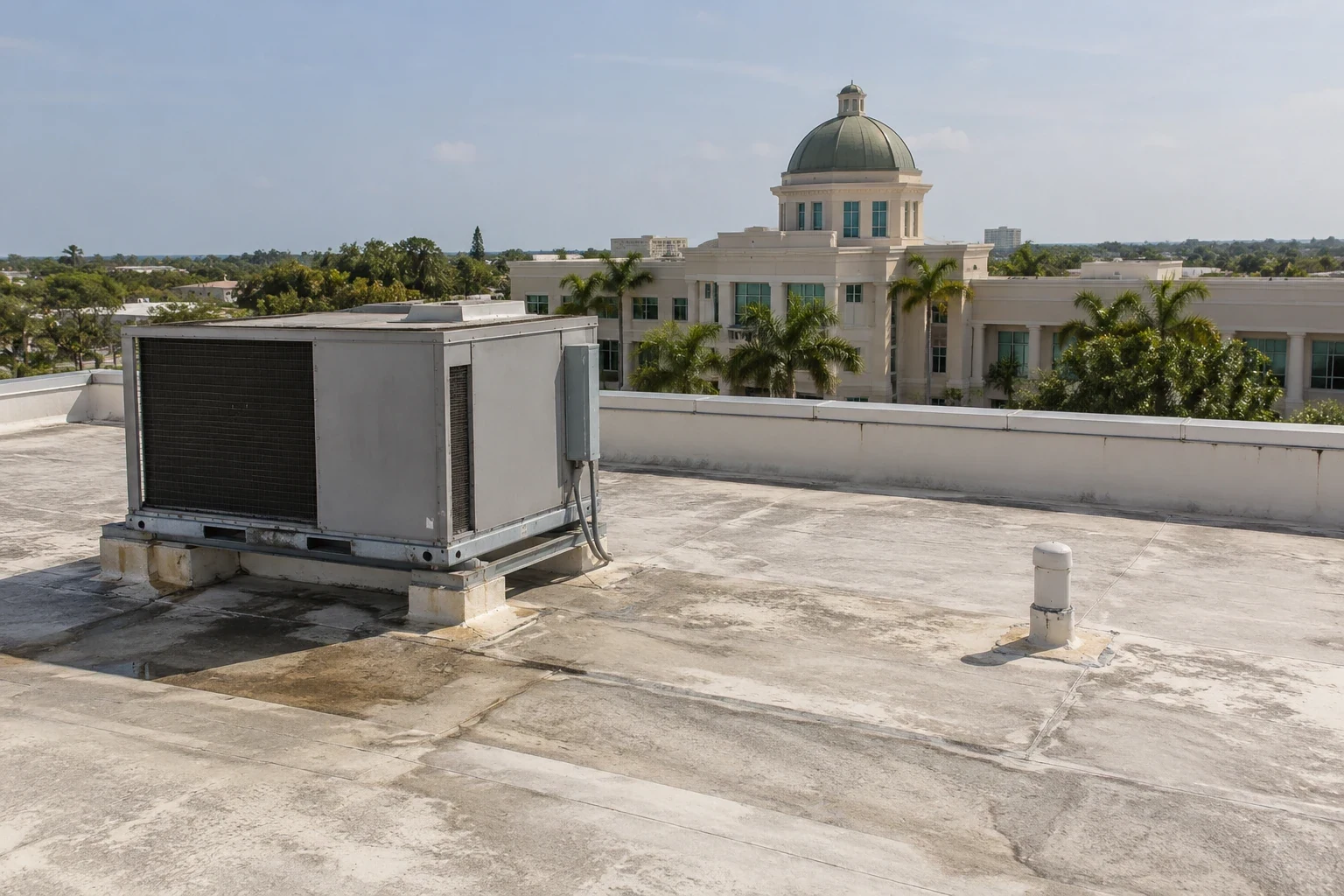
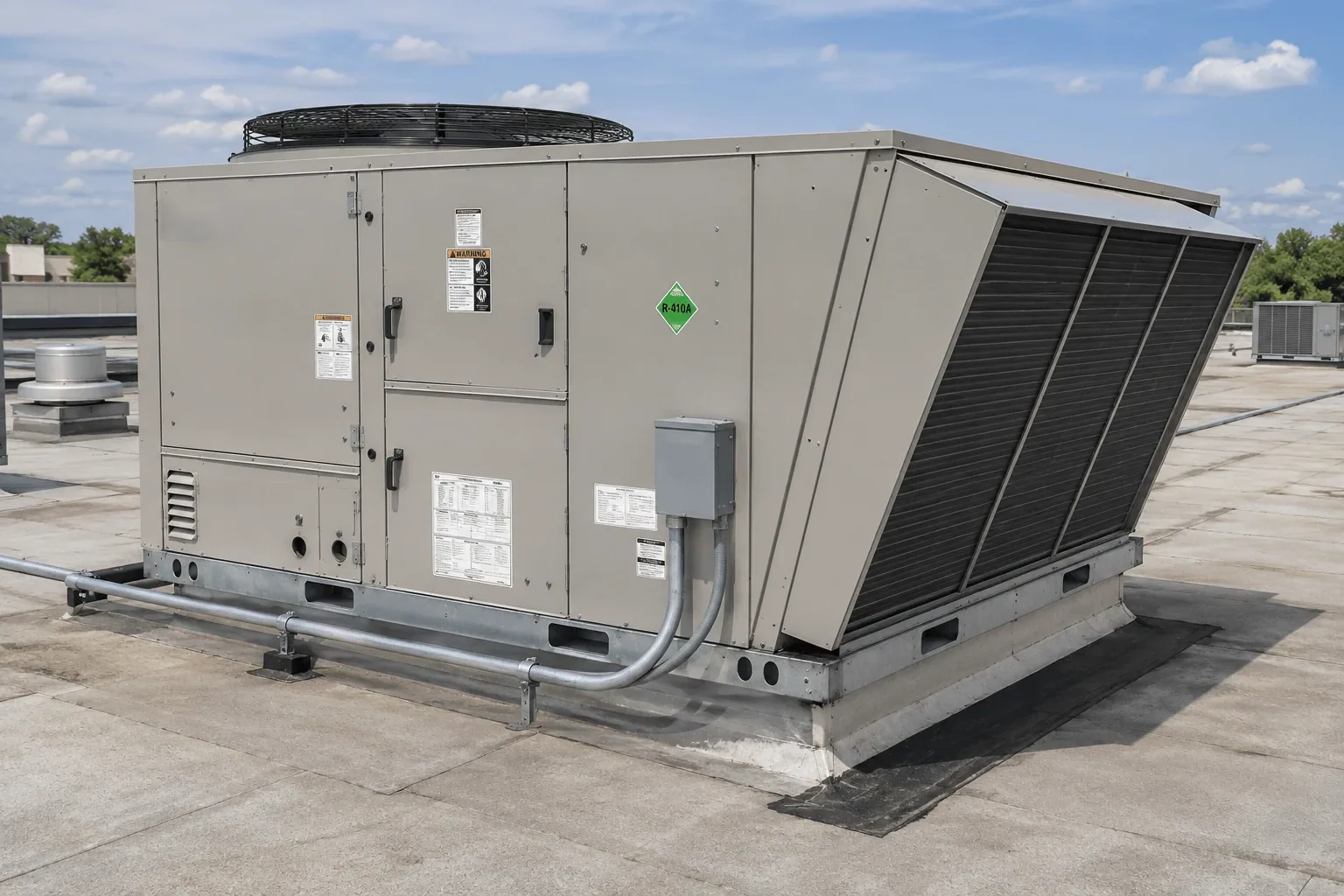
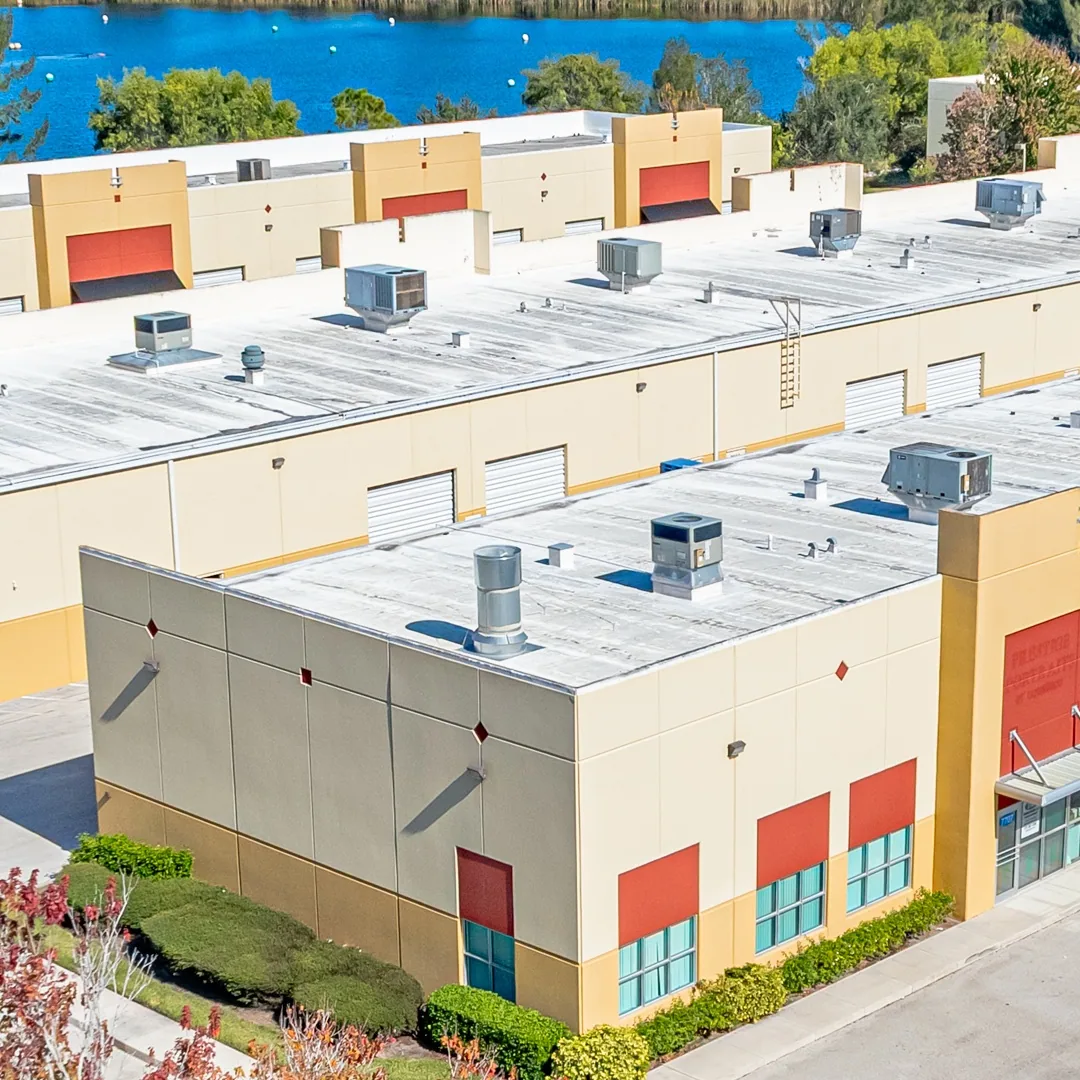
New equipment does not make a watertight roof by itself. The curb height, attachment, membrane transition, counterflashing, and nearby drainage all affect the finished interface. We need approved equipment information and a clear trade sequence before flashing is installed. If a unit changes after the curb detail is set, the project may need a revised transition and a new inspection rather than a field patch.
Conroe’s Deison Technology Park is a 248-acre employment area planned for corporate campuses, research, development, and offices; VGXI’s facility there combines headquarters and manufacturing use. The fact illustrates why a commercial project can include technical equipment and active operations, not what any specific project contains. Rooftop curb and support work can be coordinated with the mechanical schedule. Drainage details should also remain accessible after rooftop equipment and piping are placed.
Keep products and substitutions tied to the assembly
Submittals should identify the system, attachment, insulation, cover board, flashing method, and accessories that form the approved assembly. A substitution can affect seam welding, adhesive compatibility, edge restraint, and transitions to existing material. We review the actual roof condition and project requirements before confirming a repair or replacement detail. If wet insulation or damaged deck appears after opening, the change should be documented with location, quantity, and approval path.
Thermoplastic systems use welded seams, while a multi-layer bituminous assembly uses a different flashing approach. Those examples are not interchangeable specifications. The selected assembly should match the design documents and manufacturer requirements for the substrate and exposure. Keep accepted submittals and field changes together so the final roof record reflects what was installed, not only what appeared in the bid set.
Set hold points before the deck disappears
Roof work has a few moments when a quick review prevents concealed defects. Check the substrate before covering, review insulation layout and attachment, inspect flashings before counterflashing hides them, and record tie-ins at drains and edges. The superintendent and roofer should agree who can release each hold point and how a delayed inspection affects the day’s work. If an area must be closed for weather, mark what was completed and what remains exposed.
A hold point should name the reviewer, the condition to inspect, and the evidence needed for release. If a consultant or owner representative must attend, put that lead time on the look-ahead schedule. When the review is remote, agree on the photo angles and measurements before the crew closes the assembly. These small decisions protect the inspection window without leaving an opening exposed longer than the material plan allows.
Conroe Park North connects industrial activity with FM 3083 and the I-45 route, while NorthStar Industrial Park uses Loop 336 and FM 3083 access for warehouse, manufacturing, and flex-office buildings. Those are varied job settings where delivery routes and crane access may be part of the plan. Conroe Park North is a broad commercial area, not a proxy for the actual building. At each site, we confirm staging, roof access, lift clearance, and the area below the planned work.
Leave the next trade a roof record they can use
Closeout should identify the installed or repaired roof section, materials, dated photographs, test results if performed, warranty documents supplied by the manufacturer, exclusions, and remaining work. A field sketch can locate a concealed condition without turning the record into a narrative that no one can search. Include any owner decision or change order that altered the roof scope. If another trade touched the completed area afterward, note the interface for follow-up inspection.
For a general contractor, the useful handoff is specific: what passed, what is incomplete, which roof path must remain clear, and who owns the next action. A condition report can support turnover when roof work is one part of a wider building project. Manufacturing facilities may have production limits, while logistics buildings may depend on dock and trailer access. We ask for the building, work area, project sequence, and superintendent contact before preparing the roofing scope.
Commercial Roofing Questions
What should the bid set show for a roof replacement?
Identify the roof assembly, limits, insulation and cover board, edge and penetration details, drainage, tie-ins, access assumptions, and temporary protection. We compare those documents with field conditions before confirming the work sequence.
Who owns a leak after another trade installs equipment?
The interface depends on the contract and the approved detail. We document the curb, membrane, equipment work, and sequence so the general contractor can assign correction to the responsible scope.
Can roofing work proceed while interior trades are active?
Yes, when the work zones, protection, access, and weather close-in plan are coordinated. A superintendent should know which roof area is open and who verifies it before crews leave.
How do you handle concealed wet insulation or deck damage?
We stop at the affected boundary, photograph and locate the condition, then provide the quantity and repair option for approval. The schedule should include a path for that decision before the area is covered.
What helps prevent a roofing change order?
A preconstruction walk, coordinated curb details, named hold points, and a clear allowance or approval path for concealed conditions make scope changes easier to evaluate before they delay follow-on trades.
Related Roofing Work