Commercial Roof Flashing Repair in Conroe, TX
Repair failed commercial roof flashing in Conroe by tracing the transition, checking adjacent materials, and defining a durable repair boundary.
A flashing leak often starts where two materials meet: membrane and curb, roof and wall, metal and parapet, or a penetration and its boot. The visible stain may sit several feet from that joint because water can move across insulation before it drops indoors. In Conroe, intense rain can test those transitions quickly. We identify the reported area, follow the likely water path, and inspect the surrounding flashing before adding sealant or replacing a detail. The repair should restore the transition, not only cover the symptom.
Identify the joint that is letting water through
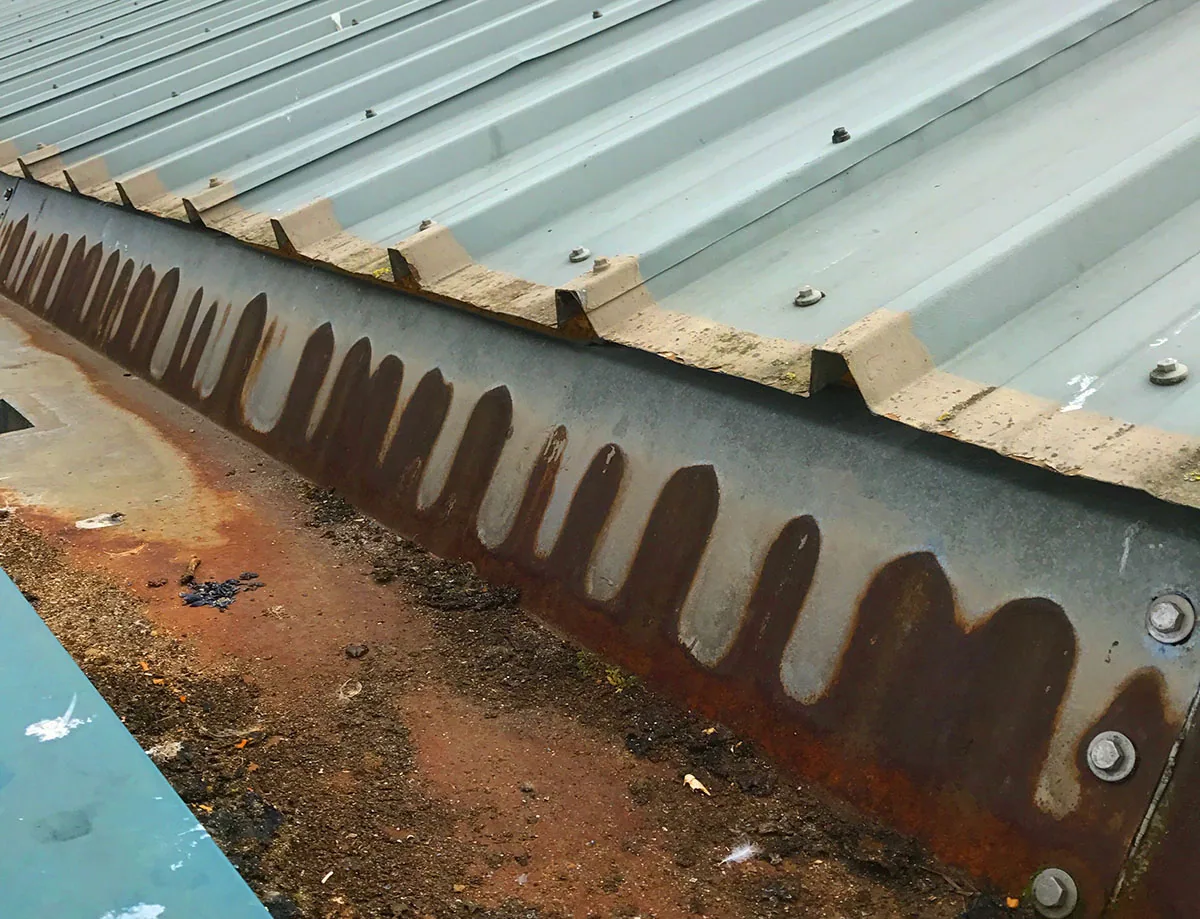
We look for a lifted flange, split corner, loose counterflashing, open termination, brittle sealant, or membrane that has pulled away from the curb. A continuous detail needs more than a bead at its visible edge: its substrate, fastening, overlap, and drainage direction must work together. We photograph the failing point and nearby conditions, then mark where the proposed repair begins and ends. If a rooftop unit blocks the view, the report should say what could not be inspected and who must provide access.
Conroe Park North supports manufacturing, medical-device production, food processing, distribution, and other employers along FM 3083. On these properties, wall transitions and equipment curbs may be near active production or loading areas. A commercial roof inspection can map the detail and note operational access limits. Conroe Park North is a broader service district for commercial roofing, while the actual flashing assembly must be confirmed at the building.
Trace the leak before opening the flashing
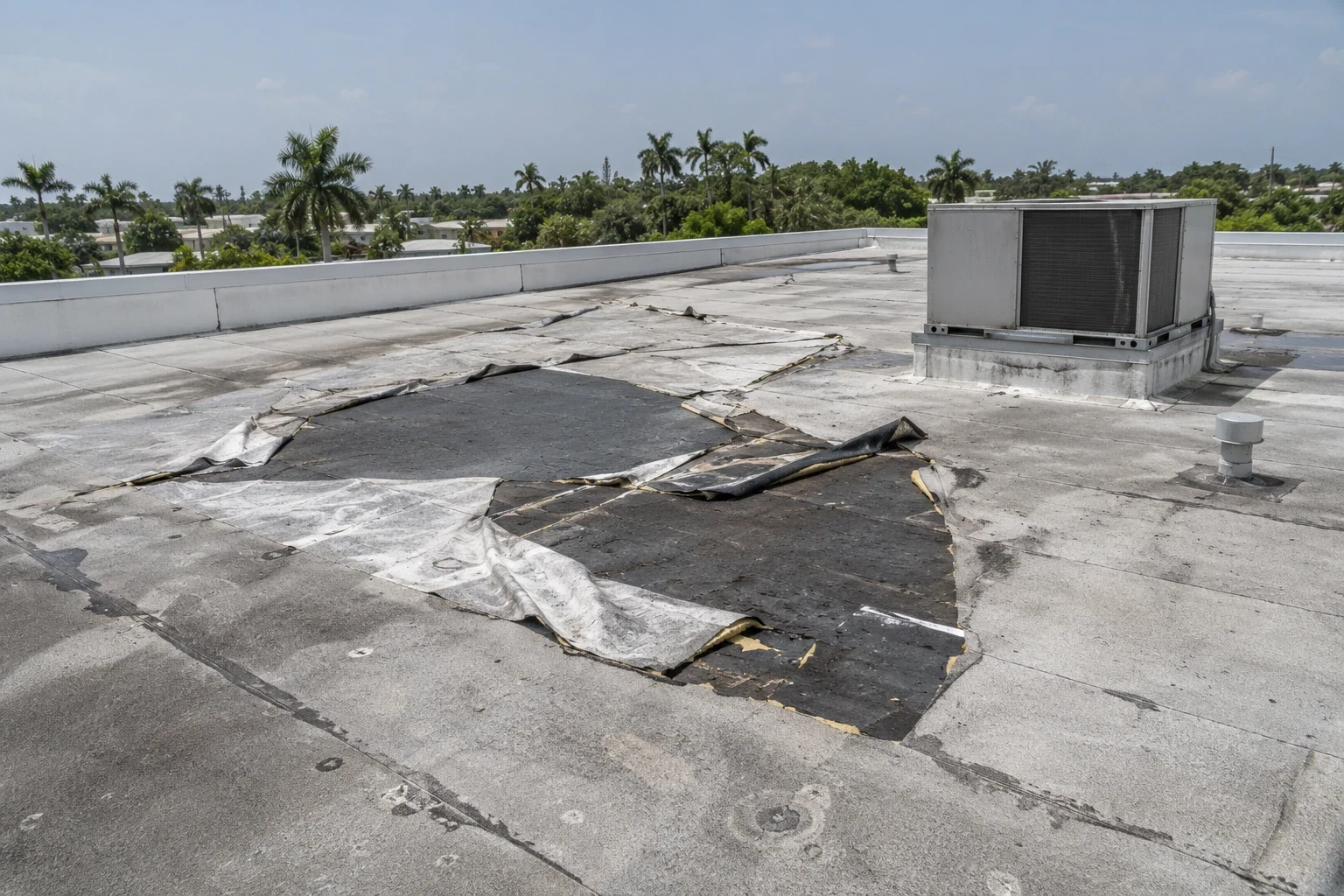
Water at a wall line does not automatically mean the wall flashing failed. A clogged drain, open seam upslope, condensation, or damaged curb can produce a similar interior report. We check the roof surface from the symptom back toward likely entry points and compare the pattern with rain timing. Where safe, we inspect the top edge, corners, base flashing, termination bar, and adjacent membrane. A small controlled test may help isolate a path, but it should not wet a larger area or disturb sound material.
Lone Star Executive Airport lies just north of Conroe, and intense rainfall puts roof transitions to work. We check flashing and membrane tie-ins for movement and open edges. If the entry point is near an outlet, drainage inspection can rule in or out a blocked water path. When water remains on the roof surface, we inspect low areas and drainage separately from the wall detail. The chosen scope should explain why flashing is the source and what adjacent detail will be checked after repair.
Rebuild the detail for the material at the roof
Flashing methods depend on the membrane and the geometry of the joint. Thermoplastic systems may use welded membrane flashing; other assemblies may require compatible adhered materials, metal, liquid-applied detail work, or a manufacturer-approved accessory. We confirm the roof type, surface condition, and substrate before selecting a method. Old sealant should not be buried under new material unless the system allows it and the underlying joint is sound. If the metal is loose or corroded, fastening and termination may need correction as part of the repair.
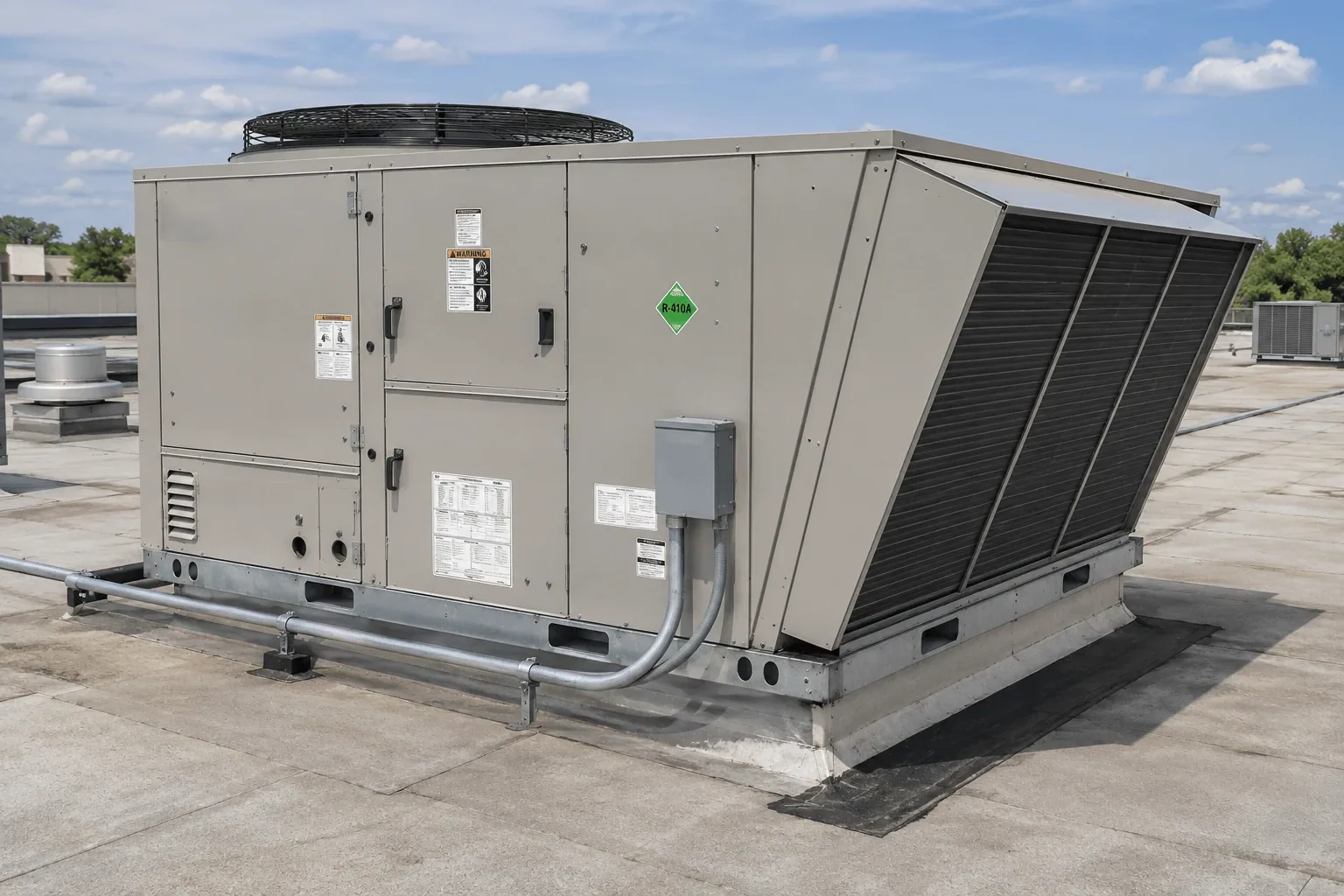
A curb that has shifted may require coordination with the equipment owner before flashing can be restored. Skylight and penetration flashing addresses these interfaces when the roof opening itself is part of the water path. Seam repair can be paired only when inspection finds an additional membrane-joint failure. We separate each detail in the proposal, so the owner can see whether the work corrects one opening or several connected transitions.
Check whether water reached the insulation
A flashing repair may stop new entry while leaving wet insulation or damaged cover board below. We assess the interior report and roof surface, then identify where a test opening or moisture survey would answer a specific question. The repair boundary should include removal and replacement of wet material only where inspection supports it. If the deck or curb is concealed, note that limitation and identify how the condition will be documented if it appears during work.
VGXI's Conroe headquarters and plasmid-DNA production facility occupies 240,000 square feet at Deison Technology Park. At a technical facility, equipment clearance and process access can set the visit window; the owner should identify those restrictions before crews reach the roof. The production schedule can constrain the access window, while a written condition record can preserve photos and a roof-zone map for the owner. If the flashing meets a wall or parapet, we also check whether water could enter behind the metal rather than through the membrane joint. A wall-side repair should be sequenced with any counterflashing or masonry work that could disturb the finished termination.
Protect the open joint until it is closed
Flashing work often requires removing old materials and leaving a small area open during preparation. The crew needs a dry substrate, the right application conditions, and enough time to complete the detail before weather shifts. The work plan should list the open area, temporary cover, closure method, and daily check. If rain begins early, we secure the transition and record what remains unfinished instead of treating a temporary patch as final flashing.
Rain-driven water can reach a wall junction where the flashing turn-up or termination has lost a continuous bond. A historic event does not diagnose a current leak; it is one reason local owners value clear post-weather inspections. Wind-damage repair addresses displaced edges and related storm findings when present. The property contact can provide access rules, nearby equipment restrictions, and any interior area that needs protection while the transition is open.
Leave the repair boundary visible in the record
Closeout should show the repaired joint, the material used, the adjacent roof areas inspected, and any limitation that remains. Before-and-after photos need a location reference, not just a close view of new sealant. If a curb vendor, wall contractor, or interior team still has work, list that separately from roofing completion. The owner can then tell whether the flashing was fully rebuilt, temporarily secured, or left pending another trade.
When a leak returns, compare the new report with the earlier repair map and note whether the same transition is wet. A changed symptom can point to another entry route rather than a failed repair. General contractors can coordinate flashing at an active construction interface, and property managers can route access and tenant updates. Send the roof type if known, the affected room or equipment area, recent weather timing, and the access contact; we will inspect the transition and document the next step.
Commercial Roofing Questions
Can new sealant fix a failed flashing detail?
Only when the existing joint and substrate are sound and the selected material is compatible. We inspect the termination, fastening, overlaps, and adjacent membrane before deciding whether sealant is an appropriate part of the repair.
Why can a wall leak show up away from the flashing?
Water can travel along the deck or insulation before it reaches the interior. We trace the report toward roof transitions and compare it with drains, seams, curbs, and the wall detail.
Will you replace wet insulation under the flashing?
We document suspected moisture and identify a test or opening that can confirm its extent. Material removal belongs in the scope when field findings support it.
Can the equipment stay in service during curb work?
The equipment owner sets operating limits. We coordinate the roof interface with that vendor and do not disconnect or alter the unit as part of flashing repair.
What does a complete flashing closeout show?
It records the transition repaired, material used, adjacent details inspected, photographs with location context, and any work still assigned to another trade.
Related Roofing Work