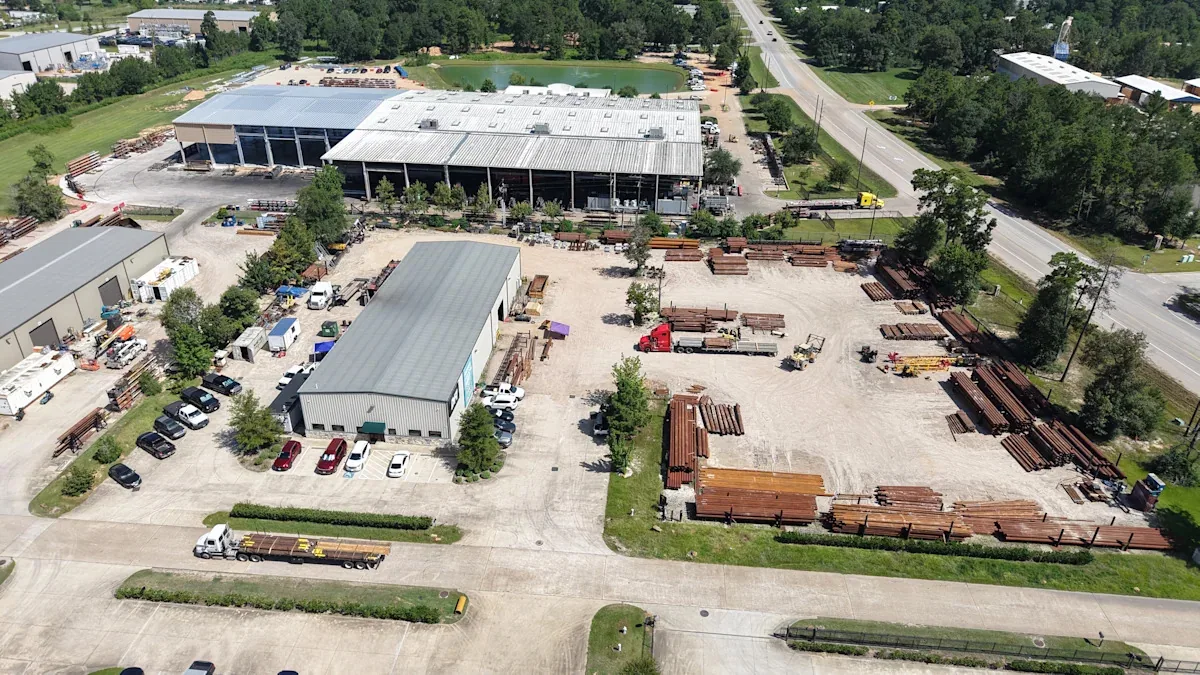
Commercial Roofing in Conroe I-45 and Loop 336 Corridor, Conroe, TX
Commercial roofing along Conroe's I-45 and Loop 336 corridor. We inspect drainage, seams, and access on buildings tied to regional freight routes.
A roof beside a regional freight route has to be serviced without turning loading access into a bottleneck. Conroe sits on the Texas interstate network between the Houston area and other Texas Triangle markets, and the city profile places Houston about 45 minutes away. I-45, Loop 336, and FM 3083 connect the industrial areas of Conroe with that regional movement. We plan commercial roofing around truck routes, material staging, and operating hours, then inspect the building's actual membrane, edges, penetrations, and drains. Conroe's long hot season and heavy rain stress those details differently. The location gives useful access context; the roof walk sets the repair boundary.
Stage Work Without Blocking Access
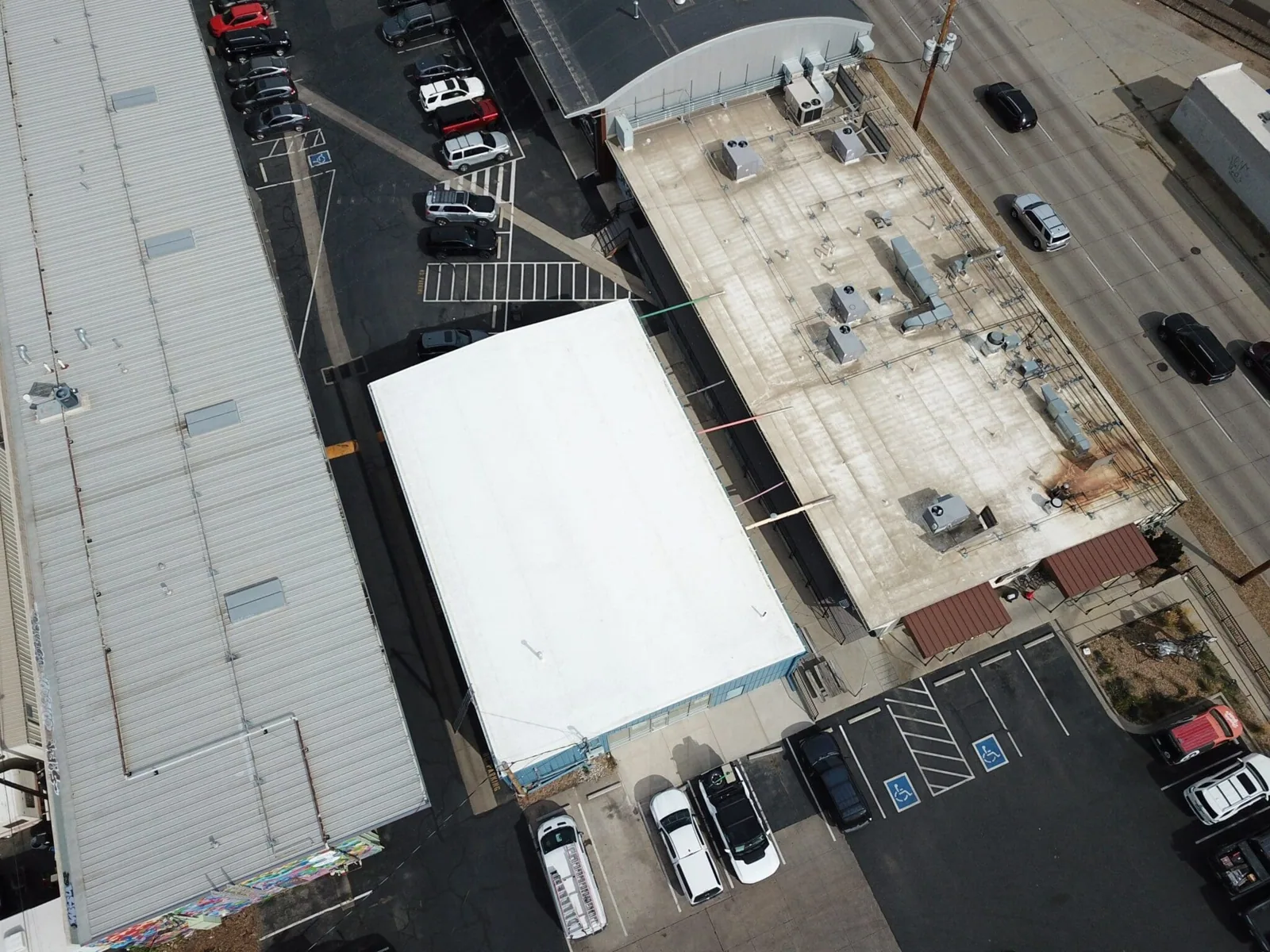
Material trucks, lifts, and debris containers need a safe place to enter and stage. Before work begins, we confirm the property's route, loading periods, service gates, and any vehicle movement that cannot stop. A project tied to freight activity may need an early delivery window, while occupied office space may call for a different sequence. We do not assume every address along the corridor has the same operation. The site contact identifies what moves through the property and which access points must stay open.
Nearby industrial parks show why that coordination matters. Conroe Park North and NorthStar Industrial Park connect to I-45, Loop 336, and FM 3083, but a roof repair at each site still has its own lift and loading constraints. A Conroe Park North roof inspection or NorthStar roofing plan uses that area's facts; the work sequence at this property starts with its own route map. We agree on how materials reach the roof before crews open a section.
Inspect the Whole Water Path
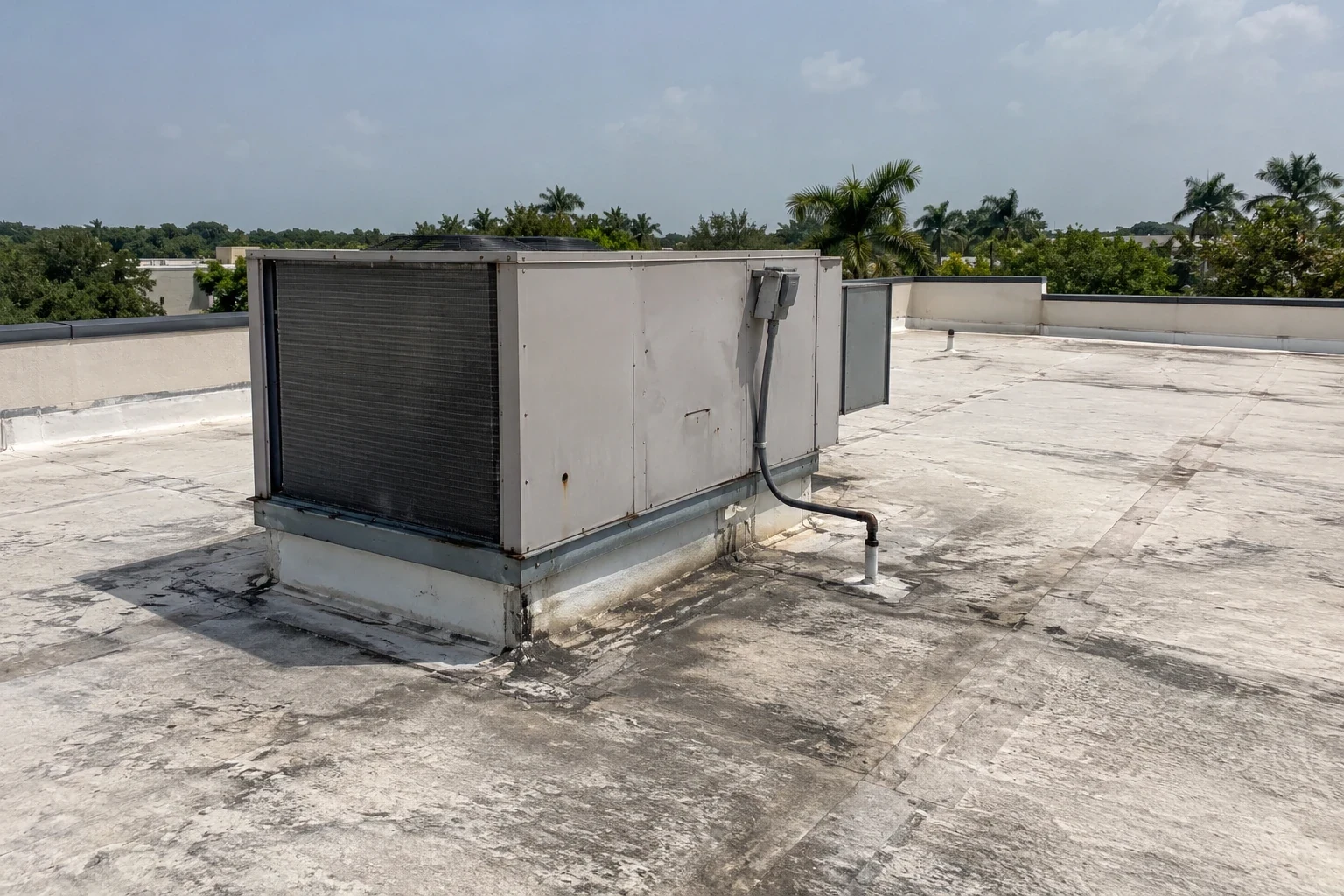
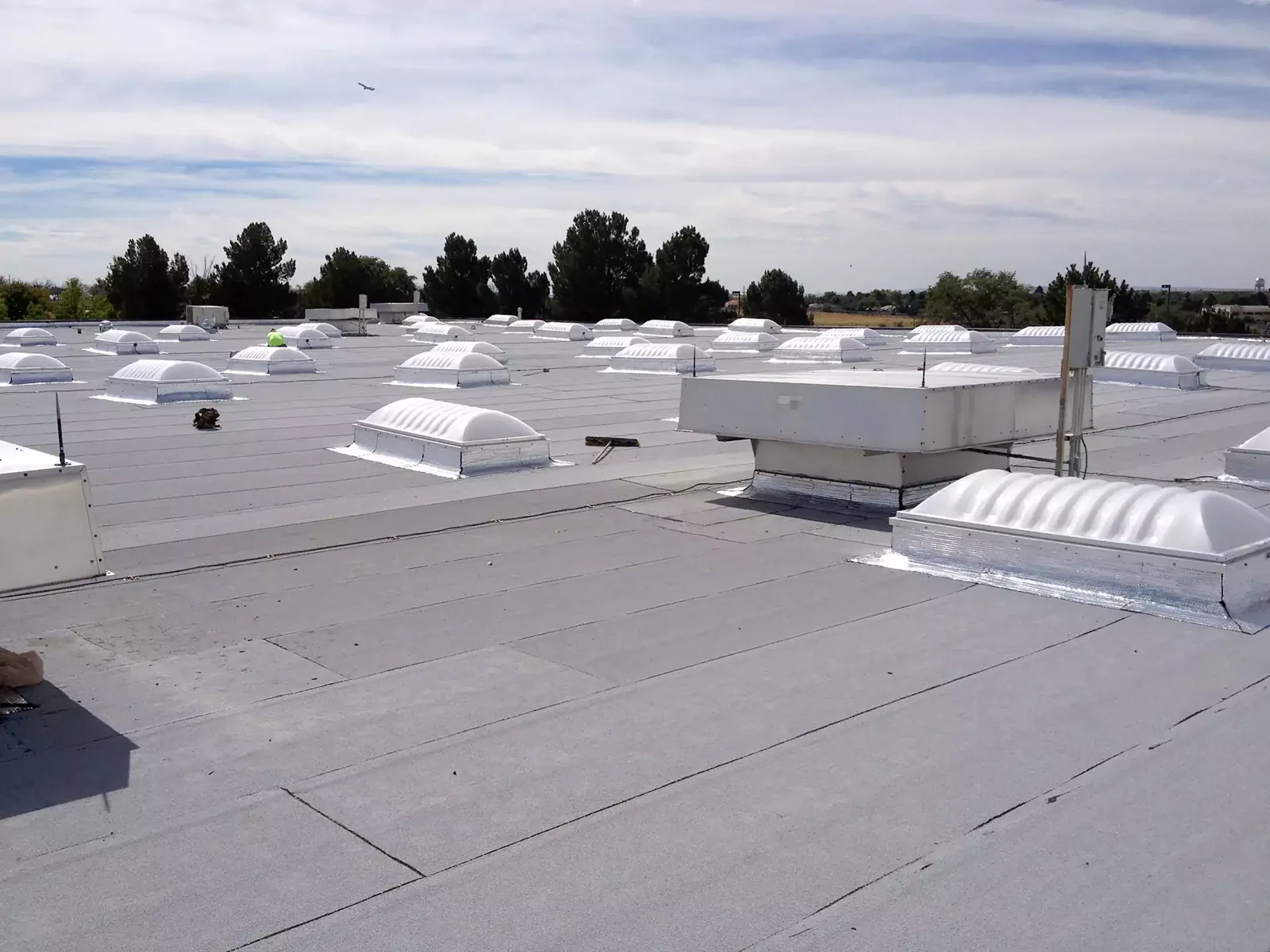
A leak location inside may sit far from the roof defect. We inspect the reported area and follow seams, curb flashing, pipe penetrations, parapets, drains, and scuppers toward low points. Open laps, loose edge metal, punctures, and wet insulation help define whether the problem is local or repeated. A single patch can be appropriate when the material around it remains sound. Repeated openings along an attachment line call for a larger review. A commercial roof inspection records the finding by section, so an owner can see what was reached and what still needs testing.
Conroe's transportation network affects roof work logistics, not roof condition. A commercial or industrial property near I-45 may have a truck dock, office area, or a different use entirely. We check the actual deck, membrane, and access points instead of inferring roof details from the corridor. The proposal notes where water entered, which component was repaired, and whether concealed materials were opened.
Conroe Heat and Hard Rain
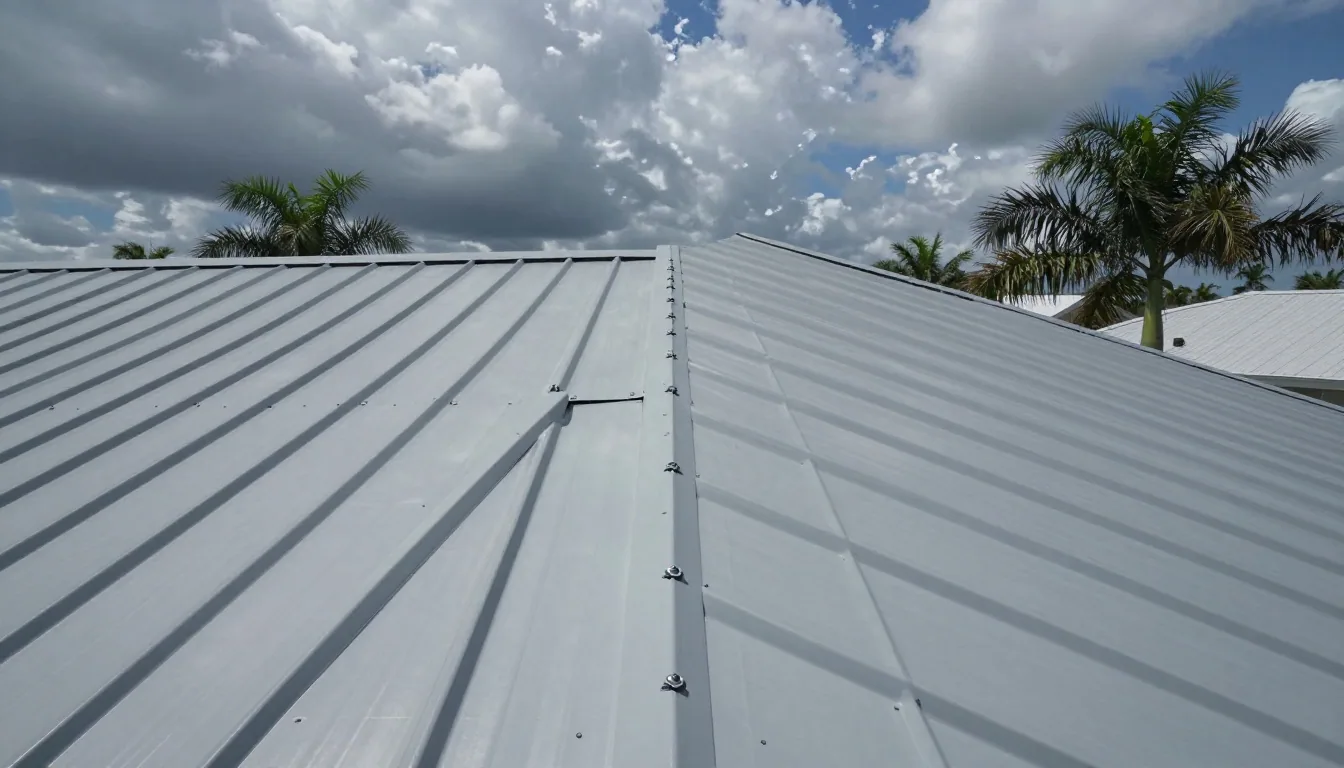
Regional July and August average highs near 95 degrees keep exposed membranes and metal cycling through sustained heat. Expansion and contraction put movement at field seams, fasteners, curb corners, and parapet transitions. We look for a weld edge that has lifted, a flashing return that has pulled away, or an older patch that no longer bonds to stable material. The system must be identified before a compatible repair method is chosen. A TPO seam review checks a heat-welded lap; another membrane needs a different preparation and tie-in.
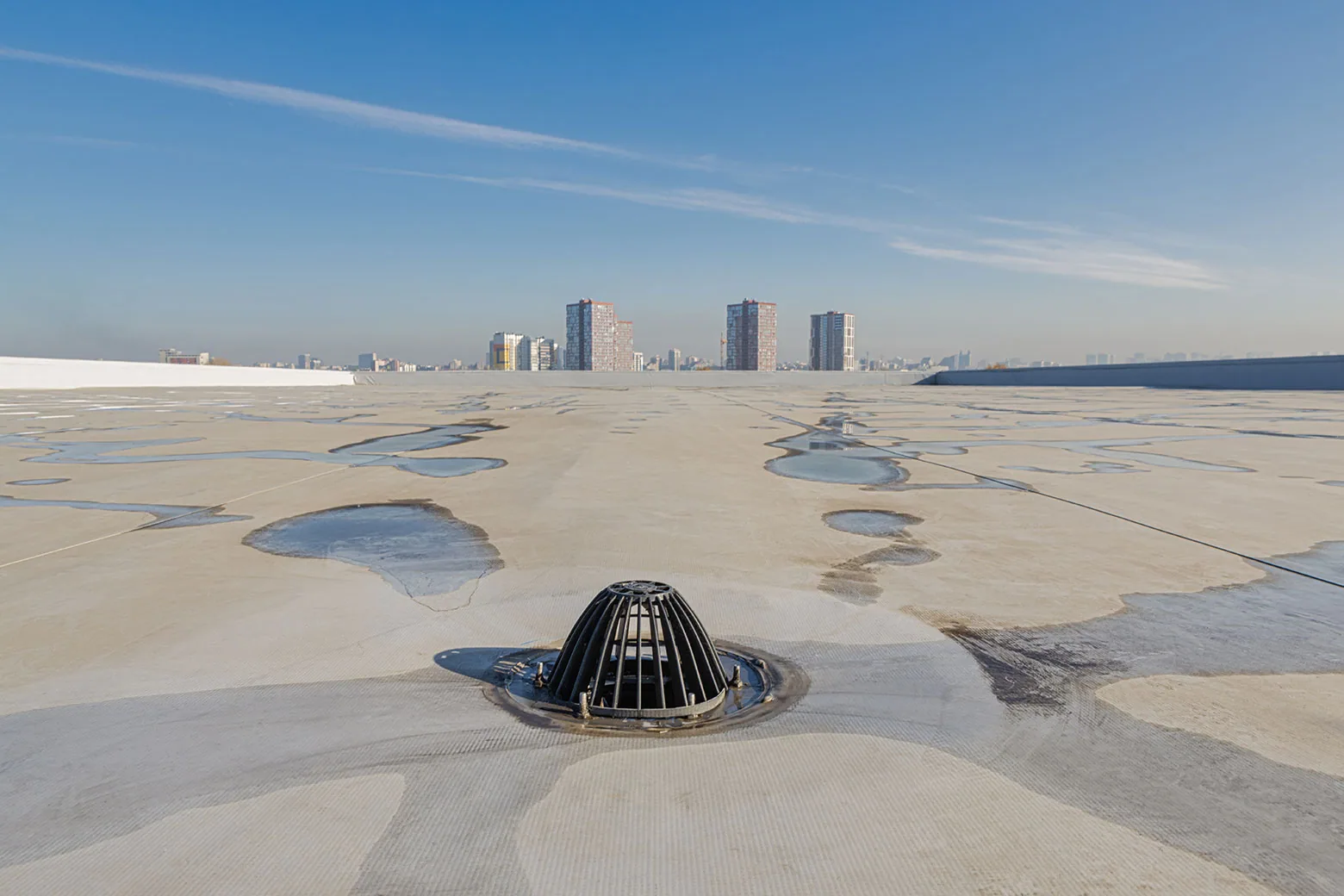
Rain tests the drainage path quickly. We inspect drain bowls, strainers, scuppers, overflow routes, and low areas that remain wet after nearby sections clear. A blockage, settled insulation, and deck deflection need different corrections. Conroe's climate station sits at Lone Star Executive Airport just north of the city. We use the local weather picture to set an appropriate work window, then document actual water entry and damage at the building. A drain and scupper assessment can be combined with membrane work when the roof inspection supports both.
Compare a Repair with Renewal
One puncture or short seam opening may stay local if adjacent membrane is dry and stable, attachment holds, and insulation is sound. Multiple leak calls, wet cover board, recurring flashing failure, or loose perimeter details can push the scope into a larger roof section. We map confirmed defects and mark areas that need testing. The written proposal shows the repair boundary, tie-in, materials, and conditions that may change the scope after opening. That lets the owner compare a focused repair with a planned replacement on evidence.
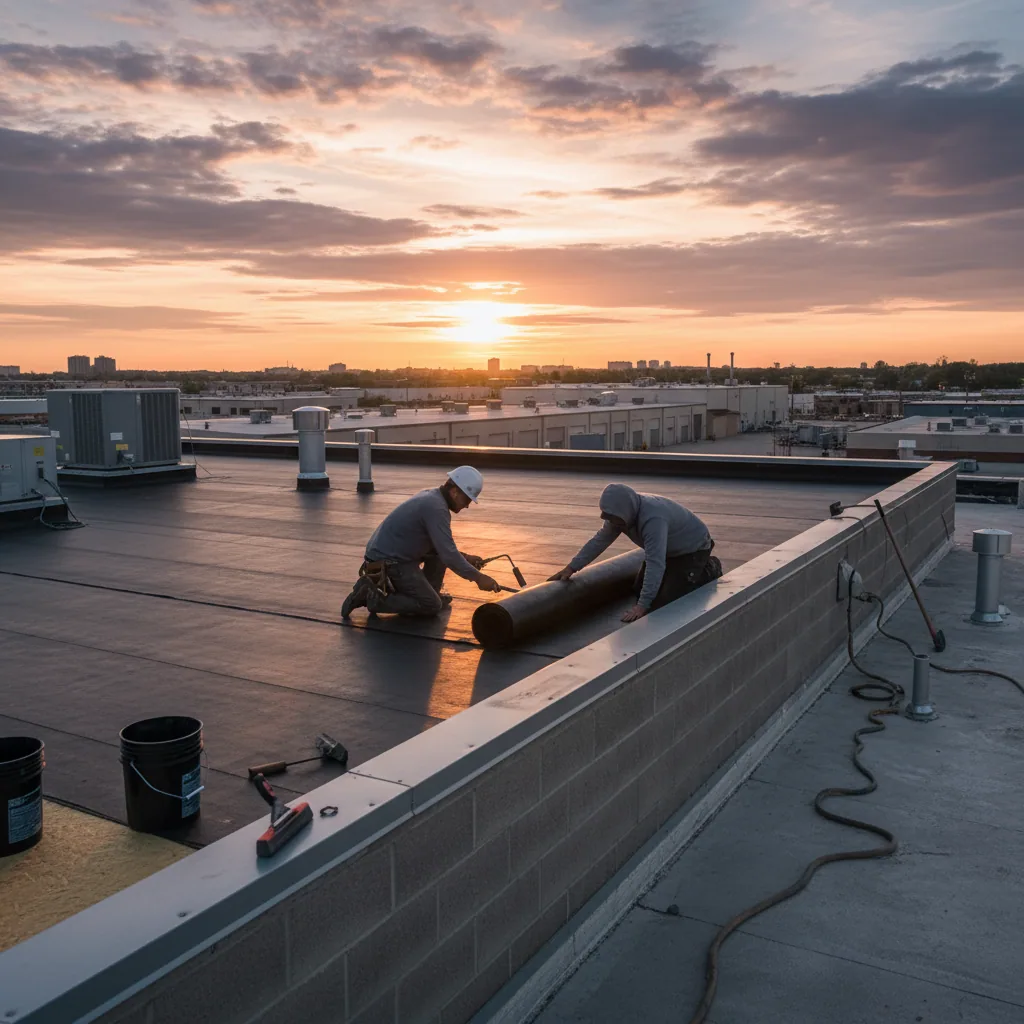
A recover assessment checks existing layers, moisture, attachment, drain height, deck capacity, and code before another system covers the roof. If those conditions are unknown, a small test can clarify what remains concealed. Tear-off exposes the deck but increases debris handling and interior coordination. A replacement plan should include edges, penetrations, drains, and daily dry-in, not only the membrane field. If a leak is active before a larger project can be scheduled, commercial roof repair can address the confirmed condition while the renewal decision is prepared.
Keep Building Operations Visible
The route on a map is only part of the work plan. We confirm roof access, operating hours, indoor areas needing protection, equipment shutdowns, and where the crew can store material between shifts. A corridor with regional freight movement may require coordination with deliveries, but the building's own contact sets the actual limits. Work above occupied space is divided into sections that can be opened, repaired, and secured before rain or the end of the shift.
If removal uncovers wet insulation or a deck issue, the crew records its location and pauses before extending the approved scope. That gives the manager a clear choice before additional material is removed. Photos show the detail and its roof position; a close shot without a location reference does not help the next visit. A roof condition report can keep repair limits, photos, and follow-up points together for the next maintenance decision.
Set the Work Window
Cost and timing reflect the roof area, existing layers, insulation condition, perimeter details, access, and amount of interior protection. A smaller repair may require a lift and traffic control even when the membrane work is limited. Replacement adds tear-off, material handling, debris removal, and a sequence for daily dry-in. We identify those drivers in the scope so the property manager can compare options by building impact as well as roof coverage.
Weather can change the planned area. We schedule a dry period, keep open sections within the time available, and secure each tie-in before leaving. If a rain window narrows, we reduce the work boundary or reset the operation. That is especially important where a roof project shares access with deliveries or an active entrance. The final plan names the section reached, the protection in place, and the next scheduled step.
Keep the Repair Record Findable
Closeout identifies the roof zone, material where known, repair method, photographs, and any condition left for a later test. A location reference helps the next inspector find the same drain, curb, seam, or perimeter edge. We also state whether concealed material was opened. That distinction prevents a confirmed repair from being mistaken for a full assembly review.
A follow-up can check whether the repaired seam remains stable after the next hard rain and whether a separate section needs testing. That makes the next decision about the actual roof rather than the highway corridor generally.
Commercial Roofing Questions
How do you stage a roofing project near Conroe's freight routes?
We confirm the property entrance, loading periods, lift placement, delivery route, and debris plan with the site contact. Access constraints set the work sequence before the roof is opened.
Does proximity to I-45 tell you what roof system is installed?
No. The corridor describes regional access and nearby industrial activity, not an individual building's membrane or condition. We inspect the actual roof before choosing materials.
What do you check after rain reaches a warehouse or office ceiling?
We trace from the interior report to seams, curbs, drains, and wall transitions. Water can travel below the surface, so the stain is a starting point rather than a repair location.
Can repairs be phased around delivery operations?
A phased sequence can work when the roof layout and safe tie-ins allow it. We coordinate lift access, noise, material movement, interior protection, and daily dry-in with the manager.
What makes a roof repair turn into replacement?
Repeated leaks, wet insulation, widespread seam movement, or loose edges can support a larger scope. We map confirmed findings and explain what remains concealed before recommending renewal.
Related Roofing Work