Commercial Roofing for Retail and Restaurant Chains in Conroe, TX
Coordinate roof repair across Conroe retail and restaurant locations with store schedules, franchise contacts, tenant access, and consistent closeout records.
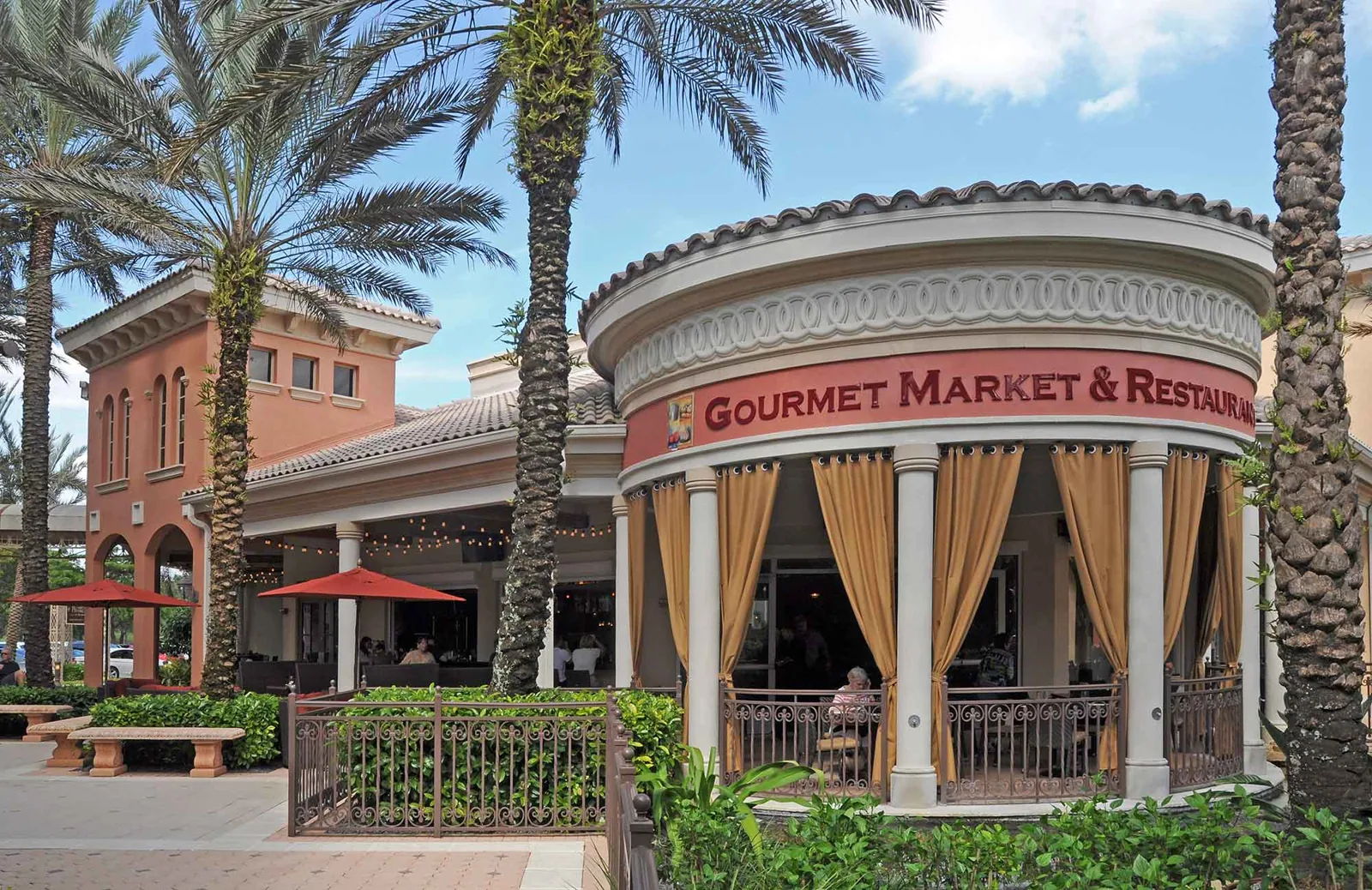
A leak at one store may arrive through a franchisee, property manager, maintenance hotline, or regional facilities lead, and each call can use a different location name. A chain needs a clear way to identify the store, roof area, operating contact, and approval path before repair is scheduled. Conroe Marketplace is a shopping and dining area outside downtown, while The Woodlands Waterway links restaurants, offices, hotels, and visitor destinations. Those are regional commercial settings, not evidence about a particular chain tenant or roof. The property visit must confirm the actual building and its operating needs.
Route each store report to the right decision-maker
A store manager may be the best source for the room, aisle, kitchen, or stock area affected; a landlord may control the roof hatch and approval. The chain's facilities lead can connect both contacts, identify the lease boundary, and confirm who can authorize work. We need the site address, location ID used by the company, operating hours, delivery schedule, and any room that cannot be interrupted. That keeps a service call from being duplicated under different store names.
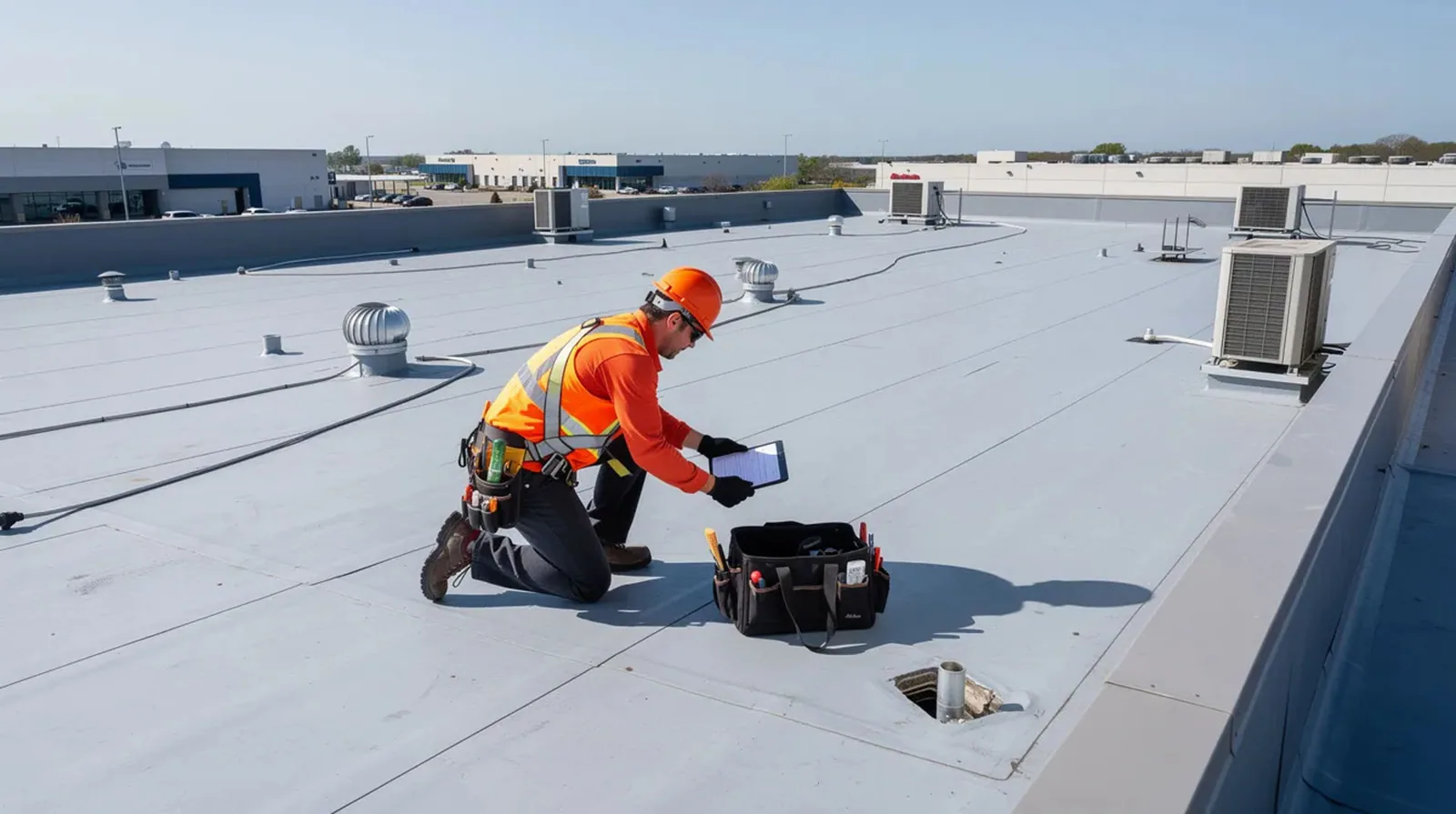
For several locations, a shared intake form can capture the same fields without erasing site differences. The roof visit should record the building and section, who granted access, and what was visible. A commercial roof inspection can document conditions before a chain approves a broader repair program. Property-management partners can coordinate landlord access and tenant notices, while the chain retains responsibility for store operations and internal escalation.
Schedule work around sales and meal periods
Retail locations may have opening and closing routines, inventory delivery, and peak customer traffic. Restaurants add food preparation, cleanup, and service windows. The chain's local manager identifies when a crew can stage without blocking customers or suppliers. If the repair is above a kitchen, refrigeration or exhaust vendor requirements should be confirmed before roofing touches the curb or penetration.
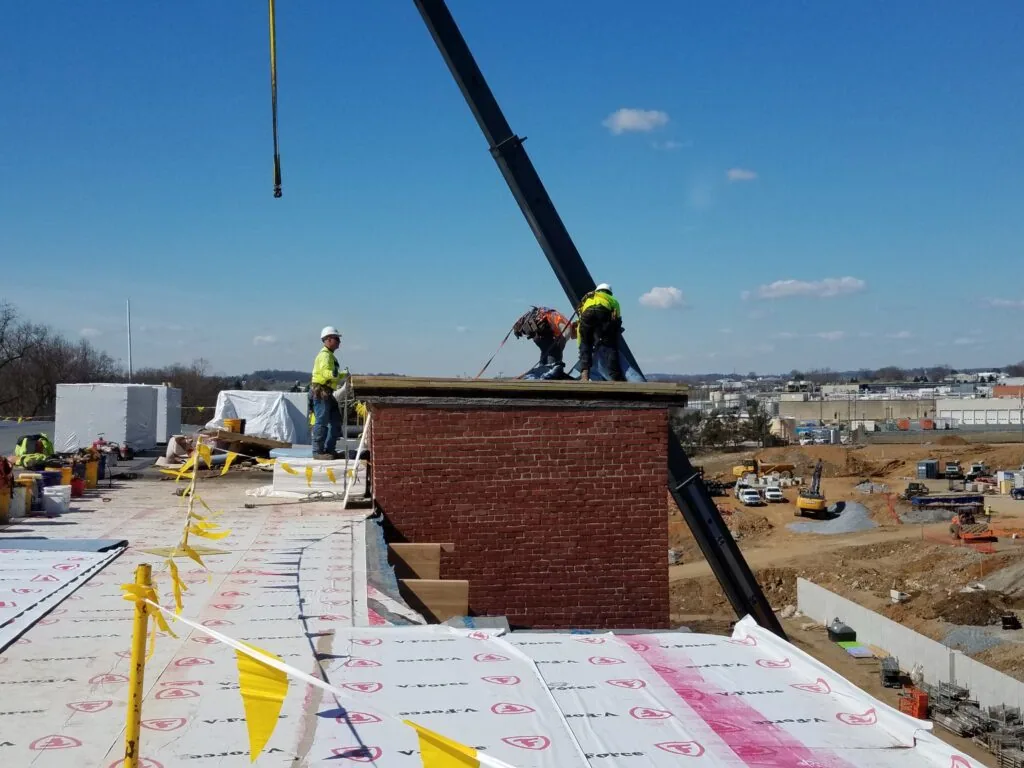
A store can stay open during some work if the owner approves the barrier, noise window, entrance route, and daily closeout. Phased work at an active location can describe which roof section is being addressed and what part of the site is affected. A location with a loading lane may need a different lift plan from a mall or storefront. The contractor should update the chain contact before an access or timing change affects a store's routine.
Use a shared repair standard without assuming identical roofs
Brand standards can make signage and customer areas consistent, but roof assemblies and property responsibilities can vary from one site to another. A leased store may share a roof with other occupants, while a standalone restaurant can have a separate maintenance arrangement. We identify the roof material and details at each location, then compare them with the chain's repair criteria. The same service checklist can track condition, but the remedy should come from inspection evidence.
Conroe Marketplace is locally identified as a shopping and dining district beyond downtown. A chain may also have sites in mixed-use destinations such as The Woodlands Town Center, where retail, office, lodging, healthcare, and entertainment uses coexist. Those facts do not establish the operator or roof at a store. Big-box retail roofing covers a large single-store operation; restaurant roofing addresses kitchen and service considerations. Chain standards should be applied only after the property and lease responsibilities are known.
Review drains, curbs, and kitchen interfaces
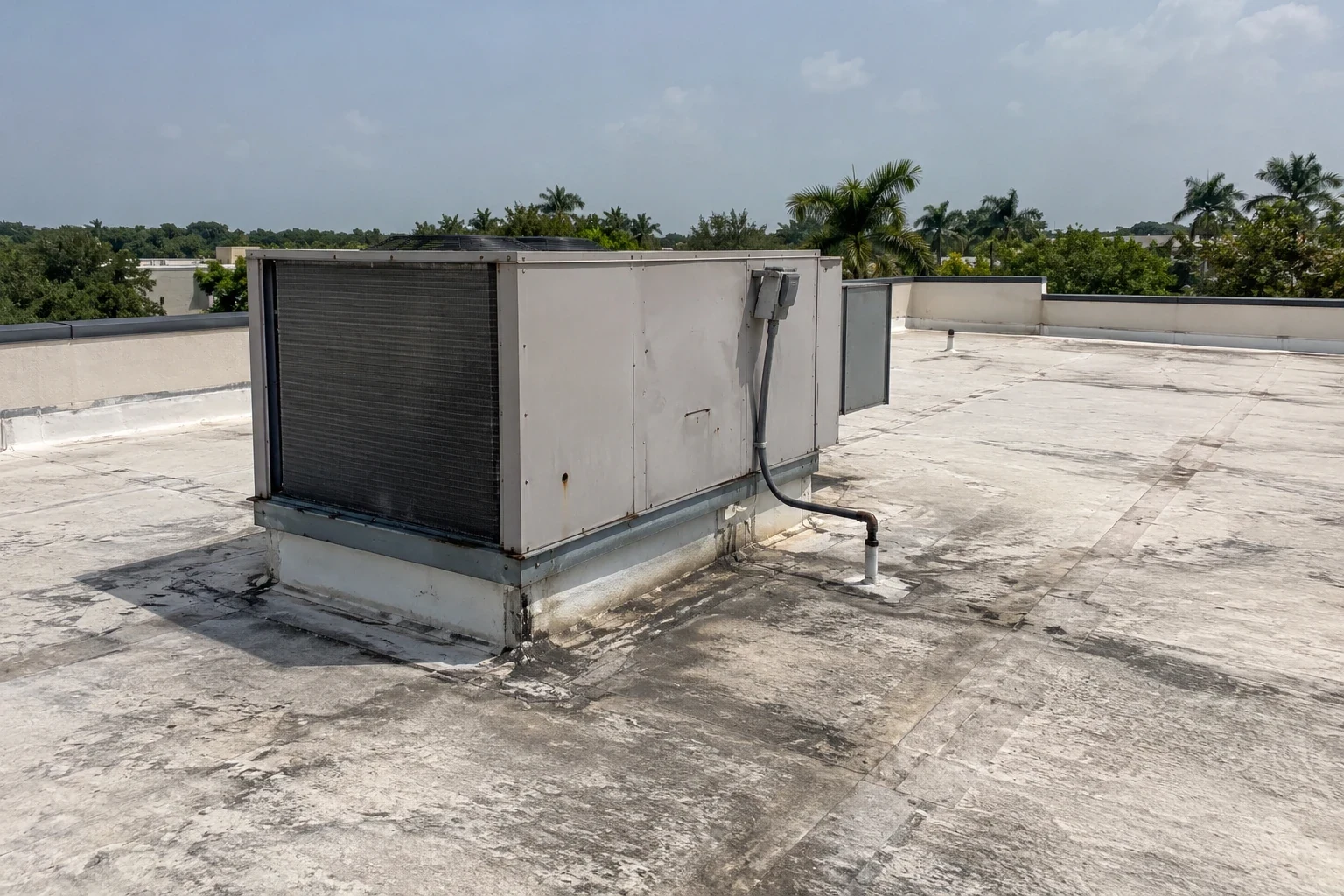
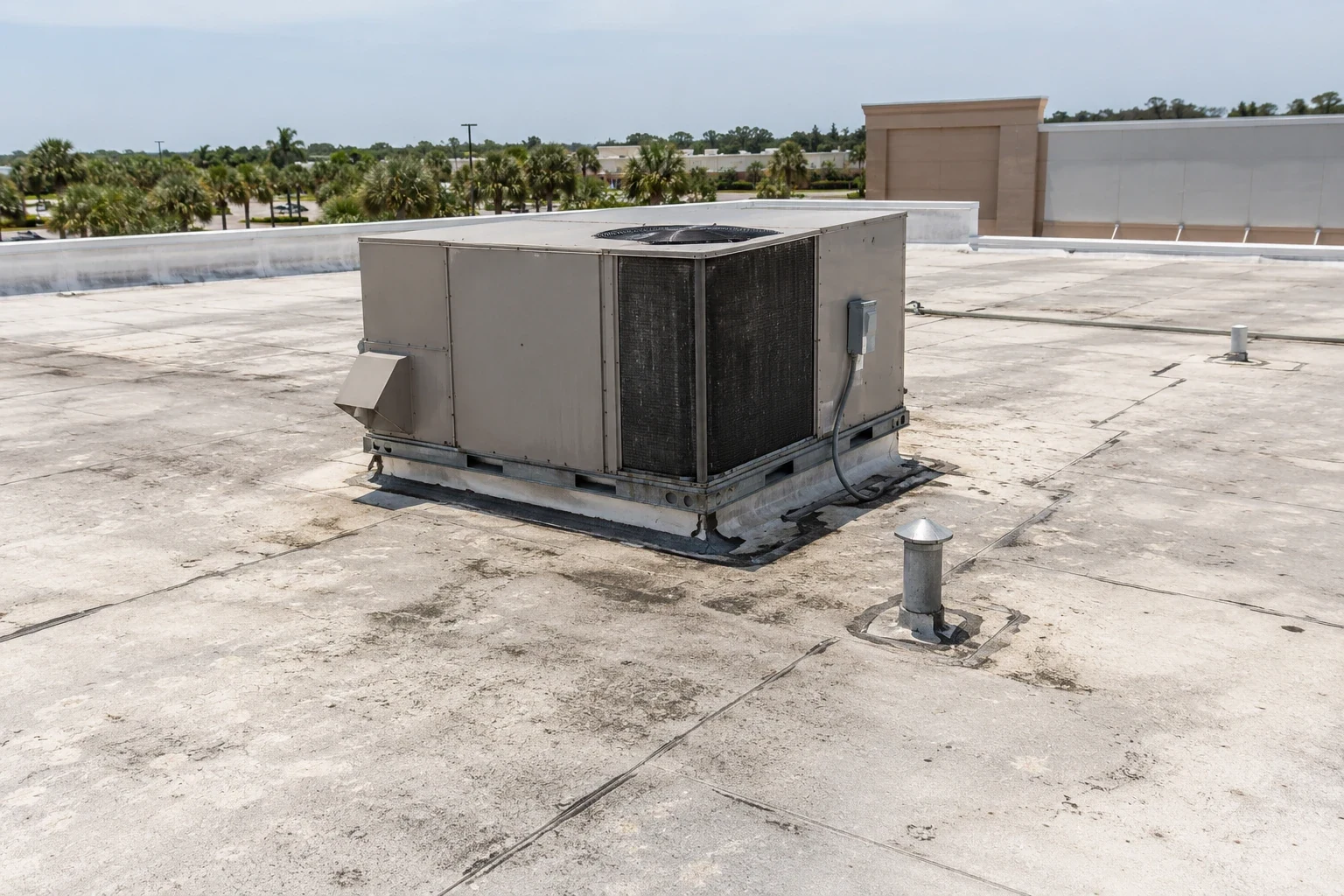
A ceiling mark may be below a seam, roof drain, exhaust curb, or wall transition some distance away. We compare the store's report with accessible drains, flashing, penetrations, and previous repairs. For a restaurant, the manager or facilities lead identifies which exhaust or refrigeration equipment must remain active. The roofing crew documents the roof interface and leaves equipment changes to its service provider.
Water at several stores can suggest a recurring maintenance concern, but each roof has to be inspected separately. Drain and scupper service can identify a blockage or damaged outlet. If a storm report creates multiple calls, a shared chain log can track store, roof section, temporary action, and return date while each property keeps its own work record. A regional pattern should not be treated as proof of damage at locations that have not been inspected.
Compare repair options by location and interruption
A limited flashing or seam defect may be repaired if nearby material remains sound. Repeat calls at one site or visible decline across several roof sections can justify a larger review. Recover or tear-off choices depend on existing layers, moisture, attachment, structure, drainage, and applicable requirements. The proposal should show what is included at each address, what is excluded, and whether landlord approval is needed before a roof area is opened.
For a chain, estimate presentation can separate one-time mobilization from work at each store and note differences in access or operating windows. A replacement scope should use the same roof-zone fields across locations while preserving site-specific details. Hospitality groups face guest and event scheduling across properties; retail and restaurant chains need their own store hours, food-service rules, and franchise communication.
Make each location's roof record easy to retrieve
Closeout should retain the company location ID, address, building or suite, roof zone, work completed, materials, dated photos, and remaining items. The chain can store a property manager or landlord contact alongside its own facility lead. Keep owner approvals in a separate field. This helps a regional reviewer distinguish a complete repair from a recommendation, temporary cover, or referral to another trade.
A regional facilities lead can keep one status list for each open location: report date, access contact, inspection date, temporary work, estimate status, and next decision. Separate the franchisee's operating request from the owner or landlord's approval so a store manager is not asked to authorize roof scope outside their role. When a location changes operators, preserve the roof record with the property ID rather than an employee's name. That makes the next leak report easier to route and reduces duplicate service calls.
The Woodlands Waterway includes offices, hotels, restaurants, parks, residences, and business venues. Conroe Marketplace is another broad area for shopping and dining. These mixed-use locations show the range of regional retail settings, while property-specific inspection determines the roof issue. Conroe Marketplace is a service area where commercial roof visits can be coordinated. A chain can use those records to see open tasks across locations without assuming that one store's repair applies to another in later reporting.
Commercial Roofing Questions
Who should a store manager contact about a roof leak?
Use the chain's facilities or service-reporting path and include the location ID, affected room, time noticed, and whether water continues. The chain can coordinate roof access with the landlord or property manager.
Can roof repairs be scheduled outside store hours?
Often, if the property allows access and the repair can be completed safely in that window. The chain should confirm deliveries, food preparation, alarms, and daily closeout requirements with the site lead.
Do all chain locations need the same roof repair?
No. Building age, assembly, drainage, lease responsibilities, and inspection findings may differ. A shared reporting format can support comparison without imposing one remedy across sites.
How do you coordinate roofing near restaurant exhaust?
The store or facilities lead identifies the responsible kitchen or mechanical vendor and any equipment limits. Roofing work is coordinated at the curb and flashing without changing the system independently.
What should the chain's roofing closeout include?
Store ID, building and roof zone, work completed, materials, photos, approvals, access limits, and follow-up items. Keep landlord referrals separate from completed roofing work.
Related Roofing Work