Restaurant Roofing in Conroe, TX
Keep restaurant roof repairs in Conroe coordinated with dining hours, kitchen exhaust, deliveries, drainage, and safe customer access.
A water spot over a dining room can force a table closure while staff check whether the kitchen, exhaust system, or electrical service is also affected. The roof source may be a curb, a seam near an exhaust fan, a drain, or a transition above the reported ceiling. Restaurant roofing begins with the manager's operating window and the area that can safely be inspected. Conroe Marketplace is a local shopping and dining area outside downtown; Downtown Conroe's plan includes commercial activity alongside housing and civic uses. The Woodlands Waterway also links restaurants, hotels, offices, and entertainment destinations. Those area facts add market context, but the roof and schedule must be reviewed at the individual property.
Schedule work between service periods
A restaurant's access can change between food deliveries, prep, lunch, dinner, and cleanup. The manager can identify when a service drive is free, which entrance remains open, and whether seating or a patio sits below the work area. We confirm crew arrival, material staging, lift placement, and any temporary customer detour with the person authorized to approve the plan. A repair that starts before service may need to be fully protected before staff begin setup.
Noise and roof access can affect a dining room even when no ceiling leak is visible. We identify the work zone and sequence louder steps for a practical window where the building's rules allow. If the project spans multiple days, the closeout should confirm that each exposed section is secure and that the manager knows which area is next. Occupied-building roofing can help structure phased work while the restaurant remains open, subject to safe access and the owner's approval.
Coordinate exhaust and rooftop service
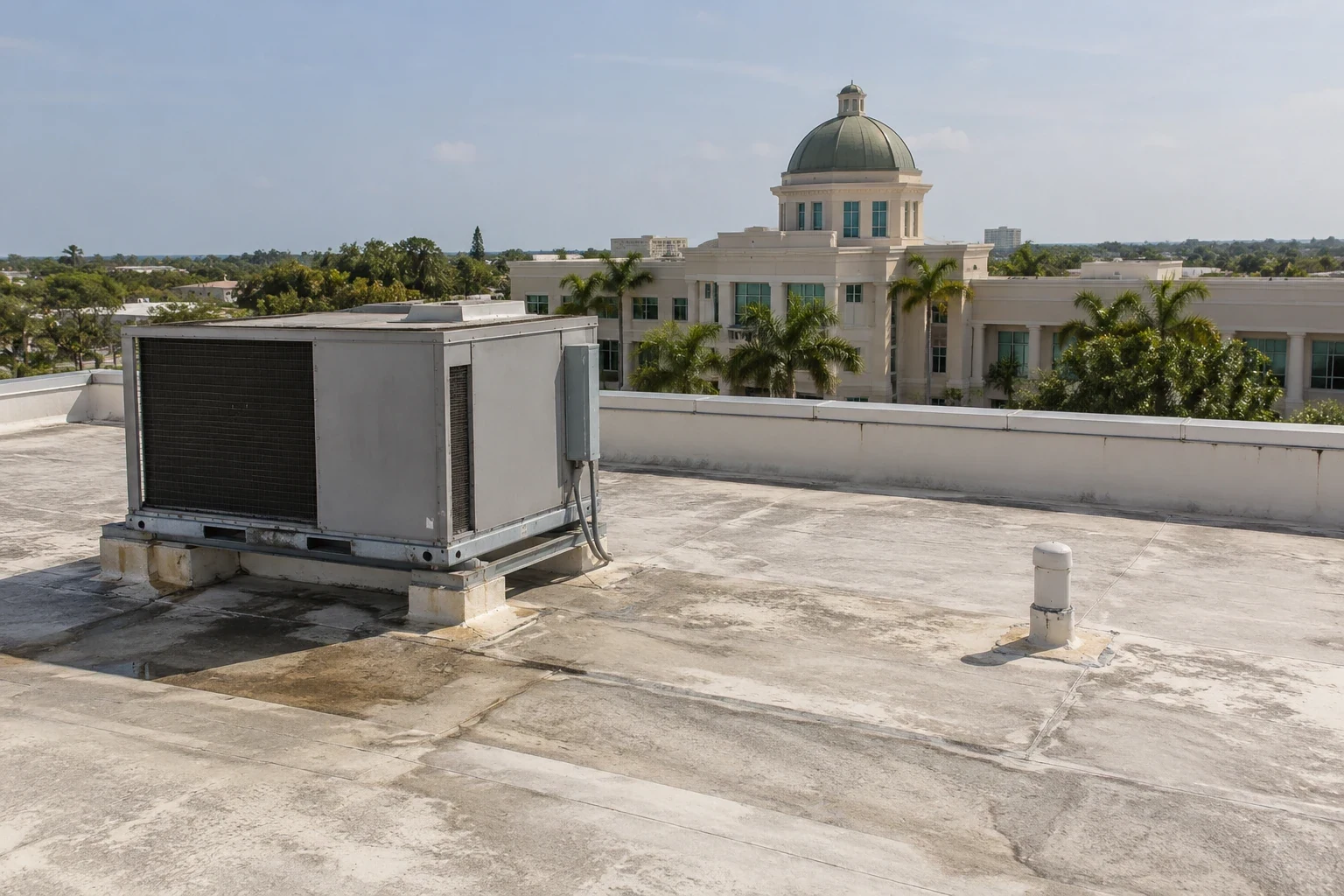
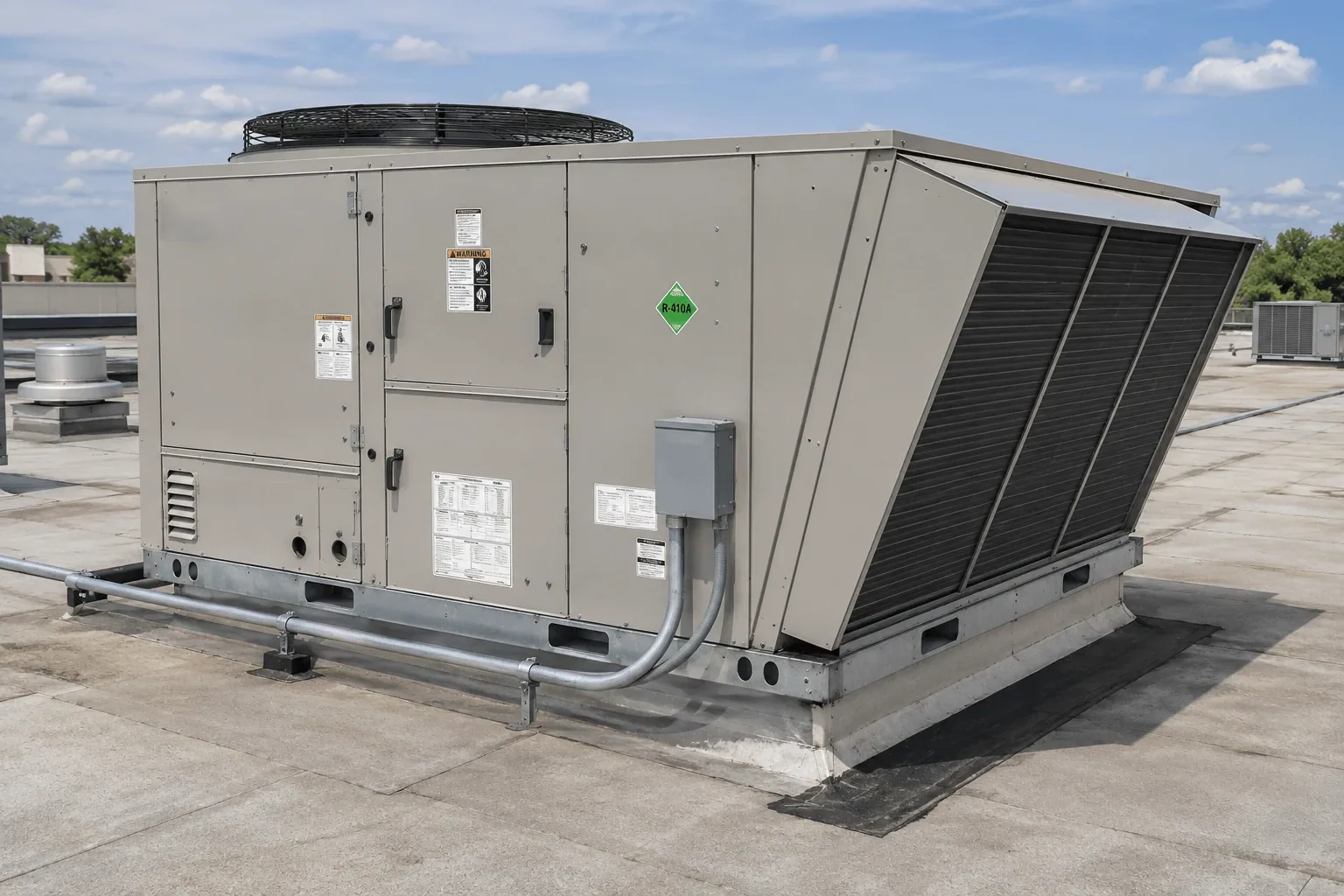
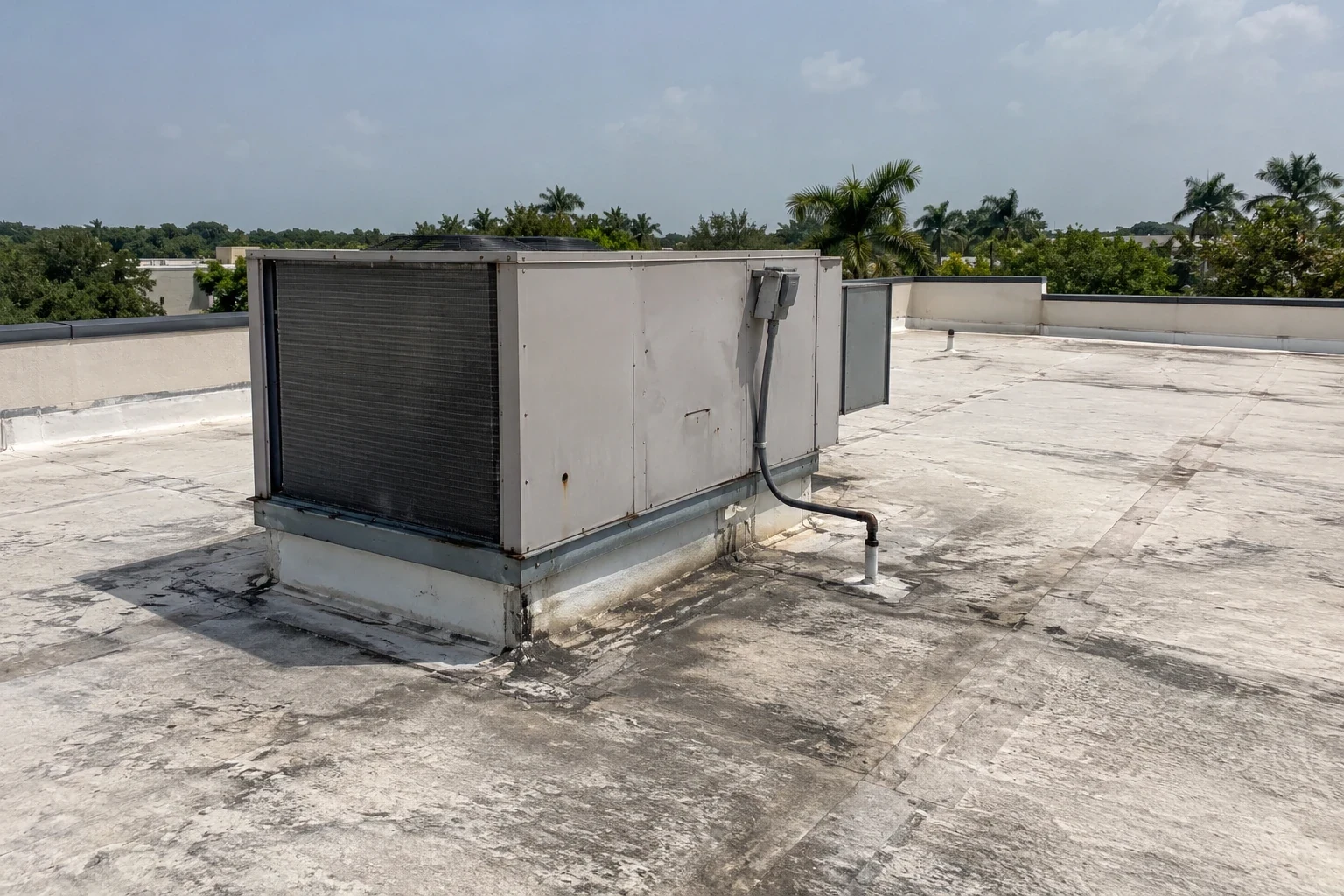
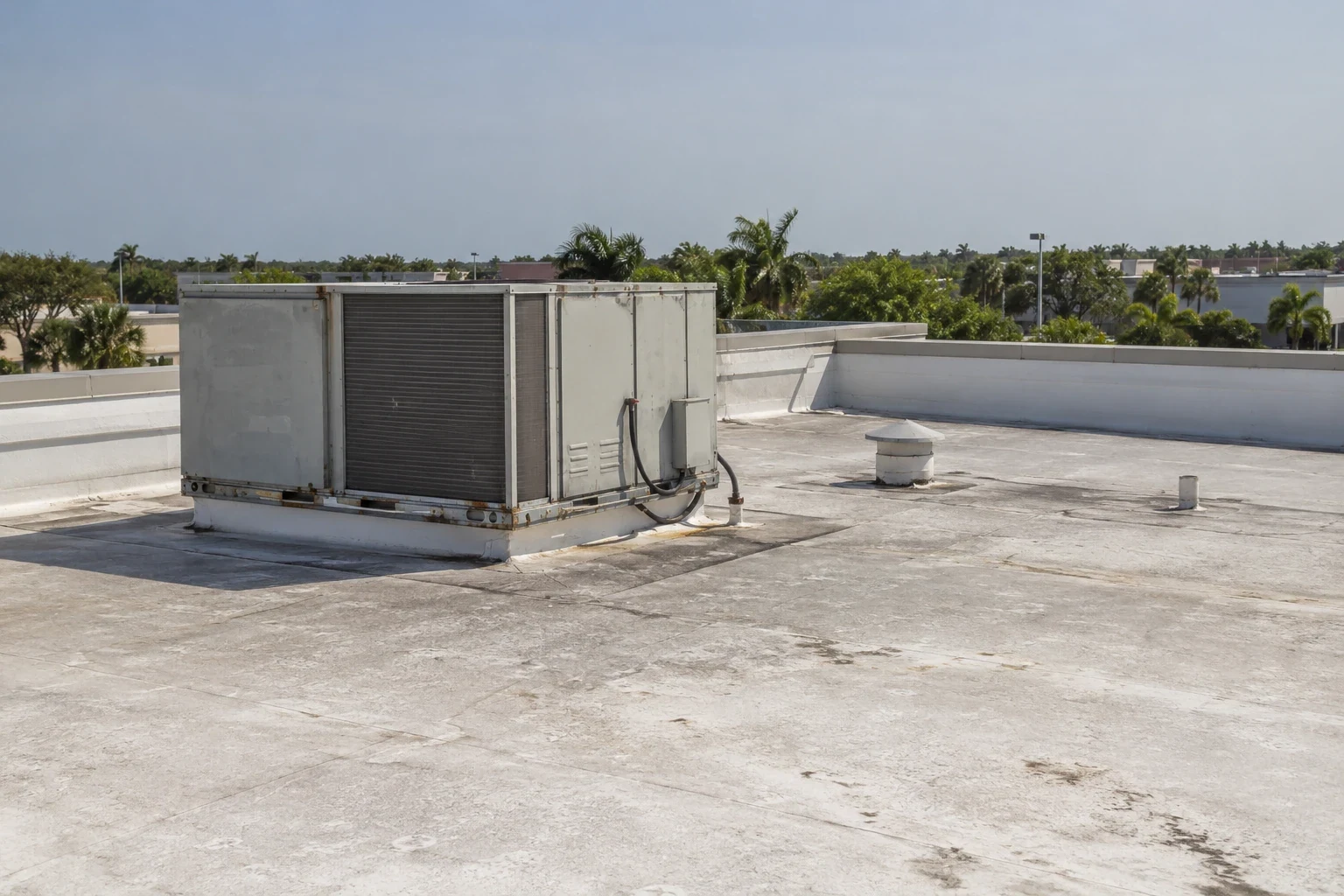
Kitchen exhaust, make-up air, refrigeration, plumbing vents, and communications lines can all pass through a restaurant roof. The actual equipment list depends on the building. We ask the manager or service vendor to identify which units must remain available, what clearances are required, and who can authorize shutdown or movement. The roofing crew checks the visible curb, flashing, and nearby membrane without changing kitchen or mechanical equipment.
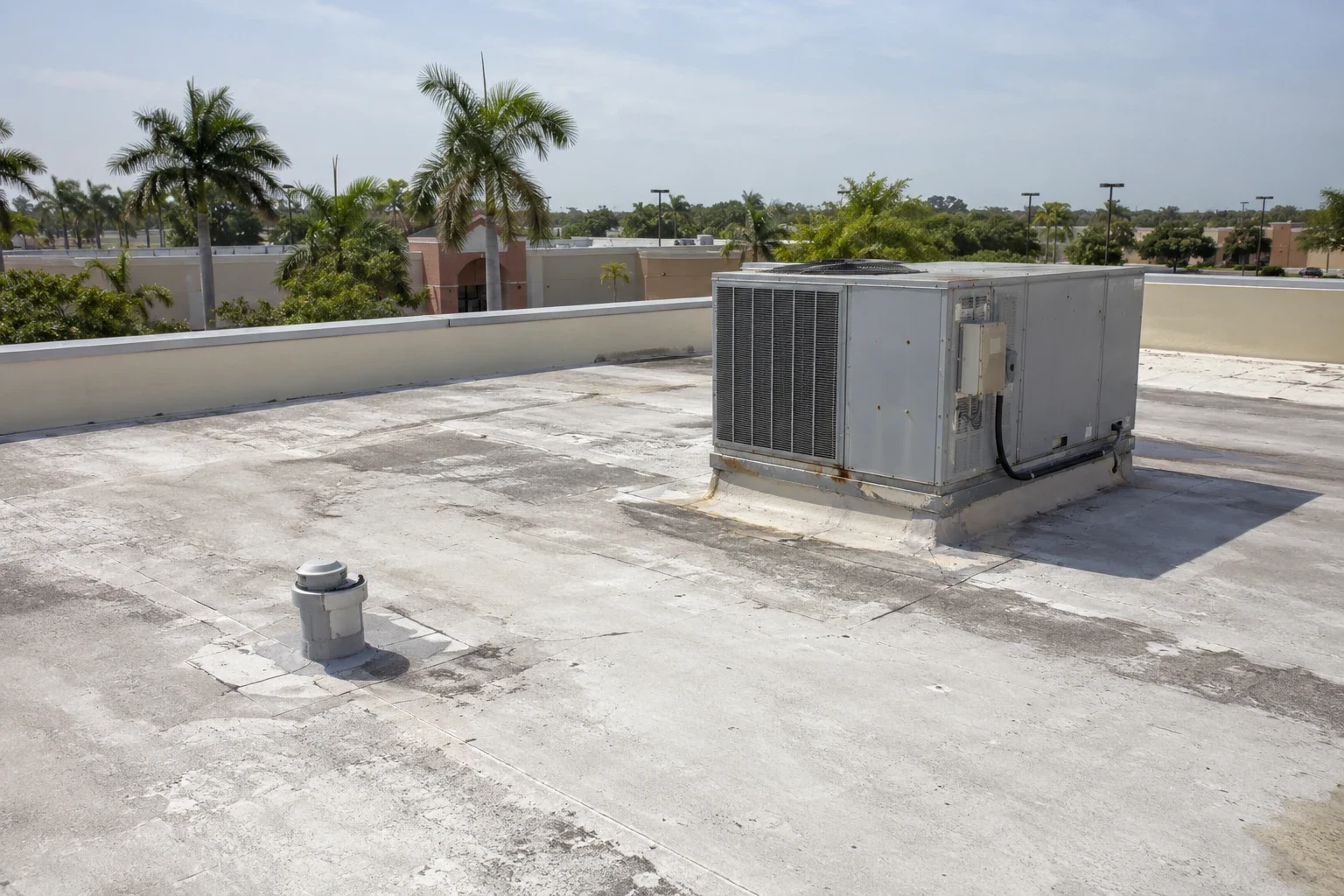
A leak near an exhaust curb may enter at its flashing, at a seam beside it, or at another uphill detail. We inspect the drainage and roof details around the reported zone and document what we can reach. Equipment curb and support review is useful when flashing, mounting, or service access needs a closer look. For restaurants with cold storage or a larger delivery operation, grocery-store roofing covers another food-use setting; kitchen systems and operating hours at a restaurant still come from that operator.
Follow drainage away from seating and prep areas
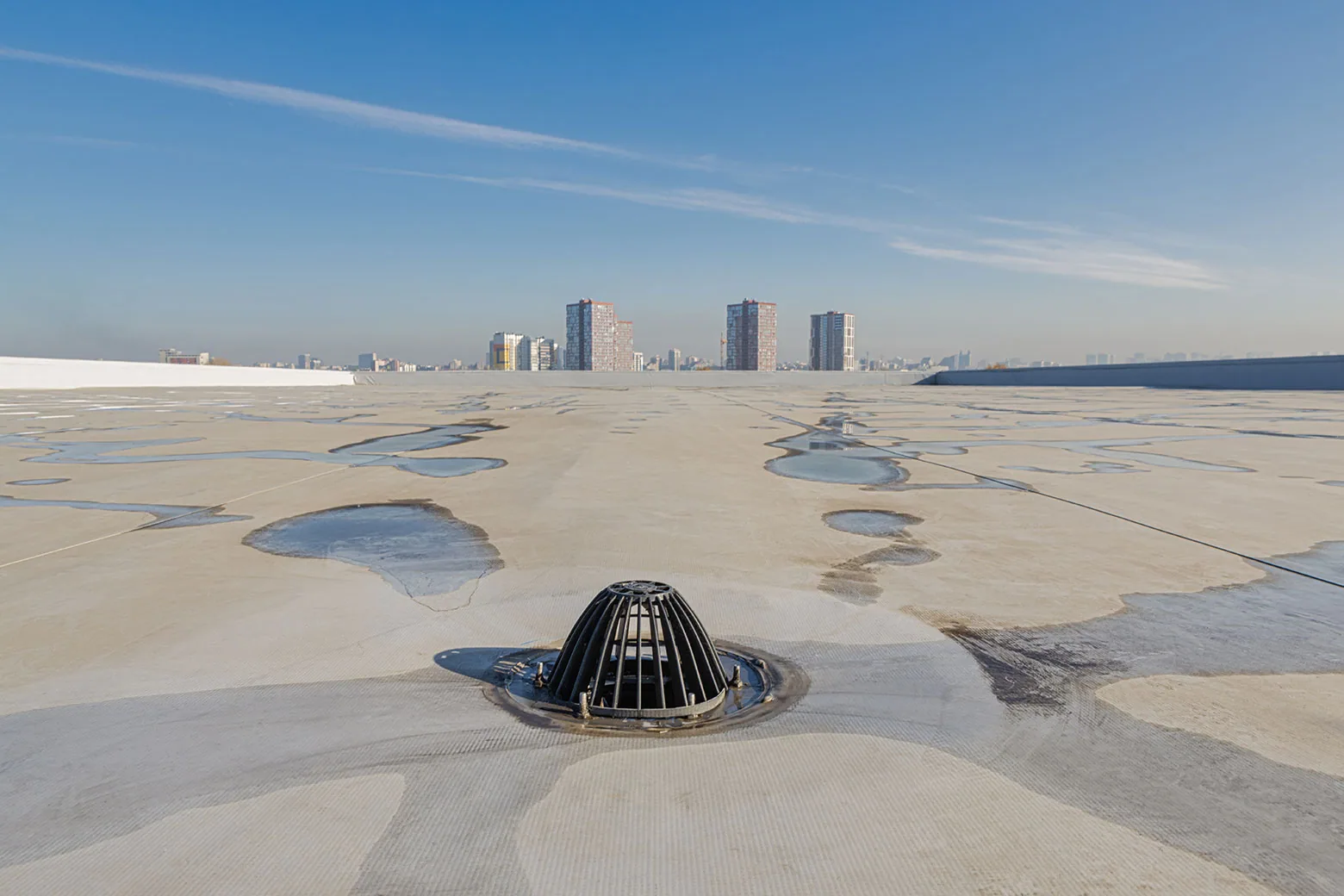
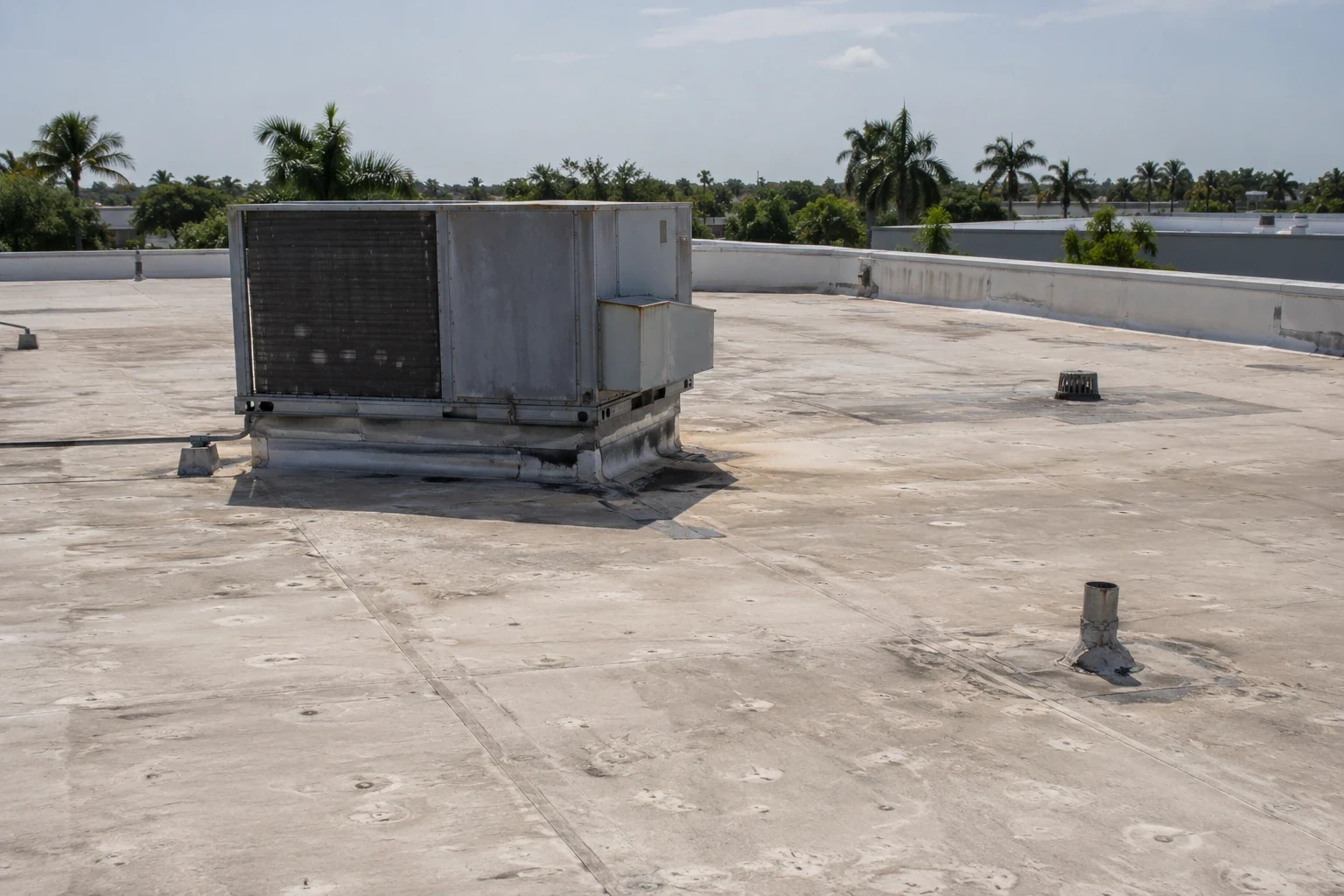
Roof water can travel beyond a kitchen or dining-room ceiling before it appears inside. We compare the reported location with accessible drains, scuppers, low areas, seams, wall transitions, and penetrations. A clogged strainer may require clearing, while recurring ponding can involve slope, membrane, or a damaged detail. The inspection should say which condition was observed and what area was outside the review.
Heavy rain can expose a drainage problem that was not apparent during a dry visit. The restaurant contact should share whether water appears only during a storm, continues afterward, or returns around the same interior fixture. Drain and scupper service can document flow restrictions and visible damage. A broader commercial roof inspection may be useful when separate dining, kitchen, and storage areas show different symptoms. Staff should use their own food-safety and building procedures to protect people and product below an active leak.
Allow for Conroe heat and sudden rain
Kitchen exhaust and grease near roof penetrations call for close review of the surrounding membrane and flashing. Nearby Houston Intercontinental normal highs reach 94.5°F in July and 94.9°F in August. A hot surface affects how long roof work can proceed safely, while rainfall requires a clear temporary dry-in plan. A midday access window may reduce heat exposure for the crew. The contractor should set an exposed-area limit and state how the roof will be closed before the crew leaves, even if the full repair needs another visit.
Conroe also has a recorded October 1997 tornado outbreak: one F0 tornado crossed the city and a second occurred along Highway 105 near Cut and Shoot. Southerly winds reached 57 mph at the Conroe airport during the first storm. Historical weather does not prove that a particular restaurant has storm damage. Following a current event, the inspection checks the reported section for lifted edge metal, damaged flashing, debris impact, and new interior water. Storm-damage repair should identify the observed limits and temporary protection before the permanent work is priced.
Choose work that matches the roof evidence
Restaurant management can weigh roof work against service continuity. A localized seam or exhaust-curb problem may be handled with a repair when the surrounding roof remains sound. Several leaks, broad wet areas, or deteriorated transitions call for a larger review before another patch is approved. An overlay is considered only if the current build-up, attachment, and moisture condition permit it. Removing the assembly creates additional debris and weather-protection tasks, which may affect kitchen deliveries or dining access.
The written scope should identify kitchen and dining zones, exhaust equipment, delivery lanes, public access, and what the crew will close each day. It should distinguish included flashing work from service performed by an HVAC or kitchen-equipment vendor. A replacement scope lets ownership compare a larger project with repeated service calls. Hotel work has guest rooms, events, and front-desk communication; hotel roofing treats those operating constraints. Restaurant decisions remain tied to the inspected assembly and the operator's schedule.
Keep service notes connected to roof sections
Restaurant managers and maintenance contacts may change, so the closeout should identify the roof area inspected, the repair completed, materials installed, and photographs. Note whether the issue was visible, opened, or tested and identify any item that needs a mechanical vendor. A later water call can then be compared with the correct detail rather than reopening the same question from scratch.
Conroe's development mix includes tourism, dining, distribution, manufacturing, and professional services. The Woodlands Waterway District includes restaurants alongside offices, hotels, parks, residences, and business venues. Downtown Conroe is another defined commercial area. Each location has its own access and work-hour constraints. Downtown Conroe is one broader service area for commercial roof assessment. Scheduled maintenance can revisit visible drains and prior repair zones before the next reported leak, with any visit planned around the restaurant's operations.
Commercial Roofing Questions
Can roof repairs happen before a restaurant opens?
Often, if the work window includes safe setup, inspection or repair, and a weather-tight closeout before staff begin service. The manager should confirm deliveries, prep, access, and noise limits first.
Should kitchen equipment be shut down for roof work?
The restaurant's facilities lead or equipment service company decides whether a unit can be shut down or moved. Roofing access and flashing work are coordinated with those instructions.
What information helps trace a dining-room leak?
The room or table area, time noticed, whether water continues, and any nearby kitchen or exhaust equipment help focus the review. Staff should follow their building and food-safety procedures below active water.
Does a leak at an exhaust fan mean the curb has failed?
Not necessarily. Water may enter at flashing, an adjacent seam, a drain, or another roof transition. The inspection needs to compare the interior report with details around the curb.
When should a restaurant consider roof replacement?
Repeated leaks, broad wet insulation, or several deteriorated details can support a renewal review. The recommendation should compare localized repair, recover, and tear-off against service needs and observed conditions.
Related Roofing Work