Commercial Roofing in Valley Ranch Town Center, New Caney, TX
Commercial roof service for Valley Ranch Town Center in New Caney, TX. We inspect leaks, drains, flashing, and access around active properties.
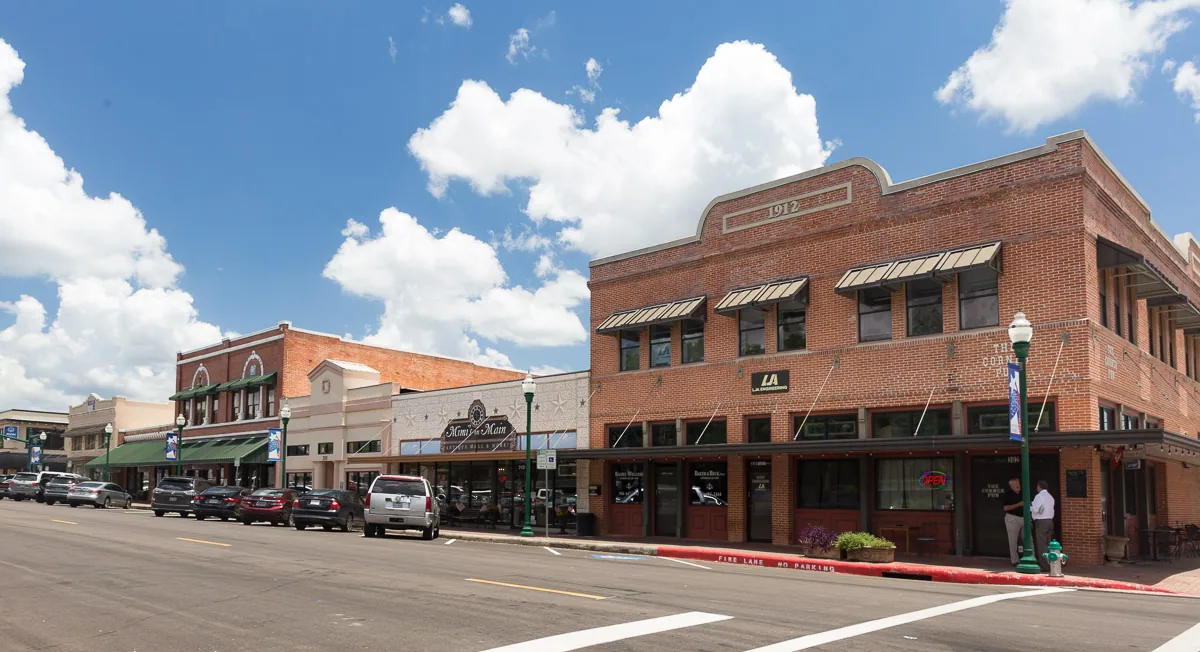
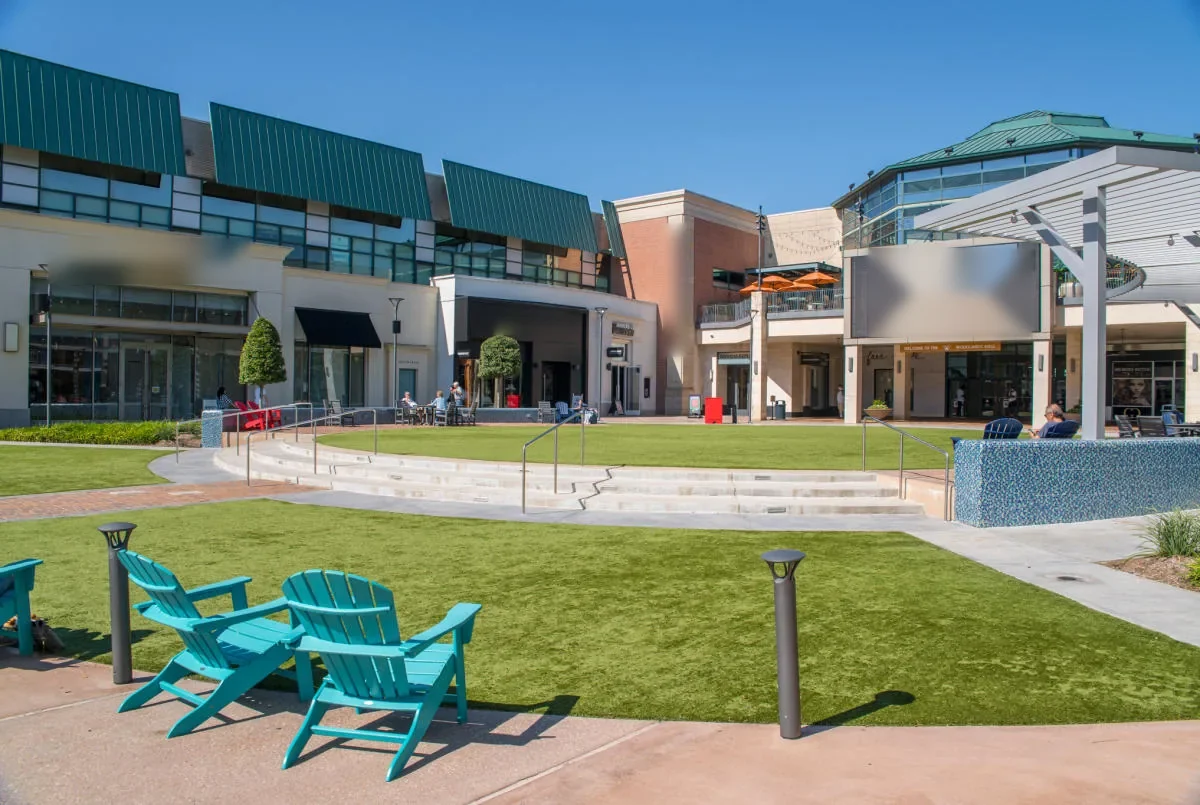
Commercial roof work around Valley Ranch Town Center needs to fit the activity below as well as the condition above. The mixed-use community center sits at the Grand Parkway and I-69/US 59. Its published mix includes shopping, dining, entertainment, a movie theater, and year-round events. The East Montgomery County Convention Center is part of the broader center; it has 210,070 square feet, including a ballroom and exhibition hall of nearly 55,000 square feet. Those facts establish a varied destination, not a common roof system or shared work schedule. We inspect the specific property and coordinate the roof plan with its operator.
A dining tenant, event venue, shop, or office may have different entrances, delivery periods, and interior-protection needs. We confirm them before staging a lift, moving materials, or opening a roof area. The neighboring East Montgomery County Industrial Park and New Caney commercial roofing pages also describe separate service areas; conditions at one property do not transfer to another.
Keep Entrances and Event Access in the Sequence
Before a crew arrives, the property contact identifies customer entrances, loading points, accessible routes, and hours when noise or temporary barriers could disrupt activity. If an event or busy retail period is scheduled, work can be timed around it when roof condition and forecast permit. We also confirm where debris, materials, and lift equipment can be placed without blocking circulation. The work route is a site decision, not something a map of the district can answer.
The convention center’s published ballroom and exhibition space illustrates why an event property may need a precise access and closeout plan, but the wider service area includes more than that venue. We ask which building is being serviced, who authorizes roof access, and what occupants need notice. If the assembly supports separate weather-tight zones, a phased occupied-building reroof may reduce disruption. A single broad schedule should not be imposed on several different roofs or operators.
Trace Water at the Building, Not the District Level
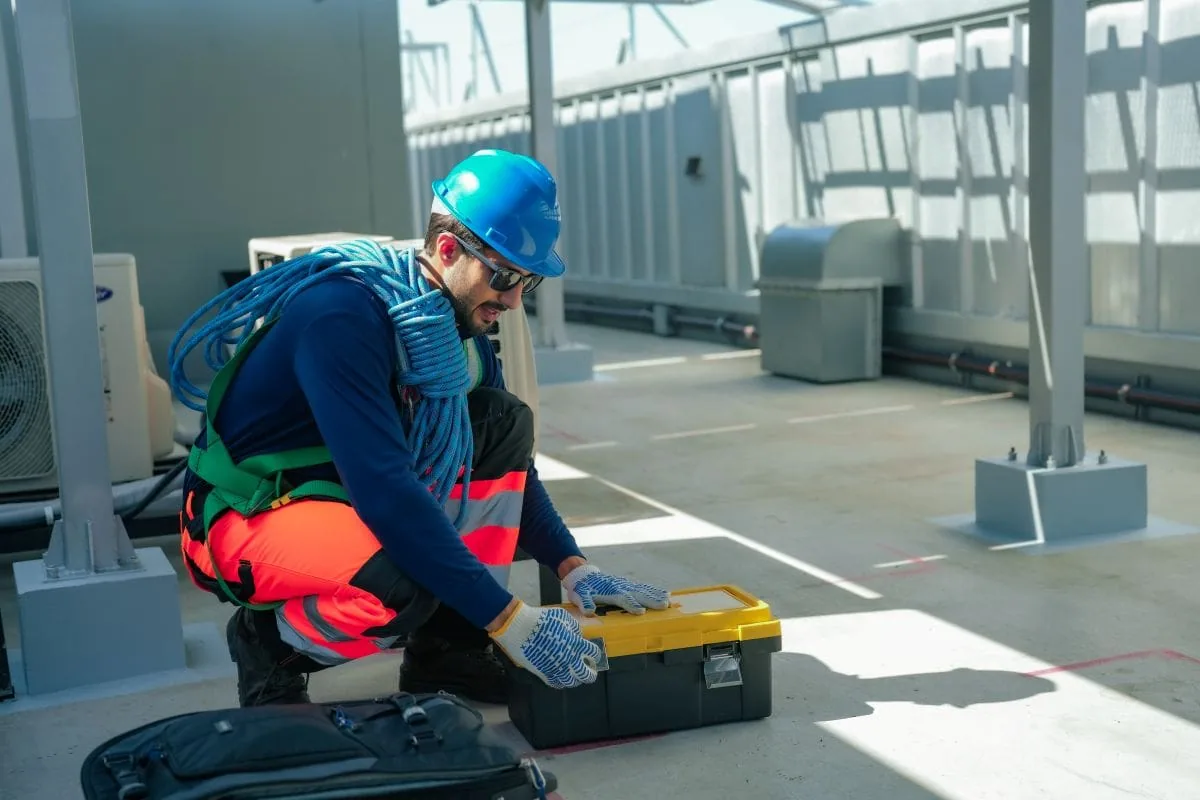
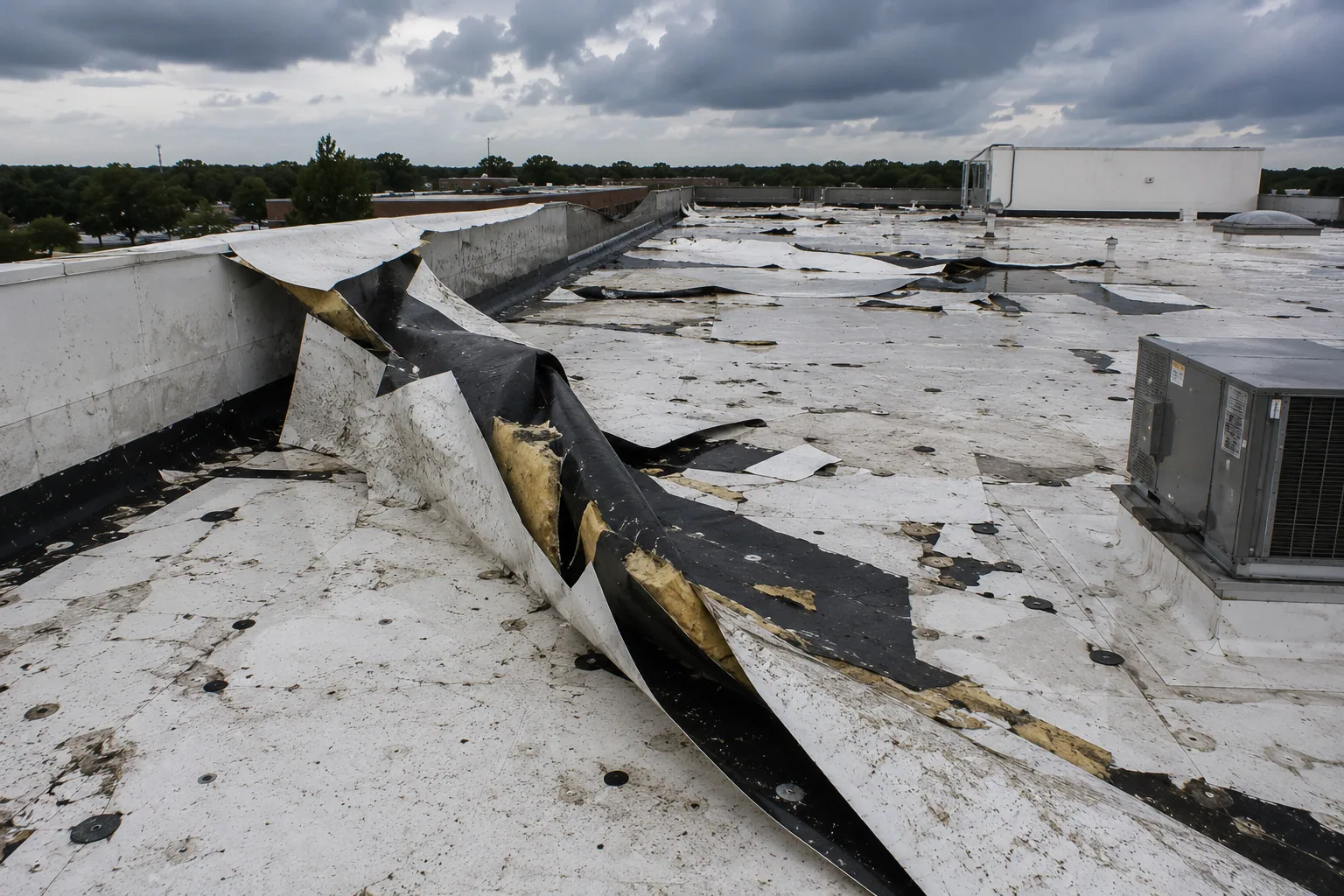
When a leak report arrives, we start with the affected interior and inspect roof details above and around it. Water may follow framing or deck before it becomes visible. We check seams, curb bases, pipes, skylights, wall transitions, drains, and any prior patch near the report. The inspection looks for lifted edges, punctures, separated flashing, wet insulation, and blocked outlets. We record what is visible and identify any test that would be needed to locate a concealed path.
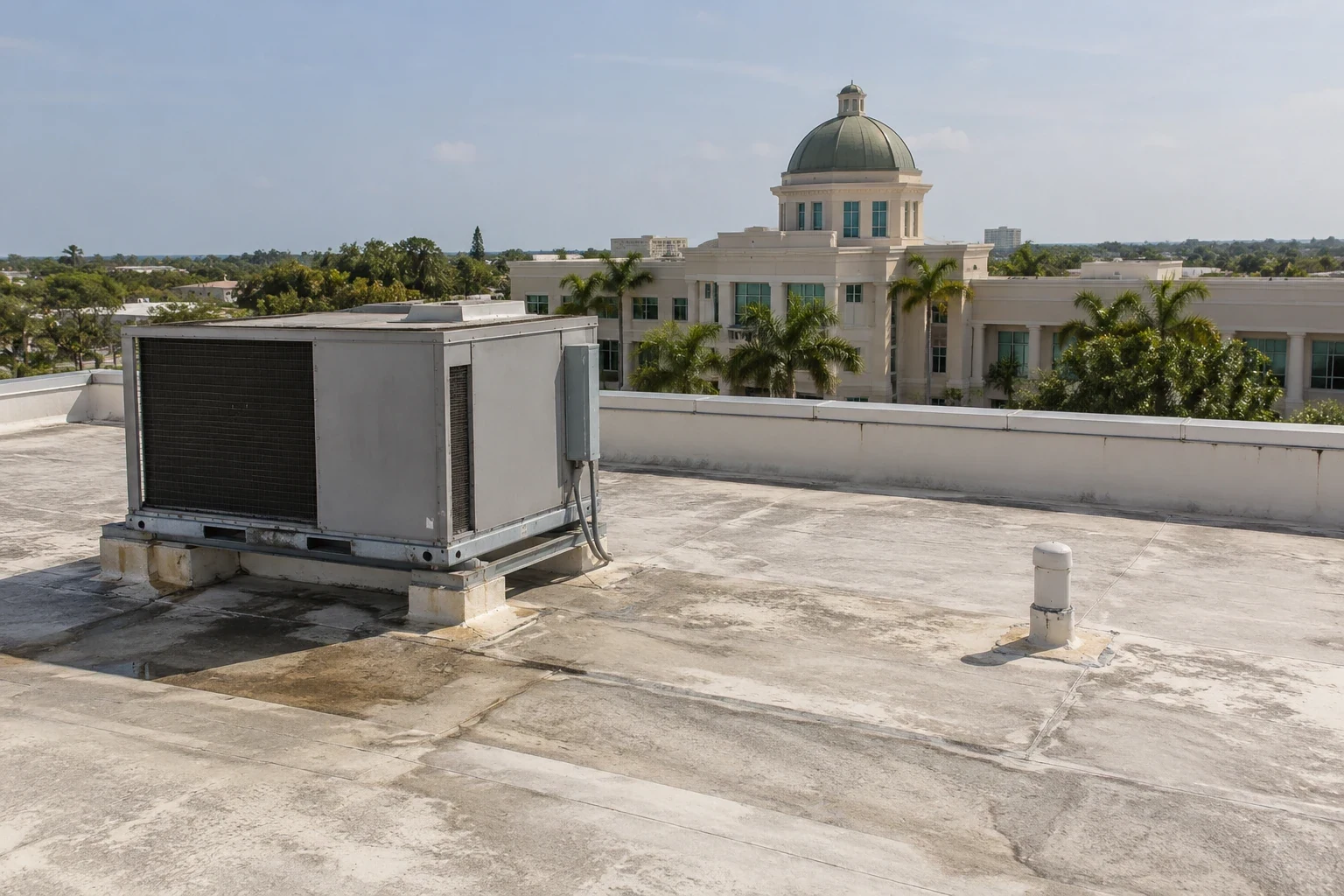
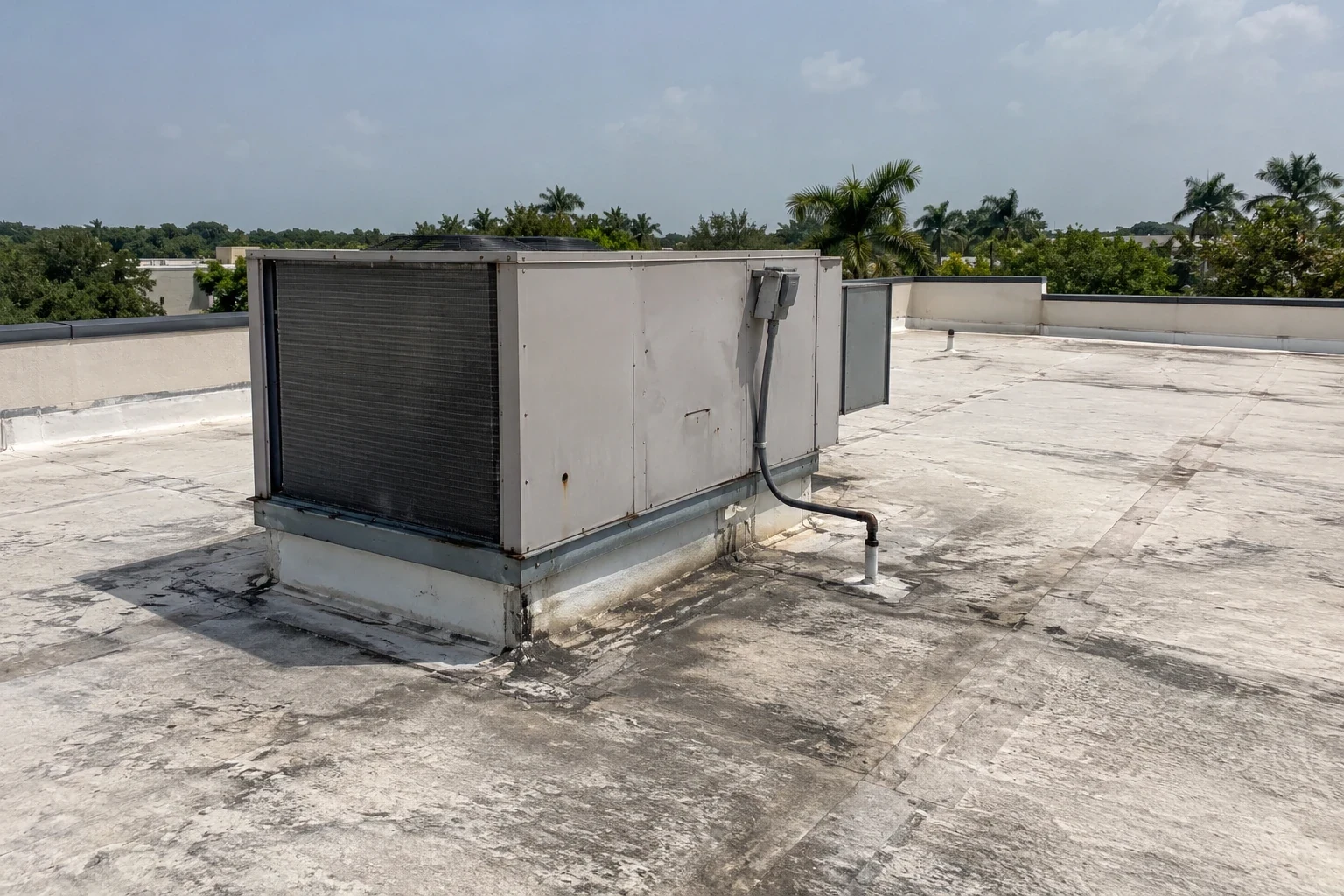
The mixed-use setting does not tell us whether a property has TPO, EPDM, metal, modified bitumen, or another assembly. We identify material and attachment before recommending a repair, then check whether the surrounding surface can accept a compatible tie-in. A drain issue and a failed seam can create similar interior symptoms but need different corrections. A commercial roof inspection can document the path checked and what remains unresolved instead of treating the first stain as the entire diagnosis.
Prepare Drains and Flashing for Regional Heat and Rain
A nearby Houston airport climate record lists mean highs of 94.5°F for July and 94.9°F for August. Those regional figures set heat context for the Conroe market, while the inspection measures actual roof conditions at Valley Ranch. We inspect the actual seams, fasteners, curb corners, and metal transitions for movement or loss of bond. The roof material and condition determine which repair preparation is appropriate.
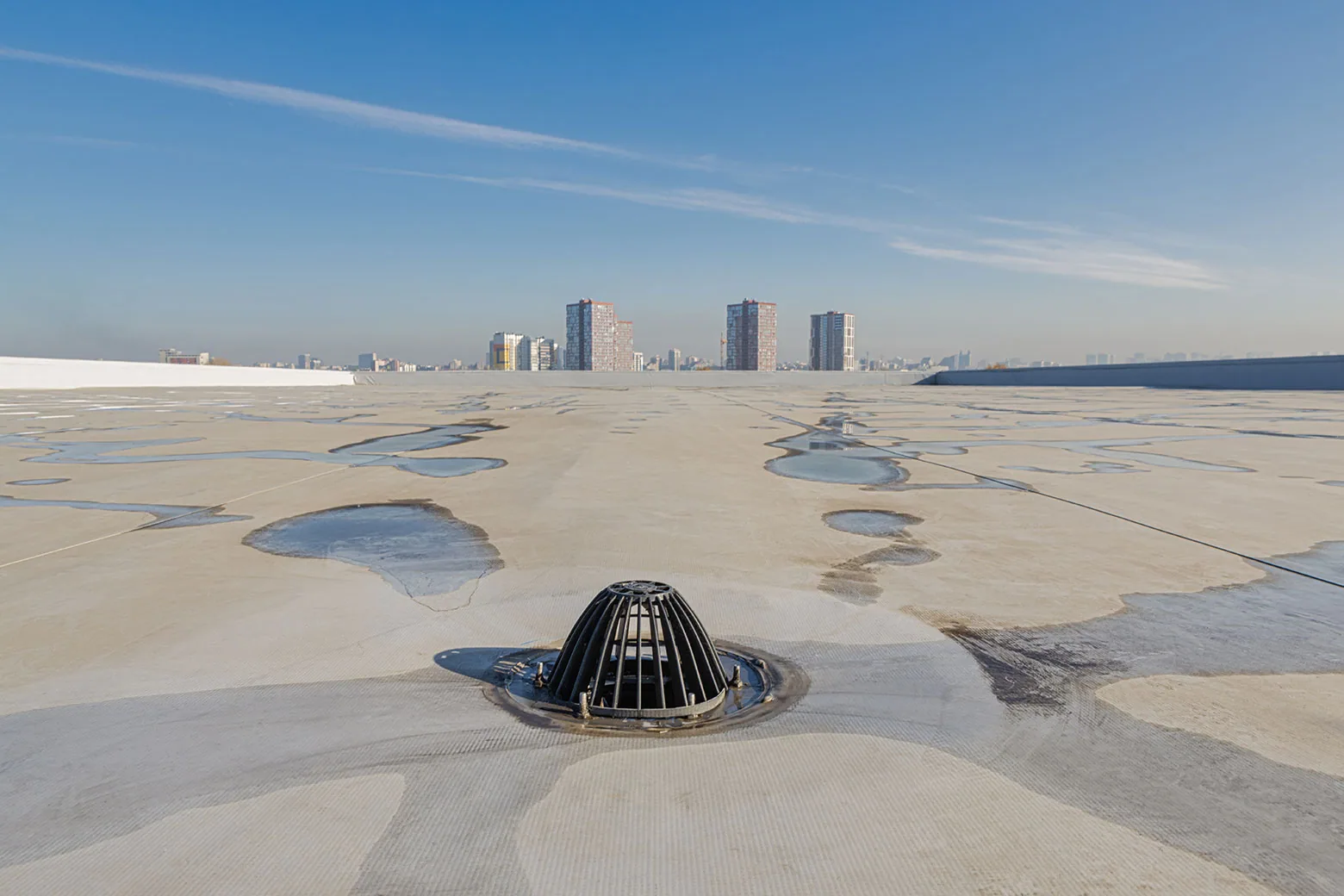
Heavy rain tests drains, scuppers, and overflow routes. We check strainers and bowls, follow the roof’s slope, and note whether low areas remain wet after surrounding sections clear. If an outlet is blocked, service may resolve the immediate restriction. If standing water remains after the outlet is clear, slope, insulation, or deck condition may need more evaluation. Wind-driven rain can expose a weak wall or equipment flashing. For an outlet-focused issue, roof drain and scupper service can be part of the inspection and repair plan.
Compare the Least Disruptive Sound Option
A repair can stay localized if surrounding material will accept a lasting bond and testing finds no moisture beyond the defect. Recurring leaks, several failing seams, moisture across a wider area, or loose perimeter details can indicate that the work boundary should expand. We explain what is confirmed and what a test opening may reveal before presenting options.
A recover can make sense when the existing assembly is dry, securely attached, supported, and compatible with a new layer. Drain height, edge terminations, code, and equipment clearances are part of that decision. Covering a wet or unstable assembly does not remove the cause. Tear-off exposes concealed layers but increases debris, noise, and interior-protection needs. We compare both approaches with the building’s condition and operating constraints. A commercial roof repair can address limited damage, while replacement planning fits a broader renewal need established by inspection.
Agree on Weather Protection and Approval Points
Before opening a section, we identify the temporary dry-in method, the area that can be completed in one shift, and who can approve concealed-condition work. If weather moves in, the crew protects the opening or postpones that phase. A dependable daily closeout matters anywhere customers, tenants, or event schedules continue below.
A test cut may uncover wet insulation or damaged deck that changes the quantities and sequence. We document what is exposed, show the owner the boundary, and wait for authorization before expanding removal. When water is actively entering, temporary protection can limit damage while the permanent repair is prepared. Emergency roof repair focuses first on safe access, water control, and a next-step inspection. The final recommendation follows after the roof can be evaluated in suitable conditions.
Record the Work for the Next Operator
At closeout, the property contact should receive a clear account of which roof areas were inspected, what was repaired, what materials were used, and what remains outside the completed scope. Photos should include a reference to the roof section and the detail. If an area was not opened or tested, that limit belongs in the record so a later decision does not treat it as confirmed dry.
The Waterway's hotels, retail, dining, and entertainment destinations bring visitor activity, so we coordinate lift placement and deliveries with the property contact. A venue, shop, and restaurant do not share roof findings simply because they sit in one commercial destination. Roof condition reports can organize current observations for maintenance and capital planning. A clear record also makes it easier to coordinate future access around deliveries, customers, or scheduled events.
Commercial Roofing Questions
Can roof work be scheduled around events at Valley Ranch Town Center?
We coordinate the work window with the property contact, including public routes, noise, staging, and daily closeout. Event timing can inform the schedule, but the roof condition and weather still determine a safe sequence.
Does the convention center’s size tell you how much roof work is needed?
No. The published floor-area and event-space figures describe that venue, not its roof condition or the needs of another building in the district. We inspect and measure the property under consideration.
How do you find a leak near a restaurant or retail space?
We start from the interior report, then inspect nearby roof seams, penetrations, curbs, transitions, and drainage. Water can travel before it appears, so we may recommend testing if the path remains unclear.
Can commercial roofing proceed while customers are on site?
Often, with a work plan that protects entrances and separates material movement from public routes. We confirm barriers, delivery windows, and lift placement before work begins.
What details should be in a commercial roof closeout?
The record should show repair locations, materials, completed details, photographs with roof references, and any condition that remains untested. That gives the next inspection a useful starting point.
Related Roofing Work