Commercial Roof Insurance Claim Assistance in Conroe, TX
Organize Conroe commercial roof claim records with dated photos, observed conditions, repair scopes, and a clear separation of facts and estimates.
An insurance file is only as useful as the roof evidence behind it. In Conroe, where severe storms and intense rainfall are part of the regional weather record, a claim still needs property-specific observations: what was found, where it was found, and what work was completed. We inspect the affected roof area, photograph details in context, and organize a repair scope without predicting coverage. A building in Conroe Park North or the wider Downtown Conroe district gets its own roof map and record.
Build the file from observed conditions
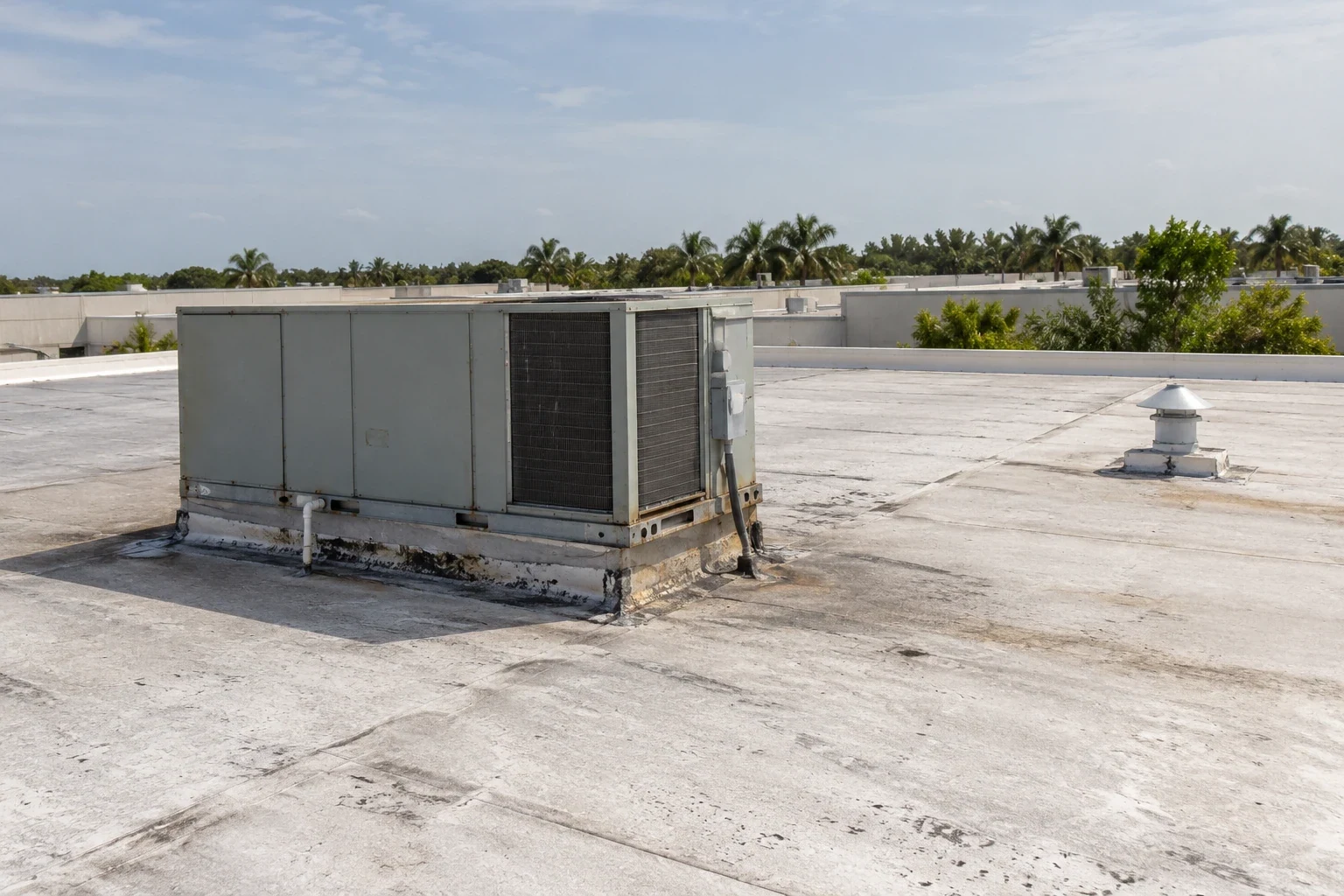
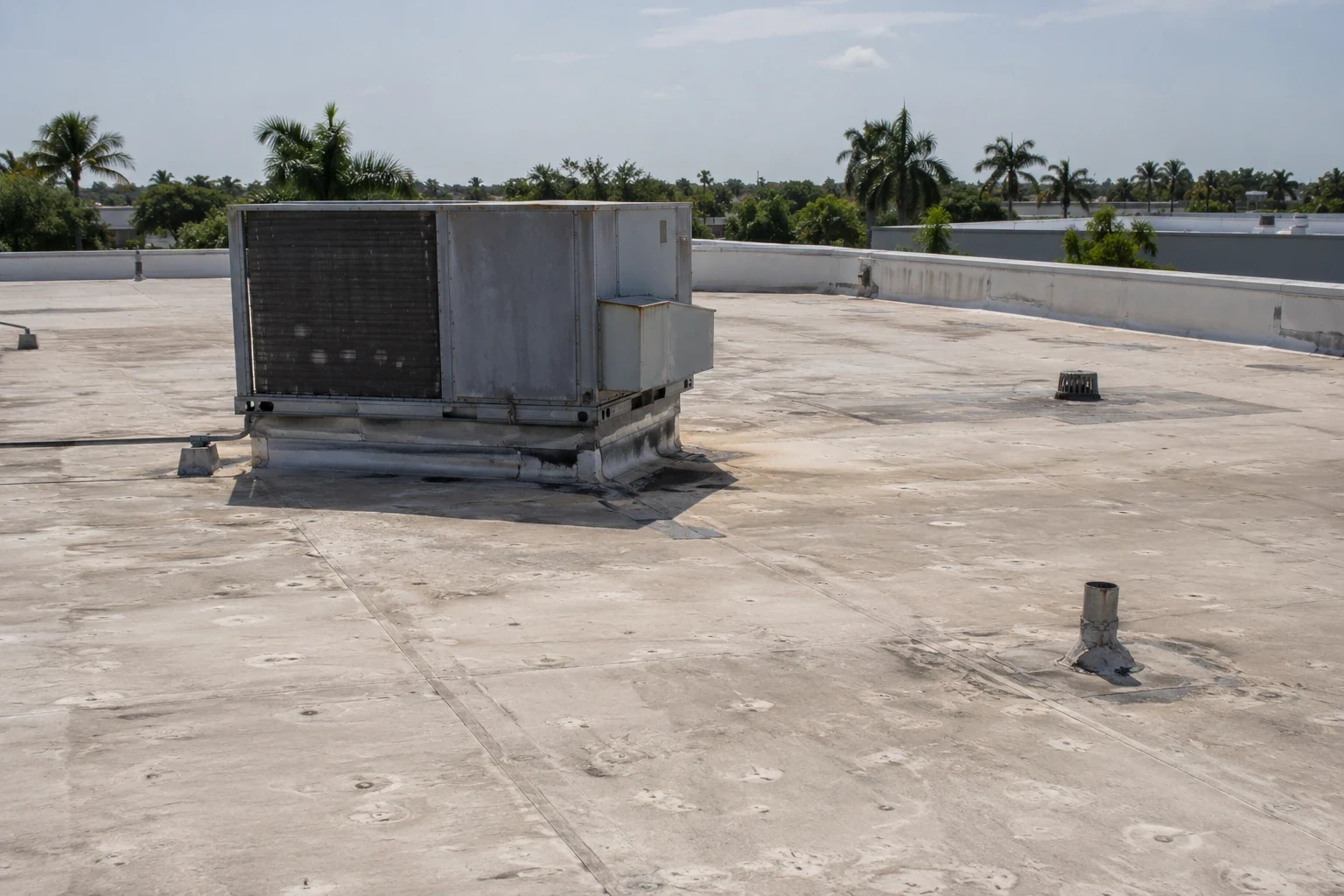
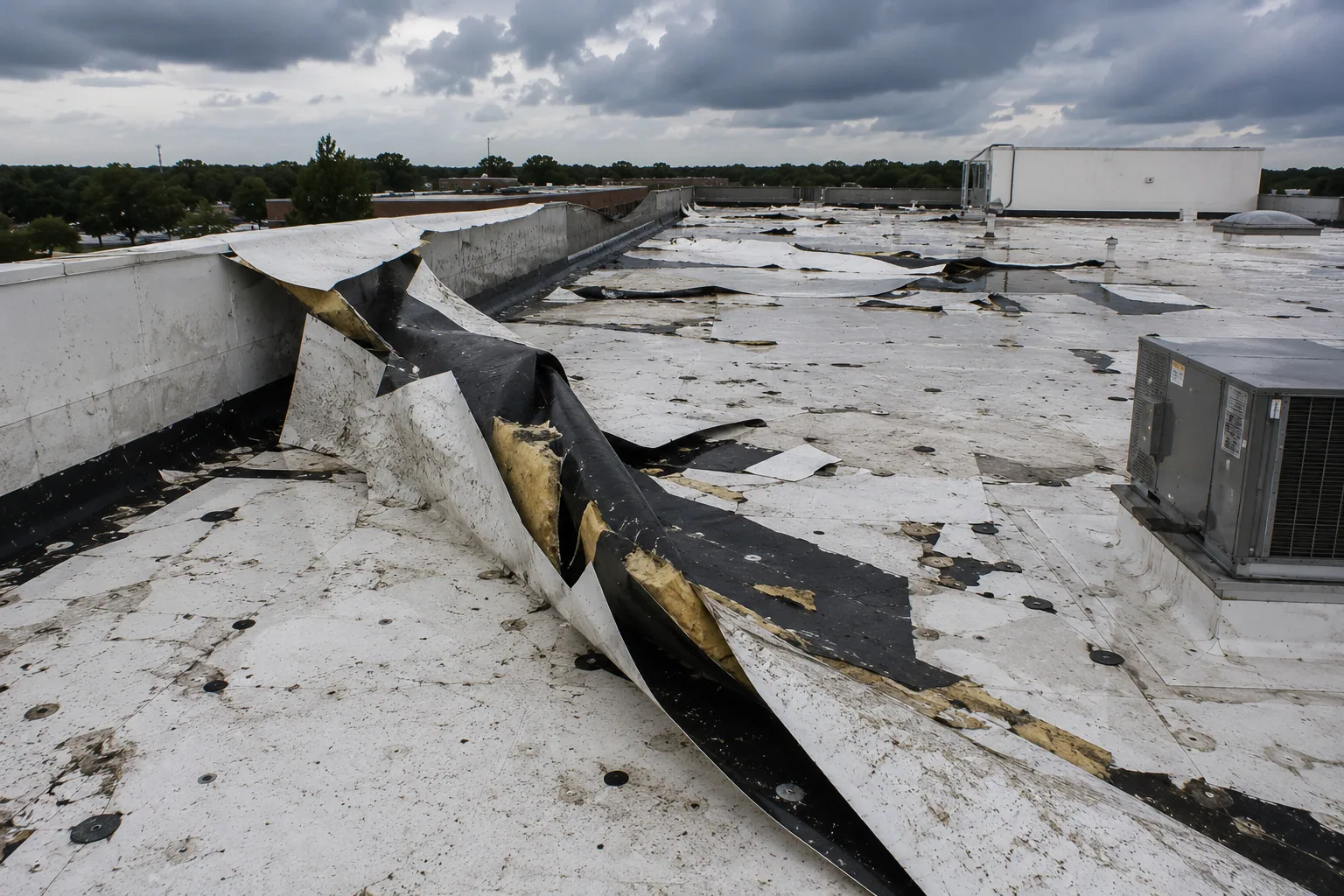
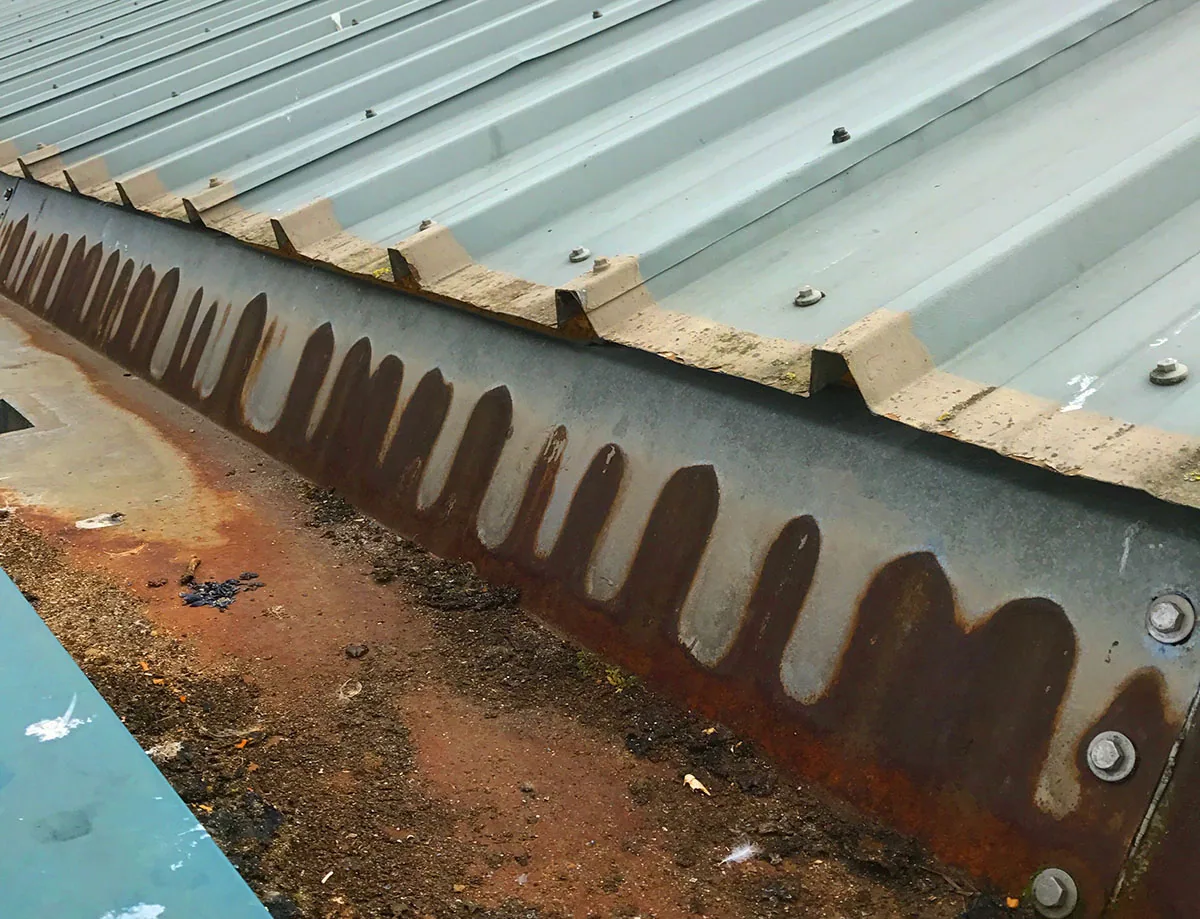
Start with the event date, when water or visible damage was first reported, the affected interior area, and any temporary protection already installed. We inspect the roof for punctures, displaced edge metal, open seams, damaged flashing, blocked drainage, and prior repairs. Each photograph should show the detail and enough surrounding surface to locate it on a roof plan. A close-up without a zone reference can be difficult to compare with an estimate or a later inspection.
Build a simple chronology from the first report through closeout. Note when water appeared, which spaces were affected, what temporary action was taken, and when the roof became safe to inspect. Keep the original photographs and later repair images together, with dates and roof-zone labels. If another vendor moves equipment or makes an emergency opening, record that work as a separate event. The sequence helps the property team understand which condition was visible before repair and which detail changed afterward. A concise timeline is more useful than a stack of unlabeled images.
The written record separates current observations from owner reports and conditions that remain concealed. A ceiling stain is evidence of an interior symptom, not proof of the roof entry point. If wet insulation or deck condition could change the scope, we identify a test area and what it will establish. A roof condition report can organize photos, zones, and open questions. The claim packet should not turn a building footprint, weather alert, or incomplete roof walk into a statement about damage that was not observed.
Use Conroe weather history with care
An F0 tornado crossed Conroe on October 23, 1997, and another tornado tracked along Highway 105 near Cut and Shoot. Hurricane Harvey brought record pool elevations at Lake Conroe and a release associated with downstream flooding in Montgomery County. The historical reports provide regional context. A repair recommendation still depends on conditions documented at the building. We record the reported event, then tie each proposed task to the inspection findings.
Lone Star Executive Airport sits just north of Conroe and provides the area's monthly climate observations. That location is useful context for local monthly conditions, but a station record cannot identify hail impact, uplift, or moisture inside a building. A roof visit at NorthStar Industrial Park or a commercial area nearer I-45 still begins with the particular roof, its system, and accessible repair history. Keep weather information in the event timeline; keep roof findings in the inspection record.
Describe temporary and permanent work separately
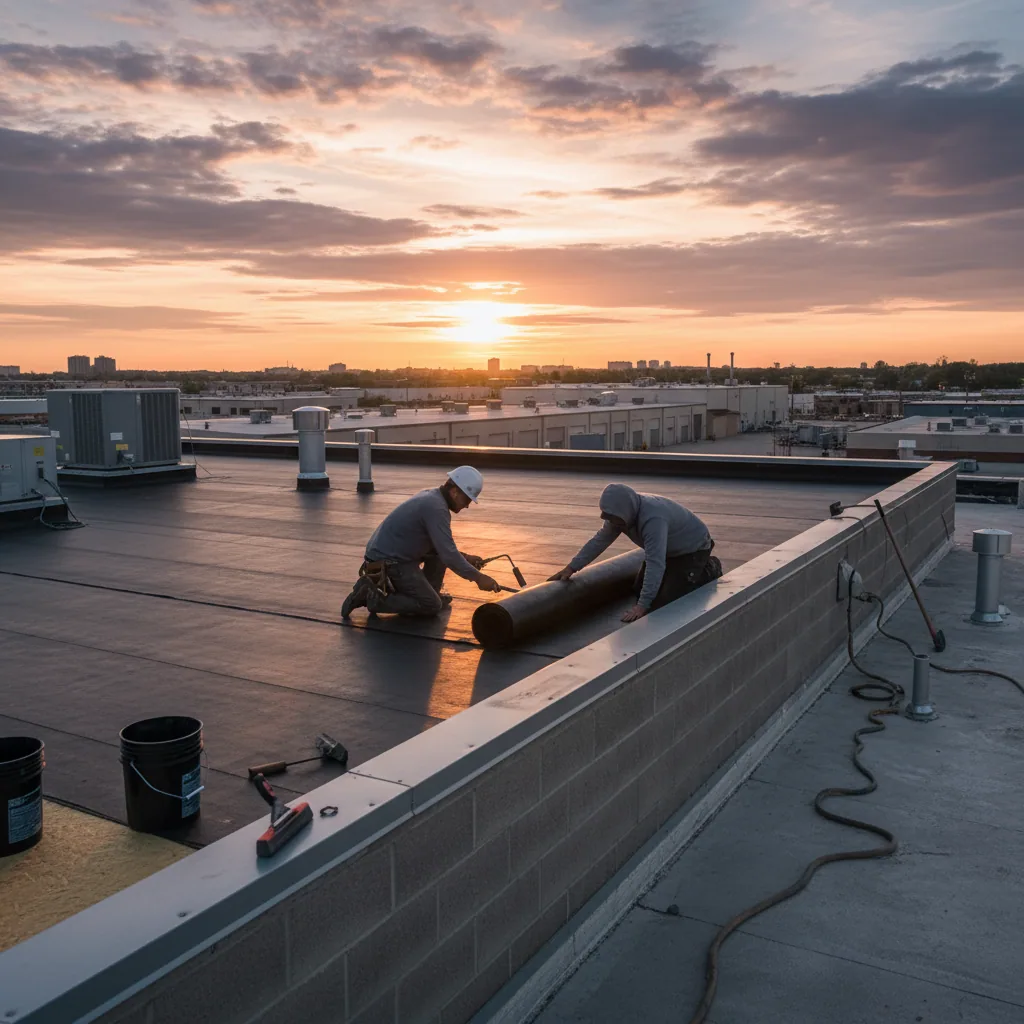
A tarp, seal, or temporary dry-in may limit immediate water entry before a permanent repair is safe. The record should identify its location, materials, installation date, and any remaining exposure. It should not be described as a completed membrane repair if the damaged seam, curb, or insulation remains unresolved. When the roof can be accessed, we return to inspect the protected area and neighboring details, then document the permanent work boundary.
Repair recommendations follow the installed assembly. A thermoplastic seam, EPDM field patch, metal panel, and built-up roof each call for different preparation and materials. If hidden moisture appears after an opening, the added quantity and effect on schedule should be explained before removal expands. A storm damage roof inspection can locate the work; a commercial roof repair can restore a confirmed defect. The estimate lists included tasks and any conditions that would require a revised scope.
Coordinate site access and claim reviews
Commercial properties may have tenants, equipment, freight, or critical rooms below the repair area. We agree on roof access, staging, interior protection, and the contact who can approve testing before opening the assembly. At Conroe Park North, the park's manufacturing, freight, warehousing, and distribution uses make vehicle routes a possible coordination issue; the site contact confirms whether that applies to the building under review. A roof plan and a claim inspection should describe what was accessed and what was not.
During a joint review, begin with the roof plan and identify the building and section before moving to close-up details. Point out the condition, its boundaries, and any test location without assigning a cause that the inspection did not establish. If the reviewer has a different interpretation, record the question and the additional evidence needed to resolve it. A shared walk-through can clarify scope, but the property record should still distinguish each party's observations and decisions. Keep meeting notes with the dated photos and the estimate that was under discussion.
If an adjuster or consultant will attend, confirm the meeting time and roof access requirements in advance. We can walk the observed conditions, point out repairs and test locations, and provide available photos or work records. The insurer or its representative makes its own coverage determination. A emergency response may be needed before that review when water remains active; safety and interior protection come first. We document any temporary work so a later inspection can distinguish it from permanent restoration.
Keep repair evidence useful after closeout
After work, retain the original inspection, estimate, approvals, material records, dated photos, and final repair notes together. Identify whether the roof was opened, whether insulation or deck was replaced, and which area remains for monitoring. If the property has several buildings, keep each file tied to its own roof map. A later leak call can then be compared with the documented repair boundary rather than a broad description such as “storm damage.”
Claim paperwork and roof planning serve related but different decisions. The claim review addresses the reported event and requested coverage; the capital plan considers remaining service, deferred maintenance, and future renewal. We can provide a follow-up roof inspection after the next rain, or a roof capital plan when the findings affect longer-term budgeting. Any unresolved test, access limit, or excluded work should remain visible in the closeout so the next manager knows what still needs a decision.
Commercial Roofing Questions
Can you tell us whether an insurer will cover the roof work?
No. We document observed conditions and repair scope. The insurer reviews the policy and makes its own coverage decision.
What should we save before temporary protection is installed?
When it is safe, keep dated photos from the ground, the reported leak location, and any prior repair records. Do not delay protection or send staff onto an unsafe roof to gather evidence.
Does a regional storm record prove damage at our property?
It provides weather context only. The roof inspection must identify actual conditions at the building before damage is attributed to an event.
Can you meet an adjuster at the property?
We can coordinate a roof walk and explain observed details, completed repairs, and open tests. Access and timing should be confirmed with the property contact.
What if the roof damage extends after tear-off begins?
We photograph the exposed condition, define the added boundary, and request approval before expanding the agreed work. The estimate records the changed quantity and next step.
Related Roofing Work