Commercial Roof Capital Planning in Conroe, TX
Plan Conroe commercial roof funding with documented condition, repair alternatives, project timing, access needs, and clear assumptions for each building.
A roof budget gets difficult when every building has a different inspection date, repair history, and estimate assumption. Capital planning starts by sorting known work from conditions that still need testing. We inspect the roof, define repair boundaries, and show what could change the scope before an owner chooses between a near-term fix and a larger renewal. Conroe portfolios can include industrial sites around Conroe Park North and mixed-use properties near Downtown Conroe; the building record, not the district label, drives the funding decision.
Establish the condition behind the request
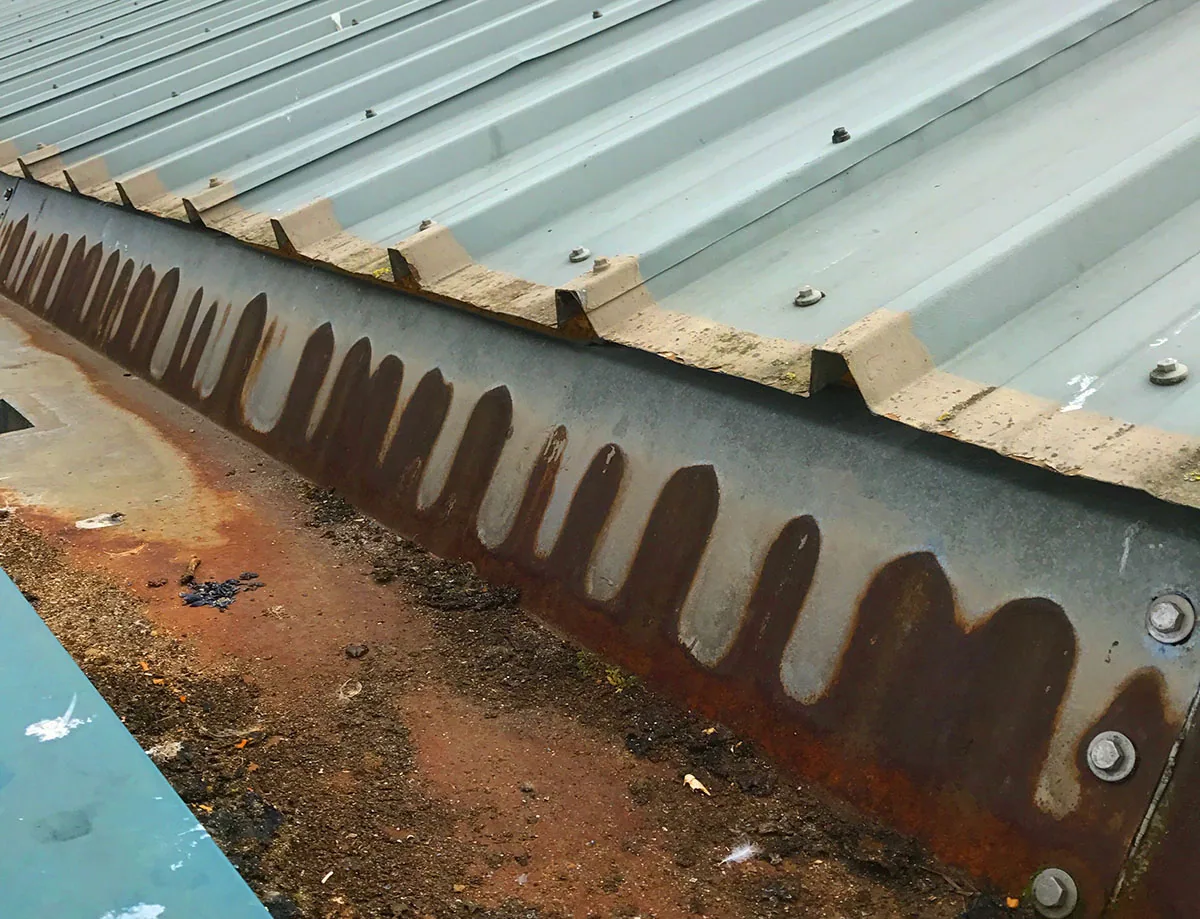
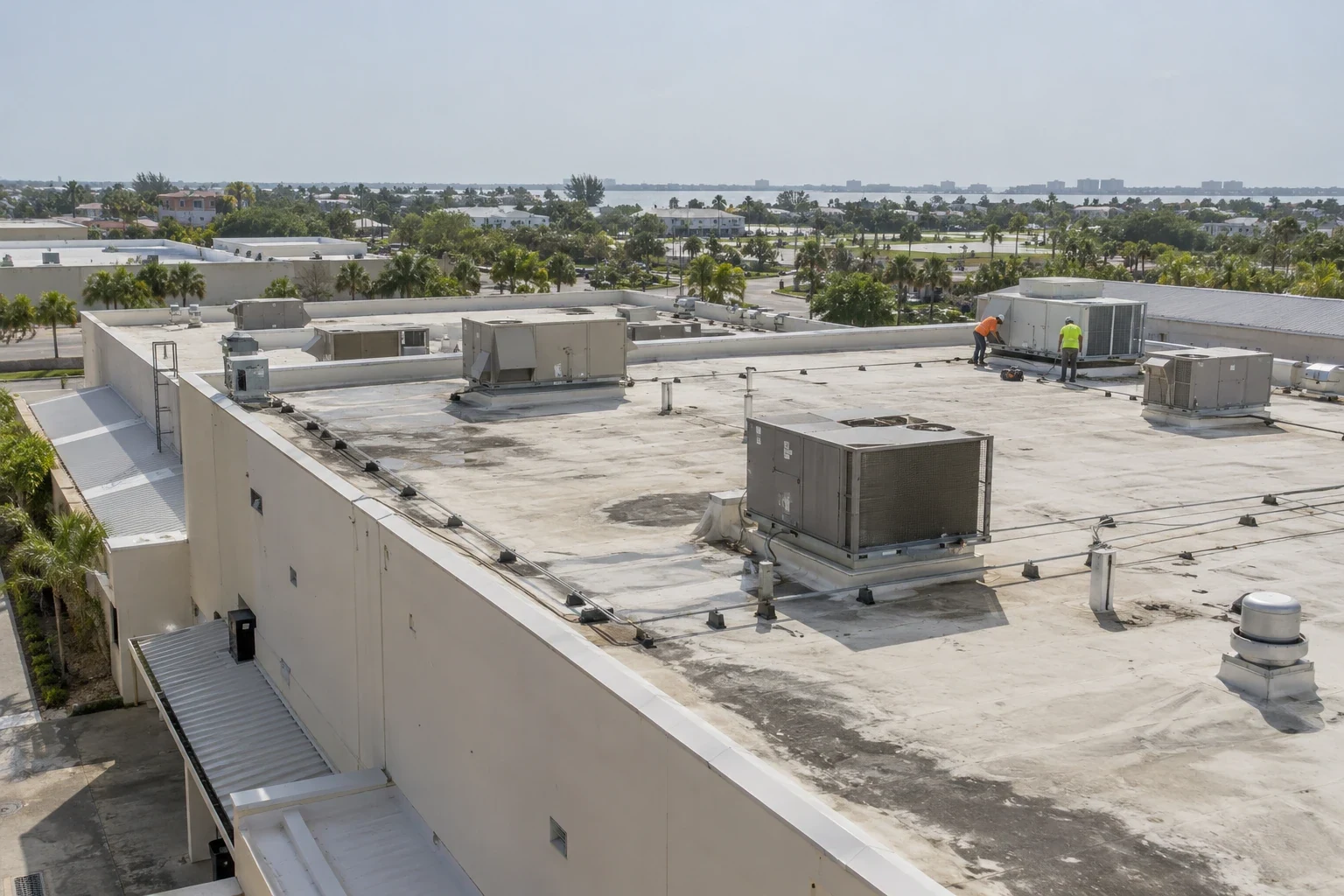
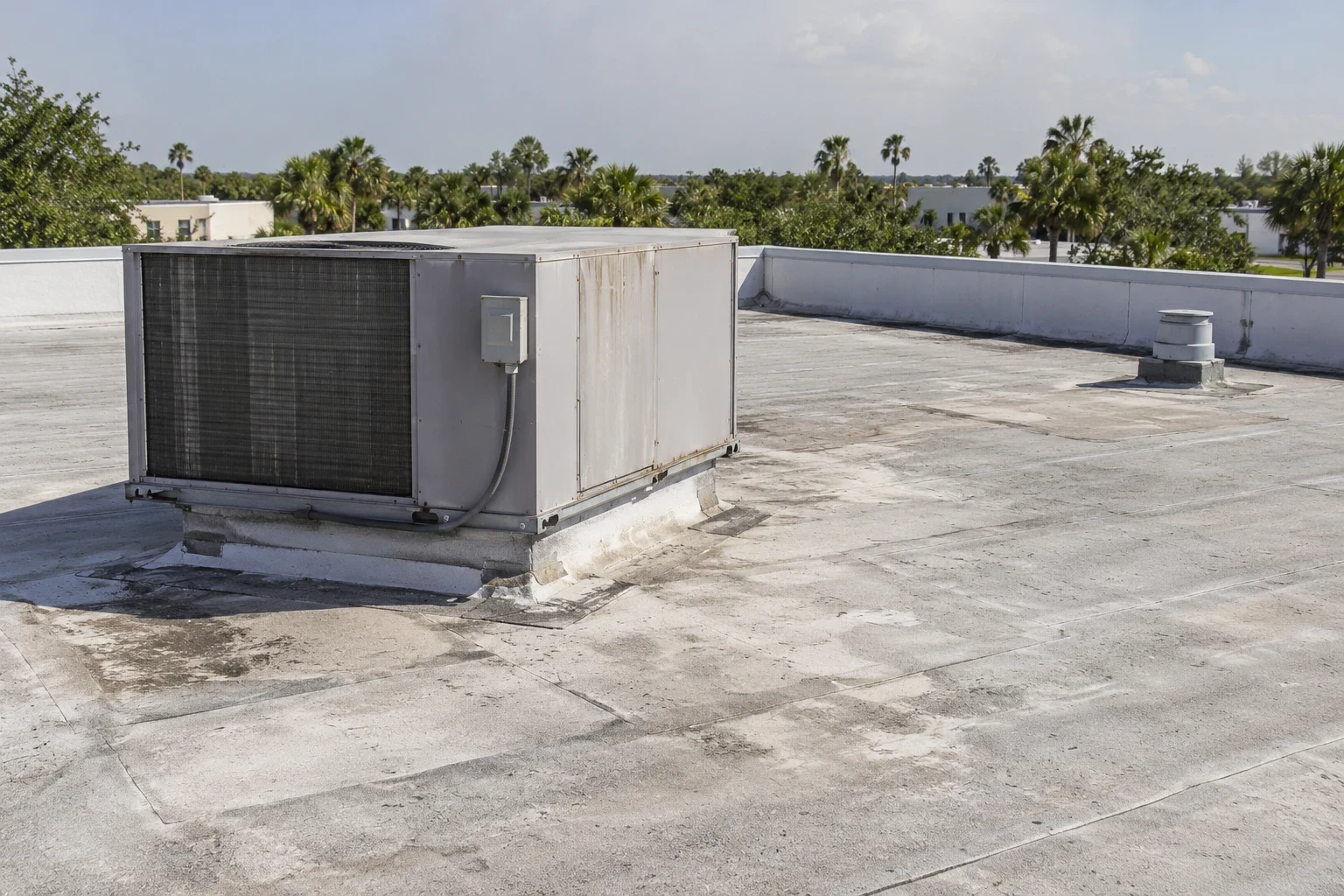
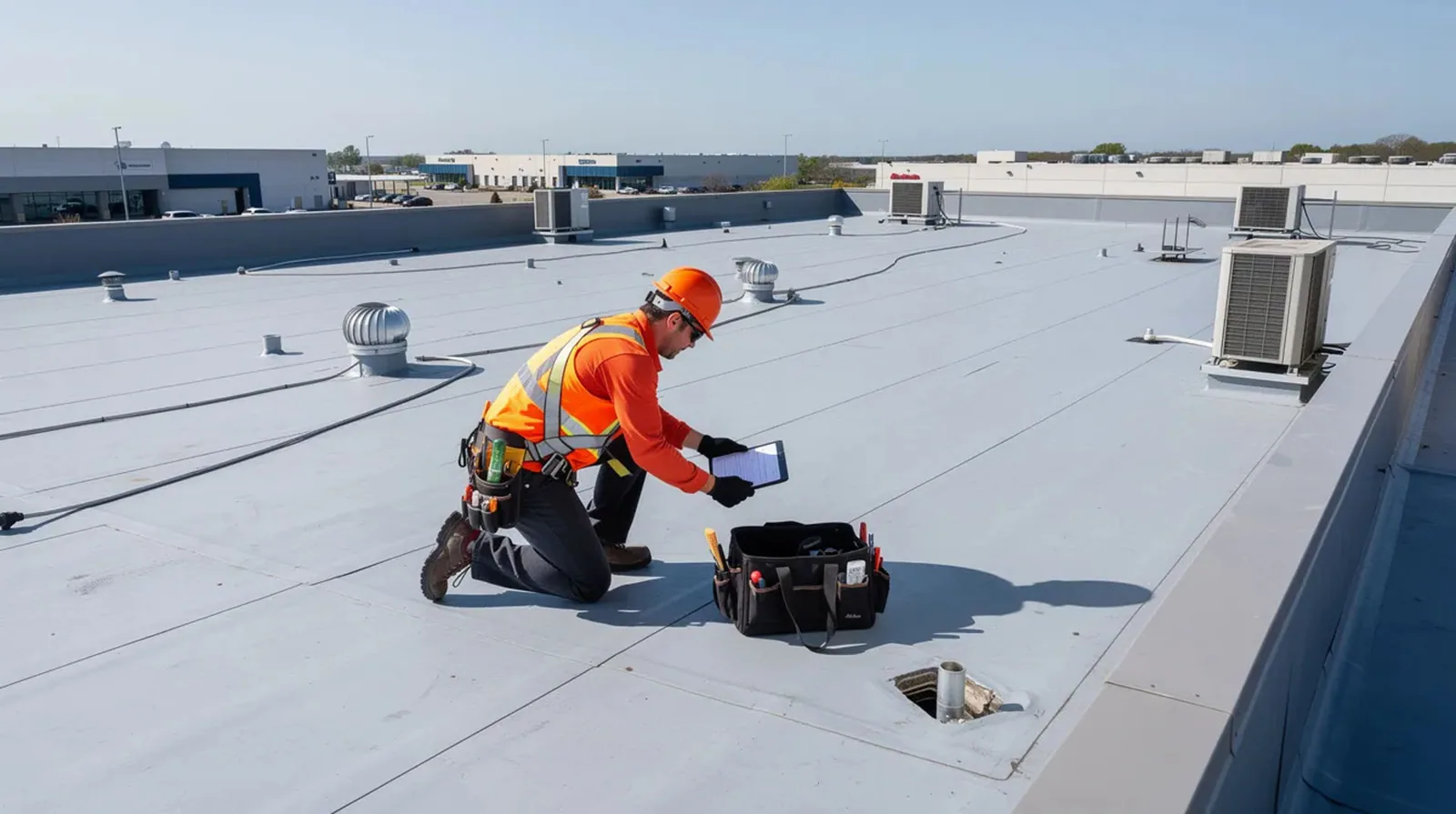
Begin with current evidence: active leaks, recurring service calls, open seams, blocked drainage, deteriorated flashing, suspected wet insulation, and areas the inspector could not reach. The owner needs the date and roof section for each finding, plus the photos and test results that support it. A recommendation without that basis is hard to compare with a later inspection. We identify whether the next step is a localized repair, additional testing, routine maintenance, or a broader replacement study.
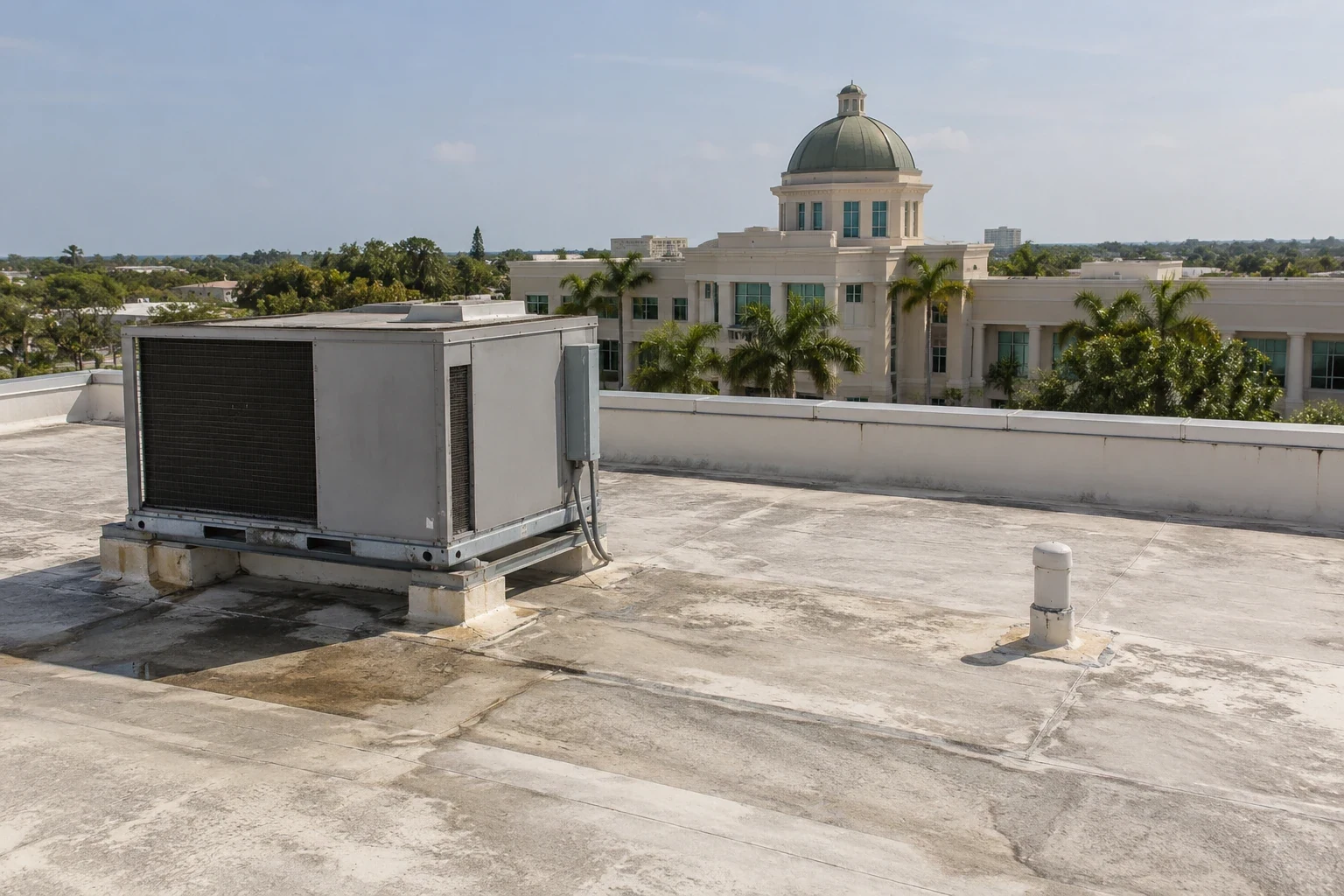
Conroe Park North includes manufacturing, freight, warehousing, food processing, medical-device, and other employers along FM 3083. A roof above active operations can have a different access window from an office or retail property. A commercial roof inspection can establish a building-level baseline. Conroe Park North is one market area where facilities may need coordinated access, but capital priority comes from the specific roof evidence and operating consequence.
Price the repair boundary and the unknowns separately
A useful estimate separates confirmed work from an optional investigation. It should identify the roof area, preparation, materials, drains and penetrations included, access plan, temporary protection, exclusions, and the approval path for concealed conditions. If a proposal assumes dry insulation or a sound deck, state that assumption. If a test opening could change the quantity, describe who will review the findings and how the owner will authorize the next scope.
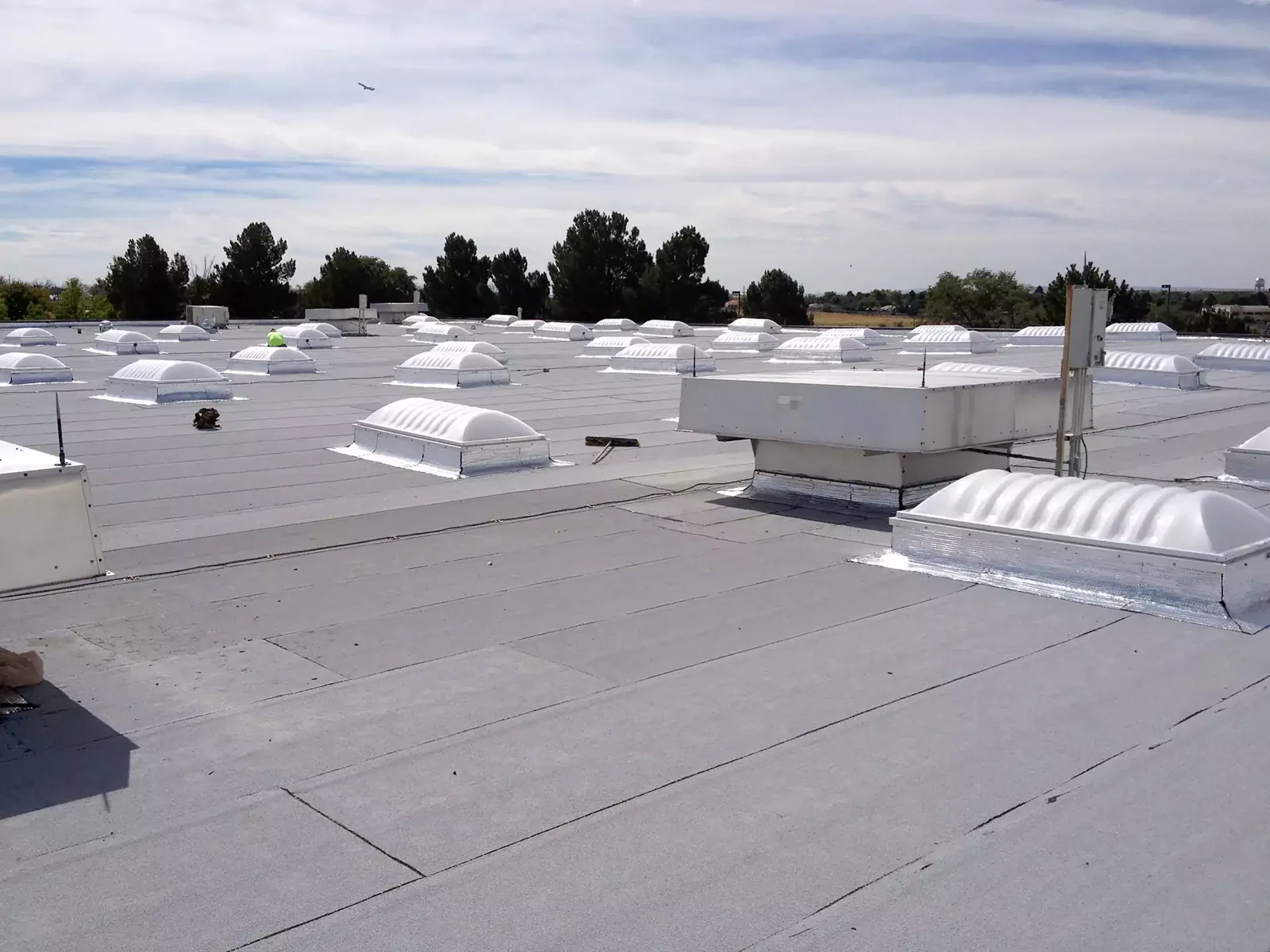
A limited repair can be the right near-term use of funds when adjacent material remains stable. Repeated repairs, widespread moisture, failing attachment, or aging transitions may support a broader restoration or replacement review. A condition report can retain the field evidence, while a replacement estimate can show phases, drainage work, tie-ins, and removal assumptions. The budget comparison should not treat a patch and a full assembly renewal as equivalent scopes.
Place work where access and weather allow it
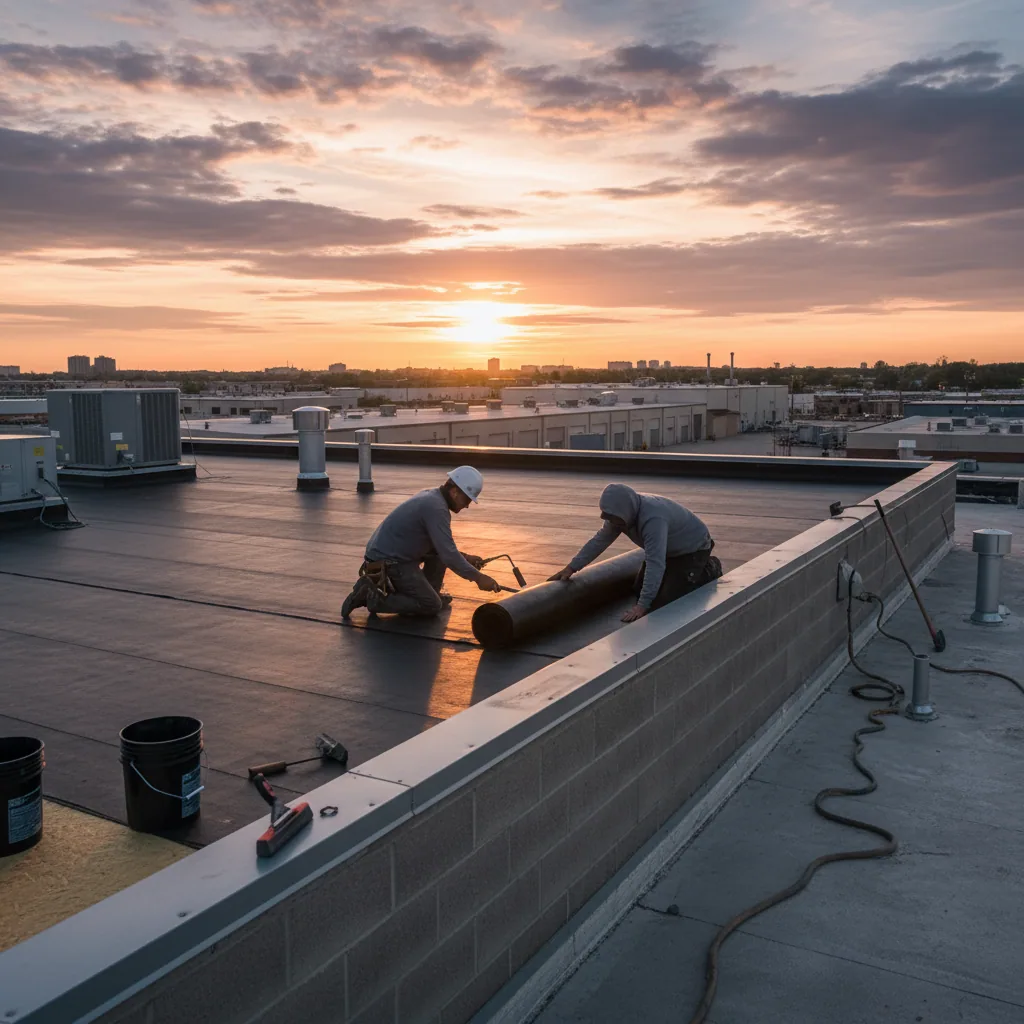
Timing affects what can be completed in a shift and how much roof can remain open. Conroe’s summer heat and heavy rain can shorten the safe exposure window, while occupied sites add tenant, loading, or process schedules. A capital plan should note material lead time, inspection hold points, work area, temporary dry-in, staging, and the time needed for owner review of hidden conditions. If a project can be split, list what each phase protects and what remains vulnerable until the next appropriation.
Montgomery lies west of Conroe near SH 105 and FM 149, while The Woodlands Town Center combines offices, retail, hotels, healthcare, and entertainment. These regional settings may have different access patterns and operating hours. Occupied-building phasing can keep a repair or replacement plan tied to daily operations. Montgomery is a nearby service area, but the project schedule should be built from the property contact, roof access, and actual work sequence.
Rank roofs by condition and consequence
A portfolio ranking can combine observed condition, consequence of failure, repair frequency, access limits, and the time available before a larger project. Keep those components visible instead of collapsing them into an unexplained score. A roof with one isolated defect over an unused area may be handled differently from repeat water entry above equipment or inventory. The owner can also distinguish mandatory repairs from reserve planning and optional upgrades.
Downtown Conroe's plan supports commercial redevelopment alongside housing and civic uses; a roof serving a public or mixed-use operation may have several stakeholders in the funding path. Roof asset management can keep the building inventory and open findings current. A multi-site program can compare inspection cycles across locations while preserving the evidence and cost assumptions for each property. Capital timing should be revisited when a new leak, repair, or access change alters the risk picture. A reserve line can identify the test opening or deck review that may change scope, while a separate approved amount covers immediate protection. If a project is delayed, state which maintenance tasks keep water moving and which roof areas need another inspection. That makes the deferred decision visible to operations and finance rather than leaving it as an informal note.
Keep warranty and maintenance obligations in view
Funding decisions can change if a repair affects a warranty, required inspection, or maintenance condition. Confirm which documents apply to the roof, what service history the owner has, and whether proposed work needs advance review. A warranty file does not replace an inspection, and a planned project does not keep drainage or flashing current while funding is pending. Include routine service needs in the forecast so small corrections do not disappear behind a future replacement date.
NorthStar Industrial Park lists warehouse, manufacturing, assembly, office, and crane-equipped space, making equipment access and staging useful fields in a local budget record. Warranty management can track documents and maintenance requirements by building. Preventive maintenance can keep visible drainage and seam conditions current as a capital plan moves through approval. Each building should have an interim action while larger work waits for funding.
Show ownership what the next approval buys
Before a budget request is finalized, state the work being purchased, the evidence behind it, the risks of delay, the access assumptions, and what is excluded. If moisture or deck condition remains unknown, give the owner the test step and a decision point instead of implying a fixed final scope. A repair can reduce immediate exposure without resolving the whole roof lifecycle question; a replacement can address wider deterioration but needs a schedule and protection plan that fit operations.
Conroe Park North and Downtown Conroe represent different local building settings, while individual roofs vary within each area. The plan should preserve that distinction in every line item. At each annual review, update the inspection date and condition rather than carrying forward an old estimate without a field check. Send the current roof list, inspection dates, open repairs, warranty documents, project constraints, and target budget window. We will inspect priority buildings, separate confirmed work from allowances, and provide a scope that can be compared across capital options.
Commercial Roofing Questions
What information should support a roof capital request?
Include the roof section, inspection date, condition evidence, photos, repair history, access limits, estimate assumptions, and what action the funding would authorize. Keep untested conditions separate.
Should the budget fund repair or replacement?
The assembly condition, moisture, repair frequency, scope boundary, and consequence of delay inform that decision. We document the evidence and show the alternatives rather than selecting from roof age alone.
How should concealed conditions appear in an estimate?
List the assumption, possible test or opening, person who reviews the finding, and how added work will be approved. That lets the owner plan a decision instead of treating unknown quantity as fixed.
Can projects be divided across budget years?
Sometimes. A phased scope should show what each stage protects, how temporary weather closure works, what remains exposed, and whether the sequence affects materials or access.
Does planned replacement mean maintenance can stop?
No. Keep drains, flashing, active leaks, and warranty obligations current while funding is pending. Note interim service tasks and dates in the capital plan.
Related Roofing Work