Commercial Roof Asset Management in Conroe, TX
Build a Conroe roof inventory with building-level condition, repair history, access needs, and next actions that support reliable portfolio decisions.
A portfolio roof list is useful only when each entry points to a building, a roof section, and an observed condition. A short label such as “leak” cannot tell the next manager whether the drain was cleared, a seam was repaired, or access was unavailable. We help owners organize roof information into an asset record that can support service calls, annual review, and renewal decisions. Conroe’s industrial base spans settings such as Conroe Park North and NorthStar Industrial Park, where building use and access can vary across a portfolio.
Give each roof a stable identity
Start with the property name, building identifier, address, roof map, system if known, approximate installation or repair history, and access contact. Separate buildings that share one campus so a leak note or warranty file does not drift to the wrong roof. We record roof zones, drains, edges, curbs, and areas that cannot be reached. If an owner has old plans or invoices, we compare them with what can be seen during inspection and note the limits of each record.
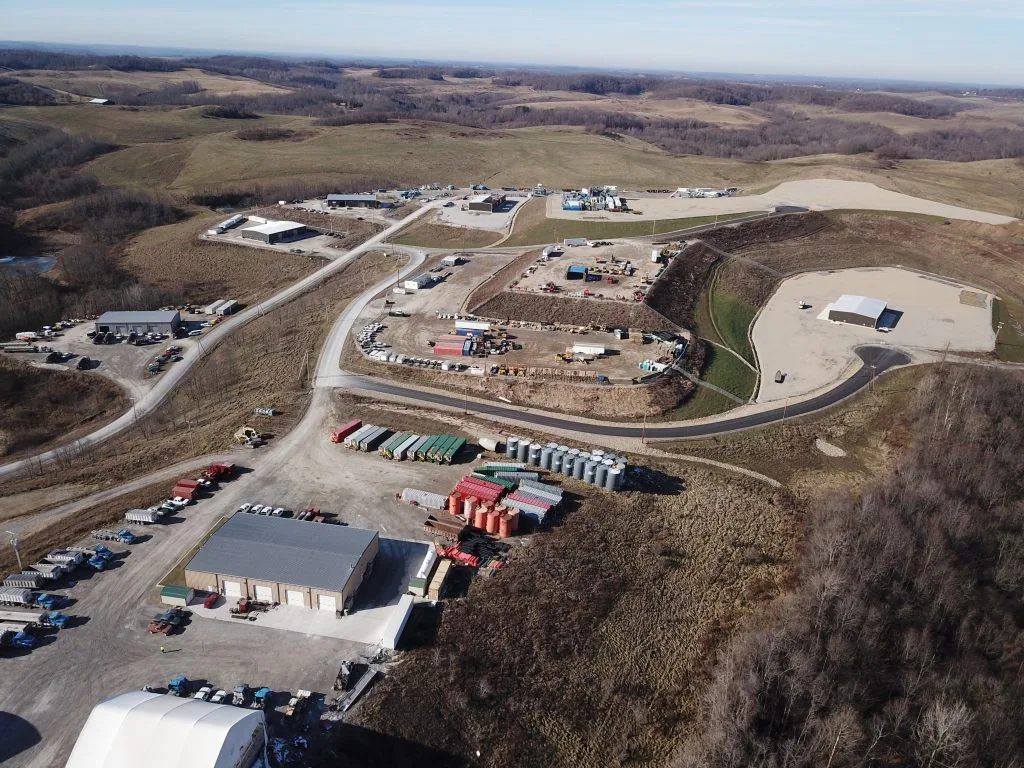
Conroe Park North covers a large industrial area along FM 3083, with manufacturing, freight, food-processing, distribution, and warehouse employers. NorthStar Industrial Park lists both warehouse and manufacturing/assembly space, including crane-equipped bays. Those areas illustrate why a portfolio may need different access fields for each property. A commercial roof inspection can establish an initial condition record, and NorthStar Industrial Park is one regional location where a building-level inventory can support planned visits.
Track condition with evidence, not a lone score
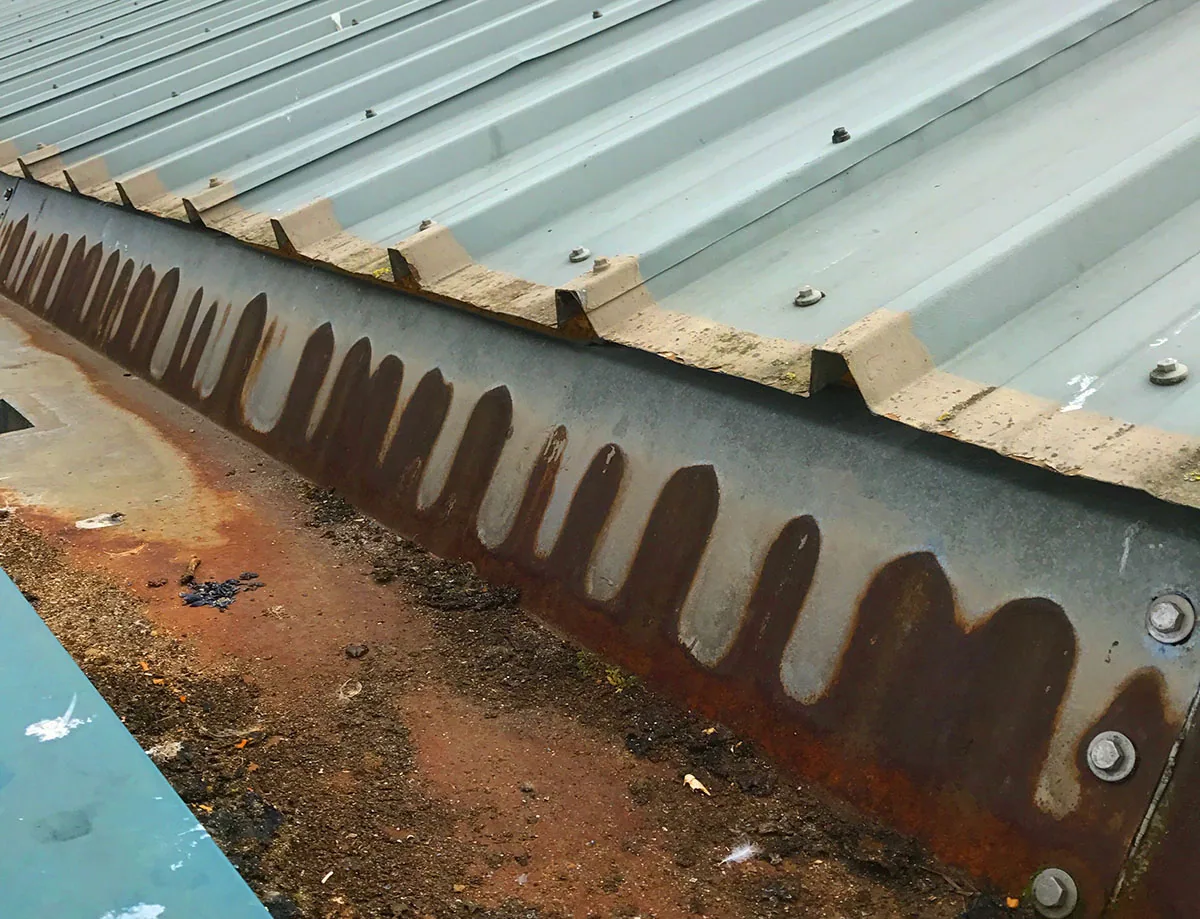
A condition rating should explain the observations behind it. We can record active leaks, repaired details, standing water, membrane wear, wet insulation indications, edge movement, and any test still needed. A simple severity or priority field may help sort a long list, but keep it beside the photo, roof zone, date, and assessor note. That way the next reviewer can see why a repair was considered urgent instead of inheriting a number without context.
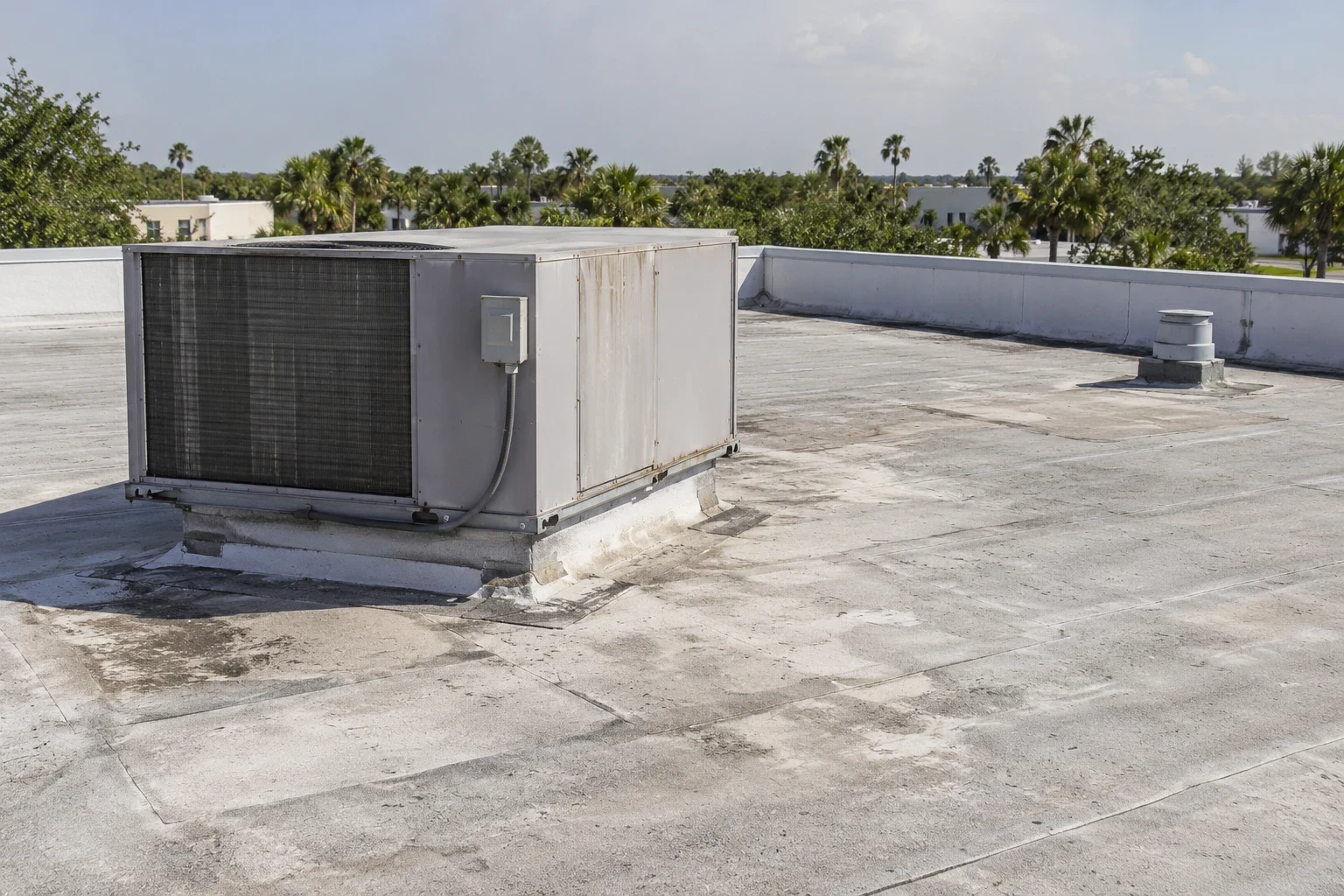
The record should distinguish what is confirmed from what is suspected. A dark ceiling mark is an interior symptom; the roof opening may be elsewhere. A surface temperature pattern can justify more testing but does not prove wet material by itself. Written roof condition reports can preserve the detailed inspection, while infrared surveys can help locate areas for follow-up when interpreted with the assembly. Keep a separate field for inaccessible sections, so a blank entry does not read as a clean roof. Store the photo date, inspector, and weather conditions beside observations that may change with another visit.
Connect service calls to completed work
Each repair record should show the request date, reported issue, inspection date, roof section, work approved, materials installed, before-and-after photos, and any remaining recommendation. Mark temporary covers or emergency patches as temporary, with a return date and the person assigned to schedule permanent work. If a drain contractor, equipment vendor, or structural reviewer has an open task, keep that handoff separate from roofing completion. Add the referral date and contact so the facilities lead can confirm whether the other scope closed before the next roof inspection.
Conroe’s Deison Technology Park includes corporate, research, office, and manufacturing uses, including a VGXI headquarters and production facility. A property manager may need to coordinate roof access with active equipment or process limits at some sites, while another asset may have routine tenant hours. Property managers can use the same asset fields for owner and tenant communication. Warranty tracking should attach manufacturer documents and required maintenance to the individual roof rather than the portfolio name.
Use the inventory to order the next inspection
Portfolio review works best when condition, consequence, and access appear together. A roof with a recurring leak above active operations may warrant a prompt inspection even if its remaining service life is not known. Another building may have worn coating but no current entry, making a planned evaluation more appropriate. We review the recorded evidence with the owner and identify which roofs need repair, testing, or another inspection before a capital decision.
Conroe’s summer heat and heavy rain affect when crews can safely open material and how quickly a repair must close. The access window, tenant notice, equipment route, and material staging belong in the asset record. Capital planning can use those fields to compare options and timing. Scheduled maintenance can keep drains, seams, and penetrations current between larger inspections. The owner should be able to see both the planned task and the reason it remains open.
Compare properties without flattening their differences
A shared dashboard can show overdue inspections, active leaks, upcoming warranty requirements, and approved projects. It should not imply that roofs with the same age or system have the same condition. Each property needs its own detail view with photos and work history. If a building changes tenants, managers, or ownership, preserve the roof record under the property identifier and update access contacts rather than starting a file from scratch.
Downtown Conroe's plan defines five districts for commercial redevelopment, housing, and civic uses, while industrial sites along FM 3083 have different operating patterns. The Woodlands Town Center combines offices, retail, lodging, healthcare, and entertainment. These settings can affect inspection access and project sequence, but roof condition still comes from each building. The Woodlands Town Center are broad regional service areas, not substitutes for an asset-level inspection.
Make the next roof decision easy to assign
A working asset register ends every finding with an owner and a next step. “Monitor” should identify what to watch, when to revisit, and what change would trigger a repair. “Investigate” should name the test or access needed. “Repair” should point to an approved scope and closeout date. This keeps recommendations from remaining open indefinitely when a property manager or facility lead changes. Each task should name an owner, due date, and access contact.
We can review a current building list, inspect selected roofs, and return findings in a consistent format while preserving site-specific notes. The first visit should include the property map, roof access contact, known leak history, and any warranty or vendor records. A multi-site roof program can organize that work across multiple properties without treating them as identical. Send the portfolio, priority concerns, and available records; we will identify the roofs that need an inspection or repair decision first.
Commercial Roofing Questions
What belongs in a commercial roof asset register?
Use a property and building identifier, roof map, system if known, inspection dates, condition findings, repair history, warranty files, access limits, and next action. Keep photos tied to the roof zone.
Should every roof receive the same condition score?
A common scale can help sort work, but the evidence and building consequence should remain visible beside the rating. A number without a photo, date, or roof-area note is hard to use.
How often should portfolio roof records be updated?
Update the record after inspection, repair, testing, access changes, and warranty work. Set the next review based on the condition and unresolved questions for that specific roof.
Can an asset record show a roof is in good condition if part was inaccessible?
No. Mark the unreached area as uninspected and list what access or method would complete the review. That avoids treating missing information as a clean finding.
Who should own the next action in the roof file?
Name the property or facilities contact who can schedule, approve, or route the work. Keep vendor referrals and pending approvals separate from completed roofing repairs.
Related Roofing Work