Commercial Roof Maintenance in Conroe, TX
Keep commercial roofs serviceable in Conroe with drain checks, seam reviews, photo records, and repairs timed around facility access and weather.
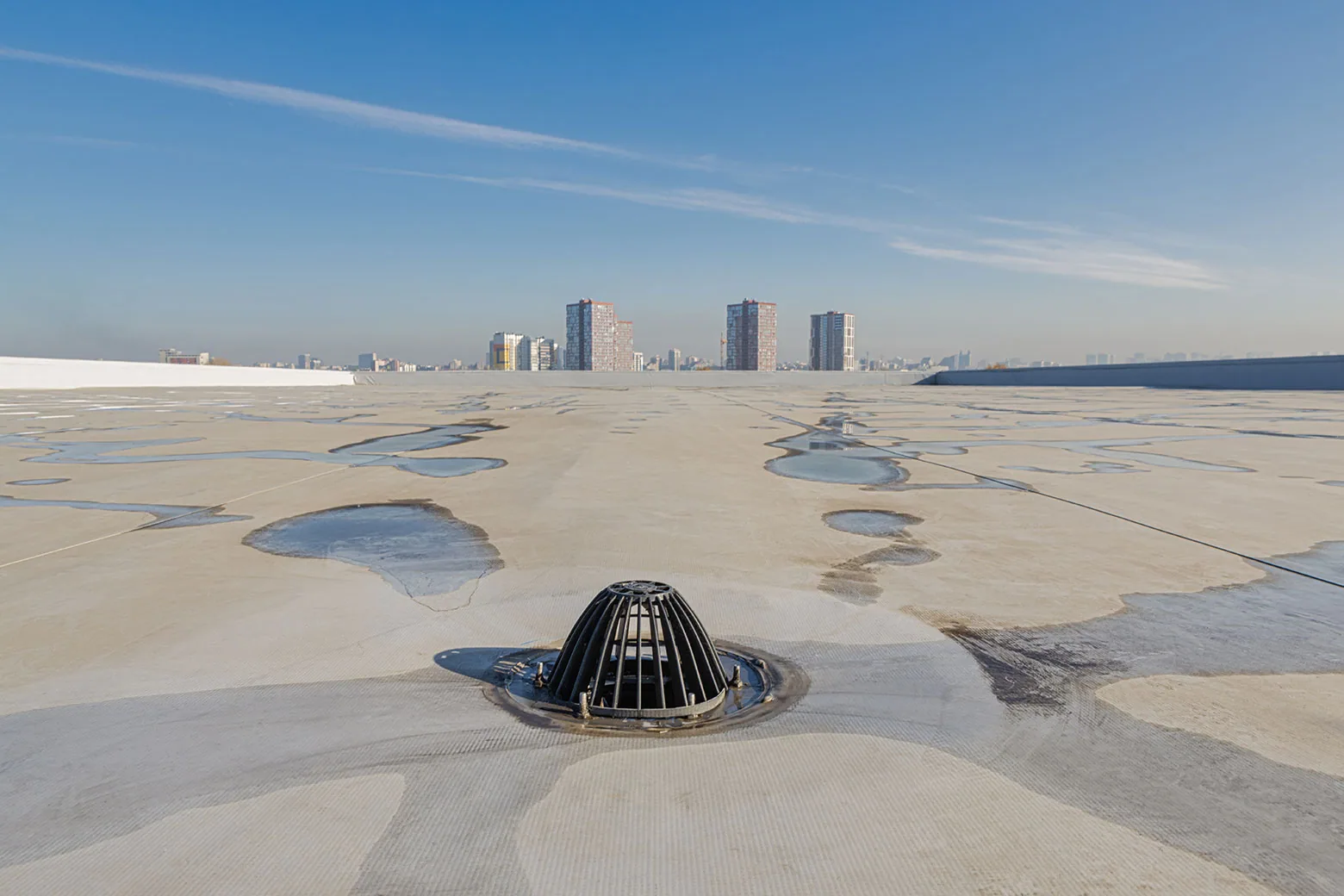
Debris at a drain can turn an ordinary Conroe downpour into standing water before staff notice a ceiling mark. A maintenance visit follows the drainage path, checks seams and edge metal, and records what changed since the last inspection. Heat adds a slower strain: repeated hot afternoons work on exposed membranes, sealants, and rooftop transitions. For a property manager, the useful result is a short list of confirmed repairs, open questions, and the next access window. A Conroe Park North industrial building and a Deison Technology Park office or research property do not share the same roof layout, so each service route starts with the specific building.
A service visit with a defined boundary
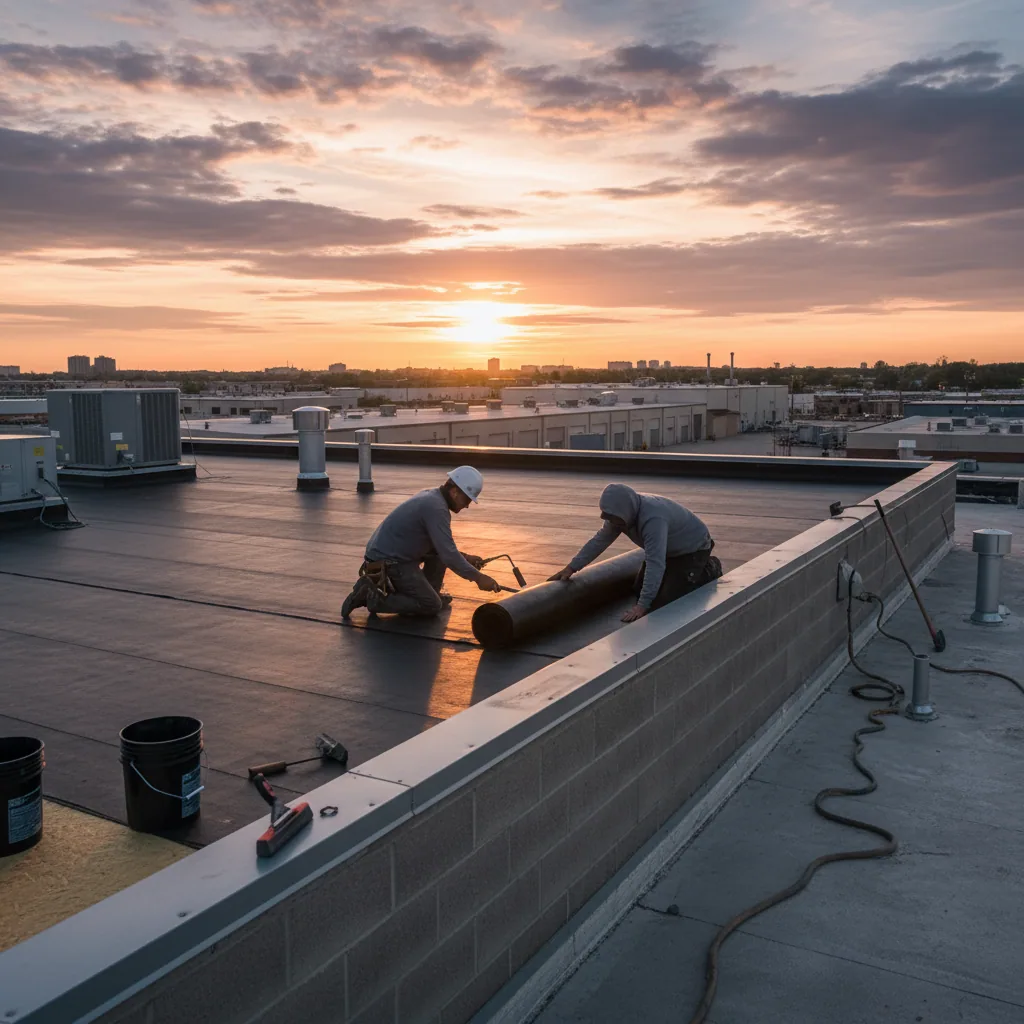
We begin with the roof plan, prior leak calls, repair tickets, and equipment changes. The inspection boundary identifies which buildings and sections can be reached, where a hatch or lift is required, and which areas remain blocked. That prevents a walkover on one roof from being treated as a review of every structure on a parcel. We note the membrane or panel where visible, then check seams, flashing, drains, scuppers, curbs, penetrations, and perimeter metal. Photos tie each finding to a roof section so the next visit can compare the same location.
The service record separates debris removal from repair. Clearing leaves from a drain restores its opening, but it does not correct a low area, loose membrane, or undersized outlet. A roof condition report can keep the photos and repair boundary with the property file. If a detail is concealed or unsafe to reach, the record says what could not be checked and what access would resolve it. A maintenance plan is useful when its limits are as clear as its findings.
Heat and rain set different inspection priorities
Houston Intercontinental Airport averages July and August highs near 95 degrees, a regional indicator of the prolonged summer heat around Conroe. Exposed surfaces can expand through the afternoon and contract as they cool; that movement puts attention on older seams, terminations, and sealant at equipment bases. The figure describes regional weather, not the temperature or condition of one roof. We inspect the installed assembly and use the forecast to plan safe access, material handling, and any repair window.
A planned interval should follow roof use, not the calendar alone. Frequent mechanical traffic calls for closer review of walk paths and penetrations; a rarely accessed section may need a controlled route before a leak call. After a hard rain, note whether each outlet cleared and whether the same low area still holds water. Before summer work, review seam movement and exposed sealants while planning safe access. If one property has several structures, a shared service date can reduce repeated mobilization, but each roof map and photo record should remain separate. That comparison shows whether a repair resolved the condition or whether a recurring detail needs a different scope.
Heavy rain tests the outlets and overflow route. At Conroe Park North, industrial and distribution activity sits near FM 3083 and I-45; staging material or a lift may need to leave freight circulation clear while drains are checked. On another property, the access route and work hours may differ. A drain and scupper inspection can focus on outlet connections, strainers, overflow openings, and the roof surface around each low point. The maintenance record should state whether water cleared, remained, or could not be observed during the visit.
Small changes that deserve a repair ticket
A seam that has started to separate, a lifted counterflashing edge, or a puncture beside a service path can let water beneath the visible surface. We compare the detail with prior photos and look for fresh movement, open laps, cracked coating, displaced metal, and moisture evidence. The observed condition is recorded separately from a suspected cause. If equipment service recently changed a curb or conduit, that history helps focus the inspection without proving who caused the opening.
When the surface finding does not explain an interior report, we trace slope, drains, walls, and penetrations before setting a patch boundary. If wet insulation could extend beyond the visible defect, targeted testing may be appropriate. A commercial roof inspection can establish the broader condition before a repair is approved, while flashing repair addresses a confirmed transition defect. Repeated calls at the same location should be compared against the repair detail, not closed as separate leaks without checking whether they share a path.
Repairs, routes, and operating hours
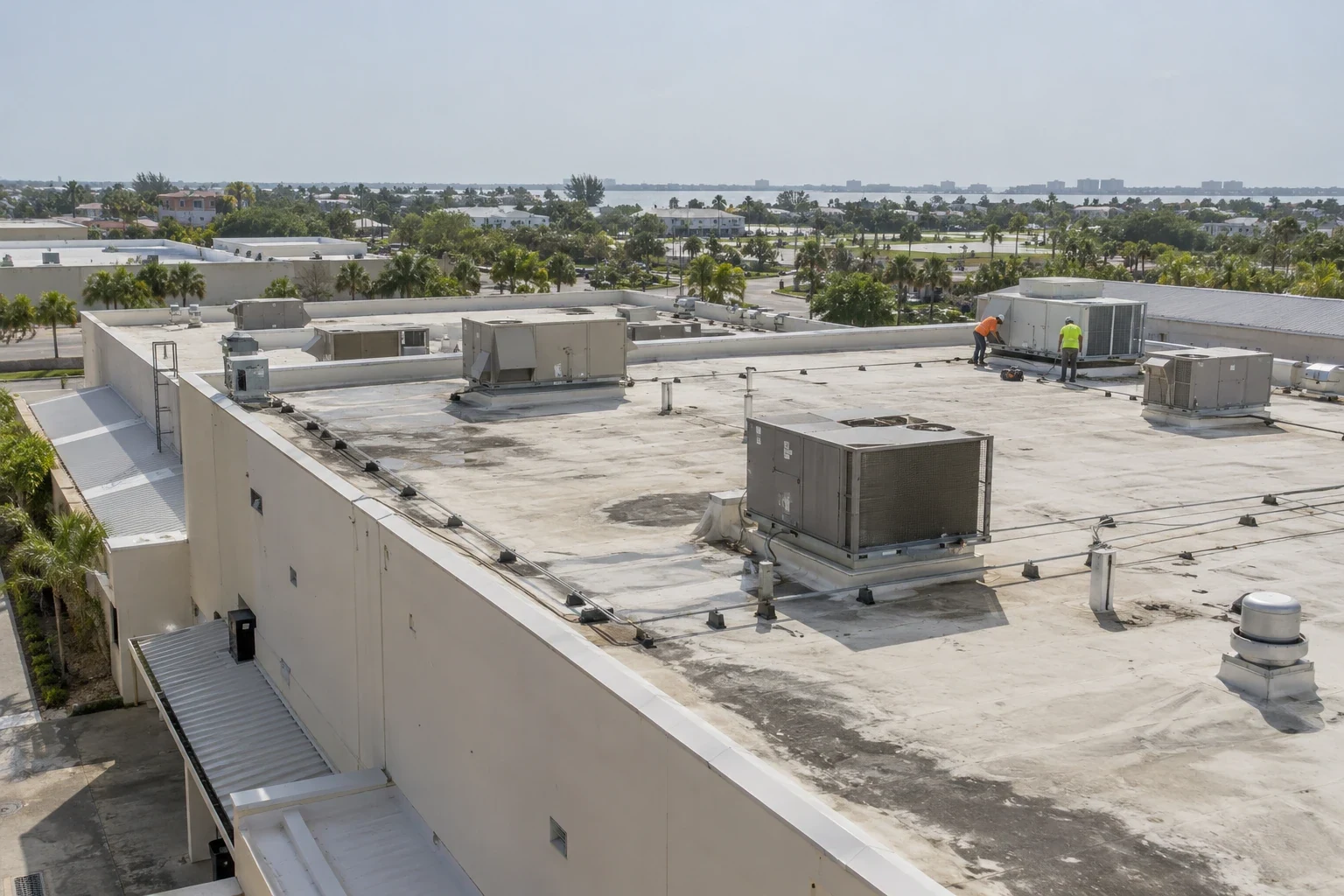
A useful schedule names the roof section, the people who need access below it, and the time needed to finish or secure the work. We coordinate ladders, lifts, mechanical service, deliveries, and interior protection with the site contact. At Conroe Park North, vehicle circulation may matter around active freight and warehouse operations; in Deison Technology Park, a property manager may need to coordinate with office or research occupants. Those are area-level uses, not assumptions about a particular roof or tenant. We confirm actual constraints before setting the work sequence.
Each shift ends with drains open, loose material removed, and a temporary or permanent tie-in that can handle expected weather. If wet material or deck damage appears after an opening, we identify the exposed area and get approval before expanding the repair. For an occupied building, the manager should know which entrance, room, or equipment area may be affected and who receives a change notice. A phased roof work plan may be needed when maintenance reveals broader renewal work that cannot be completed in one access window.
Keep maintenance separate from capital work
Routine service can correct loose fasteners, clear an accessible outlet, or repair a localized seam when the surrounding assembly remains sound. It should not be used to disguise widespread wet insulation, recurring attachment failure, or a deck condition that needs a larger scope. We sort findings into completed maintenance, recommended repair, monitoring, and testing. Each item carries a location and next action. That lets the owner compare today's repair boundary with the larger roof section that may require budgeting.
Timing and cost depend on system type, roof access, material compatibility, removal depth, equipment density, and whether interior protection is needed. A portfolio roof plan can revisit the same drains and transitions after the next rain. For areas with storm exposure, a storm-related roof review can distinguish observed impact from routine wear before insurance or capital decisions are made. The written record should identify what was repaired today and what remains outside the approved work.
Commercial Roofing Questions
What should a maintenance visit cover on a low-slope roof?
The roof section, membrane or panel, seams, flashing, drains, scuppers, curbs, and prior repair areas should be reviewed. The record also identifies inaccessible zones and any test still needed.
Does clearing a drain fix ponding water?
Only when debris is the obstruction. If water remains because of slope, outlet height, or a damaged connection, that condition needs a separate repair scope.
How do you decide whether a finding is urgent?
Active water, an open roof detail, wet insulation, and risk to equipment or occupied space set the priority. We separate immediate protection from work that can be scheduled.
Can maintenance be scheduled around deliveries?
Yes, when the site contact provides delivery periods, lift routes, and areas that must stay clear. We confirm those limits before arriving with material or equipment.
What belongs in the roof record after service?
Keep dated photos, the roof-zone location, what was cleaned or repaired, material used, and any unresolved test or follow-up date together with the earlier service history.
Related Roofing Work