Commercial Hail Damage Roof Repair in Conroe, TX
Inspect commercial roofs for hail impact in Conroe, distinguish cosmetic marks from functional damage, and document a repair boundary by material.
A hail report can send a property team to the roof before anyone knows whether the membrane, metal, or rooftop equipment was affected. The Houston-Galveston weather office lists hail of one inch or larger among reportable severe-weather hazards in Southeast Texas. That threshold describes a hazard category, not the condition of a specific building. We inspect the roof assembly, photograph representative marks, and determine whether impact changed a seam, flashing, coating, or other weather-shedding detail.
Inspect the materials that control water entry
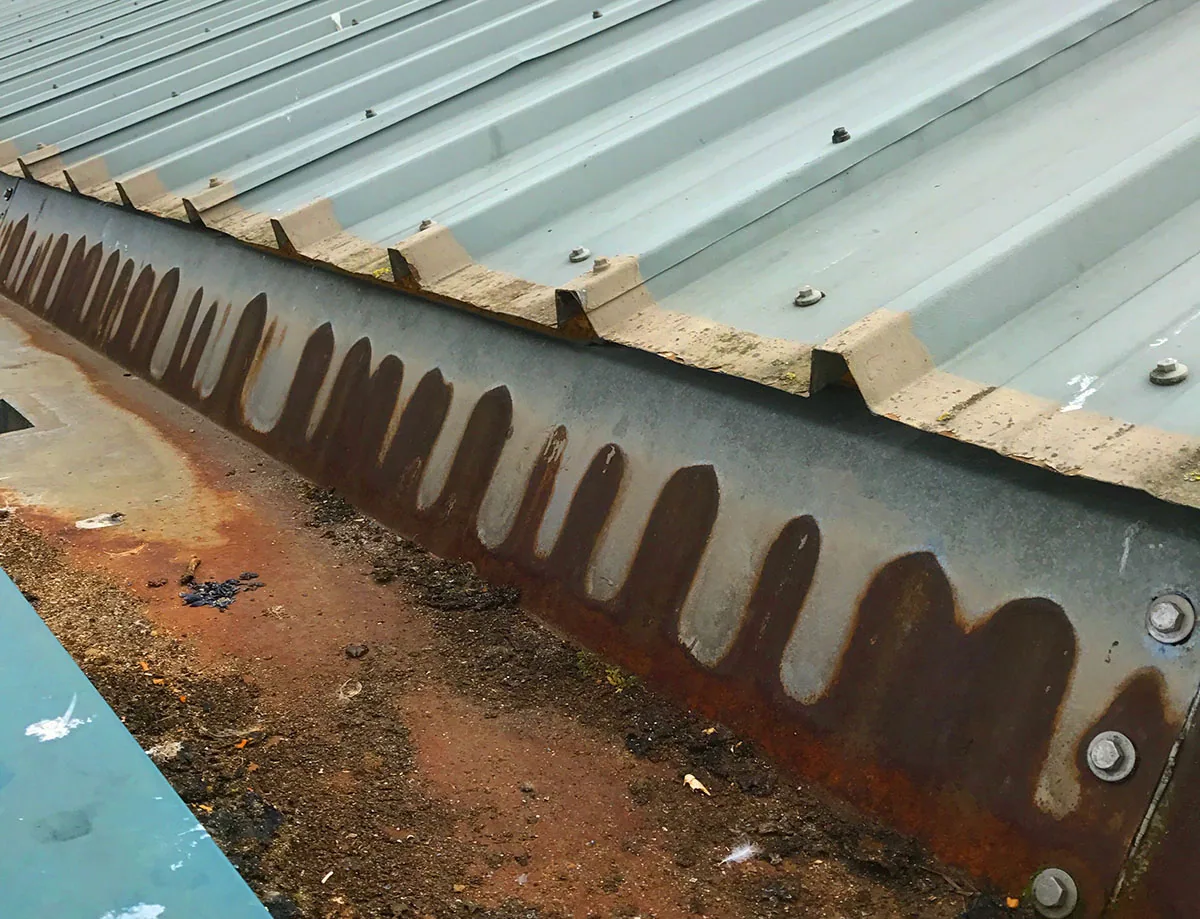
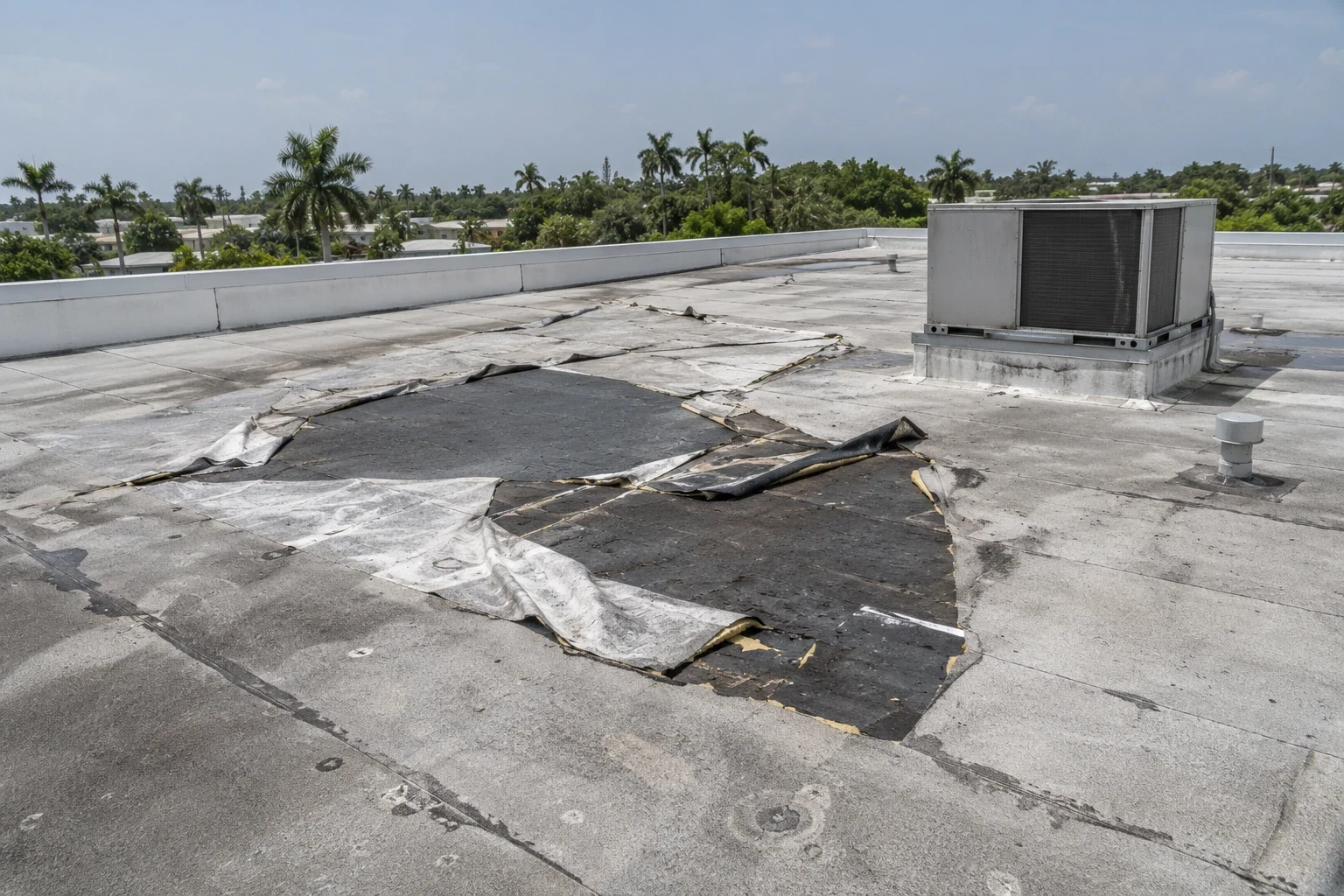
Hail can leave dents in soft metal, damage a coating, mark a membrane, or break components around a curb. A mark is not automatically a leak. We look for punctures, splits, exposed reinforcement, cracks, loosened seams, displaced edge metal, and damaged flashing. Where the surface is textured or aged, compare areas with different exposure and use an inspection map to show where observations were made. If debris or equipment blocks access, record the limit and keep the uninspected area separate from findings.
Conroe Park North spans 1,655 acres and its listed activity includes a large Five Below distribution center and a Buske Logistics warehouse. A site visit may need to fit around loading routes or stored materials, so the operations lead should identify the roof-access window before inspection. A commercial roof inspection can record the visible condition by roof section. Conroe Park North is a broader industrial area, while the roof system and damage must be confirmed at each property.
Separate surface marks from a repair need
Metal panels can show a dent without losing their weather seal; a membrane may have an impact mark that needs closer inspection before anyone calls it a puncture. We examine the material at the point of impact and check nearby seams, fasteners, edge details, and penetrations. A coating may show a fracture or loss of film that exposes the substrate. The report should state what is visible, what test was performed, and whether water entry or wet material was found.
Conroe’s severe-weather mix includes hail, damaging wind, tornadoes, and intense rainfall. A roof inspection after a storm should focus on the actual report date and affected area rather than applying one conclusion to every property nearby. A drone roof inspection can provide a broad visual record of accessible roof surfaces; direct assessment is still needed where material integrity or adhesion determines repair. An infrared moisture survey may identify temperature patterns that deserve confirmation when the interior report suggests trapped moisture.
Trace any water report separately
If the building has an interior leak, we trace that symptom toward likely openings and drainage paths. Hail can occur with heavy rain, but water may enter through an existing seam, drain, wall transition, or curb unrelated to the visible impact marks. We inspect the likely route and compare it with earlier maintenance notes where available. If a roof opening is found, photos should show its location, the material around it, and any temporary measure installed.
Downtown Conroe's redevelopment plan includes commercial uses alongside housing and civic activity; a property in that district may have a different access pattern from a warehouse on the FM 3083 corridor. Neither area determines what happened to a particular roof. Wind-related roof repair covers edge movement or displaced details when those findings are present. If impact has opened the sheet, puncture repair can address a compatible patch after the system and surrounding material are checked.
Choose a correction matched to the assembly
A localized repair can be appropriate when a discrete puncture, damaged flashing leg, or coating break sits within otherwise sound material. Repair methods differ: membrane patches need compatible preparation and bonding, metal-panel work needs a detail that accommodates movement, and coating correction depends on the existing film and substrate. We identify the affected layer and avoid adding a generic sealant over an untested impact point. When the surface is cracked, wet, or damaged across several sections, compare repair with broader restoration based on field evidence.
Cost and timing depend on roof access, how many details require work, whether insulation needs testing, and whether protection or another trade must be coordinated. Coating restoration can be considered when the system is compatible and the substrate is sound. A replacement scope should identify impact-related repairs separately from unrelated roof renewal so the owner can compare the work clearly.
Build a photo record without overstating cause
For a claim-related inspection, log the reported date, property, accessible roof areas, conditions, photo references, measurements, and any test or opening. Describe impact evidence without assigning cause beyond what the material supports. If the repair requires a test opening, identify it as a separate step and get the property approval before disturbing the assembly. The insurer and policyholder determine coverage; a contractor can document roof conditions and provide a repair proposal.
A 1997 tornado crossed Conroe, with another track near Cut and Shoot along Highway 105. That historical event does not describe the roof at a current address. Insurance-restoration documentation can keep observations, temporary work, and permanent repair scope distinct. A condition report can preserve the roof map and photos so later reviewers can follow the same sequence. Keep interior cleanup and roofing repair in separate closeout records. If a reviewer needs to compare several roof areas, number each location consistently and state whether the photo shows a close detail, a wide view, or a test opening. A clear caption prevents an isolated mark from being described as a broader failure. The owner can request additional access or testing when the first inspection leaves an important part of the assembly unresolved.
Return to the marked areas after repair
Closeout should identify each repaired impact, the material used, preparation, photos before and after, and any area that remains untested. If nearby dents were observed but did not require repair, note that distinction. The owner can use the map to check whether another report points to a new area or to a detail already corrected. A later visit can compare the same roof zone and document any change after suitable weather.
Hail assessment is more useful when it explains what the impact did to the roof function. A list of marks without a water-entry path, material finding, or repair boundary does not tell an owner what to approve. Send the storm date, reported roof sections, system information if known, access limits, and any interior symptoms. We will inspect the accessible material and separate confirmed repairs from further investigation or maintenance items.
Commercial Roofing Questions
Does every hail mark need a roof repair?
No. The material and function matter. We inspect for punctures, cracks, opened seams, damaged flashing, or other changes that could affect water shedding.
Can hail damage be confirmed from the ground?
A ground view may show obvious impacts, but it cannot establish the condition of seams, membrane, coating, or insulation. A roof inspection documents accessible details and any limits.
Will an infrared survey prove hail damaged the insulation?
No. It can identify temperature patterns for confirmation, but the result needs to be interpreted with the roof assembly and other inspection evidence.
What should an adjuster receive from a roof inspection?
Dated photos, mapped locations, material observations, measurements where useful, test results, and a repair scope that separates observed damage from unrelated maintenance.
How do you handle hail marks when the roof is still dry?
We inspect impact points and nearby water-shedding details, document material integrity, and note what needs follow-up. A dry roof at the visit does not replace the condition record. Keep dated photos in the same file as repair approval.
Related Roofing Work