Hurricane Damage Roof Repair in Conroe, TX
Assess hurricane-related commercial roof damage in Conroe, secure active openings, and document wind, rain, drainage, and repair findings separately.
After a hurricane threat, roof decisions can involve wind, driven rain, drainage, and access restrictions at the same time. Conroe’s regional history includes Hurricane Harvey, when Lake Conroe reached record pool elevations and a release contributed to downstream flooding in Montgomery County. For roof repair, the relevant question is where water crossed the membrane and what assembly needs work. We inspect the building named by the owner, identify active entry, and separate roof conditions from flood impacts or interior restoration handled by other trades.
Set the first visit around safe access
Before anyone enters the roof, confirm the property has released the area and that wind, standing water, power, and structural conditions allow a safe inspection. The first report should identify the roof section, interior symptom, storm timing, and any temporary cover already in place. We photograph what is visible and note what remains blocked by debris, equipment, or access limits. If active water is entering, the immediate step is to protect the building and define a return path for permanent repair.
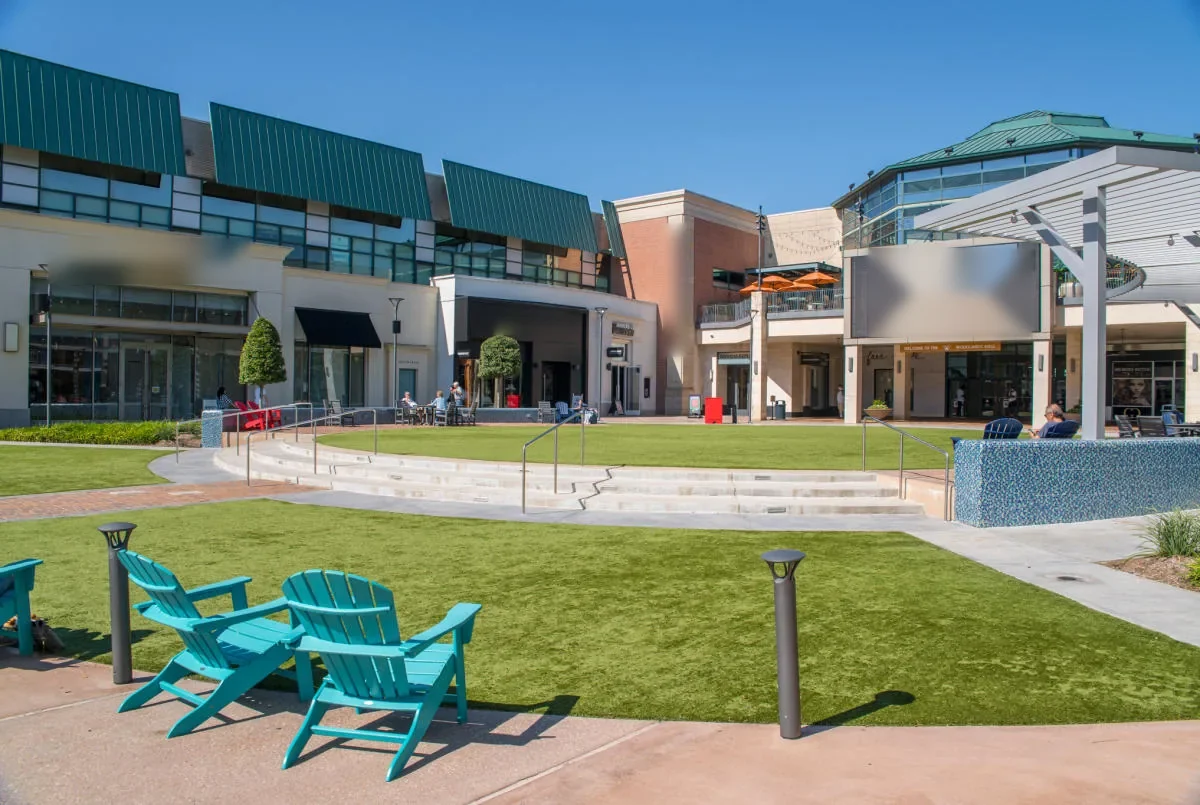
The Woodlands Waterway district connects offices, hotels, restaurants, residences, parks, and business venues along a mixed-use corridor. A property in a busy district may need access and tenant coordination even after the weather clears. Emergency roof response can address an active opening once entry is safe. The Woodlands Waterway district is a broad service area; the inspection still needs the property's roof map and approved route.
Inspect edges, seams, and rooftop transitions
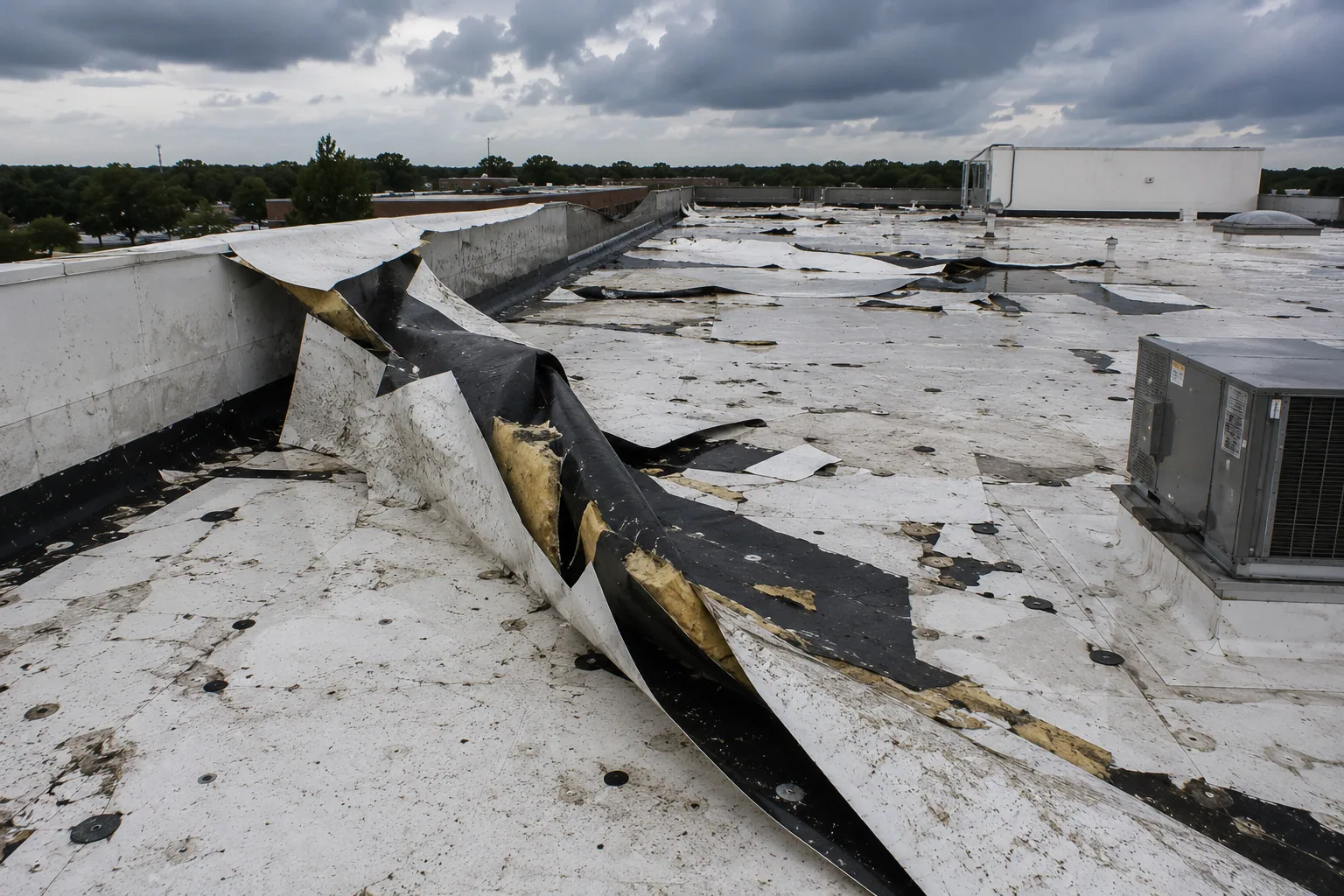
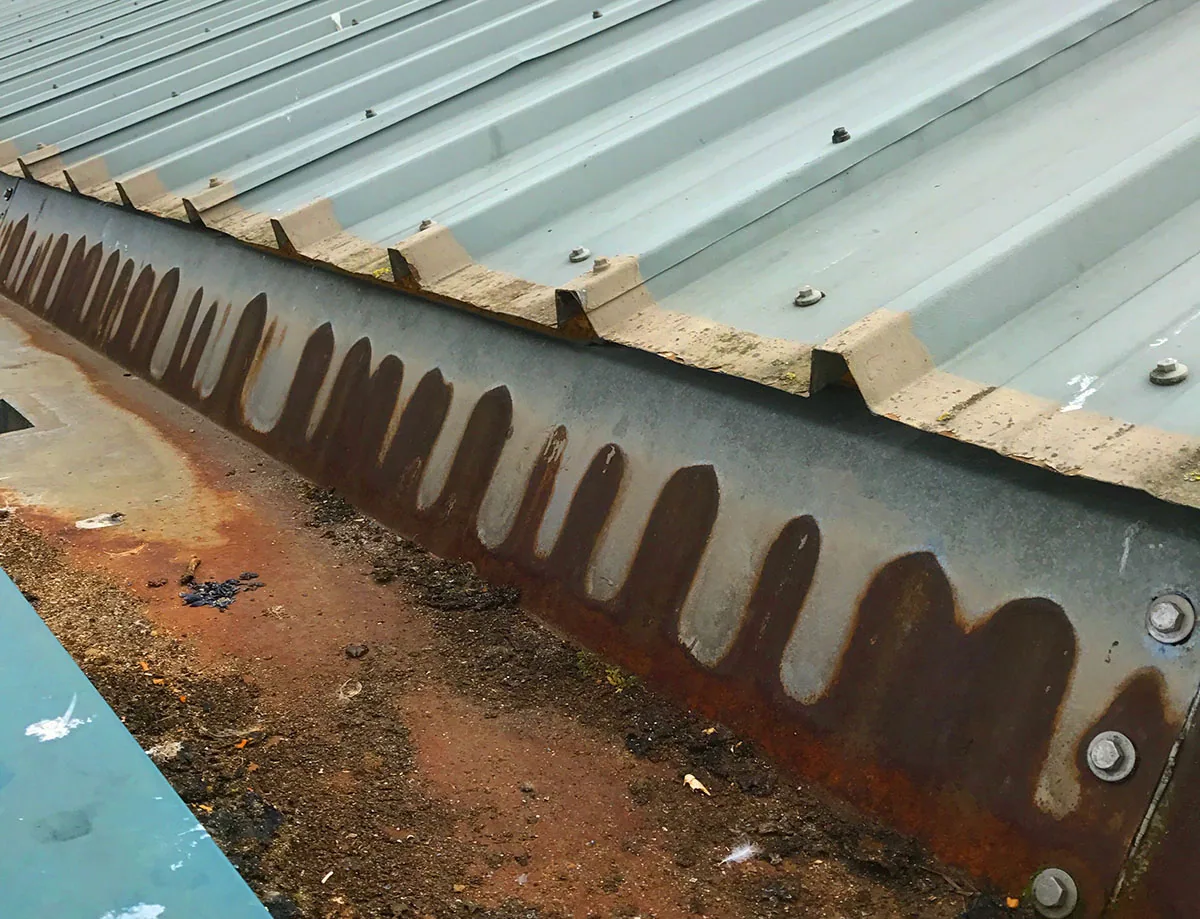
Wind can lift edge metal, loosen coping, open a seam, shift a flashing leg, or drive debris into a membrane. We inspect corners, terminations, curbs, vents, and any earlier patch that may have moved. A displaced piece should be photographed from a close view and located in a wider roof image. A roof with no visible loose edge may still have a leak path at a wall or equipment detail, so the inspection follows the interior report instead of stopping at the perimeter.
Montgomery sits west of Conroe near SH 105 and FM 149, which connect the town with Conroe and other regional markets. A service route may cross different building contexts, but wind exposure and assembly need to be checked at the property. Wind-damage repair can address displaced details when found. A commercial roof inspection can map the visible condition and distinguish the roof area reached from sections that need another visit.
Keep rain entry distinct from surface flooding
Hurricane rain can expose a drain restriction, low spot, or flashing opening. It can also arrive with water around the building that has a different cause and repair responsibility. We inspect roof drains, scuppers, overflow routes, membrane transitions, and interior reports, then state which evidence supports a roof leak. Do not attribute water inside to a roof opening solely because it appeared during the same storm; the path and source still need evaluation.
Conroe’s severe-weather hazards include intense rainfall and damaging wind. Ponding-water repair addresses water that remains on the membrane after runoff should have moved toward an outlet. If water is entering at the wall or curb, flashing repair may be needed instead. The property team should identify drains that were inaccessible or submerged so we do not describe them as cleared or functioning without inspection.
Control exposure without obscuring the inspection
A temporary cover can help when rain is still entering, but it should be limited to the necessary area and recorded before permanent material hides the condition. We note the date, roof zone, fastening method, and what surface cannot be inspected underneath. If wind remains a concern, the cover itself needs a safe attachment and a recheck schedule. A temporary measure is not a completed repair, and the owner needs to know who will return and what material or access must be ready.
On an occupied facility, set a barrier below the open area and route staff away from any overhead work. Phased work at an occupied building can keep the roof and interior protection zones aligned. If a drain or HVAC vendor must work first, list the handoff and avoid closing the roof over an unresolved interface. The proposal should state how weather delay changes the exposed area and how the property receives an updated status. If the roof is wet after a storm, allow enough time for the material and substrate to dry before applying a patch or coating that depends on adhesion. The crew should also keep removed debris in a controlled route and protect the building below from falling material. These steps belong in the daily plan, not as assumptions discovered after the work starts.
Choose repair from the assembly and findings
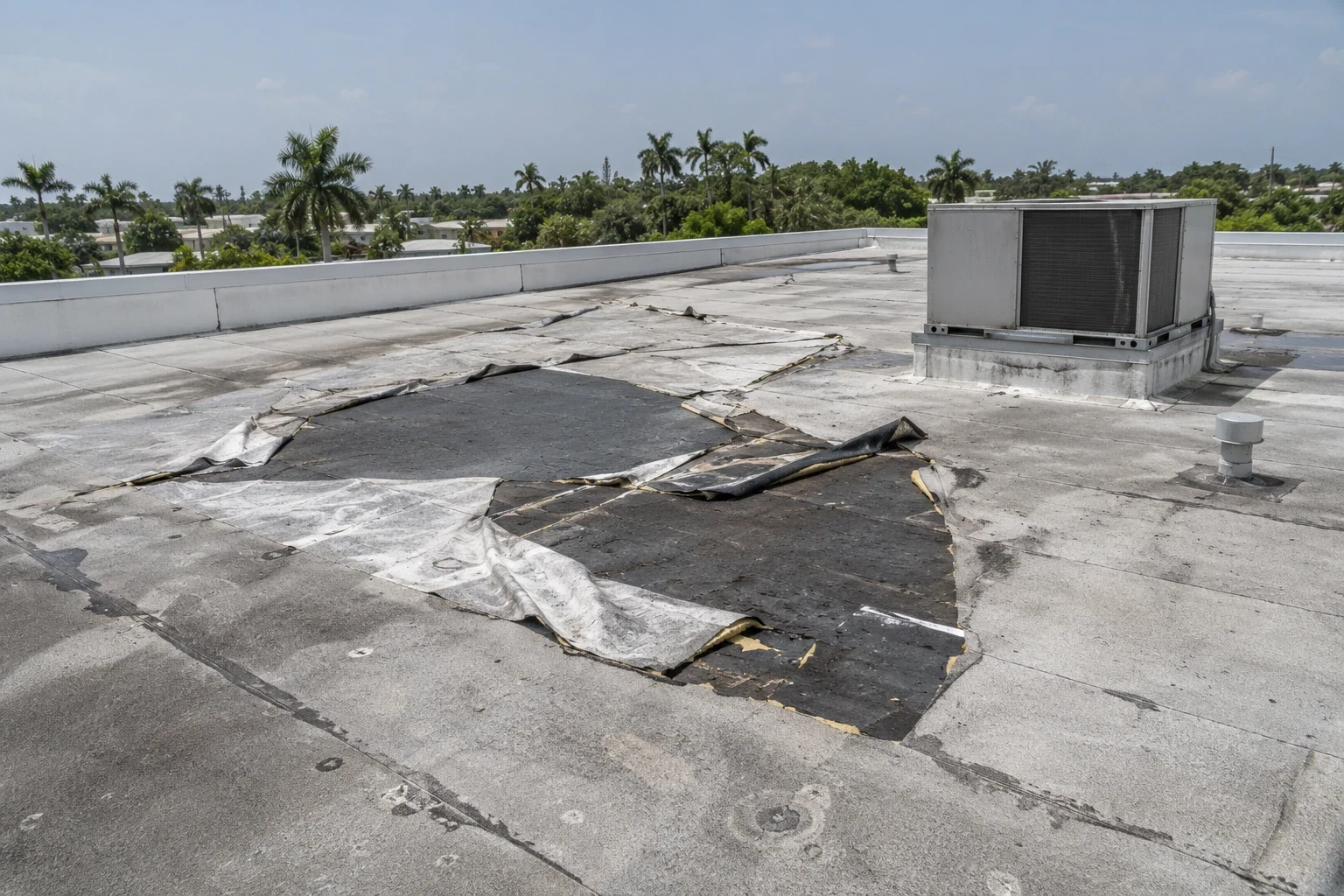
A short opening in sound membrane may accept a localized patch; lifted edge metal needs a different attachment correction; wet insulation may require a controlled removal and dry-in. We identify the roof system and inspect the material around the affected area before selecting a method. If the storm has left several distinct defects, list them individually rather than combining them under a broad label. The owner can then approve emergency protection, confirmed repair, and any additional testing separately.
Hurricane damage can overlap with normal aging, prior repairs, or water that entered before the event. We describe the observed condition and state when the inspection cannot establish timing. Insurance-restoration documentation can organize event notes, dated photographs, temporary measures, and the permanent scope without deciding coverage. A replacement proposal should identify the roof sections and drainage corrections included, with assumptions stated for concealed conditions. No storm headline substitutes for that building-level review.
Finish with a return date and roof-zone record
Closeout should show the building, inspected roof area, material repaired, temporary protection removed or retained, photographs, and conditions that still need review. If the interior remains wet, keep restoration work separate from roofing completion. A return inspection may be appropriate after a suitable rain or after another trade finishes at a curb, wall, or drain. The owner should have one contact for access and one clear date for the next roof decision. Keep the repair record with that building file.
Harvey’s Lake Conroe history is regional flood context, not evidence about the roof at a current property. For a new hurricane report, send the address, event date, interior symptoms, access release, and any temporary covering. We will trace the roof path, identify what can be repaired, and mark any test or follow-up needed before calling the work complete.
Commercial Roofing Questions
Should the roof be inspected before temporary covering?
If access is safe, photograph and map the visible condition first. When water or debris creates an immediate hazard, protect the building and record what the cover hides for a later inspection.
Does Hurricane Harvey history mean a Conroe roof flooded?
No. It describes Lake Conroe and downstream flooding in Montgomery County. Each building still needs an inspection that distinguishes roof entry from other water sources.
What should be checked after hurricane-force weather?
Edges, seams, coping, flashing, curbs, drains, overflow paths, and any interior area reported wet. The report should identify areas not reached or tested.
Can wind and rain damage be included in one proposal?
They can share a project, but the estimate should identify each observed condition and repair. That helps the owner separate a loose edge, an open seam, and a drain problem.
When can permanent repairs begin?
After safe access, the assembly, and the affected area are confirmed. We also need a weather window, material compatibility, and any required approval for concealed conditions.
Related Roofing Work