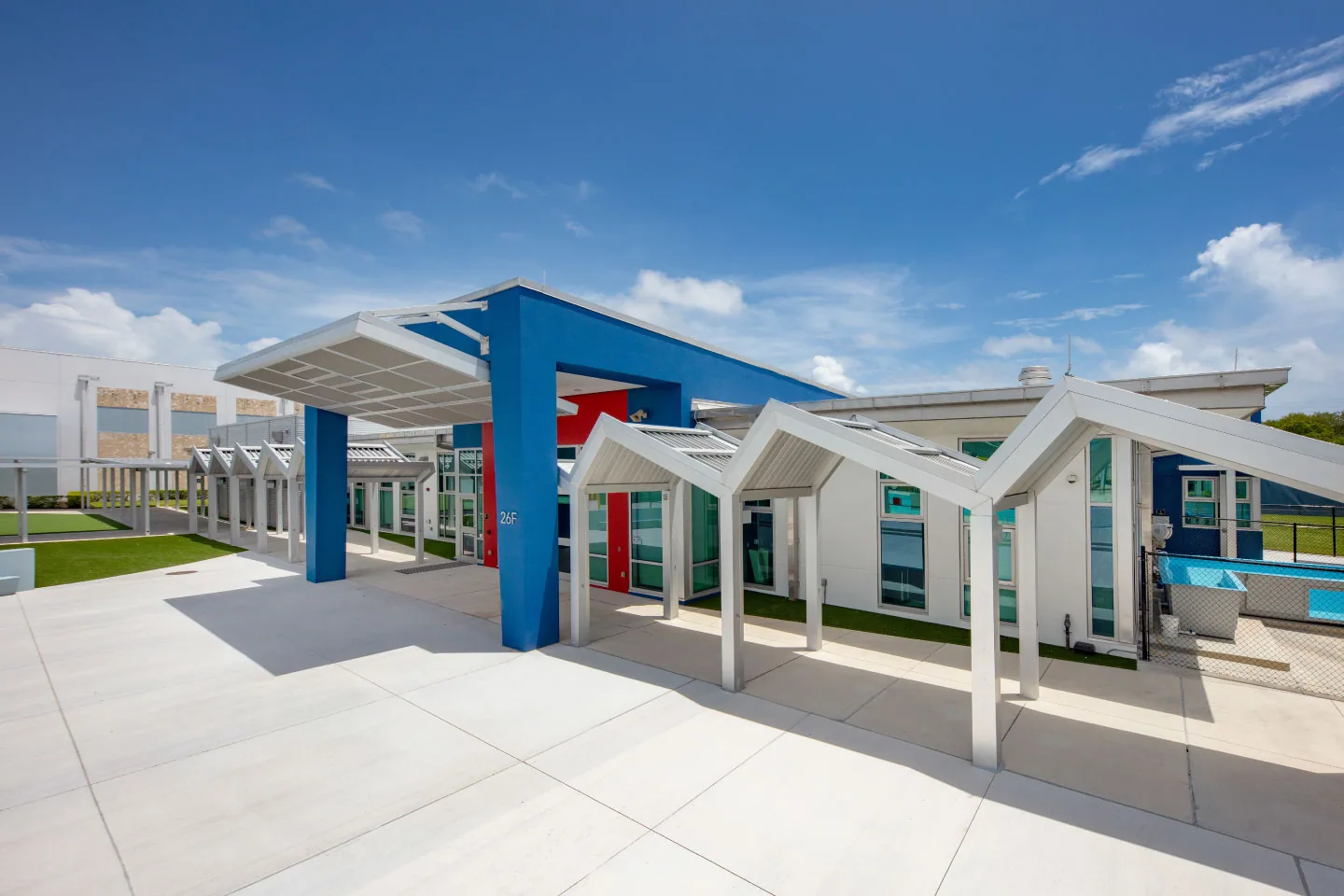
School Roofing in Conroe, TX
Plan school roof inspections, repairs, and renewals in Conroe around classroom schedules, safe campus access, drainage, and documented roof conditions.
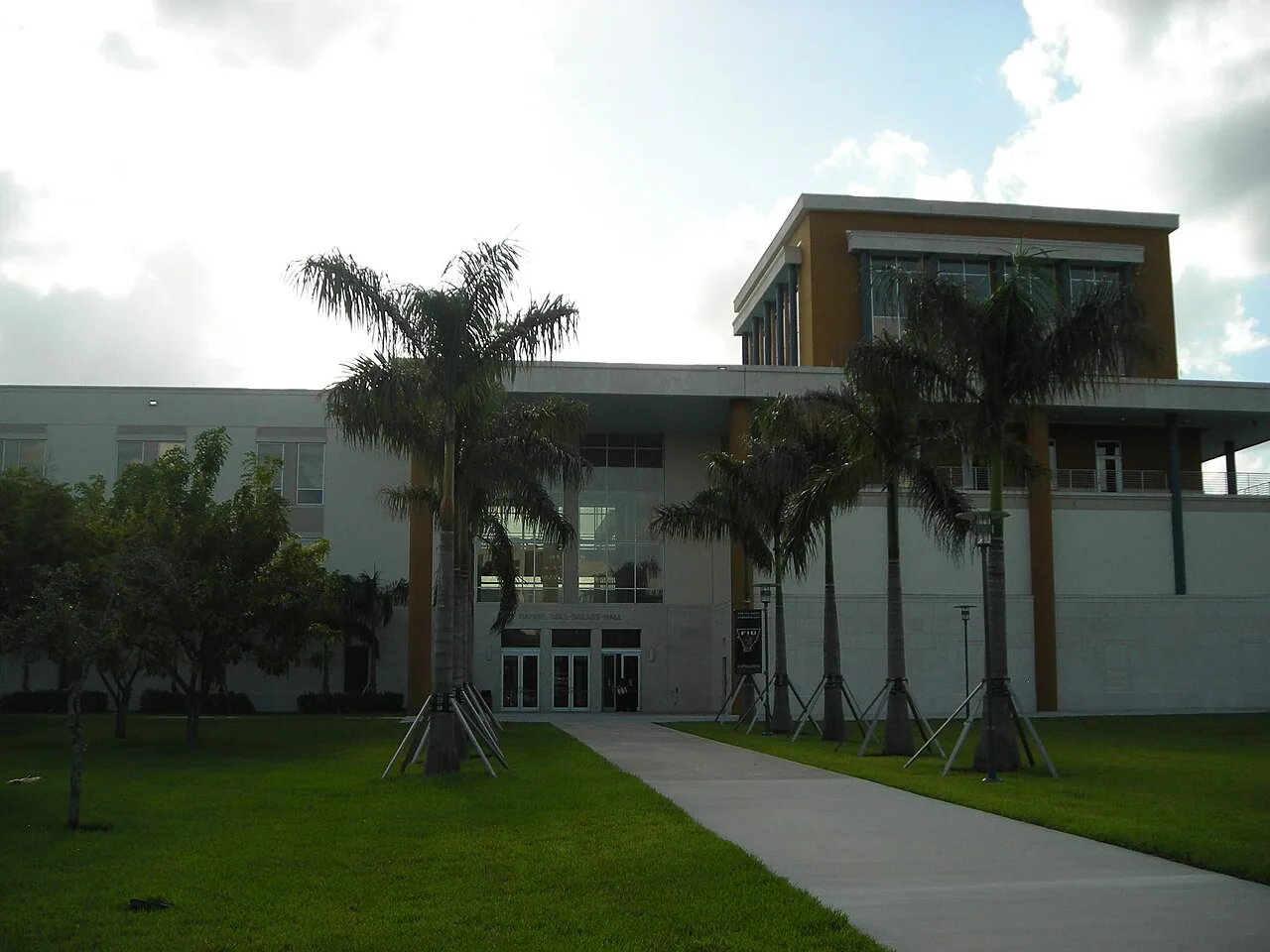
A roof leak above a classroom can become a scheduling problem before the source is known. Staff need to protect students, keep halls and arrival routes clear, and locate the water path. School roofing should start with the affected room, the roof section above it, and the calendar window available for inspection or repair. Conroe Park North is a large local employment district with manufacturing, freight, food processing, and warehouse operations; Downtown Conroe combines commercial redevelopment with civic and residential uses. The difference between industrial operations and downtown civic uses makes the campus schedule and access plan central to a school roof scope. We inspect the campus itself and plan around the school's access rules and operating calendar.
Keep student movement separate from roofing access
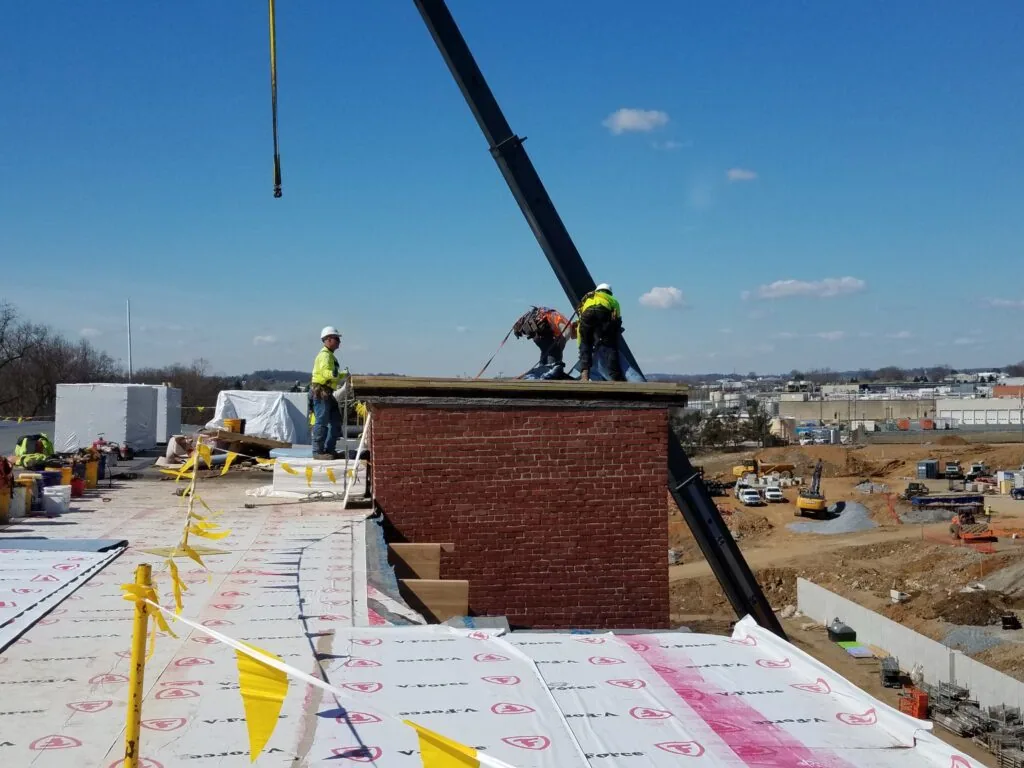
Before mobilization, the school contact can identify student arrival and dismissal times, bus circulation, visitor entrances, athletic use, and any gates that must remain clear. We confirm where a lift or material drop can be placed without crossing a student route. If work takes place during the school term, the crew needs a marked work boundary and a staff contact who can respond when a door, corridor, or parking area changes. If the project is scheduled during a break, the building still needs controlled access and a daily closeout that leaves each opening weather-tight.
Roofing crews should not move through classrooms to reach an upper roof unless the school's access plan requires it. Where the only practical route runs through occupied space, staff can set escort and sign-in requirements before the visit. A roof project divided by wing can also reduce the area affected at one time. Occupied-building reroofing lets the facilities contact review the proposed sequence, work hours, and daily protection plan before a larger replacement begins. We note where the school must provide a key, escort, or equipment shutdown and who accepts each completed zone. District offices share access needs with other public buildings, while school work protects student routes.
Trace classroom reports beyond the ceiling tile
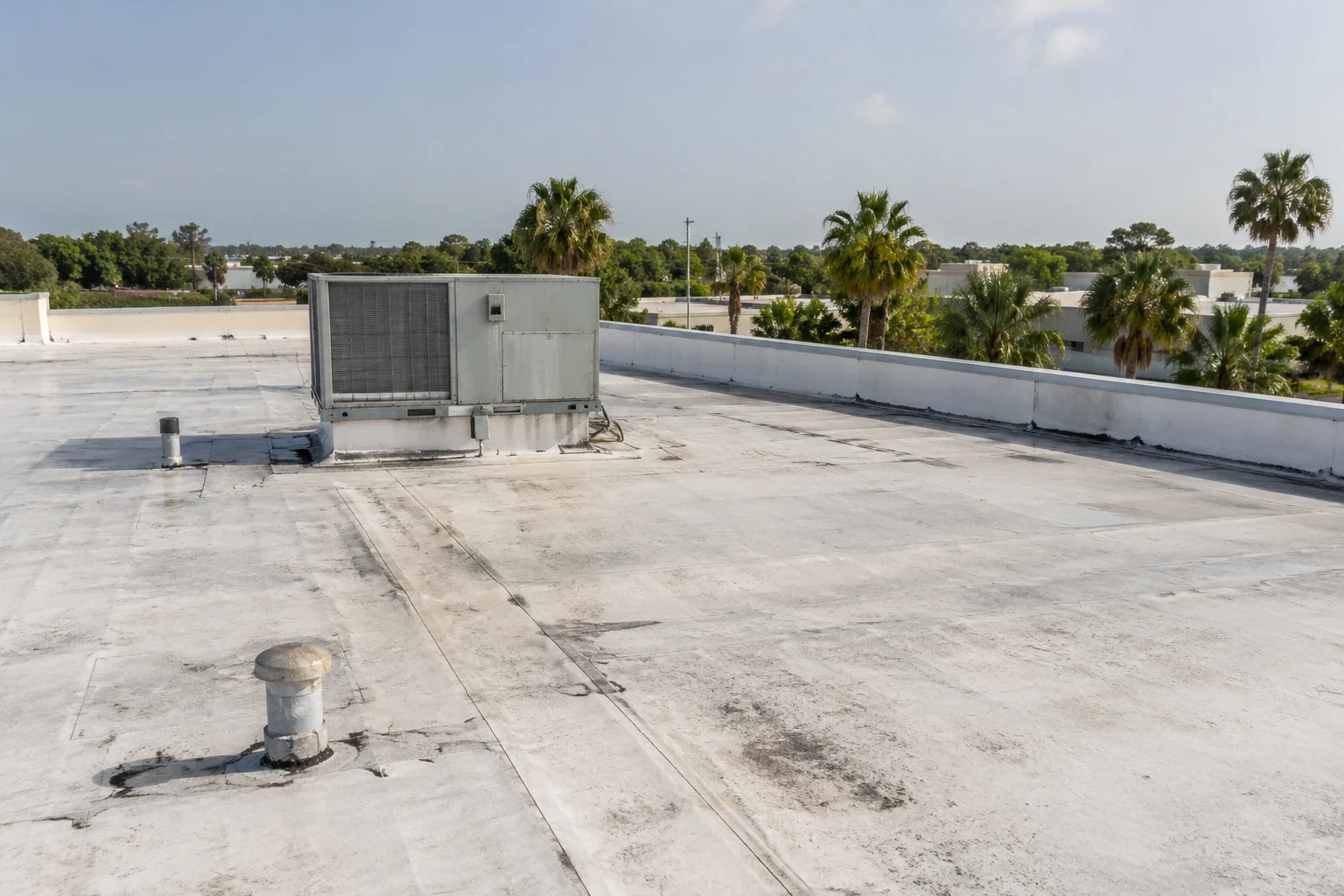
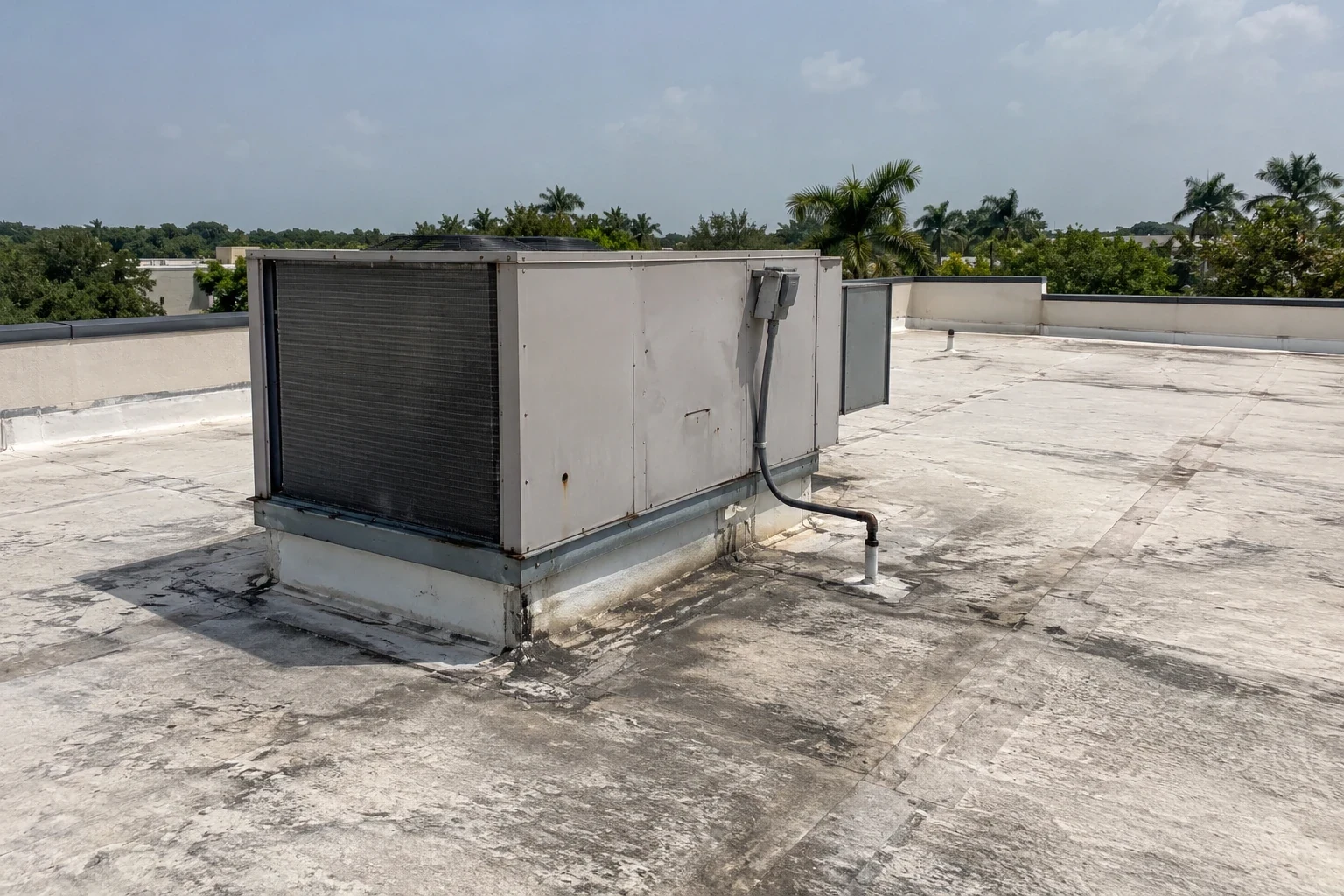
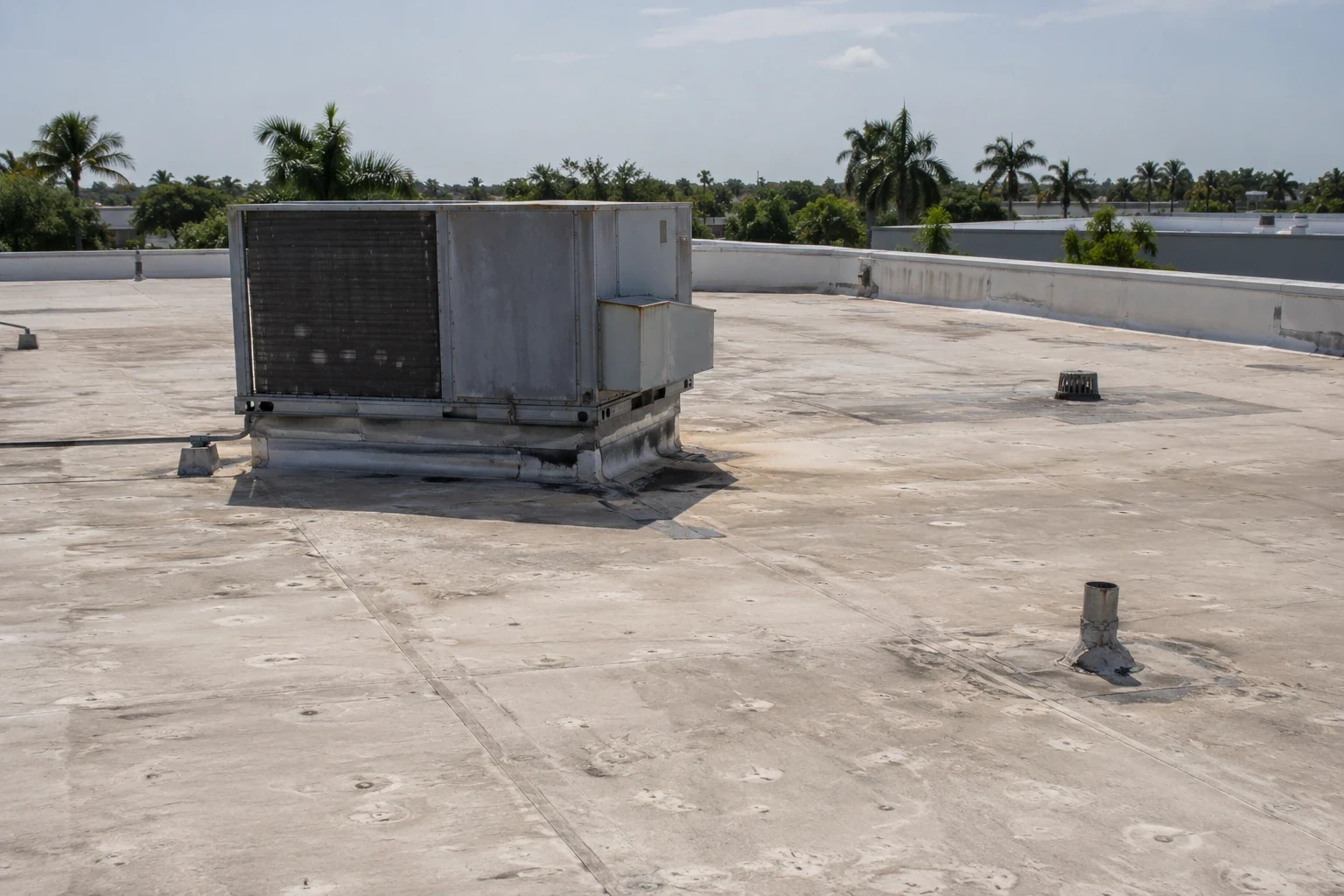
A stain near a classroom light or corridor wall may sit below a leak that traveled along a deck flute, insulation joint, pipe, or structural member. We trace from the room to nearby drains, seams, curbs, penetrations, and transitions before setting the repair area. We compare the location and timing of the report with roof drains, seams, curbs, penetrations, wall transitions, and previous repair areas. If conditions are safe, photographs show the visible defect and the surrounding roof details. A simple roof-zone diagram helps the school team connect a room number or wing to the inspection finding.
School staff should protect people below an active leak and avoid entering a ceiling space or climbing onto the roof. A commercial roof inspection documents the assembly and conditions that can be reached safely; a targeted moisture survey may help identify patterns requiring further confirmation. A moisture pattern is a lead; we compare it with the assembly, visible openings, and targeted testing before setting the repair area. We explain what was opened, what remained concealed, and which area needs another look after the next rain.
Use the school calendar to set the work boundary
Roof work at a school needs a weather checkpoint before the crew removes material. The schedule should name the section exposed, the amount of area that can be opened, and the time reserved to inspect and close it. A rain delay can affect bus circulation or an evening activity even if the classrooms are empty. The campus contact should receive a revised route or work-hour notice when weather changes access or staging.
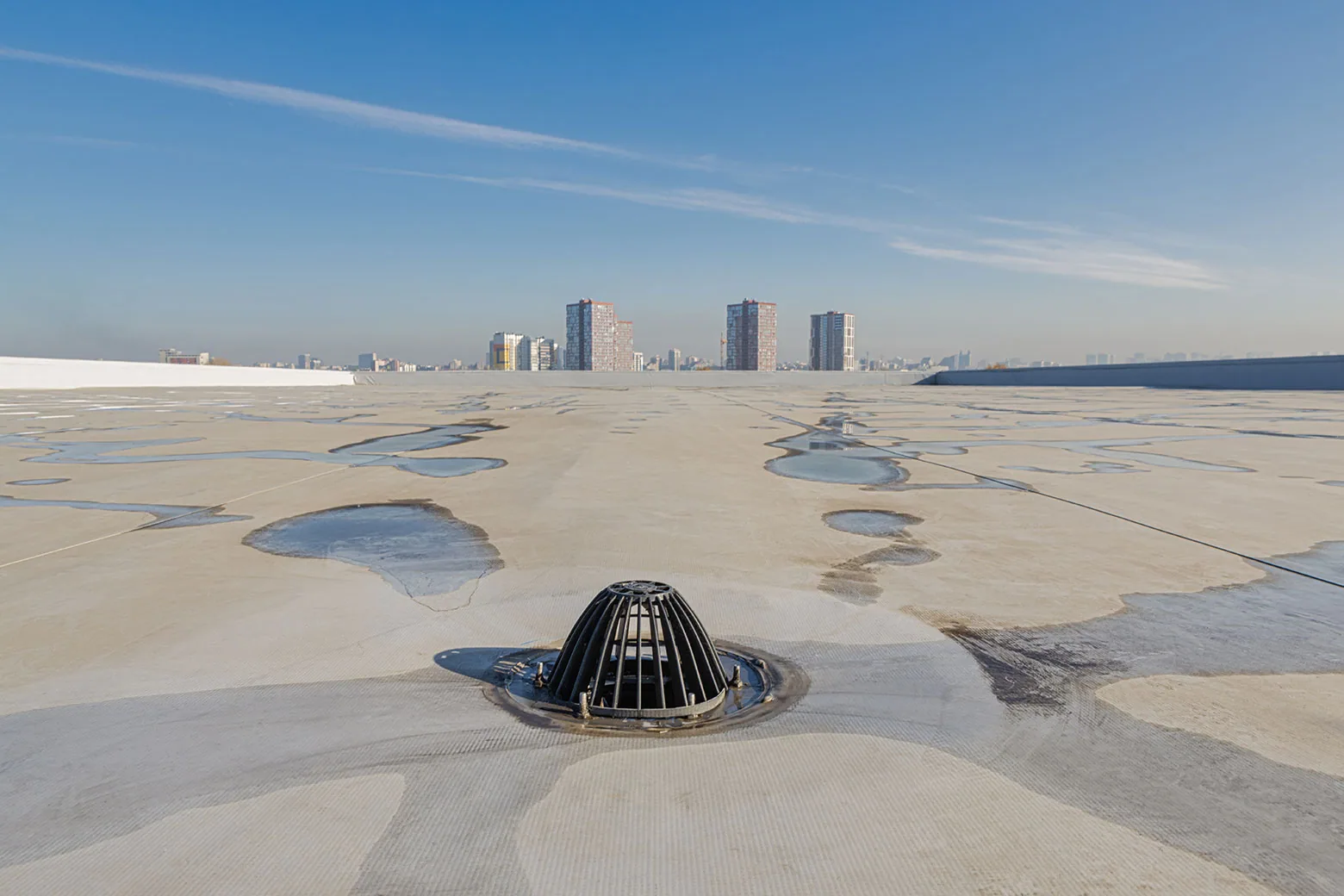
Summer heat also changes how long people can safely work on a roof surface. The crew can set earlier start times and a defined water break plan, then stop if surface or storm conditions become unsafe. Maintenance staff should know which roof zone has been closed and whether a return visit is needed. A college building may have lab or residence windows. Where a drain is part of a leak report, drain and scupper inspection can determine whether debris, a damaged outlet, or a broader slope condition is visible. These steps keep the campus schedule tied to the actual forecast and inspected area.
Inspect damage after a weather report
After a weather alert, school staff should note which room or wing developed a leak, when it appeared, and whether water is still entering. The facilities contact can compare that report with the campus roof map and any earlier repair record. We inspect the affected section for displaced edge metal, punctures, lifted flashing, impact marks, and debris. A gym, library, and classroom wing may have different interior exposure, so each finding stays attached to the relevant roof zone.
If a temporary measure protects a room while permanent work is arranged, the closeout should name the covered area, material used, and any limit until follow-up. Storm-damage roof repair begins with those observed conditions and campus access rules. The service report should name roof zones, inspection time, recent repairs, and visible changes, while keeping student routes clear.
Compare repair and renewal with the building record
A single failed seam or flashing detail may support a targeted repair if the adjacent membrane, insulation, and attachment remain stable. If leaks recur in several rooms, moisture extends across multiple roof zones, or edge conditions have deteriorated, the school may need a broader review. Recover work depends on the existing layers, moisture findings, structure, and applicable requirements. Tear-off exposes concealed conditions but creates debris movement and a new dry-in requirement. Each option should identify what it corrects, what remains, and what could change the price after concealed materials are opened.
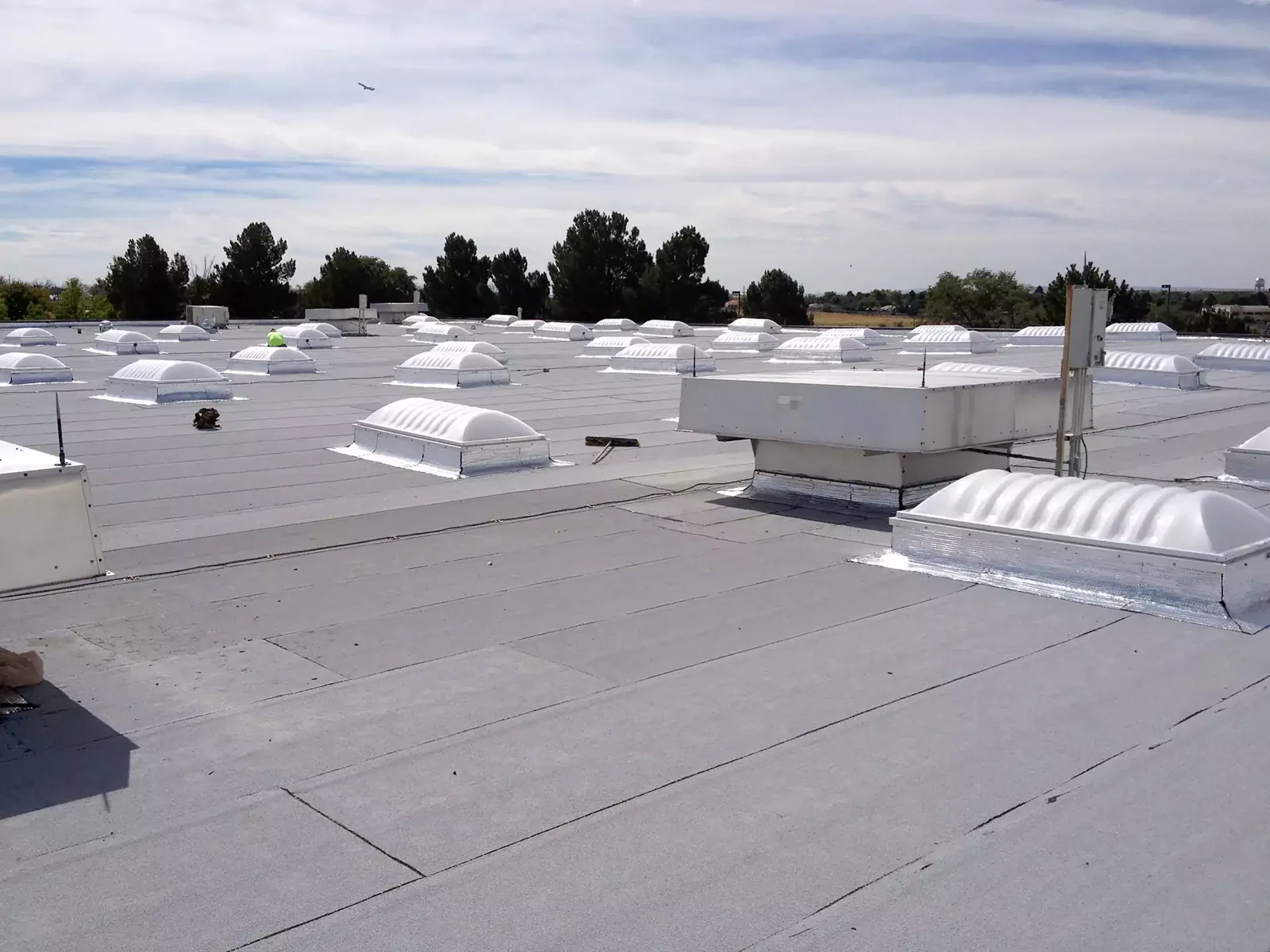
A practical scope lists the roof section, penetrations, drains, edge details, access points, work hours, protection, and daily closeout. It should tell the school who approves added work and how the contractor will communicate a delay. A replacement scope should identify each school building, roof zone, access period, and daily closeout. The decision follows observed conditions and the school calendar, with room schedules and student routes built into the sequence.
Leave a roof record the next facilities lead can use
School maintenance records often pass between staff, departments, and contractors. Closeout photos, roof-zone references, materials installed, and dates help the next facilities lead understand what changed. The record should distinguish a visual inspection from a detail that was opened or tested. It can also list a drain that needs cleaning, a seam to revisit, or an area that could not be reached safely.
Conroe Park North covers 1,655 acres on FM 3083 and has more than 40 companies across a diverse industrial mix. Downtown Conroe's planned district runs from I-45 to 10th Street and Dallas Street to Avenue G, combining commercial redevelopment with housing and civic activity. Keep the school inventory by campus, building, and wing, with each roof map tied to current repairs and the next access window. Downtown Conroe is one of the broader commercial service areas available for a roof assessment, while school access and scheduling remain set by the district.
Commercial Roofing Questions
Can school roof repairs happen during classes?
They can when campus staff approve access, establish a work boundary, and choose hours that protect student routes and occupied rooms. Some repairs fit a short window; larger work may need a break, weekend, or phased schedule.
What should staff do when water appears in a classroom?
Follow the school's safety procedure, move students and sensitive equipment from active water, and notify the facilities contact. Record the room and time noticed. Staff should not enter the ceiling cavity or climb onto the roof.
Does an infrared survey confirm a roof leak?
It can reveal temperature patterns that guide a closer roof inspection. We confirm the water path at the membrane, flashing, or drainage detail and compare the finding with the roof construction.
When is a full school roof replacement worth reviewing?
A broader review makes sense when leaks recur across areas, moisture is widespread, or several details have deteriorated. The recommendation should compare repair, recover, and tear-off against the roof record and campus calendar.
Can a school roof project be split into phases?
Yes. The scope can identify wings or roof zones, daily weather-tight closeout, access routes, and who accepts each completed area. The sequence should follow inspection findings and the school's operating plan.
Related Roofing Work