Commercial Roof Due-Diligence Surveys in Conroe, TX
Review a Conroe commercial roof before acquisition or refinancing with mapped findings, document review, access limits, and repair cost drivers.
A transaction review needs to tell the buyer what the roof inspection reached, what documents were available, and which conditions could change the near-term scope. The survey is a dated snapshot of visible and tested conditions, with its inspection limits named clearly. We review accessible roof areas, compare them with available maintenance records, and identify repairs, testing, and budget questions that deserve attention before closing. Conroe properties range from industrial sites at Conroe Park North to mixed-use buildings in The Woodlands Town Center, and each asset needs its own survey boundary.
Start with the property and its existing records
Before the visit, gather the building list, roof plans, system information if known, prior inspection reports, repair invoices, leak calls, warranty documents, and current access rules. We compare those records with the property and note where they disagree or leave a gap. A plan labeled for a different addition or a work order with no roof-zone reference should not be treated as a complete history. The survey identifies the documents reviewed and the records that were unavailable.
Downtown Conroe's five-district plan links commercial reinvestment with civic and residential uses; the NorthStar Industrial Park inventory, by contrast, includes warehouse, manufacturing, and flex-office buildings. The acquisition team may have different access and tenant controls at each property. A commercial roof inspection can verify visible conditions. NorthStar Industrial Park is one regional commercial district; the specific building, roof areas, and access path must be confirmed before the survey is scoped.
Walk the roof with a transaction question in mind
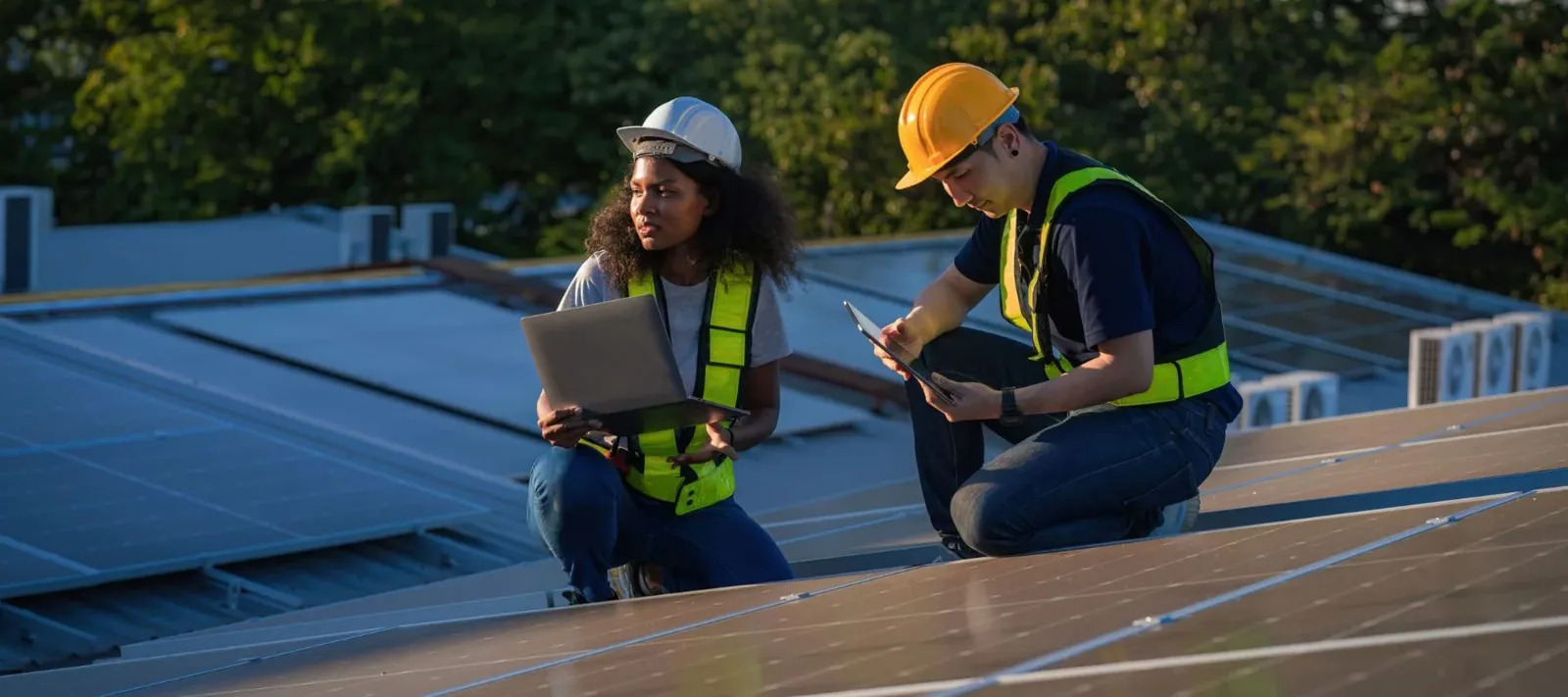
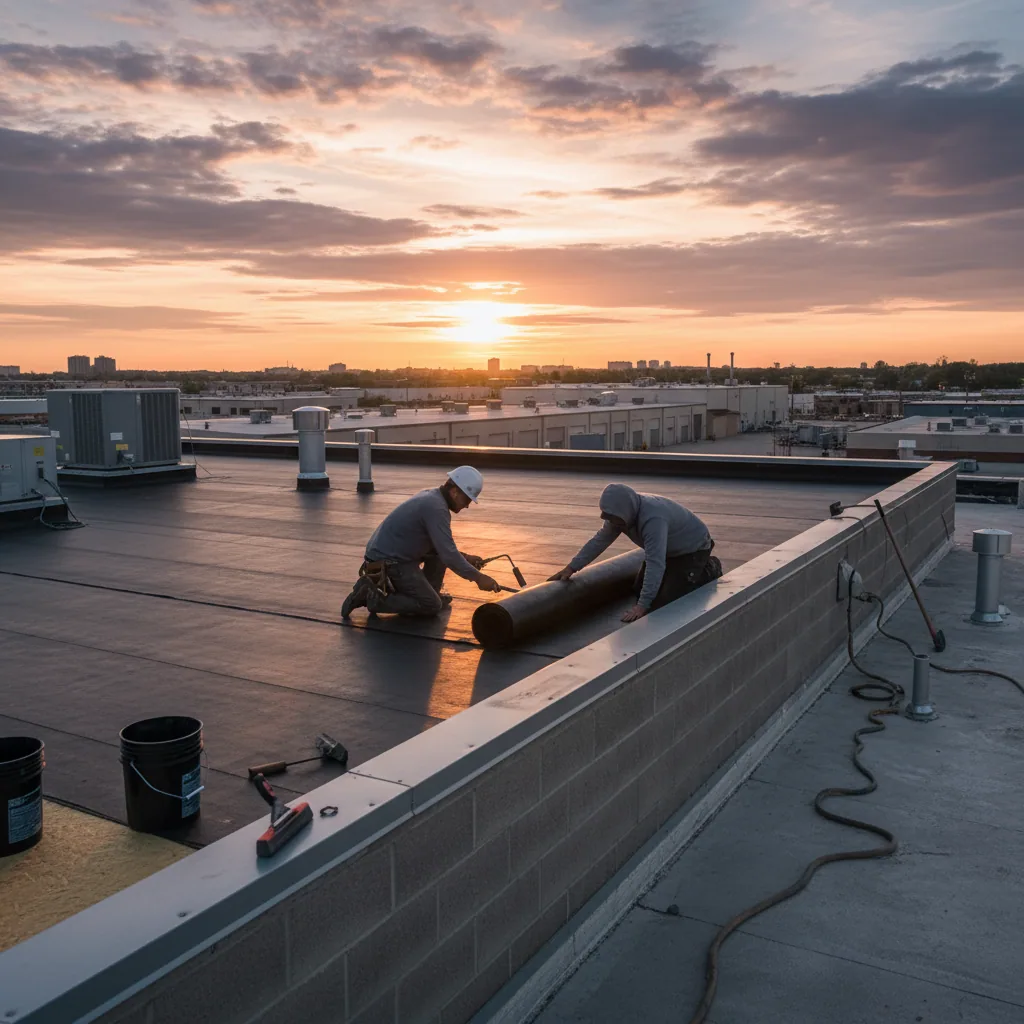
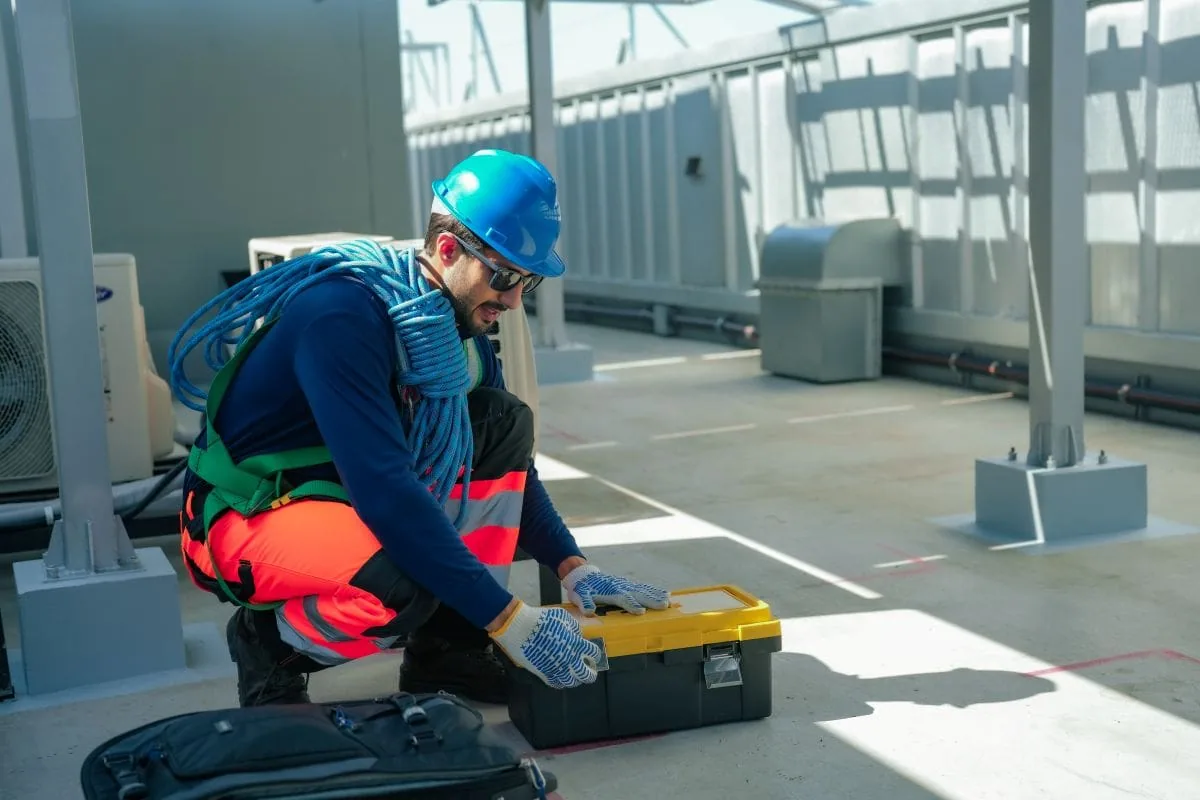
The inspection should respond to the buyer's question: active leaks, immediate repair needs, remaining service concerns, or a basis for a capital reserve. We check the accessible field membrane, seams, flashings, drains, edges, rooftop penetrations, and earlier repairs. The report uses photos and roof-zone labels so an acquisition lead can locate each observation. If weather, tenants, equipment, or safety limits prevent access, the survey names the unvisited area and the step needed to complete review.
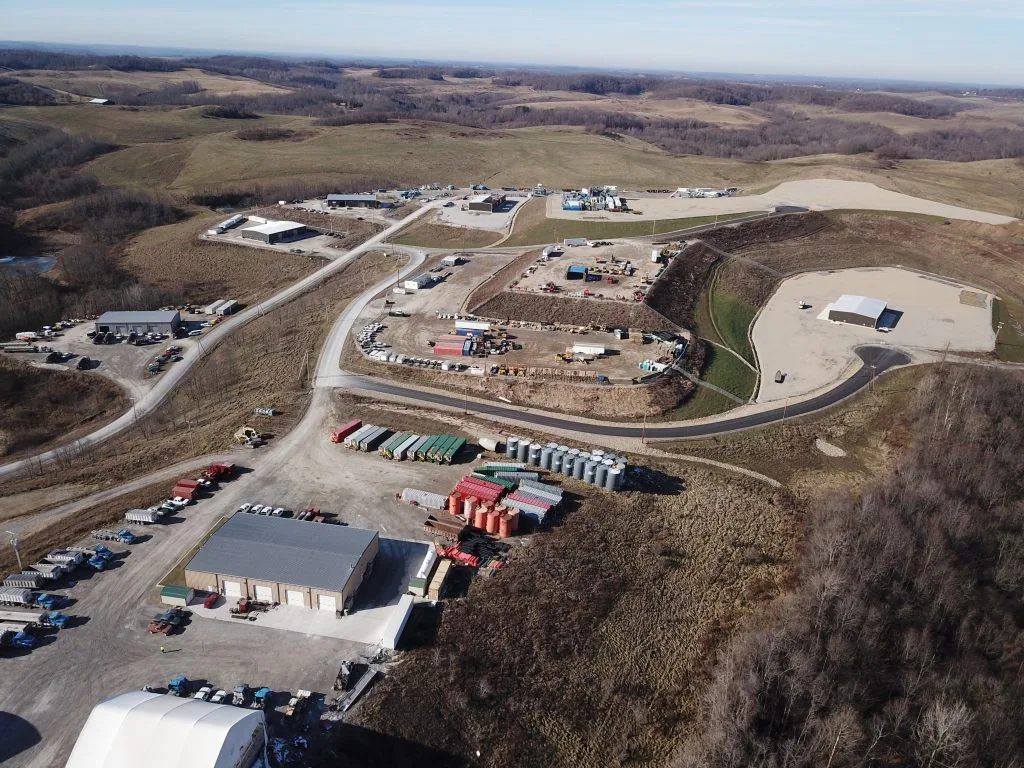
Conroe Park North has manufacturing, freight, warehousing, food-processing, and distribution activity. A property may require an escort or an operating-hour window before the roof can be reached. A drone survey can add a visual record of larger roof surfaces, but direct inspection is still needed for details that require touch, probing, or testing. Conroe Park North is a broad business area, not evidence of an individual asset's use or roof assembly.
Separate visible defects from concealed conditions
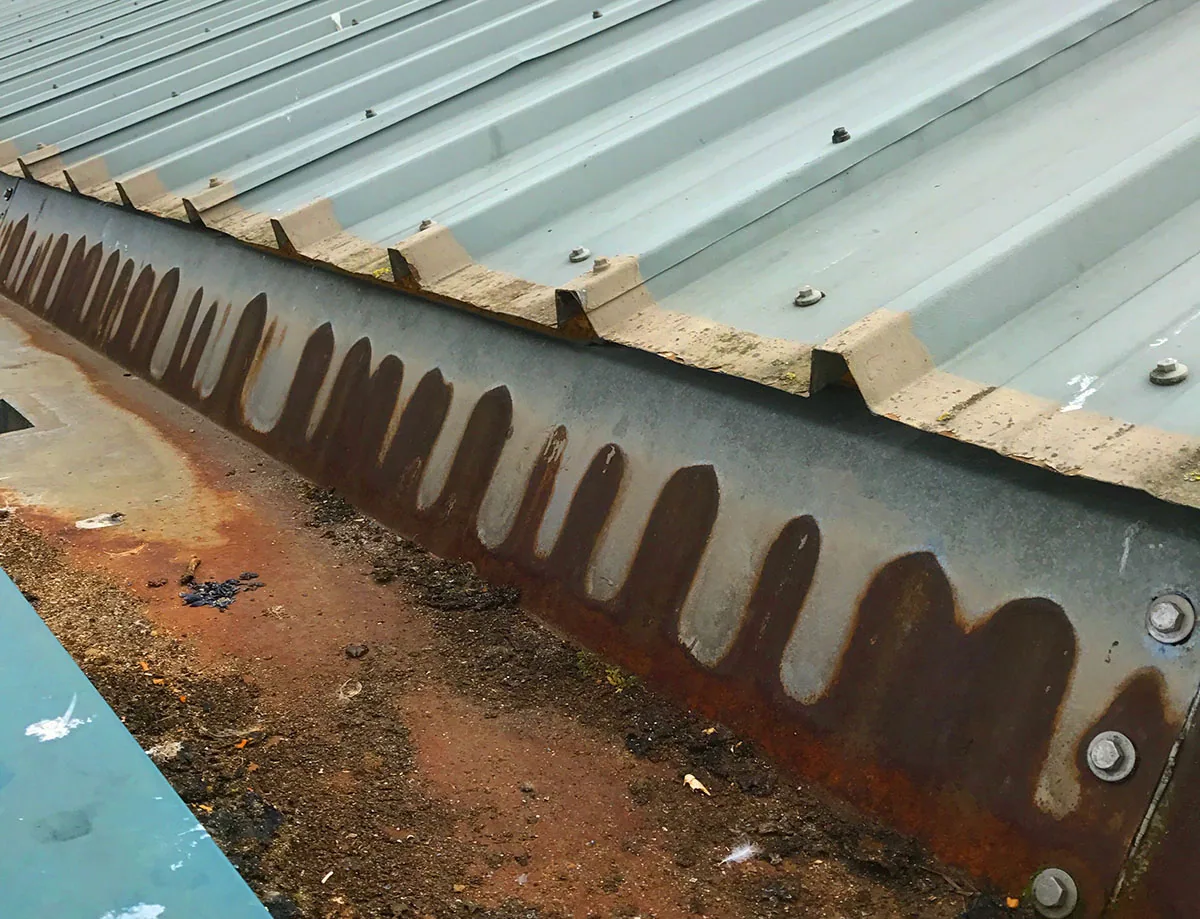
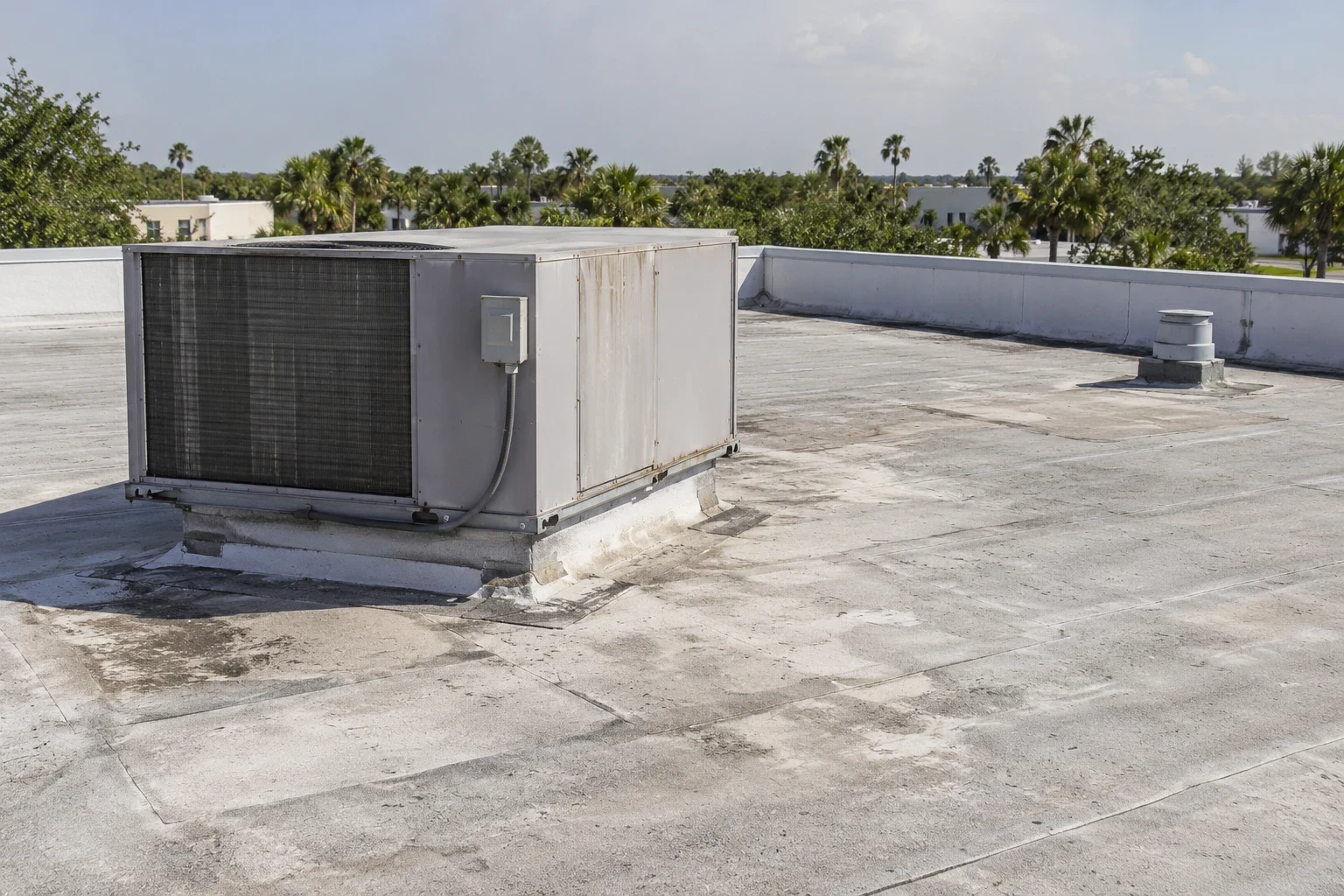
A roof surface can show open seams, ponding, displaced metal, or worn coating without revealing the condition beneath it. We distinguish what was observed from what may be present below the membrane. Suspected moisture, damaged deck, or a concealed curb condition may require a test opening, infrared screening, or review by another specialist. Each proposed test should name its purpose and location. The buyer can then decide whether to proceed before closing or carry the unresolved condition into its project plan.
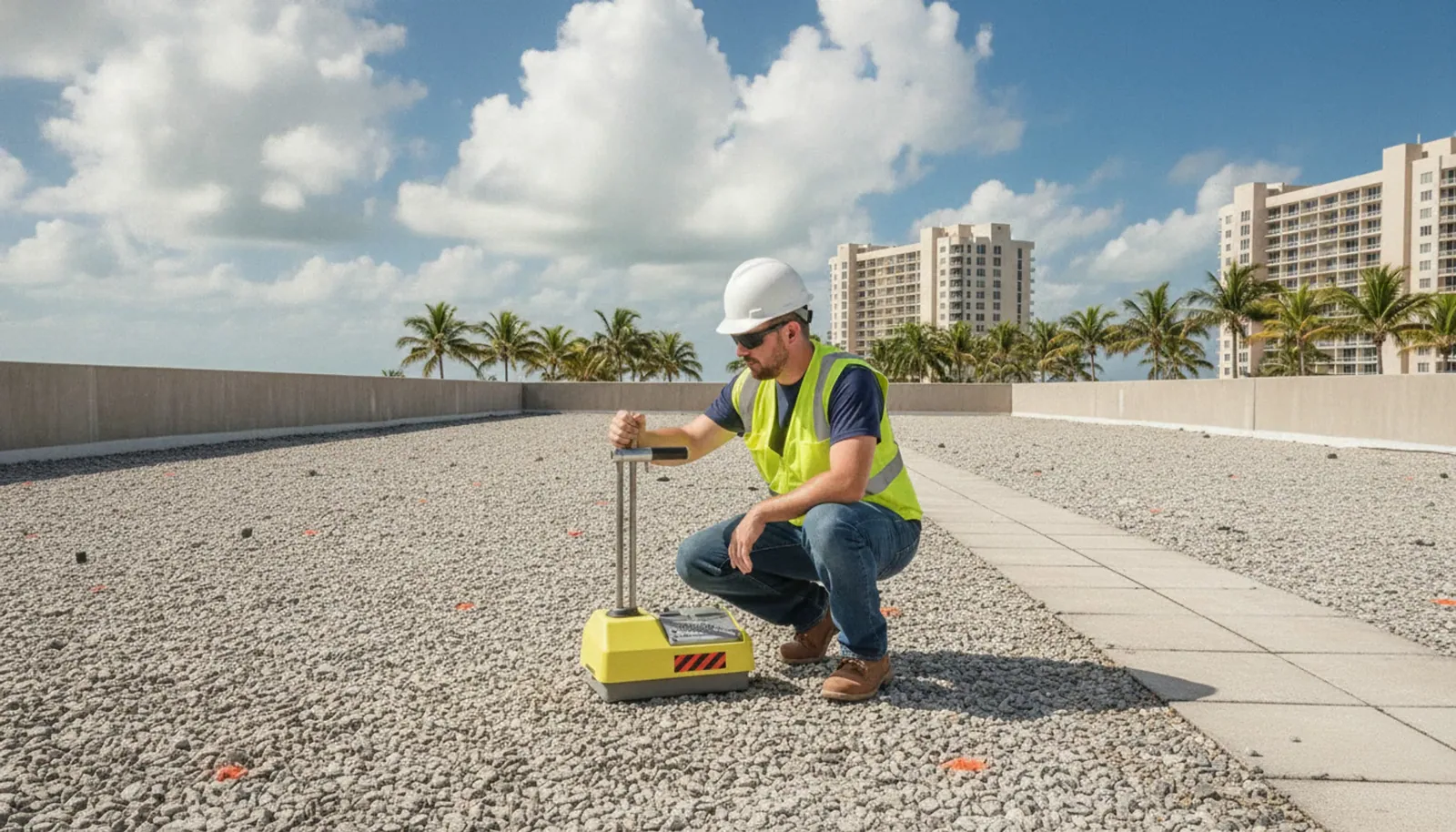
Conroe's Deison Technology Park includes corporate, research, office, and manufacturing uses; VGXI built a 240,000-square-foot headquarters and production facility in the park. These specialized operations can affect access and equipment coordination, while the roof survey confirms the condition at the asset under review. An infrared moisture survey can locate temperature patterns for confirmation. A condition report can preserve the field findings, test limits, and photo references for the buyer's team.
Show the repair assumptions behind the estimate
A transaction estimate should identify materials, roof sections, preparation, staging, drainage and flashing details, access, temporary protection, exclusions, and the approval route for concealed work. If cost depends on whether insulation is wet or the deck is sound, present that as an assumption and describe how testing could change the quantity. Avoid combining immediate leak repair with longer-term renewal in one unexplained figure. The buyer needs to see what action is required now and what remains a planning decision.
For replacement or recover options, the current assembly, moisture, attachment, structure, drainage, and applicable requirements affect the scope. A replacement estimate can break out the sections and tie-ins rather than treat the roof as one undifferentiated area. Capital planning can use the survey findings to compare repair and renewal timing after the transaction. The estimate should state its inspection date and should not imply that hidden conditions were confirmed. Group findings by decision timing: protect an active opening, complete defined repairs before normal use, or schedule a broader review after further testing. This keeps the buyer from treating every observation as the same urgency. It also gives ownership a practical handoff from transaction review to facility operations.
Fit the survey to the transaction calendar
Transaction schedules often compress document review, access, and repair decisions into a short window. Confirm who can authorize roof entry, how tenants or facility staff will be notified, and whether a follow-up test can happen before the buyer's deadline. If the survey requires another visit, list the access prerequisite and expected decision it will support. A short timeline does not remove the need to note what could not be inspected.
The Woodlands Town Center combines offices, retail, hospitality, healthcare, entertainment, and residential uses across a broad commercial district. Conroe Park North has a different industrial profile. These market settings can affect occupancy and staging, but transaction conclusions must remain tied to each surveyed roof. The Woodlands Town Center is a regional service area. A roof survey can help the buyer carry findings into a first-year maintenance and capital calendar without treating the report as a warranty or prediction.
Deliver a review that can be picked up after closing
The final report should identify the property, buildings and areas reached, date, available records, observed conditions, photographs, test limits, repair recommendations, and cost assumptions. Separate urgent protection from work that can be scheduled. Include the contact or access step needed for any unresolved area. This allows the buyer's facility lead to convert a due-diligence finding into a work order after the sale instead of repeating the same inspection from the beginning.
Send the property list, transaction deadline, available roof documents, active leak reports, and access contact. We will scope the survey around the decision, inspect the accessible areas, and identify conditions that need testing or a repair estimate. The buyer and its advisers decide how the findings affect the transaction; our report describes the roof and the work it may require. A written scope can be shared with the property manager after closing so the immediate tasks have an owner and due date.
Commercial Roofing Questions
Does a due-diligence survey inspect every roof area?
The report lists which areas were reached and any access, safety, or equipment limits. Unvisited sections remain outside the inspection and may need another method or visit.
Can the survey confirm the remaining life of a roof?
It can describe current condition and repair concerns, but a service-life estimate depends on material, assembly, maintenance history, and concealed conditions that may not be visible.
What if the seller has no roof plans or repair records?
We note the documents that were not available and base the field findings on the areas inspected. Testing or additional access may be needed to resolve material questions.
Will you estimate repairs found during the survey?
We can define repair scope and cost drivers when the inspection supports it. Concealed moisture, deck condition, or other unknowns should remain stated assumptions until tested.
Can the buyer use the report after closing?
Yes. The roof map, photos, findings, and open actions can inform the first maintenance calendar, provided the report date and inspection limits remain attached.
Related Roofing Work