Carlisle SynTec Roofing Systems in Conroe, TX
Service Carlisle SynTec roofs in Conroe with system identification, seam checks, drainage review, and repair limits matched to the building and roof section.
A roof with Carlisle SynTec material can hold more than one system history. An older EPDM field, a later TPO addition, and repairs from separate seasons may meet at one parapet. We identify each section before choosing a patch or planning a larger tie-in. Sure-Weld TPO relies on heat-welded seams; Sure-Seal EPDM uses a different membrane and joining approach. Conroe's summer heat and heavy rain test both, but the inspection points are not interchangeable. At Conroe Park North, manufacturing, freight, and food-processing activity can put pressure on access and staging. Downtown Conroe has a different mix of commercial properties and operating patterns. We read the roof in front of us, record the assembly, and define the repair boundary before work starts.
Separate the Membrane Types
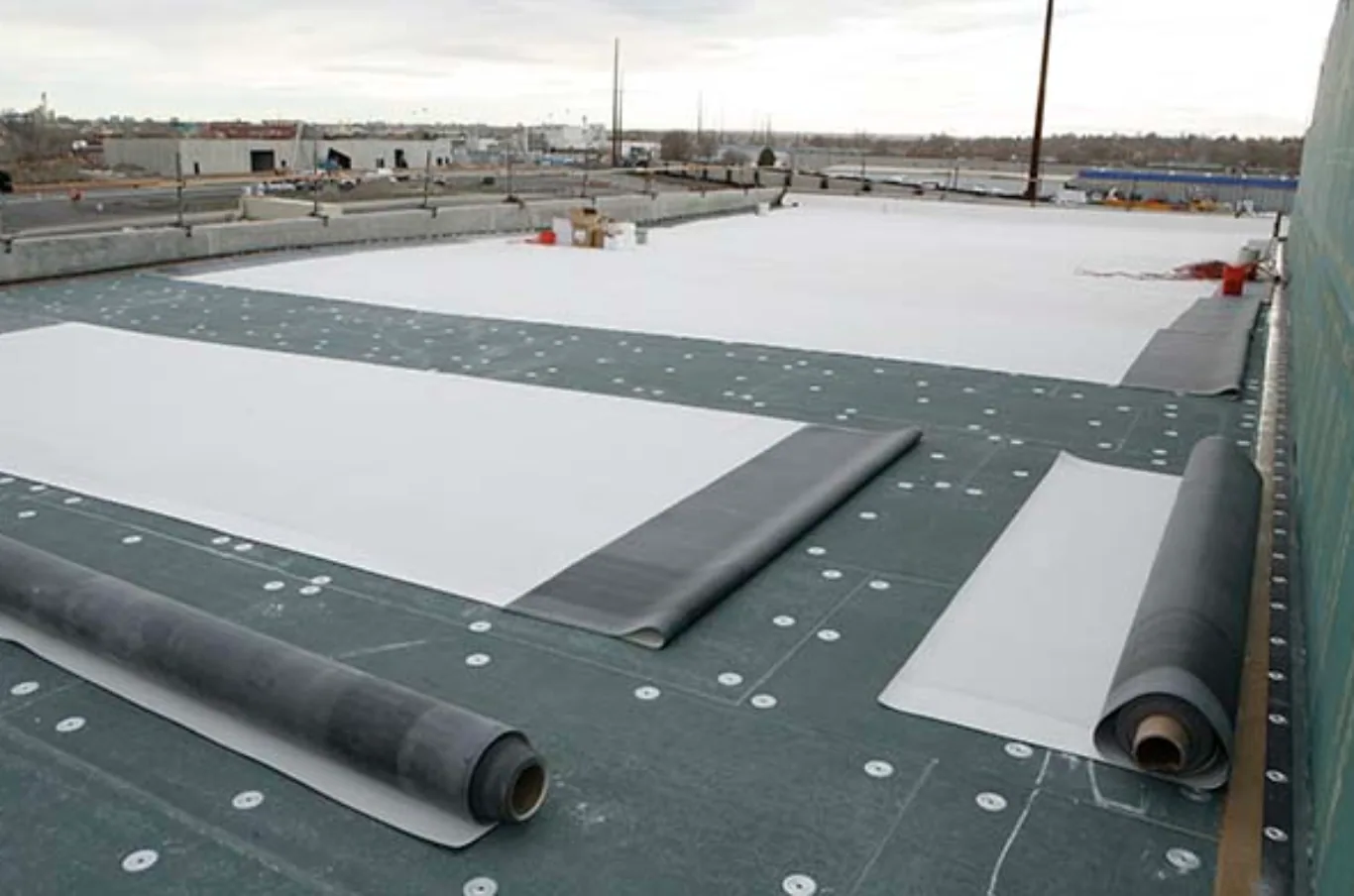
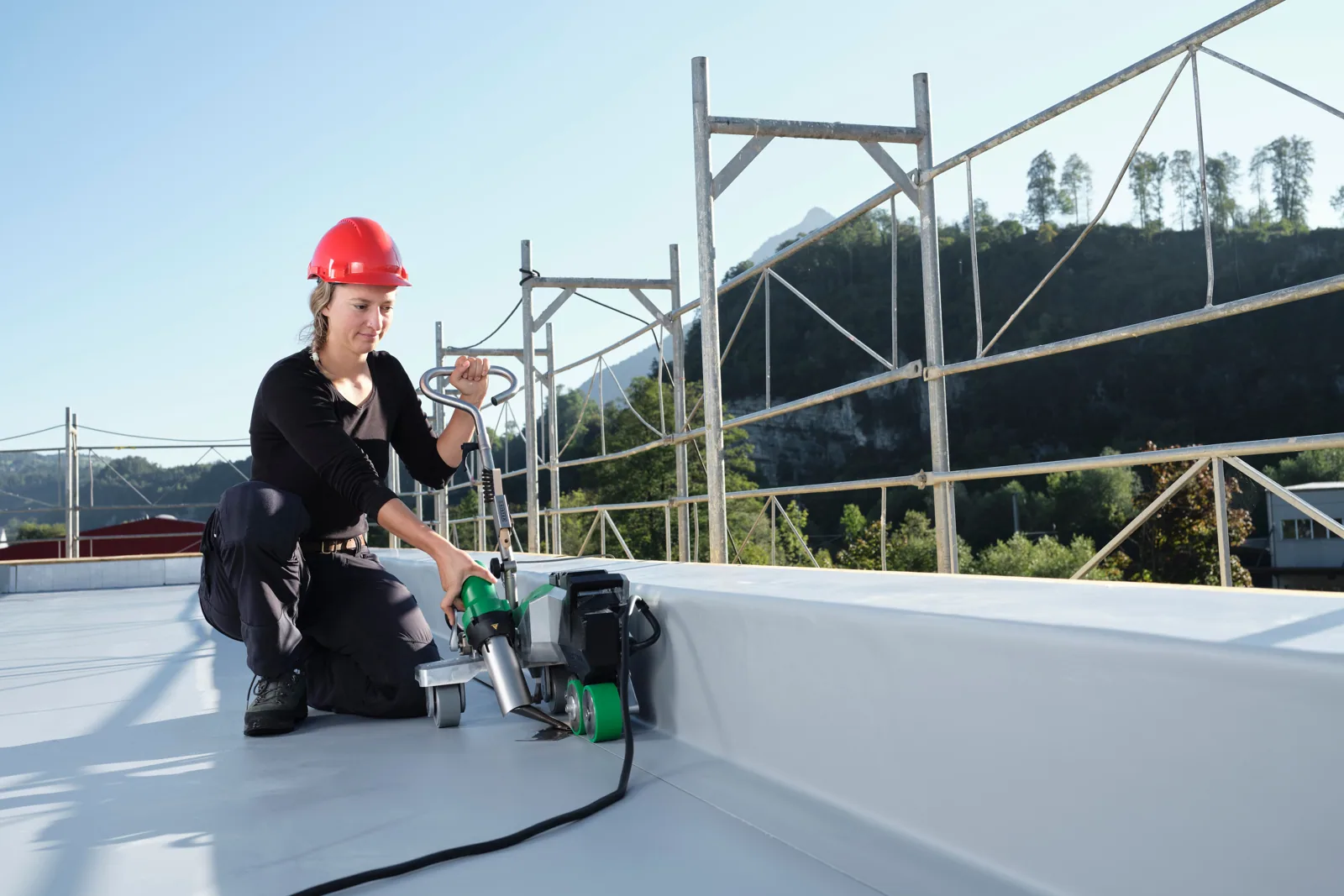
Sure-Weld TPO and Sure-Seal EPDM call for different checks. On TPO, we inspect heat-welded laps, corners, patches, and sheet around penetrations. A test weld can show whether a prepared area accepts the intended repair. On EPDM, we look at seam and adhesive or tape edges with compatible materials. We compare each addition with the visible sheet and seam style, then test an accessible area when records conflict with field details. We compare visible surfaces with records and mark transitions.
That distinction matters when a leak appears near an older tie-in. Water can travel along a deck or insulation before reaching the interior. Our EPDM roof inspection follows seams and transitions; a TPO review checks welds and thermoplastic flashings. Carlisle identifies Sure-Weld as reinforced TPO and Sure-Seal as EPDM; a field inspection confirms which sheet, seam, flashing, and attachment pattern are present. TPO and EPDM patches use different preparation and joining methods, so identify the membrane before choosing repair materials. Where a roof has multiple work phases, we mark each change on a roof plan before choosing a material. That keeps later repair crews from treating an older splice as though it were part of the original field.
Movement Through a Hot Season
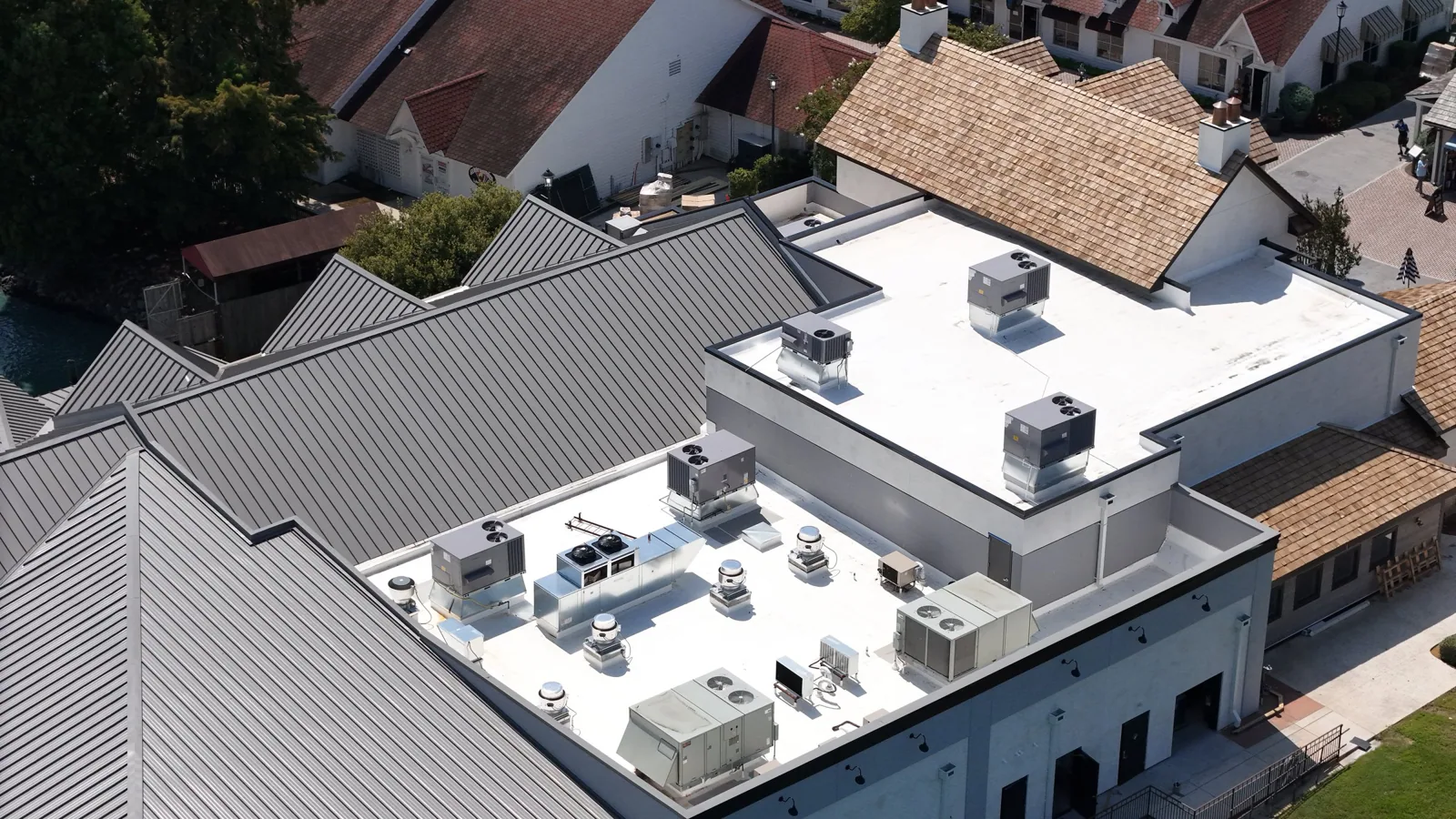
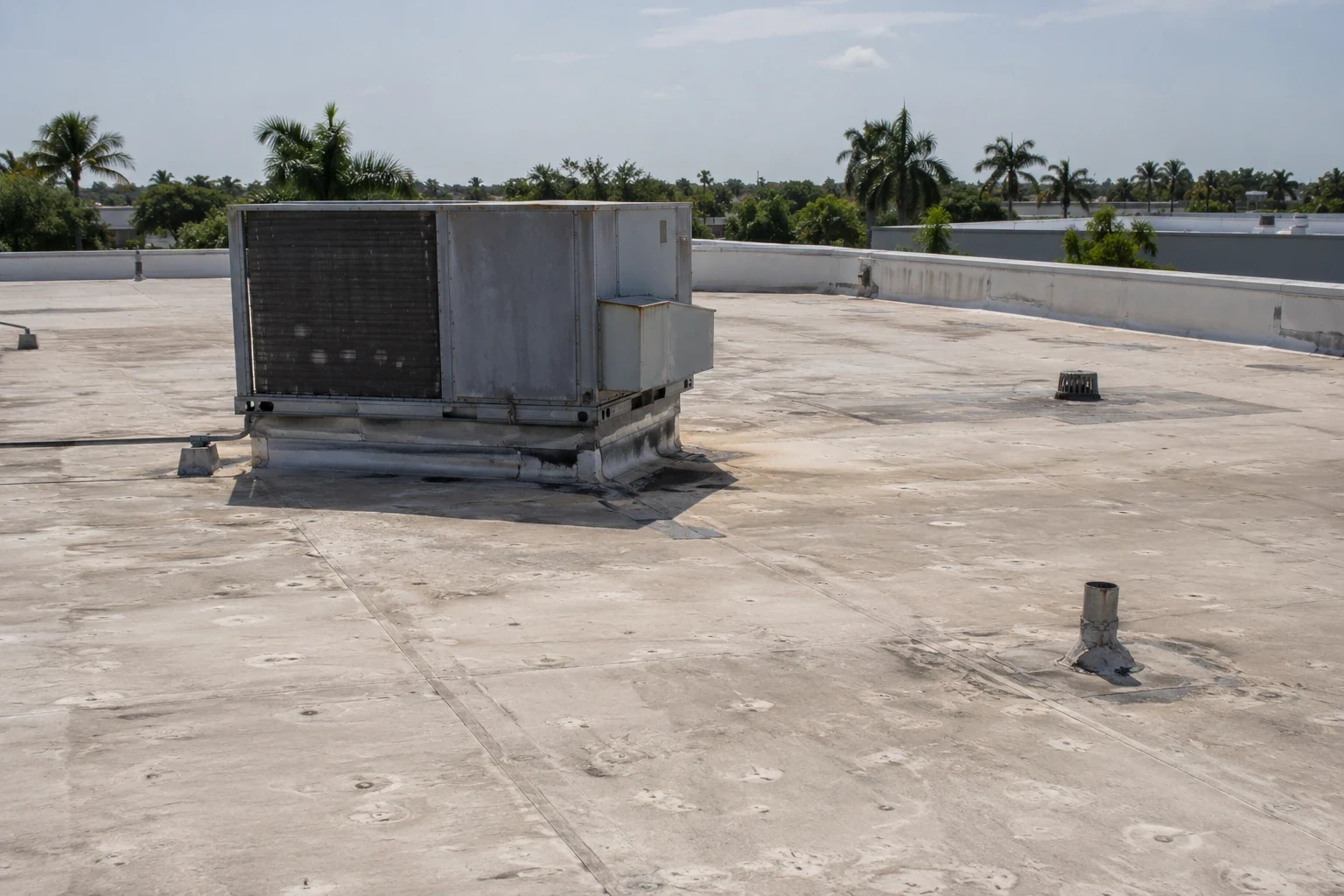
Long summer heat pushes exposed membranes through daily expansion and contraction. We inspect places where a roof changes direction or meets another material: curbs, drains, parapets, edges, and equipment supports. On TPO, the weld edge and nearby sheet show whether the repair can remain local. On EPDM, the bond line and adjacent membrane show whether enough sound material remains for a patch.
Intense rain tests low areas and drains, while humidity can complicate drying after water enters an assembly. July and August average highs near 95 degrees in nearby Houston make dry preparation and heat-weld checks part of the summer work plan. Around Deison Technology Park, research and office uses may require an access window that avoids sensitive operations.
Match Materials at the Repair
Repair starts with a known membrane and a clean, dry surface. We remove loose material only as far as the inspection supports, then choose a compatible patch or flashing. TPO needs controlled heat and pressure; EPDM needs its specified bonding method. Using one system's patch on another can leave a weak edge. If coating or an older repair hides the membrane, we test a small area or build a separate transition.
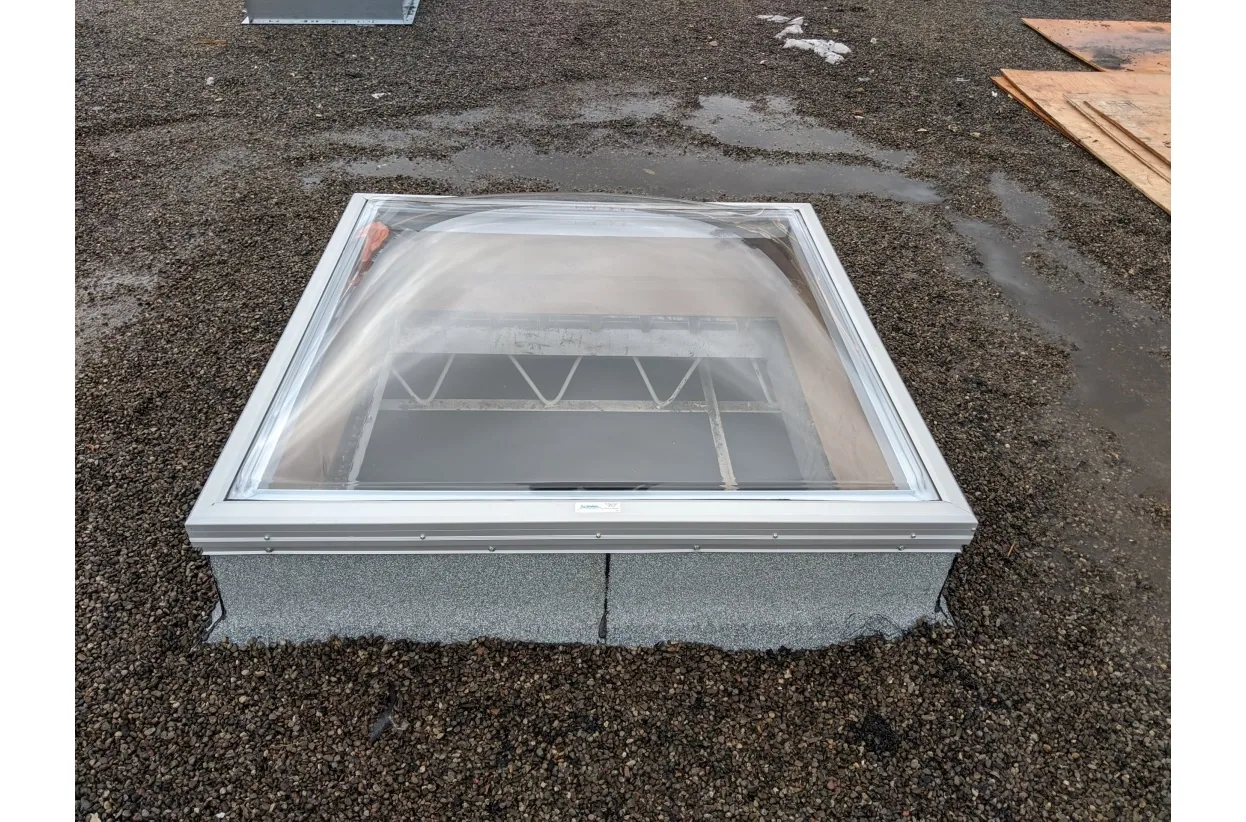
At a curb, drain, or wall, the repair must return water to the field without leaving a pocket at the edge. We check metal, flashing height, fasteners, and the route to an outlet. A flashing failure repair may include the membrane and curb together. If water remains at a drain, blockage or slope may matter more than a patch. The drain and scupper correction can be scoped alongside Carlisle work, with each limit stated separately. If a curb has shifted, repairing only its membrane skirt can leave the movement untouched. We check its attachment, supporting metal, and any sign of recurring water entry, then explain whether the curb detail can be stabilized with the planned work.
Rain, Dry-In, and Daily Closeout
A rain window controls how much roof can be opened. We begin with an area that can be prepared, repaired, and secured before weather turns. If moisture is below the membrane, we check whether insulation or deck is affected before closing the surface. We record the test or opening and identify concealed work that needs approval before expanding the agreed scope.
An F0 tornado crossed Conroe in 1997. After damaging wind or intense rain, we inspect current seams, flashing, punctures, and perimeter metal before setting the repair boundary. A storm damage review separates observed changes from older conditions.
Decide by Roof Section
A localized leak with dry insulation may justify repair. Repeated seam openings, widespread bond failure, wet board, or moving perimeter details can make a larger project more practical. We trace defects and compare the repair area with the section that would be renewed. Product branding does not set the scope; each assembly's condition, drainage, and previous recover work matter more.
A recover assessment checks existing layers, moisture, attachment, height, drainage, and code. If these remain unknown, a small opening can show what a new membrane would cover. Tear-off exposes the deck but requires more debris handling and access coordination. A replacement scope should address the field, edges, drains, curbs, and daily closeout. For a roof with a later GAF repair, the GAF membrane details still need a separate compatibility check.
Keep the System Record Useful
Closeout should identify whether the repaired area was Sure-Weld TPO, Sure-Seal EPDM, or another assembly. It should show the roof zone, compatible materials, seam or bond method, photos, and any condition left for testing. A close-up without a roof reference will not help the next inspection. We note where additions or a recover changed the system boundary.
That history helps an owner compare repeat calls with capital work. Maintenance can revisit drains, flashings, equipment paths, and patches before the next hard rain. If the building sits in Conroe Park North's freight and manufacturing area, include the access route and staging constraint that shaped the work. A useful record states what was inspected, what was repaired, what remains uncertain, and what should trigger another visit. For a portfolio manager, that detail matters when separate buildings use different generations of the same product family. A repeat issue can then be traced to a specific membrane, repair method, and roof zone rather than carried forward as a broad system label. A Johns Manville membrane inspection also starts with identifying its system and detailing the repair limit.
Commercial Roofing Questions
How do you tell Carlisle TPO from Carlisle EPDM on an older roof?
We compare visible sheet, seam, flashing, labels, and repair history. If a recover or addition mixed assemblies, we mark the transition and test an accessible area before selecting repair material.
Can one Carlisle repair product be used on both membranes?
The two systems use different materials and joining methods. We identify the installed membrane and use a compatible preparation and detail rather than assuming a patch transfers between them.
What should we do when the leak appears away from the seam?
Water can travel below the surface before reaching the interior. We trace the path from the reported area to nearby drains, penetrations, and transitions, then open only where the inspection supports a test.
Will another recover solve repeated Carlisle seam problems?
A recover depends on moisture, attachment, existing layers, drainage, and available height. Repeated openings or wet insulation need a section-level evaluation before a new membrane covers the assembly.
What details belong in the Carlisle repair record?
Record the membrane type, roof zone, repair method, photos, test results, and any area that was not opened. That lets the next inspection return to the same seam or transition.
Related Roofing Work