Johns Manville Commercial Roofing in Conroe, TX
Inspect and service Johns Manville roofing in Conroe, TX. We check membrane welds, attachment, flashing, drainage, and repair boundaries by roof section.
A roof system can be labeled Johns Manville and still have a different attachment or repair history in each section. JM TPO has a polyester reinforcement and heat-weldable seams, so we look at the sheet, weld, and attachment together before deciding where a repair ends. Summer heat and hard rain in Conroe put those details through repeated movement and water tests. At Deison Technology Park, research and office activity can shape access timing. In Conroe Park North, freight and manufacturing operations make delivery and staging part of the job plan. We identify what is installed on the building, inspect its condition, and give the owner a section-specific recommendation.
JM TPO at the Roof
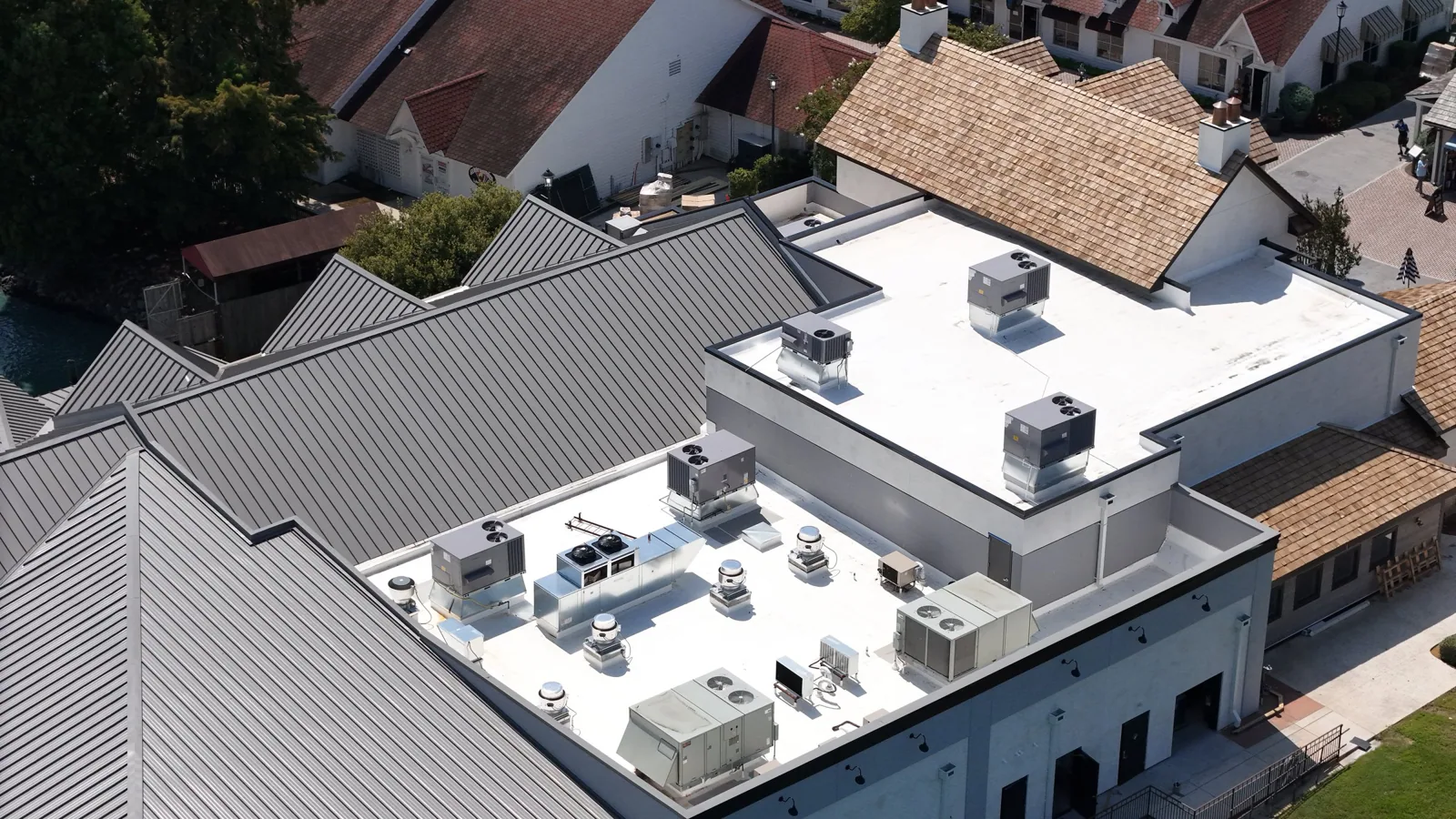
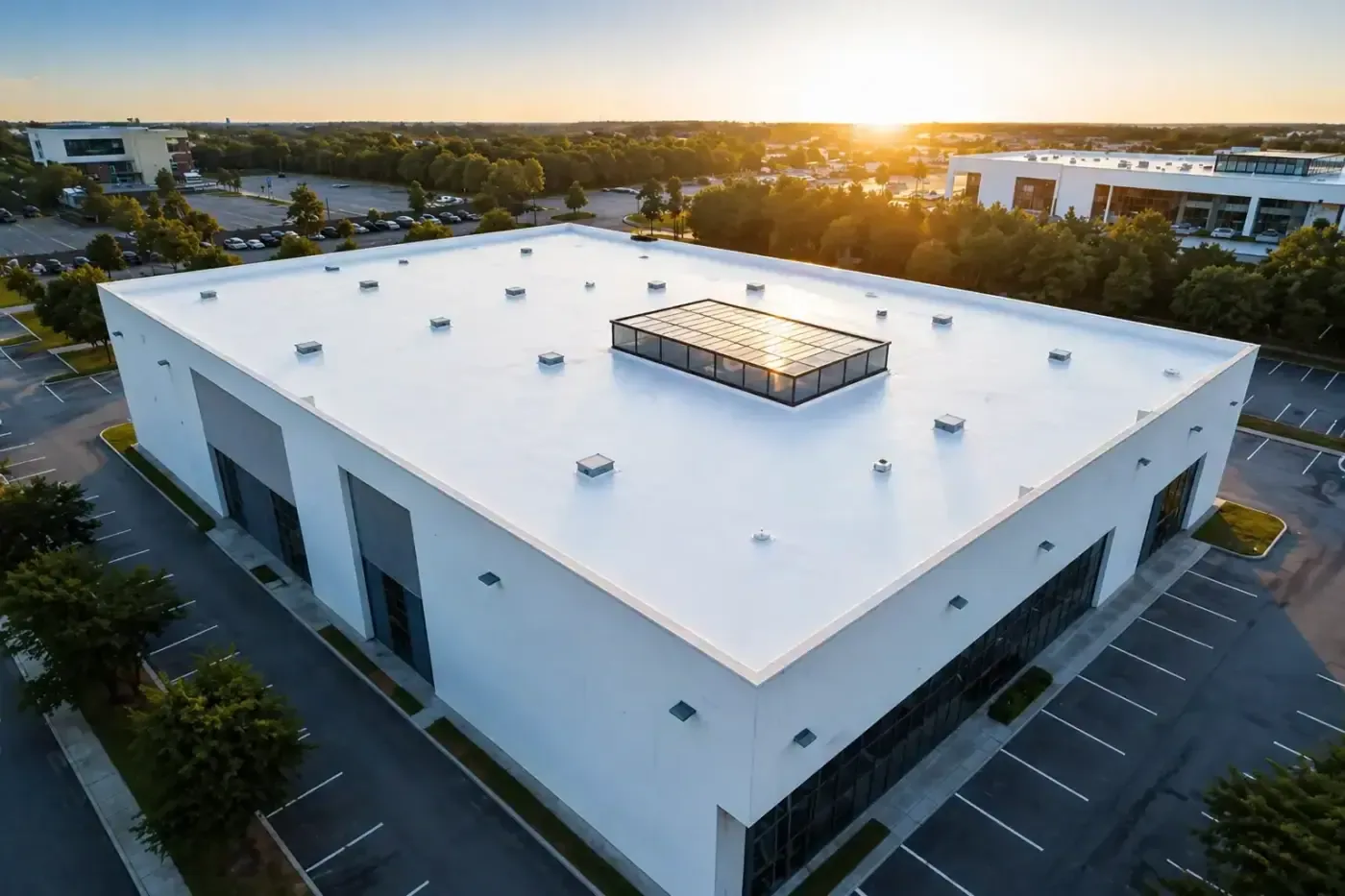
JM TPO is a reinforced thermoplastic membrane with an ultraviolet-resistant formulation. The fabric layer contributes to physical strength, while the field seams rely on hot-air welding. On an existing roof, we check the lap for a consistent bond, then examine nearby sheet for punctures, wrinkles, surface wear, and older repair materials. The visible white field is only one part of the assembly. Attachment, insulation, cover board, perimeter securement, and the deck below can affect how a defect should be handled.
A test area is useful if dirt, coating, or a previous patch covers the original surface. We prepare the spot, confirm it can accept a new weld, and extend the repair only to material that is sound. A weak edge can put the opening back into service after the first hot cycle. For a different membrane on an addition, the GAF TPO detail or a Carlisle TPO review needs its own product identification. TPO color or appearance alone cannot confirm that two sheets are compatible.
Welds, Corners, and Attachment
A lap that opens near a corner may be reacting to movement farther away. We check the seam, sheet tension, fastener line, and nearby perimeter before treating the defect as a simple surface split. At a curb or parapet, flashing can pull as the wall and roof assembly move at different rates. If the same seam has been repaired more than once, the inspection should include attachment and insulation rather than another cover strip. The seam repair scope names the cause we can observe and the limit we can reach.
Conroe summers bring regional average highs near 95 degrees in July and August. Repeated heat affects exposed material and raises the importance of clean, controlled welding. We schedule that work for a dry period, clean the weld area, and verify the finished lap before opening the roof to the next trade. Around industrial properties near the I-45 and Loop 336 corridor, equipment access and freight activity can also narrow the roof window. Those constraints belong in the sequence, not in the membrane diagnosis.
Water at Drains and Transitions
Rain reveals whether the roof can move water out of each section. We clear and inspect strainers, check drain bowls and clamping rings, follow low areas, and look at overflow routes. A drain leak may involve the membrane connection even when water appears well away from the outlet inside. Standing water can also point to a blocked drain, settled insulation, or deck deflection. We identify which condition is present before proposing corrective work. A drain and scupper review can accompany JM membrane service, while keeping the drainage and seam scopes distinct.
Conroe's climate station is at Lone Star Executive Airport just north of town, and intense rainfall is part of the regional hazard pattern. A dry surface and a safe tie-in matter whenever a repair area is open. If a storm window tightens, we reduce the work boundary and secure the roof before leaving. A commercial roof inspection can map low points, curbs, and recurring weld issues before a manager approves a larger project. We record locations and photos so a later visit returns to the same roof section.
Repair Limits and Larger Work
A small opening in one weld can remain a local repair when the sheet around it is flexible, the attachment is stable, and the insulation is dry. Repeated openings, wet cover board, movement along a fastener row, or worn flashing can indicate a broader assembly issue. We map confirmed defects and compare them with areas that need testing. That keeps one failed detail from turning into an unsupported roof-wide conclusion, while still showing when repeated fixes no longer restore a sound section.
A recover may be possible if existing layers are dry, secure, and compatible with the proposed assembly. We check moisture, attachment, deck capacity, drain height, and applicable code before adding another layer. Tear-off exposes concealed conditions but changes debris handling, noise, and access. A replacement scope should include the perimeter, penetrations, drainage, and daily closeout as well as the field membrane. If the building is occupied, a phased work plan can keep access and protection tied to each roof section.
Fit the Work to Operations
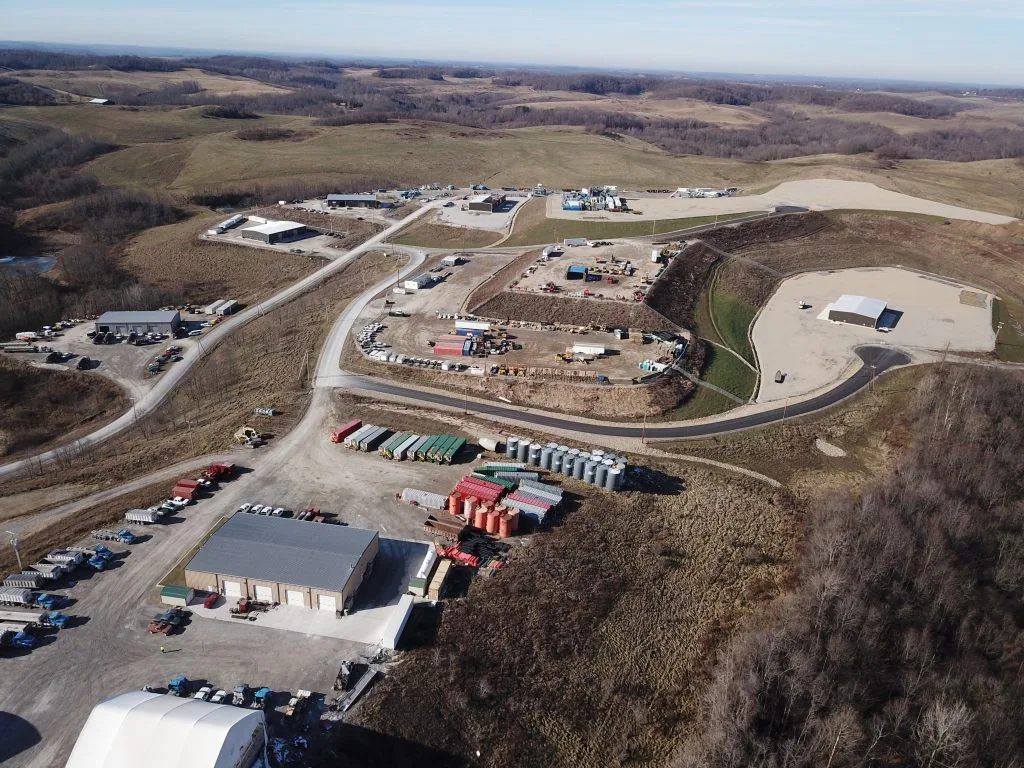
JM TPO service on an active property needs a ground plan. We identify where materials can be unloaded, which doors remain open, how roof access is controlled, and which interior areas need protection. Conroe Park North includes manufacturing, freight, food processing, and warehousing uses. Deison Technology Park includes research and office activity. Those are different operating settings, so a material lift or noisy removal may need different timing at each site. Neither place name tells us the building's membrane or roof condition.
Before work begins, the property contact confirms access hours, loading conflicts, equipment shutdown needs, and the route for moving debris. We divide the roof into sections that can be completed and closed safely. If an opened area reveals wet insulation or a damaged deck, we photograph it, mark its location, and pause before extending the agreed boundary. A warehouse roof inspection may include service paths around rooftop equipment, while a condition report records which sections were reached and which need another look.
A Useful JM Roof Record
The closeout should state the membrane observed, attachment that was visible, weld or flashing detail repaired, roof section reached, and any test result. Photos should show both the seam and its location. A note that says only “TPO repair” will not tell the next inspector whether the work was on a curb, field lap, drain, or perimeter. We also record areas that were not opened so the owner can separate confirmed conditions from items still requiring investigation.
That record helps compare future calls with the previous repair boundary. Maintenance can revisit the same corners, drains, and equipment paths before the next hard rain. If the roof has another system alongside JM TPO, we keep the transition visible rather than merging both sections into one label. A roof asset review can use the repair history to help prioritize follow-up by building and roof zone. The next decision should reflect observed condition, operating constraints, and the work already completed.
Commercial Roofing Questions
What makes a JM TPO seam suitable for repair?
We look for clean, compatible membrane beyond the opening and check the attachment and insulation around it. A test weld can confirm whether the prepared surface accepts the repair method.
Could the roof be a mix of JM TPO and another membrane?
Yes, additions and past recover work can create separate assemblies. We mark their boundaries and identify each sheet before selecting a patch or transition detail.
Does a drain-side leak mean the membrane has failed?
Not by itself. We check the clamping detail, drain connection, low point, and water path to distinguish a membrane opening from blockage or a settled area.
When would a larger replacement be considered?
Repeated weld failures, wet insulation, loose attachment, or widespread flashing wear can expand the scope. We map the affected section and compare focused repair with renewal.
How do you protect an operating Conroe facility during TPO work?
We coordinate unloading, roof access, interior protection, and the daily dry-in boundary with the site contact. A smaller work area is safer when rain may arrive before closeout.
Related Roofing Work