Duro-Last Commercial Roofing in Conroe, TX
Inspect Duro-Last PVC roofing in Conroe, TX. We check factory-fabricated seams, field tie-ins, flashings, drainage, and the condition below the membrane.
A roof with fewer field seams still has plenty of details to inspect. Duro-Last PVC systems can use custom-fabricated deck sheets, but curbs, drains, edges, and tie-ins still meet the field on the building. We identify the membrane and installed accessories before deciding whether a repair can stay local. Conroe heat works on exposed materials; heavy rain tests the outlets and wall transitions. At Conroe Park North, manufacturing, freight, and warehousing operations make delivery access part of the work plan. Deison Technology Park includes research and office uses with different operating windows. We inspect the roof that is there, not the assembly a product name might suggest.
Custom Sheets and Field Connections
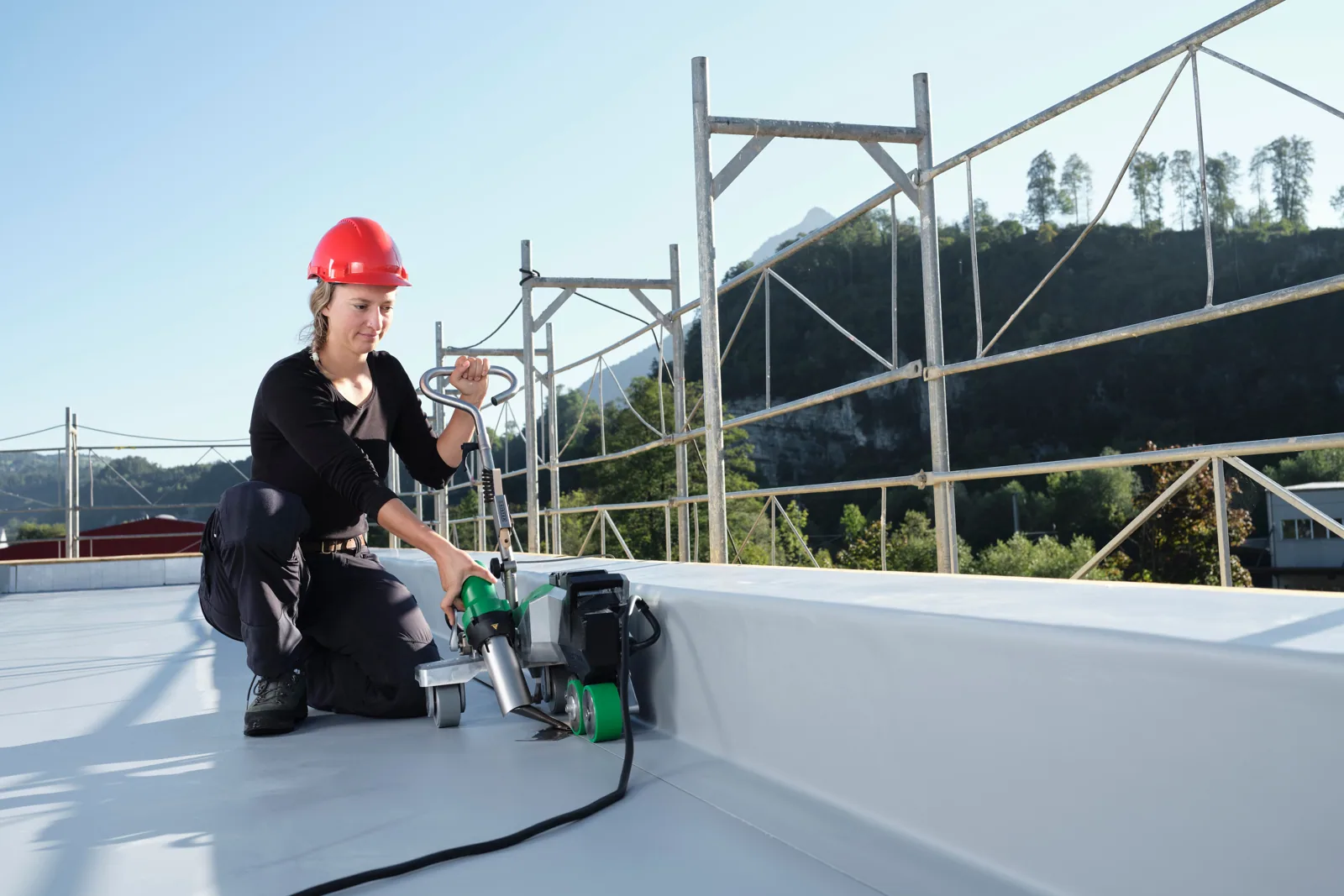
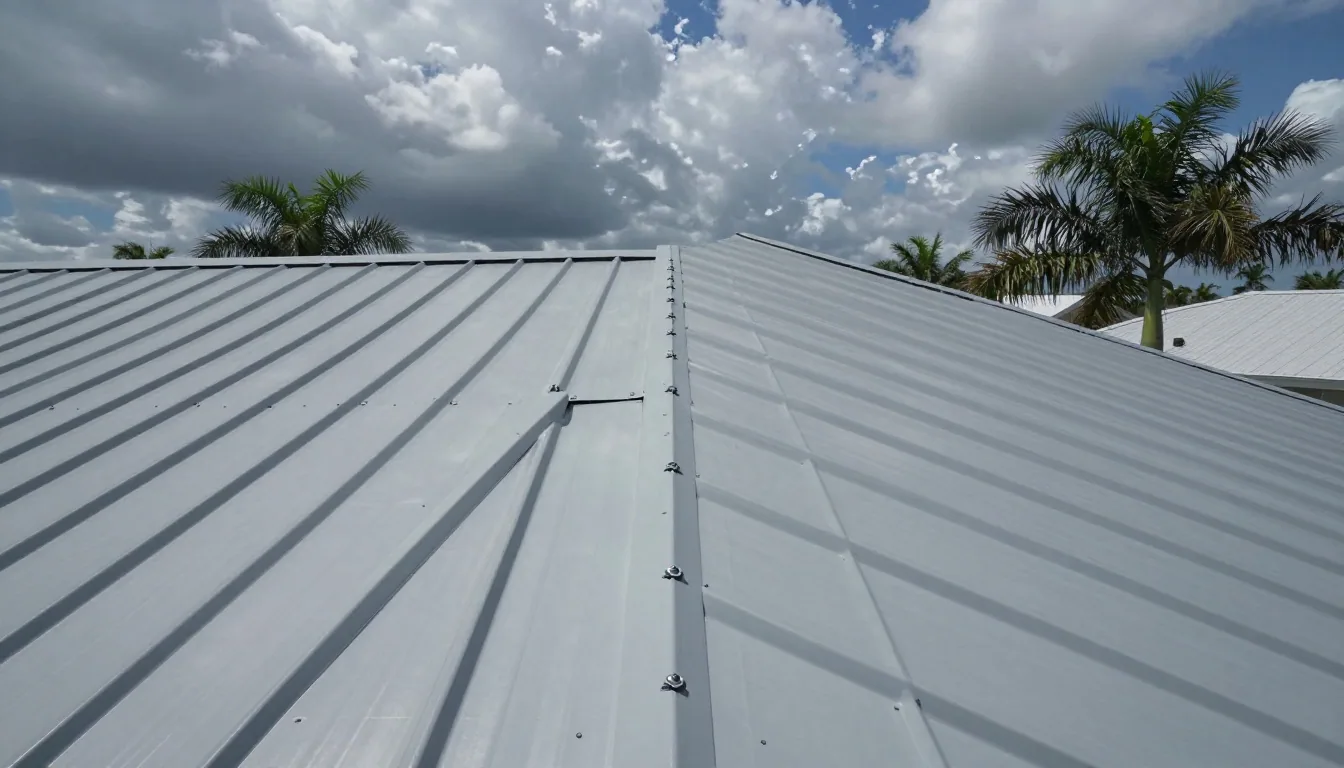
Duro-Last is a PVC membrane system with custom-fabricated sheet sections and accessories. Factory-welded seams can reduce the amount of field seaming, while details around equipment, drains, parapets, and roof edges still require careful connection at the property. We inspect how the delivered sheet was laid out, where field welds remain, and which components were fabricated for the building. A closeout drawing can help, but the installed roof decides the repair path.
A sheet that arrives in larger sections does not remove movement at transitions. We look at the tie-in where fabricated material meets field work, then check curbs and penetrations where separate flashing pieces carry water back onto the roof. A different PVC roof, such as GAF membrane or Sika Sarnafil, needs its own identification and seam details. The PVC system review should cover attachment, insulation, edge metal, and drainage along with the membrane.
Check the Field Weld and Flashing
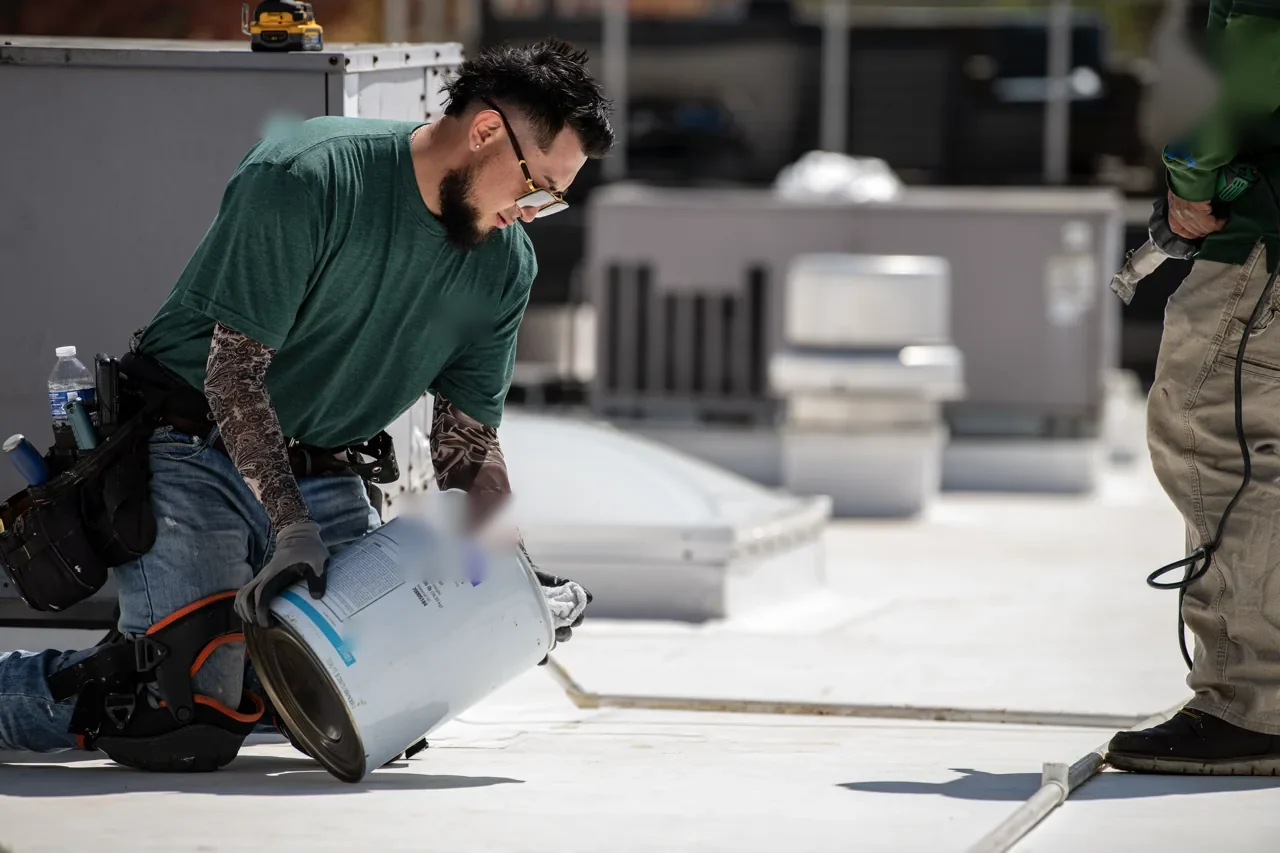
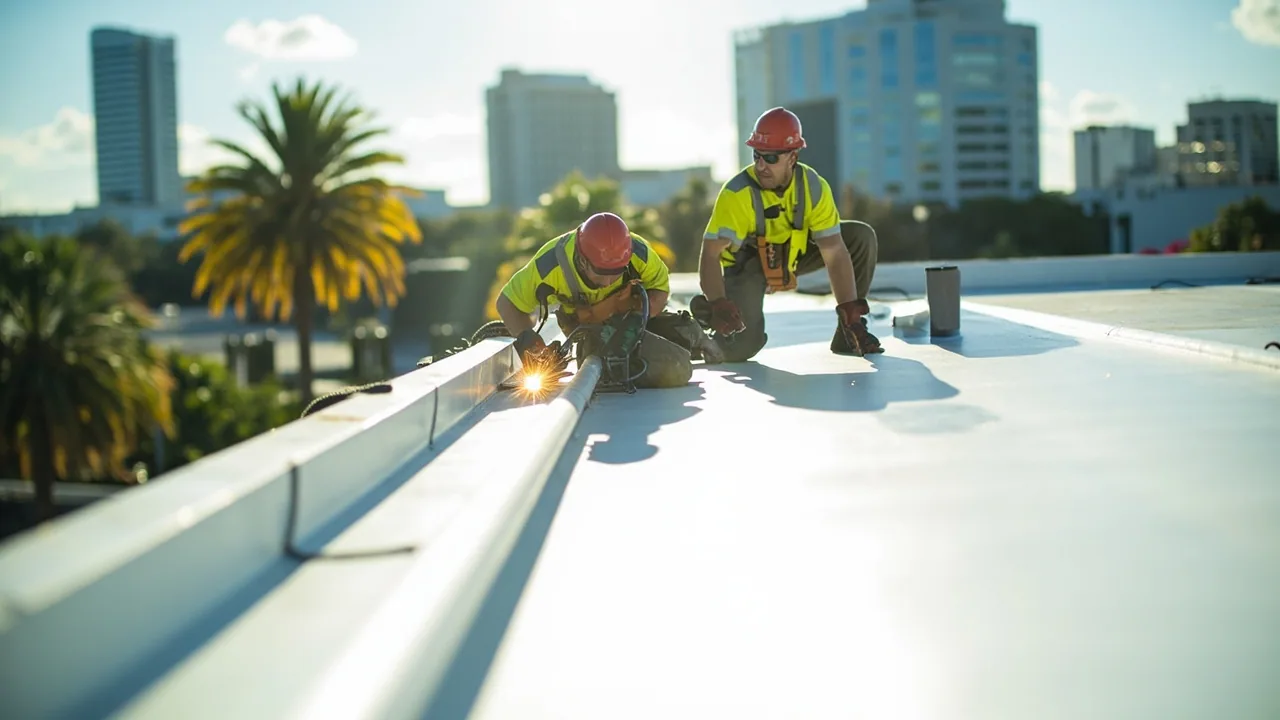
On-site seams can still open from poor preparation, contamination, movement, or earlier repair work. We inspect the lap and nearby surface, probe accessible edges, and check that the repair reaches sound PVC. At a curb, a factory-made boot may fit the original equipment dimension, but later equipment changes can leave a gap, cut, or incompatible patch. We compare the flashing with the curb and the current membrane before heating or applying repair material. A seam failure assessment should explain whether the opening is isolated or follows a wider movement pattern.
Regional average highs near 95 degrees in July and August mean a Conroe roof cycles through sustained summer heat. We select a dry period for welding, prepare the surface, and check the completed seam before nearby work advances. Heat can make the field more pliable during the day; it does not prove that a lap is sound. We also look at edge metal, fasteners, wrinkles, and shrinkage so the repair does not end at a symptom while the same force remains active.
Review Roof Use and Exposure
PVC is commonly considered where a roof design needs chemical resistance, but the actual exposure at a building still matters. We check exhaust discharge, equipment fluids, grease paths, and any area where the surface has changed. Conroe Park North includes food processing and manufacturing among its documented industries, yet that mix does not establish what reaches an individual roof. We inspect the location, note the condition, and keep an exposure finding tied to visible evidence instead of a general building category.
Foot traffic is another cause of punctures and abrasion. The path to rooftop equipment, access hatches, and service supports deserves a close look, especially where tools or replacement parts cross the membrane. A patch needs sound PVC around the damage and a detail that does not trap water. If a mechanical change has altered a curb, we inspect its base and flashing as one repair area rather than trying to stretch a deck sheet over a new shape.
Follow Rain Across the Roof
A custom sheet layout cannot correct a low area or a blocked outlet. We trace water toward drains, scuppers, and overflow routes, then check the membrane termination at each one. If a roof remains wet after surrounding sections clear, we look for obstruction, slope, deflection, and insulation movement. A drain and scupper review can distinguish a drainage correction from a failed membrane connection. Both may belong in a project, but the proposal should state which observation supports each repair.
Conroe's climate station at Lone Star Executive Airport records conditions just north of town, while regional storms can bring intense rainfall and damaging wind. We inspect actual punctures, opened welds, displaced edge metal, and interior water entry after a reported event. A storm record alone does not establish damage at the building. If rain threatens during work, we keep the opened area small enough to close and secure before the crew leaves. Moisture below the PVC may require a test opening before a surface repair can be considered complete.
Keep the Repair Boundary Honest
A puncture or short seam split may be a focused repair when the surrounding field, attachment, and insulation remain serviceable. Repeated openings, wet board, deteriorated flashing, or changes in the roof deck can shift the decision toward a larger section. We map confirmed findings and identify areas still needing testing. That record lets the owner compare a local patch with the cost and disruption of a broader project without treating a single leak as proof that every roof area has failed.
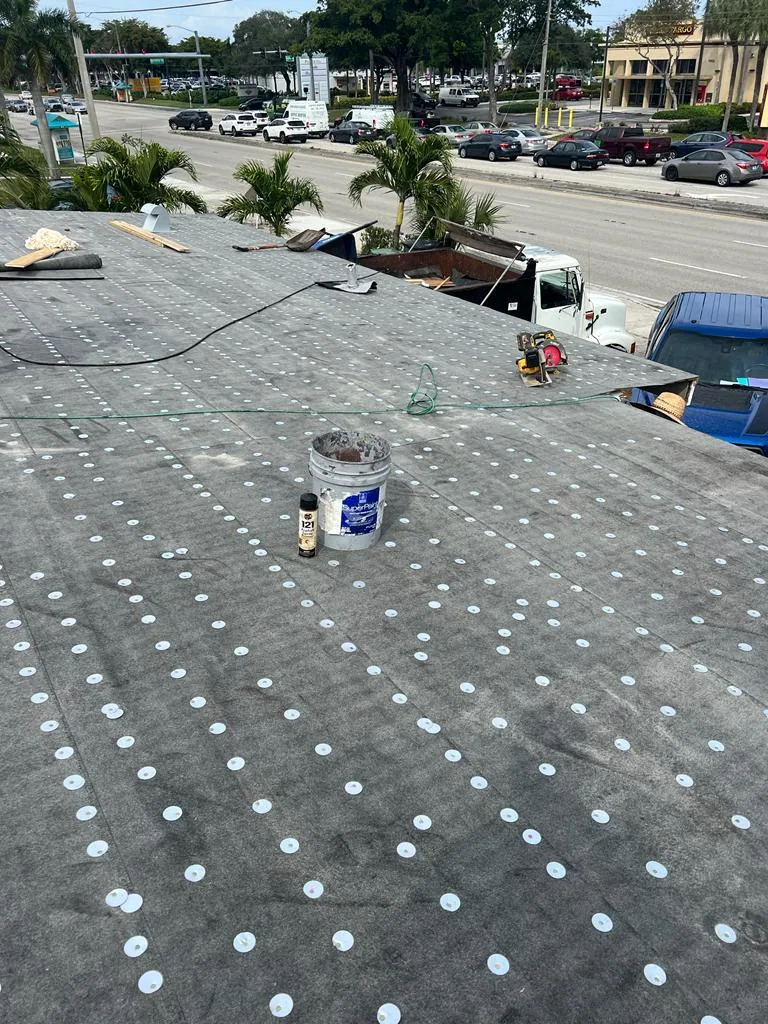
A recover review considers moisture, attachment, existing layers, drain height, deck capacity, and code. If those conditions are not known, a small opening may be necessary before adding a new system. Tear-off provides access to concealed materials but brings debris and staging needs. A replacement plan includes the membrane field, edge metal, drains, curbs, and daily closeout. A roof inspection can map the current conditions before an owner selects repair or renewal.
Coordinate a Safe Installation Window
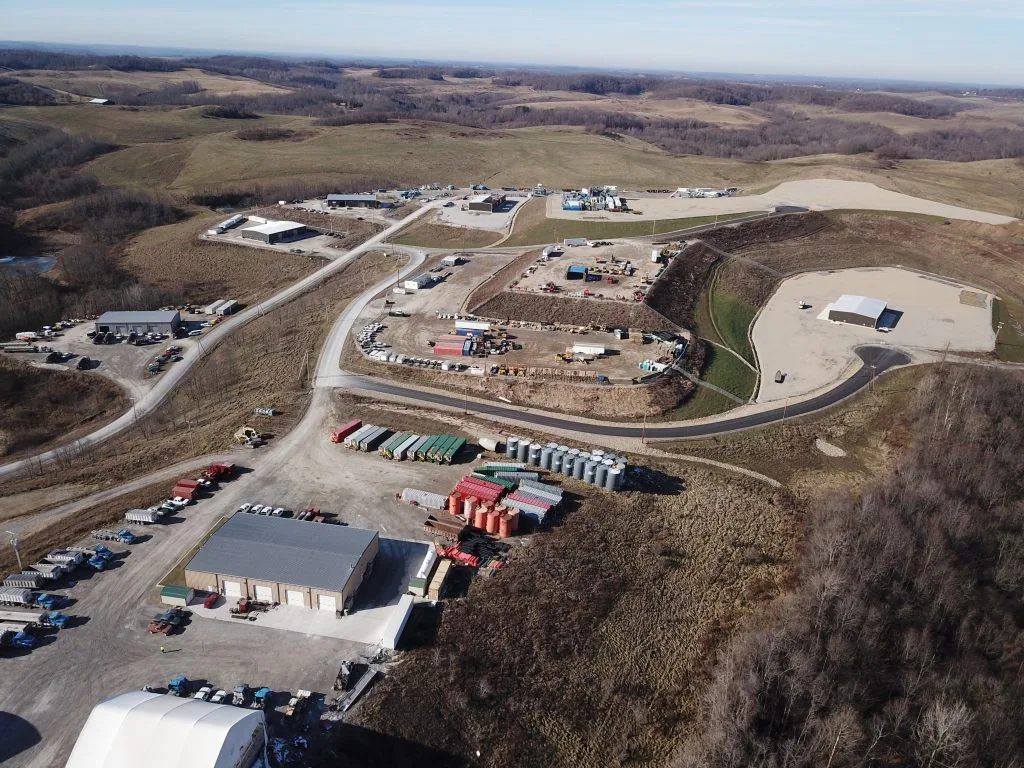
Conroe Park North has freight, manufacturing, warehousing, and food-processing activity. Deison Technology Park includes corporate, office, and research uses. We check the specific property's loading route, interior sensitivities, roof access, and equipment restrictions instead of applying one staging assumption to both areas. A custom-fabricated sheet may change how rolls and accessories arrive, but unloading, hoisting, and storage still have to fit the site's operations.
We divide the roof into areas that can be opened, tied in, and checked before weather or the workday ends. At closeout, photos show the sheet transition, flashing, or weld and its position on the building. A condition report can keep that information with the repair limit and the next inspection point. Daily notes should distinguish completed work from temporary protection that needs follow-up.
Make the Fabrication Record Useful
The roof file should identify Duro-Last PVC areas, field seams, fabricated accessories, and repairs that changed those details. Photos need a roof-zone label and a note about the membrane and flashing actually visible. If an addition uses another PVC product, mark the transition rather than treating the building as one fabrication package.
Maintenance can recheck drains, curb boots, welds, and service paths after equipment work or heavy rain. Compare a repeat call with the last repair boundary, not just the product name. Closeout states what was reached, what remained concealed, and which change should prompt another review. That record connects material selection with the next roof decision.
Commercial Roofing Questions
Do custom-fabricated Duro-Last sheets eliminate field work?
They can reduce field seaming, but the roof still needs tie-ins around drains, curbs, parapets, and changed equipment. We inspect those connections on site and set the repair limit from their condition.
How do you repair a Duro-Last seam or penetration?
We confirm the PVC surface, prepare the area, and use a compatible detail that reaches sound membrane. A curb or boot is checked with the nearby field so a movement issue is not left behind.
Can Duro-Last PVC be placed over the existing roof?
Before placing a second system, we verify moisture, securement, existing layer count, drain elevation, deck capacity, and code. If the assembly cannot support that option, we price removal instead.
Does PVC chemical resistance mean exhaust cannot damage it?
No membrane label proves what is reaching a particular roof. We inspect the discharge path and surface condition at the building and scope any repair from what is observed.
How do you schedule Duro-Last work during Conroe's rainy season?
We use a forecast window that allows preparation, connection, and closeout. The active area stays small enough to secure before the crew leaves if rain approaches.
Related Roofing Work