Sika Sarnafil Commercial Roofing in Conroe, TX
Service Sika Sarnafil PVC roofs in Conroe, TX. We inspect welded seams, flashing, attachment, drainage, and the actual repair limit by roof section.
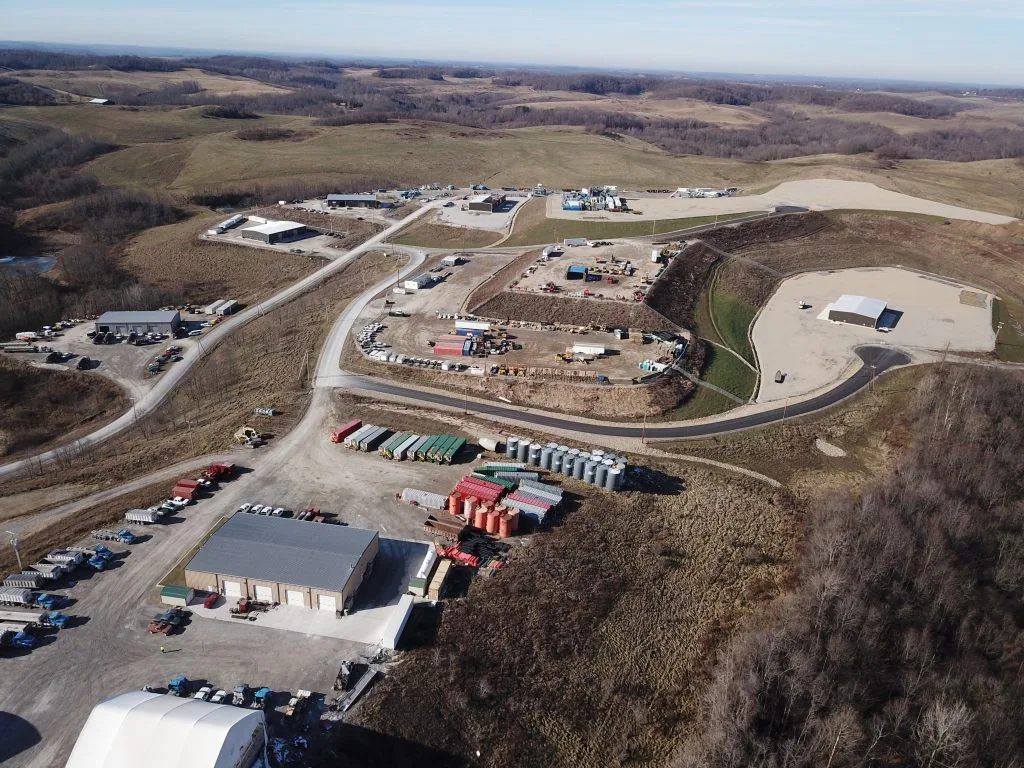
A PVC roof often meets more than rain. Curbs, grease exhaust, equipment traffic, and previous repairs can change the surface around a seam. Sika Sarnafil membranes use hot-air-welded joints, but a sound weld cannot compensate for weak attachment or wet insulation beneath it. We identify the membrane, attachment, and repair history before setting a scope. Conroe's hot season adds daily movement; sudden heavy rain tests the drain path and flashing. At Conroe Park North, food processing and manufacturing are among the documented industrial uses, making roof access and equipment routes relevant to planning. Research and office properties near Deison Technology Park have their own access constraints. We inspect the particular building rather than assuming its roof conditions from its use.
Sarnafil and Sikaplan PVC
Sarnafil and Sikaplan are Sika Sarnafil PVC membrane families. Product details differ by reinforcement and attachment. Sarnafil G 410 uses fiberglass reinforcement in adhered systems; Sarnafil S uses polyester reinforcement in mechanically attached systems. Their seams are heat welded, so repair preparation must match the installed sheet. We compare labels, exposed membrane, accessories, and records before choosing a patch. A similar PVC color does not identify the product.
Additions can introduce another membrane or attachment pattern. We mark transitions rather than carrying one repair method across them without checking compatibility. A Carlisle membrane review or Duro-Last PVC inspection uses product-specific details. The PVC system review also includes cover board, insulation, perimeter metal, and water movement. Product family is a starting point, not the diagnosis.
Check the Weld Before the Patch
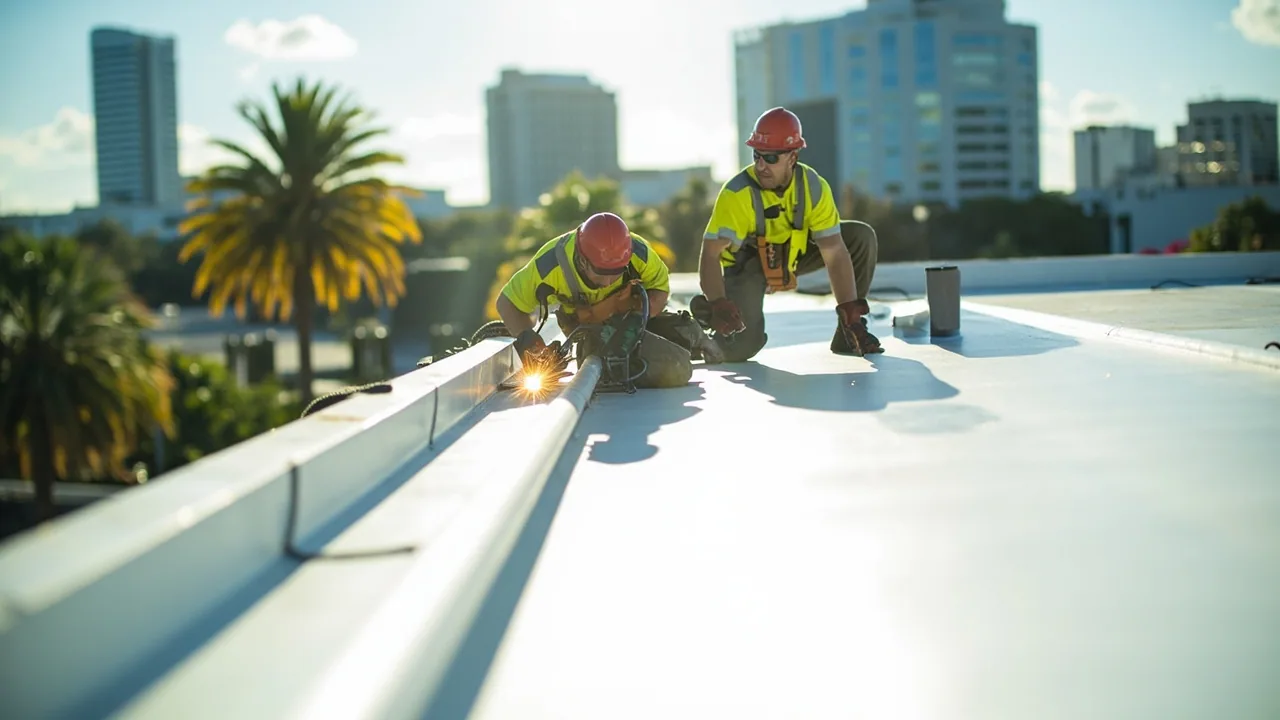
A hot-air weld can fail at one point while the field around it remains serviceable. We inspect the lap edge, probe accessible seams, and look for dirt, wrinkles, cuts, or a previous patch crossing the original joint. At a curb or parapet, we check how the flashing ties into the field and whether movement has pulled at a corner. If a weld has opened more than once, we look for sheet tension, edge movement, and attachment problems before closing it again. A seam repair needs a sound connection beyond the visible gap.
Conroe-area summer highs approach 95 degrees in July and August. Heat affects exposed material and changes the conditions under which a field weld is made. The work area should be dry and properly prepared, and the repaired seam should be checked before nearby work begins. We keep repair limits small enough to close before weather changes. The commercial roof inspection can map recurring seam issues, corners, and flashing locations before the owner compares repair with replacement.
Review Exposure at Roof Equipment
PVC may be selected where a design needs resistance to certain chemical exposures, but that does not make every exhaust harmless. We inspect the actual discharge, nearby membrane, and any discoloration or surface change. Conroe Park North includes food processing and manufacturing among its documented uses; the park's mix cannot establish what reaches a particular roof. We check conditions at the building.
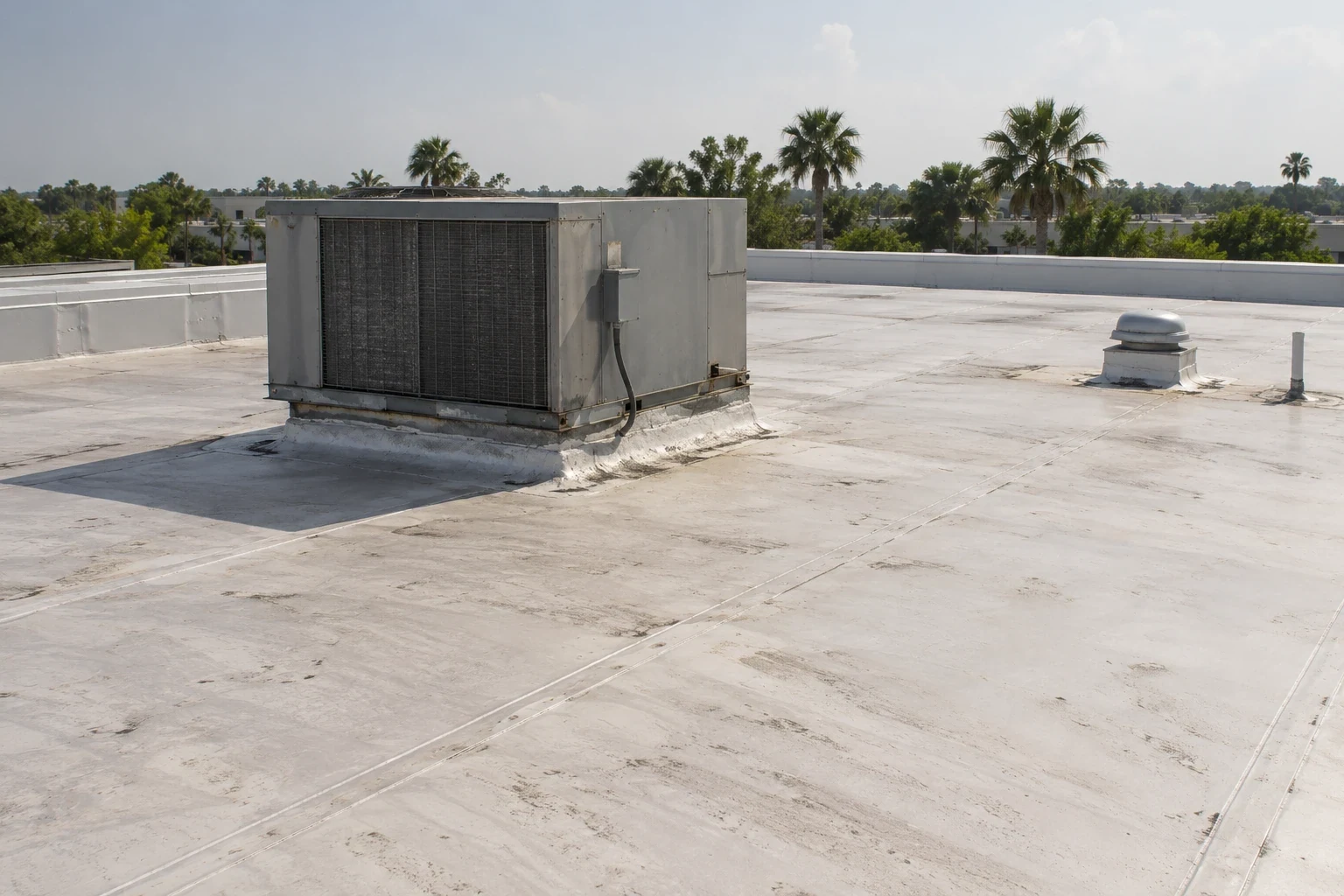
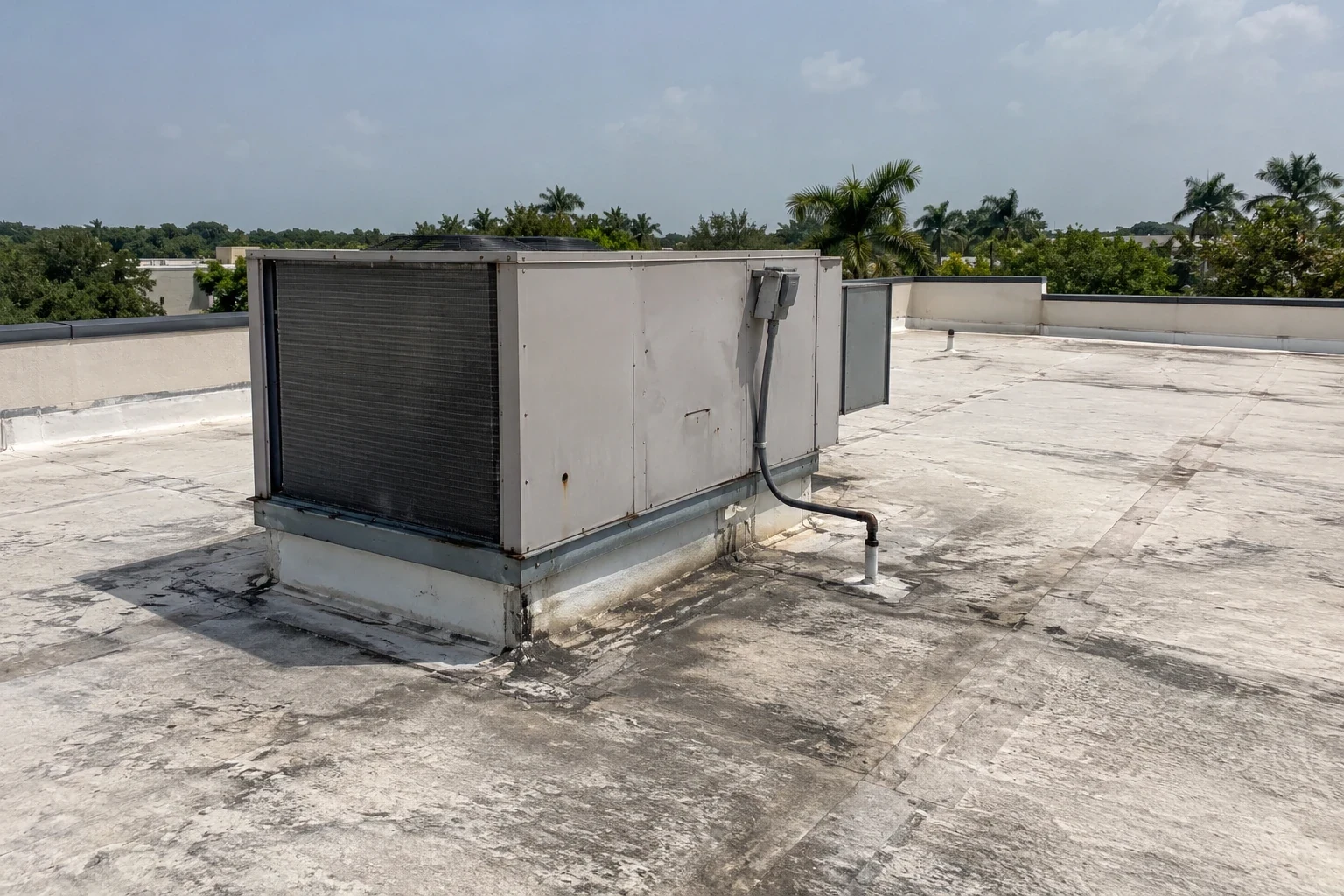
Foot traffic creates another wear pattern. We inspect maintenance routes, walk pads, equipment edges, and curb bases for punctures or abrasion. If damage is limited, a compatible patch may close it. If the surface has changed across a wider area, we establish that boundary before repair. Each exposure finding should identify what was observed rather than infer it from the tenant category.
Trace Water to the Outlet
Heavy rain puts low points under pressure. We follow slope toward drains and scuppers, inspect strainers and overflow routes, and check the membrane connection at each outlet. Ponding may result from blockage, deflection, or settled insulation. It does not by itself prove that PVC failed. A drain and scupper assessment may accompany Sarnafil repair, with each scope item tied to an observed condition.
The climate station at Lone Star Executive Airport is just north of Conroe. Regional rainfall and heat shape scheduling, but a recorded storm does not establish damage to a property. We document actual movement, open welds, punctures, or wet materials. If rain threatens while an area is open, we reduce the exposed boundary and close a secure tie-in before leaving. A small test opening can confirm whether water reached the insulation.
Set the Repair or Renewal Limit
A single failing lap with dry surrounding insulation may fit a targeted repair. Multiple weld openings, recurring flashing separation, or wet cover board can shift the decision toward renewal. We map conditions by roof section and separate confirmed defects from areas needing a test. The owner can compare a focused repair with a larger scope that includes removal and replacement details.
A recover requires checks for moisture, attachment, existing layers, height, drainage, and code. A new membrane over an unknown assembly can conceal its problem. Tear-off exposes the deck and adds debris and access demands. A replacement plan should include edges, drains, curbs, equipment bases, and daily closeout. We identify which detail failed and how the new assembly will address it.
Coordinate PVC Work on an Active Site
Conroe's freight, manufacturing, food processing, research, and office uses create different constraints below the roof. At Conroe Park North, truck access and staging may compete for a route. Deison Technology Park combines research and office uses, so a property contact may need a defined work window. Those facts inform access planning, not assumptions about roof construction. We confirm lift placement, loading hours, and interior protection before starting.
Work advances by an area that can be inspected and closed safely. If a test exposes wet insulation, the owner sees the location and added scope before more material is removed. Closeout photos show both the detail and its roof position. A condition report can preserve the finding for later maintenance.
Keep Product Details with the Roof Map
The service record should identify the Sarnafil or Sikaplan membrane observed, the attachment visible, repair material used, seam or flashing detail, and roof section reached. If the product cannot be confirmed, say what was visible and what still needs identification. Photos need a location marker, so the next inspection can find the same drain or curb rather than searching the whole field.
Maintenance can revisit welded seams, equipment routes, and drain connections after service work or a hard rain. The record should distinguish a verified repair from a recommendation to test a concealed area. That difference helps a property manager decide whether to schedule another inspection, a section repair, or capital planning. For a building near Conroe Park North or Deison Technology Park, include the access notes that shaped the visit. A clear closeout keeps membrane identity and building operations connected to the next decision.
Commercial Roofing Questions
How do you identify which Sarnafil membrane is installed?
We compare labels, exposed sheet, reinforcement clues, attachment details, and available closeout records. If the assembly remains uncertain, we test an accessible area before selecting the repair material.
Can a Sarnafil seam be repaired without replacing the roof?
A localized weld may be suitable when the surrounding membrane, attachment, and insulation are sound. We inspect the full detail and set the repair limit beyond the visible opening.
What if the roof has chemical exhaust nearby?
We inspect the discharge, membrane surface, and nearby flashing at the building. Product resistance does not establish what reaches a roof or whether an exposed area has changed.
Does PVC repair also solve ponding water?
A seam patch will not correct a blocked outlet, deflected deck, or settled insulation. We follow the drainage route and include slope or drain work only when inspection supports it.
What should a Sarnafil repair record include?
Keep the identified membrane, attachment, repair location, material, photos, and any test result together. Note areas not opened so later work can distinguish known defects from concealed conditions.
Related Roofing Work