Holcim Elevate Commercial Roofing in Conroe, TX
Inspect Holcim Elevate roofing in Conroe, TX. We identify UltraPly TPO, review seams and attachment, trace drainage, and set a clear repair limit.
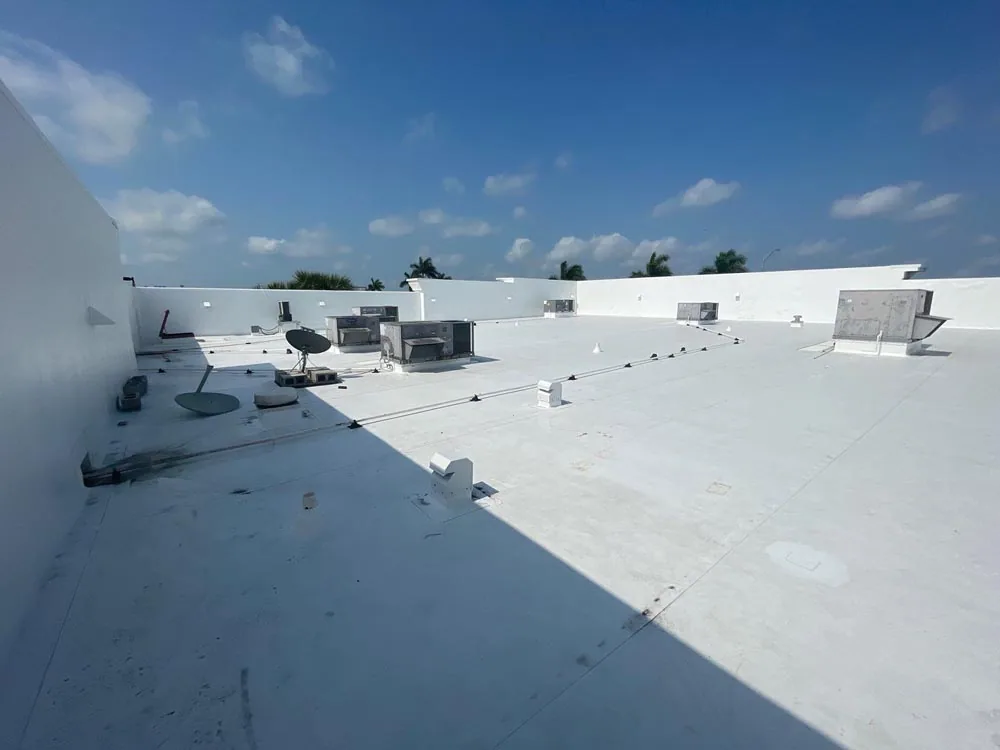
A membrane that looks intact from the roof hatch can still have a weak weld at a curb or a loose perimeter beyond view. Holcim Elevate UltraPly TPO is a reinforced thermoplastic system, so inspection follows the field seam, attachment, flashing, and drainage together. Older building records may use the Firestone Building Products name, while labels and installed details identify what is actually on the roof. Conroe's hot summers and intense rain test seams and outlets in different ways. At Conroe Park North, freight and manufacturing uses make staging part of the scope. Deison Technology Park brings research and office access into the work sequence. We identify the installed assembly before recommending repair or renewal. Where old records use a former product name, we compare them with roof labels and exposed details instead of assuming every repair followed the same specification.
Read the Label and the Assembly
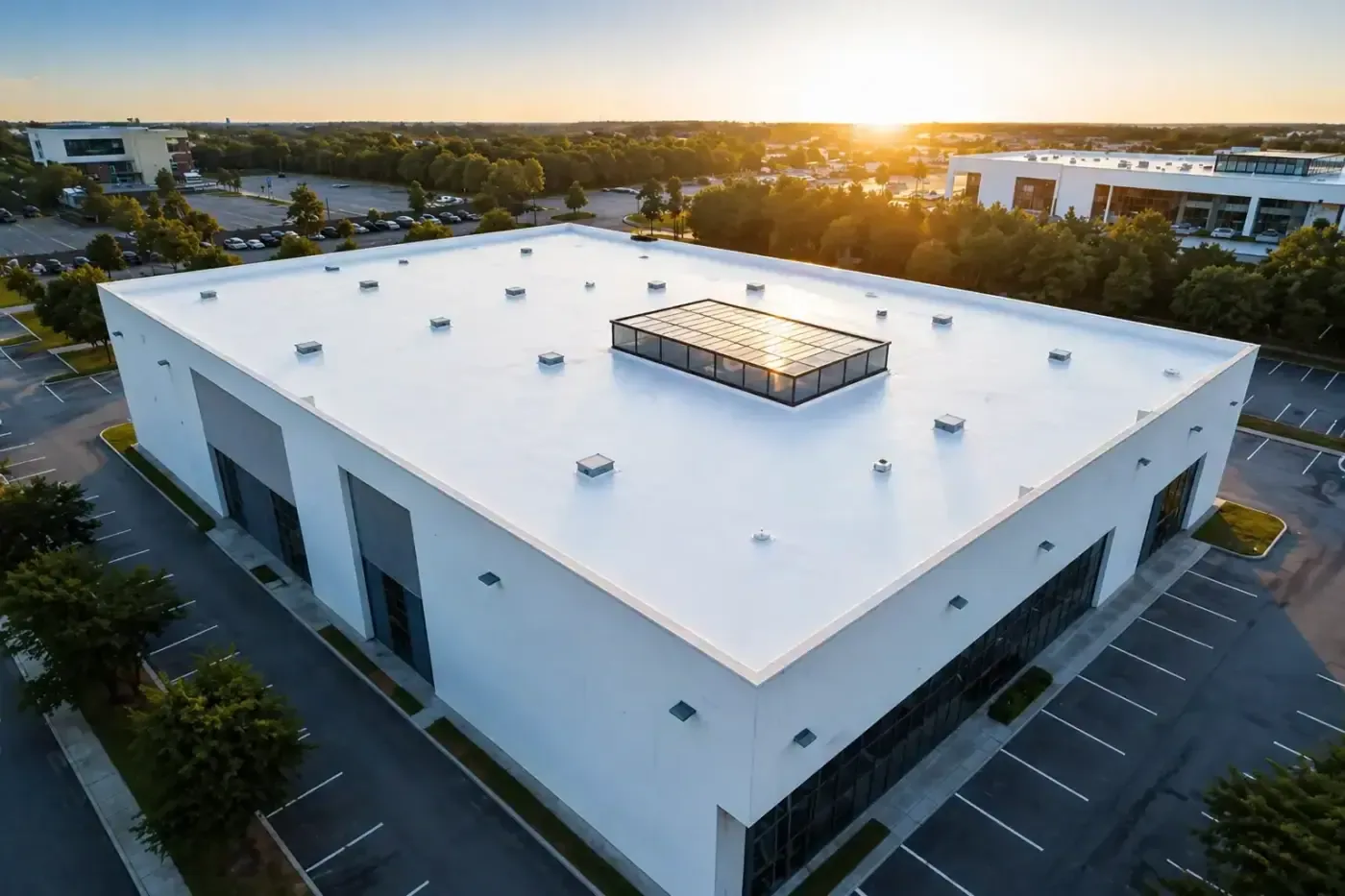
UltraPly TPO is a flexible thermoplastic membrane with polyester reinforcement. UltraPly TPO XR adds fleece backing, which changes how it bonds to the substrate and how repairs are prepared. A roof label is one clue; we compare tags, exposed sheet, seams, accessories, and visible attachment before setting a scope.
Additions or recover work can introduce another membrane. We mark the transition and do not carry one repair method across it without checking compatibility. A GAF membrane inspection or Carlisle system review uses its own materials and details. We confirm each addition against the visible sheet, seam style, and attachment pattern, using a small test when records and field details conflict. The TPO system assessment includes insulation, cover board, edges, and drainage.
Heat-Welded Seams Under Stress
UltraPly TPO joins at hot-air-welded laps. We inspect seam edges, probe accessible laps, and look for contamination, wrinkles, punctures, or older repairs that could hide a weak bond. One opening may be local; repeated failures along a line can point to sheet tension or attachment. The seam failure scope should reach sound membrane and address why the edge opened.
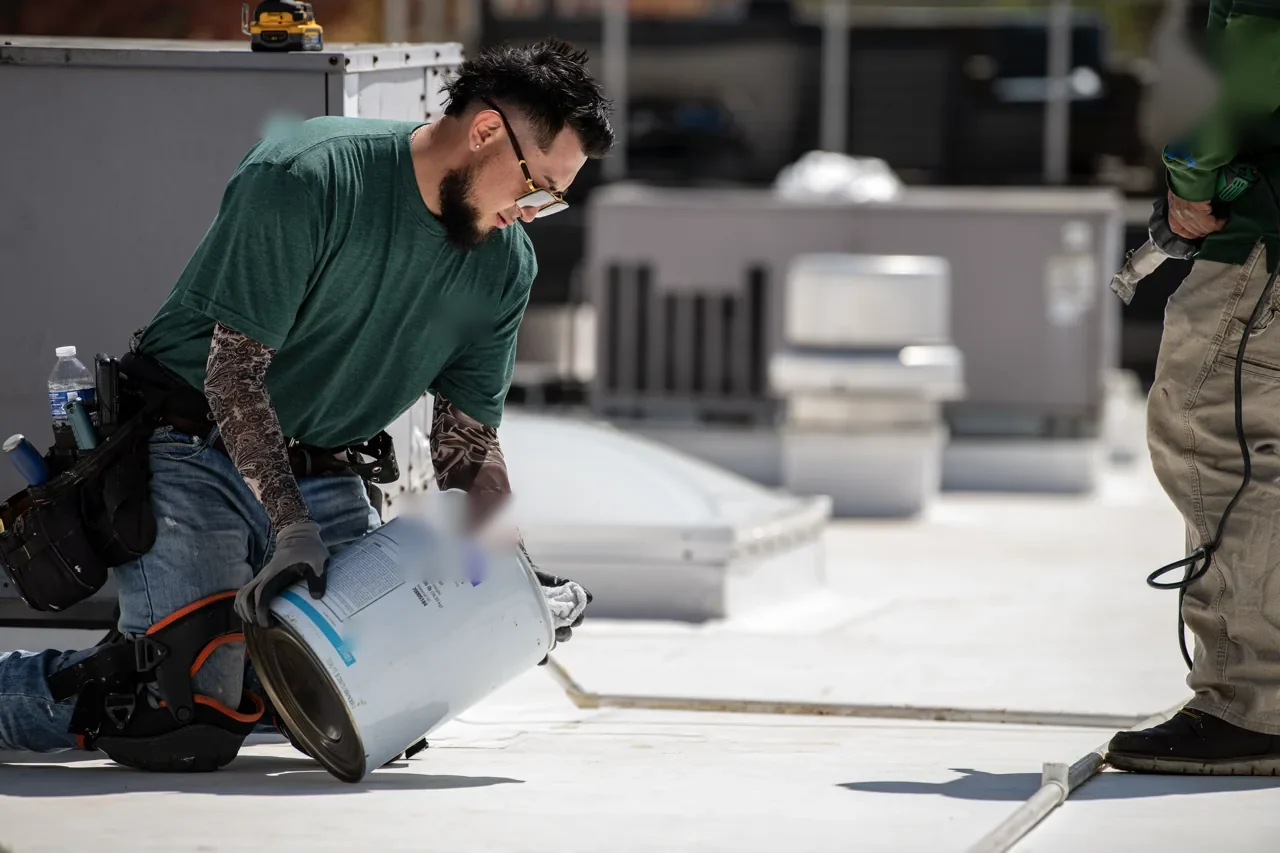
Regional July and August average highs near 95 degrees make preparation and test-weld checks important. We choose a dry window, clean the area, and verify the connection before moving on. Corners and edges can see different wind loads than the field, so we inspect edge metal, fasteners, and transitions as part of the same assembly.
Fleece-Backed and Standard TPO
A fleece-backed sheet and a standard reinforced sheet do not accept every repair in the same way. We identify the construction before choosing a patch or adhesive. Fleece can change the bond to the substrate; it does not protect the roof from puncture or moisture below. We check traffic marks, loose terminations, wet insulation, and earlier repairs near equipment.
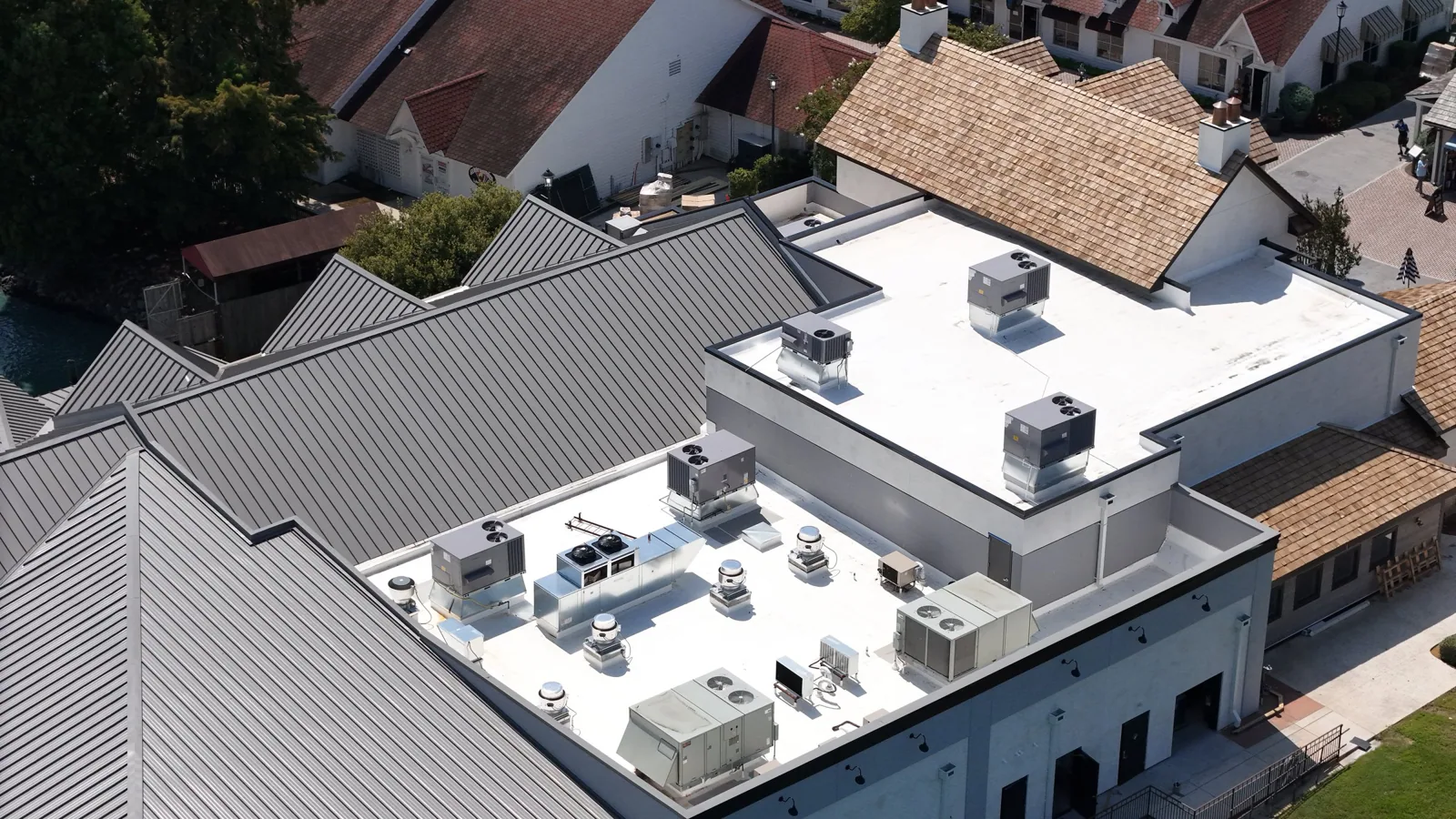
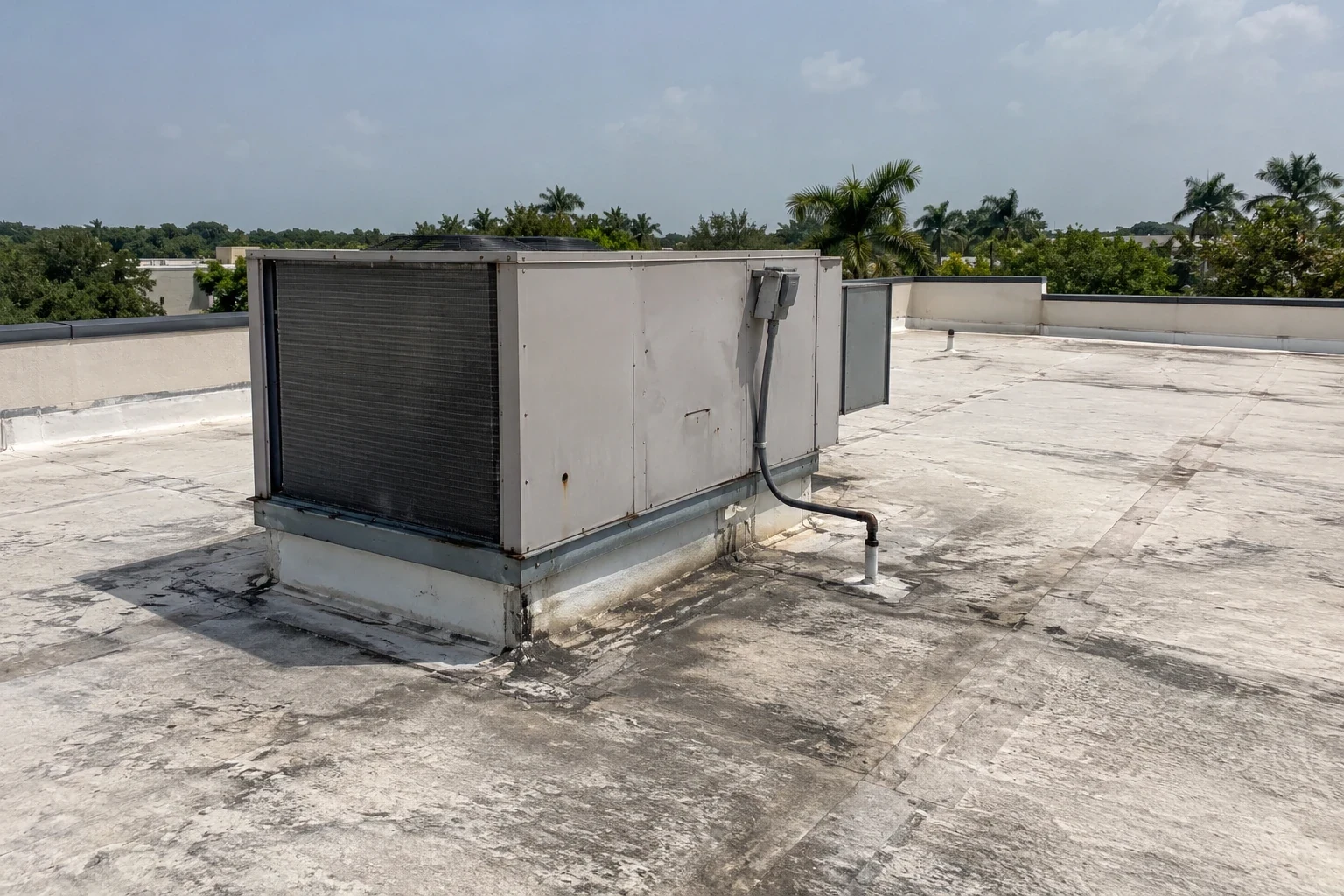
Mechanical work adds another risk. A service crew may cross the roof to reach a unit, pull conduit, or replace a curb. We inspect the route and new penetration afterward, then check that flashing returns water to the field. Each opening should be closed with materials suited to the confirmed sheet and surrounding assembly. We also check the insulation board for soft areas or displaced joints where a patch may otherwise bridge an unstable surface.
Rain Finds the Low Point
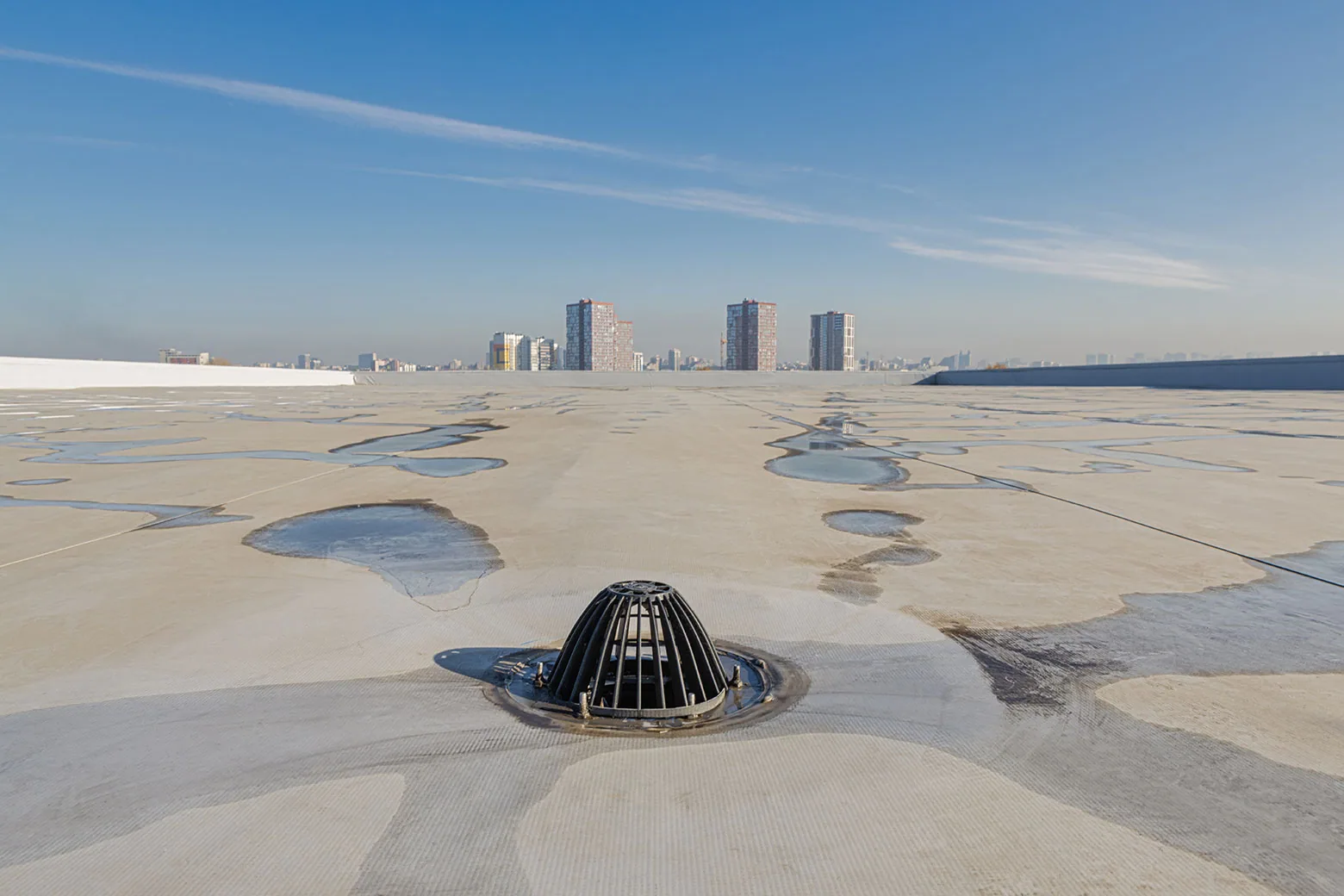
Conroe rain can expose a drainage problem before a membrane defect is obvious. We follow low areas toward drains, scuppers, and overflow routes, then inspect the sheet connection at each outlet. Water that remains may reflect a blocked strainer, settled layer, or deflection; the pool alone does not identify the cause. A drain and scupper correction can accompany UltraPly service without substituting for a failed-seam repair.
Conroe's hot summers and intense rainfall make dry preparation and a secure end-of-day closeout essential. We inspect displacement, open welds, punctures, and water entry before assigning repair. Before a storm, we keep the exposed area small enough to secure. A controlled test can establish whether moisture has reached insulation or deck.
Choose Work by Roof Section
Repair remains reasonable when defects are isolated, adjacent membrane is sound, attachment holds, and insulation is dry. Widespread weld separation, recurring curb leaks, wet board, or loose edges can shift the decision toward renewal. We mark confirmed failures and areas needing a test, then compare that map with the proposed limit. Before approving a recover or tear-off, compare the confirmed roof zones with concealed areas that still need testing. Include the access period, interior protection, and approval step if opening the assembly changes the scope.
A recover review checks existing layers, moisture, attachment, height, drainage, and code. Adding UltraPly over a questionable assembly can hide a problem. Tear-off exposes the deck but changes debris handling and access. A replacement plan should include edges, penetrations, drains, insulation, and daily closeout. A roof inspection can map affected sections first.
Keep the Building in Service
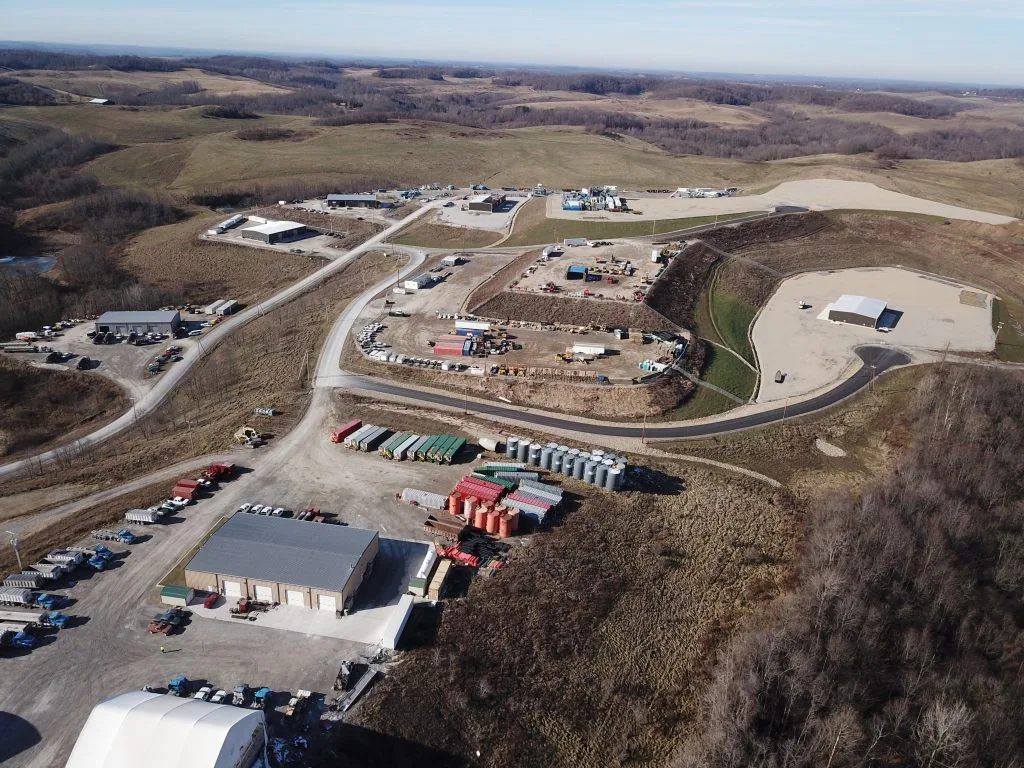
Roof work must fit activity below it. Conroe Park North has freight, warehousing, food processing, and manufacturing uses; Deison Technology Park includes research and office activity. We coordinate unloading, lift placement, access, equipment interruptions, and interior protection. For manufacturing, freight, or food-processing buildings, confirm delivery routes and production windows; for research and offices, plan around occupied areas and sensitive operations.
We open only a section that can be secured before the crew leaves. If hidden wet insulation or deck damage changes the agreed scope, we document its location and pause for direction. Daily notes name the UltraPly area completed, protection in place, and next section. A condition report can carry those findings into maintenance planning.
Preserve the Roof Section History
Closeout should identify the Holcim membrane observed, how seams were repaired, the roof zone reached, and any remaining limit. Photos need a location reference along with a close view of the weld. We note whether the sheet is standard or fleece-backed when confirmed and mark mixed systems separately. That prevents the next repair from assuming every area has the same attachment or patch detail.
Maintenance can revisit drains, corners, curbs, and previous repairs before another hard rain. The record should state what was not opened and what sign should trigger another inspection. Owners can compare repeat calls against a planned recover or replacement. The next decision should come from the documented roof section, not the manufacturer name alone. A maintenance note is more useful when it identifies a repeat condition, such as one curb flashing or one drain connection, rather than calling the whole surface worn.
Commercial Roofing Questions
How do you tell which UltraPly TPO construction is on the roof?
We compare labels, visible sheet, accessories, and accessible records. If a fleece-backed or standard reinforced surface cannot be confirmed, we test a small area before selecting a repair method.
Can a heat-welded seam be repaired without replacing the field?
A localized weld may fit when the surrounding membrane and attachment remain sound. We inspect beyond the opening and test the prepared surface before setting the patch boundary.
What does fleece backing change during service?
It affects how the membrane bonds to its substrate and which repair detail fits. We identify that construction before applying adhesive or flashing, then check the insulation and cover board below.
Will new UltraPly correct a roof that holds water?
A new membrane does not correct a blocked outlet, settled layer, or deflected deck by itself. We inspect the drainage path and include any needed slope or drain work in the scope.
How do you stage UltraPly TPO work around Conroe operations?
We coordinate loading, roof access, interior protection, and daily dry-in with the site contact. Conroe Park North freight activity and Deison research or office schedules can call for different windows.
Related Roofing Work