Standing-Seam Metal Roofing in Conroe, TX
Inspect standing-seam metal roofing in Conroe, TX. We check panels, clips, seams, penetrations, corrosion, drainage, and edge transitions before repairs.
A standing-seam metal roof manages water through raised seams, panel geometry, clips, and carefully detailed edges. A leak can start at a fastener, curb, end lap, or penetration rather than the panel field. In Conroe, heat cycles and intense rain test those connections while wind can stress exposed edges. We inspect the installed panel profile, clip system, coating, substrate, and prior repairs before proposing work. Conroe Park North's freight, warehouse, food-processing, and manufacturing uses help frame staging discussions, but the roof and building contact determine the actual plan.
Identify the panel and attachment system
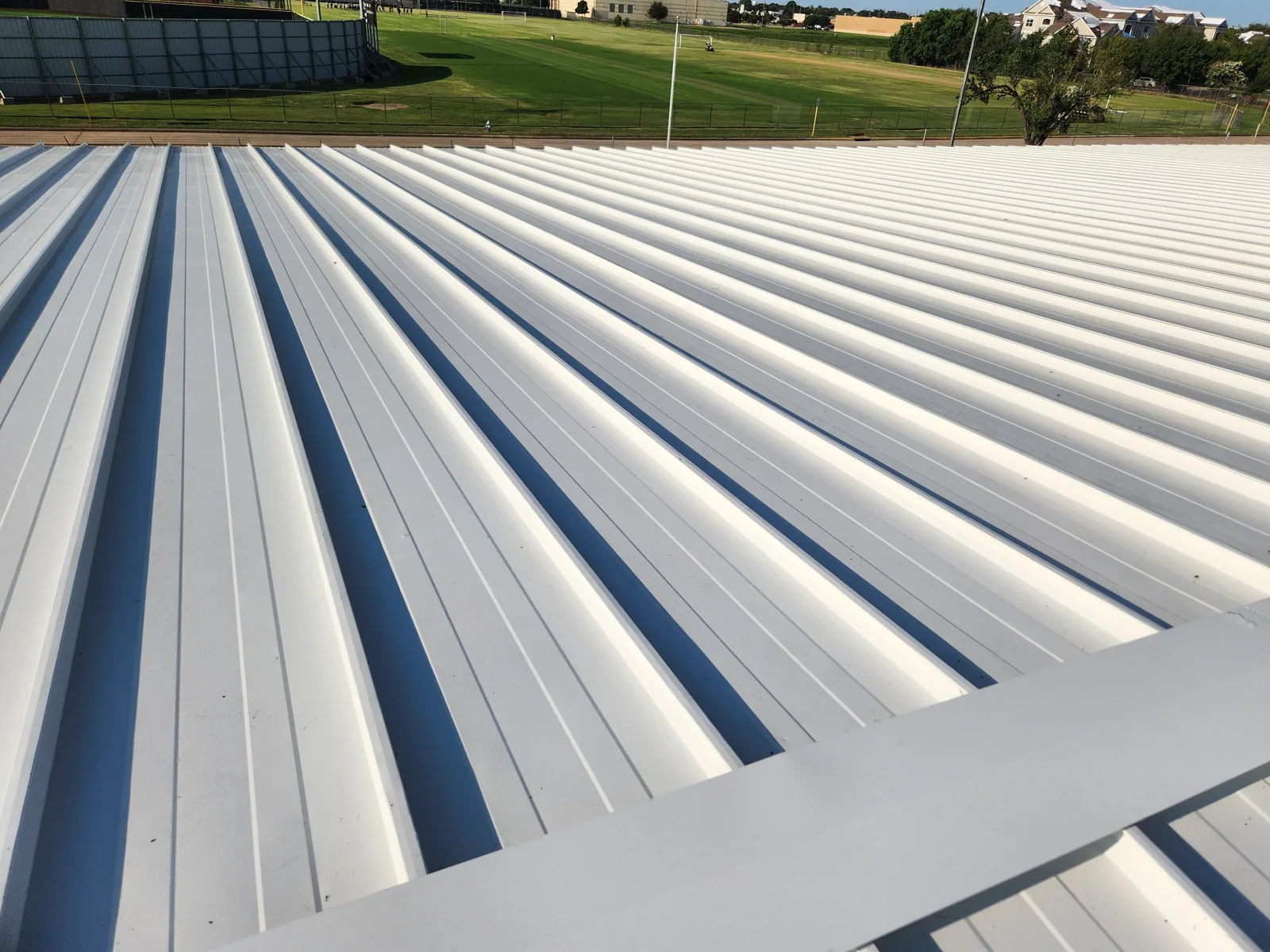
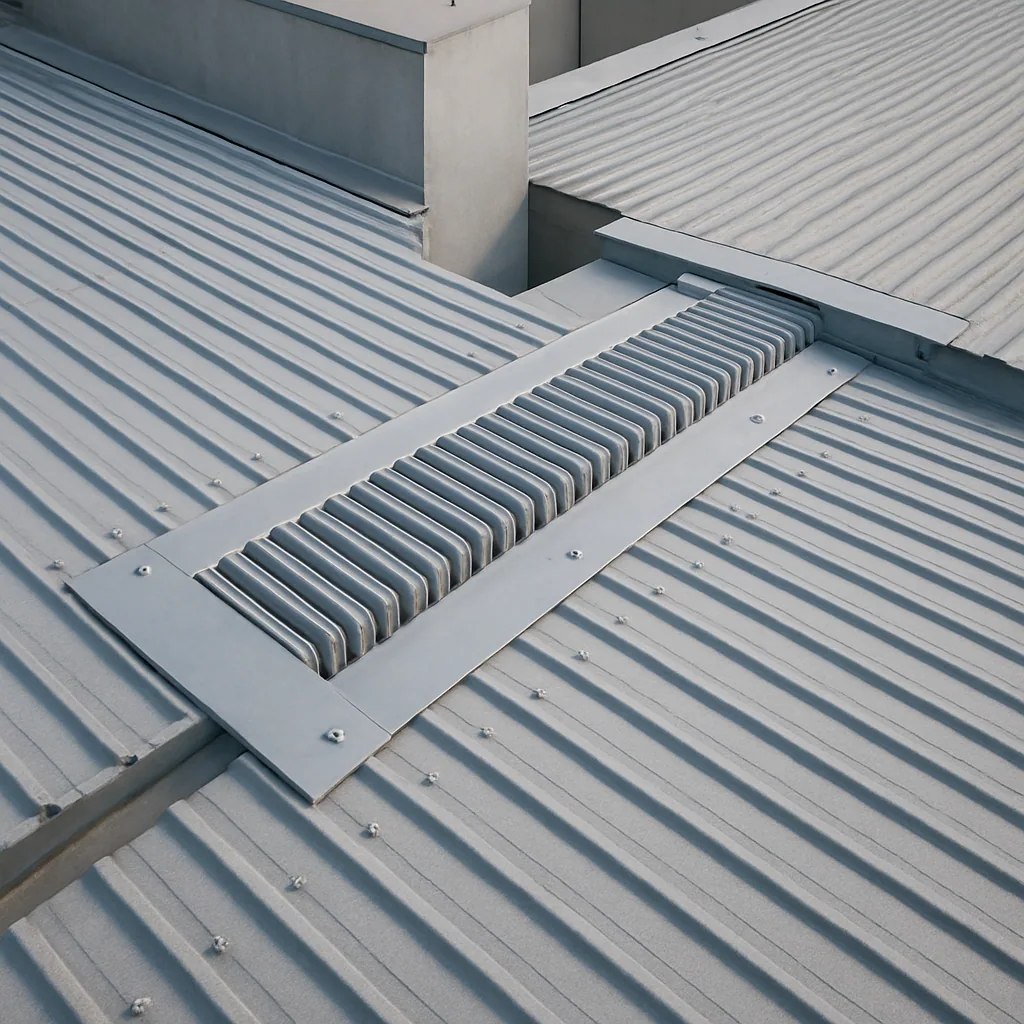
Panel profile affects which parts can move and which attachments remain fixed. Some systems use concealed clips to allow thermal movement; others use exposed fasteners or different seam geometry. We identify the manufacturer when possible, inspect panel width and seam shape, and check whether a retrofit or prior repair changed the original assembly. A panel may show oil canning without a leak, while a small puncture can admit water with little visual distortion. Look for displaced seams, fastener back-out, damaged finish, oxidation, and evidence of repeated sealant application. The roof record should distinguish cosmetic variation from a failed connection and note where the panel condition changes across the building.
If a fastener has backed out, do not simply tighten every exposed screw without checking the panel and washer. The hole may be enlarged, the washer hardened, or the supporting substrate unable to hold. A replacement fastener must match the panel and attachment conditions. Where a seam is separated, determine whether it can be re-engaged and whether adjacent clips or panel edges have moved. Sealant can supplement a designed detail but should not be used to disguise a loose connection. Photograph representative conditions and identify how many similar locations were checked. That lets the owner distinguish a spot repair from a repeated attachment concern.
Check seams, clips, and movement points
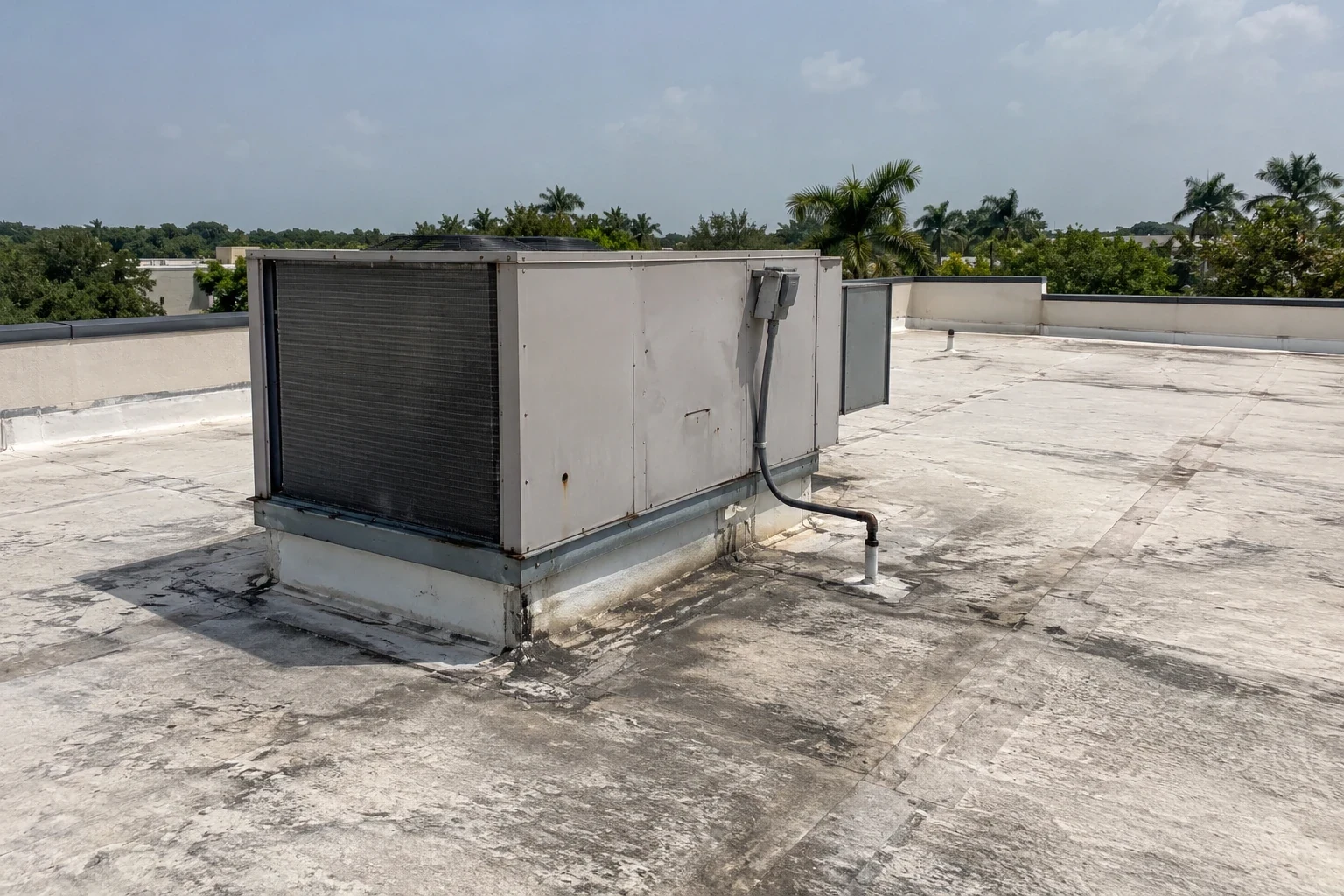
Standing seams move as metal heats and cools. Clips, fixed points, eaves, ridges, and penetrations need room to accommodate that movement. If a curb or pipe boot restrains a panel, stress may concentrate at its corners. We inspect the attachment around rooftop equipment and trace water paths toward the eave. A rigid patch that bridges a moving seam can fail again unless its detail accounts for panel movement. A commercial roof inspection can map seams, clips, flashings, and conditions before a repair plan is priced. Record which seams were checked and any areas hidden by equipment or unsafe access.
Coating and retrofit systems require a different preinstallation review from a panel repair. Confirm the existing finish, surface preparation, corrosion, fastener pattern, and drainage before selecting a coating. A metal retrofit system changes roof height at edges, walls, and equipment. Confirm clearance at doors, curbs, vents, and service platforms, and determine whether added layers affect access or drainage. Manufacturer requirements and building conditions govern the installation; a product label alone does not confirm suitability. If the inspection finds trapped moisture or weak panels, define the extent before covering the evidence. The proposal should state what has been tested and what remains unknown so the owner can evaluate the risk clearly.
Trace water through transitions
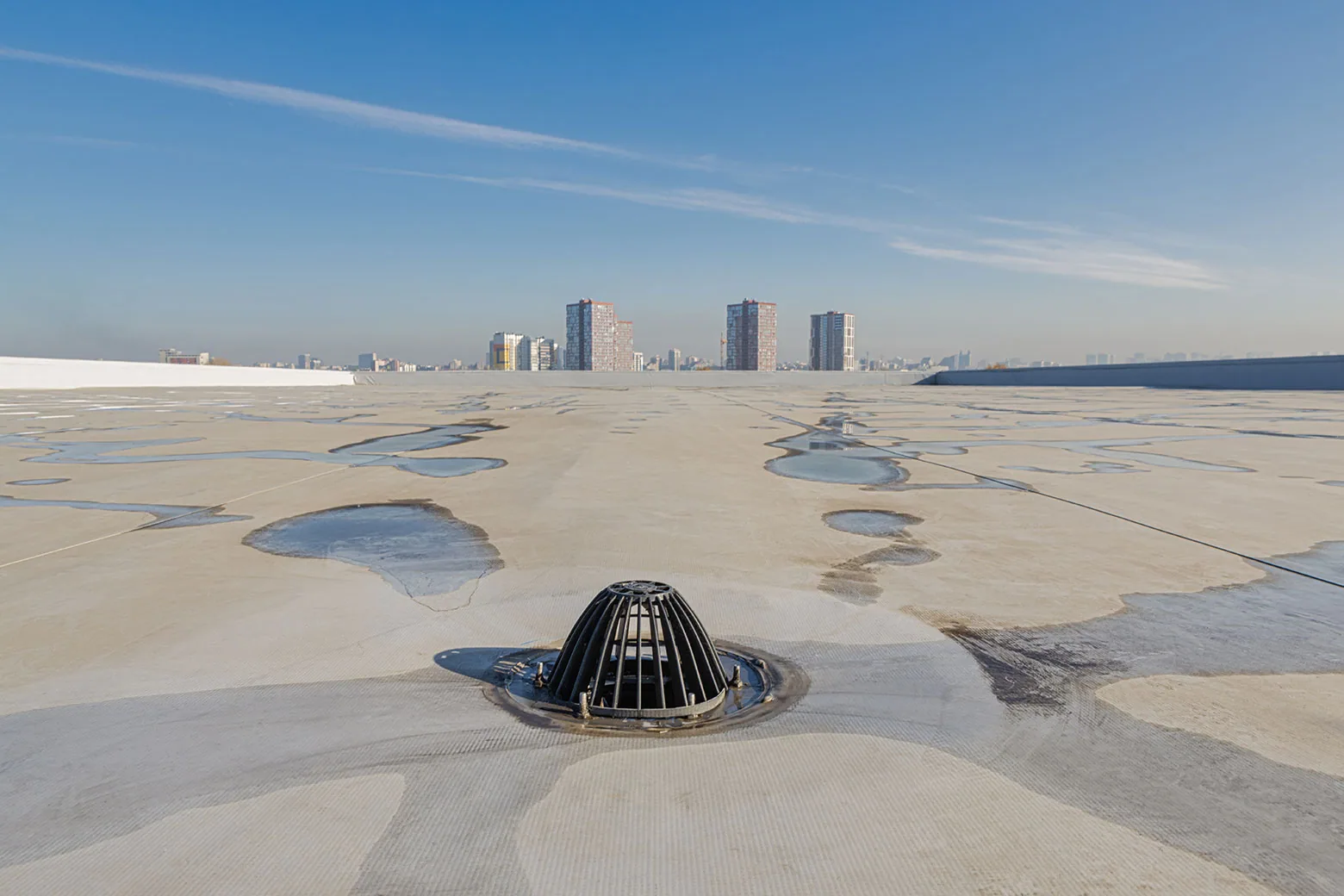
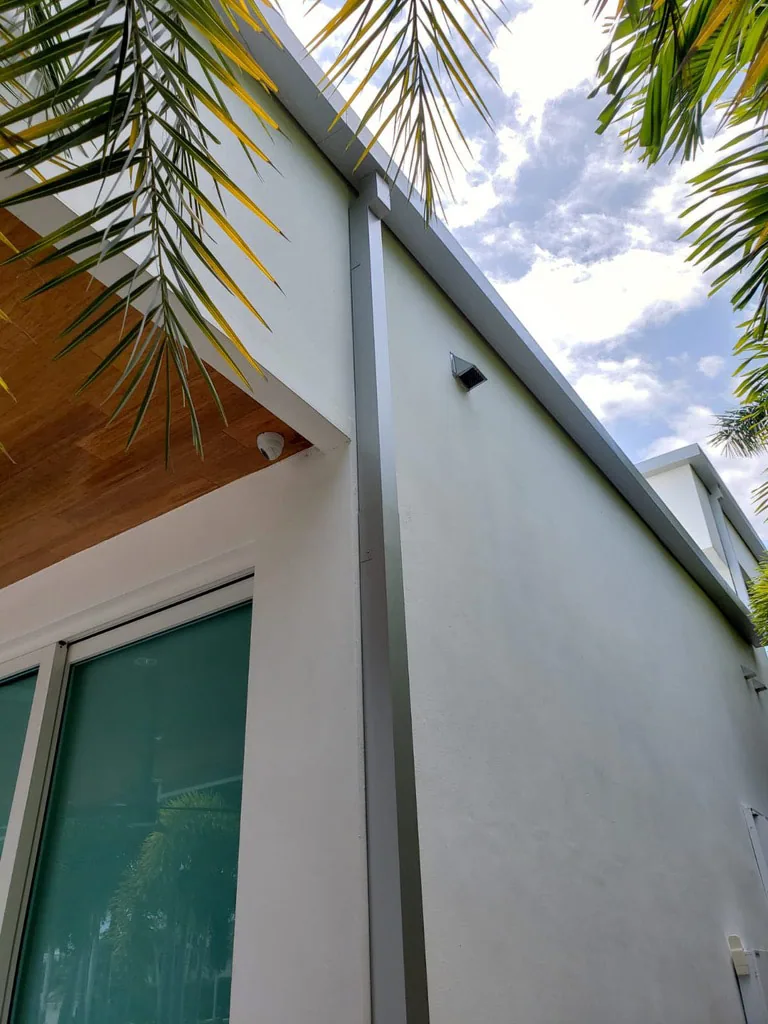
Water control depends on the full transition, not only the high seam. At a ridge, wall, valley, or end condition, inspect closure pieces, underlayment transitions, and the compatibility of sealants. At the eave, confirm that water reaches the gutter or drainage path without backing into the panel edge. A drain and scupper inspection can check the outlet side of the same water path. A metal edge and gutter review can coordinate roof-panel work with the perimeter. At penetrations, the flashing must fit the panel profile and movement range; a generic boot may not match every rib. If water shows inside, compare the location with panel direction, fasteners, and uphill details before opening the roof. Water can track below the panel and appear away from the entry point.
Inspect after weather and maintain the roof
Two tornado paths appear in Conroe's October 1997 event history: one crossed the city, another passed near Cut and Shoot. After a severe-weather report, inspect panel seams, clips, equipment flashings, and the perimeter for direct signs of movement. The regional record alone cannot establish damage at this building. A storm-damage roof review should document actual movement or impact. Houston Intercontinental's July and August normal highs are near 95 degrees, a useful regional measure of heat exposure; the panel surface and site conditions still need direct review. Metal surfaces can be hot and slick. Use safe access, and do not schedule sealant work until the actual surface condition matches product requirements.
A practical maintenance visit checks panel edges, sealant condition, gutters, penetrations, and attachment points after high-wind weather. Keep the roof clear of debris that blocks drainage, but avoid walking across unsupported panels or altering clips without knowing the system. Record any new leak location and whether it appears after wind-driven rain or ordinary rainfall.
Compare repair, coating, and retrofit
A metal roof can sometimes be repaired in place, restored with a coating, or covered by a retrofit assembly. The decision depends on panel condition, fastener integrity, corrosion, substrate, drainage, and whether the existing panels can support a new system. If corrosion has reduced panel strength or water has reached insulation, a surface coating will not correct the underlying defect. A metal-roof retrofit review can compare restoration with an over-roof system after the base is checked. We identify the repair boundary and the limit of any testing, especially where concealed insulation or deck conditions could change the outcome.
Plan access around active properties
Near Deison Technology Park, planned office and research activity sits alongside life-sciences manufacturing; the roofing sequence still follows the building's real occupancy. At Conroe Park North, freight and production may influence roof access, staging, and work hours. Confirm actual occupancy, loading areas, sensitive equipment, and interior protection with the property team. Mark panel zones and tie-ins so work can be sequenced without leaving an open transition. A phased scope can reduce the amount of roof exposed at one time, while weather interruptions require a temporary closure that protects the assembly until crews return.
Set a repair or renewal boundary
Repair may fit an isolated loose fastener, flashing defect, or damaged panel where surrounding seams and structure remain serviceable. Widespread corrosion, recurring leaks at multiple details, failed clips, or poor attachment can justify broader renewal. A recover or retrofit proposal should address panel condition, drainage, height changes, added weight, perimeter transitions, equipment curbs, and applicable code. If the existing metal is removed, include disposal, dry-in, and interior safeguards. A commercial roof replacement scope should show what remains, what is removed, and how water will cross every transition. Closeout records panel zones repaired, components used, photographs, and any area not accessible for inspection.
Commercial Roofing Questions
Do standing-seam panels need room to move?
Yes. Panel movement is part of the system, so clips, fixed points, edges, and penetrations need to work together. We inspect those connections before choosing a repair.
Can you stop a leak by adding sealant to the seam?
Sealant alone may hide a loose or failed connection. We identify whether the seam, clip, fastener, or flashing has moved and repair the detail with a compatible method.
Does oil canning mean the roof has failed?
Not by itself. Panel appearance can vary without a leak, so we check seams, attachment, coating, and interior evidence before defining a repair.
Can a metal roof be coated or covered?
Possibly, after reviewing corrosion, fasteners, panel strength, moisture, drainage, and edge clearances. A surface product cannot correct a weak or wet base.
What do you include in a metal roof inspection?
We map panel zones, seams, clips, flashings, fasteners, penetrations, drainage, and areas that could not be reached, with photographs of representative conditions.
Related Roofing Work