Commercial Roofing in Willis, TX
Commercial roof service in Willis, TX. We inspect drainage, seams, flashing, and access around properties along the I-45 commercial growth route.
I-45 connects Willis with regional commerce and supports commercial and retail growth along the route. The community's history also includes lumber, agriculture, and rail-linked shipping; Lake Conroe's construction west of town contributed to later growth. A commercial roof still needs a property-specific inspection. We check membrane, flashing, drains, penetrations, and attachment, then plan around loading, customer access, and the hours the building must remain in service. Conroe's market climate brings sustained summer heat and heavy rain, which can expose weak seams and low drainage points. The repair decision follows the roof, not the route beside it.
Plan for I-45 Visibility and Access
A property near an active commercial corridor can have customer access, deliveries, and equipment service happening at the same time. Before work begins, we confirm the driveway or receiving route, lift location, staging area, entrances that must remain open, and where debris can be removed. The city sees I-45 as a source of visibility and opportunity for retail growth, but that does not describe every parcel's layout. We ask the site contact how the building operates before setting the work sequence.
Willis grew with regional connections that include rail shipping and the highway corridor. Those historical facts describe the town's development, not the condition of a roof today. A Montgomery roofing plan may also involve a town linked by regional roads, while Conroe Park North service centers on a documented industrial park. The roof review remains specific to the Willis property and the conditions found there.
Find the Entry Point
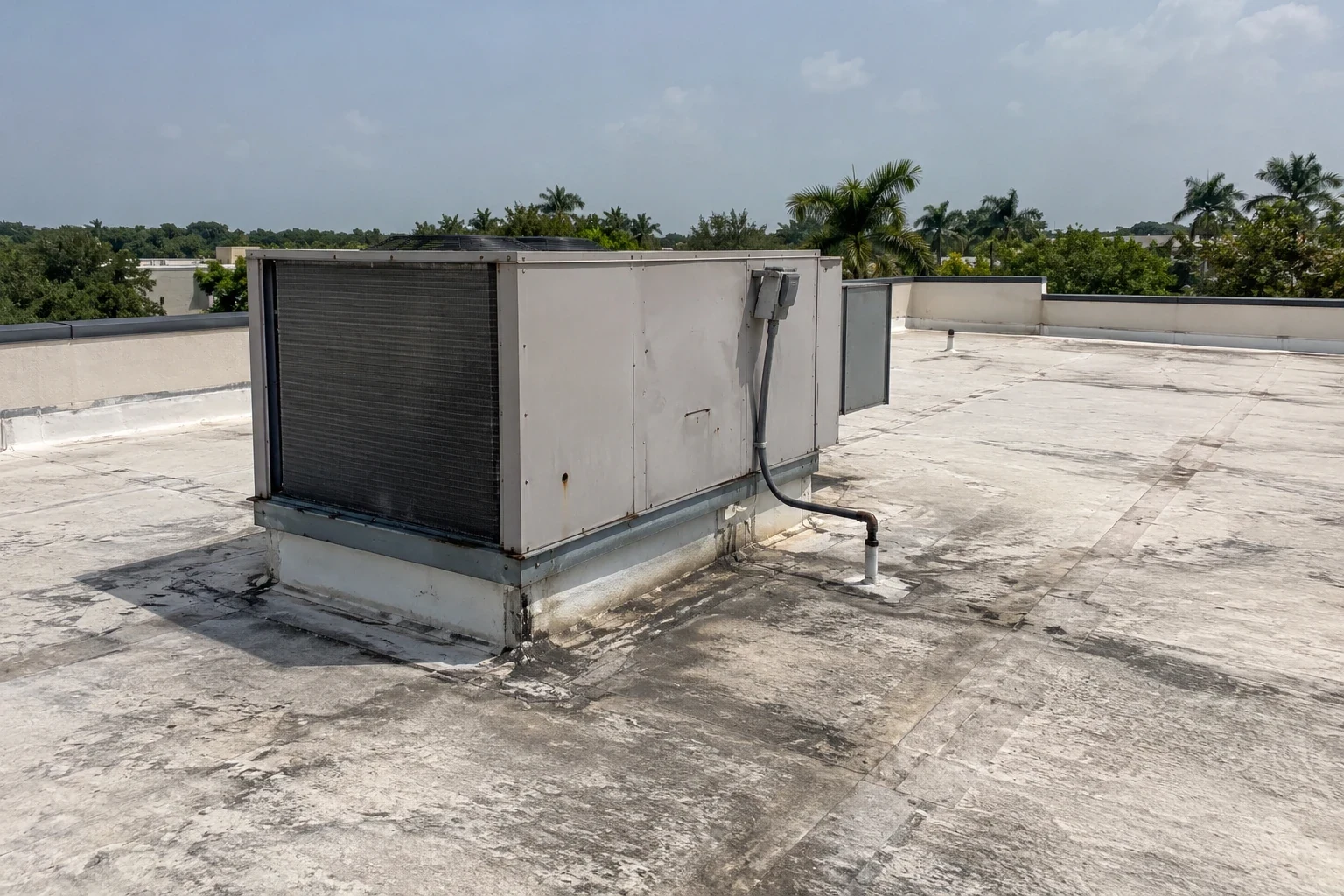
A ceiling stain may appear beyond the opening in the roof. We start with the report, then inspect nearby membrane seams, wall transitions, curbs, pipes, drains, and scuppers. We note open laps, punctures, loose edge metal, displaced flashing, and signs that insulation may be wet. If the defect is isolated and the surrounding assembly holds, the repair may stay within a small area. If openings repeat across a seam or a low section, we test further before closing the surface. A commercial roof inspection records the condition and boundary reached.
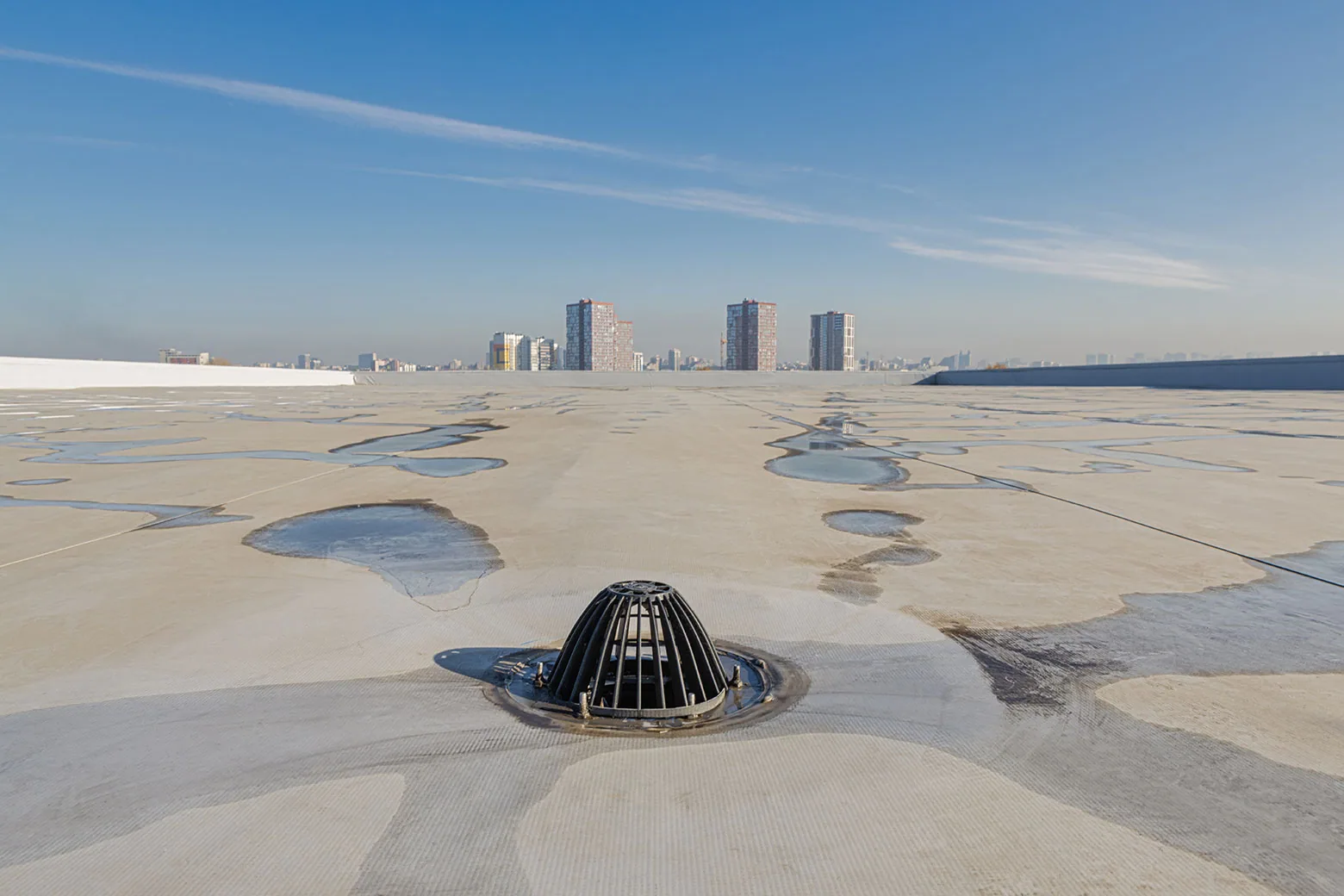
Willis' commercial growth route may include different kinds of buildings, but road visibility does not establish deck type, roof age, or membrane. We identify the actual assembly and check whether prior repairs used compatible materials. Where a drain is blocked, clearing it may restore flow. If the membrane termination is loose, that detail needs its own repair. A drain and scupper assessment helps separate an outlet issue from a seam or flashing problem.
Heat and Rain in the Market Area
Conroe, the market city, has nearby regional average highs close to 95 degrees in July and August. That regional measure is a heat indicator, not a Willis roof-surface reading. Sustained warm weather expands exposed sheet and metal; cooler periods pull at seams, fasteners, and flashing. We inspect weld edges, curb corners, edge metal, and any repair that has separated from sound material. A system must be identified before its repair method is selected.
Conroe's observing station is at Lone Star Executive Airport north of the market city. Heavy regional rain makes drains, scuppers, overflow routes, and low points worth checking after a reported leak. Water that remains can come from a blockage, a low deck, or insulation movement. Those causes need different work. We document the drainage path and actual water entry rather than treating a storm report as proof that the roof was damaged. If a weather window is closing, the active work area is secured before the crew leaves.
Choose a Repair or a Larger Scope
An isolated puncture, open flashing edge, or short seam split may be a repair if the nearby membrane is stable and the insulation is dry. Multiple leak reports, wet board, broad seam movement, or edge failure across a roof section can make renewal more practical. We map what is confirmed and mark conditions that need testing. The proposal shows the material, transition, repair limit, and any concealed issue that could change the amount of work.
A recover depends on the existing layers, moisture, attachment, deck support, drain height, and code. Adding a new surface over an unknown wet assembly can leave the source of the problem underneath. Tear-off exposes concealed material but requires debris handling and interior protection. A replacement plan covers drains, edges, penetrations, and daily dry-in as well as the field system. If a leak is active while the renewal decision is underway, commercial roof repair can address the verified opening first.
Protect the Space Below
Commercial roofing work can continue around occupied space when the sequence is planned. We identify the active areas below, ask about sensitive equipment or product, and establish how occupants move during the work. The manager confirms whether deliveries, customer traffic, or an operating shift constrain the roof-access window. We keep daily openings small enough to secure and provide notice when a concealed condition changes the plan.
Willis' I-45 commercial growth opportunity does not replace that building-level coordination. One property may have a narrow staging area, while another may need extra protection below the active roof section. We record where materials arrive, which entrance stays available, and who receives a schedule update. If a test reveals wet insulation or damaged deck, we photograph and measure it, then pause before extending the agreed scope. A phased reroof plan can organize larger work by section and operating window.
Compare Cost Drivers and Timing
The estimate depends on roof area, layers to remove, insulation condition, edge and drain details, access, and interior protection. A small repair can still need a lift or traffic control. Replacement adds material handling, tear-off, disposal, and a dry-in sequence. We separate those items so the owner can see which costs follow the roof condition and which follow site access or the operating schedule.
Timing depends on approval, material arrival, available crew access, and weather. We select a work area that can be prepared, repaired, and secured within the forecast. If rain moves closer, we reduce the day's opening or reschedule the detail. That avoids leaving an exposed boundary where the building cannot be protected. The site contact receives the planned section and closeout time before work begins.
Record What the Crew Reached
A useful closeout names the roof section, membrane if identified, repair method, photos, and anything left for a later test. Images include enough roof context to locate the drain, seam, or curb. The record distinguishes the area inspected from the area opened, preventing a local repair from being mistaken for a whole-roof assessment.
Willis' commercial and retail growth may add new roof demands over time, but the service record stays with the property. A roof condition report can hold the map and return points for a future inspection. After equipment work or heavy rain, maintenance can revisit the same detail and compare it with the previous repair boundary. That keeps the next decision connected to the actual roof history.
Commercial Roofing Questions
How do you plan a roof repair near Willis's I-45 route?
We confirm driveway access, delivery activity, lift placement, customer entrances, and the daily work window. The property contact sets operating limits before materials are staged.
Does I-45 visibility mean a building has a specific roof type?
No. The route supports regional commercial growth, but it does not identify an individual roof's membrane, deck, or condition. We inspect the installed assembly.
What do you check after a leak appears inside a Willis business?
We trace the report to seams, penetrations, drains, and wall transitions. Water may travel beneath the roof before appearing inside, so the stain is a clue rather than the repair location.
Can you schedule work while the business stays open?
A phased sequence may fit when roof layout and safe tie-ins allow it. We coordinate access, interior protection, noise, deliveries, and daily closeout with the manager.
When would you recommend replacement instead of a repair?
Repeated failures, wet insulation, loose attachment, or widespread edge problems may make a larger section more practical. We map the conditions and explain what remains concealed.
Related Roofing Work