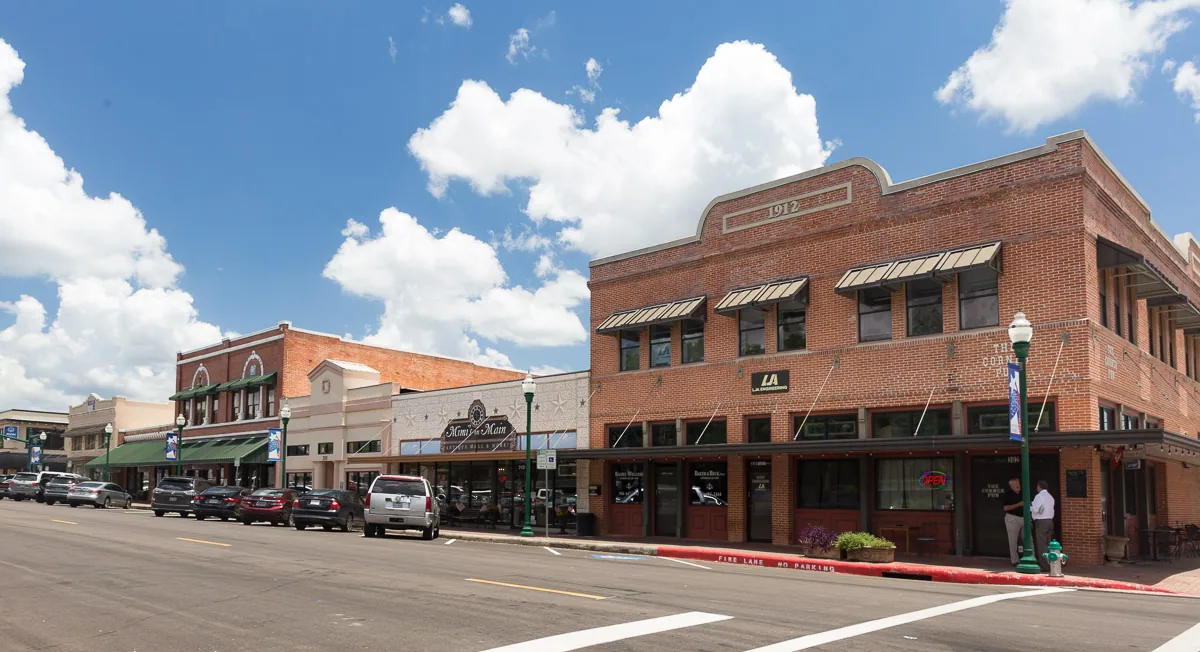
Commercial Roofing in Montgomery, TX
Commercial roof repair and replacement in Montgomery, TX. We check drainage, flashings, and roof sections around growing retail and business properties.
A roof serving a growing town needs a repair plan that fits how the property is used today. Montgomery sits about 15 miles west of Conroe near SH 105 and FM 149. The city also points to SH 105, the Aggie Expressway, FM 2854, and I-45 as links to regional markets. Residential expansion, master-planned communities, and retail investment are shaping commercial demand. We inspect the actual roof assembly before choosing a patch, recover, or replacement, and we plan access around the property's operating hours. Heat and heavy rain in the Conroe market add stress at seams and drains, but the condition at the building sets the work scope.
Roof Work Along Regional Routes
Road connections can affect material delivery and crew access, while the property itself decides where a lift can stand and which doors need to remain open. Before service, we confirm the entry route, loading hours, tenant or customer paths, and interior areas that need protection. A building near a busy commercial route may require a different work period than a property with daytime receiving. We verify those conditions with the manager rather than choosing a sequence from the map alone.
Montgomery's city profile links the town to Houston, College Station, The Woodlands, and other regional markets by its highway network. That context helps frame logistics, not roof construction. Historic Downtown Montgomery roof work may involve a different access plan than a commercial property elsewhere in town. Commercial roofing in Willis also follows that town's own operating and building conditions. Each inspection starts with the property and its roof map.
Trace Water Beyond the Ceiling
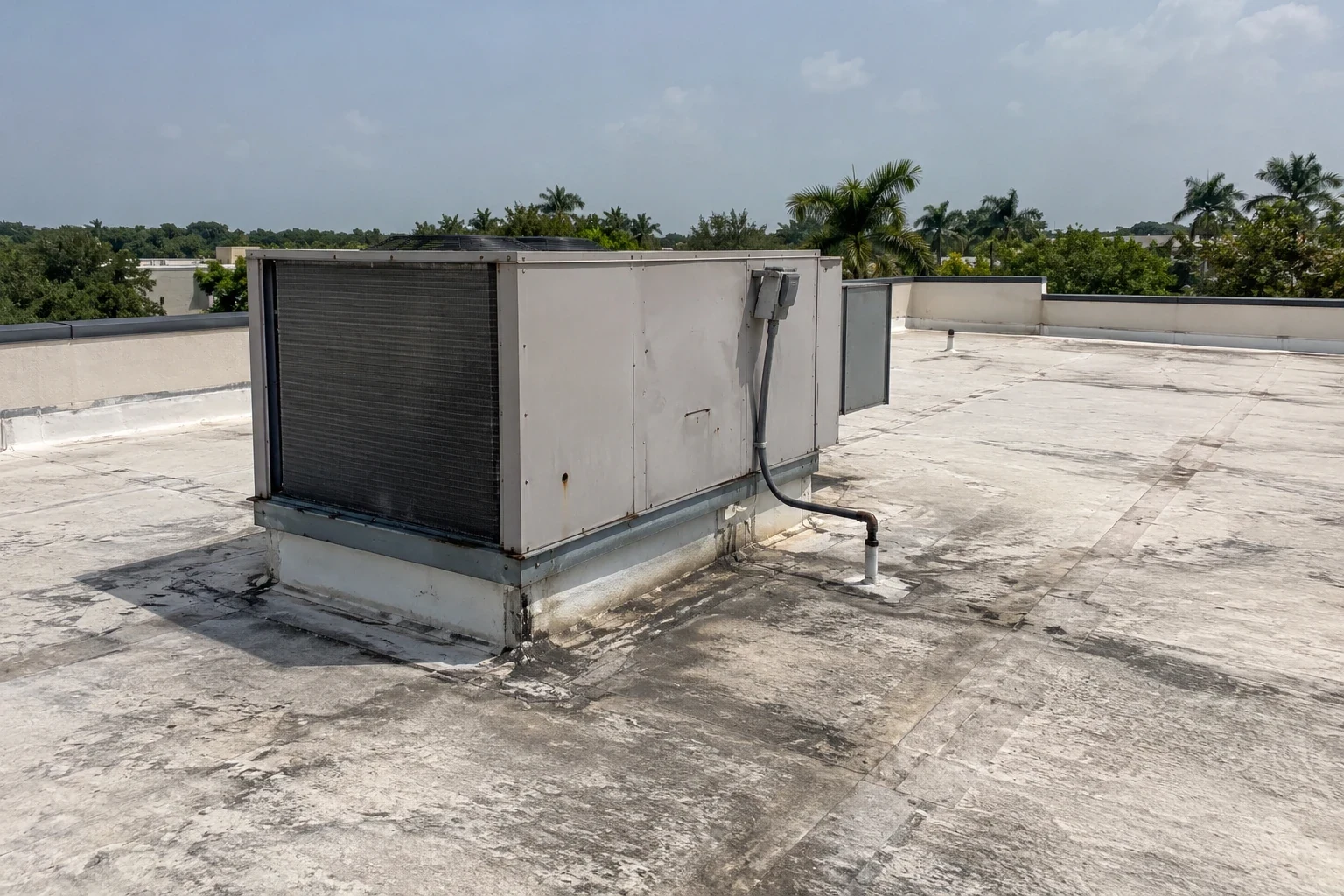
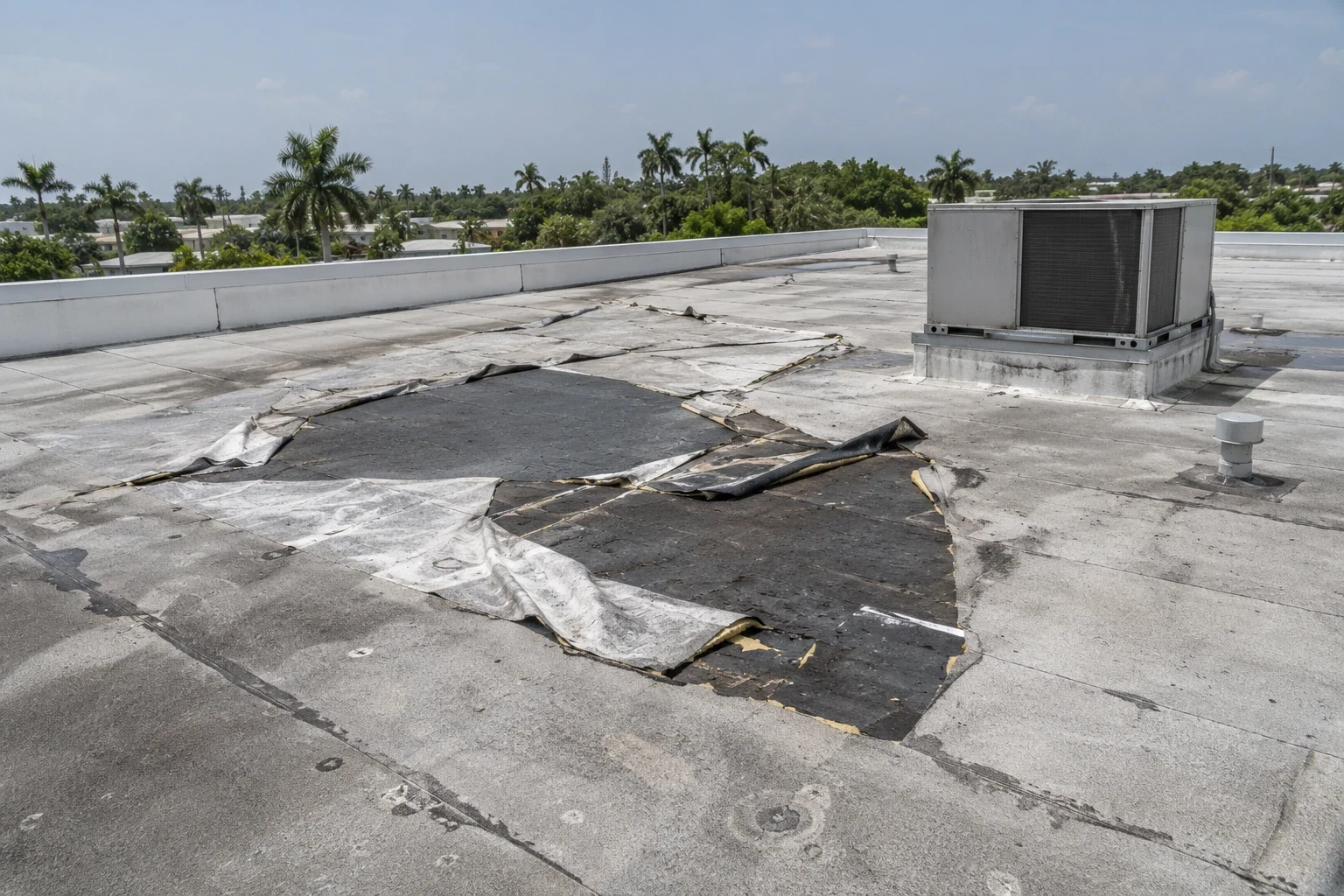
A stain on an office or retail ceiling is not always directly below the roof opening. We follow the path from the reported interior area to nearby seams, curb corners, wall transitions, penetrations, and drainage points. The inspection checks membrane condition, edge metal, flashing, loose fasteners, and insulation that may have taken on water. A single defect can stay local when adjacent material is sound. Similar failures in multiple places can point to movement or an assembly problem that needs a wider test.
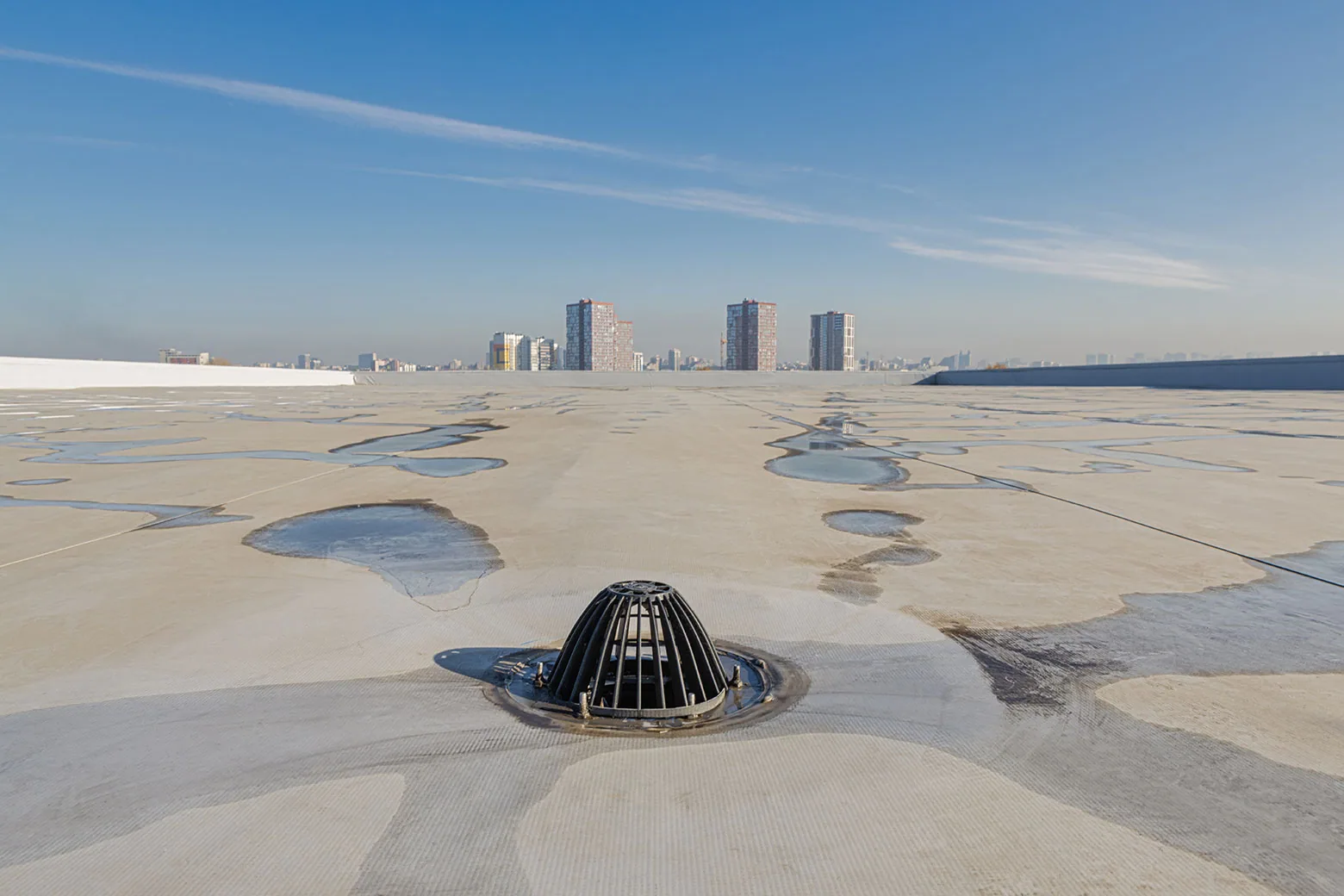
A commercial roof inspection records what was visible and what remains concealed. The owner can compare the repair boundary with the location of the leak, tenant report, or equipment service. If an outlet is blocked or its membrane connection is open, we identify which condition is present. drain and scupper work belongs in the scope when inspection finds a drainage issue, not as a substitute for repairing a failed seam.
Heat, Rain, and the Conroe Market
Conroe, the market city, has nearby Houston-region average highs near 95 degrees in July and August. Those regional normals indicate a long hot season for area roof planning, not a precise temperature reading for Montgomery. Heat moves membrane and metal through the day, stressing welds, fasteners, curb corners, and perimeter details. We look for open edges, brittle sealant, wrinkles, and patches that no longer bond. The repair method depends on the installed membrane and the surface condition.
Weather readings from Lone Star Executive Airport, north of Conroe, provide the market area's station history. An F0 tornado crossed Conroe in 1997; intense rainfall and damaging wind also affect the Southeast Texas storm season. That history supports careful review after an event; it does not establish damage to a Montgomery property. We document actual movement, water entry, and loose flashing. A wind-damage inspection distinguishes confirmed displacement from older wear.
Compare the Section with the Whole Roof
A puncture, short open lap, or isolated curb leak may be repaired if surrounding materials are stable and insulation is dry. Repeated calls, wet cover board, broad seam separation, or worn edges can make a larger section more practical. We map confirmed conditions, note areas for testing, and state where the repair stops. The proposal identifies materials, tie-ins, drainage work, and findings that could change the scope after a small opening.
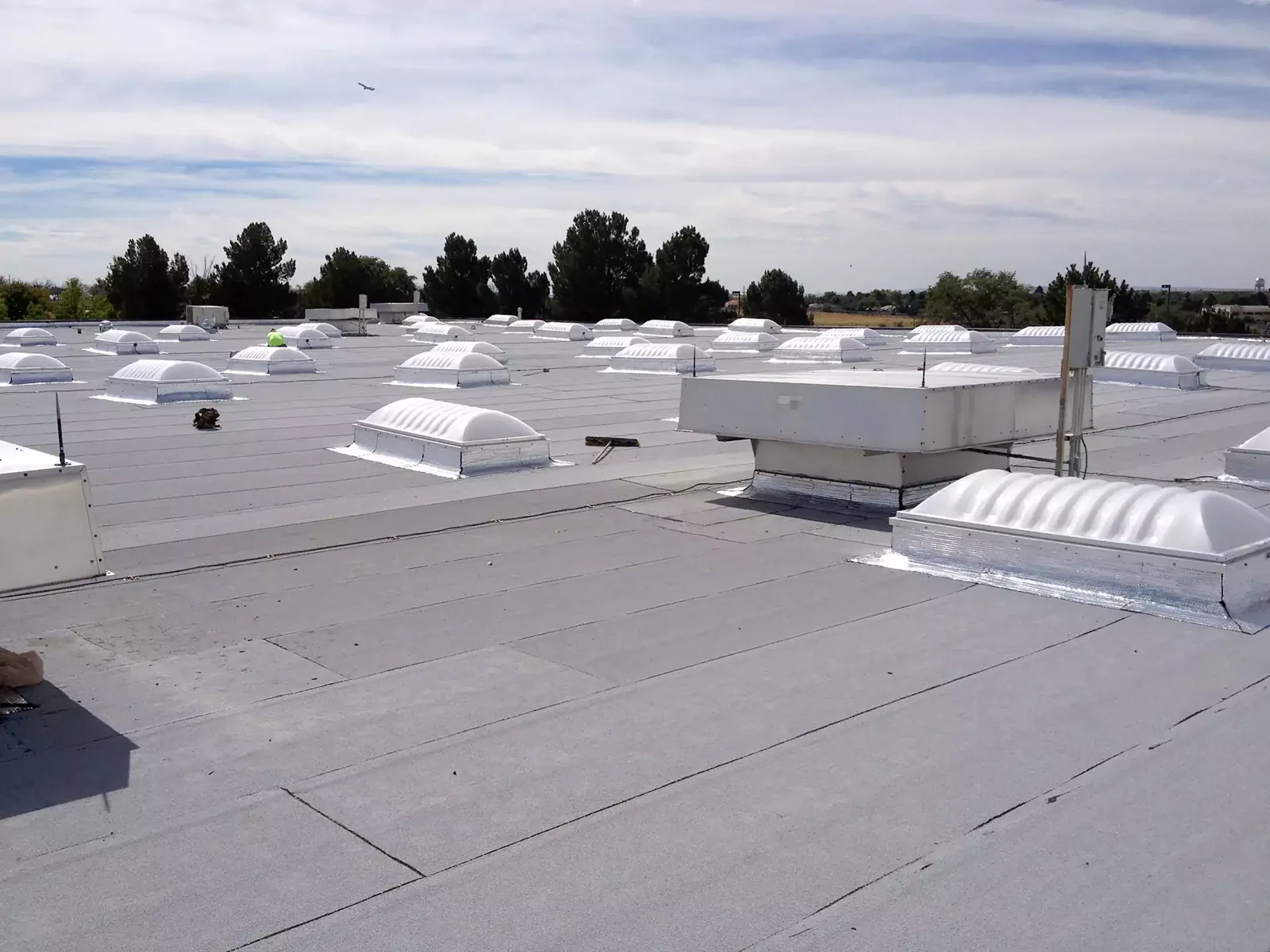
We consider a recover when testing shows dry materials, secure attachment, adequate deck support, useful drain elevation, and code compatibility. Covering an unknown assembly can leave water or an unstable surface below the new membrane. Tear-off exposes concealed layers and requires more debris handling and interior coordination. A replacement scope should include edges, drains, penetrations, and daily dry-in. For a roof that remains serviceable, preventive maintenance can return to the same details before another leak changes the project timing.
Plan for Changing Commercial Use
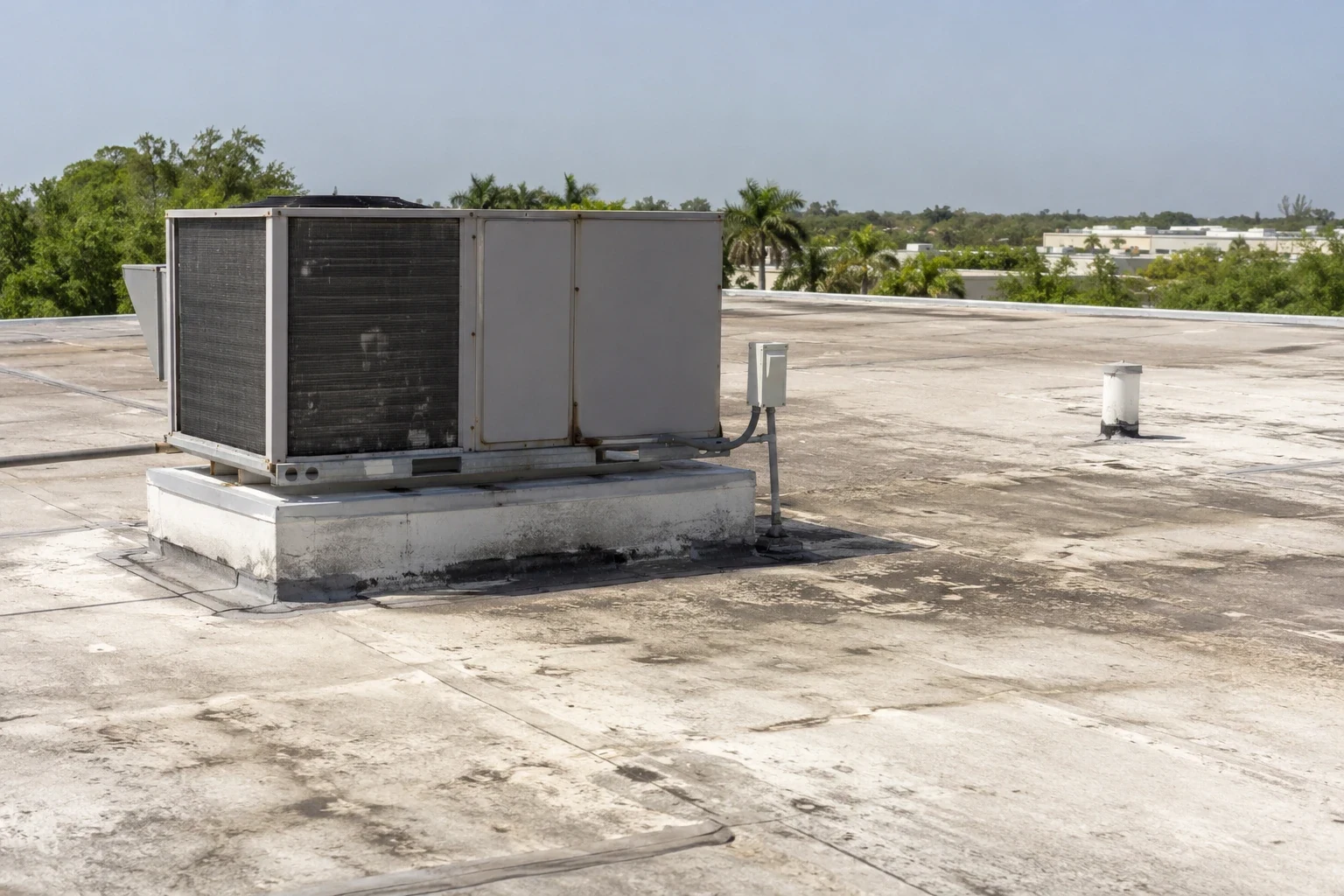
The city describes residential expansion, master-planned communities, and retail investment as forces shaping commercial demand. For an owner, that can make a roof decision part of a property's readiness for future use. We inspect existing drainage, equipment curbs, roof access, insulation, and attachment before deciding whether a repair can support that plan. We do not infer building age or roof type from nearby development.
Cost and timing depend on how much membrane must be removed, what the deck and insulation reveal, where materials can be staged, and which operating areas need protection. A small repair can require a lift or a limited access window. Replacement adds tear-off, disposal, edge work, and a daily closure plan. Roof capital planning can connect an inspected condition to a future project without turning an unknown roof into a fixed recommendation.
Keep Access and Dry-In Clear
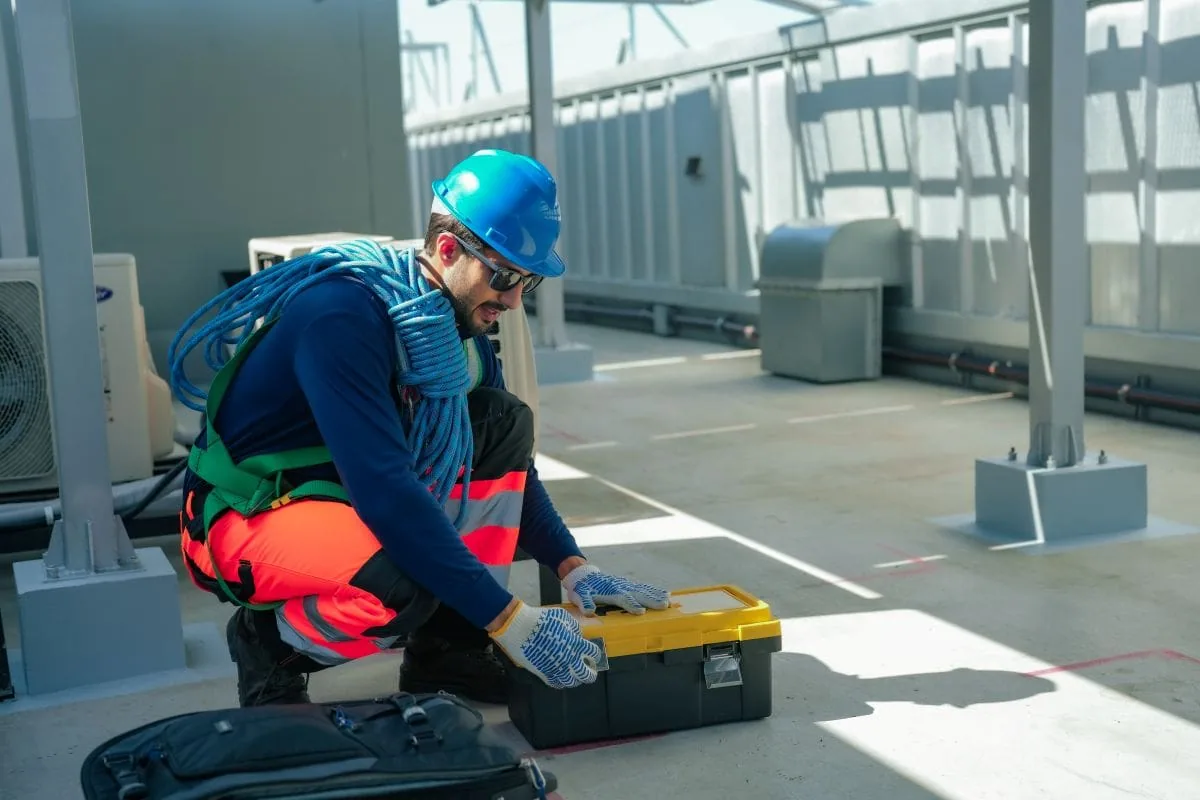
Before work opens the roof, we confirm who controls access, which entrances remain available, and how the crew will protect interior areas. We stage tools and materials to avoid blocking loading or customer routes. If the forecast shortens the shift, the crew limits the active section and secures the connection before leaving. A clear daily sequence helps the property continue operating while the roof work advances.
If removal reveals wet insulation, a damaged deck, or another membrane layer, we document it and pause for direction before expanding the scope. The manager receives the location, photos, and added work needed to return the section to a stable assembly. A phased reroof plan can coordinate a larger project by roof area and operating hour. The sequence depends on the actual layout, not a standard plan for every property in Montgomery.
Keep the Roof Record with the Property
Closeout identifies the roof area reached, membrane or covering observed, repair method, photos, and any item left for testing. The image should show the detail and enough surrounding roof to find it later. We note what was opened and what remained concealed. That distinction helps the manager decide whether a follow-up should inspect the same seam, test insulation, or review a separate roof section.
A roof condition report can keep findings, repair limits, and future review points together. Record the access window and operating constraints as well, so a later repair can use a workable schedule. If retail investment changes the use of a property, the roof record still begins with observed condition and the work already completed.
Commercial Roofing Questions
How do you plan a commercial roof repair in Montgomery?
We confirm the property access route, operating hours, interior protection needs, and reported roof area. Then we inspect the assembly and set a repair boundary from the conditions found.
Does Montgomery's growth mean an older roof should be replaced?
No. Growth and investment describe the town's development, not an individual roof's condition. We inspect membrane, attachment, insulation, drainage, and repairs before comparing renewal with a local fix.
What should a property owner report after heavy rain?
Share the interior location, timing, and any nearby equipment or access concern. We trace the water path across seams, drains, curbs, and wall details before choosing a repair.
Can a roof project be scheduled around tenants or customers?
A phased plan may work when roof layout, access, and safe tie-ins allow it. We coordinate staging, noise, entrances, and daily closeout with the property contact.
What makes a recover appropriate in Montgomery?
Moisture, attachment, existing layers, drain height, deck condition, and code determine whether a new layer is reasonable. We inspect or test those items before recommending one.
Related Roofing Work