Commercial Silicone Roof Coatings in Conroe, TX
Evaluate silicone roof coatings in Conroe, TX. We inspect adhesion, drainage, seams, moisture, preparation, and weather conditions before recoating.
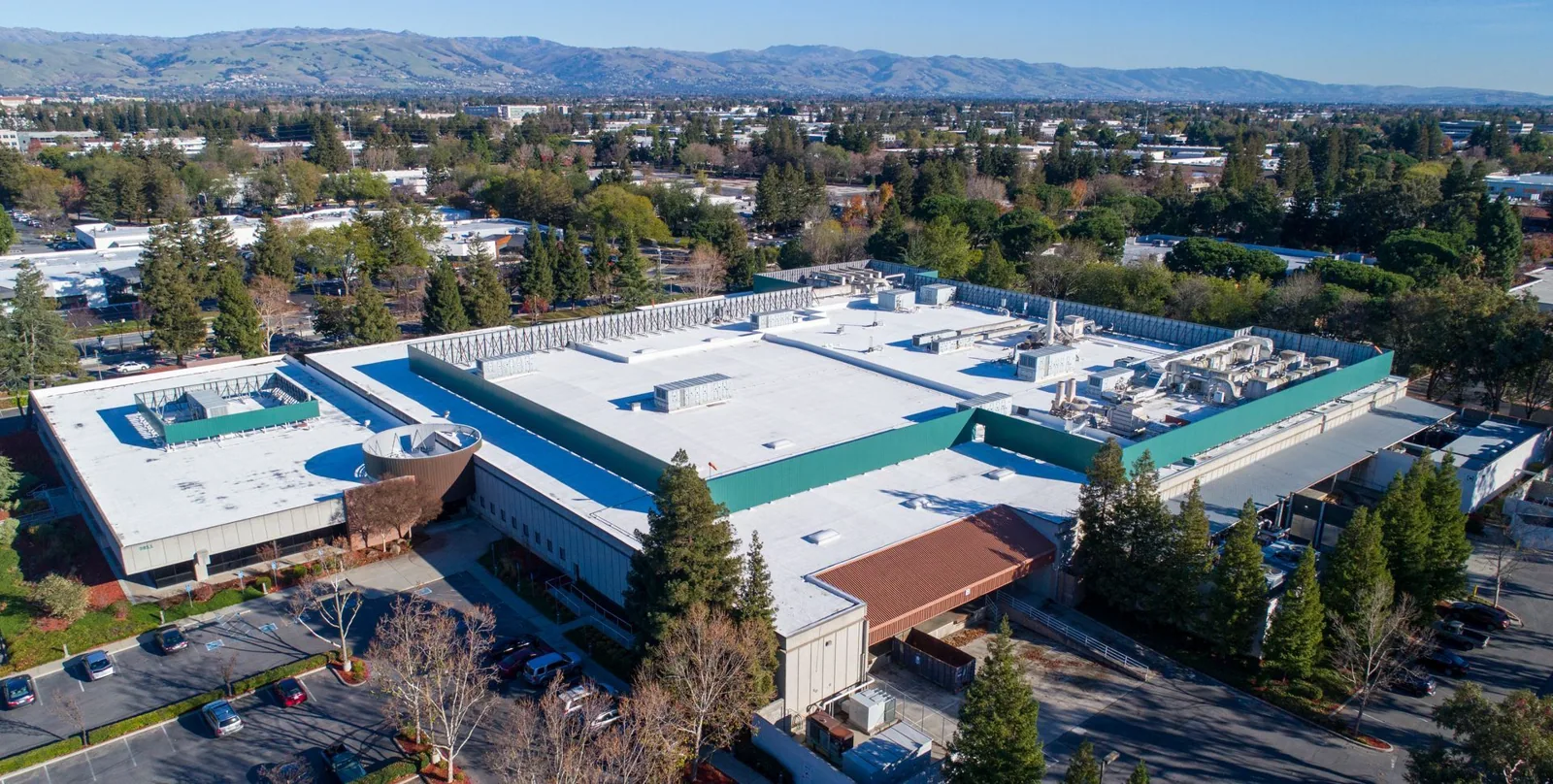
A silicone roof coating can restore protection on some commercial roofs, but it cannot correct every leak or weak assembly. The existing surface must be dry, stable, clean, and compatible with the selected system. We inspect coating adhesion, seams, penetrations, drainage, and the layers below before recommending a recoat. Conroe's hot, humid weather and heavy rain make surface preparation and timing important. Conroe Park North includes warehousing, freight, food processing, and manufacturing operations; the actual building determines where materials can be staged and how work is sequenced.
Confirm the roof and coating system
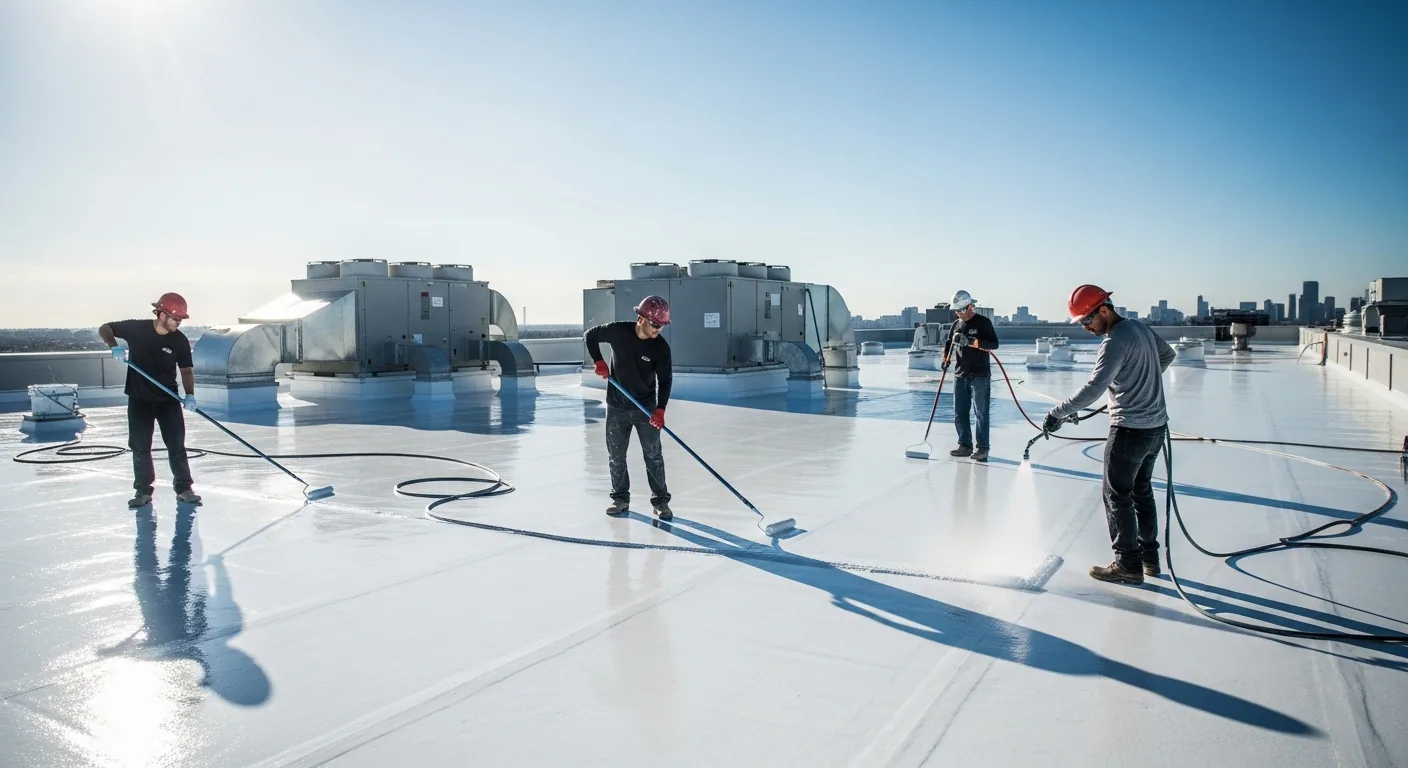
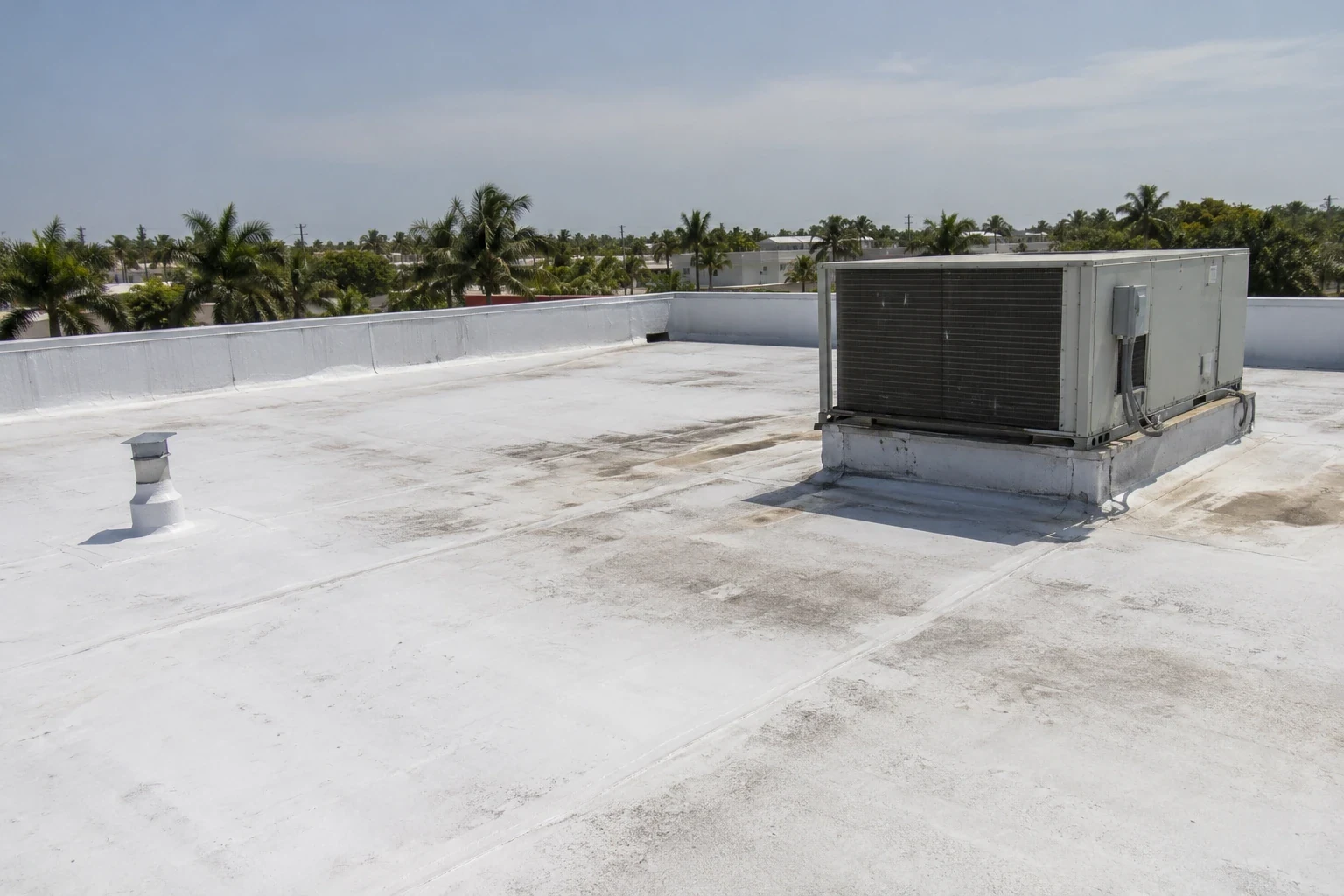
Silicone coatings are often considered where water exposure and ponding are concerns, yet product selection still depends on the existing roof, drainage, and manufacturer's requirements. We identify the current coating and substrate, look for incompatibility or contamination, and test adhesion in representative zones. The proposal should specify surface preparation, primer where needed, target thickness, reinforcement at details, and cure conditions. A coating should not be sold as a universal fix over wet insulation or a moving seam. If testing shows that the base is saturated or separated, repair or removal must be addressed before the new layer is applied.
Repair details before coating the field
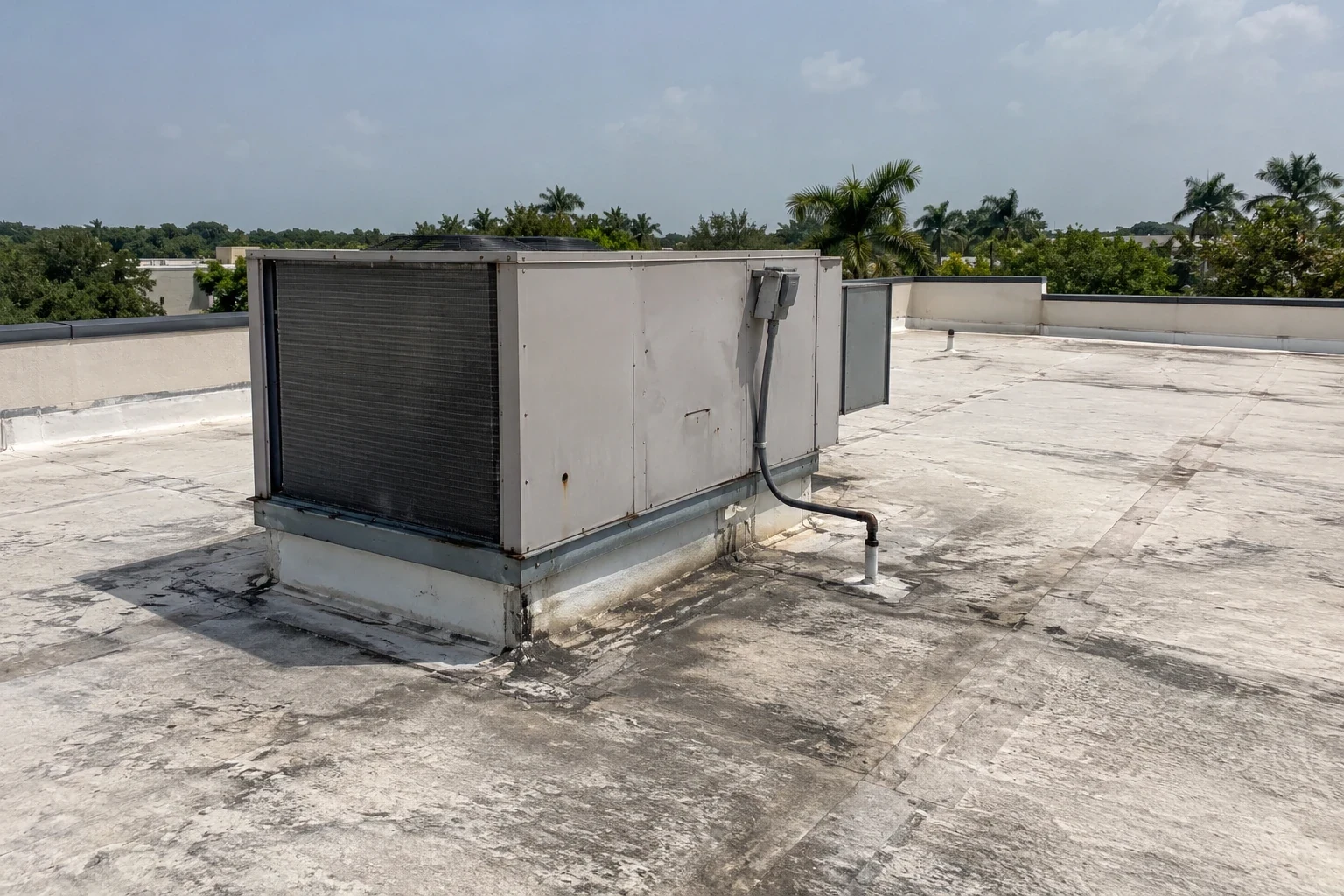
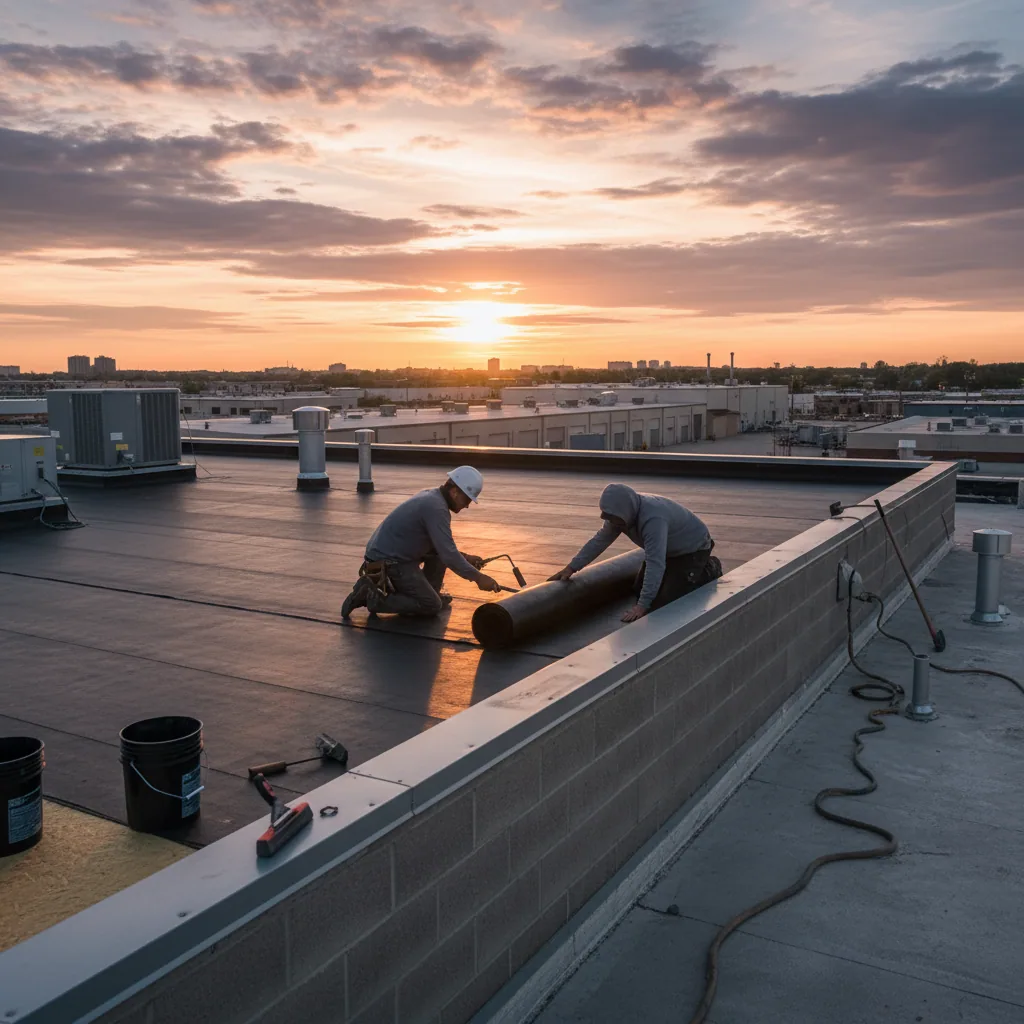
Before coating, inspect the whole roof for open seams, loose flashing, failed penetrations, damaged membrane, and areas where water reaches the substrate. Repair those details using a system compatible with the coating. At curbs, drains, wall transitions, and edges, reinforce the connection as required rather than painting over a gap. A commercial roof inspection can map repairs and candidate coating areas. For leaks at drains, a drain and scupper assessment can confirm whether outlet work is needed before coating begins.
Evaluate slope and standing water
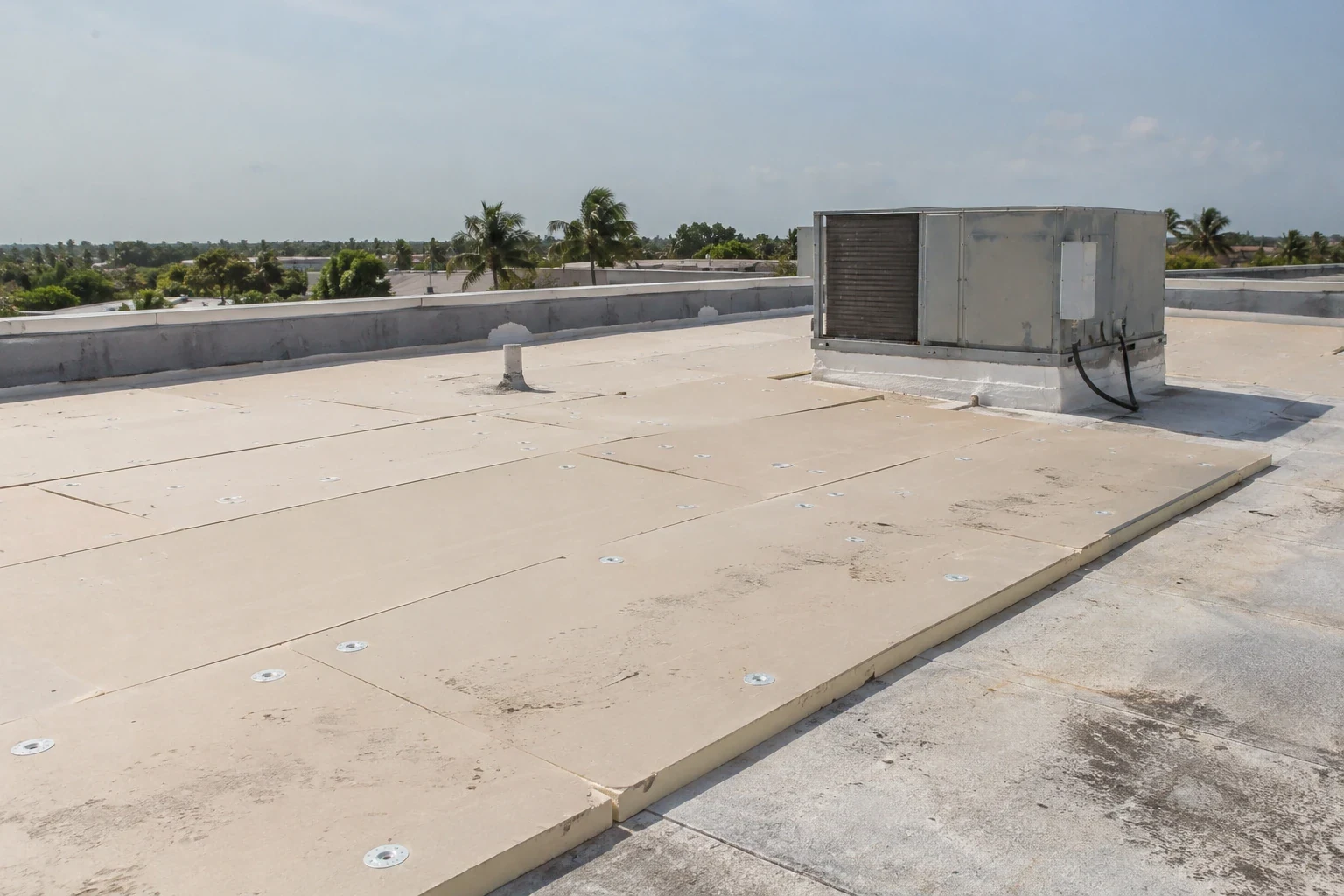
Ponding water may remain after a coating is applied if roof slope or drainage is unchanged. Identify low points, blocked outlets, overflow routes, and areas where insulation has settled. Verify how long the roof remains wet after rain and whether the membrane or substrate shows damage. Coating thickness cannot create slope or correct structural movement. Moisture testing can help determine whether water is under the existing roof, but readings need to be tied to actual layers and locations. If results could change the scope, use a controlled opening to confirm them. The work plan should state whether ponding remains an accepted condition or whether drainage correction is included.
Match application to the actual conditions
A coating plan starts with adhesion, dry substrate, edge details, and drains; each condition needs a compatible preparation. Following a reported event, inspect for impact, loosened details, and fresh coating cuts; do not assume a specific roof was damaged. Houston Intercontinental's July and August normal highs are near 95 degrees, while the roof surface may be hotter. Confirm surface temperature, dew, humidity, rain risk, and product limits before coating. Silicone installation conditions vary by product. If the surface is damp or weather threatens cure, protect repairs and reschedule rather than trap moisture beneath the new layer.
Compare coatings and existing membranes
A spray-foam roof and a silicone topcoat can be part of the same assembly, but the foam, prior coating, and moisture condition must be suitable. Other roof types may need different preparation. An acrylic coating system has different water and weather characteristics; compare it only after evaluating the roof's drainage and exposure. If the existing coating is unknown, testing can establish whether the proposed material bonds and whether a primer is required. Keep repaired seams and penetrations distinct from the field coating scope.
Coordinate access and recurring maintenance
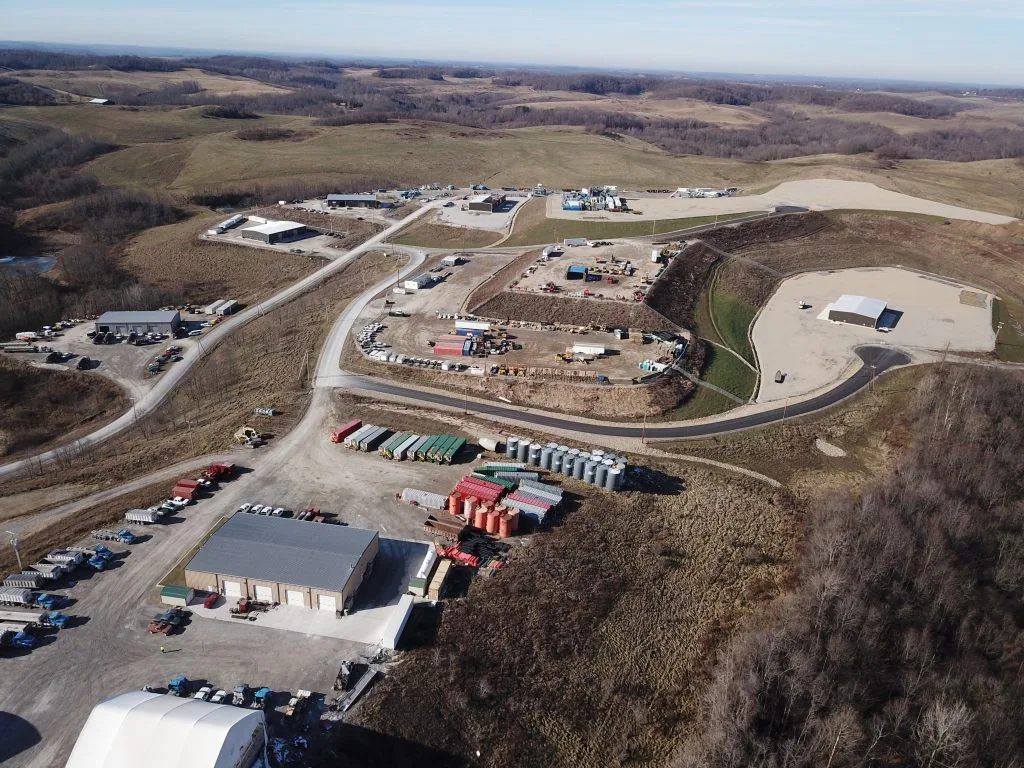
At Conroe Park North, delivery and production activity may affect staging, access, and the hours available for coating. The Deison Technology Park area brings research and office planning together with life-sciences production. Confirm the building's current use and ventilation needs directly. Coating work can require odor and access coordination. Keep drains clear, protect equipment, and establish a safe path for workers and building staff. A phased schedule should list each zone, the preparation and cure windows, and how an unexpected shower will be handled. Owners should know when the coated area can be accessed again.
Preparation often decides whether a coating remains attached. Remove dirt, oil, loose coating, and biological growth using a method appropriate to the roof and capture or manage wash water as required. Detail repairs before field application so the coating does not bridge an open seam or unstable patch. Confirm primer coverage and dry time, then check that the prepared surface remains clean before coating begins. If the roof has several existing coating layers, test the stack rather than assuming the top surface represents the entire assembly. The specification should name the preparation method, repair materials, application thickness, reinforcement locations, and acceptance checks. Those details make proposals comparable and help the property team verify that the installed system matches the scope.
Set the preparation and closeout scope
Recoat may fit a sound existing membrane with good adhesion and limited localized repair needs. If the roof has widespread moisture, delamination, damaged insulation, or poor attachment, compare selective removal or replacement. A recover decision should include layer count, drainage, flashing height, compatibility, and applicable code. A roof insulation and cover-board review can help define concealed conditions. A replacement plan should explain removal, dry-in, tie-ins, drains, curbs, and hidden-condition assumptions. Closeout records the coating product, prepared areas, repairs, test results, application conditions, and any portions not included in the work. Also note any roof zones excluded from the coating or requiring a separate flashing repair, so later maintenance does not assume continuous coverage.
Maintenance should focus on places where coating is most likely to thin or separate: penetrations, drains, edges, walkway routes, and repair boundaries. After heavy rain, note persistent wet areas and check that roof outlets remain clear. Keep a record of the coating date, product, lot information, prepared zones, and measured application thickness where applicable. A recurring leak at the same detail may require rebuilding the underlying flashing rather than adding another topcoat. Inspection findings should distinguish coating wear from membrane failure and explain whether more testing would affect the recommendation.
Before approval, compare the proposed coating warranty with the roof's existing coverage and maintenance duties. Confirm who will inspect the finished surface and which repairs remain the owner's responsibility. Keep roof access limited until the system reaches the stated cure condition. The closeout should also identify the weather window used for application and any areas excluded from the warranty. If tests are limited to sampled zones, label those locations clearly and avoid representing the result as a whole-roof bond test. A roof condition report can preserve those boundaries.
Commercial Roofing Questions
Can silicone coating stop ponding water?
It may tolerate water exposure when installed as a compatible system, but it does not correct inadequate slope, blocked outlets, or wet insulation. We review those conditions separately.
Can silicone be applied over another roof coating?
Only after identifying the existing surface and confirming adhesion, preparation, primer, and product compatibility. Testing representative zones can inform that decision.
Do you repair leaks before coating?
Yes, open seams, failed flashings, penetrations, and unstable areas need repair before field coating. A coating should not bridge a defect that requires rebuilding.
How long before the roof can be accessed?
Access depends on the selected product and actual cure conditions. The work plan should state when each zone can be entered safely.
What should the coating closeout include?
Record preparation, repair locations, coating product and application details, photographs, weather conditions, test areas, and portions outside the completed scope.
Related Roofing Work