Commercial Acrylic Roof Coatings in Conroe, TX
Evaluate acrylic roof coatings in Conroe, TX. We check surface preparation, adhesion, drainage, seams, moisture, and cure conditions before recoating.
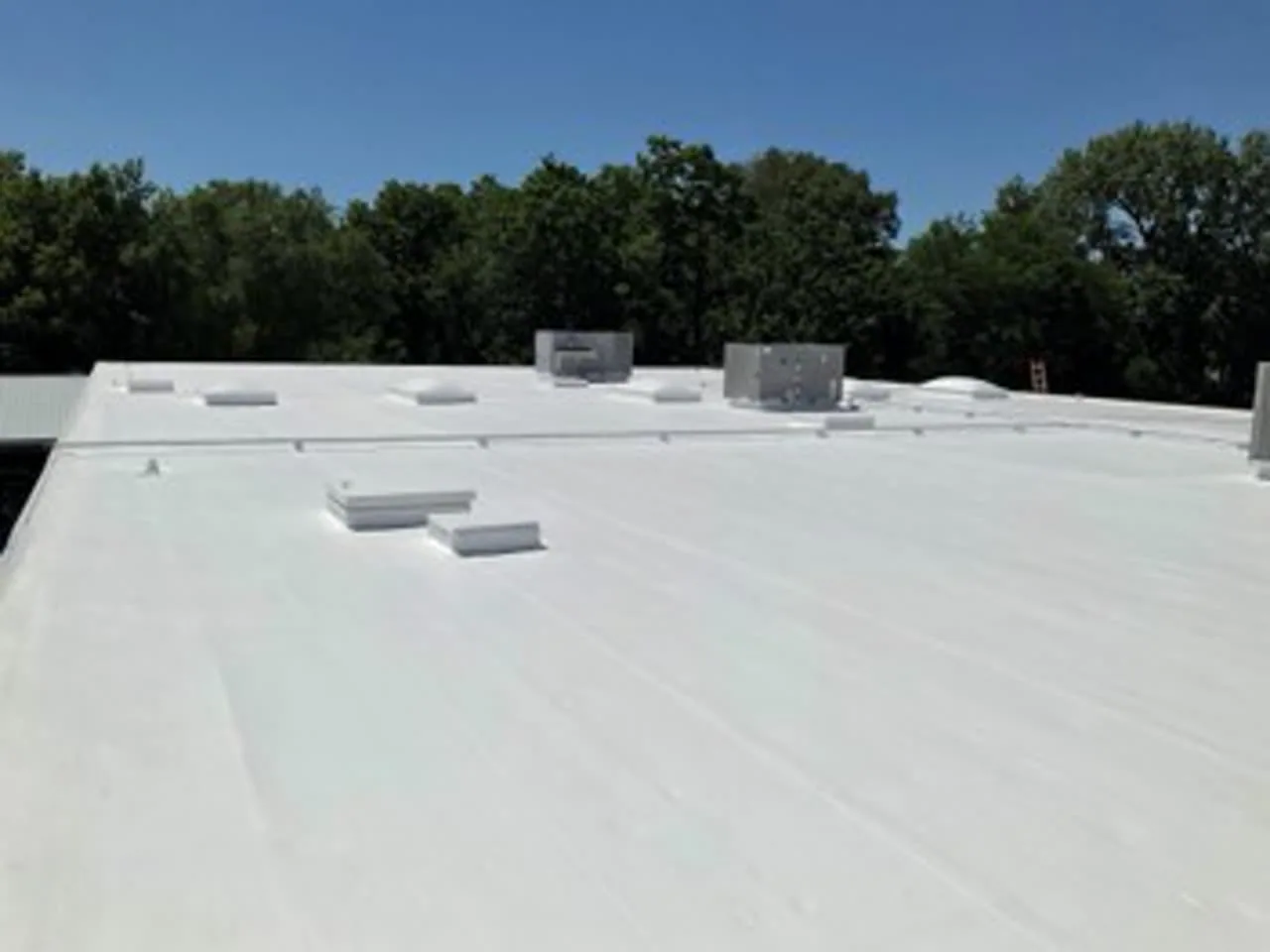
An acrylic roof coating can provide a renewed protective surface when the existing roof is sound, dry, and compatible with the product. It cannot cover up wet insulation, failed seams, or a loose membrane and make those conditions disappear. We inspect the roof type, surface preparation needs, coating history, transitions, and drainage before recommending a recoat. Conroe's strong sun and sudden rain make application timing important. Freight, storage, food processing, and production are part of the Conroe Park North employment mix. Coordinate each roof visit with the specific site's staging and interior safeguards.
Confirm the roof and coating are compatible
Acrylic systems are water-based and rely on suitable conditions for application and cure. Confirm that the surface is dry, the forecast allows the required cure window, and temperature and humidity meet the product limits. Dew or rain during application can affect the finish and bond. We identify the existing coating chemistry and test adhesion before setting a preparation method. Remove loose material and contamination, repair defects, and apply primer where specified. A roof can look uniform yet contain different coating layers from earlier work, so sample representative areas rather than assume compatibility from color alone.
For a coating estimate, ask how the contractor will verify dry conditions, measure the existing layer, and check adhesion. A walkover alone may miss a weak interface beneath a top coat. Representative adhesion tests should cover different roof zones and prior repairs, with locations recorded so results are not overstated. Preparation can include pressure washing or other cleaning, but the method has to protect equipment, keep debris out of drains, and avoid forcing water beneath open seams. Let the surface dry fully before priming. Detail repairs should cure as required before the field application begins. The work sequence needs enough time for preparation, coating, inspection, and any return pass required by the selected system.
Repair roof details before recoating
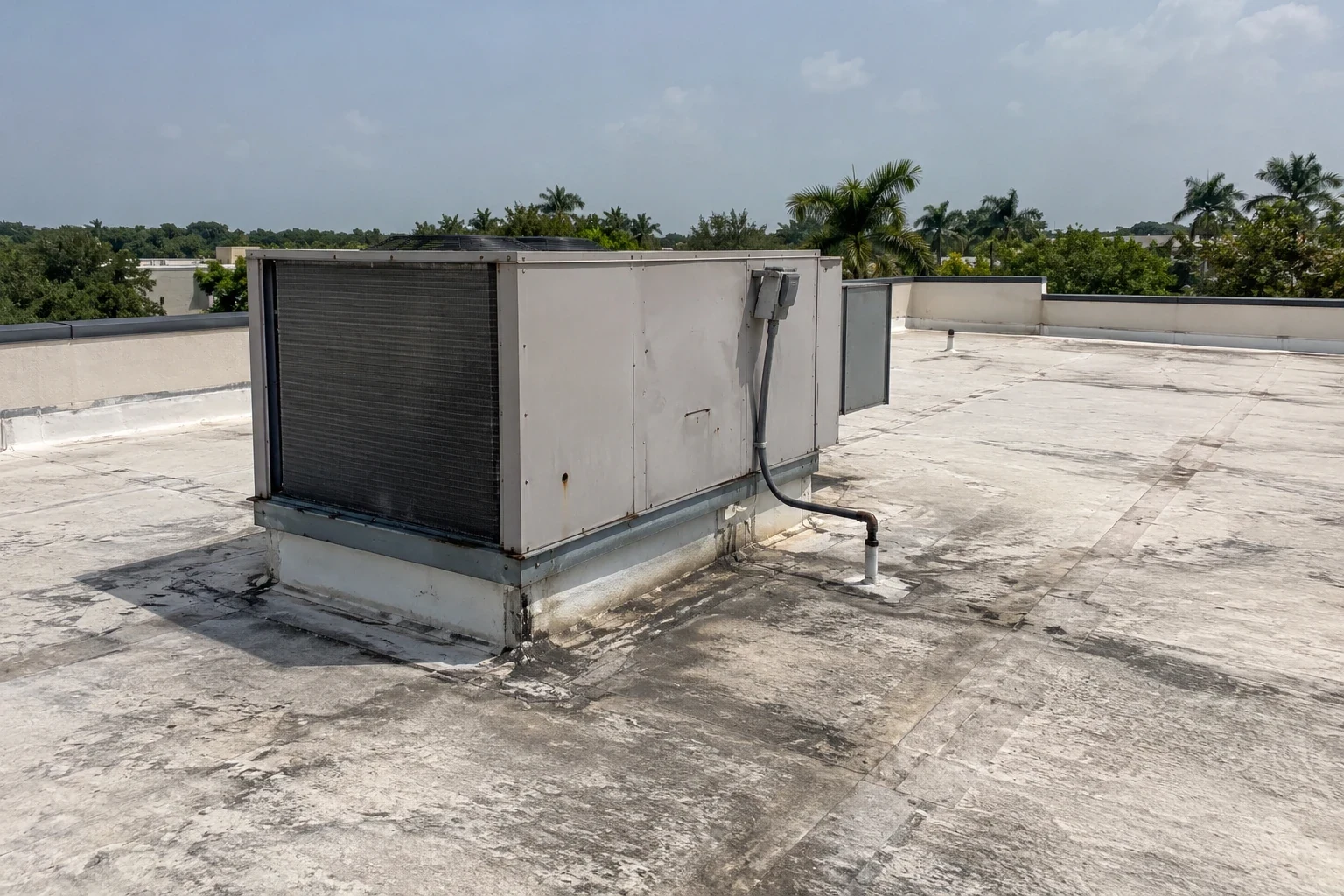
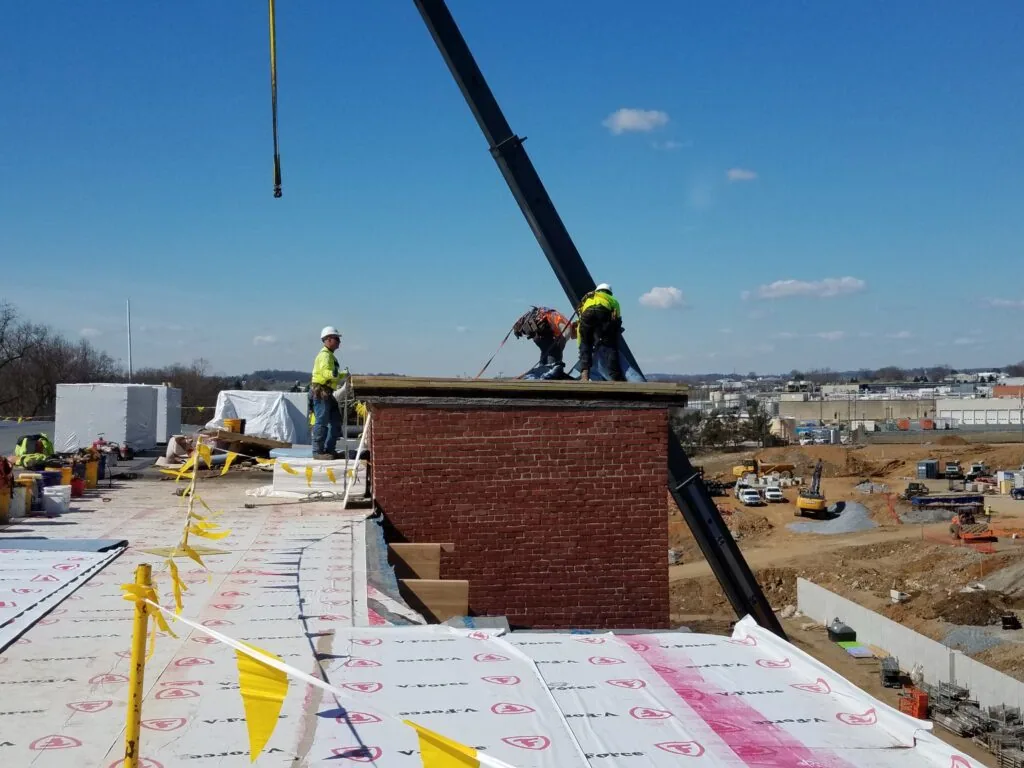
A recoat assessment begins with the roof assembly underneath. Inspect seams, laps, flashings, fasteners, drains, and penetrations for openings or movement. Those details need compatible repairs before a field coating is installed. Around a curb or pipe boot, make sure the coating does not bridge a moving gap that requires new flashing. At edges, confirm the termination and metal components remain secure. A commercial inspection can identify defects and candidate coating zones; a coping and edge review can coordinate perimeter work with the membrane.
Evaluate drainage and concealed moisture
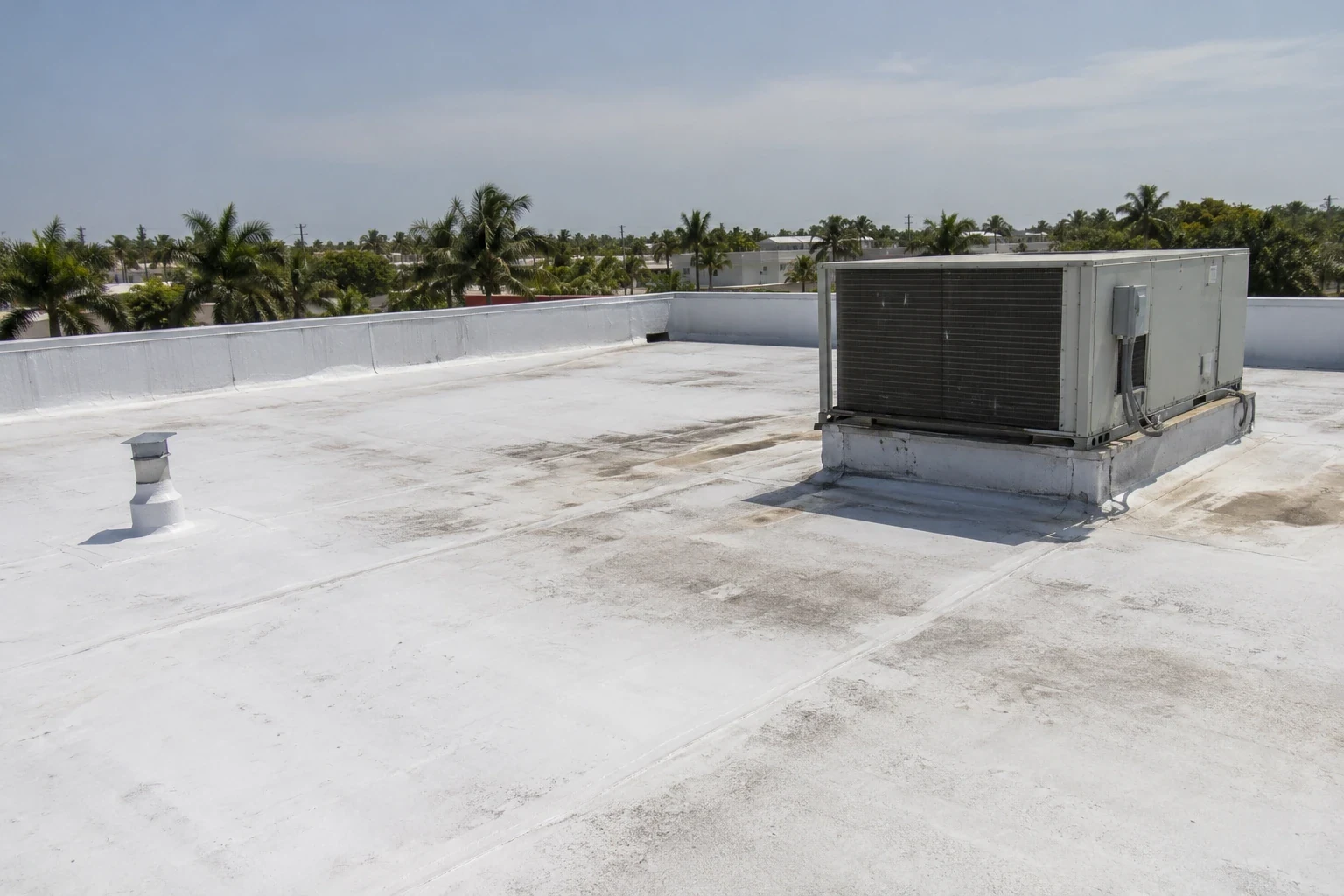
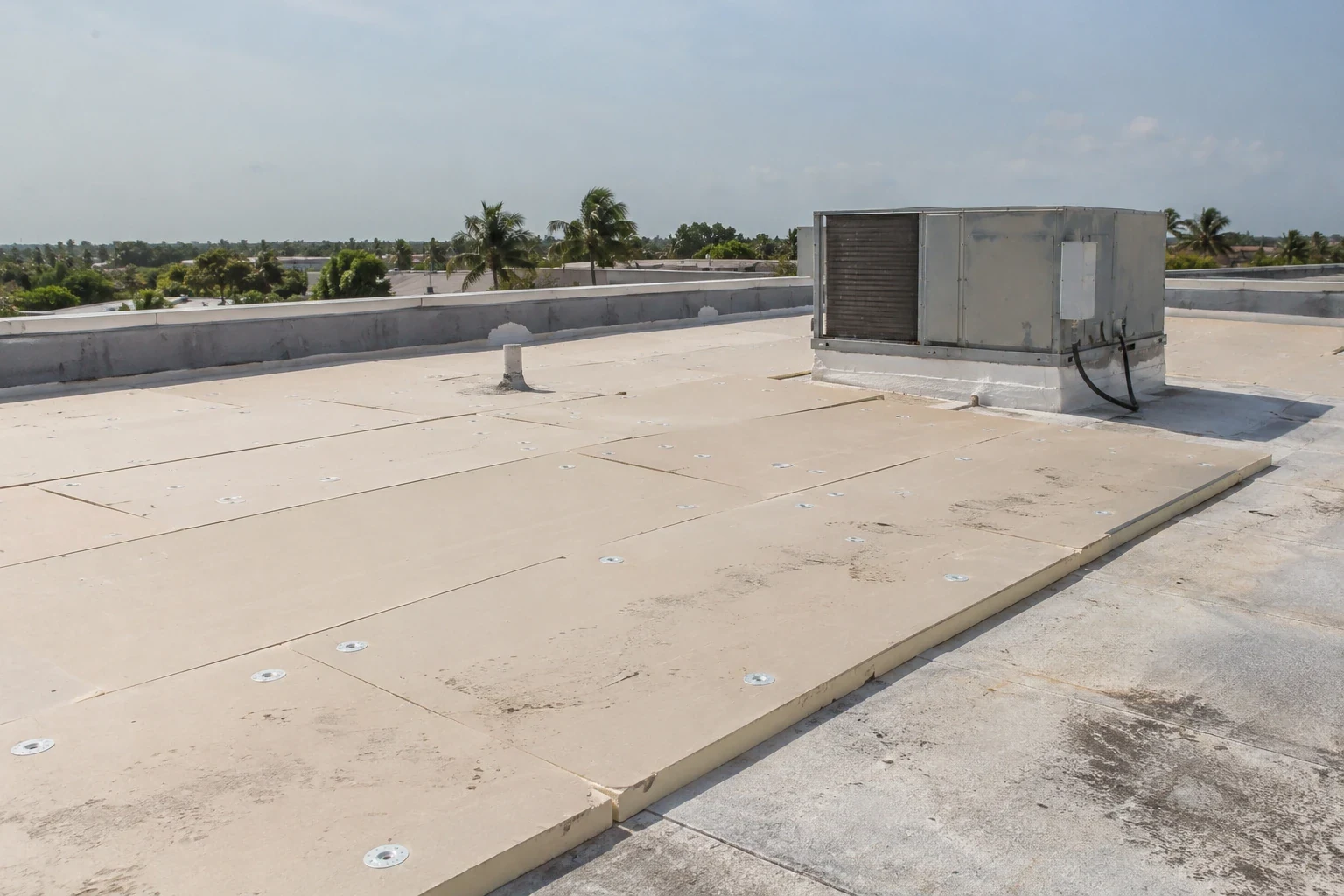
Drainage affects both roof life and coating performance. Check low areas, scuppers, drains, overflows, and the paths water follows to those outlets. A drain review can address blockage or termination details, but a coating does not create slope. Standing water may signal settled insulation or deck movement. Use moisture testing or an opening where results could change the repair boundary, and record precisely what the test established. Avoid coating over areas that remain wet or detached. If ponding remains after coating, document that condition and whether drainage correction is part of the scope.
Select the coating for actual conditions
Acrylic can be considered for certain roof surfaces, but system choice depends on water exposure, existing substrate, and maintenance requirements. A silicone coating has different product characteristics and may be evaluated where water exposure is a concern; neither system is a universal fit. For SPF, the foam and existing coating must be dry and bonded before another protective layer is applied. A spray-foam assembly review can examine the full foam and coating stack. Compare products using the roof's tested condition, not a generic claim about reflectivity or energy savings.
Protect the cure window after weather
Before coating, we check for an exposed deck, loose flashing, or wet insulation that a surface layer cannot correct. A fresh storm report is a reason to check acrylic surfaces, edge details, and interior leak locations; regional weather alone cannot show that a specific coating was damaged. Houston Intercontinental's July and August normal highs near 95 degrees offer regional climate context, while actual roof temperature and weather control when work can proceed. Acrylic application should pause when moisture or rain threatens the cure window. Protect repaired areas until suitable conditions return and avoid coating a surface that has collected overnight dew.
Plan work around access and occupants
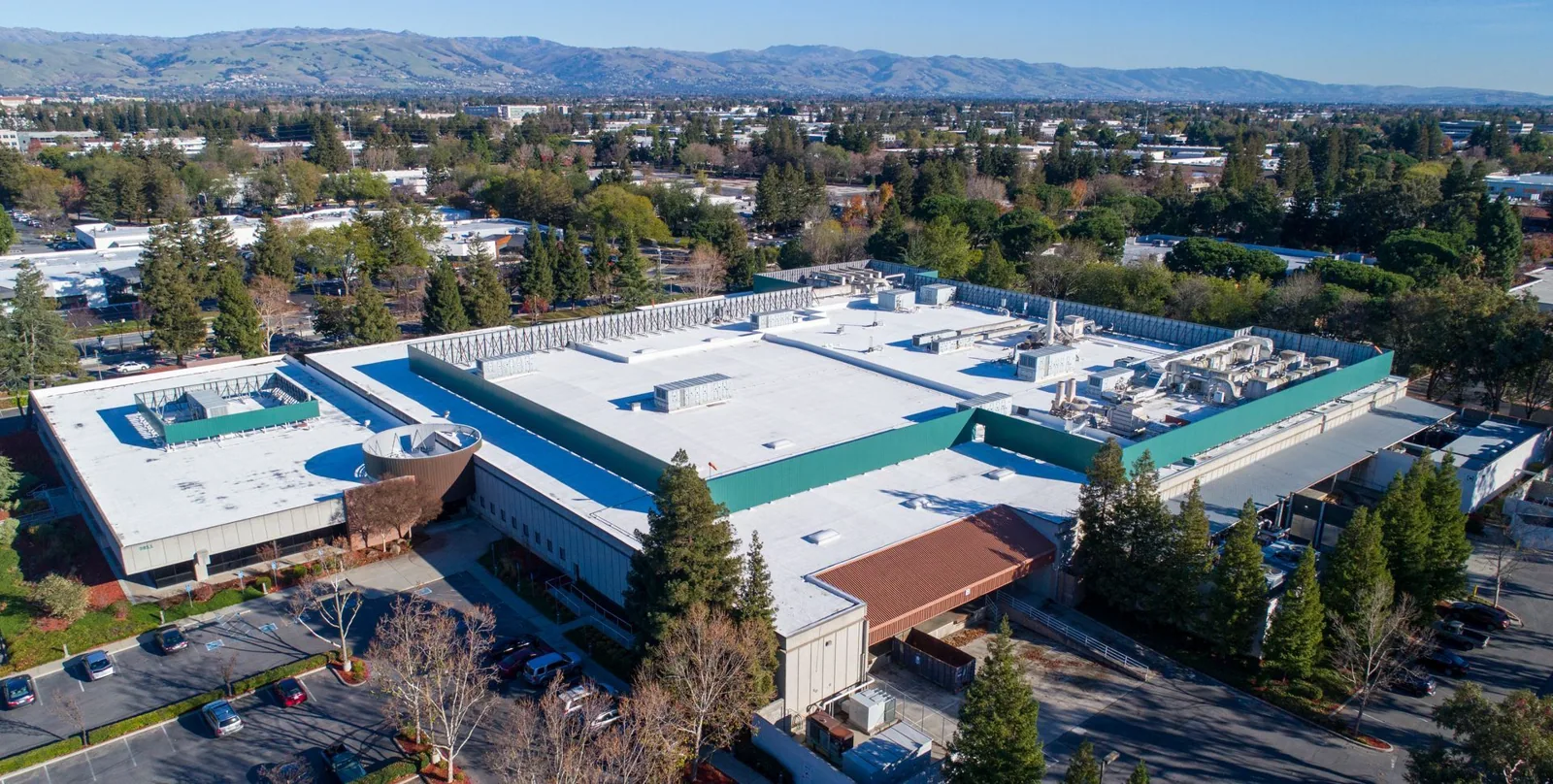
At Conroe Park North, freight and production activity may constrain delivery and work windows. Local planning at Deison Technology Park includes office and research uses alongside life-sciences manufacturing; verify how the individual facility operates and ventilates. Coordinate access, exhaust equipment, sensitive interiors, and staging with the facility contact. Mark coating zones and repair limits so operations know where roof work is happening. If the roof serves an occupied facility, a phased roof-work plan can define daily openings, cure periods, and rain contingencies.
Set preparation and closeout requirements
The coating scope should state surface preparation, repairs, primer, reinforcement, application thickness, cure requirements, and how the finished work will be checked. Recoat can fit when the membrane is sound and the coating remains bonded; widespread moisture, seam movement, or damaged insulation may require selective removal or replacement. A cover-board and insulation assessment can help evaluate the base. A replacement proposal should compare removal and renewal with the recoat scope, including drains, flashing, tie-ins, and concealed conditions. Closeout records actual coating zones, products, application weather, test results, and excluded areas. Note any weather interruption and confirm which areas need a return inspection before the roof reopens to regular foot traffic.
Maintenance after application matters. Keep drains clear, inspect the coating around penetrations and walk paths, and note thin, cracked, or detached areas early. Repeated foot traffic may need a compatible walkway surface. Record the coating date, product, application thickness, repairs, and observed conditions. The property team should know the cure restrictions and any intervals for inspection or cleaning. If the roof's warranty has conditions for maintenance or repair approval, include those before work is scheduled rather than discovering them after a detail fails.
Plan for roof access restrictions during cure. HVAC technicians, delivery crews, and maintenance staff should know when coated zones are off limits and where approved paths remain. If rain is forecast earlier than the product allows, close the work area and reschedule application. Keep a site contact available to coordinate access changes. On completion, walk the work with the property representative, identify repaired transitions, and confirm drains are open and walkways restored. This simple handoff reduces accidental damage while the new surface is still curing. Closeout should show which areas cured as planned and list any conditions that need a return visit. Photographs should pair close detail views with roof-zone context for later comparisons.
Commercial Roofing Questions
Can acrylic coating go over any commercial roof?
No. The existing membrane, coating chemistry, adhesion, moisture, and product requirements must support it. We inspect and test representative areas before proposing application.
What weather is needed to apply acrylic coating?
The surface and forecast must meet the selected product's temperature, moisture, and cure limits. Dew or rain during the wrong part of the application window can compromise the result.
Will a coating fix roof ponding?
A coating does not create slope or correct a blocked outlet. We review drainage and the substrate, then state whether water remains after the coating scope.
How do you check that the coating will bond?
We identify prior layers, prepare sample areas, and perform suitable adhesion checks. Results apply to the tested locations and should not be described as whole-roof verification.
What belongs in an acrylic coating closeout?
Include surface preparation, repairs, primer and coating details, application conditions, photographs, test locations, cure restrictions, and any excluded zones.
Related Roofing Work