Spray Polyurethane Foam Roofing in Conroe, TX
Inspect commercial SPF roofing in Conroe, TX. We check foam, coating, adhesion, drainage, penetrations, moisture, and service paths before repairs.
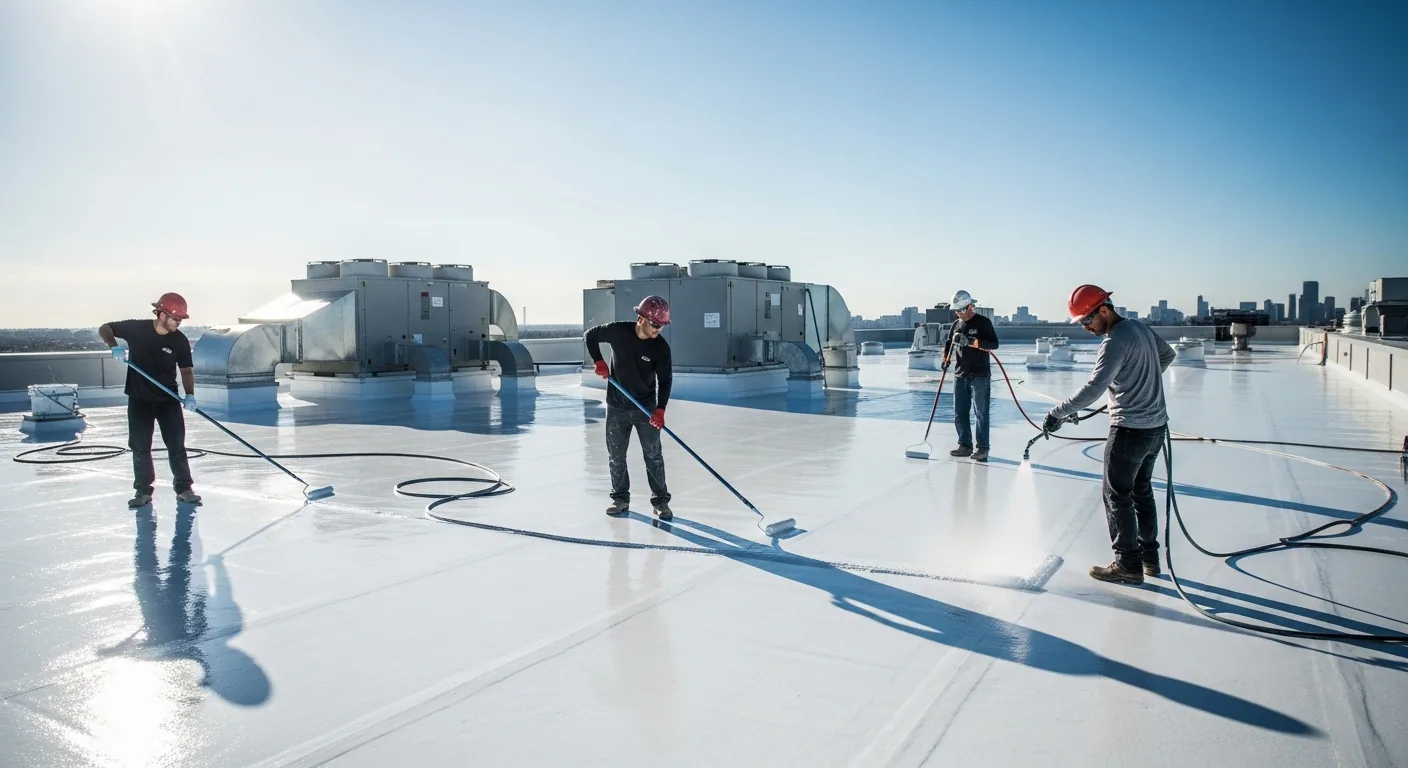
Spray polyurethane foam roofing depends on a continuous foam layer protected by a compatible coating. A leak may start at a puncture, coating split, curb, drain, or place where water has reached the foam. We inspect the surface, coating thickness where records exist, adhesion, drainage, and transitions before deciding whether to patch, recoat, or remove material. Conroe's hot summers and heavy rain make ultraviolet protection and drainage key parts of maintenance. Conroe Park North includes manufacturing, warehousing, freight, and food processing; roof access and interior safeguards should reflect the actual building, not the park label.
Inspect foam and coating together
The foam creates slope and insulation, while the coating shields it from weather and wear. Both layers need evaluation. Look for exposed or crumbling foam, blisters, cracks, erosion, soft areas, and coating that has lost adhesion. A thin or damaged topcoat can let ultraviolet exposure degrade foam; a new coating cannot bond well to a contaminated or wet surface. Confirm the existing coating chemistry where possible, review prior recoats, and test adhesion before specifying the next layer. If moisture has entered the foam, identify the area that must be removed and rebuilt rather than sealing it underneath.
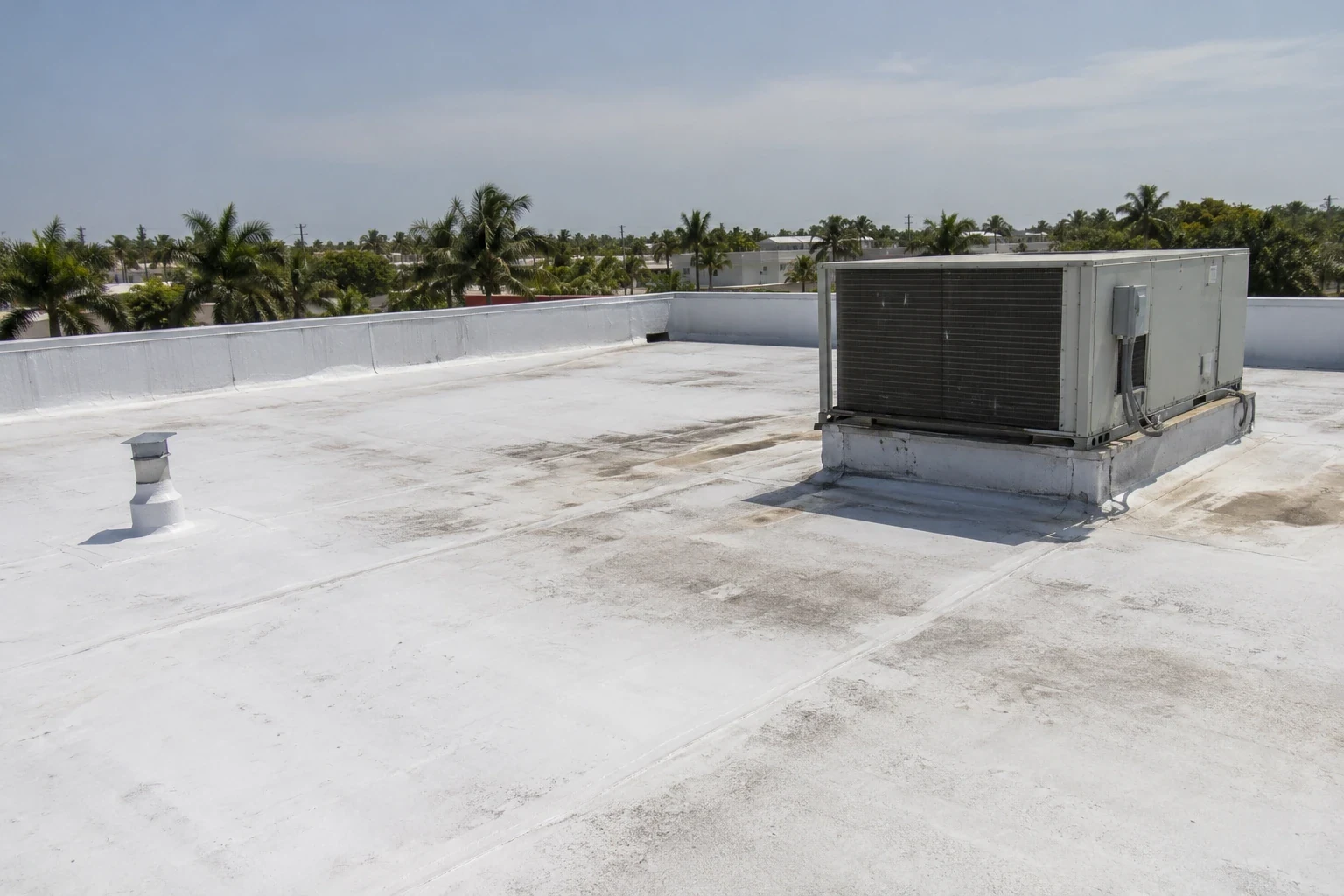
Foot traffic can damage a foam roof even when the coating appears intact from a distance. Confirm service paths to HVAC units and other equipment, then consider walk pads where technicians repeatedly cross the assembly. Make sure any protection is compatible with the coating and does not redirect water toward a seam or drain. Maintenance records should list coating dates, products, repairs, and any sampled areas. This history helps compare recoat options and identify whether recurring damage follows the same access route.
Check transitions around penetrations
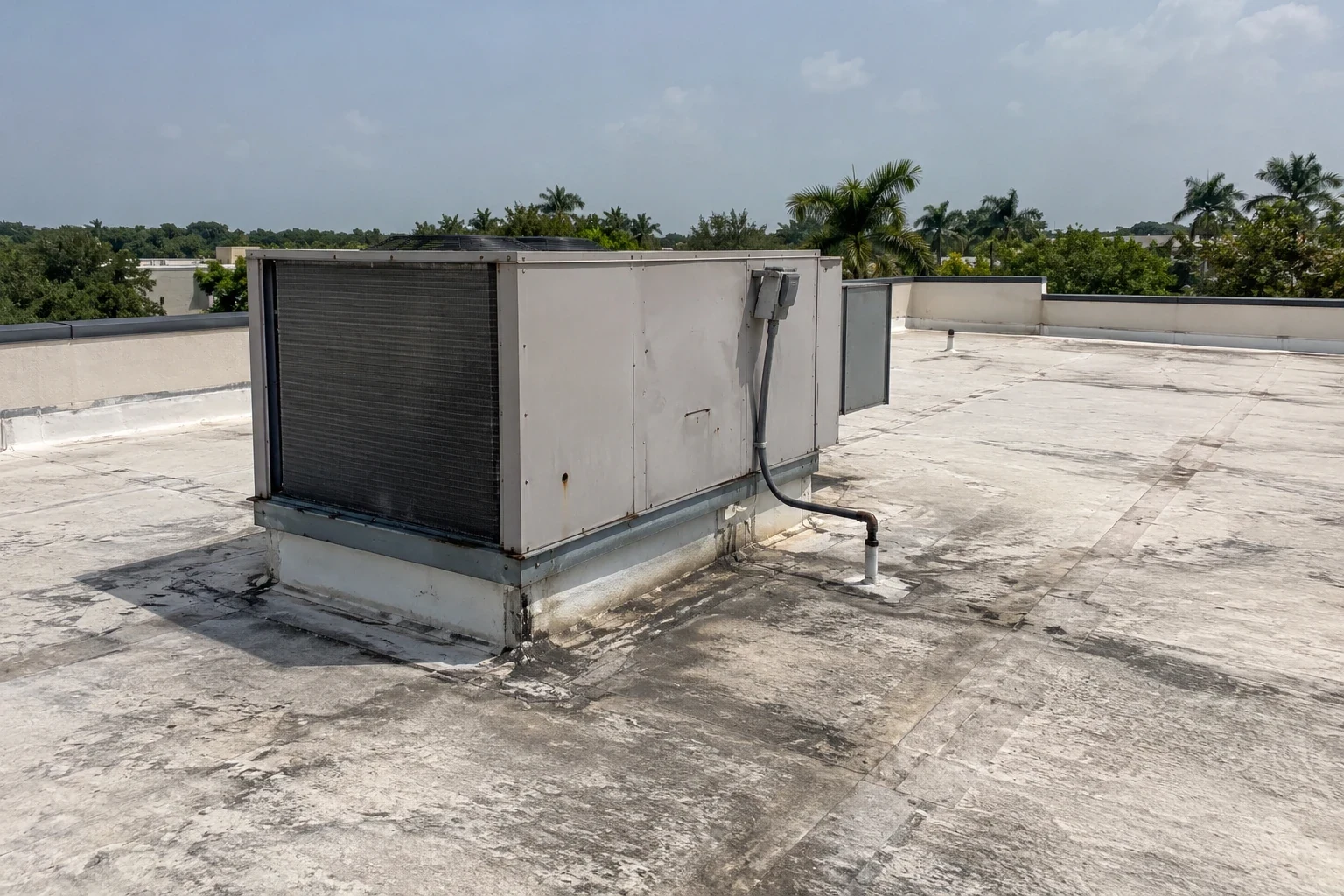
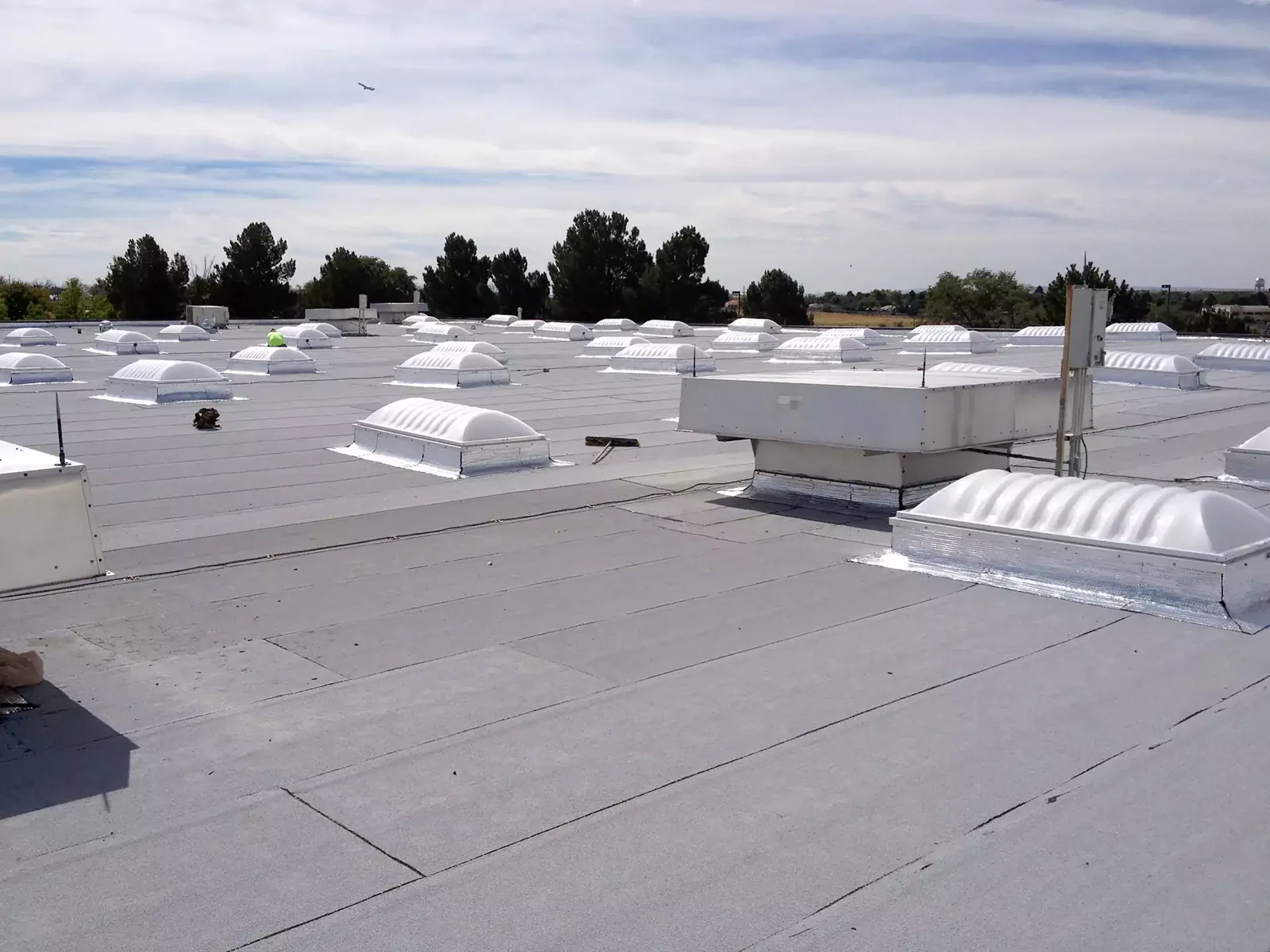
At a penetration, curb, roof edge, or equipment support, check whether foam and coating form a continuous transition. A commercial roof inspection can document representative details. These details can crack as equipment vibrates or as the assembly moves. Drain bowls and scuppers need clean flow and a sound tie-in to the coating. A small opening at the drain can direct water beneath the foam; a surface coating around the bowl may not correct the connection. Compare interior moisture reports with roof slopes and the route water could follow. A drain and scupper inspection can confirm outlet performance, while the foam detail needs its own repair.
Trace water and verify concealed layers
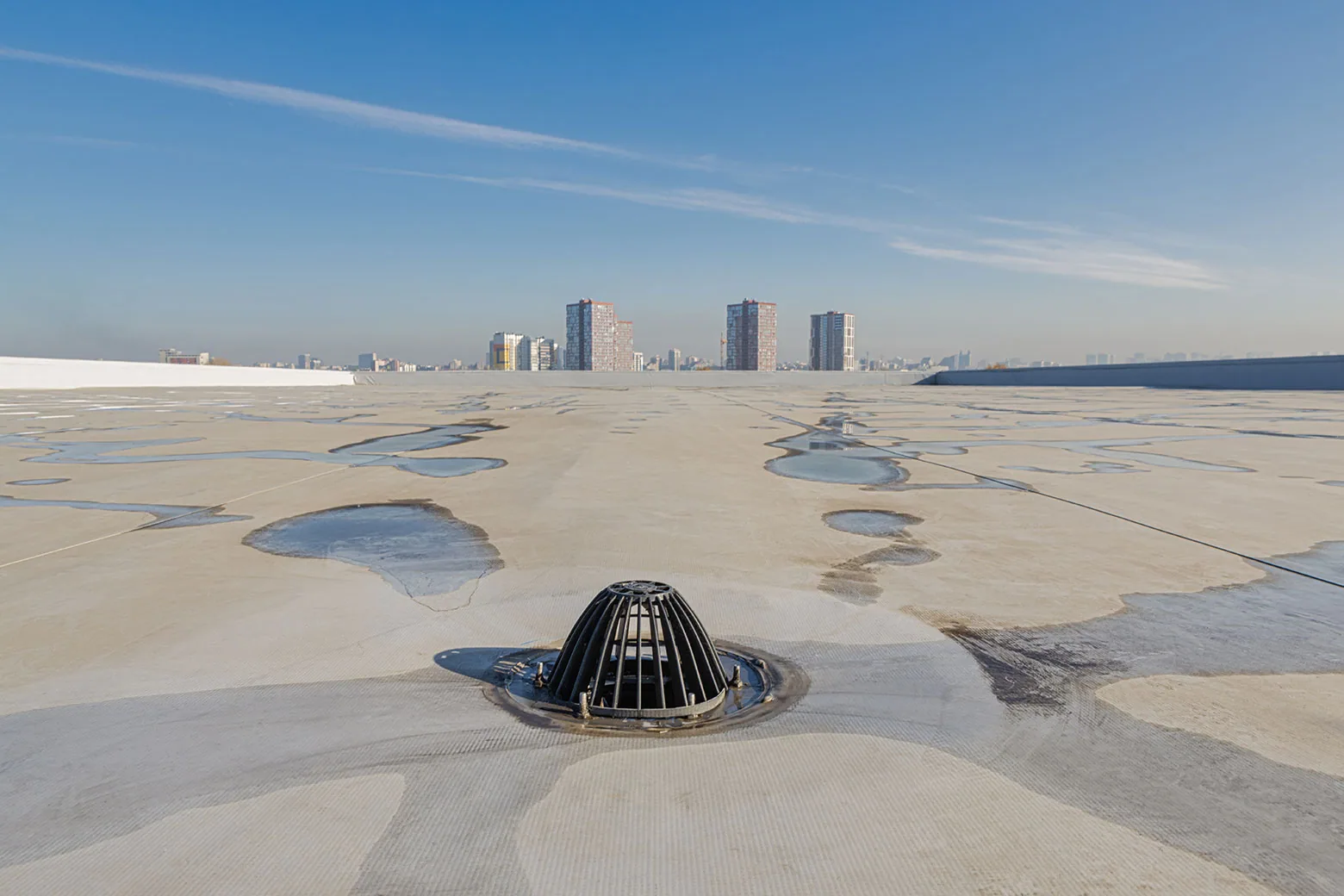
Ponding can expose weak coating and create longer wet periods, but standing water does not by itself prove the foam has failed. We check whether slope remains consistent, whether a drain or overflow is blocked, and whether substrate movement has created a low point. If coating adhesion is questionable, a test area can show how the existing layer responds to preparation. When moisture testing or a core is needed, target a location that answers whether foam remains dry and bonded. A cover-board and insulation review can clarify concealed layers. Record sample boundaries and do not generalize a small test to the entire roof. The repair boundary should follow confirmed conditions and the intended coating system.
Conroe's recorded October 1997 tornado tracks crossed the city and passed near Cut and Shoot. When a facility reports severe weather, examine foam for fresh punctures, coating splits, and changes at equipment flashings. The roof itself must show the damage before a storm scope is assigned. The July and August normal highs at Houston Intercontinental approach 95 degrees; surface temperatures at the job can be higher or lower, so the coating manufacturer's limits and actual conditions control. Avoid application over dew, wet foam, or a surface outside the product window. Protect opened areas if weather delays the work.
Respond to storm conditions carefully
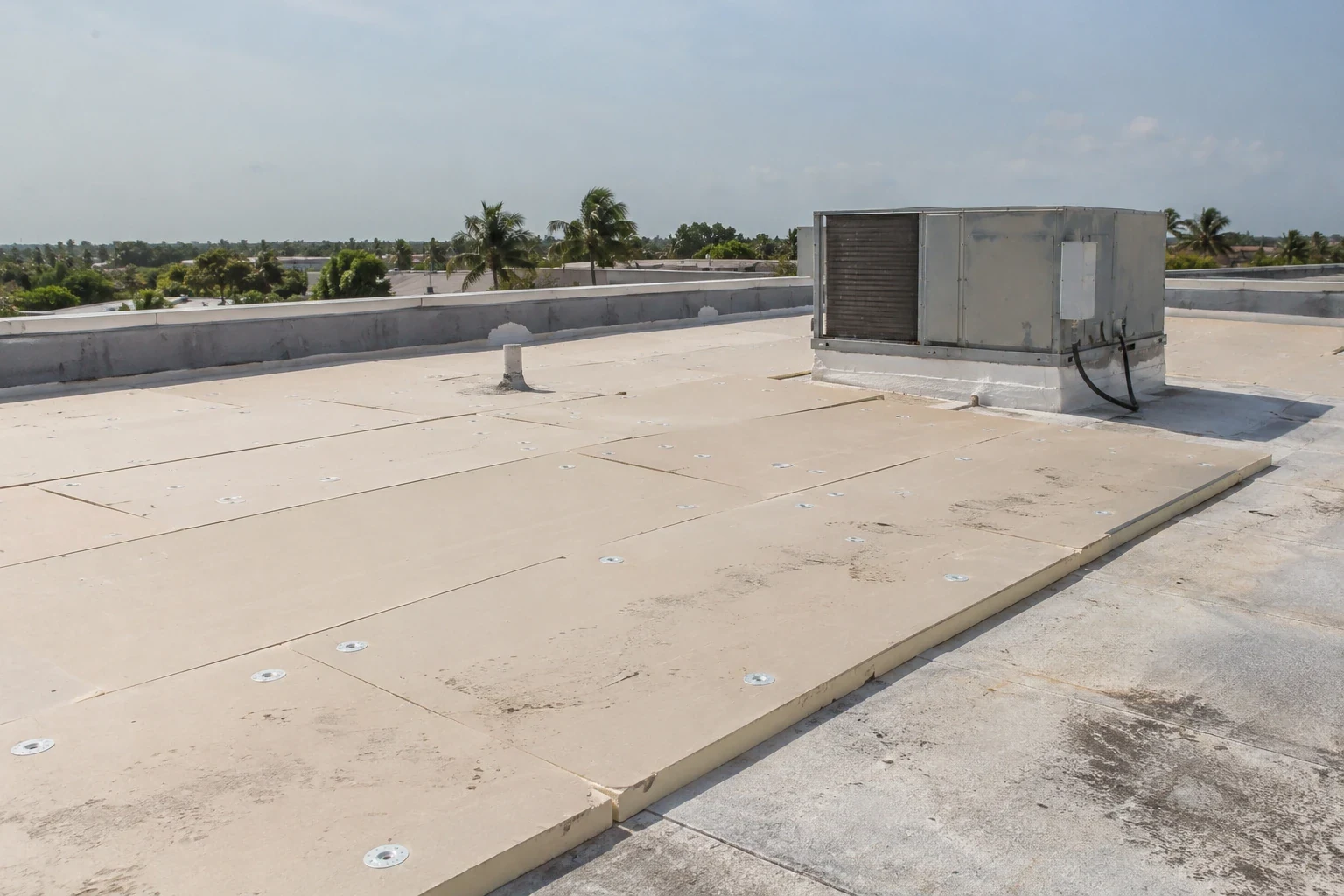
Repair starts with removing unsound coating and damaged foam until the remaining substrate is stable. Rebuild the foam profile, restore a continuous protective layer, and reinforce details as the system requires. Not every coating can be placed over every existing coating. A silicone coating system and an acrylic coating system have different characteristics and installation conditions. Confirm compatibility, adhesion, moisture, and drainage before choosing one. A roof condition report can document the tested areas and establish a maintenance baseline.
Repair foam and match compatible coatings
At Deison Technology Park, office, research, and life-sciences manufacturing are part of the surrounding context. Conroe Park North has a different commercial mix that includes logistics and production. Verify current operations, access routes, rooftop equipment, and interior-sensitive areas directly with the property. Foam and coating work may produce odors or require controlled access; coordinate ventilation and occupied spaces before application. Define where materials will be staged and how technicians will protect equipment and keep drains open. Work can be phased by roof zone when operations need a smaller daily work area.
A repair may address an isolated puncture or delaminated patch if surrounding foam is dry and firmly attached. Recoat may suit a coating that is worn but still bonded and over suitable foam. Broader removal is more appropriate when moisture, erosion, or adhesion failure extends through multiple zones. Compare scopes by how much foam is removed, the transition details rebuilt, the coating system and thickness, drainage work, and warranty requirements. A replacement scope should make clear whether the existing foam remains or is removed. The owner needs a closeout map of repairs, coating areas, photographs, moisture tests, and future inspection timing.
Coordinate access and occupied areas
When considering a new coating, confirm the roof's maintenance and warranty requirements before selecting a product. Review coating thickness, primer needs, fabric reinforcement, and cure time for the actual surface. A coating inspection should include adhesion checks at representative zones, not only a visual walk. Look closely at shaded areas, the edges of prior patches, and around equipment where water and foot traffic may differ. Mark areas where foam is exposed and protect them until repair; avoid placing a temporary material that traps moisture or interferes with later preparation. If testing finds separated foam, remove enough material to rebuild a stable transition rather than bridging the weak area. Confirm shutdown windows, rooftop access permissions, and where removed coating or foam will be contained. The site contact should know when the work zone is ready for service technicians to re-enter.
Choose the scope and preserve a useful record
A coating warranty does not eliminate the need for periodic inspection. Check for new splits, exposed foam, ponding, and changes around penetrations after severe weather. Correct small defects early, and keep roof drains accessible throughout the year.
After work, record coating product, coverage area, repair locations, test method, and weather conditions during application. These details make the next maintenance comparison more useful.
Commercial Roofing Questions
Can you coat over an existing SPF roof?
Possibly, if the foam is dry and sound, the existing coating can be prepared, and the new product is compatible. We inspect and test representative areas first.
How do you find moisture in foam roofing?
We compare visible coating damage with interior reports and use suitable testing or controlled openings where results could change the repair boundary.
Does ponding automatically require SPF replacement?
No. We check slope, outlet function, coating condition, foam adhesion, and moisture before defining whether drainage correction, repair, or replacement is needed.
What is the difference between silicone and acrylic coating?
They have different application conditions and performance characteristics. The existing coating, drainage, surface preparation, and project requirements determine which system is suitable.
What should SPF repair closeout document?
Record the roof zone, foam removed or rebuilt, coating product and coverage, photographs, test results, application conditions, and areas that remain unverified.
Related Roofing Work