Commercial Roofing in Porter, TX
Commercial roofing in Porter, TX for repair, inspections, and replacement. We check leaks, drainage, material compatibility, and access before work.
Commercial roof work in Porter starts with a field check of the membrane or panels, drainage path, edge details, and access route. Porter is part of the East Montgomery County Improvement District area, and Commerce Park of Porter is identified among development opportunities along I-69/US 59 and FM 1314. That corridor brings commercial sites with different operating schedules and delivery needs. We inspect each building, trace the water path, and confirm the roof assembly before setting repair limits. The result should tell the property contact what needs attention now, how the work will be staged, and which condition needs another look after the next rain.
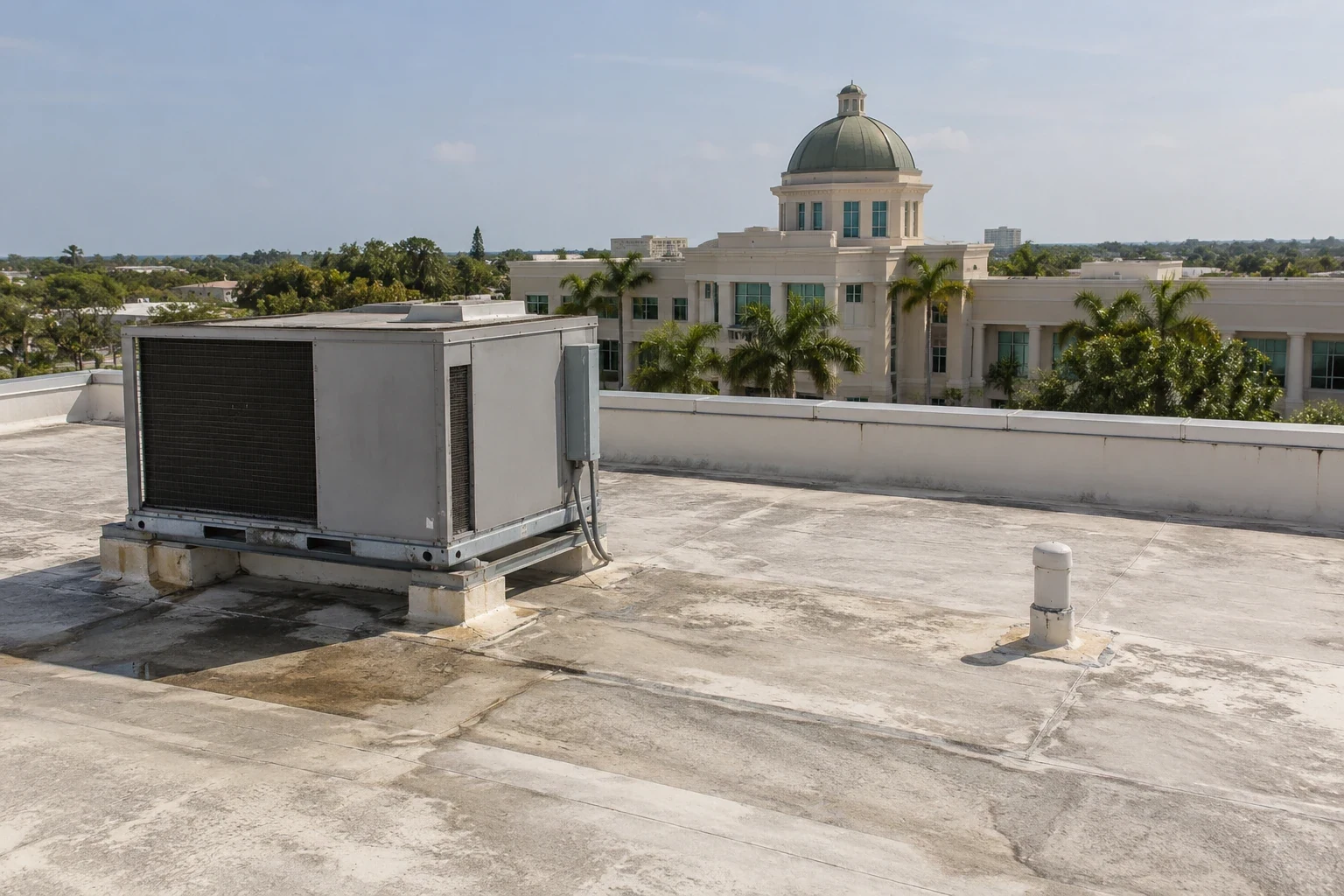
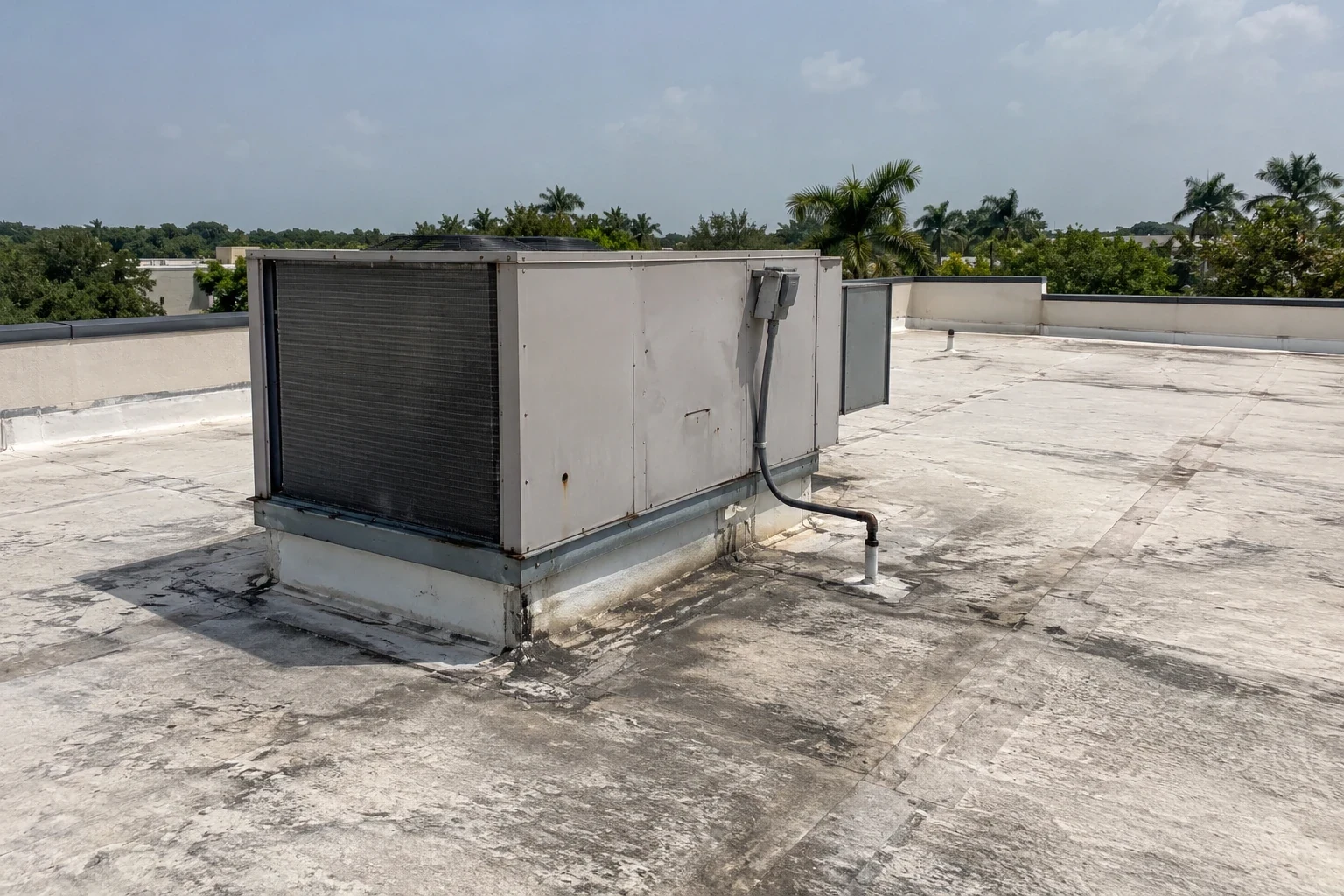
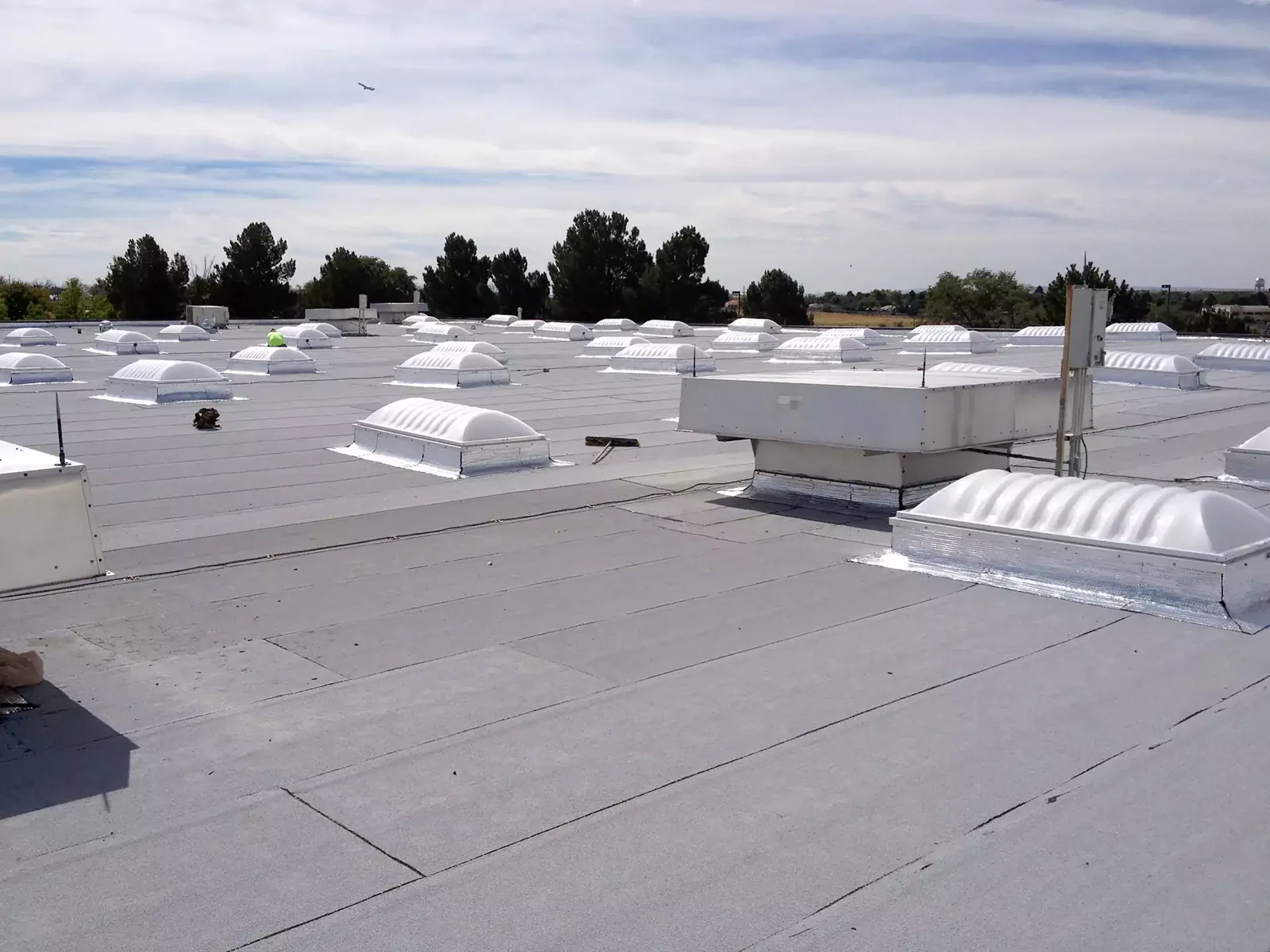
A roof visit should answer practical questions: where does water enter, how much material is affected, and what must stay accessible during work? We review seams, penetrations, curbs, edges, outlets, and prior patches, then coordinate deliveries and lift placement with the property contact. For a property with work near Porter, commercial roofing in New Caney and roof service in Roman Forest also begin with the actual assembly, access route, and operating limits at the building.
Set Access Around the Property’s Route
I-69/US 59 and FM 1314 are part of the area’s commercial framework. Commerce Park of Porter is a development opportunity along I-69/US 59 and FM 1314. A roofing crew still needs the property’s approved entrance, delivery route, and staging details before mobilizing. We confirm which entrance is approved, when deliveries can arrive, where debris can be removed, and whether the work would cross a truck or customer route.
A property may have one roof access point or several; we verify the actual layout before planning a lift. The building contact also identifies rooms or equipment that need protection, shutdown coordination, or a quieter work period. If the roof permits safe divisions, an occupied-building reroof sequence can keep a portion secure while another zone is addressed. We agree on the next tie-in before the first membrane section is opened.
Separate a Roof Defect from an Interior Symptom
A leak report marks the visible effect. The point where water enters may be farther along the roof slope, at a wall junction, beside equipment, or around a drain. We inspect the path from the interior report to nearby roof details and check for open laps, punctures, loose flashing, split sealant, and older patches that have lost adhesion. If water could be tracking between layers, we explain whether testing would reduce uncertainty.
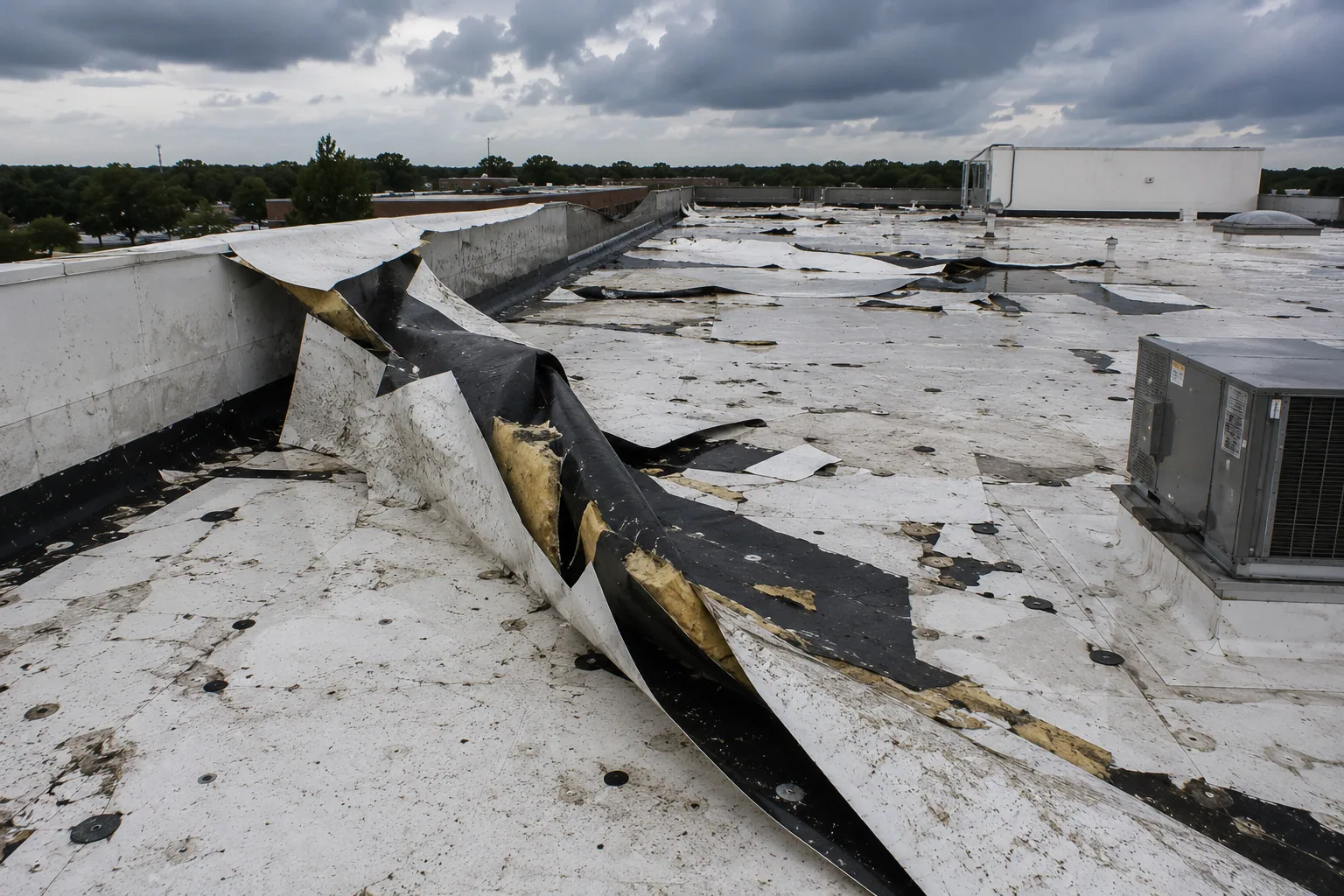
The roof system determines the repair material. We identify the membrane or panel, attachment, insulation, and deck where visible, then check whether an earlier patch or coating changes the surface preparation. The repair method follows that material check: a weld, adhesive, flashing replacement, or mechanical detail may be appropriate depending on the assembly. A commercial roof inspection records confirmed defects and boundaries, so a proposal does not turn a ceiling stain into an unsupported full-roof diagnosis.
Check the Roof Against Heat and Rain Exposure
July and August bring high regional heat: Houston Intercontinental’s normal daily highs are 94.5°F and 94.9°F for those months, respectively. Those July and August normals show sustained regional heat exposure. On the roof, we check movement at seams and fasteners, loose edge metal, and flashing that has pulled away from a curb or wall. A repair has to match both the roof’s material and the condition of the surface underneath.
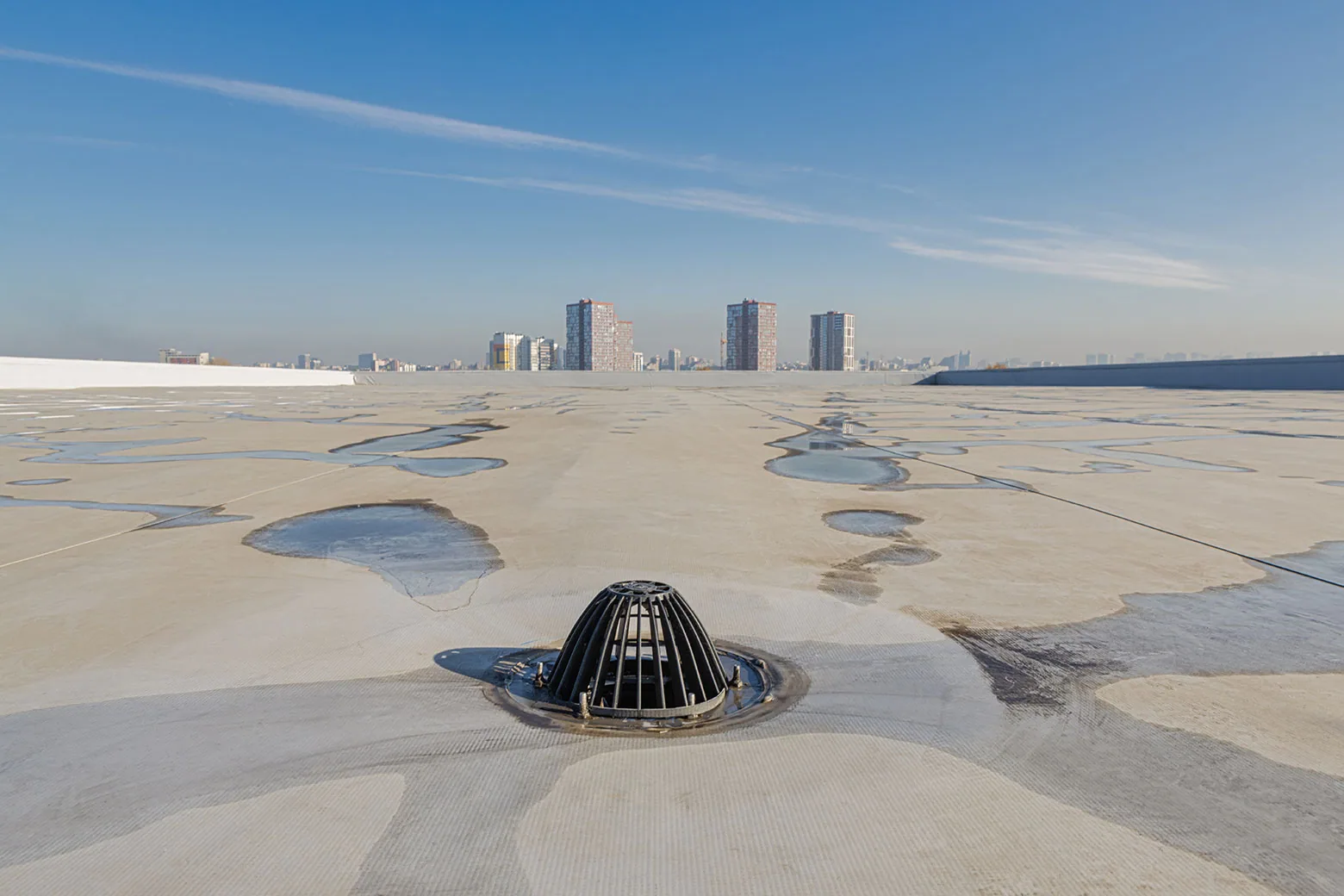
Rain moves across the roof toward drains, scuppers, or perimeter outlets. We check whether strainers are clear, whether the bowl connection is sound, and whether low areas remain wet after adjacent sections clear. An obstruction and a slope or insulation issue can leave similar standing water, but they call for different work. We trace the actual flow before recommending correction. If drainage is the reported problem, drain and scupper service can address outlet conditions. For a leak at a transition, we inspect flashing and membrane separately.
Choose a Scope That Protects Sound Material
A local correction works when damage is limited and the surrounding roof can accept a durable tie-in. We look for sound membrane, dry substrate, stable attachment, and a detail that can be closed without leaving an exposed edge. When failures repeat, moisture spreads, or metal edges loosen across several sections, we expand the investigation before sizing the repair.
Before recommending another layer, we evaluate the existing assembly, attachment, drain elevations, deck support, and perimeter transitions. If a concealed layer is wet or the deck is compromised, covering it can make the next failure harder to reach. Selective removal or a test opening can clarify the condition. Tear-off exposes more of the assembly but adds removal, debris, and interior-protection needs. A commercial roof repair fits contained damage; replacement belongs in the discussion when the condition extends beyond a repairable area.
Coordinate Dry-In with the Forecast
Roof work needs a window that lets the crew prepare the surface, complete a compatible repair, and secure the work area before leaving. We identify what can be opened in one shift and how temporary protection will be maintained if conditions change. The property contact should know who can approve additional removal if a test exposes wet insulation or damaged deck.
When a leak is active, temporary water control can protect the interior while the roof dries enough for a lasting fix. Those are separate stages. Emergency roof response can make the site safe, limit further entry, and define what the permanent inspection needs to confirm. If rain approaches during scheduled work, the open section is reduced, secured, or postponed. We do not leave a roof dependent on a forecast staying clear.
Make the Findings Useful for Maintenance
The property contact receives a record of the roof area inspected, defects found, work completed, and any limits. Photographs should show enough context to relocate each drain, seam, curb, or wall detail. If testing did not reach a concealed layer, the report says so. A later service call can then compare the same locations and determine whether a known condition changed.
A maintenance visit should leave the property contact with a dated roof-zone record, completed work, access limits, and the next item to inspect. Roof condition reporting can organize immediate corrections and future review items, while keeping assumptions out of the record. A useful closeout leaves the owner with a clear boundary, an approved next action, and an explanation of what evidence would change the recommendation.
Commercial Roofing Questions
Is Porter an incorporated city?
The district lists Porter within its Montgomery County community area, but roof work is still planned around each property’s specific access and operating controls.
What should the property contact provide before a roof visit?
Share the approved entrance, delivery hours, roof access point, affected interior area, and any work or loading window that must remain clear. We confirm the route and inspection boundary before mobilizing.
How do you work around traffic and deliveries in Porter?
We confirm the approved entrance, receiving hours, staging location, lift route, and debris removal plan with the property contact. The schedule follows those site conditions.
Can an interior ceiling stain show where a roof is leaking?
It shows where water became visible, but not always where it entered. We trace the roof above and around the report and inspect seams, transitions, penetrations, and drainage.
What would justify a full replacement instead of a repair?
A replacement discussion may be warranted when failures cover several areas, moisture is widespread, or the assembly can no longer support reliable local repairs. We document the evidence before recommending that scope.
Related Roofing Work