Commercial Roofing in Tomball, TX
Commercial roofing in Tomball, TX for leak repair, inspections, and replacement. We check membrane details, drainage, access, and work timing.
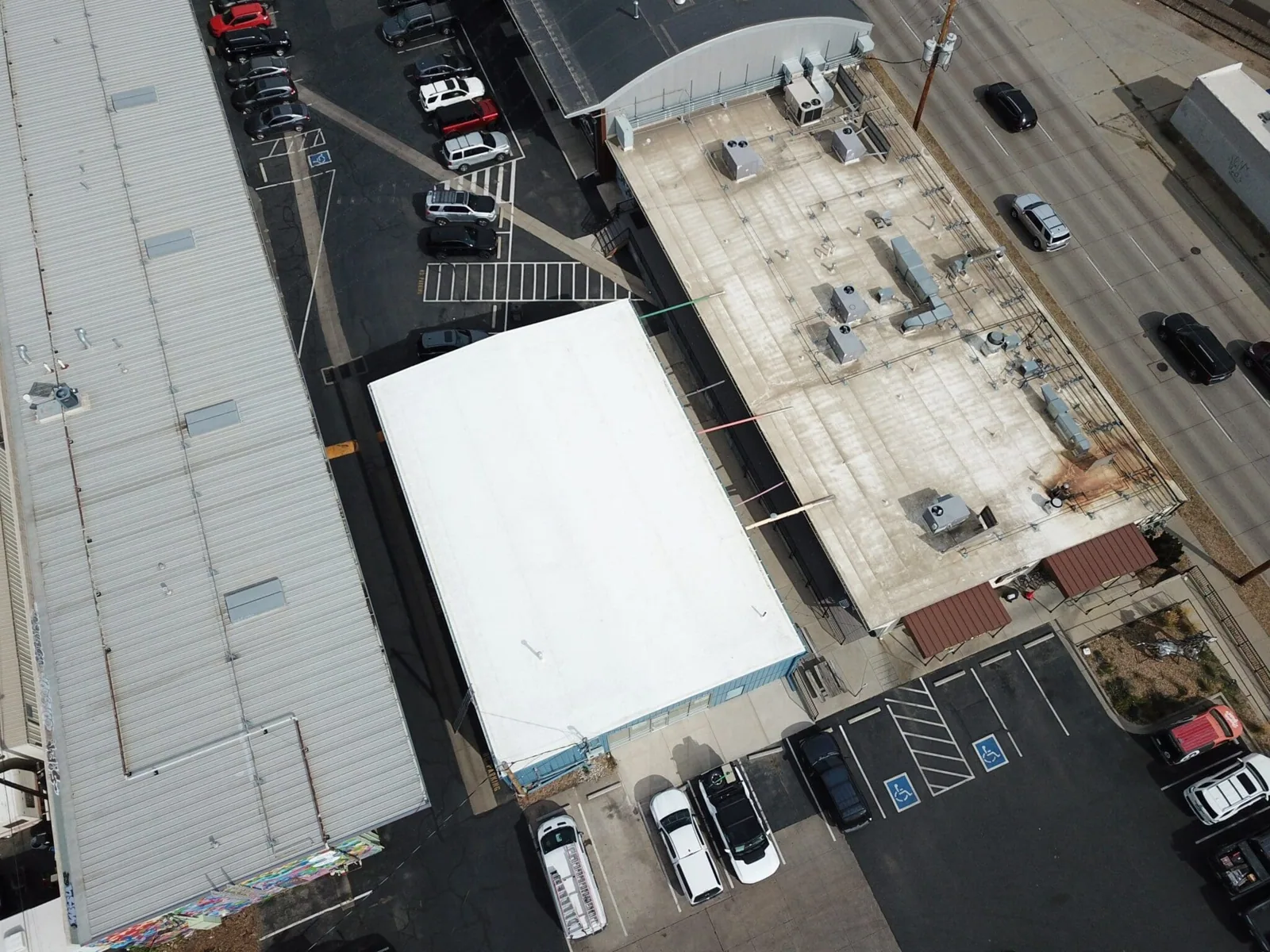
Commercial roof work in Tomball may range from a leak repair to a reroof coordinated around employees, customers, deliveries, and equipment. Tomball has more than 1,500 businesses and nearly 14,000 employees across education, healthcare, manufacturing, retail, and technology. That mix describes the local economy; it does not tell us what membrane or deck sits above any particular business. We begin with the actual roof: identify the assembly, trace drainage, check seams and penetrations, and ask what the property needs to keep operating while work is underway.
Tomball sits along SH 249 with connections to the Grand Parkway and Beltway 8, while SH 2920 links east-west travel toward I-45 and SH 290. Access routes can shape how a crew schedules deliveries and lift placement. They do not determine roof condition. For comparison, our Tomball Business and Technology Park roof service and Interchange 249 commercial roof planning also start from a property-level inspection.
Plan Roof Work Around the Business Day
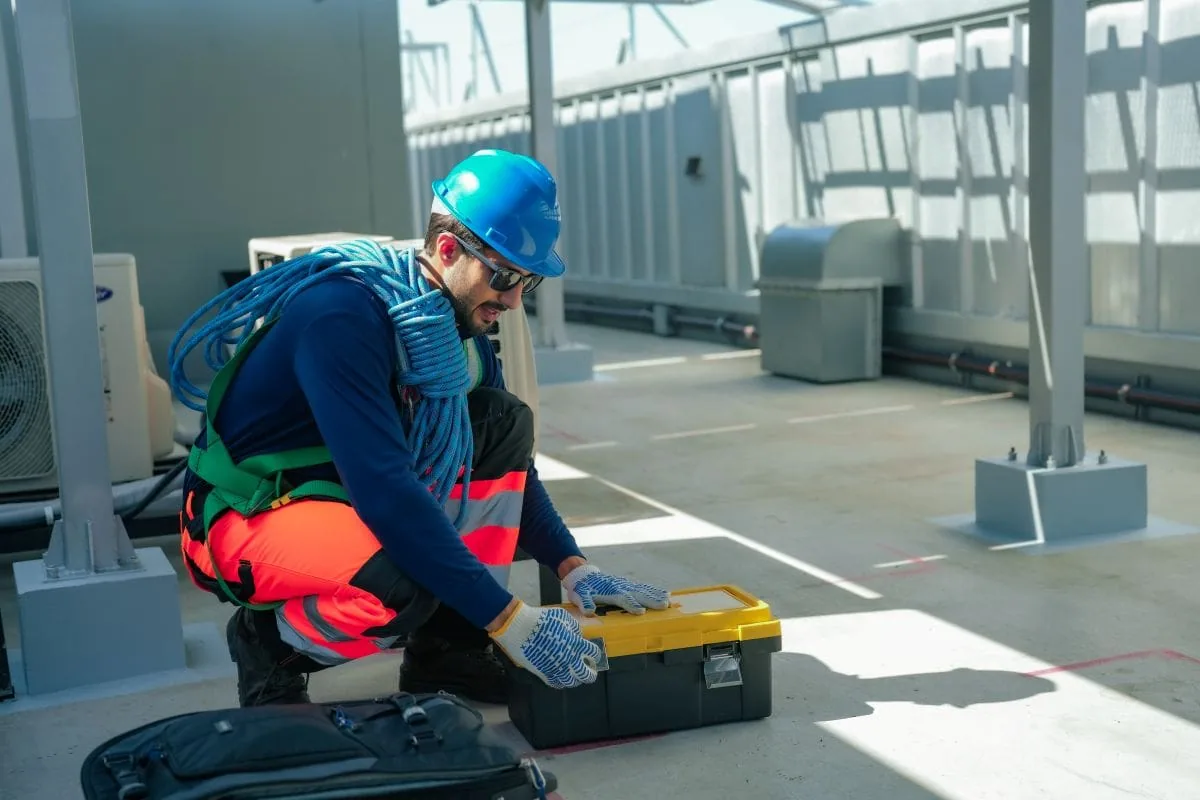
Before setting a start date, we ask which doors and loading points must stay open, what hours allow noisy work, and where a lift or material delivery can be staged without blocking customers or staff. A healthcare operator may have different interior-protection needs from a shop or a manufacturing floor, but we do not assume any particular building has a specific use. The site contact defines access and shutdown limits; our roof walk defines the work zone.
SH 249, the Grand Parkway, Beltway 8, and SH 2920 give Tomball businesses several regional connections. For a roof project, the useful question is how those roads meet the property’s own entrance, delivery schedule, and approved staging area. We confirm the route before equipment arrives. If material cannot be unloaded while a receiving area is active, we set another window rather than improvising around moving vehicles. An occupied-building reroof plan can divide a larger scope when the roof has safe tie-in points and the daily closeout sequence is practical.
Find the Entry Point, Not Just the Stain
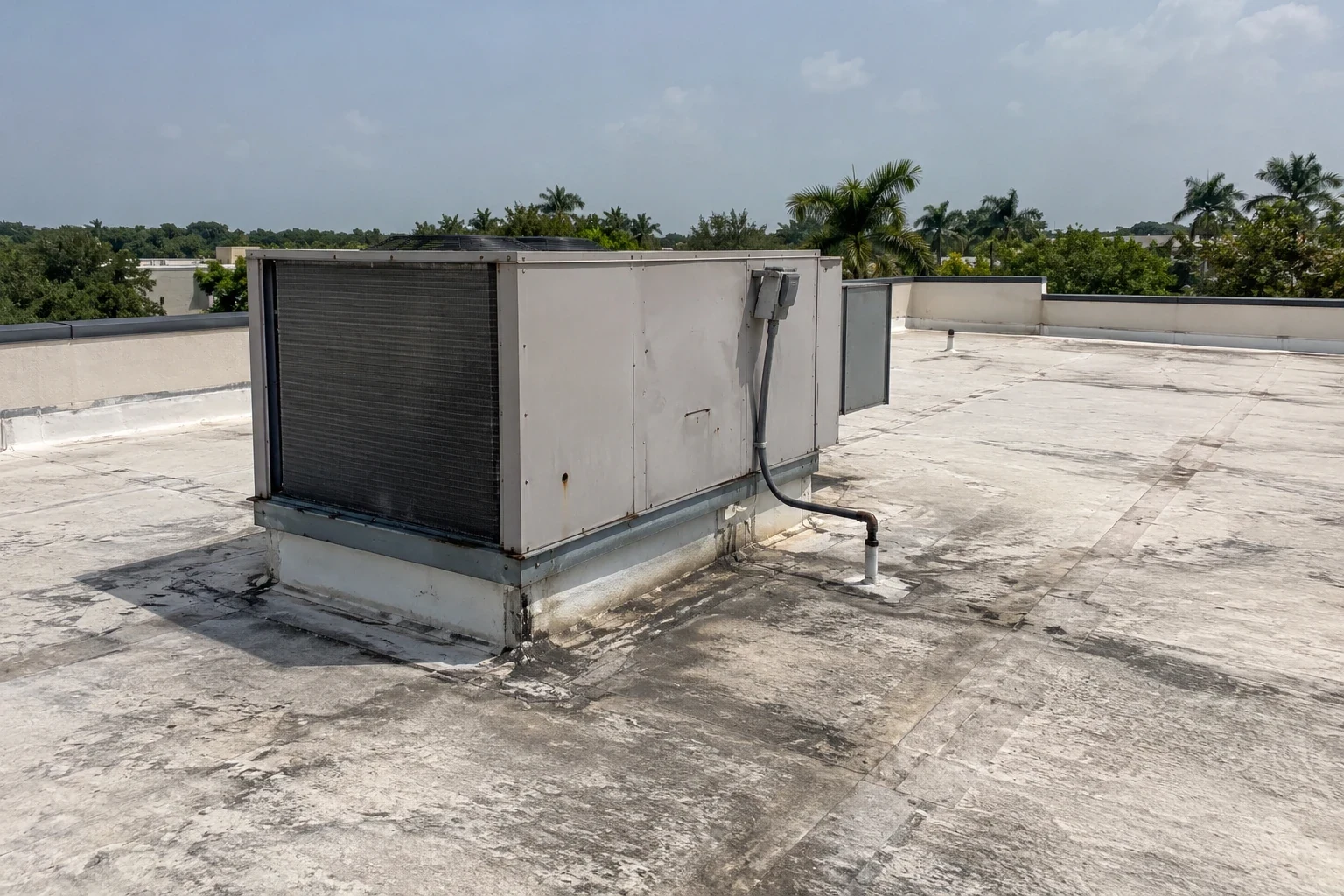
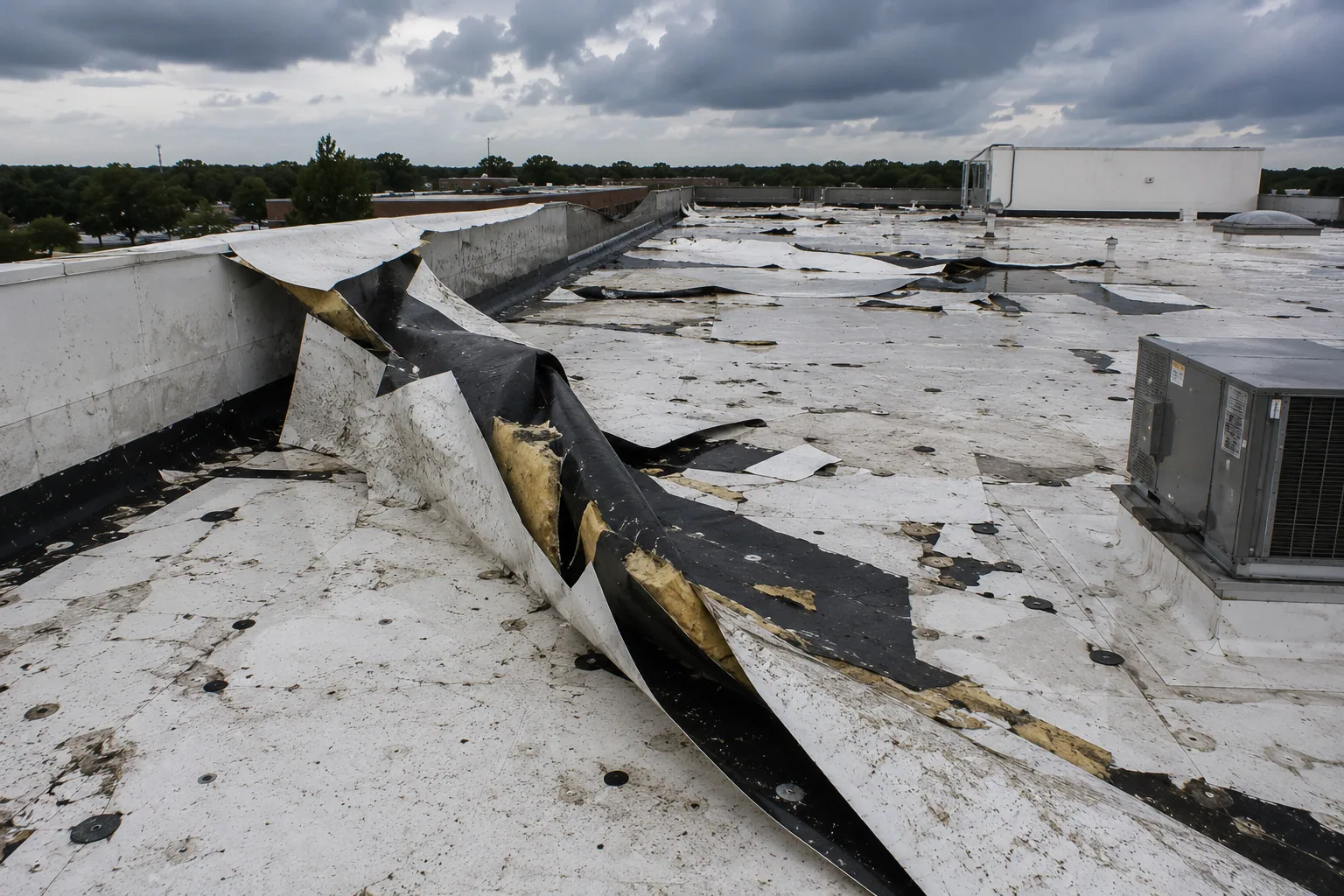
A ceiling mark tells us where water became visible, not necessarily where it entered. Moisture can travel along a deck or framing member before it reaches the interior. We inspect above and around the report, following membrane seams, wall transitions, curb bases, pipe penetrations, skylights, and drainage outlets. We look for lifted laps, punctures, failed sealant, displaced metal, and older patches that no longer bond to the surrounding surface. If the water path remains uncertain, we explain what test or limited opening could resolve it.
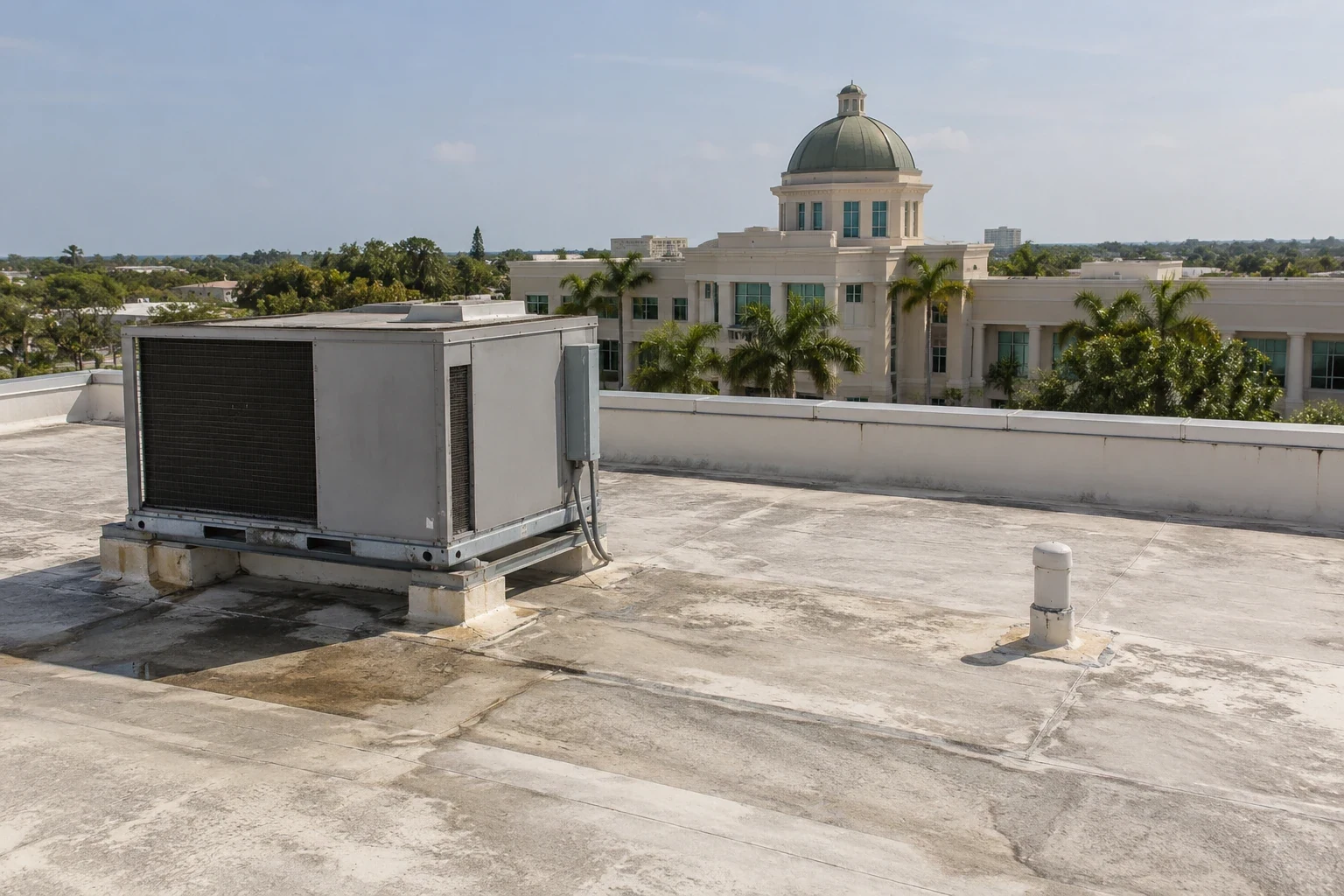
For a city with varied employers, clear records help owners separate an active leak from a deferred capital concern. We identify the roof material and attachment before choosing a repair product. If the area has wet insulation or unstable substrate, a surface patch may not hold. A commercial roof inspection records which details were observed, what remains concealed, and whether additional testing could change the recommendation. We tie the findings to roof zones instead of describing the problem only by the room below.
Check Seams and Drainage Before the Next Storm
Nearby IAH normals put July’s typical high at 94.5°F and August’s at 94.9°F. These figures help frame regional heat in the Conroe market, not the surface temperature of a Tomball roof. Heat movement can work at seams, fasteners, curb corners, and metal transitions. We inspect whether the installed membrane remains secure and whether previous repair material is compatible with it.
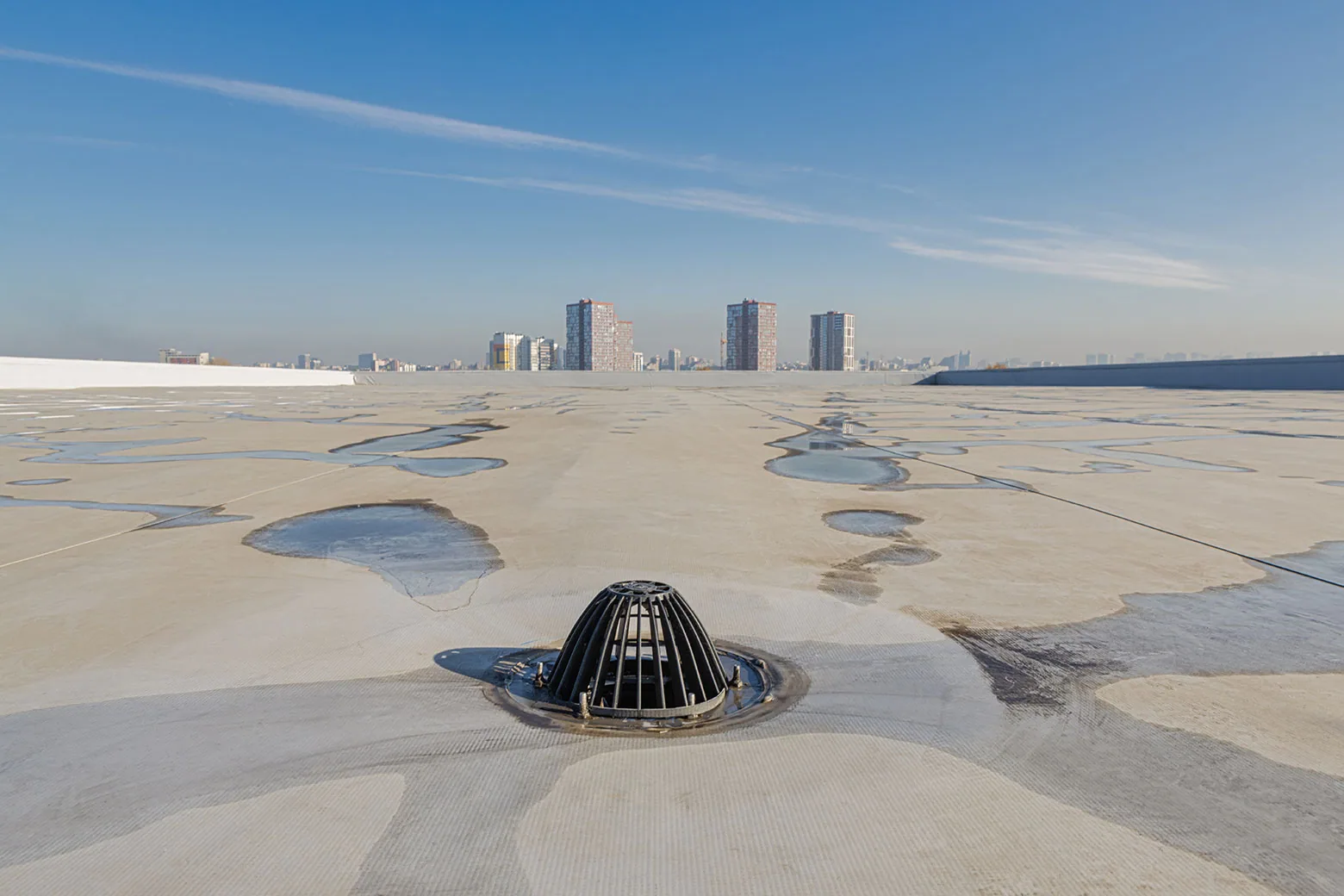
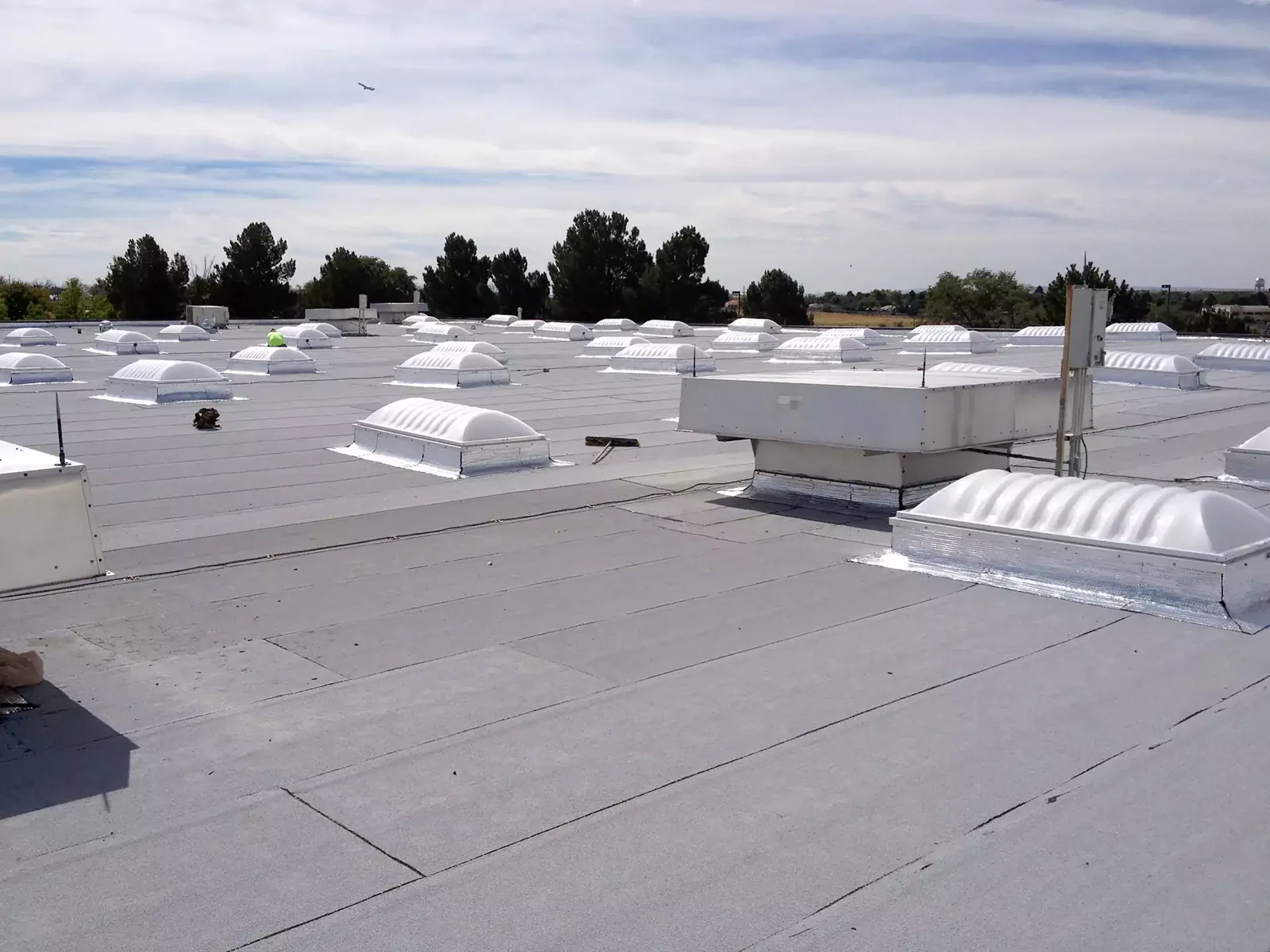
Rain tests the entire drainage route. We check strainers, drain bowls, scuppers, overflow paths, and low places where water remains after adjacent roof areas clear. A blocked outlet may be maintenance; recurring ponding may call for further evaluation of slope, insulation, or deck. Wind-driven rain can expose a weak curb or wall transition even when the center of a roof looks sound. We separate those causes before recommending a repair. For an outlet-focused issue, commercial roof drain and scupper service checks the restriction and its connection to the roof’s drainage route.
Match the Repair to the Roof Assembly
A local repair can make sense when the defect is limited, adjacent membrane is sound, and the substrate is dry enough for a reliable tie-in. We expand the scope if inspection shows related openings, saturated insulation, failing edge metal, or deterioration along a larger seam. The estimate should state what is confirmed, what is outside the repair boundary, and which concealed conditions would require approval before additional removal.
Before adding a new roof layer, we verify moisture, attachment, deck support, outlet elevations, edge details, and equipment clearances. If those checks leave uncertainty, a test or selective removal can answer the question before an overlay is considered. Tear-off adds debris handling and interior-protection work but exposes concealed layers. We compare that disruption with the assembly found and the building’s operating needs. A commercial roof repair may address a contained failure; a replacement plan is appropriate when broader renewal is supported by inspection.
Set a Dry-In and Closeout Sequence
Work timing depends on roof condition, material requirements, forecast, and access. We agree on the area to open and the temporary protection before cutting or lifting the existing assembly. The crew should only expose the section it can make watertight within the planned shift. If weather changes, the opening is secured or the task is rescheduled. This matters around active business entrances, equipment, and interior spaces that cannot absorb water or debris.
When a leak is active, the immediate objective is to limit interior damage and make the roof safe to inspect. That temporary response is not the same as a permanent repair. After the roof dries, we verify the assembly and document the area that needs a lasting fix. For active water entry, emergency roof service stabilizes the area and helps define the permanent correction. For a longer project, the schedule should name material deliveries, lift access, occupant notice, and daily closeout so the owner knows when the roof will be secure.
Leave the Owner with a Useful Roof Record
At the end of a repair or inspection, the property contact should know what the crew saw, where work occurred, which material was used, and what remains outside the completed scope. Photographs need location context; a close-up without a roof reference can be hard to use later. If a test opening finds wet insulation or deck damage, the record should state the observed extent and what was authorized before removal continued.
That record helps Tomball businesses compare service calls and plan capital work without treating every roof as if it shared one condition. We can list urgent water-control measures separately from items to monitor or budget. An owner evaluating several facilities can use the same inspection questions while keeping findings tied to each property. For ongoing review, roof condition reporting organizes observations and recommended next steps. The useful outcome is a clear repair boundary, a sound closeout, and an explanation of what evidence would change the next decision.
Commercial Roofing Questions
How do you schedule a commercial roof repair in Tomball?
We confirm the property’s access hours, delivery activity, roof route, and interior-protection needs, then choose a weather window that supports a secure closeout. The exact sequence depends on the roof and the building’s operating limits.
Does Tomball’s employer mix tell you what roof system a building has?
No. Local industries do not identify the membrane, attachment, insulation, or deck on a specific property. We inspect the assembly before selecting a compatible repair material.
What is the first step when a leak appears inside?
Protect affected contents and note where and when water appeared. We inspect the roof above and around that area, trace nearby details and drainage, then explain whether more testing is needed.
Can a roof be repaired without disrupting deliveries?
Often the work can be planned around receiving hours, but that depends on safe staging and lift access. We confirm the route and work window with the property contact before materials arrive.
When should we compare repair with replacement?
Compare the options when defects recur, moisture extends beyond one detail, or perimeter and field conditions show broader wear. We document what is confirmed and what testing could change the scope before recommending renewal.
Related Roofing Work