Commercial Cool Roof Installation in Conroe, TX
Install a reflective commercial roof in Conroe, TX after checking membrane condition, moisture, drainage, and coating compatibility for local heat.
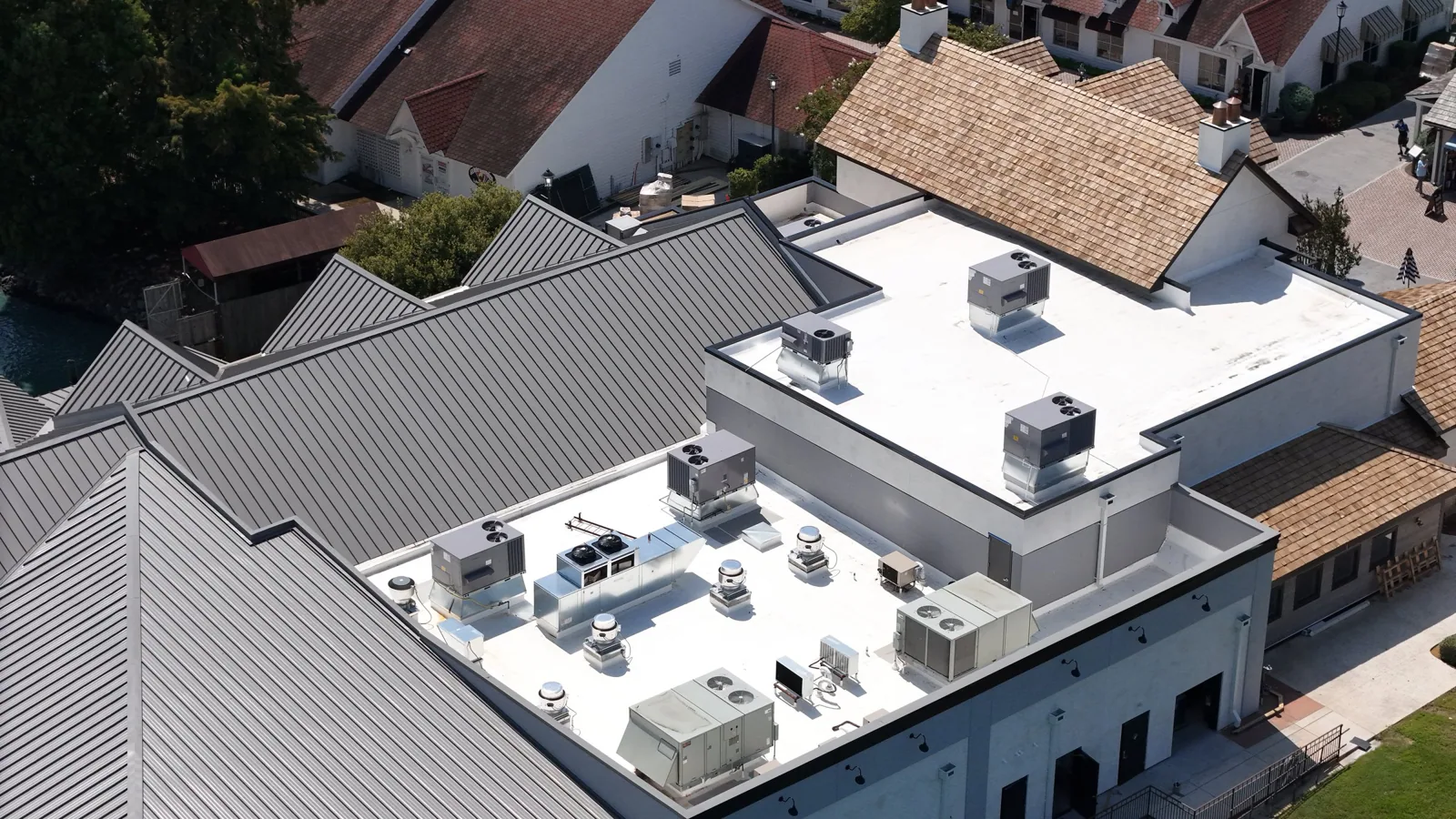
A reflective surface changes how much sun the roof absorbs, but it cannot correct wet insulation or a drain that holds water. In Conroe, long hot periods and Gulf-side humidity put the existing assembly first in the decision. We inspect the membrane, cover board, edges, penetrations, and drainage before choosing a reflective coating or replacement system. The property also matters. Conroe Park North includes freight, manufacturing, and warehouse operations, while The Woodlands Town Center combines offices, retail, healthcare, hotels, and entertainment. Equipment density, access, and hours below the roof change how installation is planned.
Choose what the reflective surface must do
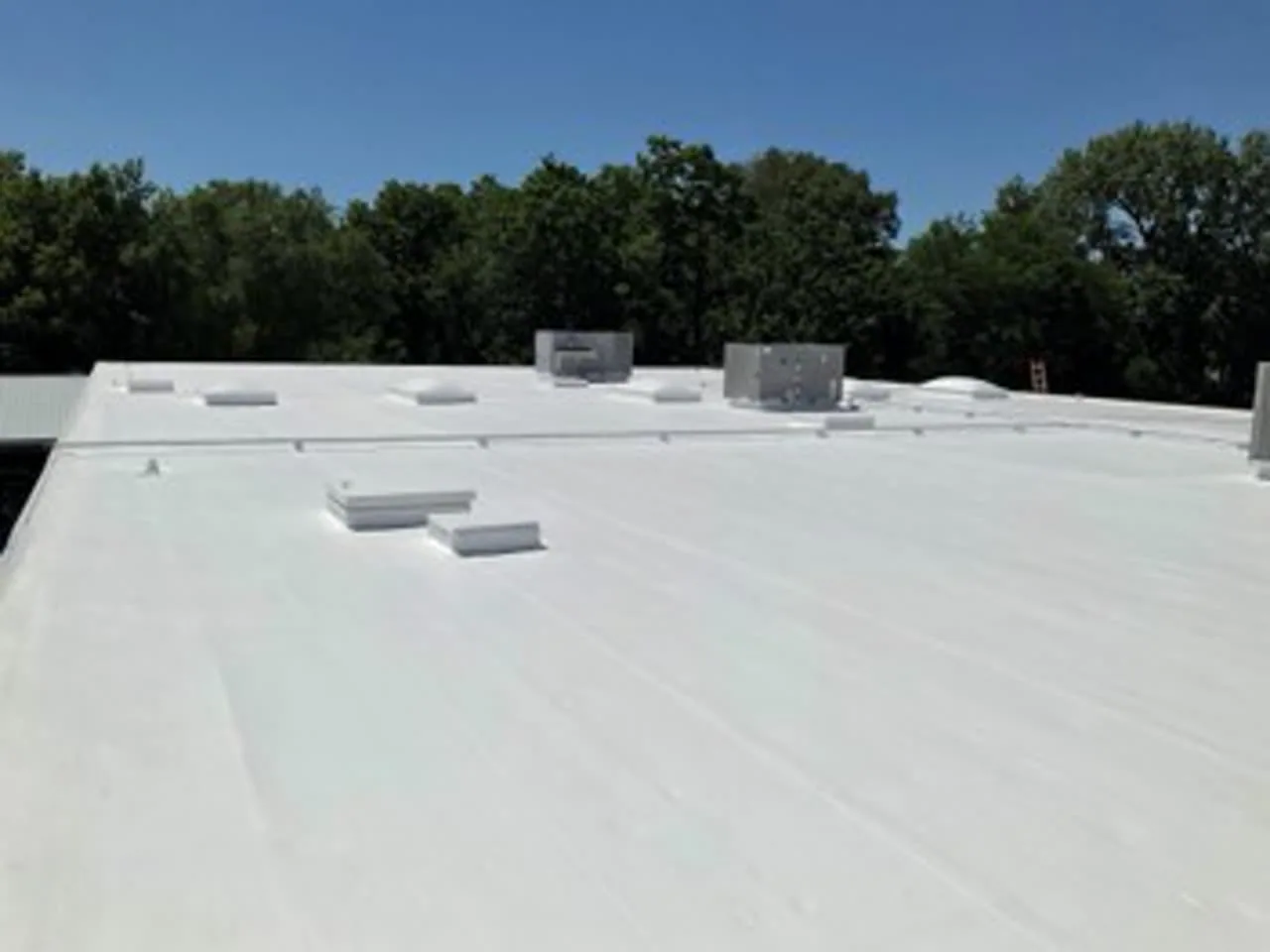
A cool roof can lower solar absorption at the surface when the selected product is installed over a suitable assembly. That is one roof property, not a promise about the building's full energy use. Insulation, air leakage, HVAC efficiency, occupied hours, equipment loads, and controls all affect indoor conditions and utility consumption. We clarify whether the project is intended to renew a sound membrane, improve surface reflectance, or install a new assembly during replacement. The scope identifies product properties and work limits without inventing a savings percentage. In Conroe, Houston Intercontinental Airport's July and August normal highs are near 95 degrees, a regional indicator of sustained summer heat. That makes surface selection relevant, but measured performance still depends on the particular roof and building. A commercial roof inspection can establish the existing condition before a reflective system is priced. If energy savings are the main goal, a building energy review belongs beside the roof proposal, using comparable weather and operating data rather than surface color alone.
Check the roof beneath the proposed finish
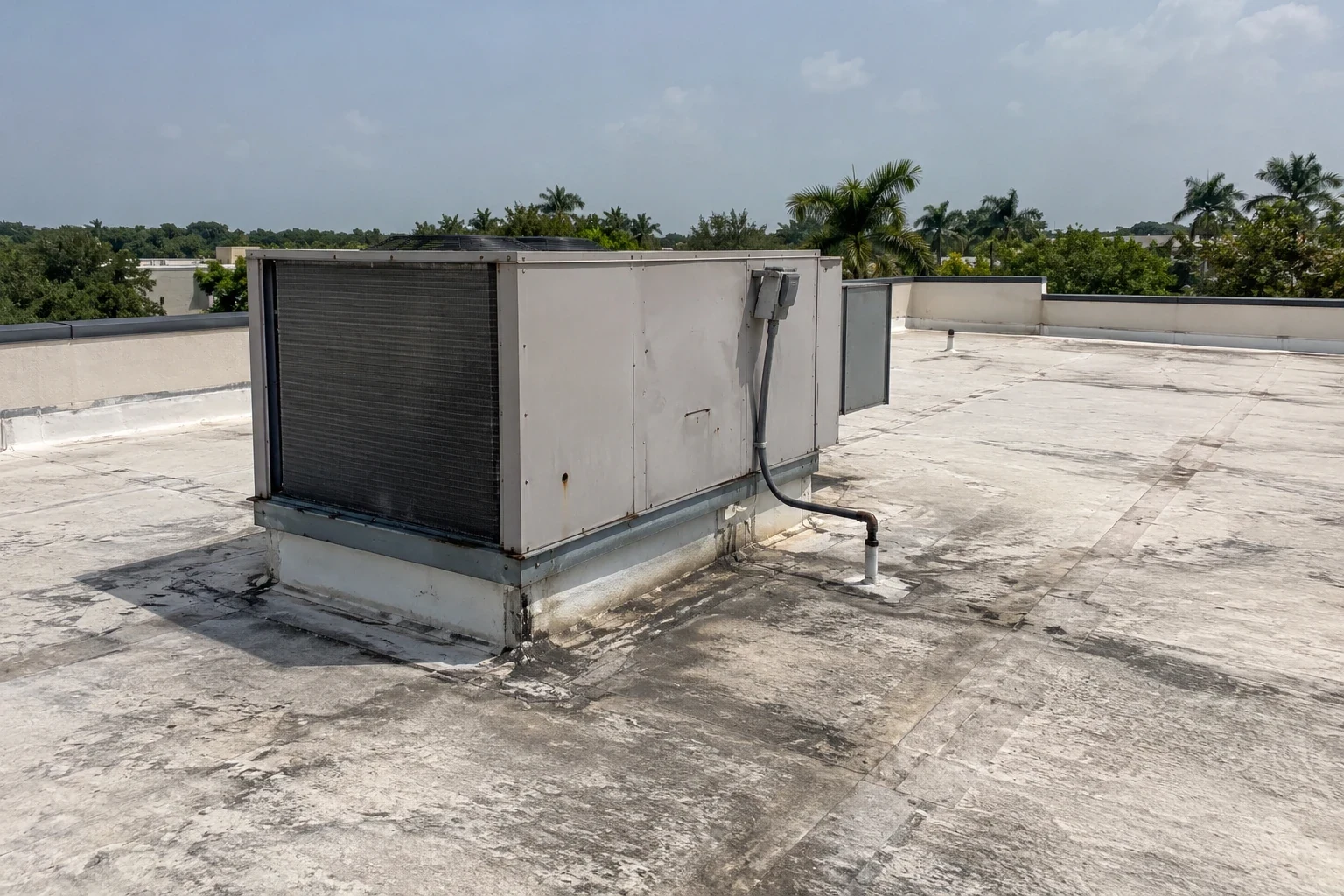
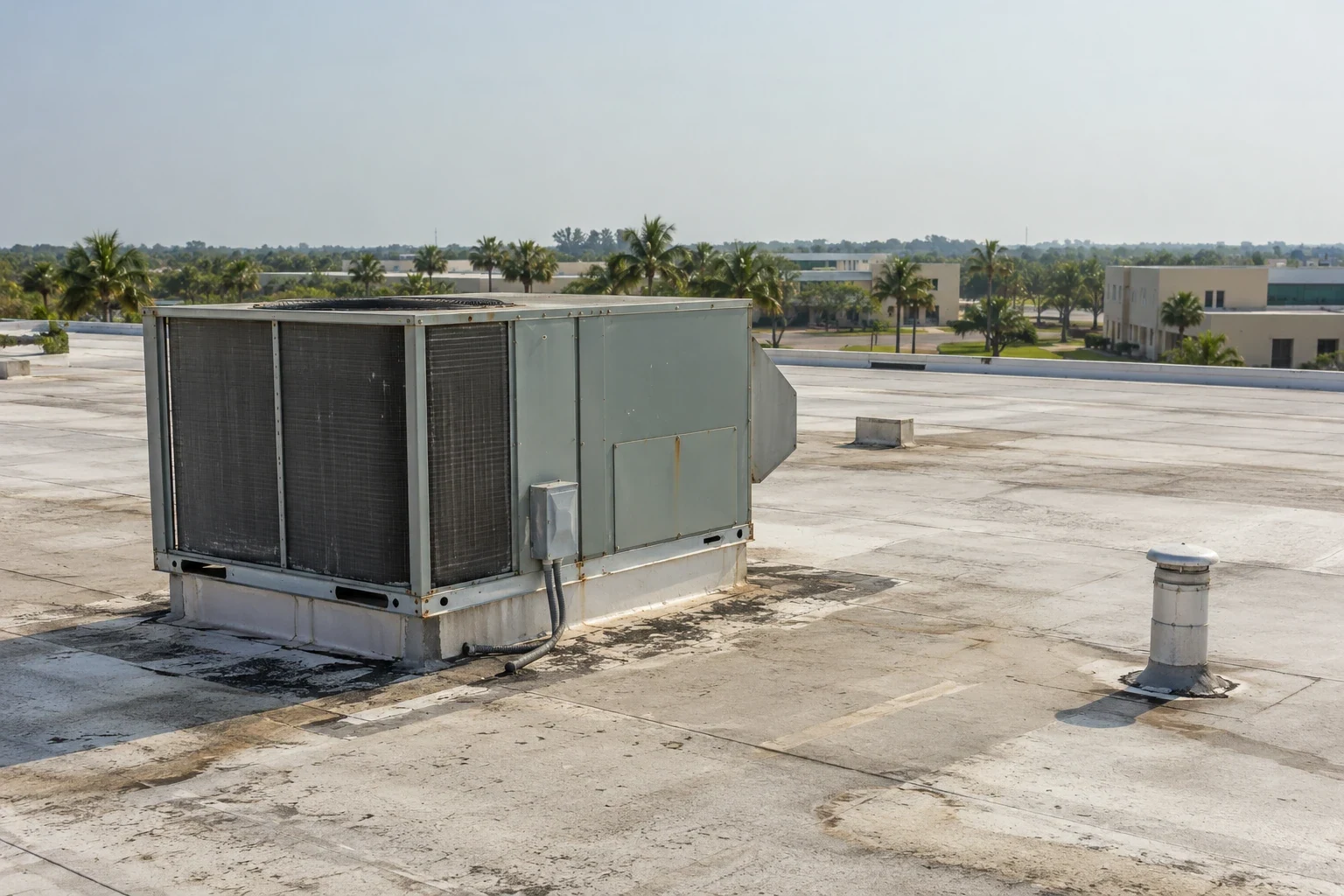
A coating cannot stabilize a loose membrane, dry out insulation, or rebuild a failed edge. We check for open seams, punctures, blisters, loose flashing, corrosion, prior coating layers, and low areas that retain water. Moisture testing or a controlled opening may be needed where readings could change the removal boundary. If the existing system is attached, dry, and compatible with the proposed coating, repairs and preparation can be scoped before application. If wet material extends across the roof, covering it can hide the condition and complicate later work. The manager receives a map of confirmed findings, suspect areas, and sections that were inaccessible. A coating restoration assessment separates preparation and repair from the reflective field application. On metal, panel movement, fastener condition, rust, and lap details determine whether a coating is an appropriate component of renewal. On a single-ply roof, the membrane chemistry and surface condition control primer and adhesion. We test a representative area when product requirements call for it, then use the result to confirm the proposed system rather than extending one favorable sample to every roof section.
Select a compatible reflective assembly
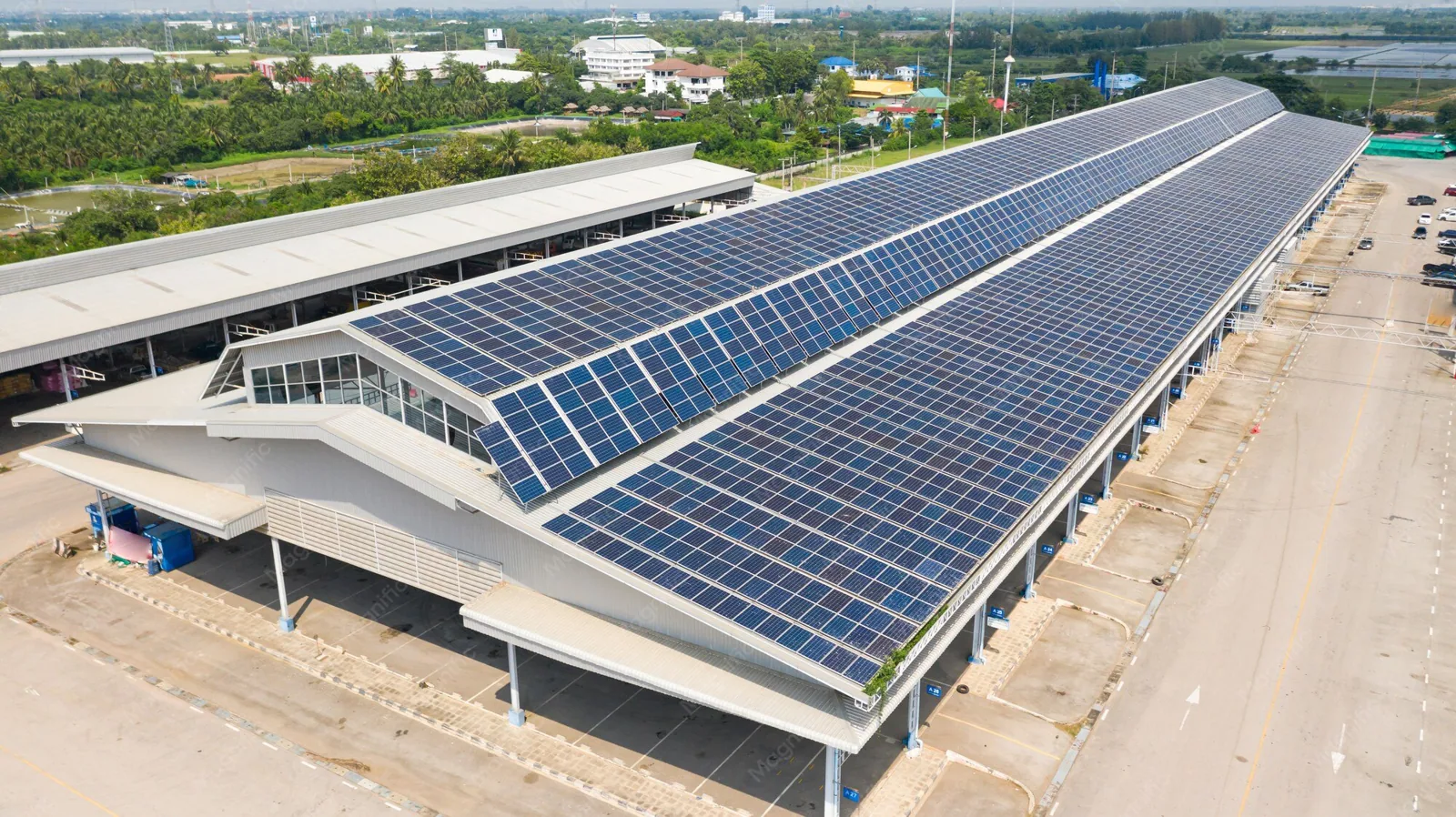
The project may use a reflective membrane, a suitable coating, or a metal finish, but those systems do not share one preparation method. We identify the existing membrane or panel, substrate, attachment, and previous layers before selecting materials. The product requirements govern primer, reinforcement, application thickness, cure conditions, and the treatment at drains, curbs, wall transitions, and edges. A new layer can raise the roof surface, which may change drain bowls, overflow height, and curb clearance. Those details must be included in the drawing and scope. If the existing roof is beyond restoration, compare a new reflective assembly with a standard replacement on the same roof boundary. A TPO system may be considered when the deck, attachment, and project details fit its requirements; it is not selected by color alone. For a metal roof, panel seams and fasteners need inspection before a finish is applied. On a warehouse roof, equipment lanes and interior inventory protection may shape the work sequence as much as the roof surface. The proposal states how the system ties into each opening and what maintenance is required after installation.
Plan around heat, rain, and roof access
Hot surfaces, high humidity, dew, and afternoon storms can affect cleaning, adhesion, application, and cure. We schedule work to the product's installation limits and keep a weather-tight stop point for each shift. If rain approaches, the crew secures open details and keeps drains available rather than leaving a broad wet area exposed. Lone Star Executive Airport, north of Conroe, is the local climate station. July and August normal highs at nearby Houston Intercontinental run near 95 degrees. We set application windows from the forecast, surface temperature, substrate moisture, and the product's cure limits. The Woodlands Waterway district includes offices, hotels, restaurants, residences, and major shopping destinations, so roof access may need to avoid guest, tenant, and event operations at a specific building. We confirm those constraints with the property contact. A drain and scupper service can correct or document outlet conditions before a coating closes the field. Where reflective roofing is considered near The Woodlands Town Center, staging, lift placement, delivery routes, and daily closeout are set for the actual site, not inferred from the district's mixed-use description.
Prepare, apply, and inspect each roof section
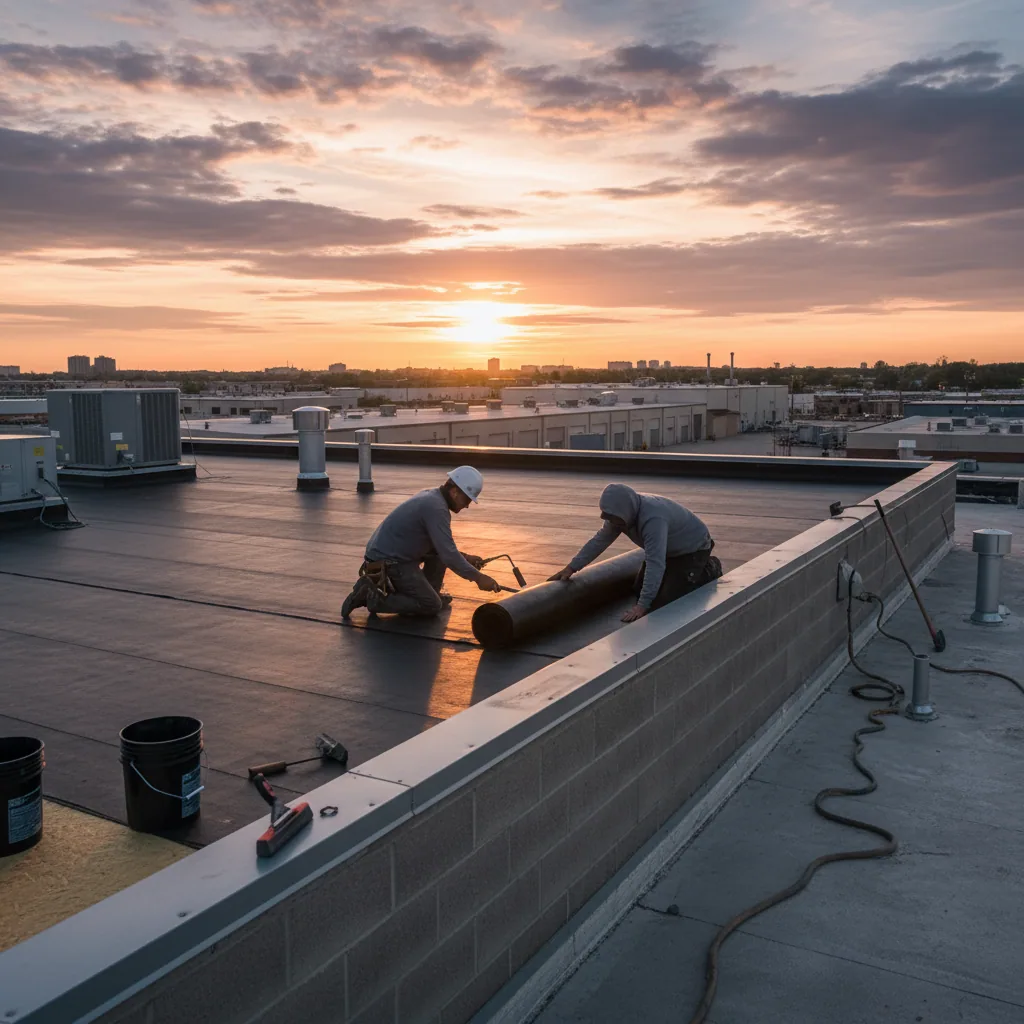
Preparation starts by removing loose material and contaminants that could weaken adhesion. We complete repairs to seams, penetrations, curbs, and perimeter details before covering the field. The approved system determines whether primer, fabric reinforcement, or a particular application rate is required. We protect drains and adjacent surfaces, coordinate equipment service, and keep foot traffic away from fresh work until the product permits access. Quality checks follow the system: coverage or thickness, seam and termination condition, reinforced details, and transitions to areas that remain unchanged. Any section withheld because of moisture, temperature, or access stays outside the completed quantity until the condition is resolved. On a larger roof, sequence the work by zones that can be prepared and closed safely within the weather window. The site contact should know which areas are complete, where temporary boundaries remain, and when rooftop equipment can be serviced again. A documented roof condition report can preserve the baseline and installation photos. If the project adds insulation or changes drainage, those items belong in the same closeout record so the next maintenance visit can distinguish new system performance from older conditions.
Compare restoration with replacement
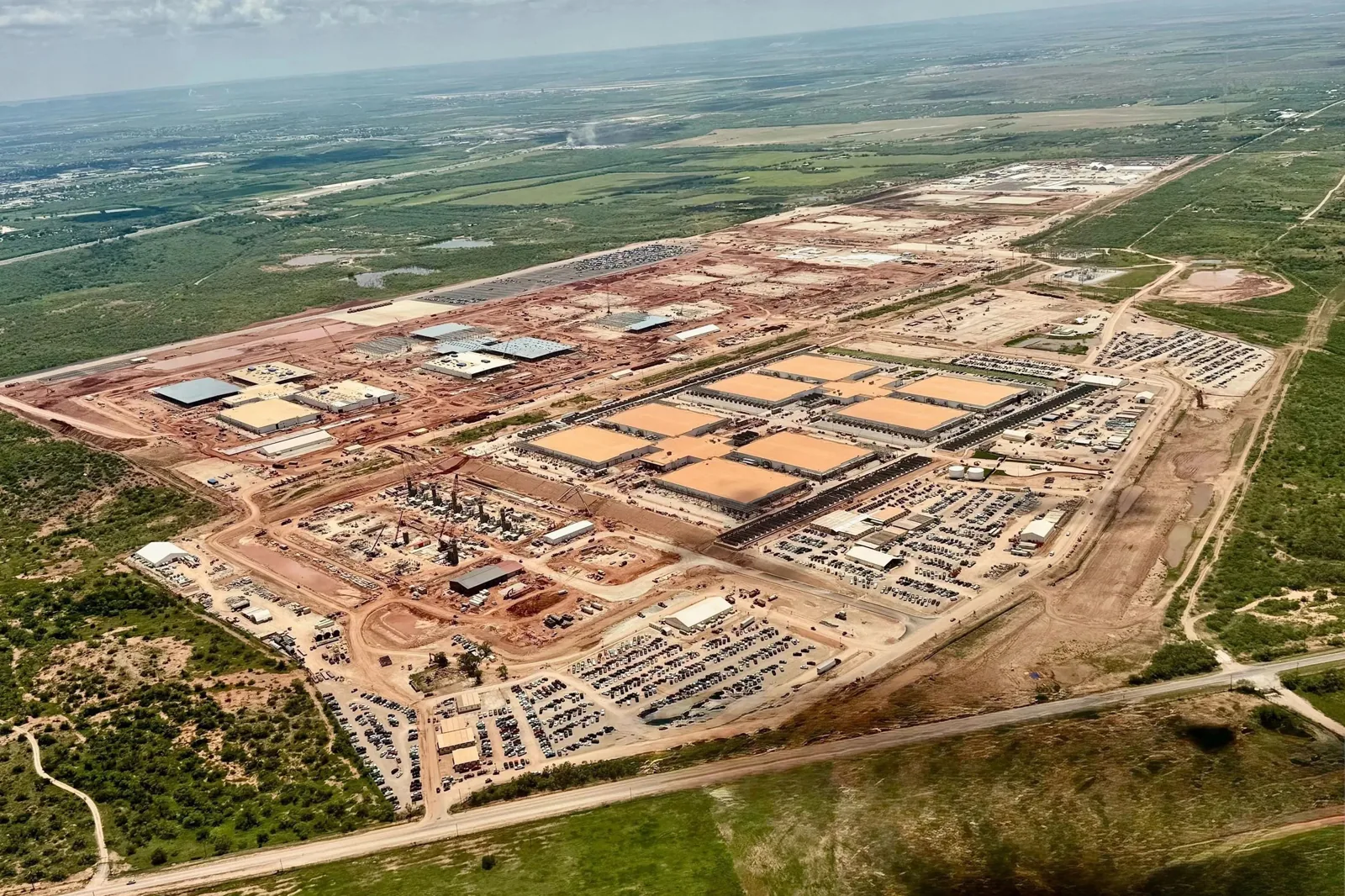
A reflective coating is one option when the existing roof is dry enough, attached, compatible, and repairable. Broad moisture, unstable layers, corrosion, or failed deck conditions can point toward removal and a new assembly instead. The proposal should separate confirmed repairs from testing and describe which areas will receive the reflective system. It should also identify equipment access, interior protection, staging, cure time, disposal, and the work needed at edges and drainage details. A commercial roof replacement can address the full assembly when a surface renewal would leave underlying problems in place. A roof capital plan can compare project timing against maintenance findings and equipment work without treating a reflective finish as proof of energy savings. Send the building location, roof plan if available, leak history, equipment constraints, and the operating window. We will inspect the assembly and explain the work boundary before installation is scheduled.
Commercial Roofing Questions
Will a reflective roof lower our electric bill by a set amount?
The roof surface can absorb less solar energy, but utility use also depends on insulation, HVAC, operating hours, and internal loads. We describe the roof system; a building energy analysis is needed to estimate savings.
Can a cool coating go over our existing roof?
The existing roof must be dry, attached, compatible, and prepared for the selected product. We inspect seams, moisture, drainage, and prior layers before deciding whether coating is suitable.
Does the reflective layer solve ponding?
No. A surface coating does not change a blocked outlet or low roof area. We check drains, overflow paths, and slope, then scope drainage corrections separately where needed.
What can delay coating work during a Conroe summer?
Surface temperature, humidity, dew, rain, and the system's cure limits can change the work window. We sequence smaller roof sections and keep each day's exposed area protected.
How should we compare a coating with replacement?
Compare both options on the same roof area and include moisture, attachment, preparation, repairs, edges, drainage, access, and expected maintenance. The condition below the surface often decides whether restoration is sound.
Related Roofing Work